
Affiliate disclosure: As an Amazon Associate I earn from qualifying purchases. Learn more
Every winter, a small town in Cochise County gets a guest list that runs into the thousands, and none of the guests bother to book a room. They arrive on wings, stay for months, and put on a flight show twice a day for anyone patient enough to park and wait.
Most Arizonans race past Willcox on Interstate 10 without a second thought, but birders and RV travelers know better. Tucked beside town is a pair of modest lakes fed by recycled water, and they draw sandhill cranes, ducks, geese, and hawks in numbers that seem far too big for such a quiet spot.
Keep reading to learn where this place is, when the cranes come and go, how to camp right beside them for free, and why a pair of binoculars might be the smartest thing you pack this season.
A Wetland Hiding in Plain Sight
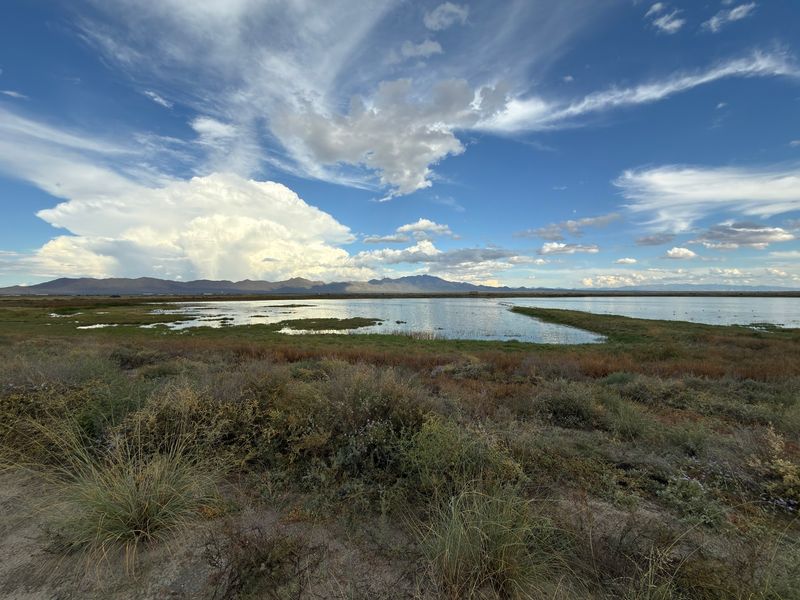
Few people expect a birding hotspot at the edge of a cattle and orchard town, yet that is exactly what Willcox offers. The spot is called Lake Cochise Wildlife Viewing Area, and it sits at 1296 S Rex Allen Jr Dr, Willcox, AZ 85643, in the southeastern corner of Arizona.
Officially, it is listed as a wildlife refuge. In practice, it is a set of small lakes ringed by open ground, roadside parking, and shaded viewing platforms.
The water comes from the town itself. Willcox puts recycled water to work here, turning what could have been a utility project into a magnet for migrating and resident birds.
That clever reuse is a big reason the site exists at all. In a dry valley, any reliable patch of water becomes a destination for wildlife, and these lakes have become one of the most talked-about stops for birders in the region.
The setting is simple, and that is part of its charm. There is no visitor center or gift shop, just the lakes, the sky, and whatever happens to fly in that day.
Many travelers stumble on it while passing through, and plenty leave wishing they had planned a longer stay. The real story, though, begins with the birds that made this place famous.
The Winter Headliners
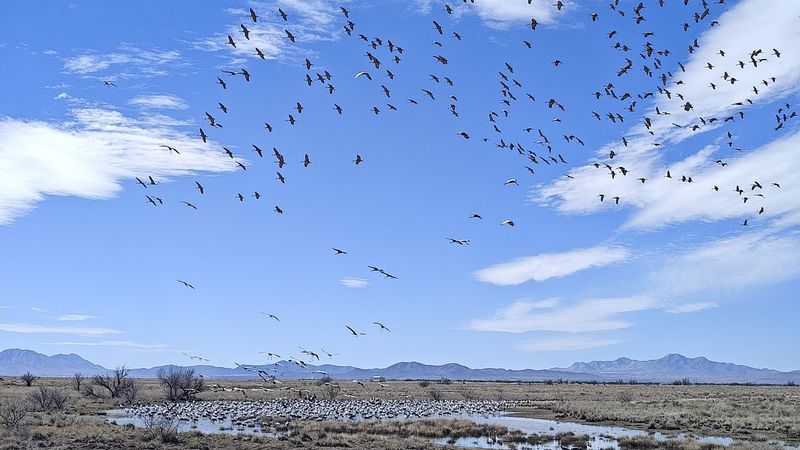
Sandhill cranes are the reason most people circle this lake on their calendars. When winter settles over southern Arizona, these tall gray birds show up by the hundreds, and on good days by the thousands.
Groups have been seen standing just feet from parked vehicles. That kind of closeness is rare, and it turns a casual stop into a memorable afternoon.
Crane numbers can vary from day to day and from year to year. Some days bring a few scattered flocks, while other days bring a crowd that seems to stretch across the whole lake.
Timing matters too. The cranes are winter residents, so the show is a seasonal one rather than a year-round guarantee.
Even a lighter day can feel worthwhile. Several groups spread around the water still offer plenty to watch, especially for anyone who has never seen these birds up close.
Willcox sits in the same broad valley as other well-known crane areas, so birders sometimes combine stops in a single day. A morning at one site and an afternoon here makes for a full day of crane spotting.
Once the headliners are on the schedule, the next question becomes when exactly they take the stage.
Flight Times You Can Almost Set a Watch By
Cranes keep a routine, and learning it is the secret to a great visit. At daybreak, flocks lift off the lake and head out to feed in the surrounding farmland.
By late morning or early afternoon, many of them return. Arrivals have been noted anywhere from around 11 a.m. to roughly 1 p.m.
Then comes the evening act. Around sunset, the birds move again, with departures and arrivals noted near 6:30 p.m. in early spring.
That gives you three solid windows: sunrise, midday, and dusk. Campers who stay overnight get to catch all of them without moving their vehicles.
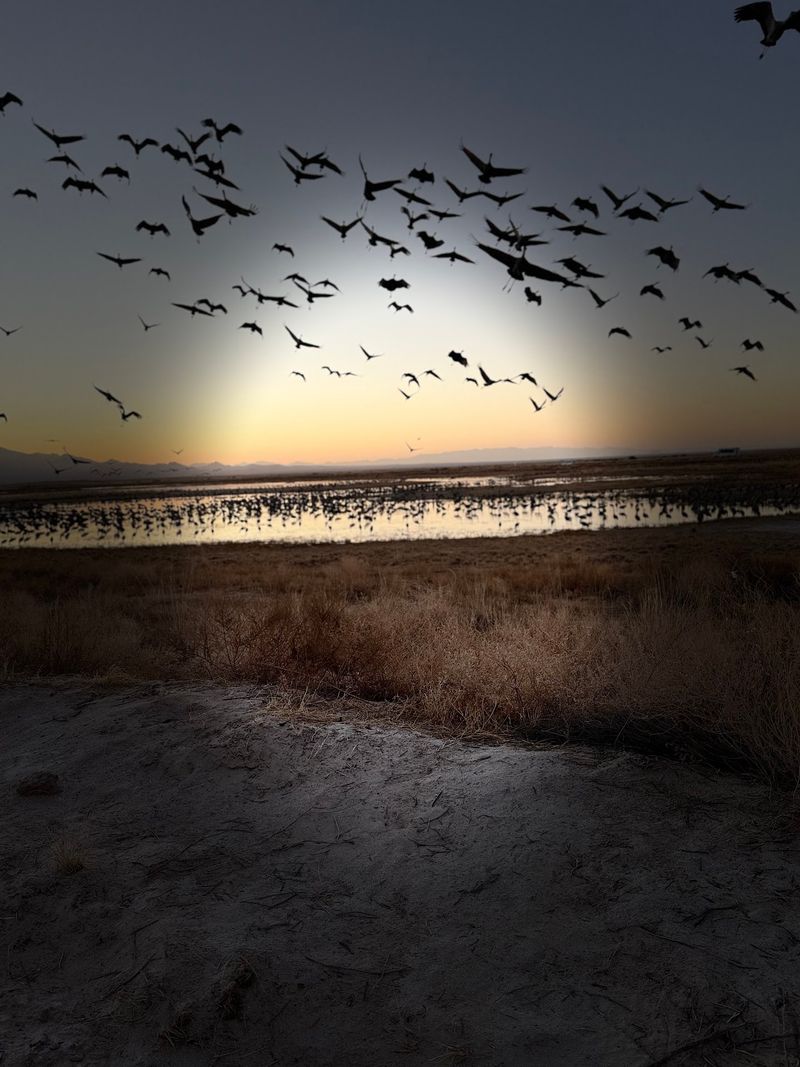
Dusk tends to be the favorite. As the light fades, the flocks gather and lift in waves, filling the sky with motion and the steady chatter cranes are known for.
A storm rolling in at sunset only adds drama to the scene. Clouds, low light, and moving flocks make for photos worth the wait.
Exact times shift with the season, the weather, and the birds themselves. Arriving a little early and staying a little late is the safest plan.
Of course, cranes are not the only ones keeping a busy schedule out here.
Wigeons, Shovelers, and a Hawk Overhead
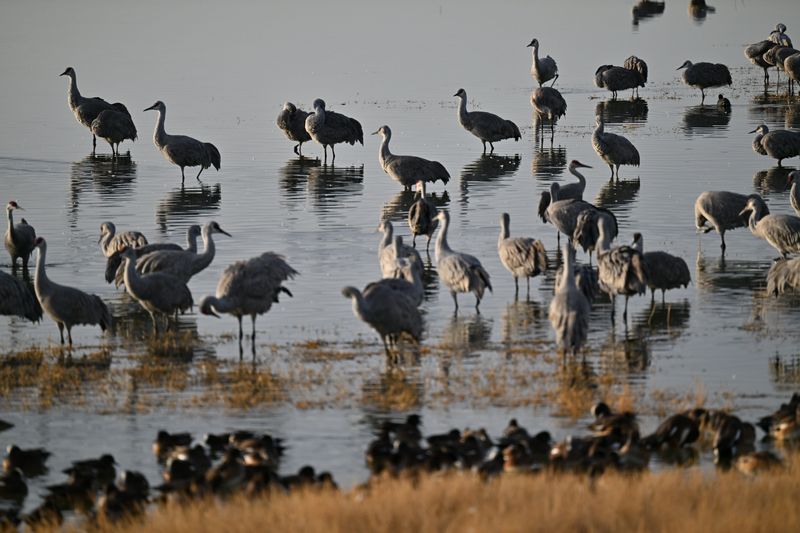
Some days the cranes take a break, and the supporting cast steals the show. American wigeons have been seen in huge numbers here, sometimes outnumbering every other bird on the water.
Shortly before sunset, those wigeons tend to march off the lake and onto land for the evening. Watching an entire flock make that move in unison is surprisingly entertaining.
Northern shovelers paddle around too. Geese and other ducks round out the waterfowl list at certain times of the year.
Raptors patrol the area as well. A northern harrier gliding low over the shoreline is the kind of sighting that can happen in just half an hour of watching.
Shorebirds also work the edges of the lakes. They are easy to spot from the car, which is handy on cooler mornings.
The land holds its own surprises. Ants and the occasional snake are part of the scene, a reminder that this is still the desert.
Variety is what keeps birders returning. A visit aimed at cranes can easily turn into a lesson in ducks, hawks, and shorebirds.
All of that wildlife, however, depends on one thing that changes with the seasons.
Why Water Levels Change Everything
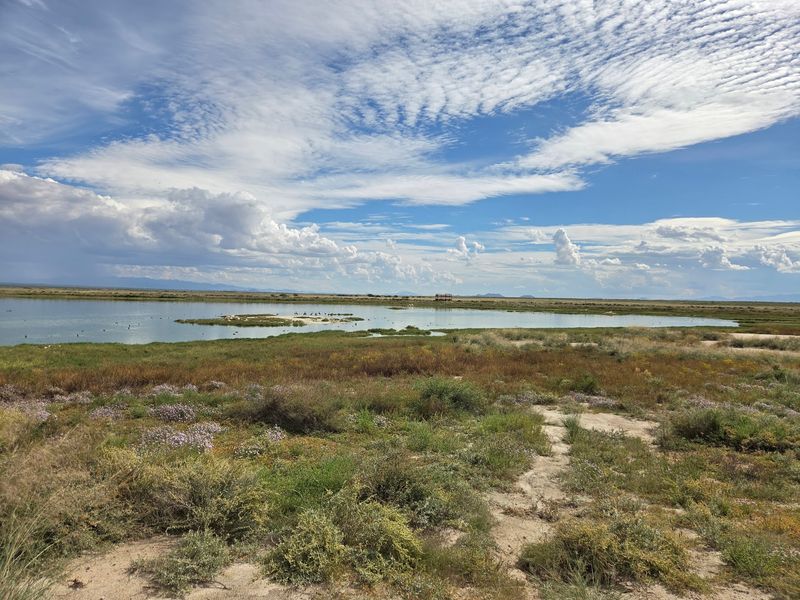
Water is the whole ballgame in a desert wetland. When the lakes are full, birds pour in, and when levels drop, the crowds thin out.
Summer tends to be the low point. With less water around, the site works much better as a winter birding stop than a summer one.
Rain can change the picture quickly. A single storm can leave the lakes looking full and fresh the very next day.
Some years simply bring more water than others. Travelers who stop on every trip west have noticed seasons with especially strong levels, and those tend to be the best for wildlife.
Part of the area includes a dry lake bed on the south side. That flat ground becomes useful in another way, which comes up later.
For planning purposes, winter is the safest bet. That is when the cranes arrive and when the lakes are most likely to be doing their job.
A quick look at recent weather before driving out can help set expectations. Low water does not mean no birds, but it often means fewer.
Once the water is right, the next step is finding a good spot to watch from.
Shade Platforms and Front-Seat Birding
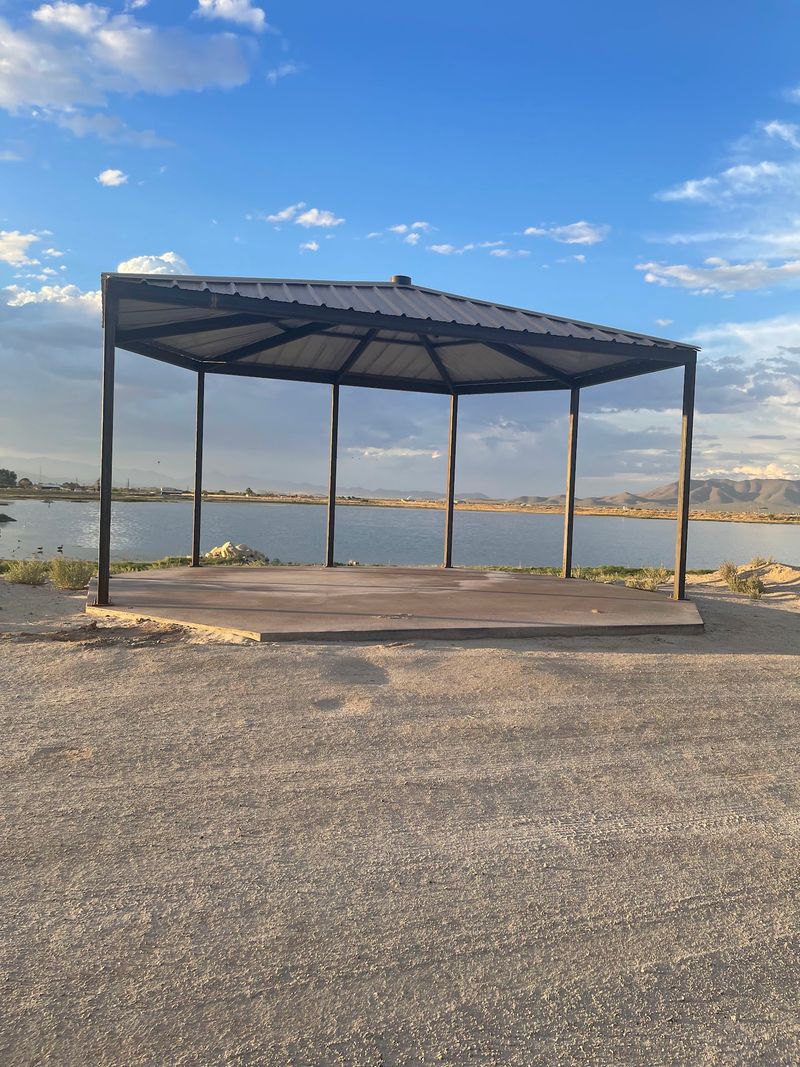
Good viewing does not require a hike here. The lakes are lined with spots where you can simply pull over, roll down the window, and start counting birds.
Birding from the car works especially well. Vehicles act as a quiet blind, and wildlife often carries on as if nobody is there.
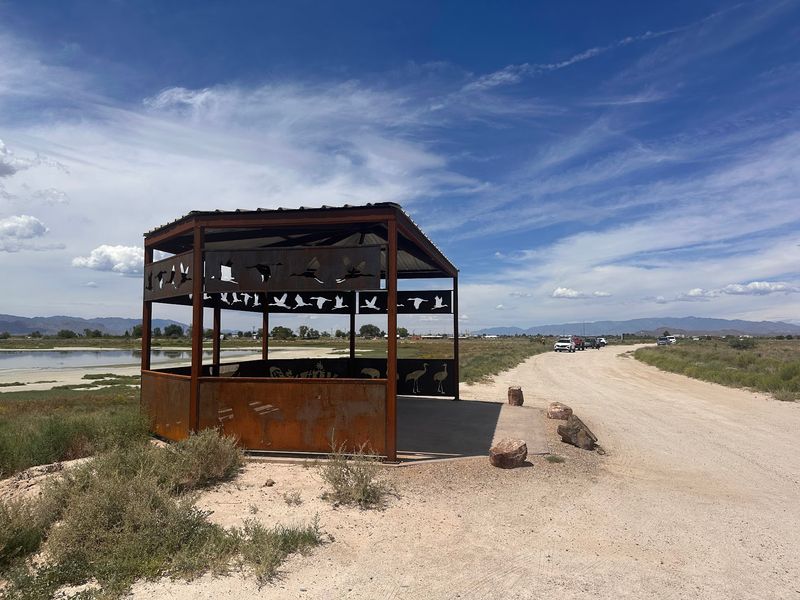
For those who prefer to stretch their legs, shade-providing platforms stand near the water. Willcox has been adding decorative steel accents to them, giving the structures some local character.
The town is also adding environmental education signs. These help newcomers learn what they are seeing and why the wetland matters.
Bat houses are part of the improvements too. They hint at the wider range of wildlife the area supports beyond the birds on the water.
Access is easy across the board. Any type of car can handle the roads, so there is no need for a high-clearance vehicle.
The viewing areas themselves earn steady praise. They give a clear look at the lakes without crowding the birds.
A comfortable seat is great, but the right gear makes those views even better.
Binoculars, Long Lenses, and Patience
Here is a lesson many first-timers learn the hard way: binoculars matter. Travelers who show up without them often leave wishing they had packed a pair.
Cranes can be close, but ducks and shorebirds often stay farther out on the water. A good set of binoculars brings them into focus and makes identifying species much easier.
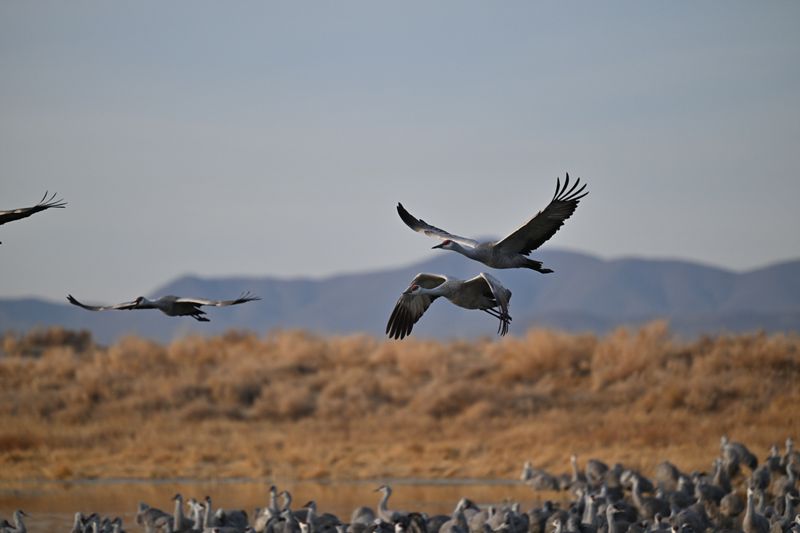
Photographers should bring a long lens. The area has a reputation as a photographer’s paradise, especially when flocks lift off at sunset.
Dusk light combined with moving birds can create striking images. Storm clouds over the valley only improve the backdrop.
A field guide or birding app can help too. With wigeons, shovelers, harriers, and shorebirds possible on the same day, it is handy to have a reference.
Patience may be the most useful tool of all. The birds keep their own schedule, and waiting a little longer often pays off.
Layers are smart as well, since winter mornings and evenings in the high desert can turn chilly. A thermos of something warm never hurts.
With gear sorted, some visitors take the next step and decide to stay the night.
Free Camping Beside the Flocks
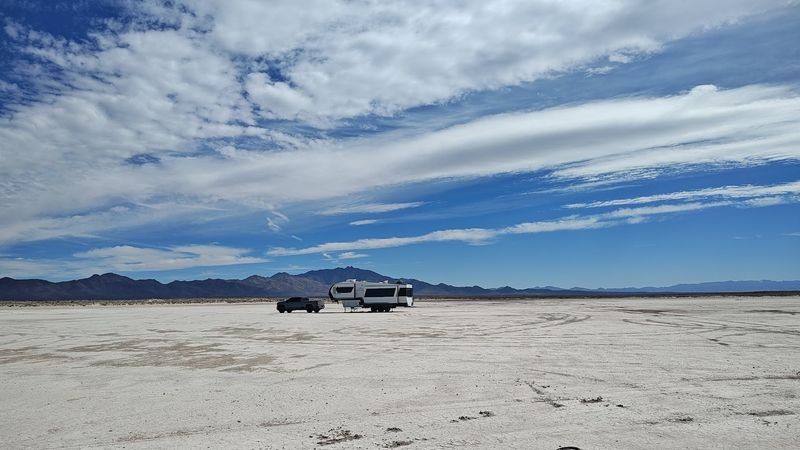
Ask an RV traveler about this lake and the conversation usually turns to boondocking. Dispersed camping is allowed, and it is one of the site’s biggest draws.
There is plenty of room to park along the road around the lake. The dry lake bed on the south side offers even more space.
Big rigs fit with ease. The access is simple enough that any size of RV can settle in without much fuss.
Stays of up to 14 days are allowed. That is long enough to watch the crane routine many times over.
Nights here are known for being calm and peaceful. Many campers mention sleeping well and waking up to cranes taking off at first light.
Camping right beside the lakes means front-row access to all three daily flight windows. There is no early alarm and no drive to catch the morning show.
It also works well as a reliable stop during bad weather. When storms roll through, travelers have used it as a place to wait things out.
Before setting up camp, though, it helps to know what is and is not available on site.
No Facilities, Plenty of Room
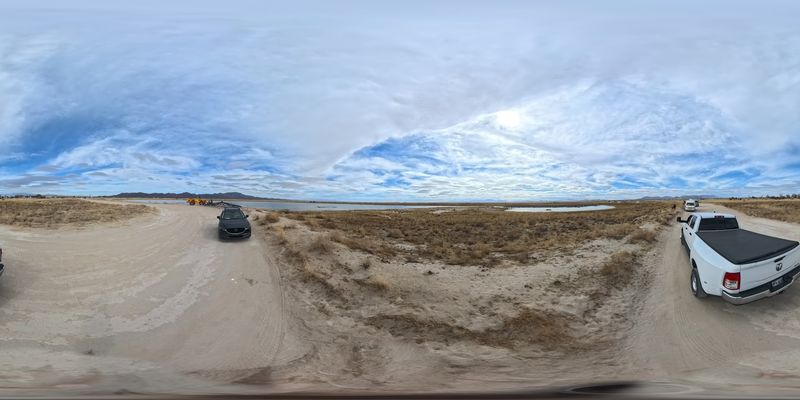
Simplicity is the defining trait of this wetland. There are no facilities, so plan as if you are heading out on a self-contained trip.
That means bringing water, food, and anything else you need for the day or night. Campers should arrive with tanks and supplies ready.
Admission details are not posted in the available information, and no hours are listed. Most people simply drive in, park along the road, and start watching.
The area is also a longtime favorite for dog walking. Most owners are considerate, though the occasional dog can be a bit out of control.
Keeping pets leashed helps both the birds and other guests. Wildlife watching works best when nobody is chasing the subjects.
Quiet is the norm here. The space is used mostly by birders and nature lovers, along with a few people stopping to eat lunch in their cars.
Carry out whatever you bring in. Without trash service or buildings, keeping the lakes clean depends on every guest.
With the basics covered, the final piece is figuring out how to fit this stop into a bigger trip.
Building a Cochise County Day Around the Lake
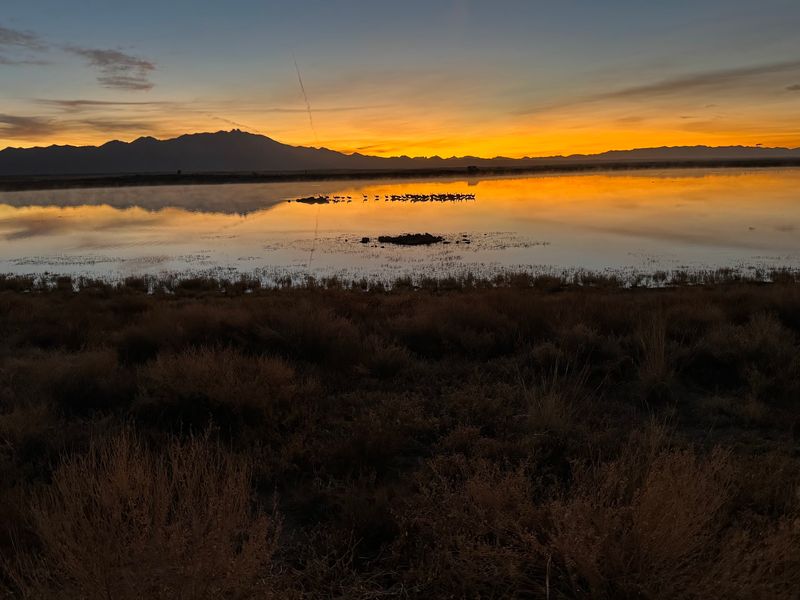
Willcox makes a handy base for exploring southeastern Arizona. The lake sits close to town, just off Interstate 10.
Chiricahua National Monument is about 45 minutes away. Its rock formations pair nicely with an afternoon of crane watching back at the lake.
Whitewater Draw, another well-known crane site, is also in the region. Some birders visit there in the morning and swing by Lake Cochise later in the day.
That kind of combo can fill a winter weekend with wildlife. Each site has its own personality, and seeing both gives a fuller picture of crane season.
The town itself deserves a look too. Plenty of travelers passing through say they wish they had saved time to explore Willcox.
Midday works well for driving between stops. Since the cranes often leave the lake in the morning and return around lunchtime, there is time to wander before the next flight window.
Planning around sunset is the smart move. Ending the day at the lake means catching the most dramatic part of the show.
All of which leads to the big question: is it worth the drive?
Worth the Drive When the Cranes Are In
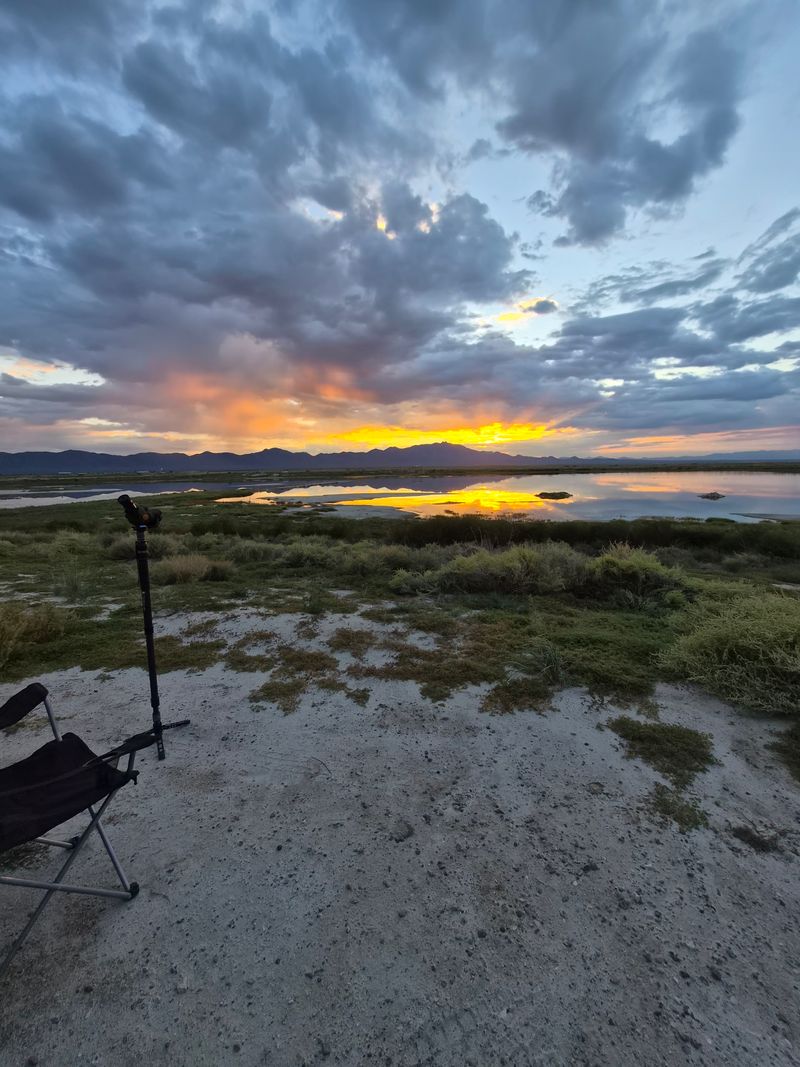
Honesty first: this is not a fancy destination. It is a handful of small lakes with no buildings, and in summer it can look a little sleepy.
Come winter, though, the place transforms. Thousands of sandhill cranes, rafts of wigeons, and passing hawks turn a quiet patch of recycled water into one of Arizona’s best free wildlife shows.
The site holds a 4.7-star average on Google, a strong sign of how much people enjoy it. Most of that love centers on the cranes, the calm atmosphere, and the easy access.
It suits a wide range of travelers. Birders, photographers, RV campers, and road-trippers needing a break all find something here.
Families can enjoy it from the car. Serious photographers can spend hours waiting for the perfect sunset flight.
Arizonans tend to look far away for wildlife spectacles. This one sits right off the interstate in a small Cochise County town, waiting for anyone who slows down long enough to notice.
Pack binoculars, check the weather, and aim for dusk. When the flocks lift into the evening sky and their calls echo over Willcox, the detour will feel like one of the best decisions of the winter.


