
Affiliate disclosure: As an Amazon Associate I earn from qualifying purchases. Learn more
Most people race past the Verde Valley on Interstate 17 without a second thought. Just off the highway, though, a quiet stone wall holds a message board that is centuries old.
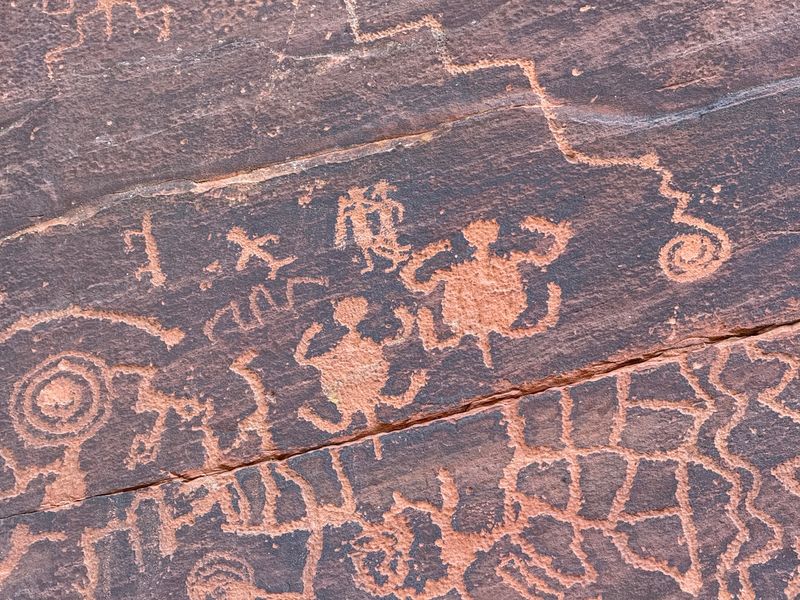
Its carvings date back to around 1150, and they still puzzle the experts who study them. Some of the figures even work together as a calendar that tracks the sun through the seasons.
The best part is how few Arizonans know the place exists, even though it sits a short drive from Sedona. Friendly volunteers walk every guest through the stories behind the symbols, so nobody leaves guessing.
The walk is short, the entry fee is small, and the history is huge. Keep reading to learn where it is, when it opens, and why it feels like Arizona’s own outdoor history book.
A Renamed Treasure Off Forest Service Road 618
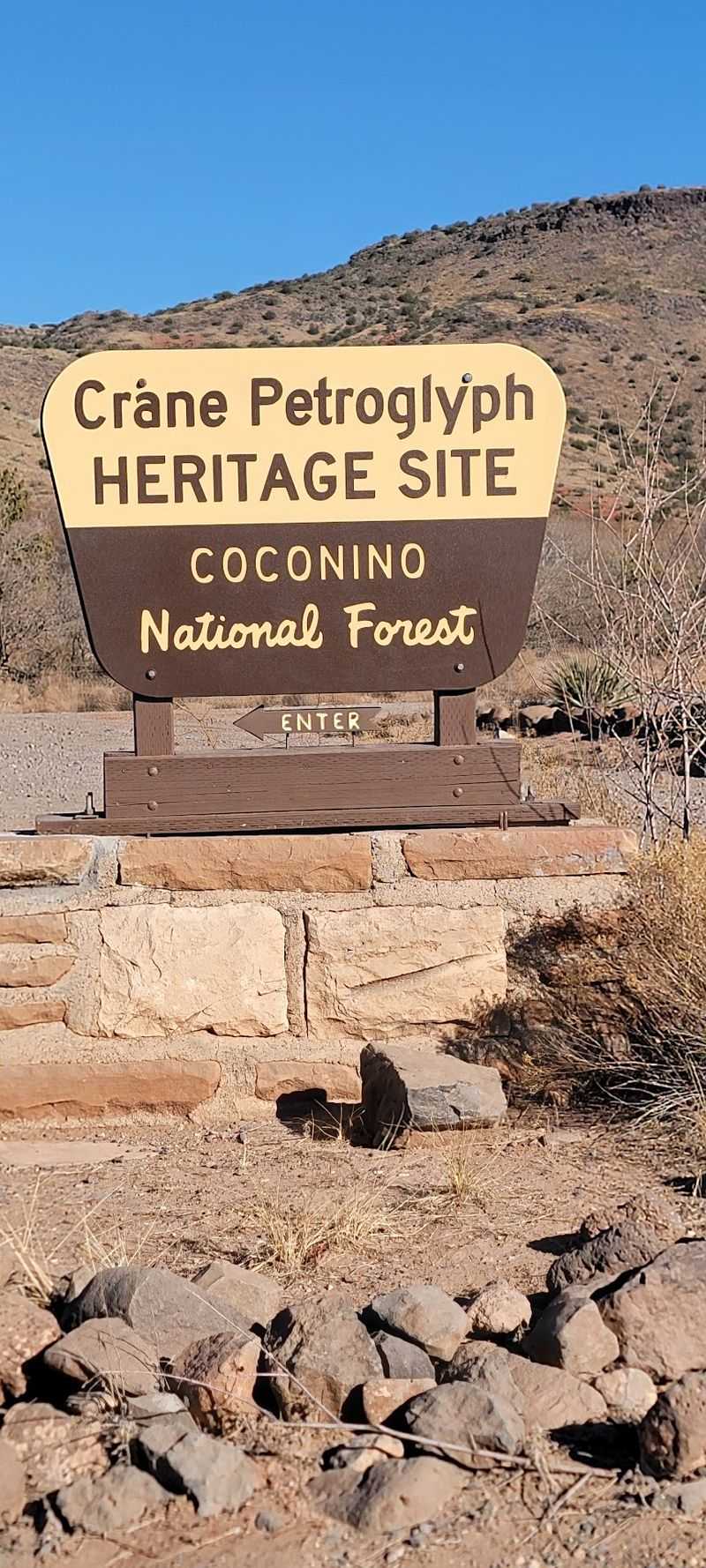
The sign out front reads Crane Petroglyph Heritage Site, though many Arizonans still know it by its older name, V-Bar-V. The renaming happened a few years ago, but the rock art itself has not changed in centuries.
The site sits at 6750 Forest Service Rd 618, Rimrock, AZ 86335, in the Verde Valley of Arizona. Sedona is a short drive away, which makes it an easy add-on for anyone exploring red rock country.
It is managed as part of Coconino National Forest lands. Officially, it is listed as a historical place with a visitor center and bookstore.
The headline attraction is conserved rock art dating back to about 1150. The site holds the largest petroglyph collection in the Verde Valley, a title that surprises plenty of longtime residents.
A short dirt road leads from the main route to the parking area. Signs mark the way, and they matter more than GPS here, since phones have a habit of sending drivers right past the entrance after the turnoff.
With a 4.9-star average across more than 340 opinions, the place has earned a quiet fan base. Not bad for a spot that barely shows up on social media.
Who Carved the Wall
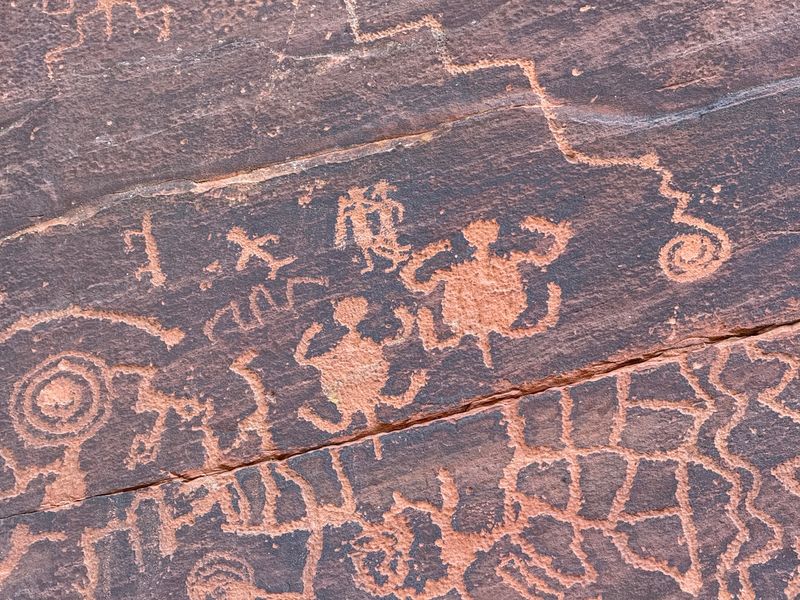
Long before anyone drew a map of Arizona, the Southern Sinagua people chipped their marks into this stone. The figures they left behind are the reason the site exists today.
Docents are quick to point out that the artists were far from primitive. These were people who understood migration, planting seasons, and record keeping.
The carvings show how people communicated with each other across generations. Guests often leave with more questions than answers, and that mystery is part of the appeal.
The wall also connects to living cultures. Hopi people still return to the site for ceremony a few times a year, a detail that turns a history lesson into something current.
Guides also share stories about Yavapai culture, giving a wider view of the people tied to this land. The rangers and volunteers present the panels with respect for the tribes who trace their origins here.
The result is a place that feels less like a museum and more like a conversation that has lasted roughly nine centuries. Few spots in the state can say that.
The Rustic Little Visitor Center
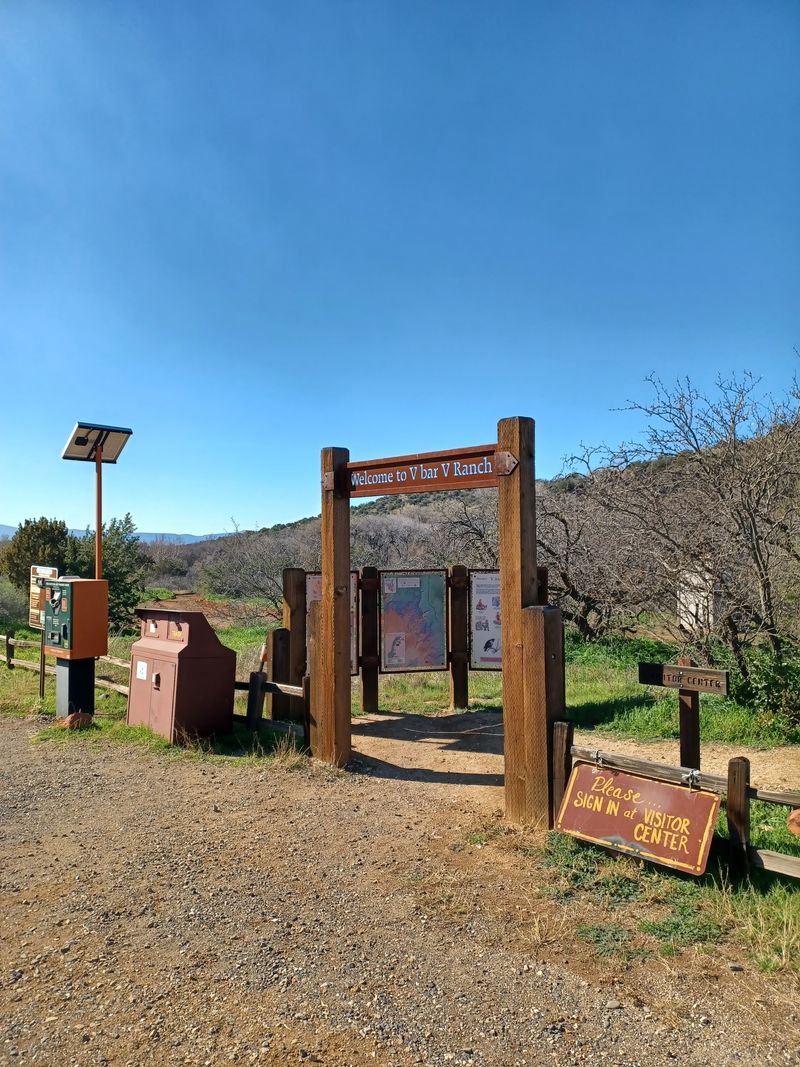
Every trip starts at a small, rustic office that doubles as a museum. Guests park in a large unpaved lot and walk down to check in.
Inside, the exhibits are modest but useful. Panels explain the history of the location and give a head start before the walk to the wall.
A ranger signs guests in and points the way to the trail. There is also a bookstore for anyone wanting to keep learning after the trip.
Families get a bonus here. The center has offered one-page junior ranger activities, which give kids a reason to pay close attention.
A well-kept restroom sits at the office, which is worth knowing before heading out. Donations are accepted too, and they help keep the operation running.
Small lizards have been known to dart around the building, entertaining younger guests while the adults read the displays. The center may be compact, but it sets the stage nicely for what comes next.
An Easy Trail With a Big Payoff
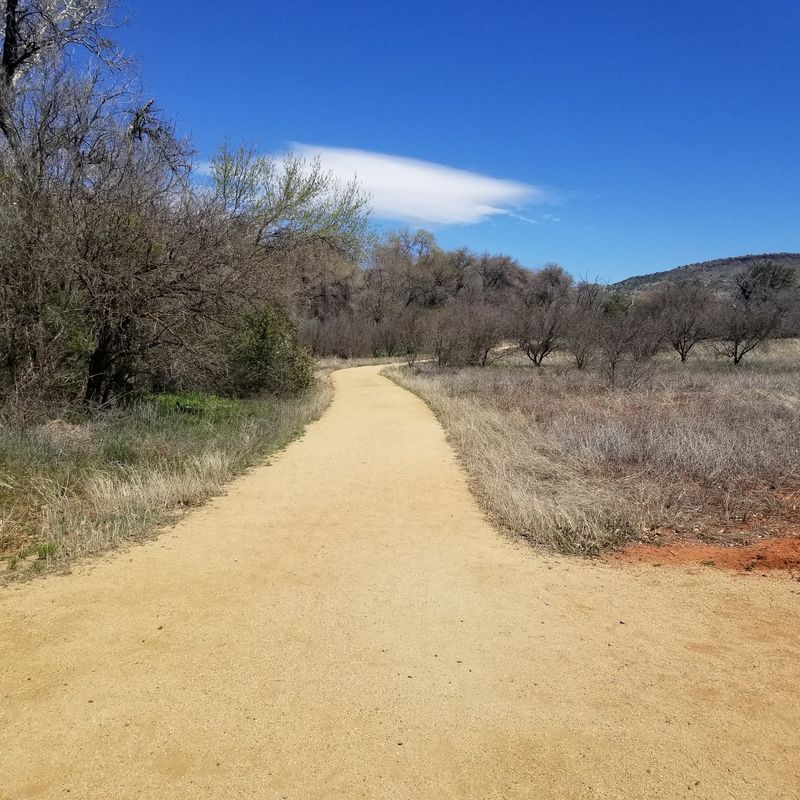
Nobody needs hiking boots or a training plan for this one. The path from the visitor center to the petroglyph wall runs roughly a third to a half mile, depending on where the count starts.
It is a wide, mostly flat dirt trail. Benches along the way offer a spot to rest.
The route is described as wheelchair accessible, sometimes with a little help on the dirt surface. That makes it one of the more welcoming rock art sites in the region.
Most of the walk is unshaded, so a hat and water are smart companions. The good news is that the wall itself sits in full shade.
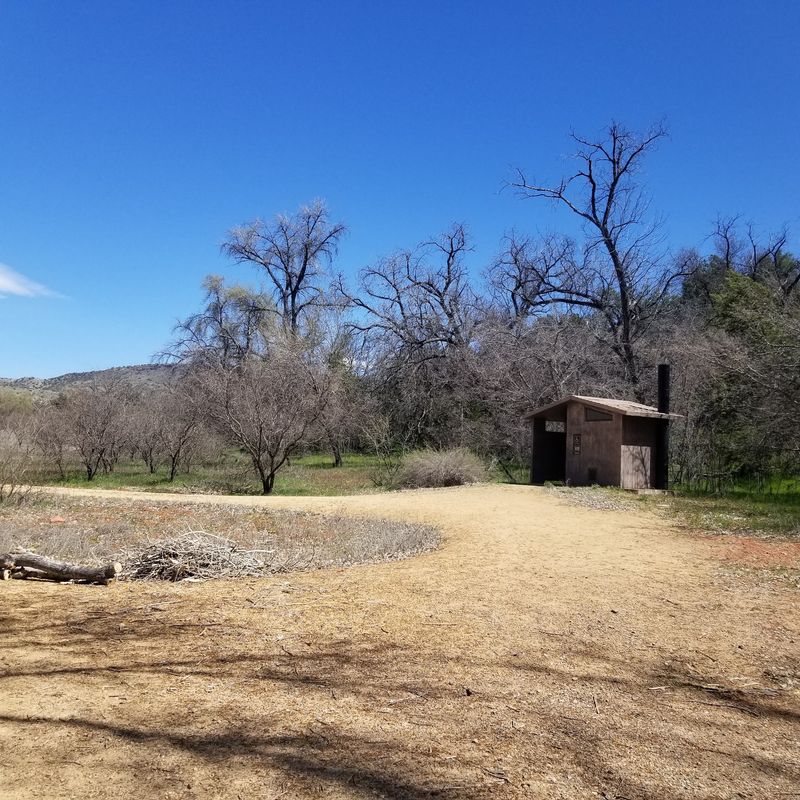
A vault-style restroom is located near the panel area as well. Travelers on the drive between Phoenix and Flagstaff often treat the walk as a chance to stretch their legs with a purpose.
Short trail, long history. That trade is hard to beat.
Panels Packed With Figures
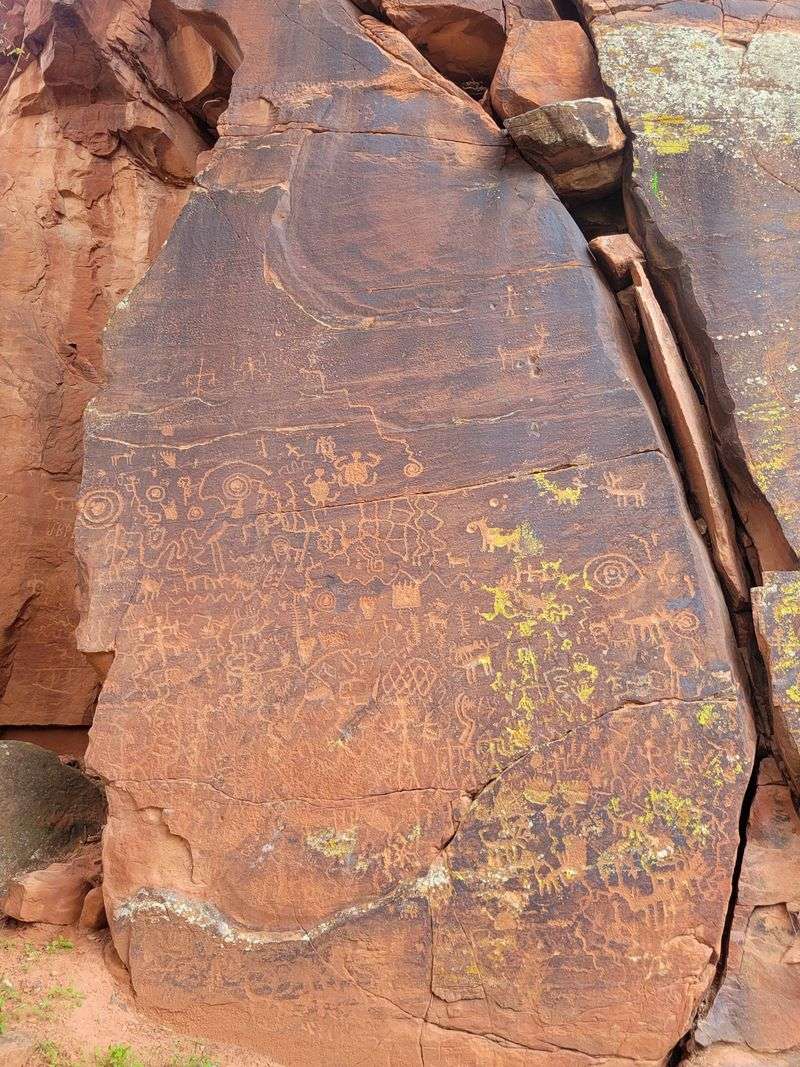
Some rock art sites make guests squint at faint scratches from far away. Not here.
The amount, closeness, and clarity of the petroglyphs stand out right away. Figures cover the wall in remarkable numbers, giving the panel the feel of a crowded bulletin board.
The site is known for having the largest collection of petroglyphs in the Verde Valley. Many guests call it the highlight of their tour of federally managed lands in the area.
The panel is close enough to study detail without climbing or scrambling. That accessibility makes it easier to notice patterns and repeated symbols.
Plan on spending around an hour here, especially once a guide starts explaining things. Time has a way of slipping by in front of this wall.
Those who visit other petroglyph sites often say they are left wondering what the figures mean. At this one, the answers come in person, which is the next part of the story.
Docents Who Steal the Show
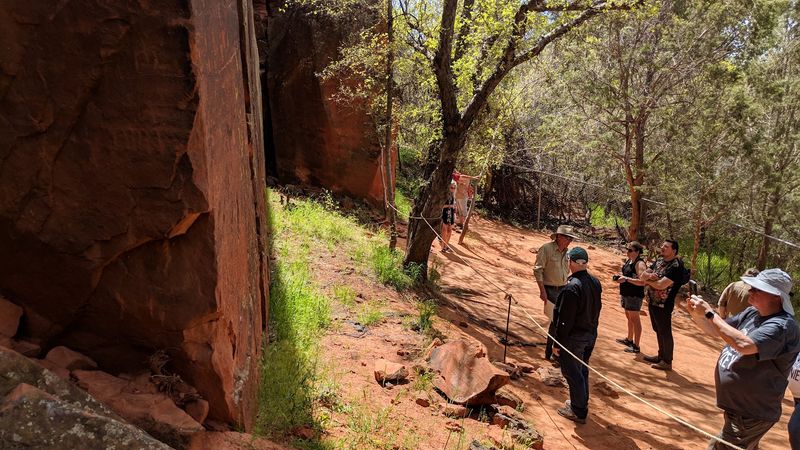
Signs can only say so much. The real magic at this site comes from the people stationed at the wall.
Knowledgeable docents greet each group and explain the history and possible meanings of the carvings. They are mentioned more than almost anything else about the place.
Many of them are volunteers with real passion for the symbols. Guests describe the talks as fun, interactive, and full of detail.
Arriving early can mean a one-on-one session with a guide. Larger groups get a full presentation too, and some talks run an hour or more without losing the crowd.
One guide has even played a Native American style flute for guests. Others share tips on nearby places worth exploring afterward.
The staff are known for being cheerful, professional, and genuinely dedicated to sharing what they know about these sacred lands. It turns a quick stop into a memorable lesson.
A Calendar Written in Stone
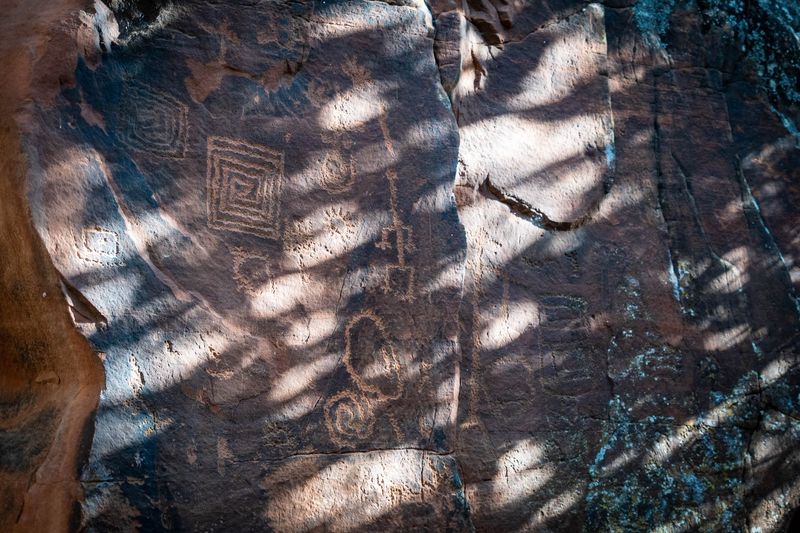
Here is a fact that tends to stop people in their tracks. Part of this wall works as a solar calendar.
As the sun moves through the year, light and shadow interact with specific carvings. Guides demonstrate how this sun dial works during their talks.
Some guests time their trips around the equinox just to see it for themselves. The September equinox in particular has drawn curious travelers who wanted to confirm the claim, and came away convinced.
The study of ancient sky knowledge like this is sometimes called astroarchaeology. Seeing it set in stone helps bring past communities to life.
It also backs up what the docents emphasize. The people who made these images tracked seasons with real precision.
For anyone who loves science, history, or both, the calendar is reason enough to make the drive. Just check opening hours before planning around a specific date.
Quiet Away From the Sedona Crowds
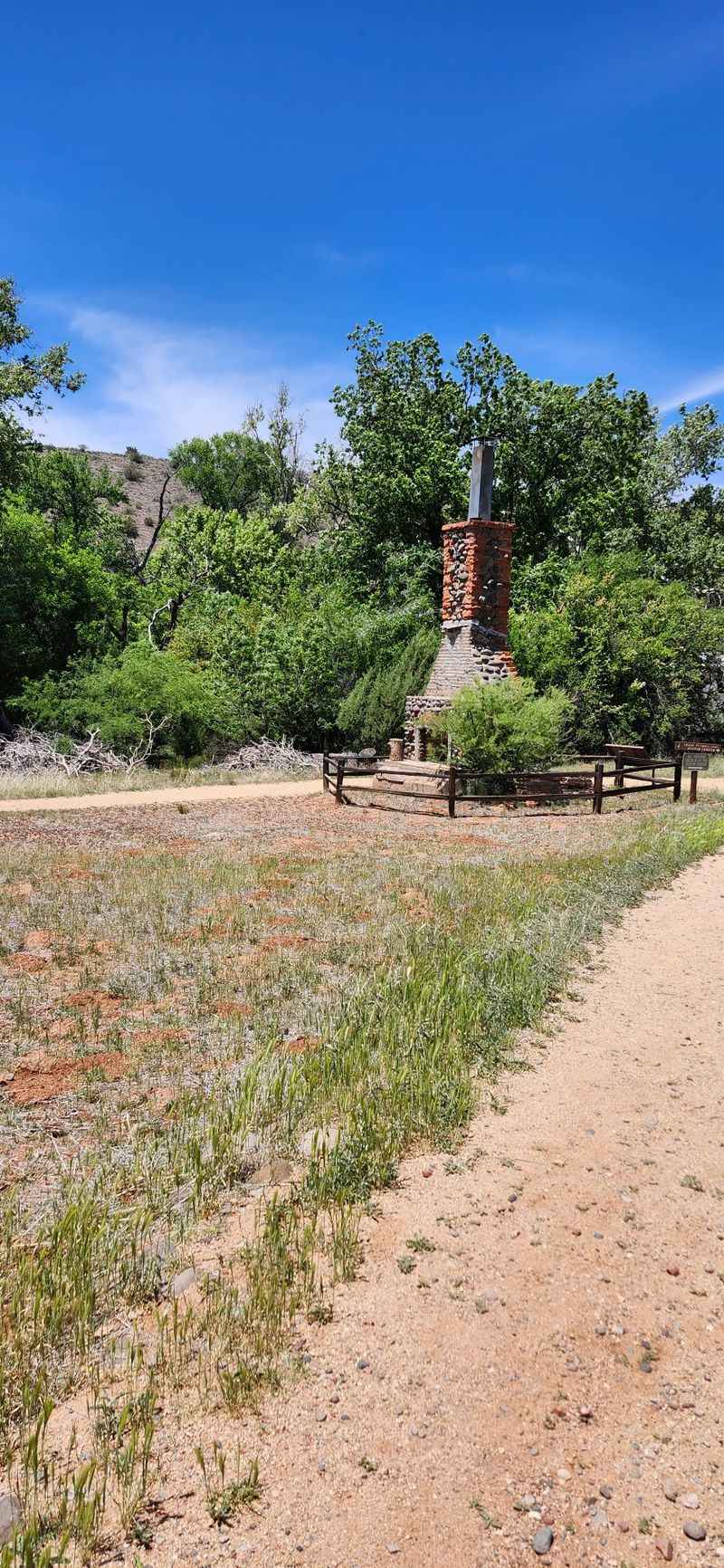
Sedona trailheads can fill up fast. This site offers a calmer alternative just down the road.
Many guests call it under-appreciated, and its low profile online helps keep it that way. Some joke that it practically does not exist on social media.
The atmosphere is often described as calming yet energetic. People mention a special feel to the area that goes beyond the carvings alone.
Small group sizes mean more time with guides and less jostling at the wall. Early arrivals sometimes have a docent all to themselves.
An artist in Sedona has been known to point travelers here, which says something about its reputation among locals in the know. It is the kind of place passed along by word of mouth.
For Arizonans hunting for a backyard discovery, this one checks the box neatly.
Good Fit for Families and Curious Minds
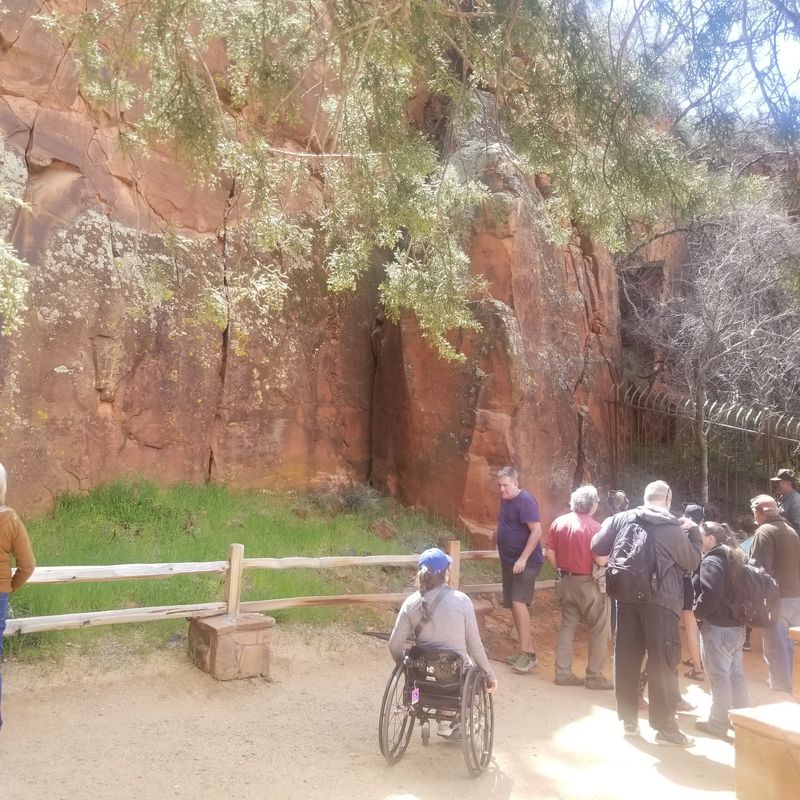
Kids who groan at the word museum tend to change their tune here. A short walk, live storytelling, and a stone puzzle make for an easy sell.
The junior ranger page at the visitor center gives younger guests a mission. Lizards running around add a little extra excitement.
The flat path suits grandparents and anyone using a wheelchair with some assistance. Benches help those who like a break.
Group trips work well too. Guides adapt their talks for larger parties and keep everyone engaged.
History fans, photographers, and people interested in Native cultures all find something to hold their attention. The docents welcome questions from every age.
One note for pet owners: dogs and other pets are not allowed on site. Plan accordingly, and the rest of the crew will have a great time.
Open Days and Hours to Know
Timing matters more here than at most Arizona attractions. The site keeps a limited schedule.
Gates open Friday through Monday from 9:30 am to 3 pm. It is closed on Tuesday, Wednesday, and Thursday.
Heat also plays a role. The site does not open when temperatures hit 100 degrees, so summer plans need a backup.
Even at 9 am on an early July morning, it can already be quite warm. Hours may shift toward mornings during hot stretches.
Mid-May and the shoulder seasons tend to offer pleasant conditions. Fall around the September equinox is another favorite window thanks to the solar calendar.
Calling ahead or checking the Coconino National Forest website before leaving is a smart move. A little planning saves a wasted trip.
Fees, Passes, and Parking
Good news for budget-minded explorers. A trip here costs very little.
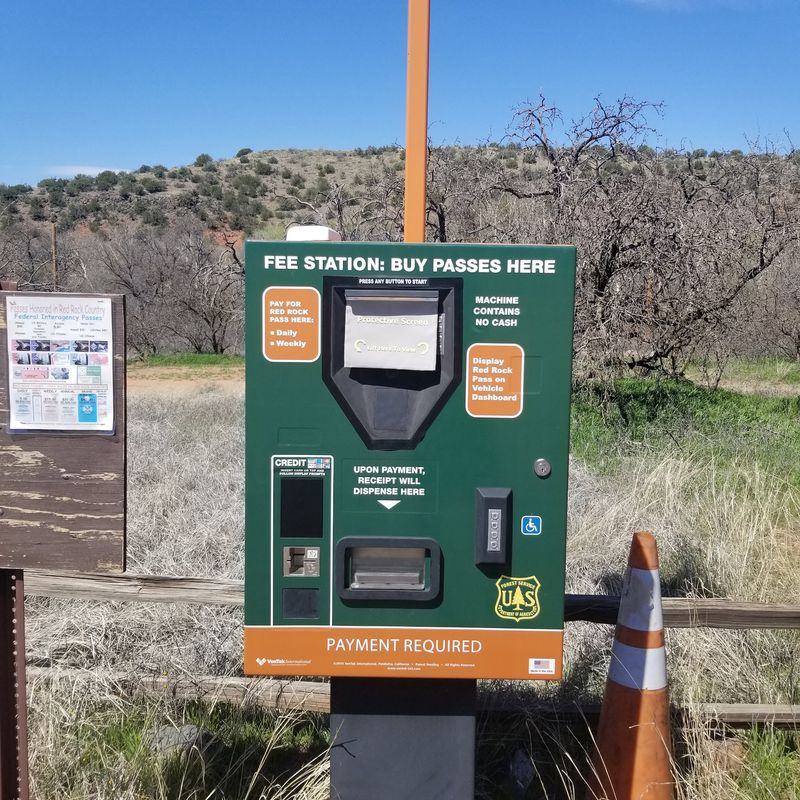
The site is in a fee area, with parking set at $5 per vehicle. A pass station on site sells passes for anyone who needs one.
An America the Beautiful pass covers entry with no extra fees. A Red Rocks Pass works too.
Guests check in at the visitor center with one of these passes before heading to the wall. Donations are also welcome there.
Parking is plentiful in the large unpaved lot. Even busier days rarely cause trouble finding a spot.
For the price of a fancy coffee, guests get a guided lesson on centuries of history. That is one bargain worth bragging about.
Getting There Without Getting Lost
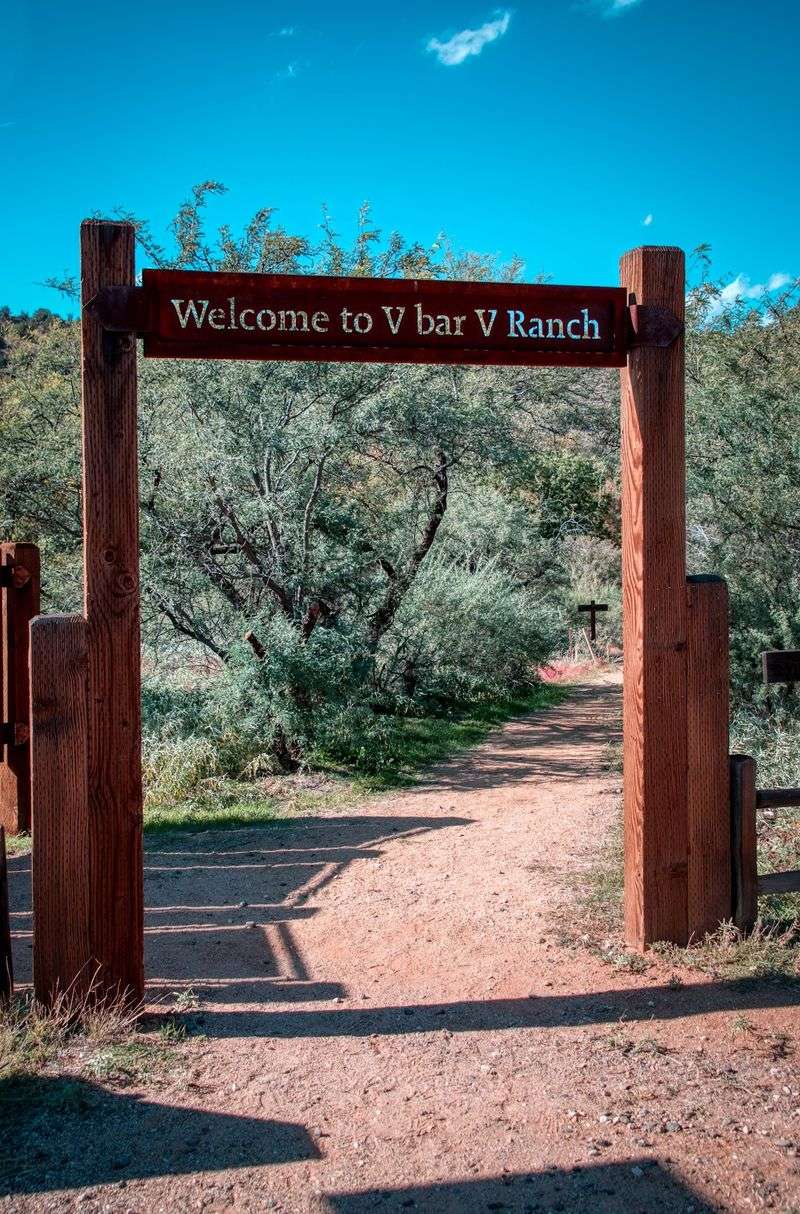
The drive is simple until the last stretch. A short dirt road leads to the parking area, and most vehicles handle it fine.
The site works as a natural stop on trips between Phoenix and Flagstaff. Plenty of Valley residents make the trip north specifically for it.
From Sedona, it is a short hop, which makes it easy to pair with other red rock outings. Rimrock is the nearest community.
Watch for signs once off the main road. Relying only on GPS can lead drivers past the entrance after the turnoff.
Bring water, a hat, and sun protection for the open stretch of trail. The wall is shaded, but the walk there is not.
Plan around an hour on site, more if the guide gets rolling. Most people do not mind one bit.
Why the Wall Is Worth the Trip
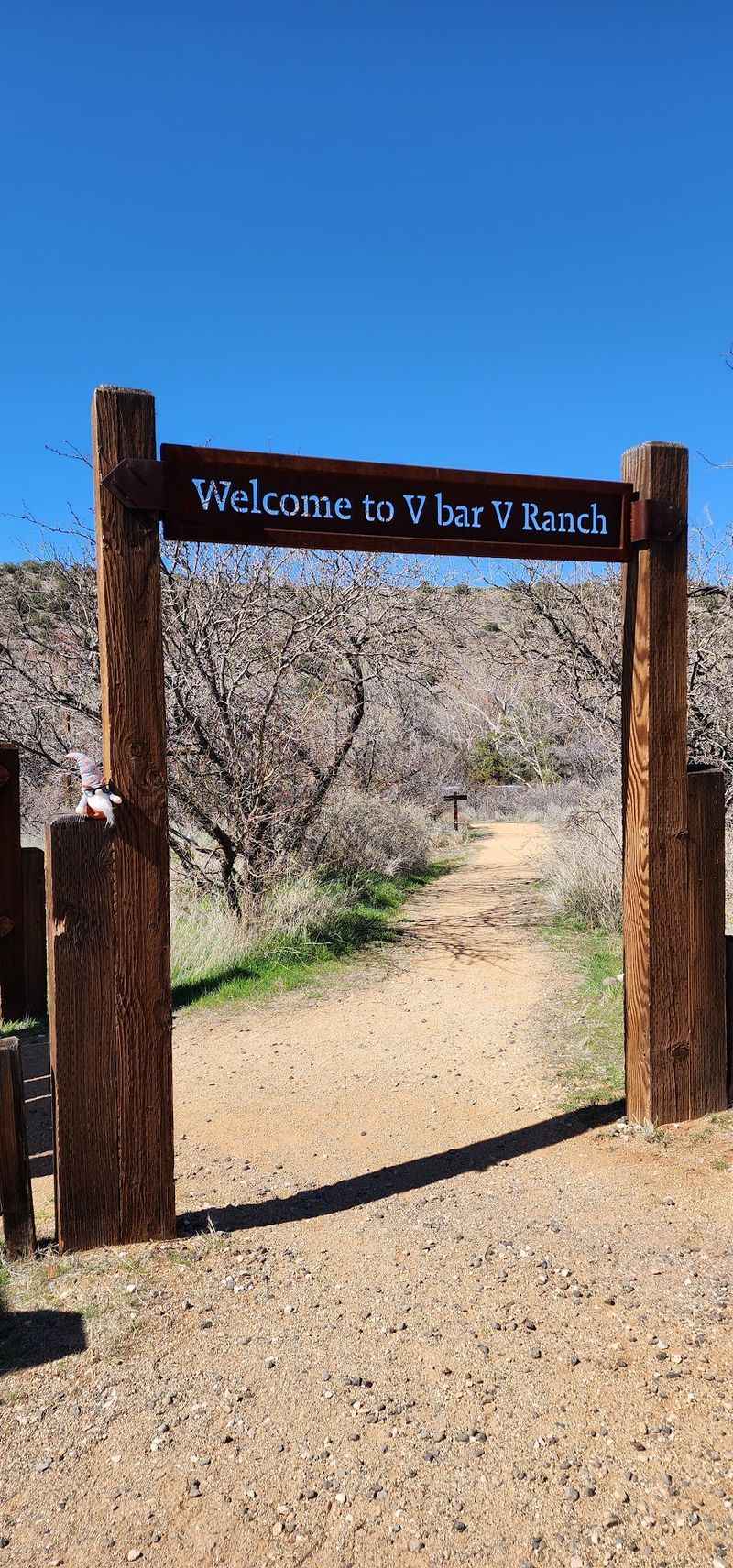
Some places impress with size. This one wins with stories.
A short walk, a $5 parking fee, and a team of passionate guides add up to one of the best-value history lessons in Arizona. The largest petroglyph collection in the Verde Valley does the rest.
The solar calendar alone sets it apart from many rock art sites. Add living connections to Hopi and Yavapai cultures, and the wall feels anything but frozen in time.
Guests regularly say they plan to return. Many call it a must-see while in Sedona.
Just remember the Friday through Monday schedule and the heat closures. A cooler morning makes the experience even better.
For Arizonans who want proof their state hides world-class history in plain sight, this canyon wall makes a convincing case. The carvings have waited about nine hundred years, so a weekend drive seems like a fair trade.


