
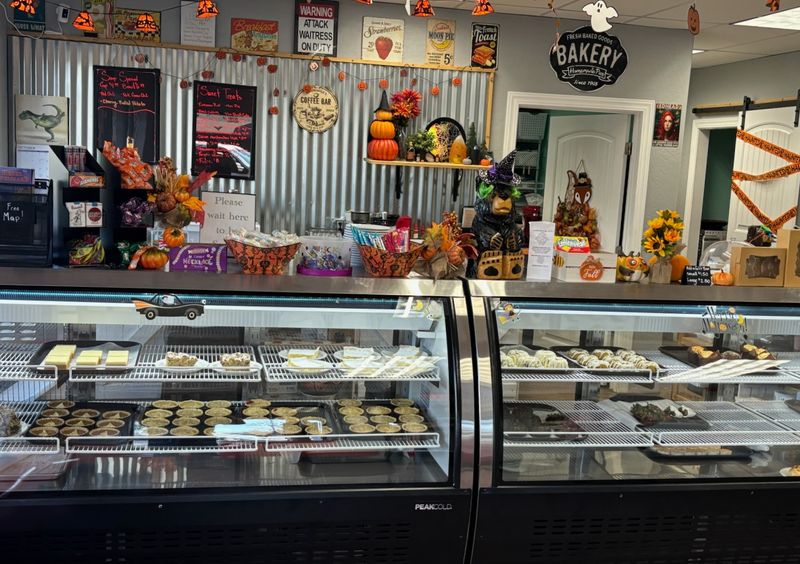
Affiliate disclosure: As an Amazon Associate I earn from qualifying purchases. Learn more
Indiana has an official state pie, and it is not apple or pumpkin. It is sugar cream pie, a simple custard-style dessert with a long history in the Wabash Valley and across the state.
The recipe has roots in Quaker and Amish kitchens, and it is often called Hoosier pie. This article walks through seven things worth knowing about it, from where the name came from to how to bake one at home.
Details like hours and menus can change, so check before you head out for a slice.
1. The Pie Indiana Made Official
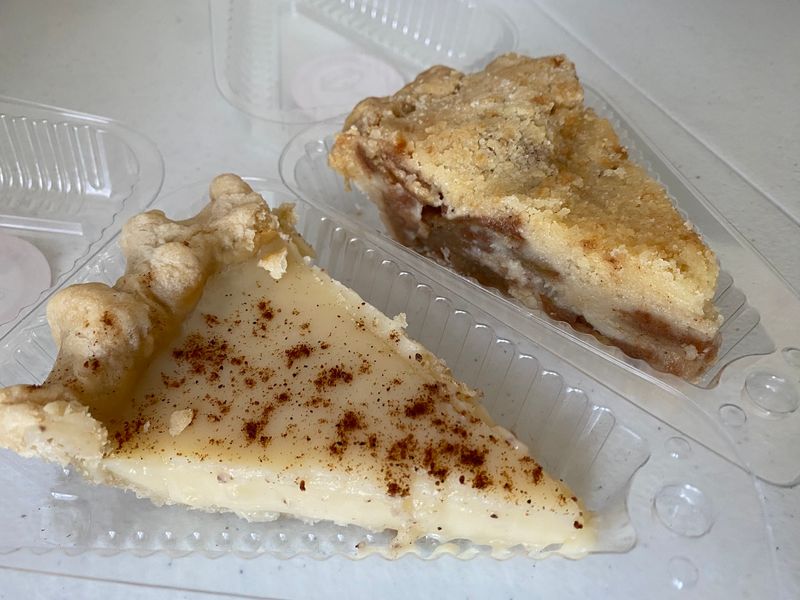
In 2009, the Indiana General Assembly named sugar cream pie the official state pie. That made it one of the few desserts in the country with a spot in state law.
The pie is also known as Hoosier pie, and the nickname fits. It shows up at church suppers, county fairs, and family gatherings all over Indiana.
The ingredient list is short: cream, sugar, flour or cornstarch, butter, vanilla, and a pastry crust. Many cooks finish it with a dusting of nutmeg or cinnamon.
That plain, pantry-based approach is a big part of its appeal.
2. Wabash Valley Roots

Western Indiana’s Wabash Valley is often tied to the pie’s story. The region sits along the Wabash River, where farm families had plenty of dairy on hand.
Cream, sugar, and flour were staples, so a dessert built from them made sense. A pie like this did not need fruit, which helped when the season was wrong for picking.
Food historians commonly link the recipe to Shaker, Amish, and Quaker settlers who brought similar custard pies to the Midwest. The exact origin is debated, so it is fair to say the recipe has many fingerprints on it.
3. Why It Is Called Hard Times Pie

Sugar cream pie goes by another name: Hard Times pie. The nickname points to its thrifty roots, since it needed no eggs, no fruit, and very few ingredients.
When money and fresh produce were scarce, a cook could still pull this dessert together from the pantry. That practical streak helped the recipe spread by word of mouth.
Some versions use heavy cream, while others use milk with butter. Both are simple, and both show how a basic recipe can turn into a tradition.
4. Amish Country Bakeries

Drive through northern Indiana’s Amish communities and you will find pie on many bakery and restaurant menus. Sugar cream often sits next to fruit and cream pies in the case.
Many of these shops bake in small batches, so the selection can change from day to day. Calling ahead or going earlier in the day can help if you want a particular pie.
Some places close on Sundays, so plan your trip around local hours. Checking before you go saves a wasted drive.
5. Café and Diner Slices
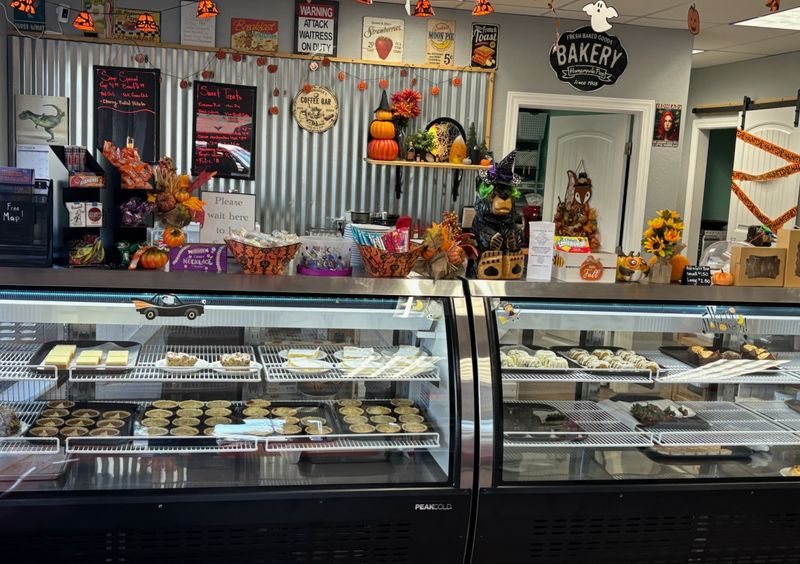
Small-town diners are where many Hoosiers meet this pie for the first time. A single slice and a cup of coffee is a classic way to end a meal.
Menus and pie flavors rotate, so the sugar cream slice may not be there every visit. Asking what came out of the oven that day is a good habit.
Some cooks make a version with a lightly set, custard-like center. Others serve it softer, so each kitchen has its own take.
6. Baking It at Home

Making a sugar cream pie at home takes only a handful of ingredients. You need a pie crust, cream, sugar, flour or cornstarch, butter, vanilla, and a little nutmeg for the top.
Most recipes call for stirring the filling together, pouring it into the crust, and baking until the top is lightly browned. Oven times and temperatures differ by recipe, so follow the one you choose.
Let the pie cool and set before slicing. Cutting too early is the most common reason a slice turns out runny.
7. Fairs, Festivals, and Family Tables

Pie is part of summer and fall in Indiana. County fairs and local festivals often include baking contests, and sugar cream pie is a regular entry in some of them.
Many families also keep a handed-down recipe for holiday tables. The pie shows up at Thanksgiving and Christmas as often as it does in summer.
That is the real reason it earned state pie status. It connects people to a recipe they already know, and nearly every Hoosier has an opinion on whose version is best.


