
Affiliate disclosure: As an Amazon Associate I earn from qualifying purchases. Learn more
San Francisco is famous for prices that make longtime Californians wince, so a place built around cheap books feels like a small act of rebellion. Tucked on a working street in the city, there is a donation center where boxes of unwanted books, records, and DVDs get a second life instead of a trip to the curb.
Once a month, those shelves turn into a sale that bargain hunters plan their weekends around. Volunteers run much of the show, and every purchase goes back to the public library system that many locals grew up with.
The setup is part warehouse, part treasure hunt, and part neighborhood tradition. Stick around to learn where it is, how the monthly sale works, how to donate your own boxes without a hitch, and which small details can save you a wasted trip across town.
A Library Lifeline on 17th Street
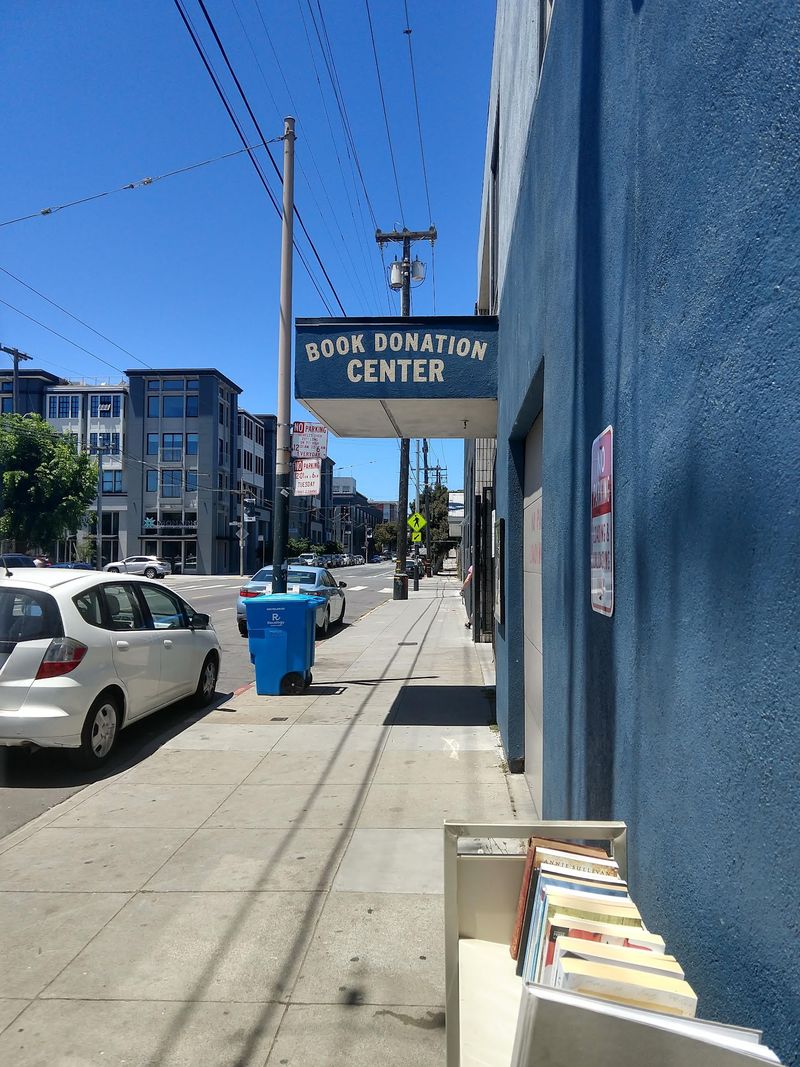
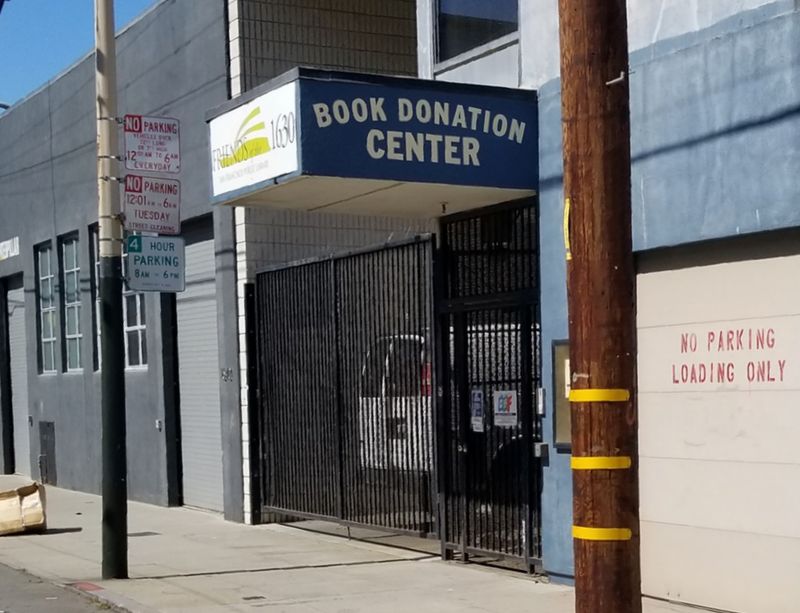
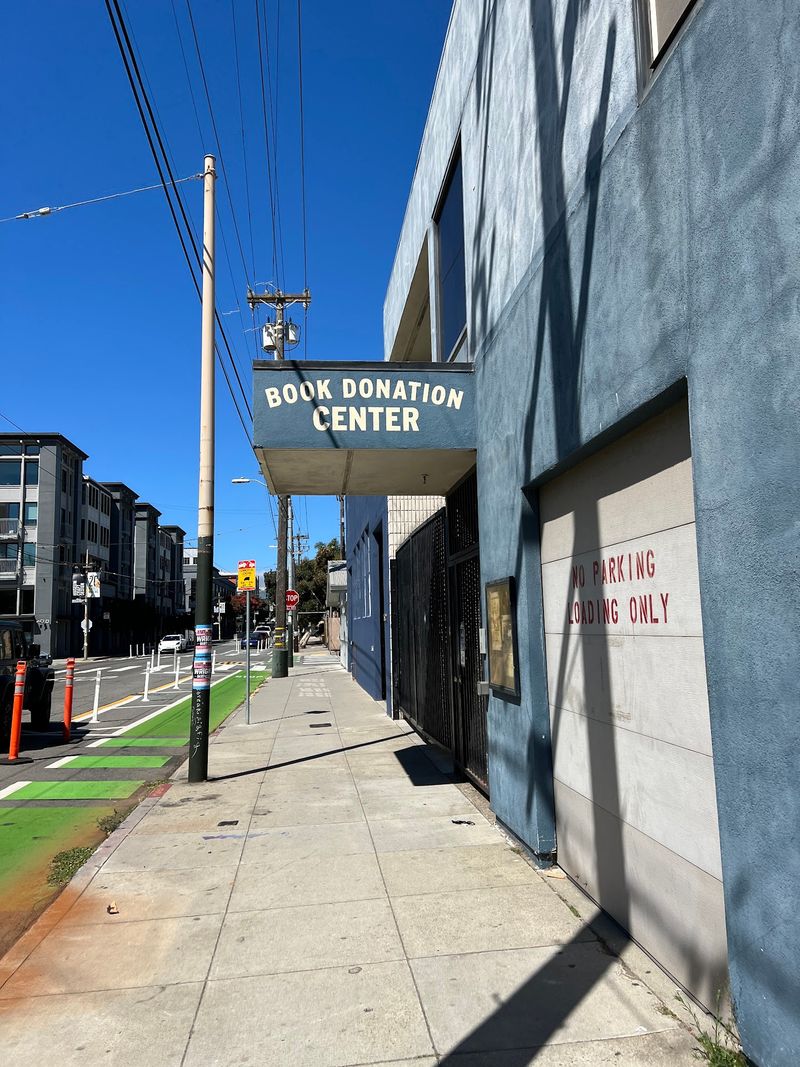
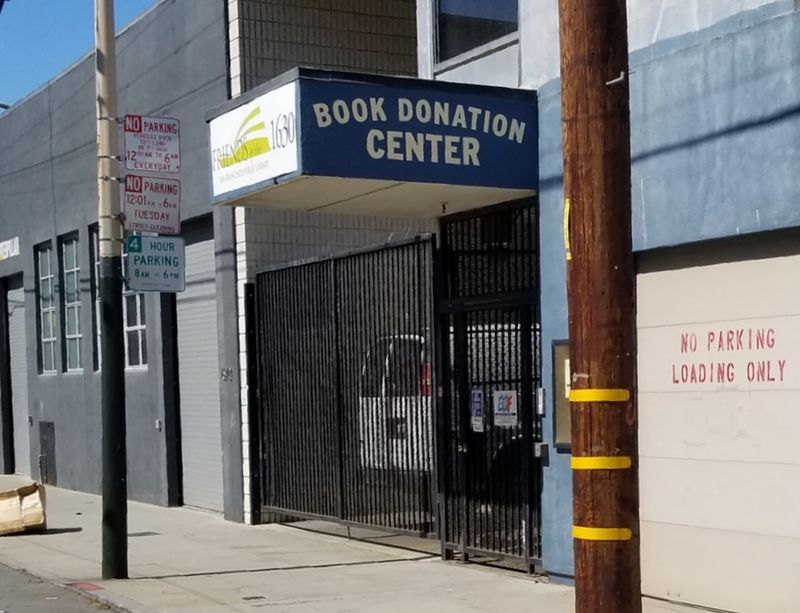
The address worth saving in your phone is 1630 17th St, San Francisco, CA 94110. That is home to the Book Donation Center run by the Friends of the San Francisco Public Library.
It does not look like a fancy bookstore, and that is exactly the point. The building works as a collection hub where donated books and media are sorted, stored, and sent on to new readers.
Officially, Google lists it as a donations center. In practice, it wears two hats at once.
On one side, it is a drop-off point where San Franciscans clear out shelves, closets, and garages full of reading material. On the other, it is a sales spot where those same items get sold at bargain prices to raise money for the library.
That loop is what makes the place special. A book you finished years ago can end up in a stranger’s tote bag, and the money from that sale helps keep a public institution going.
The center has earned a 4.7-star average across 61 Google ratings, which is a strong showing for a spot built around cardboard boxes and volunteer muscle. Not bad for a building most people drive past without a second glance.
Why the Friends Exist
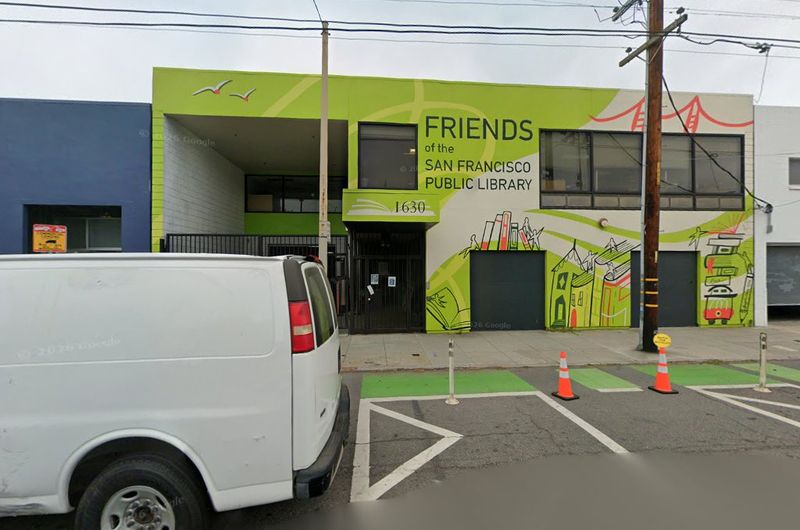
Public libraries are free to use, but they are never free to run. The Friends of the San Francisco Public Library step into that gap by turning donated items into dollars for the city’s library system.
Every book sold at this center feeds back into that mission. People who shop here are not just scoring a cheap read, they are chipping in for something the whole city shares.
Supporters describe the group’s work as reaching well beyond the sale shelves. Donated books have been described as going to programs that serve older residents and people without stable housing, helping reading material reach folks who might not get to a branch easily.
That bigger purpose shows up again and again in how people talk about the center. Words like good cause and great resource come up often, and many donors say they feel better knowing their old books will be used instead of tossed.
For a lot of longtime San Franciscans, the library was a childhood anchor. Supporting it through a box of paperbacks feels like a fair way to say thanks.
Generosity, it turns out, can be measured in shelf space.
The First-Weekend Sale Everyone Circles on the Calendar
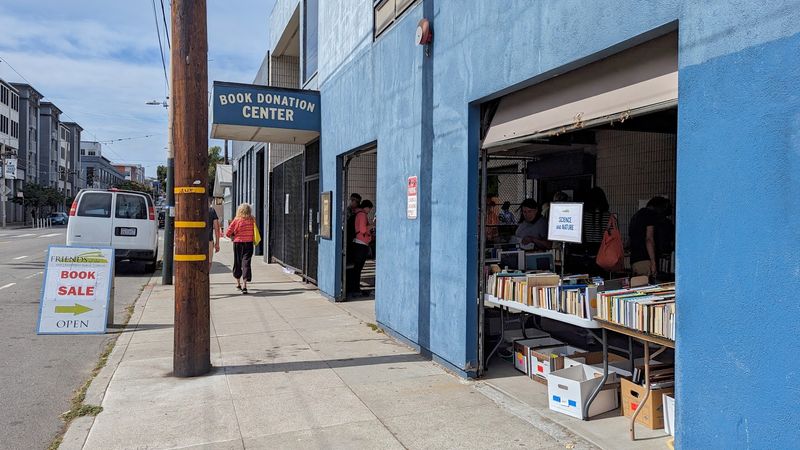
Here is the headline event: a monthly sale held on the first weekend of the month. Book lovers mark it like a holiday.
This is when the center opens its stock to shoppers in a bigger way. Tables and shelves fill with used books, and bargain prices are the whole draw.
The title of this article mentions dollar hardcovers and even cheaper paperbacks, and low prices like that are the reason the sale has such a loyal following. Prices can change from sale to sale, though, so it is smart to check the Friends website before you go rather than banking on an exact figure.
What does not change is the spirit. Regulars call it a fun stop for any book lover, and many say the kindness of the people running it is a big part of the appeal.
Shoppers often leave with more than they planned. That is a common side effect of cheap books and no rush.
Bring a sturdy bag and a flexible budget, even a small one. The first weekend tends to reward the curious.
A Weekday Pop-Up for the Impatient
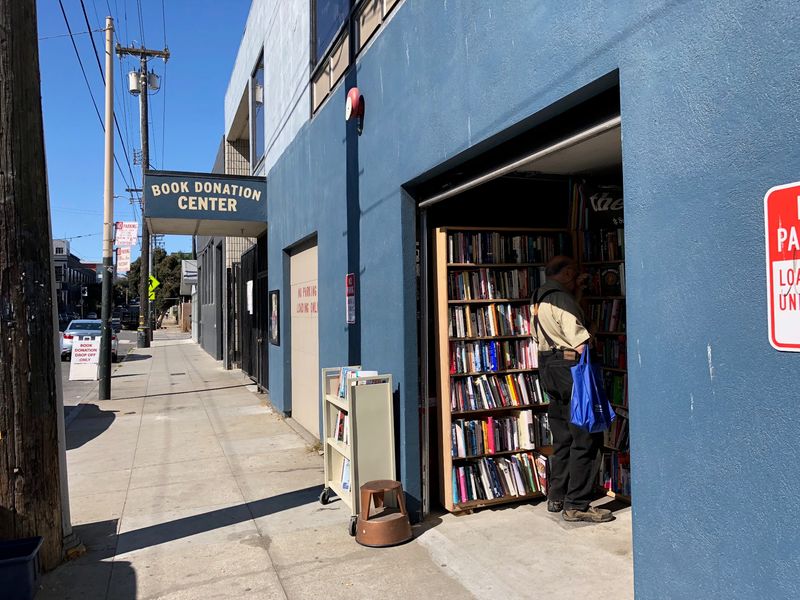
Not everyone can wait a full month for their next book fix. Good news: the center also runs a pop-up that is open on weekdays.
It is described as a little space to shop for books, smaller than the main monthly event but still stocked with finds. Think of it as a quick browse on a lunch break instead of a full afternoon hunt.
The pop-up gives the place a steady rhythm. Donations come in, get sorted, and some of them land on these shelves long before the next big sale.
That means the stock can shift often. A shelf that looks thin on Tuesday might have new arrivals later in the week.
People who stop by regularly describe the pop-up as a pleasant surprise, the kind of place you mean to pop into for five minutes and leave with a stack.
Hours and pop-up availability can shift, especially around sale weekends, so a quick call or website check helps. A little planning goes a long way when the payoff is a cheap paperback.
Crates of Vinyl, CDs, and DVDs
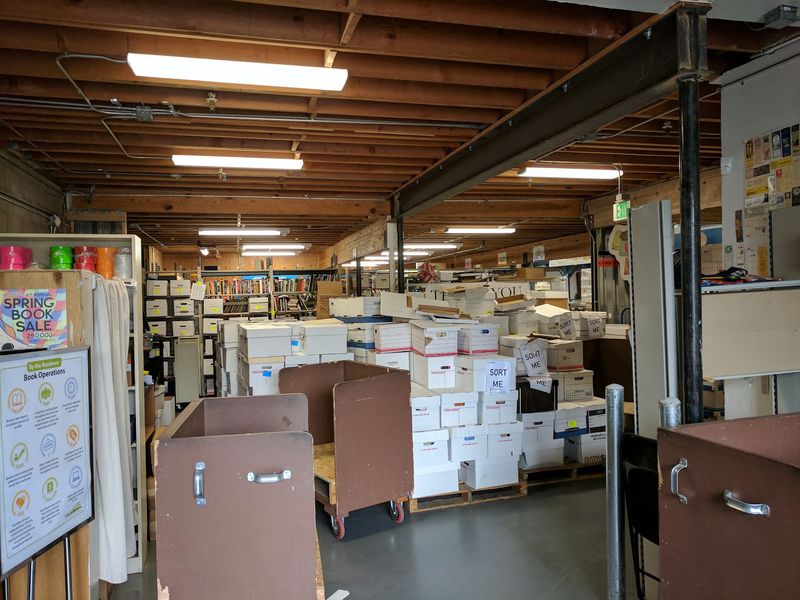
Books get top billing, but they do not have the shelves all to themselves. The center also accepts and sells vinyl records, CDs, and DVDs.
That makes the monthly sale a two-for-one for some shoppers. Fans describe it as a great once-a-month sale for used books and vinyl, which says a lot about who shows up.
Donors bring in surprising collections, too. One family found a home for a very large record collection, mostly classical, through an easy curbside drop-off.
Collections like that can trickle out to buyers over time. A patient record hunter might find something that has been sitting in a stranger’s living room for decades.
DVDs and CDs come in steadily as people downsize and go digital. For anyone who still likes owning a physical copy, that shift works in their favor.
It is worth giving the media section a slow look rather than a quick glance. The best finds rarely sit at the front of the crate.
Treasure Hunting Without a Map
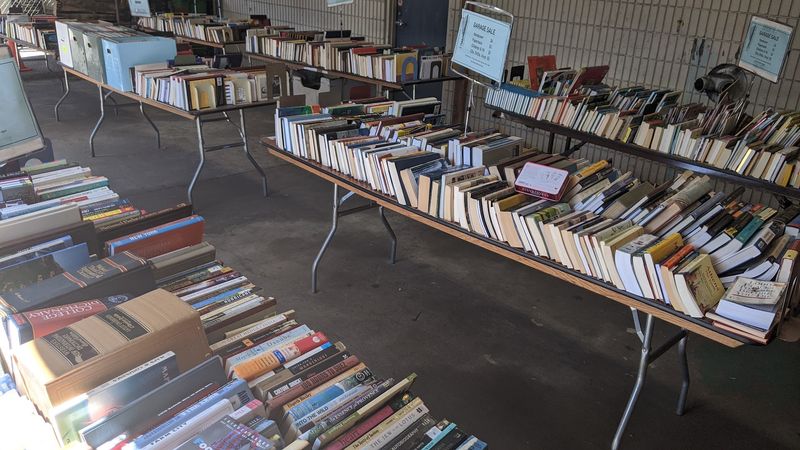
Some shoppers treat the shelves as a dare. The archive of selections here is broad enough that people joke about challenging you to find that one specific book you have been chasing.
Because everything comes from donations, the mix is never planned. Classics, cookbooks, novels, and oddball titles can sit side by side.
That randomness is the fun part. A trip with no shopping list often ends better than one with a strict plan.
Regulars describe the inventory as a great selection, and the phrase treasures at bargain prices comes up for a reason. Low prices make it easy to take a chance on an unfamiliar author.
A few habits help:
Go early in a sale weekend for the widest choice. Come back later if you enjoy watching stock change.
Bring a short wish list but stay open to detours. Some of the best reads arrive by accident.
Cheap books lower the stakes, and that freedom is half the joy here.
Volunteers Who Keep the Wheels Turning
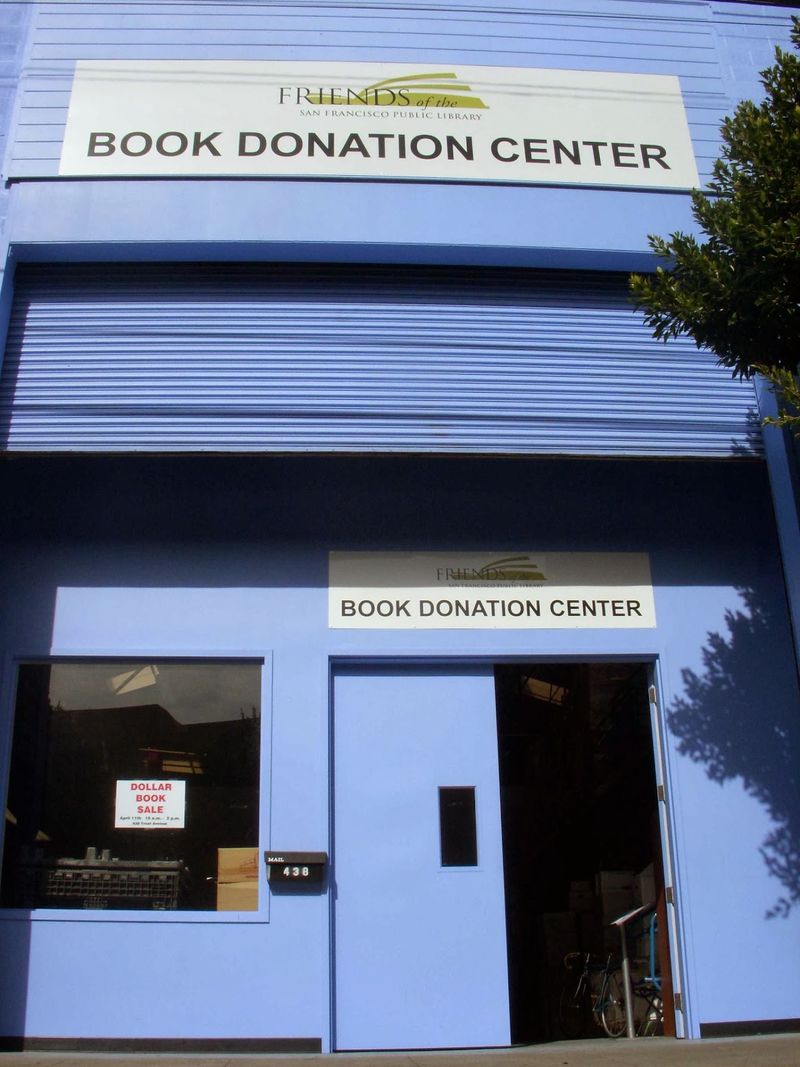
Behind every box sorted and every shelf restocked, there is usually a volunteer. They are a big reason the center works at all.
Polite volunteers and helpful staff are among the most mentioned features of the place. One donor praised them as wonderful helpers with strong backs, which is high praise in a building full of heavy boxes.
A longtime volunteer has described the job as making donation as easy as possible. They say the team feels genuinely grateful to donors and that the paid staff treat volunteers kindly too.
That mutual respect shows up in the details. People mention patient staff during sales, quick help at the curb, and a general sense of warmth.
Early arrivals have even been welcomed before the first appointment of the day. Small courtesies like that tend to stick with people.
Kindness is not on any price tag here. It just comes with the deal.
The Appointment Rule Nobody Should Skip
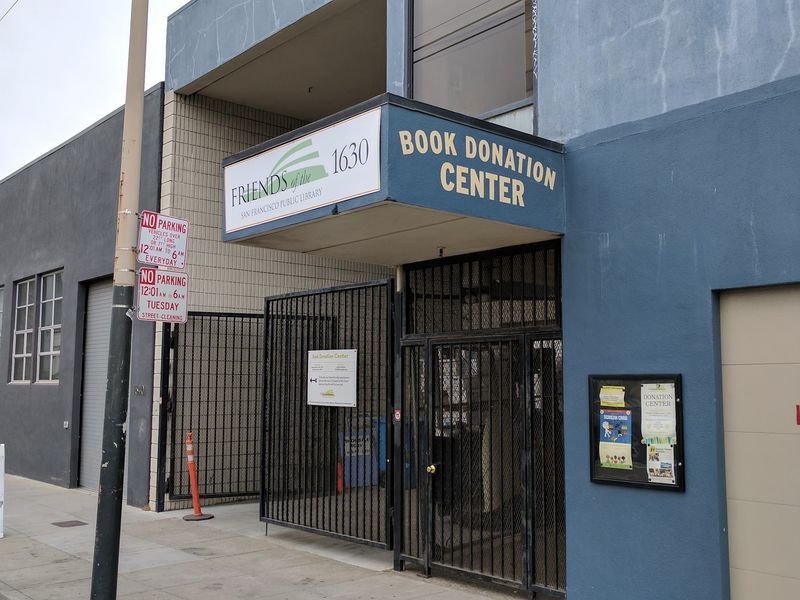
Here is the one detail that trips people up: donations require an appointment. Showing up with a trunk full of books and no booking is a gamble.
Appointment scheduling is one of the most discussed topics about this center. The website handles it, and many donors call it easy to navigate.
Slots can fill fast. One donor booked a January drop-off back in early December because times were going quickly.
That lead time matters most during busy decluttering seasons. If you are moving, cleaning out a relative’s home, or tackling a garage, book early.
The website also lists what the center accepts. A two-minute look can save a box of rejected items from riding home with you.
Once the booking is set, the actual visit tends to go smoothly. Organized and easy are the words donors use most.
A calendar reminder is the cheapest tool you will use all week.
Two Minutes at the Curb
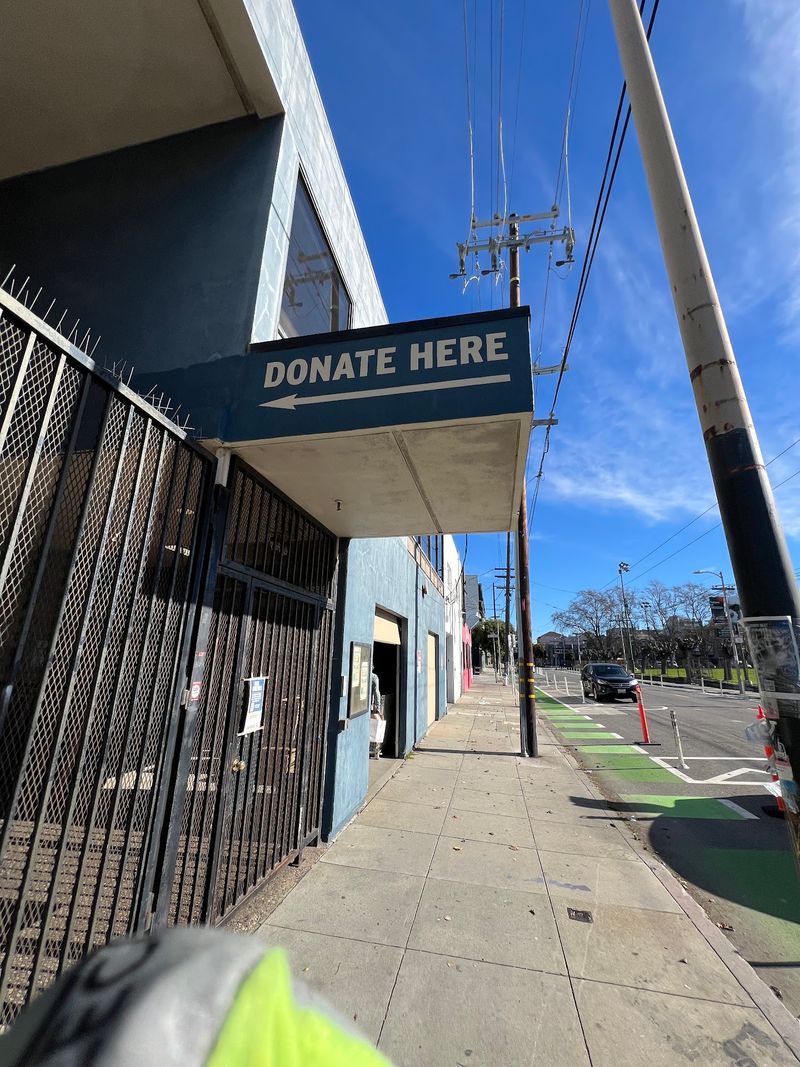
Ring the bell, unload, and go. One donor summed up the whole thing as taking about two minutes.
The drop-off happens curbside, and parking in front is described as easy, which is no small thing in San Francisco. Boxes go into bins or through the garage, and the volunteers take it from there.
Need proof of your donation? Staff provide a receipt quickly, and some donors mention using the program for tax purposes.
One practical warning deserves attention. Experiences on lifting help have varied, and at least one donor noted that staff did not lift boxes from the car.
A volunteer has said the team will help when donors have a lot of items. Since practice may differ by day, anyone with back or joint trouble should bring a friend to help with heavy cartons.
Pack boxes at a weight you can actually carry. Your back will thank you before the volunteers do.
When the Collection Fills a Whole Room
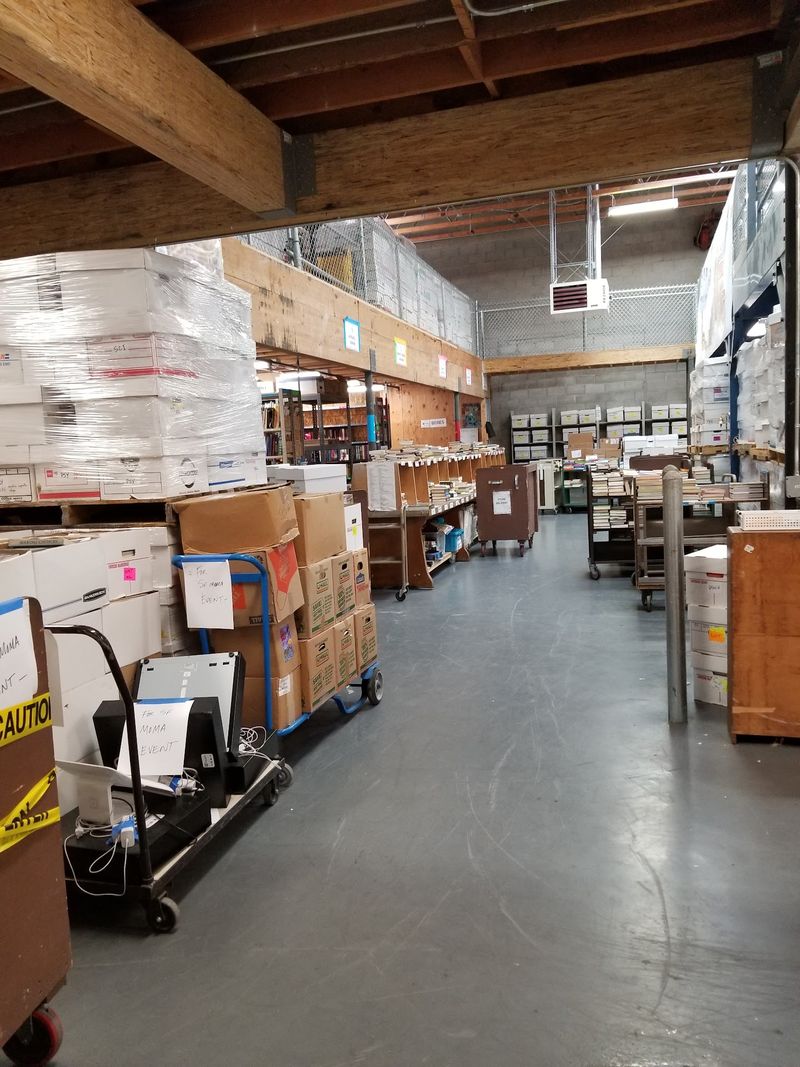
Some book collections are not a carload. They are a whole room.
For those cases, the center may be able to come to you. A volunteer has explained that donors with extra-large collections can call to ask about that option.
This is useful for families clearing out a longtime home. Decades of reading do not always fit into a few trips across town.
Availability for this kind of help is not guaranteed, so a phone call is the first step. The center’s number is listed on its website, and staff can explain what is possible.
Many people find comfort in knowing those shelves will be used again. A parent’s or grandparent’s library can keep circulating instead of sitting in storage.
Sorting before the call helps. Setting aside damaged items and grouping books by type makes the conversation easier.
Big collections deserve a plan, and this center has a path for them.
Who Gets the Most Out of a Visit
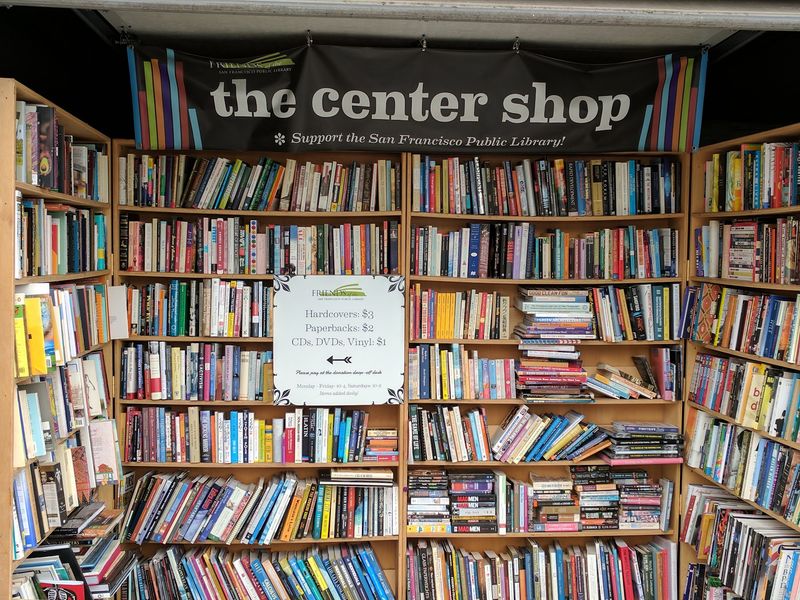
Bargain readers are the obvious fans. Anyone tired of paying full price for new hardcovers will find a lot to like.
Declutterers are a close second. The center has been called a great spot for a decluttering project, especially for books, CDs, and DVDs that have piled up over the years.
Record collectors and movie buffs have reasons to browse as well. The vinyl and DVD sections give the sale broader appeal than a typical book fair.
Library supporters may get the most satisfaction of all. Every purchase and donation helps the San Francisco Public Library, and many people say that is why they keep coming back.
Families can make a trip of it, too. Cheap prices let kids pick their own books without a budget fight.
The atmosphere is low-key and practical. It is less about polish and more about books finding new homes.
If your shelves are full or your wallet is thin, this place has an answer.
Hours, Closures, and a Smart Phone Call
Timing matters here more than at most shops. The center keeps a split schedule across the week.
Monday through Thursday, plus Saturday, hours run 10 AM to 5 PM. Friday and Sunday shift later, running 12 PM to 6 PM.
There is a catch. The center can be closed during book fairs, so hours may not match the listing on certain days.
A quick call before heading out is wise, especially around the first weekend of the month. Sale events can change how the space operates.
The website is the best source for current details. It covers donation guidelines, appointments, and sale information.
Remember these basics:
Donations need a booked appointment. Sale dates fall on the first weekend of the month.
Prices and policies may change over time, so double-check before planning around a specific number.
Five minutes of checking can save an hour of San Francisco traffic.
A Small Warehouse With a Long Reach
In a city where nearly everything costs more each year, cheap books with a good purpose feel like a rare win. That is the quiet magic of this donation center.
It runs on simple ideas. People give what they no longer need, volunteers sort it, and readers buy it at prices that respect their budgets.
The money then helps the San Francisco Public Library. Few shopping trips do that much good with so little fuss.
The place is not glamorous, and it does not try to be. Its strength is in kind volunteers, an easy drop-off, and shelves that change with every new box.
Plan around the first weekend sale if you want the fullest selection. Stop by the weekday pop-up if you want a quick browse.
Book an appointment if you are donating. Call ahead if your timing is tight.
Somewhere on those shelves is a book that someone loved and let go. It may be waiting for you to give it another chapter.


