Affiliate disclosure: As an Amazon Associate I earn from qualifying purchases. Learn more
Off the Gulf Coast near Fort Myers sits a slice of Florida that most people drive right past without ever knowing it exists. You cannot get there by car, there are no roads to speak of, and the only way across the water is by boat.
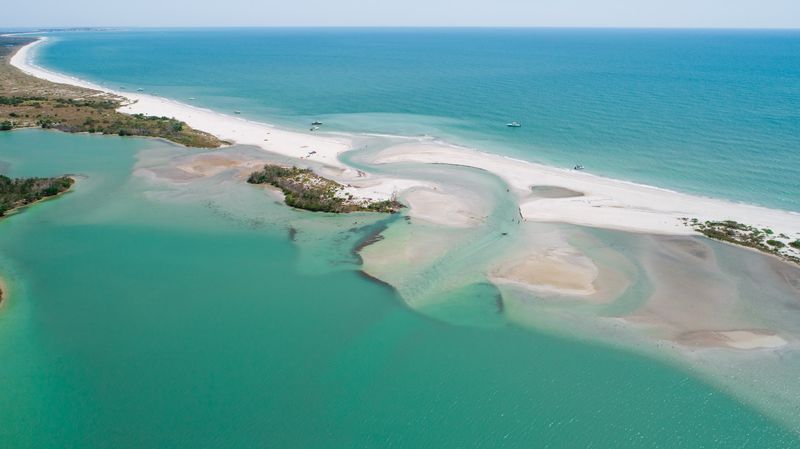
What waits on the other side is nine miles of open beach, curious dolphins swimming close to shore, and shells scattered thick across the sand. It is one of the last stretches of the state that looks the way Florida did long before the highways arrived.
Keep reading, because this quiet island is one of the best-kept secrets on the Gulf, and it costs almost nothing to enjoy a full day here once you figure out how to reach it.
An Island With No Road In or Out
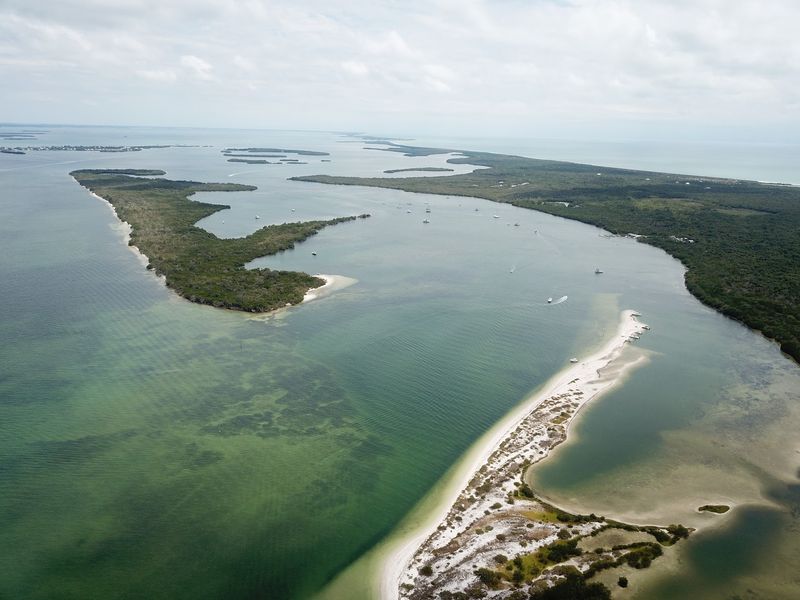
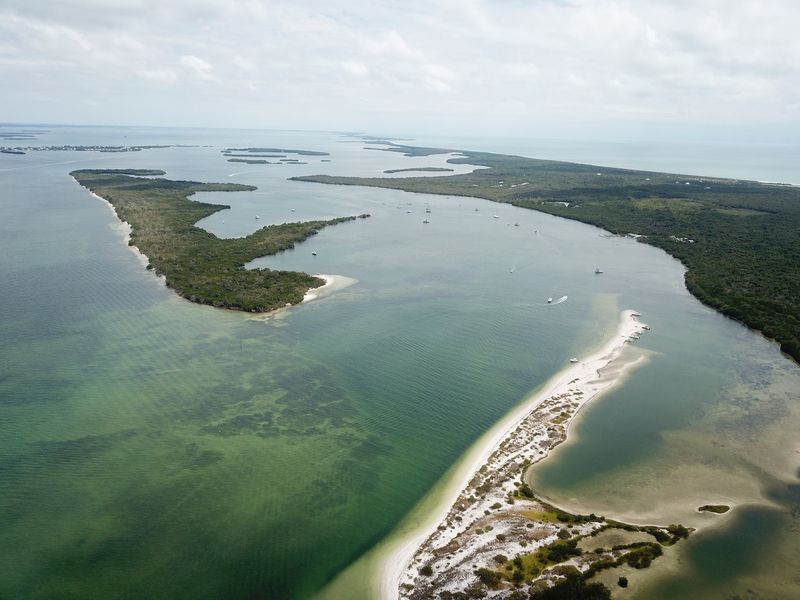
Reaching this place feels like a small adventure before you even set foot on land. Cayo Costa State Park sits on a barrier island near Captiva, FL 33924, out in the Gulf waters west of Fort Myers.
No bridge connects it to the mainland, and there is not a single paved road on the whole island. The only ways over are by private boat or a charter service that carries day-trippers across the water.
Once you land, the park stretches across roughly nine miles of beach backed by acres of forest. Getting there takes a bit of planning, but the payoff is a shoreline that stays wild and open.
The park pulls in strong marks, holding a 4.7-star rating across more than 600 write-ups, which tells you plenty of people leave happy. It ranks among the most beloved state parks in Florida for exactly this reason.
Few spots this close to a major city feel this untouched. That contrast is the whole appeal.
Dolphins That Swim Right Up to the Sand
Spotting a fin cutting through the water is almost a given here, and it never gets old. Dolphins come up again and again in what people share about the island, and they often glide close enough to shore that you barely have to look for them.
The water off the beaches runs clear, which makes watching them easy. Some folks have described swimming while dolphins moved through the water around them, close but never crowding.
Manatees make appearances too, adding to the parade of sea life that drifts past the shoreline. The combination of clear Gulf water and protected surroundings keeps the wildlife comfortable and visible.
Because the island stays quiet compared to busier beaches, animals seem more relaxed about coming near. Weekday visits in particular tend to be calm.
You do not need a tour or a fancy setup to see them. A patient walk along the sand often does the trick.
Some of the Best Shelling on the Gulf
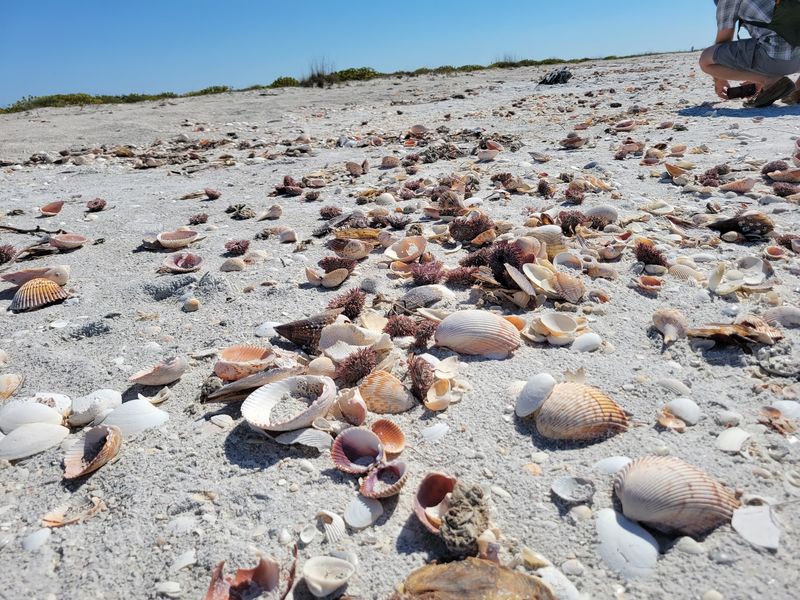
Shell hunters treat this island like a treasure map, and for good reason. Shelling shows up constantly in what people rave about, with the beaches often piled thick with shells no matter the day.
On a good morning the sand delivers unusual finds, and the variety keeps collectors coming back. Certain visits turn up surprises like sea urchins washed in with the tide, which delights anyone hunting for something different.
Not every day is equal, of course. Wind and season change what the water pushes ashore, so one trip might overflow with shells while another runs lighter.
The beaches vary from side to side, offering flat open stretches and more sheltered wooded shorelines. That range means different spots hold different finds.
Bring a small bag and take your time. The best pieces tend to reveal themselves to people who slow down and comb the waterline carefully.
Nine Miles of Beach You Might Have to Yourself
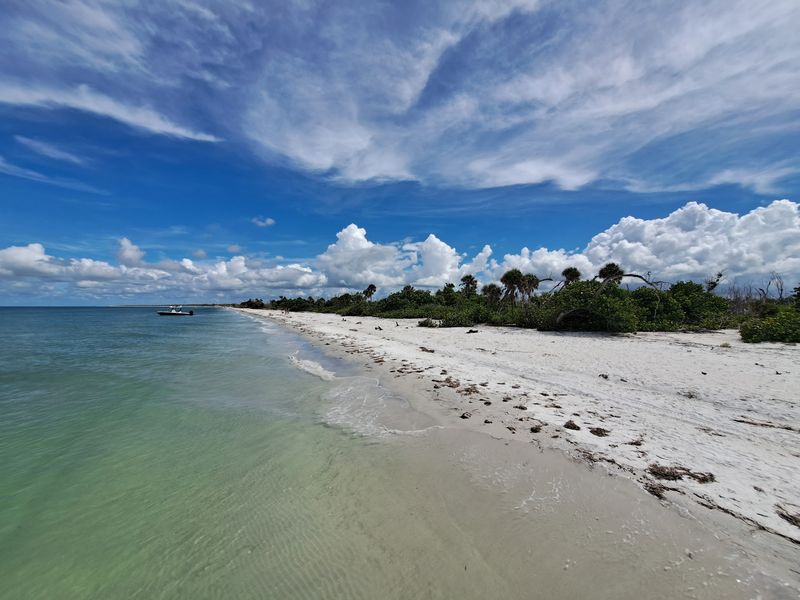
Elbow room is rarely a problem out here. The park spreads across about nine miles of shoreline, and on weekdays it is common to walk long stretches without seeing another soul.
People often describe feeling like they had the beach to themselves, which is a rare thing along the Gulf Coast. Weekends draw more boats and more company, but even then the sheer length of sand spreads everyone out.
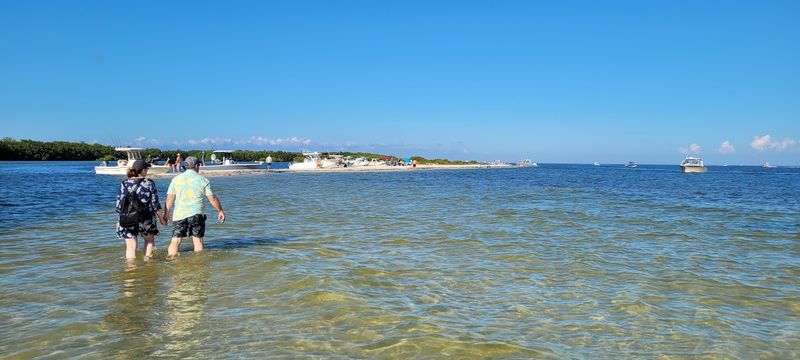
The shoreline itself changes as you move along it. One area opens flat and wide, another tucks against the tree line, and sandbars appear where you can wade out into the shallows.
This is not a beach lined with hotels or snack stands. It stays undeveloped, which is exactly what makes it special.
For anyone tired of packed sand and beach umbrellas stacked side by side, this is the antidote. Stake out a spot and settle in.
Cabins and Campsites for an Overnight Stay
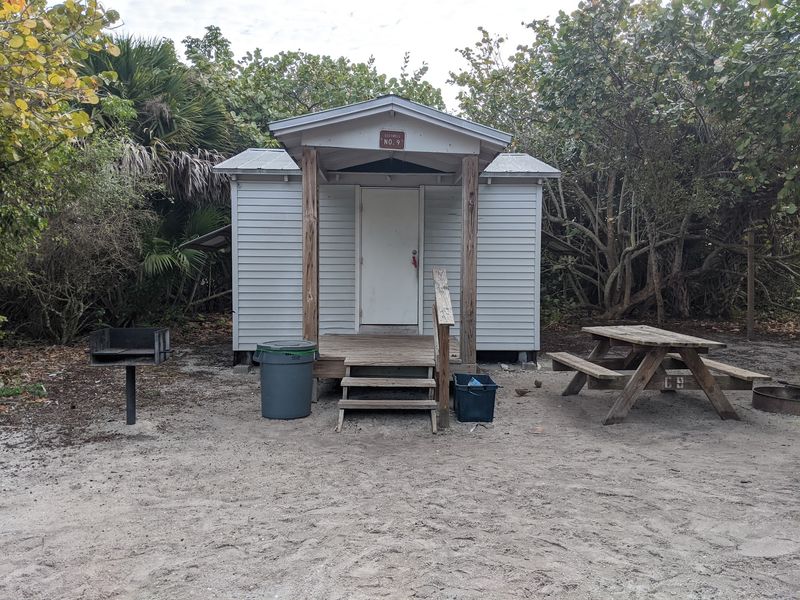
Day trips are wonderful, but staying the night turns the island into something else entirely. Rustic cabins and primitive campsites let you settle in after the boats leave, and cabins come up often as a favorite way to experience the place.
The cabins are small and simple, built for function rather than luxury. Some have power, while the tent sites keep things about as basic as it gets.
Camping here is a favorite for people who love being close to nature. Palm trees surround the sites, and the campground sits back from the beach a fair walk away.
Booking ahead matters, since spots fill up well in advance. The demand is a good sign of how much people cherish waking up on the island.
Overnight guests get something day visitors miss entirely. Dark skies overhead and a quiet that settles in once the sun drops low.
Stargazing Under Dark Island Skies
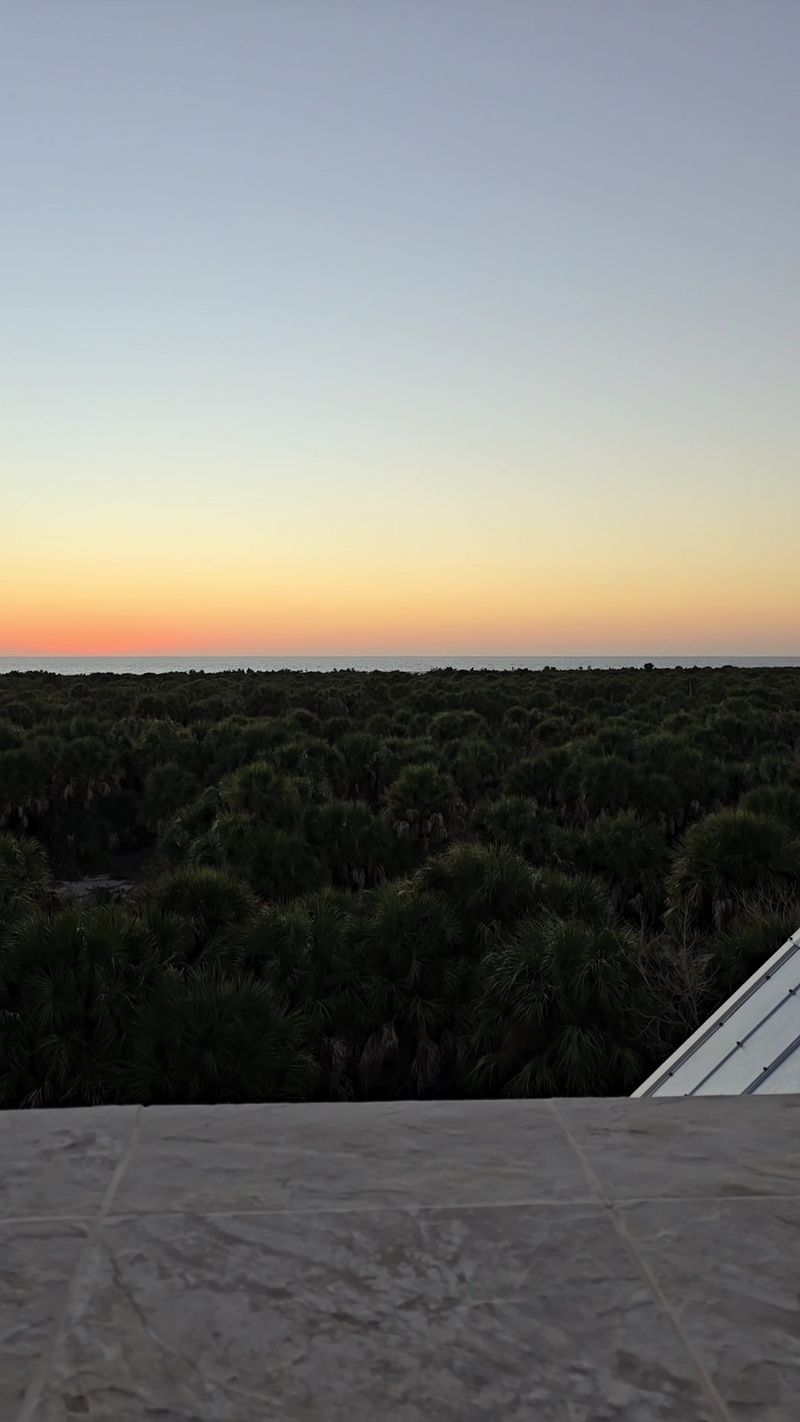
When the last boat pulls away, the island reveals a whole different show overhead. With almost no artificial light around, the dark skies here open up in a way that mainland beaches rarely allow.
Campers regularly mention the stargazing as one of the highlights of an overnight stay. The lack of development means the glow of city lights does not wash out the view.
Nights tend to be peaceful, with quiet hours actually respected across the campground. That calm makes lying back to watch the sky an easy way to end a day.
Pair the stars with the sound of soft waves nearby and you have a setting that stays with people long after they head home. Many come back just for this.
Pack a blanket and give your eyes a few minutes to adjust. The reward overhead is worth the wait.
Trails, Bikes, and Kayaks for Exploring
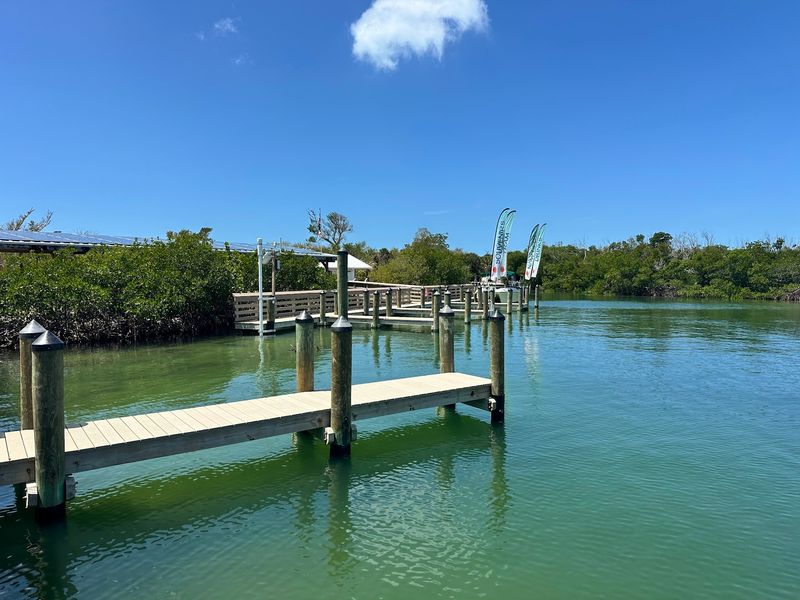
The beach is only half the story on this island. Miles of trails wind through the interior, giving explorers plenty of ground to cover on foot or on two wheels.
The park is large enough that bikes are almost a must if you want to see much of it. Rentals are available at fair prices, and covering ground on a bike beats walking the long distances between areas.
Kayaks can be rented too, opening up the waters around the island for a different kind of outing. Fishing and beachcombing round out the list of things to keep hands and feet busy.
The forested paths offer shade and a change of scenery from the open sand. They connect the docks, campground, and beaches across the park.
People who plan to explore widely tend to leave wishing they had another day. There is simply more here than a single afternoon can hold.
The Tram From the Dock to the Beach
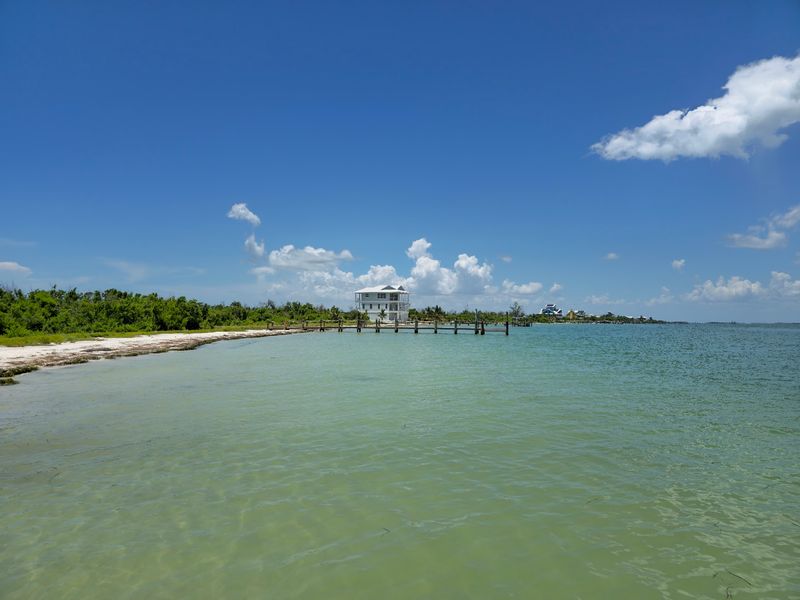
Not everyone wants to hike from the dock to the shore, and the park has that covered. A tram runs the roughly three-quarter-mile stretch between the docks and the Gulf beach, saving legs on hot days.
The ride costs a few dollars each way and runs on a regular schedule, often around the top of the hour or every thirty minutes depending on the day. Times can shift, so asking a ranger when you arrive is smart.
Some folks find the schedule a little tricky to line up with boat departures, which can mean a bit of waiting. Planning around it helps the day run smoothly.
For those who would rather move under their own power, the walk is manageable and takes you across the island on well-kept sandy paths. Bikes are another option for the same route.
Either way, the crossing from dock to beach is short. The tram just makes it effortless.
A Small Store and Friendly Rangers
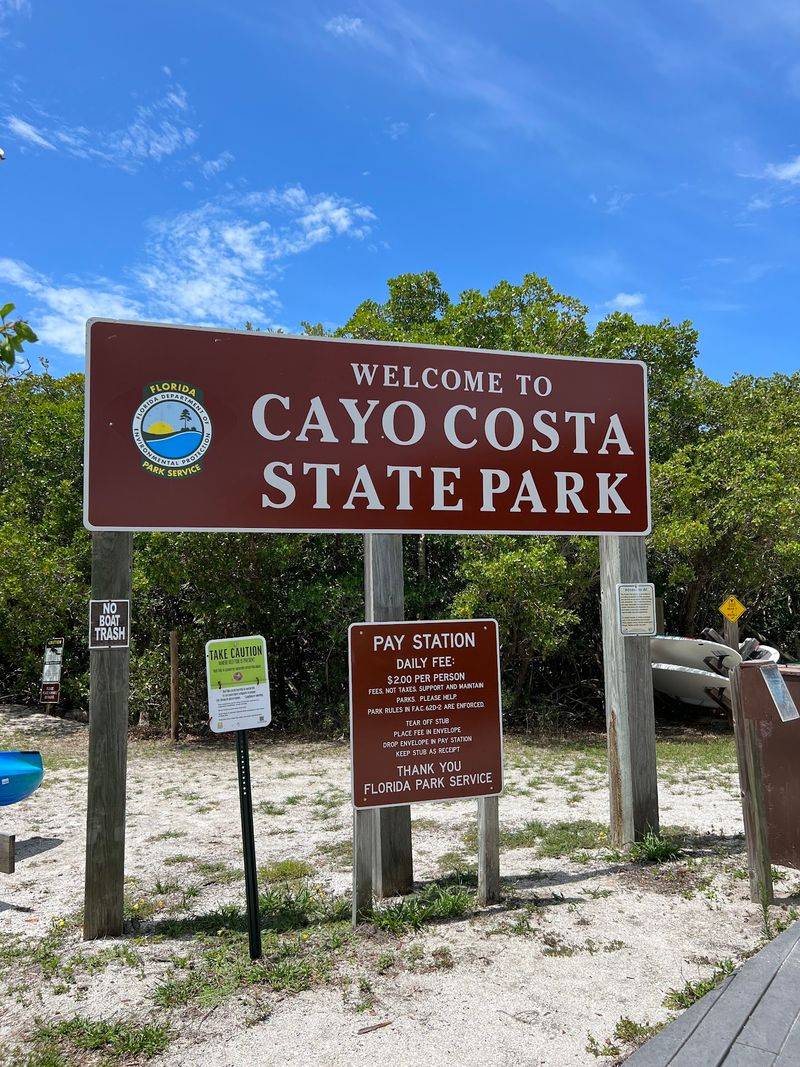
Help is never far away, even on an island this remote. The rangers here earn steady praise for being welcoming and quick to offer maps, guidance, and a hand when needed.
A small store near the docks stocks snacks, drinks, shirts, and basic camping supplies, plus ice and firewood for campers. It is handy for anything you forgot, though it will not replace a full grocery run.
Because supplies are limited, packing what you need before crossing over is the wise move. The store fills gaps rather than serving as a main source.
Restrooms with running water sit close to the beach, offering a quick rinse after time in the Gulf. Clean facilities show up as a pleasant surprise for a spot this rustic.
The staff go out of their way to make things easier. That kind of care is part of why the park stays so well loved.
A Walk to Murdock Point and the Pioneer Cemetery
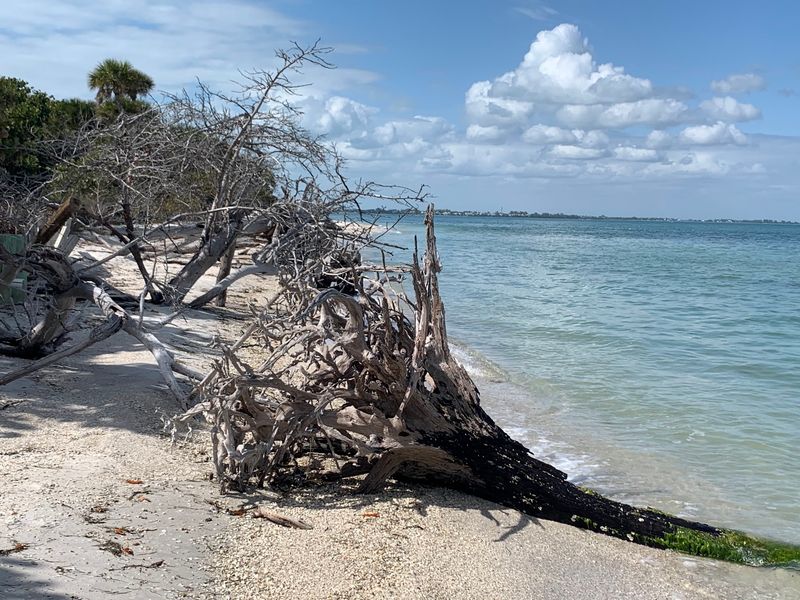
History quietly threads through this wild island for those who go looking. A walk across the island can lead to Murdock Point, a scenic stretch worth the short trek.
Along certain routes, the historic Pioneer Cemetery offers a glimpse into the island’s past. It is a reminder that people once made their homes on this remote patch of land long before it became a park.
Guided boat outings sometimes include a stop at the cemetery on the return trip, folding a bit of local history into a day built mostly around beach and water. The mix of nature and heritage gives the visit extra depth.
The walk across the island stays under a mile in many spots, so these landmarks are within easy reach. You do not need to be a serious hiker to find them.
Small details like these turn a beach day into a fuller story. They are easy to miss unless you know to look.
What to Pack Before You Cross Over
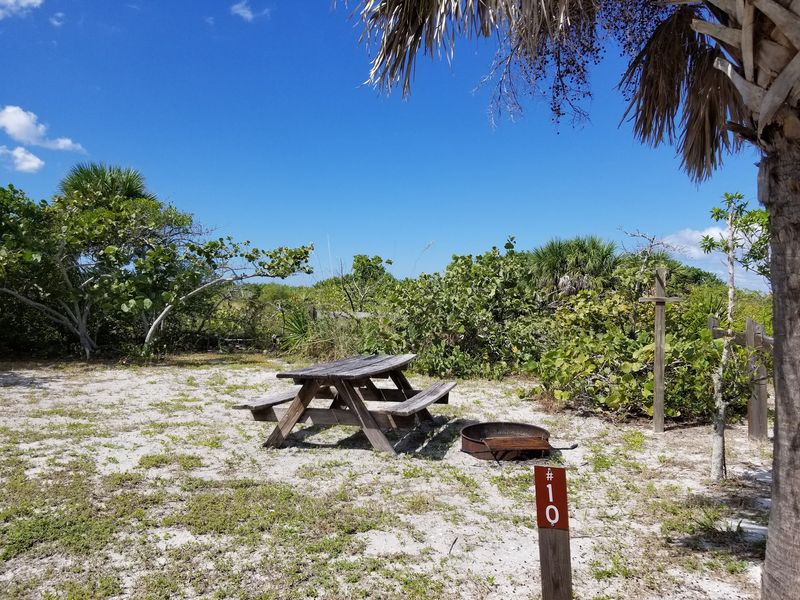
A little preparation makes or breaks a trip out here, and seasoned island-goers know it. Since there are no big stores and shade can be scarce on parts of the beach, bringing your own supplies is the difference between comfort and struggle.
Plenty of water tops the list, along with sun protection and something to sit under for shade. Some beach areas offer little cover, so a portable canopy earns its keep.
Bugs are the other reality campers warn about. Mosquitoes and no-see-ums can be pushy, especially in warmer months, so strong repellent, netting, and long clothing are smart additions.
Campers also mention that rats will chew into bags for food, so sealing everything in sturdy containers is important overnight. Keeping food off the ground helps too.
Come stocked and you will spend your energy enjoying the island instead of chasing forgotten essentials. A packed cooler goes a long way.
Hours, Fees, and Getting There
Sorting out the logistics ahead of time keeps the trip smooth. The park runs from 8 AM to 5 PM every day of the week, so plan your boat timing around those hours.
Fees are refreshingly light. An entrance charge of around two dollars gets you in, and the tram from the dock to the beach runs about three dollars per person each way.
Getting across is the main hurdle. The island is reachable only by private boat or a charter service, and several cruise companies run the route from the mainland.
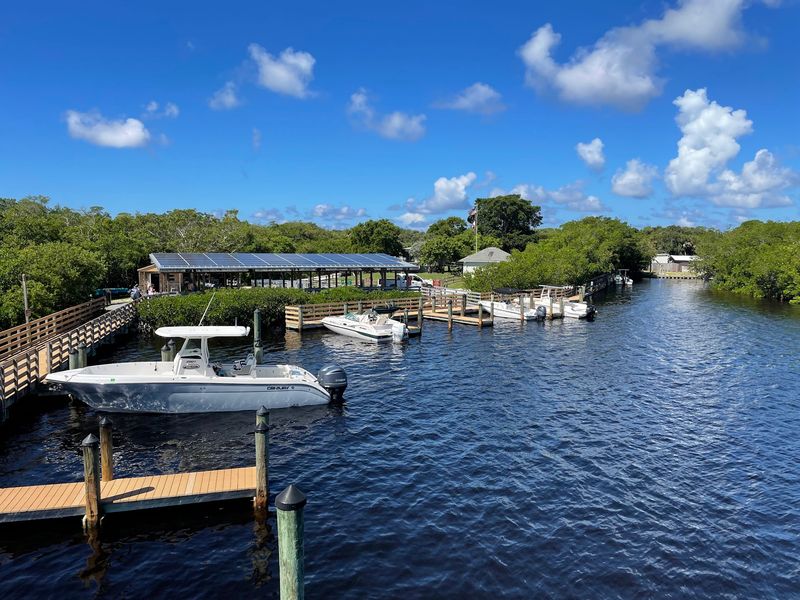
Docks fill up quickly during busy stretches, so arriving early gives you the best shot at a spot. The docks themselves are well kept, with an easy sandy path leading toward the beach.
The park can be reached by phone at +1 941-964-0375, and the Florida State Parks website carries current details. Checking before you go is always wise, since access can change.
Why This Island Stays a Local Favorite
Some places stick with you, and this one clearly does for the people who make the crossing. The affection runs deep, showing up in how often folks call it a favorite and count down to their next trip.
What keeps it special is what it lacks. No cars, no crowds jammed together, no strip of shops crowding the shore, just open beach, forest trails, and water full of life.
The rustic side is part of the deal. You trade a few comforts for dark skies, quiet nights, and a shoreline that feels genuinely wild.
For a value-minded day out, it is hard to beat. A couple of dollars at the entrance and a boat ride buy you one of the least-developed beaches left on the Gulf Coast.
Reach Cayo Costa State Park near Captiva, FL, and you find the Florida that existed before the highways. That alone makes the effort worth it.