
Affiliate disclosure: As an Amazon Associate I earn from qualifying purchases. Learn more
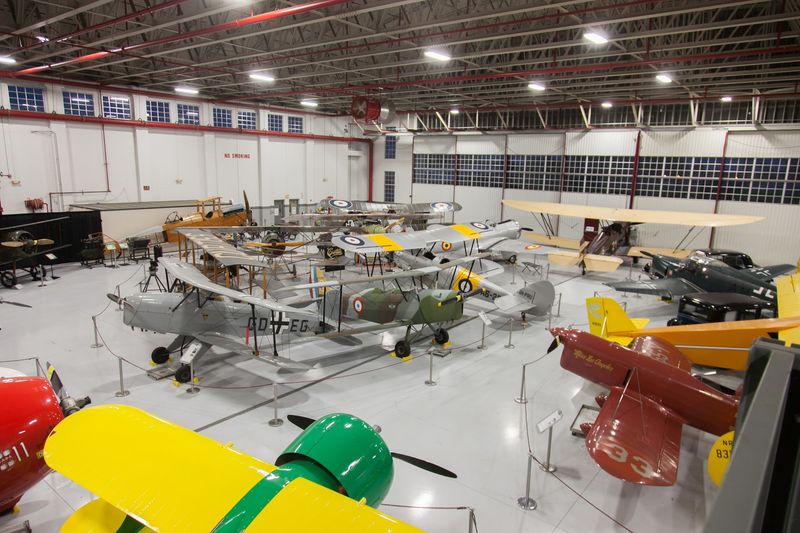
Tucked between Orlando and Tampa sits a hangar packed with historic airplanes that most Florida travelers drive right past. Inside are vintage warbirds, sleek racing planes, and antique biplanes, many of them still able to take off and fly today.
The collection is often called the largest privately held vintage aircraft assembly on the planet, and admission costs less than a movie ticket. What makes it truly special is the person behind it and the guides who bring each plane’s story to life.
Keep reading to find out where this low-key aviation treasure hides and why aviation fans keep coming back.
A Hangar Full of History in Polk City
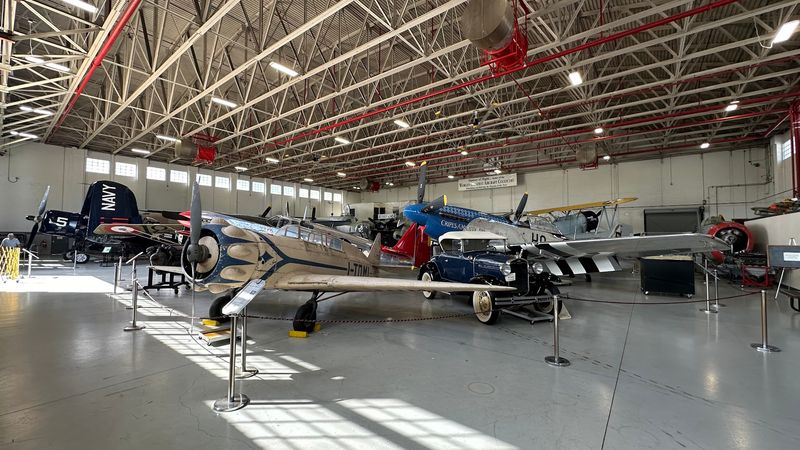
Halfway between Orlando and Tampa, along a quiet stretch of central Florida, this museum keeps a low profile that surprises almost everyone who arrives. The address is 1400 Broadway Blvd SE, Polk City, FL 33868, an easy detour off Interstate 4.
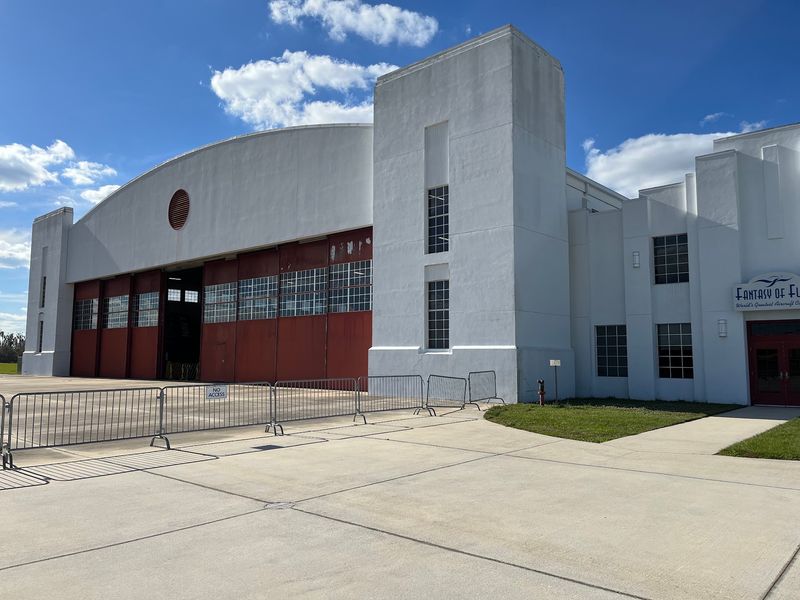
The building doesn’t look like much from the parking lot, and plenty of guests admit they expected a small stop. Then they walk inside the hangar and change their minds fast.
Rated 4.3 stars across nearly 400 reviews, the spot has earned a reputation as a genuine hidden find. It carries a bold claim too: the world’s largest privately held collection of vintage aircraft.
Parking is free, the layout is clean, and the whole place feels welcoming rather than stuffy. For a museum this ambitious, the humble exterior almost works in its favor.
Getting there from Orlando is simple enough that one guest took an Uber and still felt it was worth the trip. That says something about what waits behind those hangar doors.
The Man Who Built the Dream
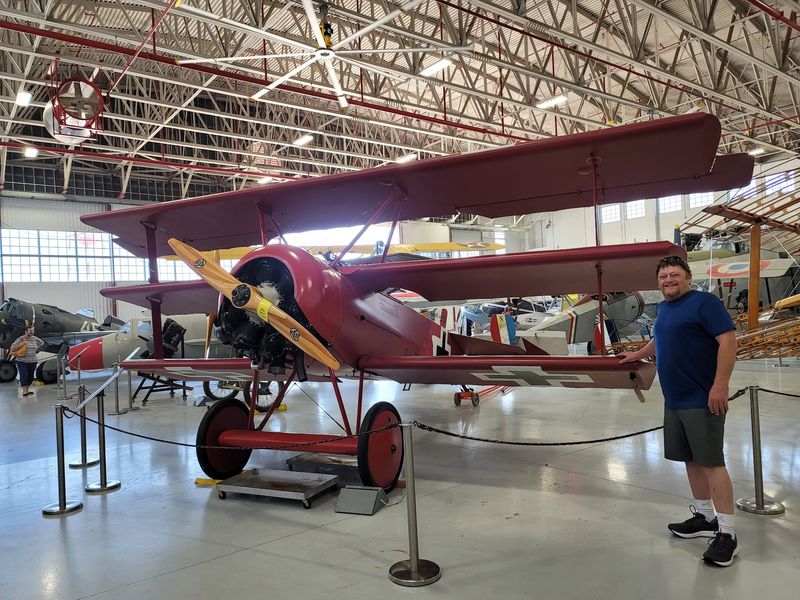
Every great collection has a person behind it, and here that person is Kermit Weeks, the owner, collector, restorer, and curator all rolled into one. He built the entire museum around aircraft he personally gathered over the years.
What amazes people most is that he has flown every one of the roughly 40 historic airplanes on display. These aren’t static relics gathering dust; they are machines kept in flying condition by someone who actually pilots them.
Kermit still shows up too. Guests light up when they mention meeting him on the floor, where he sometimes stops to chat and make sure everyone is enjoying the planes.
Kids get a special thrill when he takes a moment for them. One young B-17 enthusiast on spring break got a warm welcome and some extra access during his tour.
Having the creator wandering among his own collection gives the museum a personal warmth that big institutions rarely manage. It feels less like a corporation and more like a passion project you get to walk through.
Warbirds, Racers, and Biplanes Under One Roof
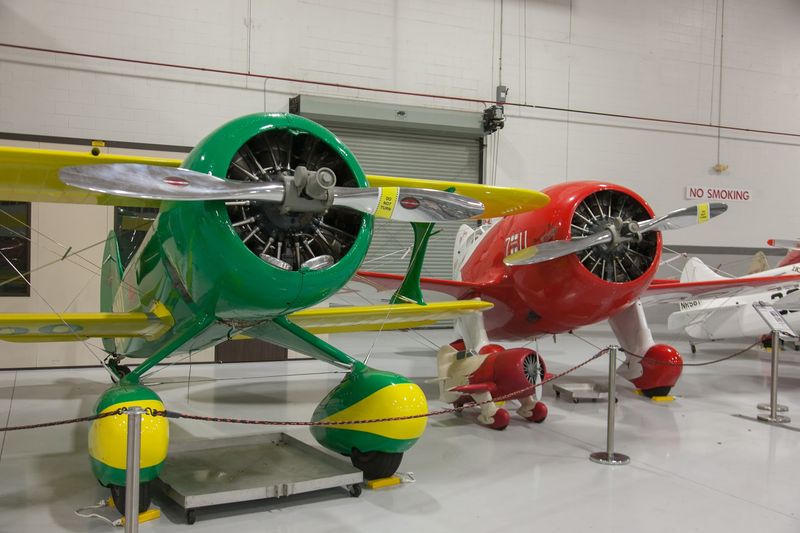
Aviation fans get a spread that runs from World War I biplanes all the way to sleek racing planes from the 1930s. The variety is a big part of the appeal, since you can trace decades of flight in a single visit.
Military and non-military craft share the space, including antique biplanes, seaplanes, and experimental designs. Racing enthusiasts often gush over the Gee Bee aircraft, a stubby speedster that looks like nothing else on the floor.
Warbird lovers get plenty too, with names like the B-25 Mitchell earning frequent mentions. There’s even an ex-Indian Air Force B-24J Liberator, a rare sight in the United States.
One nose section from a B-29 called Fertile Myrtle carries signatures, a small detail that history buffs adore. These touches turn each plane into a story rather than just a shape.
Because the collection is so deep, the lineup you see today may look different next month. That rotation keeps repeat trips feeling fresh.
Guides Who Turn Metal Into Stories
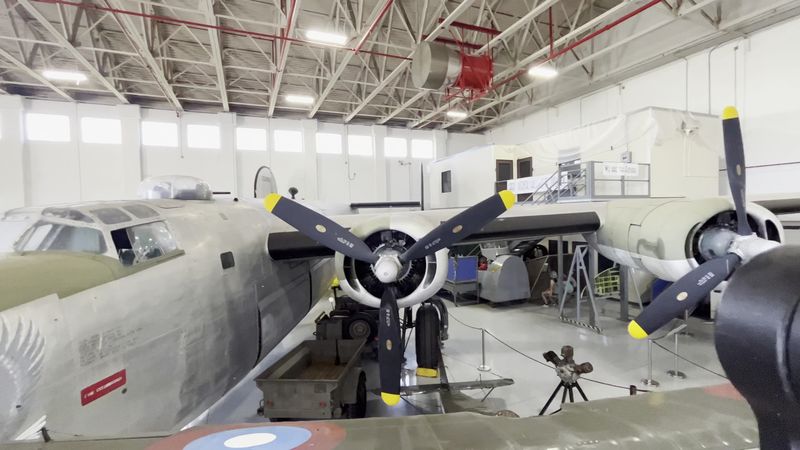
Free guided tours might be the single most praised feature of the whole experience. The docents here are paid employees who know their machines inside and out, and their stories run long enough to keep anyone hooked.
Names like Gary, Bill, and Eddie come up again and again, always paired with words like informative and friendly. They dig into technical details, from engine design to the exact colors of restoration cables.
One family showed the staff an old photo of a relative from the Army Air Corps in World War II, and the guides identified the exact type of plane he had worked on. That kind of depth turns a casual visit into something memorable.
The tours bring the collection to life in a way that reading placards never could. Guests describe stories that could go on for hours without getting dull.
Homeschool groups find it especially rewarding, since the guides teach flight history with real enthusiasm. Learning here feels more like a conversation than a lecture.
Climb Into a Cockpit
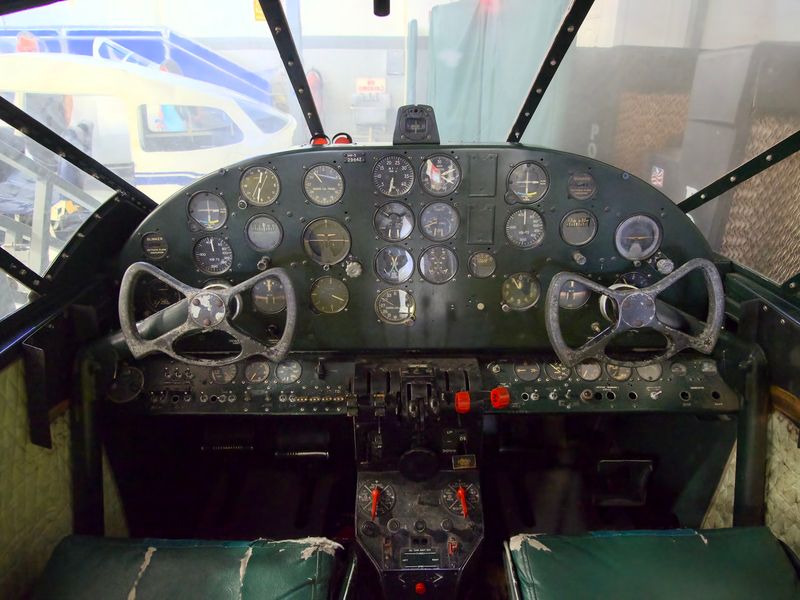
Hands-on access separates this museum from the roped-off displays you find almost everywhere else. Several aircraft have cockpits you can actually climb into and settle behind the controls.
Getting inches from a war plane, a racer, or a seaplane is standard here rather than a rare privilege. People who love aviation call it one of the closest encounters they’ve ever had with historic machines.
The sit-in cockpits are a hit with younger guests, who get to pretend they’re at the controls of a real flying legend. It transforms passive looking into active exploring.
Beyond the cockpits, there are cutaway engines and structural exhibits that show how these machines actually work. Engineering fans find plenty to study up close.
Being able to interact instead of just observe is part of why so many people leave planning a return trip. It’s a museum that lets you feel like part of the story.
Restoration Work You Can Actually See
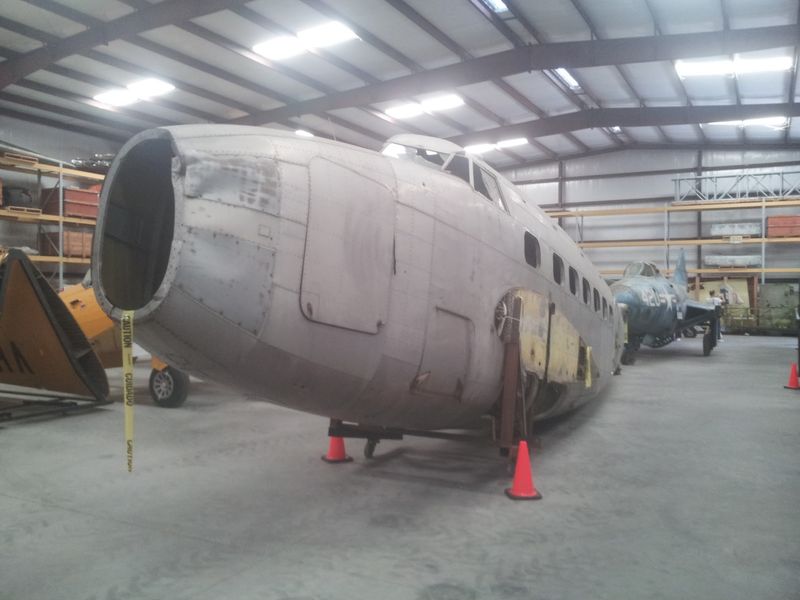
Rather than hide the messy work behind closed doors, this museum puts restoration front and center. Many projects still waiting for attention sit on display, so you can grasp just how much effort goes into each airplane.
The detail involved impresses even experienced pilots, right down to matching the exact cable colors used in the original design. Nothing here is a quick paint job.
Seeing planes mid-restoration gives visitors a real sense of the scale involved in bringing these machines back to airworthy condition. It’s a rare peek at the craft behind the collection.
Some aircraft are being repaired while others rest in storage, all part of a much larger fleet than what’s on public view. Knowing they’ll eventually fly again adds a hopeful note.
That transparency about the process turns ordinary viewing into an education. You walk away appreciating the patience and skill these old birds demand.
Biplane Rides and VIP Access
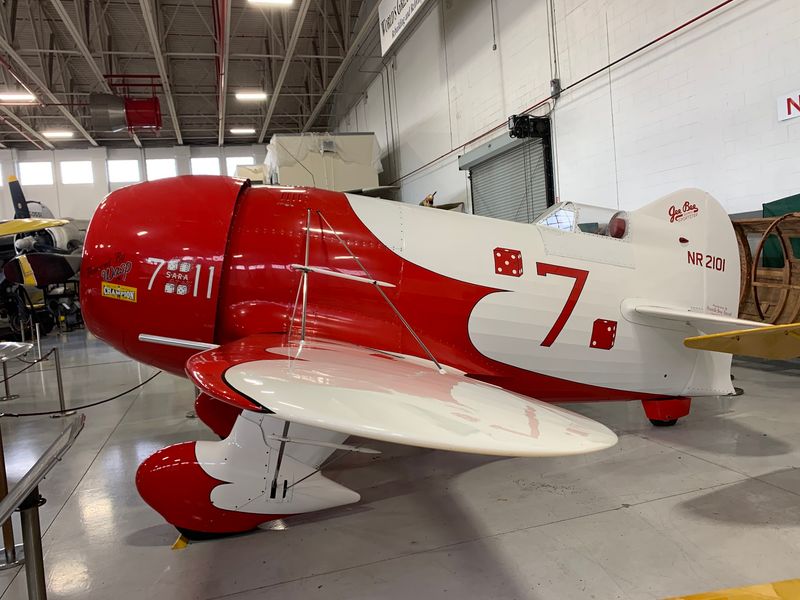
For those who want more than a walk through the hangar, extra experiences take things to another level. Biplane rides have been offered for guests craving a taste of open-cockpit flying.
Serious enthusiasts can book a private VIP tour, priced around 100 dollars per person, that opens up the second hangar and much more. That behind-the-scenes access covers the huge stored collection most people never see.
The extended tour runs several hours and can include the restoration shops and the aircraft boneyard, home to 150 or more additional vintage planes. It’s a deep dive for people who can’t get enough.
Guests who have done the standard visit often say the VIP option is next on their list. The sheer size of the off-display fleet is a big draw.
Scheduling ahead is the smart move if you want the fuller experience. The reward is a look at treasures usually kept out of public sight.
Hours, Prices, and Getting There
Budget travelers will appreciate how affordable a visit here is. Admission has run around 15 to 16 dollars for general entry, with seniors closer to 12, making it a strong value for what you get.
The museum has kept limited hours, typically operating on weekends, so checking the current schedule before you go is worth the extra minute. Calling or visiting the website ahead helps avoid a wasted drive.
Parking is free, which is always a welcome bonus in Florida. The facilities are clean, and the restrooms earn surprising praise from guests.
Reaching Polk City is easy from either Orlando or Tampa, and one Orlando guest even managed the trip by Uber. The central location makes it a doable day trip.
Because operations have shifted while the museum works toward expansion, confirming the days and times protects your plans. A quick check keeps the visit smooth from the start.
Why This Stop Belongs on Your List
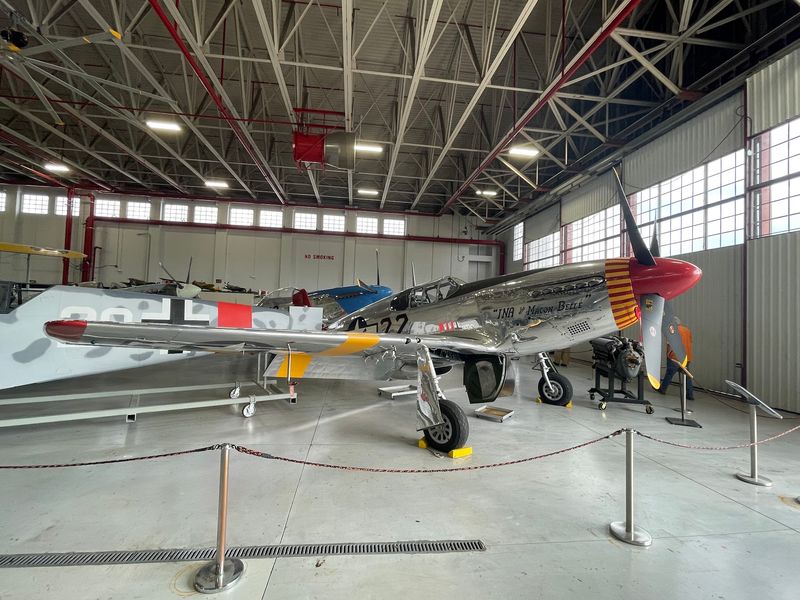
Even in its current smaller form while awaiting expansion, this museum delivers a top-tier experience that punches well above its size. The single open hangar still leaves aviation fans thoroughly impressed.
Anyone with an interest in flight history, World War era aircraft, or classic racers will find plenty to love. The combination of rare planes, hands-on access, and storytelling guides is hard to beat at this price.
Families, homeschool groups, and lifelong enthusiasts all seem to walk away satisfied. Many describe it as a genuine hidden find worth the drive from either coast.
The gift shop offers a nice range of aviation goodies to take home, and the friendly staff make the whole visit feel personal. It’s the kind of place people say they’d return to in a heartbeat.
If a low-cost, quietly remarkable Florida day trip sounds appealing, this hangar in Polk City deserves a spot on the itinerary. History lovers rarely leave disappointed.