
Affiliate disclosure: As an Amazon Associate I earn from qualifying purchases. Learn more
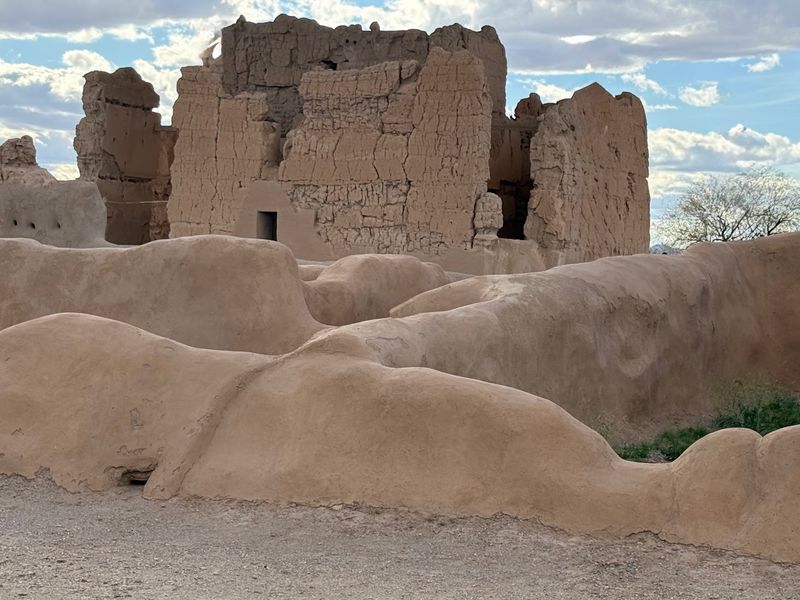
Somewhere between Phoenix and Tucson, tucked into the flat desert most people speed right past, stands a four-story building that has been holding its ground for roughly 700 years. It was built by hand, with no computers and no modern tools, by farmers who engineered canals to move water across the desert.
Many longtime Arizonans have driven by it for decades without ever stopping, which is exactly why it stays such a quiet find. Admission costs nothing, the walk is short, and the story behind it is anything but small.
Here is the full look at a place that makes ancient history feel surprisingly close.
The Desert Address Most Locals Zoom Past
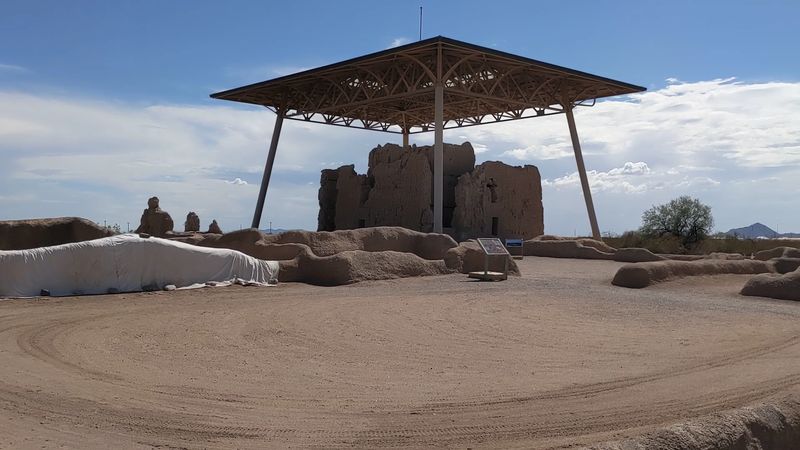
Roughly halfway between Phoenix and Tucson sits Casa Grande Ruins National Monument, at 1100 W Ruins Dr in Coolidge, Arizona. It is easy to find, and the parking lot is roomy enough that finding a spot rarely turns into a chore.
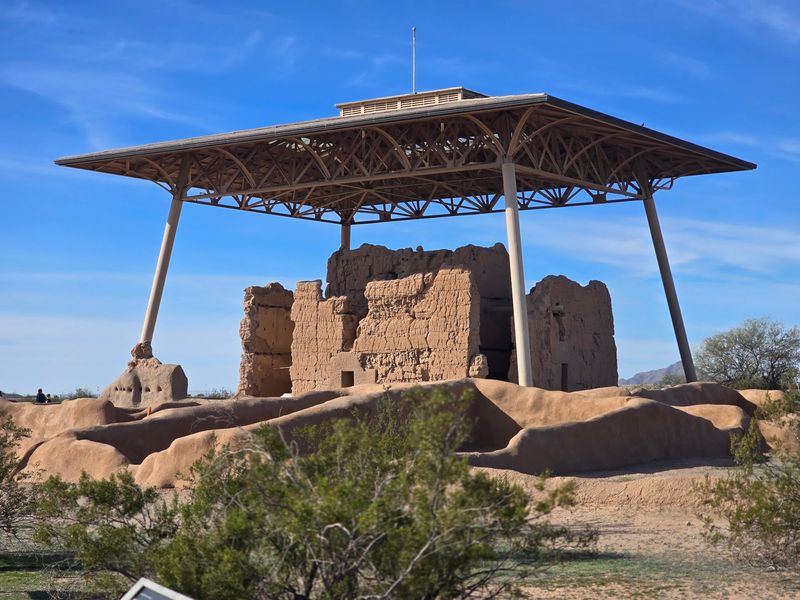
The star of the site is a towering adobe structure known as the Great House, built by the Hohokam people back in the 1300s. A large canopy now shelters it from the elements, a modern touch that keeps the centuries-old walls standing tall.
What surprises many first-timers is how close the ruin is to the front door. The Great House can be spotted straight from the parking area, and it takes only a couple of minutes to walk over.
For a landmark this old, it asks almost nothing of you to reach. That accessibility is part of why so many people who finally stop wonder why they waited so long.
The Hohokam Story Written Into the Walls
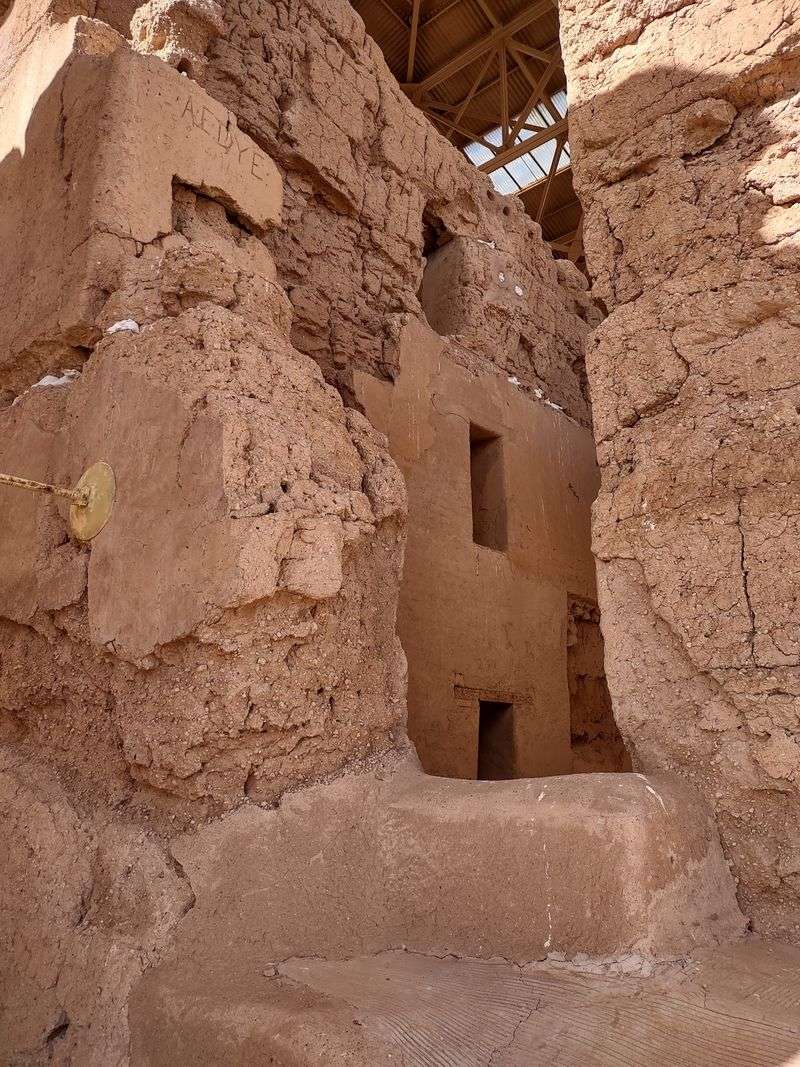
Long before Arizona had highways or towns, the Hohokam people farmed this stretch of desert and turned it into something remarkable. The Great House rose during the 1300s as part of a larger compound, and it has stood through roughly seven centuries of sun and wind.
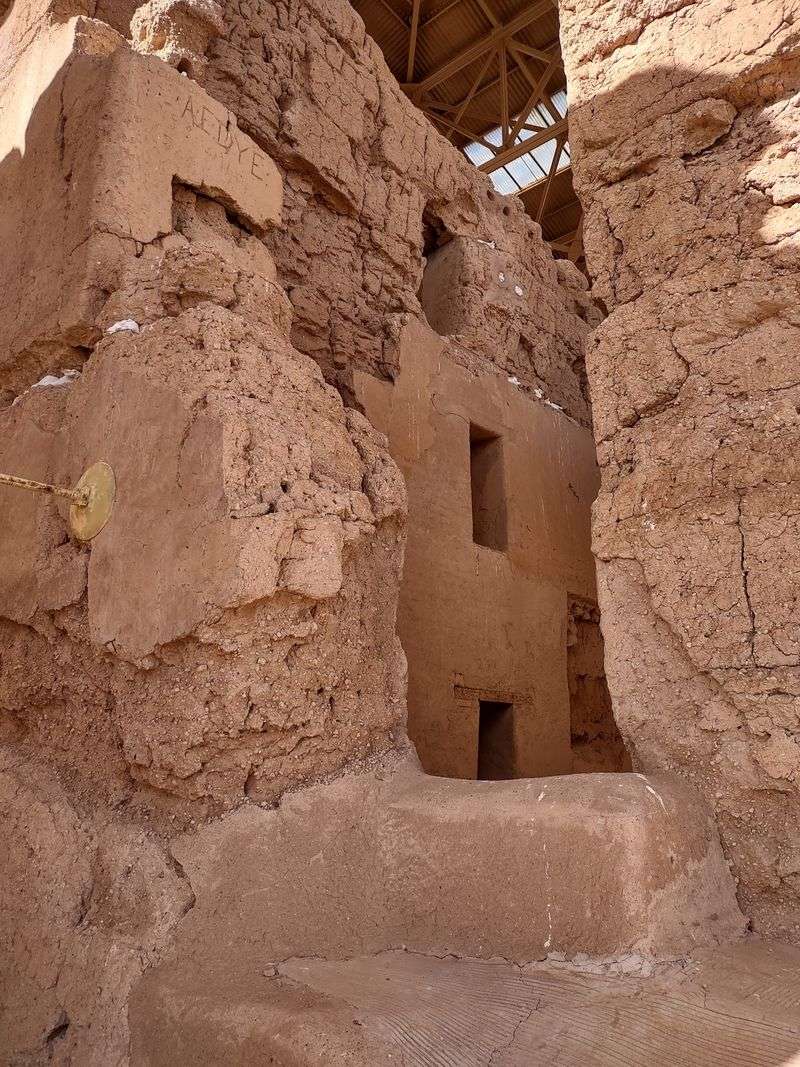
The building was not thrown together. It reflects careful planning, with walls thick enough to survive the desert and openings placed with intention.
Standing near it, the sense of time settles in quietly. People describe the feeling as grounded and meaningful rather than flashy, a slow-burning kind of awe.
The story of the people who lived here, and the descendants who still connect to it, is woven through the whole visit. It gives the ruin a heartbeat that a pile of old walls alone never could.
Ancient Engineers Who Moved Water Across the Desert
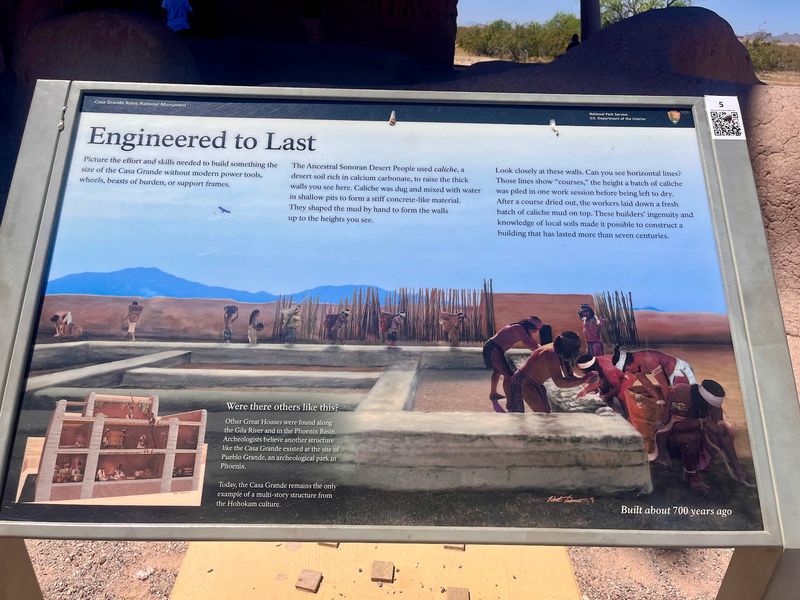
The real jaw-dropper here is not just the building but the brainpower behind it. The Hohokam dug irrigation canals to carry water across dry land so they could grow their crops, and they did it without slide rules, blueprints, or computers.
That achievement turns Casa Grande into a monument to early engineering as much as ancient living. The scale of the farming operation the community supported is genuinely impressive once the signs explain it.
One detail that lands hard with people today is how strange it feels to find water systems in the middle of such dry country. It is hard to believe water once flowed steadily near this spot.
Learning how these farmers solved problems that would challenge modern minds tends to reshape how people see the desert around them. The desert, it turns out, was home to some serious innovators.
A Village Bigger Than It First Appears
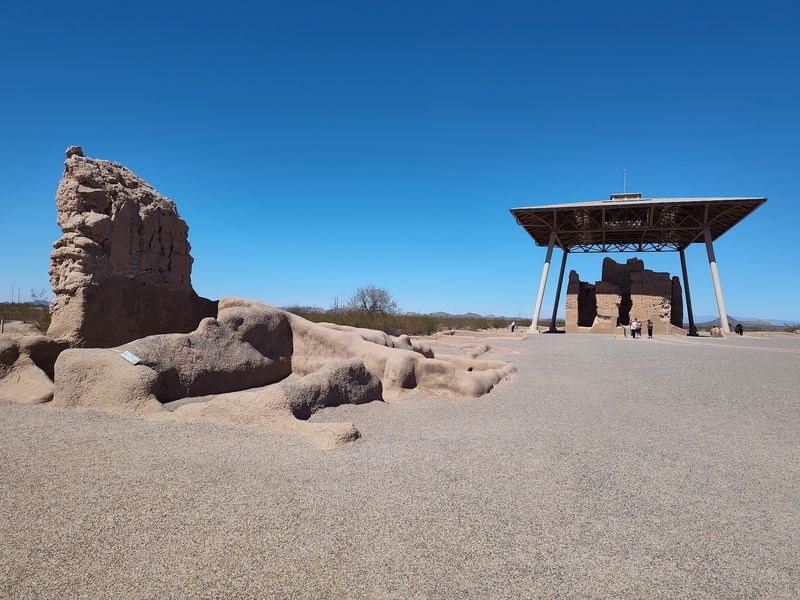
Many people arrive expecting one lonely building and leave realizing the site is far larger than it looks at first glance. Beyond the Great House sit perimeter walls and the outlines of rooms that hint at a full community.
The overall footprint of the old village is surprising in its size and scope. What survives is only a fraction of what once stood here, yet even the fraction tells a big story.
Scattered informational signs help connect the dots between the standing structure and the low remnants around it. Reading them turns a quick glance into a proper understanding of daily life here.
Some parts have been stabilized and upgraded over the years to keep everything from crumbling. That preservation work may soften the raw ancient look a little, but it is exactly what keeps the place around for future generations.
Great Horned Owls in the Rafters
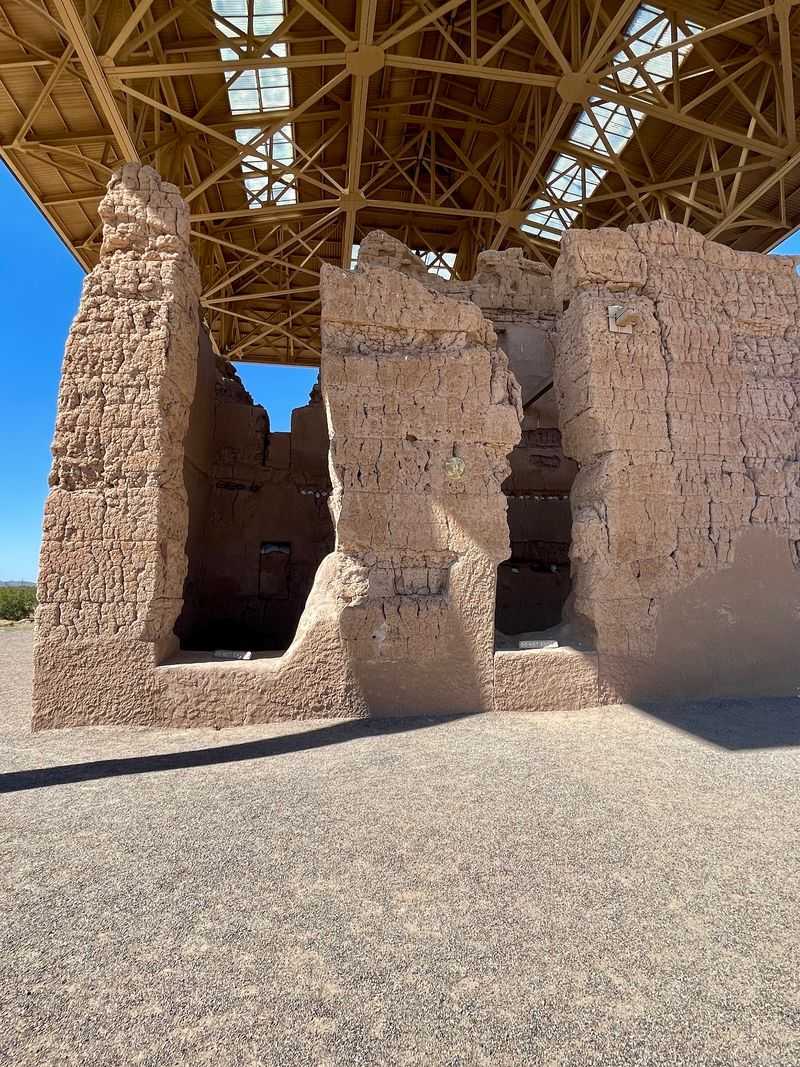
Here is a bonus almost nobody mentions before they go: the site has feathered residents. Great Horned Owls sometimes settle into the rafters of the structure, and spotting a pair of them is a genuine treat.
Owls come up often enough among visitors that they have become a small legend of the place. Birders in particular appreciate the surprise sighting overhead.
Catching one is never guaranteed, of course, which only makes it more fun when it happens. A quiet glance upward can reward you when you least expect it.
The mix of ancient history and living wildlife gives the visit an extra layer. You come for the ruin and sometimes leave with a bird story too.
The Visitor Center and Its Mini Museum
Before heading out to the ruin, the visitor center earns a real stop of its own. Inside waits a mini museum stocked with local artifacts and displays covering a variety of topics about the people and the land.
A short film rounds out the picture, and it comes highly recommended for setting up the rest of the walk. It gives context that makes the walls outside mean much more.
The gift shop carries interesting finds, including Native American jewelry such as rings and necklaces. It is a nice place to pick up something meaningful rather than generic.
Park passport fans will be glad to know there is a national park stamp waiting here too. The center is a highlight, not just a lobby you pass through.
Rangers Who Bring the Place to Life
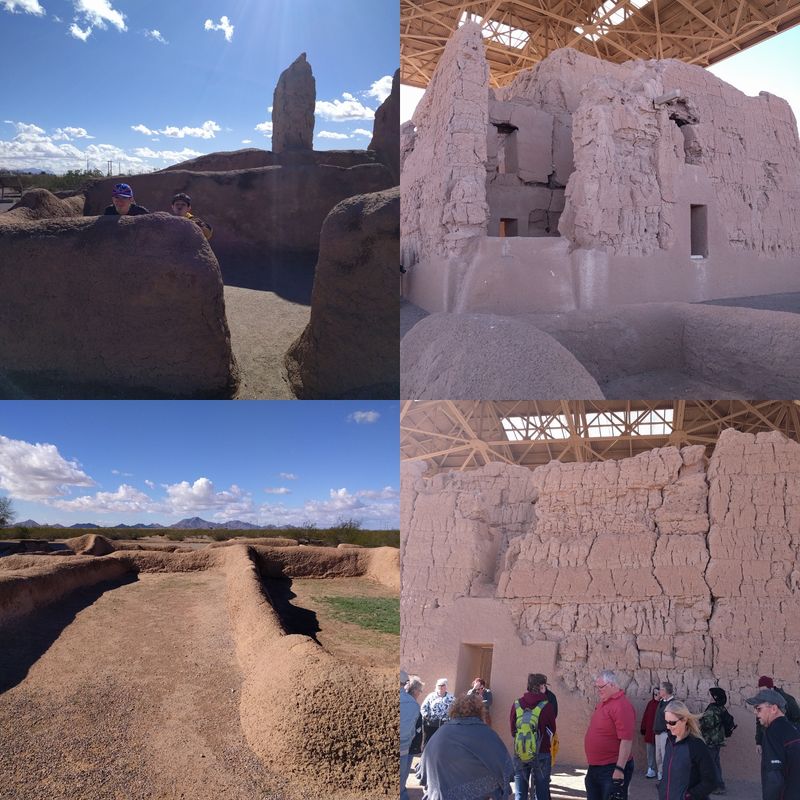
The people in uniform here do a lot of heavy lifting when it comes to the experience. Rangers roam the grounds throughout the day, ready with answers and loaded with knowledge about the Hohokam and their culture.
Free guided tours depart from the visitor center, and they tend to reveal details a self-guided stroll can easily miss. The guides are described as friendly and quick to answer questions as they pop up.
Their presence also protects the fragile site. Staff walk the ruins to make sure nobody climbs on the walls or removes anything, a level of care that stands out.
You can absolutely explore on your own if you prefer, wandering freely once a tour wraps. Either way, the staff make the visit warmer and far more informative.
Free Admission, Easy Access, and Simple Logistics
Good news for the wallet: there is no entrance fee at all. A donation box lets you chip in a few dollars under your home state to help keep the lights on, but paying anything is entirely up to you.
The monument is open from 9 AM to 4 PM every day of the week, and a typical visit runs about one to two hours. Even a quick 30-minute stop feels worthwhile if that is all you have.
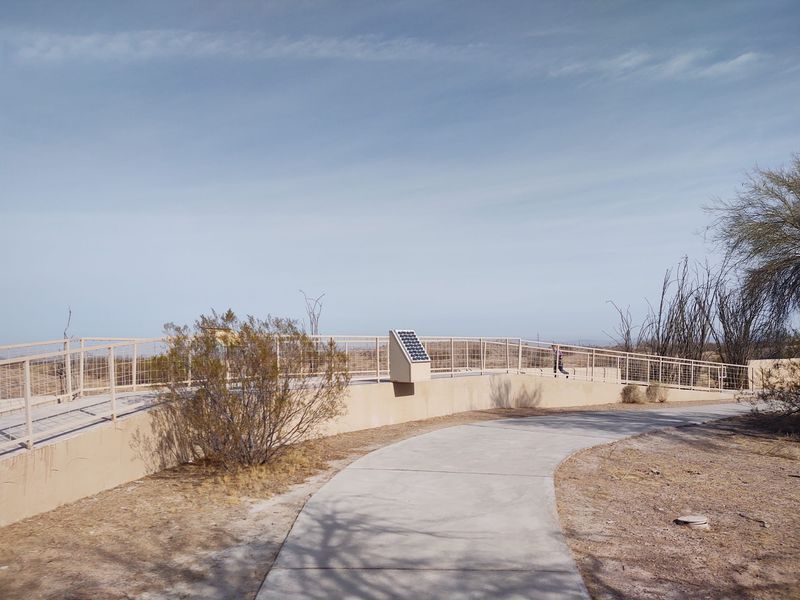
Accessibility is a real strength here. Auto-open doors and smooth sidewalks carry visitors almost all the way to the ruin, though the path turns to gravel near the end.
Clean restrooms, water bottle refill stations, and plenty of parking round out the practical side. For anyone driving between Tucson and Phoenix, it makes an easy and rewarding break.
Why This Quiet Stop Wins People Over
What makes this place stick is how it lets you slow down. Instead of rushing through, people find themselves lingering, reading signs, and actually absorbing the story of the folks who built it.
It carries a calm, thoughtful mood that many describe as quietly powerful. The reaction is less about spectacle and more about connection to something very old and very human.
Practical reminders keep it respectful: you cannot go inside the Great House, and touching the walls is off limits for everyone, kids included. A small opening does let you peek inside, and the interior is bigger than expected.
Not on the usual Arizona sightseeing list, this monument rewards the drive for anyone curious about the state’s deep roots. Standing near those ancient walls really can feel like meeting another world, right in your own backyard.