
Affiliate disclosure: As an Amazon Associate I earn from qualifying purchases. Learn more
Getting to the Bahamas without a plane ticket sounds too good to be true, yet there is a high-speed ferry in Fort Lauderdale that pulls it off in about two hours. No cramped airplane seats, no long security theater at the airport, just a smooth ride across the water to Bimini.
The launch point is a busy South Florida terminal that also handles giant cruise ships and thousands of travelers a day. It is efficient, close to home, and cheaper than many people expect once they add up the cost of flying.
This guide walks through what the place is really like, how it works, and the little details that make the trip easier. Keep reading to learn where the magic happens and how to plan a getaway that skips the runway entirely.
Where the Water Route to Bimini Begins
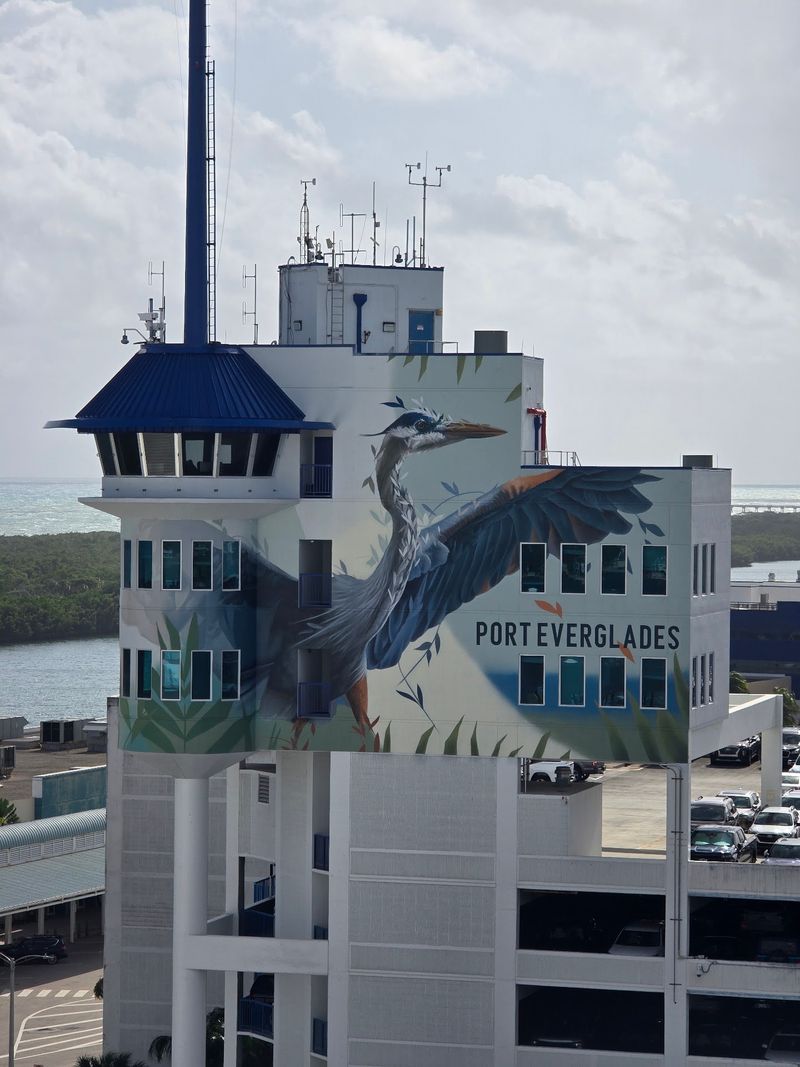
Tucked along the waterfront in Fort Lauderdale, the launch pad for this whole adventure carries the name Port Everglades Cruise Terminal 21. You will find it at 2021 Eller Dr, Fort Lauderdale, FL 33316, sitting inside one of the busiest ports in the state.
The terminal serves double duty. On some days it processes passengers heading out on massive cruise ships, and on others it sends travelers off on a high-speed ferry bound for Bimini in the Bahamas.
That ferry ride is the headline act. It takes roughly two hours to cross, which means you can skip the airport shuffle entirely and still reach island sand before lunch.
Regulars describe the port as large but easy to navigate once you know the layout. The parking garage sits close to the road, so first-timers are less likely to get turned around.
Fort Lauderdale makes a natural jumping-off point for South Florida day-trippers. The location keeps the whole trip within reach for locals who want an international escape without booking a flight.
Two Hours to Another Country
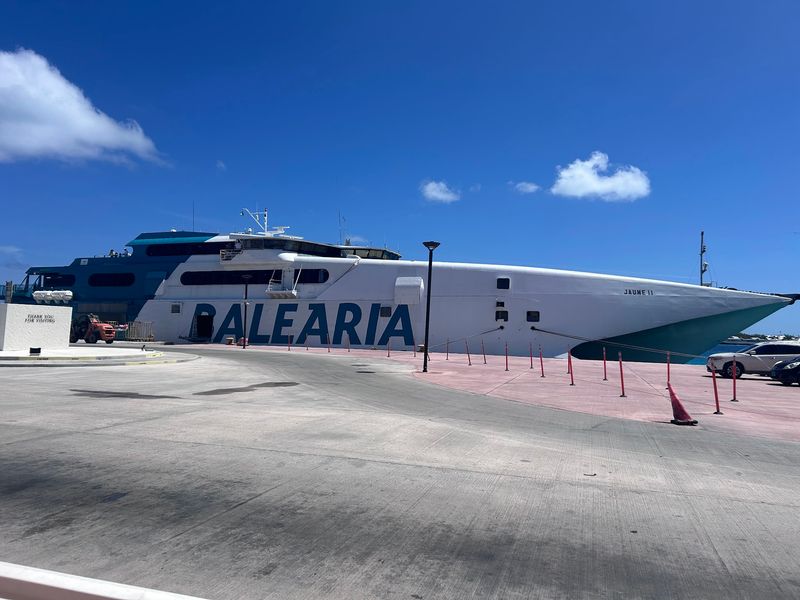
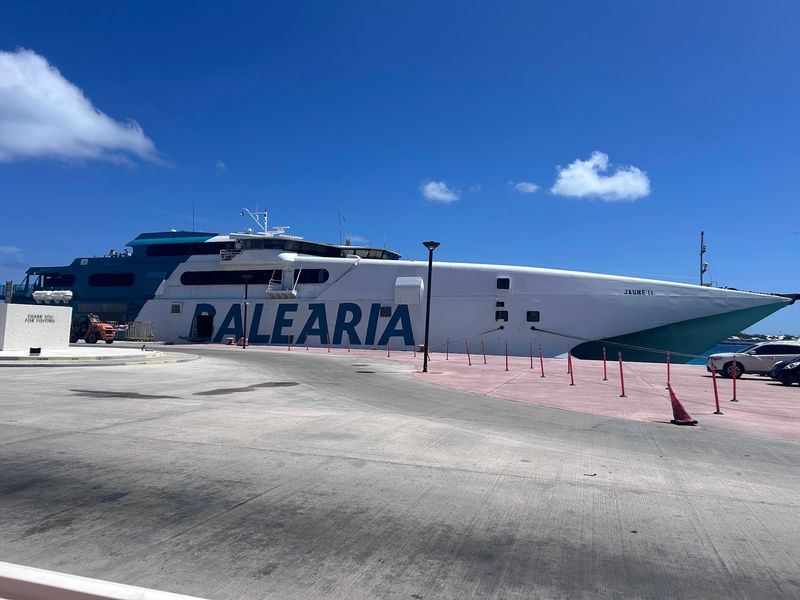
The star of the show here is a high-speed ferry that reaches Bimini in about two hours. That is faster than many people expect when they hear the words Bahamas and Fort Lauderdale in the same sentence.
Travelers who have made the crossing note that the boat runs on schedule and tends to arrive right on time. Punctuality matters when you are trying to squeeze the most out of an island day.
Compared to flying, the ferry cuts out ticket counters, boarding gates, and the usual airport waiting game. You board the vessel, settle in, and let the water do the work.
The route has become a favorite for South Florida residents looking for an international getaway that feels close to home. Two hours out, a day of island time, and two hours back is a doable weekend plan.
People who have tried it once often say they would happily go again. That kind of repeat interest tells you the crossing delivers on its promise.
A Terminal Built for the Crowds

Handling thousands of people in a short window is no small feat, and this terminal is designed with that challenge in mind. The building is spacious, with room to spread out even when lines form.
Frequent travelers point to the smart design as one of its strongest features. Security lines sit on the first floor, and the check-in process moves upstairs, keeping the flow logical.
Someone who wrapped up a long Panama Canal cruise called it one of the best cruise terminals they had encountered. High praise from a person who has clearly seen a few ports.
The scale can feel massive on a busy day, almost like a small airport dedicated to boats. But the size is exactly what lets it absorb big cruise crowds and ferry passengers at the same time.
When everything clicks, the layout turns a potentially stressful step into a quick one. That efficiency is a big part of why the place earns solid marks.
How Boarding Actually Works
Curious how the process unfolds once you walk in? It follows a clear order that keeps things moving even during peak hours.
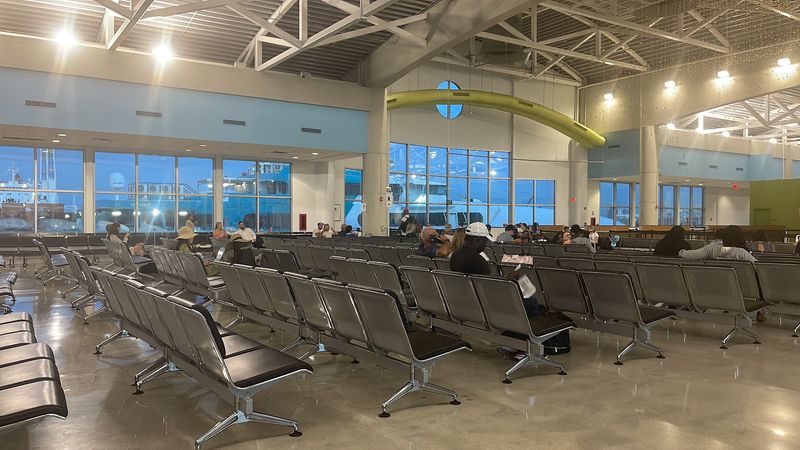
Security lines greet you on the first floor. From there, you head upstairs to show your boarding pass and passport before settling into a large seating area.
Passengers then wait for their assigned group number to be called. When your number comes up, you head to the ship or ferry, and that is when the trip truly begins.
One traveler timed the wait at just eight minutes before their number was called. That kind of speed makes the whole check-in feel almost effortless.
Plenty of staff stand ready throughout the process to point people in the right direction. Having real humans on hand keeps the confusion to a minimum.
For a building this large, the step-by-step system does a good job of turning chaos into order. Knowing the flow ahead of time makes it even smoother.
Parking That Won’t Trip You Up

Leaving your car behind is easier here than at many big ports. The parking garage sits close to the road, which cuts down on the odds of getting lost before you even board.
The daily rate runs about twenty dollars a day. That is a straightforward number to budget around when planning a day trip or a longer cruise.
One helpful tip from those who have parked here: bring a bank card or credit card for payment. Coming prepared saves you a headache at the gate.
The garage placement is a small detail that makes a real difference for first-timers. You are not circling endlessly trying to find the entrance.
For value-minded travelers, twenty dollars a day feels reasonable given the convenience. Park, grab your bags, and you are steps from the terminal doors.
It is one of those practical touches that keeps the trip from starting on a sour note.
The Helping Hands on Site

Staff friendliness comes up again and again from people passing through. The employees here have a reputation for being helpful and patient, even when the building is packed.
On busy days, the place fills with cruise workers, security, and law enforcement ready to answer questions. Travelers picking up family from a cruise have described everyone from police to employees as polite and quick to help.
Getting a swamped crowd through security without drama is a genuine skill. The team here manages it often enough that people call it a class act.
Not every experience is perfect, and a few travelers have mentioned staff who could be warmer. Honesty is fair here, since the overall picture still leans positive.
One visitor even singled out a good-humored sheriff as the highlight of their day. Small moments like that stick with people.
Friendly guidance goes a long way in a building this size. It turns a maze of lines into a manageable walk.
Smooth Sailing When You Return
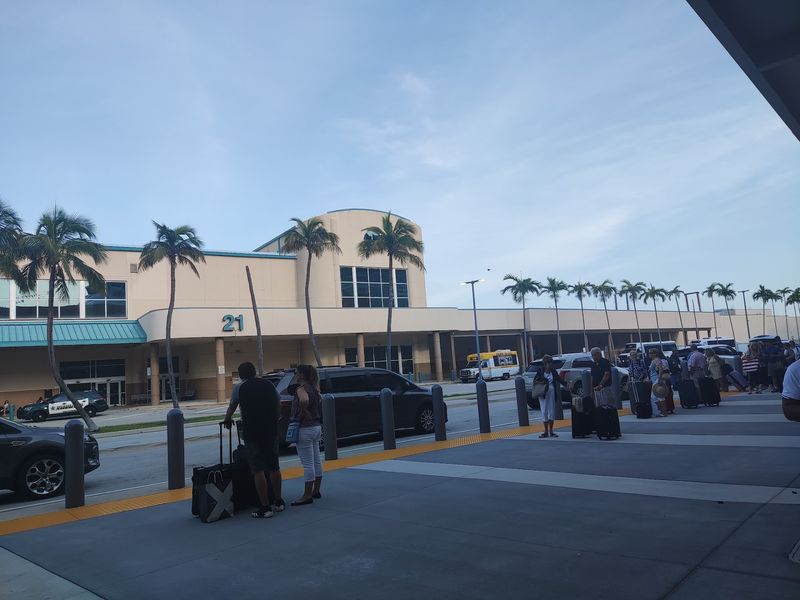
Coming home can be just as easy as heading out, at least when it comes to getting off the ship. Disembarkation earns steady praise for being smooth and well-handled.
People describe the pickup process for departing passengers as simple and quick. You step off, grab your things, and head toward ground transportation.
The immigration service, luggage pickup, and ride connections often run in one seamless stretch. When it all lines up, the exit feels effortless.
One traveler noted that disembarkation couldn’t have been smoother, matching the ease they felt on the way in. That kind of consistency is reassuring.
Port workers even help load luggage into cars to keep traffic flowing outside. The extra hands speed up a step that can otherwise clog quickly.
For a terminal that handles enormous crowds, the exit routine holds up well. It sends most people off on a good note.
The Luggage Hunt After a Cruise
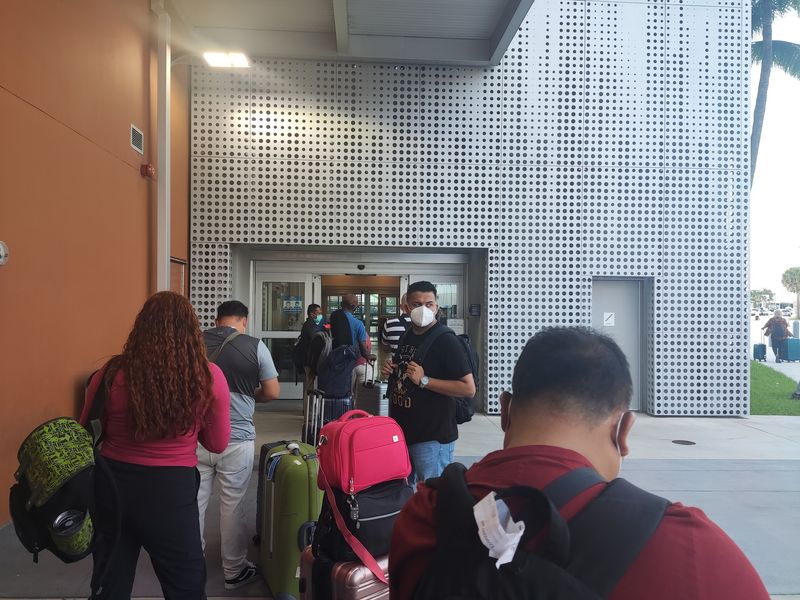
Finding your suitcase after a big cruise can turn into a small challenge. The terminal gets very crowded after a ship unloads, and the luggage area fills with countless bags.
Travelers have mentioned it can be tricky to spot your own suitcase in the vast sea of similar-looking bags. A bright tag or ribbon on your luggage helps you zero in faster.
Porters are on hand to help move bags toward the pickup zones. That assistance speeds things up, though it pays to stay alert.
One traveler learned to double-check where a porter dropped their luggage, since drop-off points can be close together and easy to mix up. Knowing your exact pickup zone letter matters.
Despite the crowds, the system generally gets people reunited with their bags. A little patience and a distinctive tag go a long way.
Planning for a busy luggage floor keeps the last leg of the trip stress-free.
Bracing for the Immigration Lines
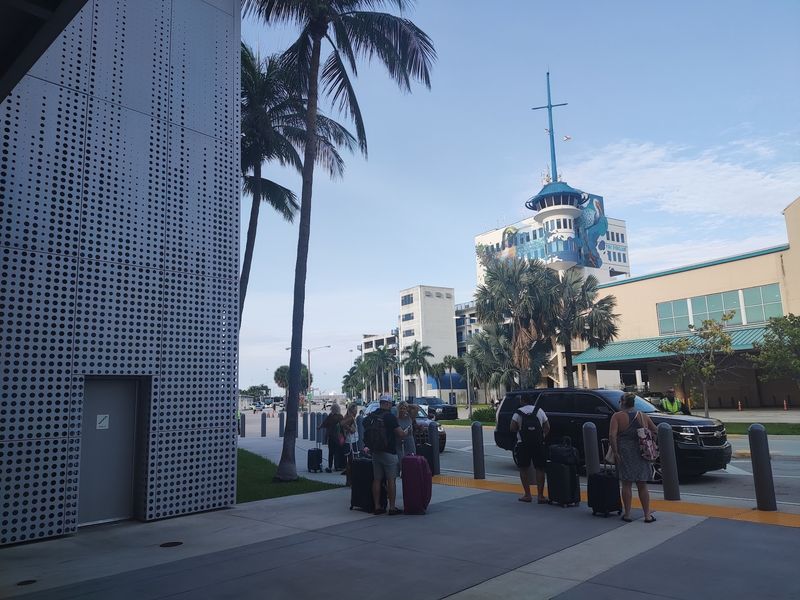
Here is the honest part of the story that helps you plan smarter. Returning from Bimini, the immigration line can stretch out longer than the ferry ride itself.
Several travelers have reported waits of an hour or more when only one or two officers are on duty. With a full boat of passengers, that bottleneck adds up quickly.
One person coming back from Bimini described a line with hundreds of people still ahead of them well past the forty-minute mark. It is a real pinch point worth knowing about.
Seating during this wait is limited, which makes the delay tougher on anyone who needs to sit. Wearing comfortable shoes is a smart move.
The takeaway is not to skip the trip but to expect the wait on the way back. Building extra time into your day keeps the delay from spoiling the fun.
Forewarned is forearmed, and this is the one hurdle to plan around.
Traffic and the Curbside Shuffle
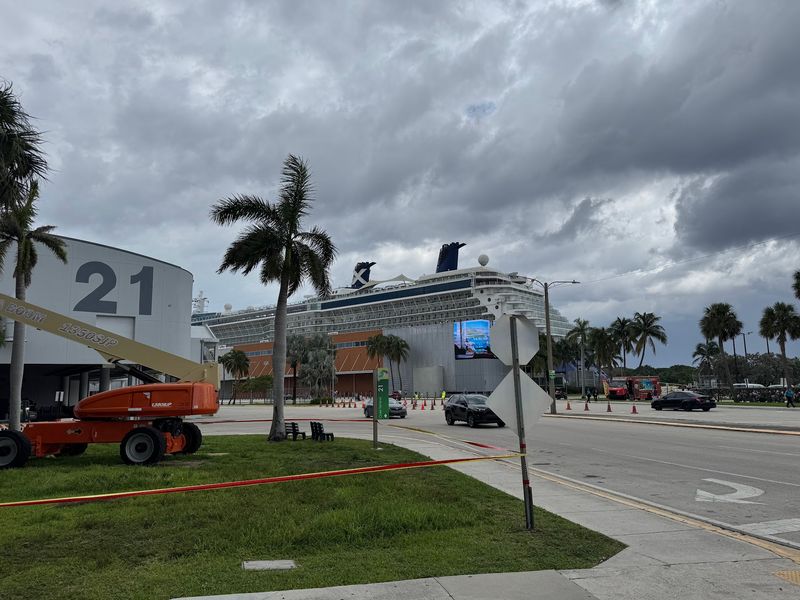
The scene outside the terminal can get lively, especially during peak drop-off and pickup windows. Traffic near the entrance is often described as hectic.
The good news is that the crush usually calms once you get parked and drop your bags. Inside, the building offers plenty of room for the lines to spread out.
A designated area handles ride-share pickups, keeping that group organized. Knowing your pickup zone ahead of time helps you avoid wandering.
Port workers stepping in to load luggage into cars is a big help for traffic flow. Every second saved at the curb keeps the line behind you moving.
First-timers sometimes wish for clearer maps and signage to guide the flow from road to parking to terminal entrance. A quick look at the layout before arriving smooths things over.
Once you clear the curbside crunch, the rest of the process tends to settle down. The outside hustle is short-lived.
Tips for First-Time Cruisers
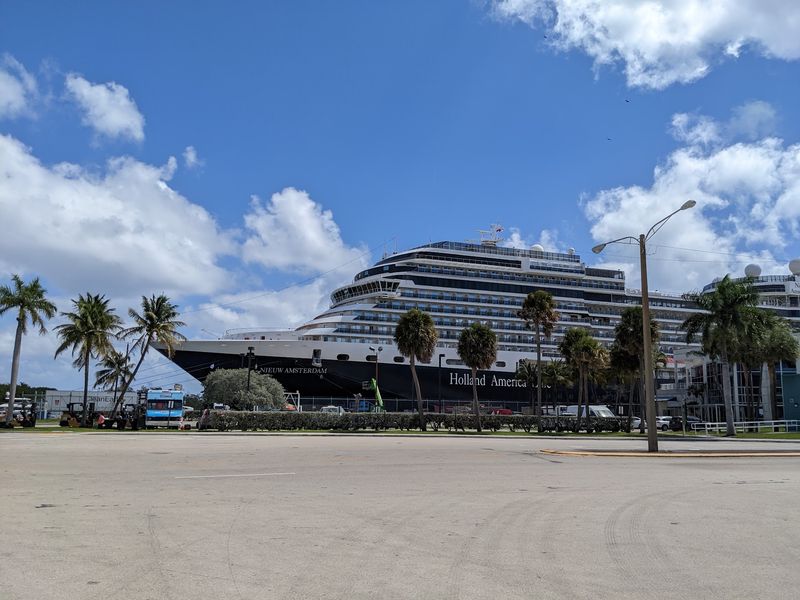
Newcomers to cruising sometimes feel a little lost during their first visit. The flow from traffic to parking to the terminal door is not always obvious without a guide.
People suggest that detailed maps and a clear overview of what to expect would make the whole thing smoother. Until then, a bit of homework before you arrive pays off.
Knowing the basic order helps a lot: park in the nearby garage, drop your bags, clear security on the first floor, then head upstairs to check in. Simple, once you know it.
Bringing a card for parking, tagging your luggage, and arriving with time to spare cover most of the rookie mistakes. These small steps head off the common snags.
Staff are around to answer questions, so do not be shy about asking for directions. That is what they are there for.
A little preparation turns a first-timer’s uncertainty into a confident, breezy trip.
More Than Just the Ferry
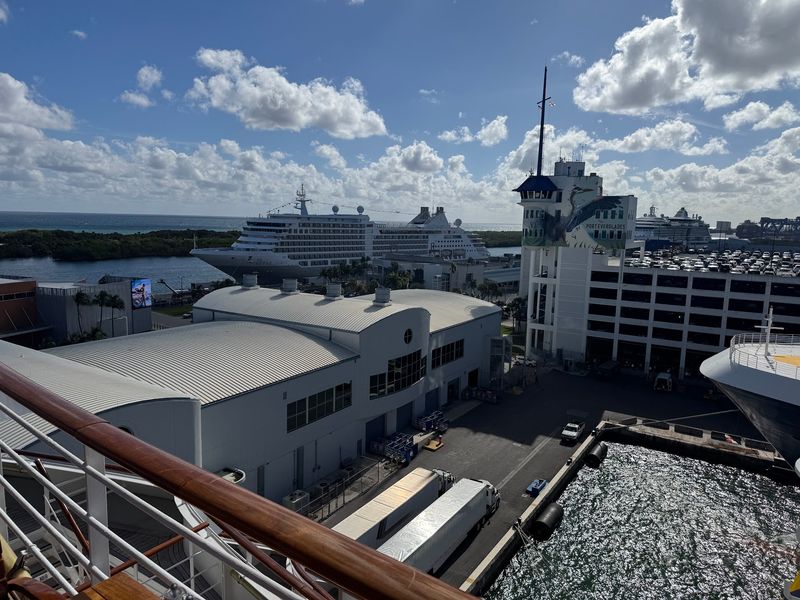
Beyond the Bimini ferry, this terminal is a launching point for full-size cruise ships too. Travelers have set off here on Disney, Princess, and other well-known lines.
Families heading out on a Disney Dream sailing have raved about the vacation that followed, from onboard movies to the water slides high on the top deck. The terminal is where those trips begin.
That mix means the building buzzes with a wide range of travelers. One day it is ferry passengers, the next it is thousands of cruise guests.
The dual role speaks to how flexible and capable the facility is. Handling both smoothly is a tall order that the terminal generally meets.
For anyone weighing options, it helps to know this is a serious port and not just a small ferry dock. The scale opens up plenty of travel possibilities.
Whether you want a quick island hop or a week at sea, the departure point stays the same.
Who Will Love This Trip
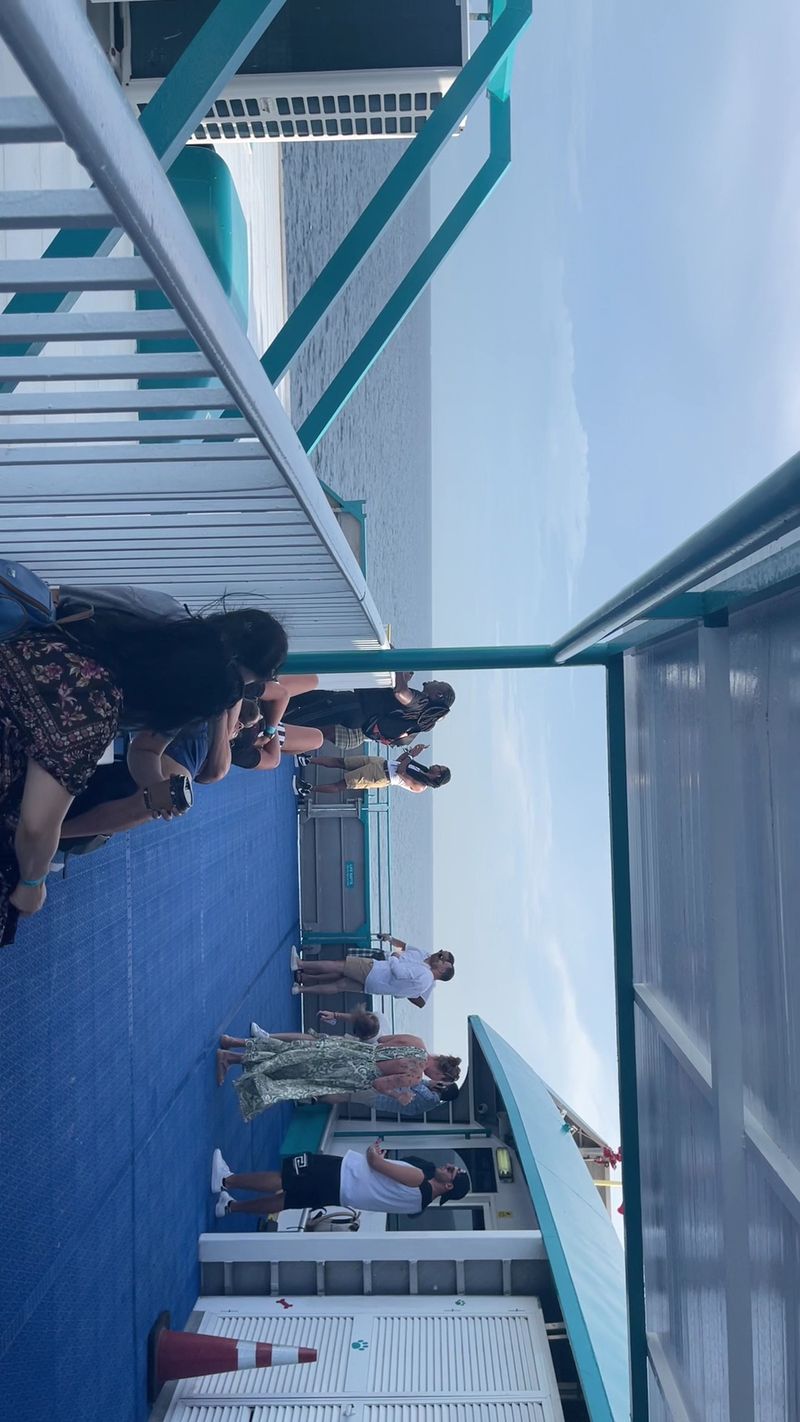
Value-minded South Florida day-trippers are the sweet spot for this ferry escape. The two-hour crossing puts an international getaway within easy reach without a plane ticket.
Anyone who dreads airport lines will appreciate the change of pace. Boarding a ferry feels far more relaxed than the usual flight routine.
Repeat travelers keep coming back, which says a lot about the appeal. People who try the crossing once often plan a second trip.
Families, couples, and friends looking for a fresh weekend idea all fit here. It is close enough to home to be spontaneous and different enough to feel special.
The one caveat is patience for the return immigration line, so it suits travelers who can roll with a wait. Pack that flexibility along with your sunscreen.
For folks who love discovering nearby adventures on a budget, this ferry checks the boxes. It is the kind of trip you brag about afterward.
The Verdict on This Waterfront Gateway
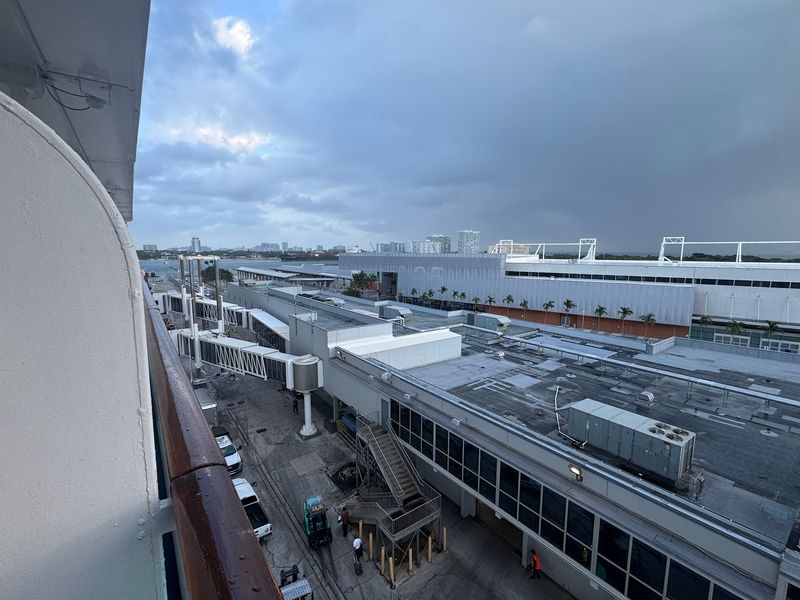
Weighing everything together, this Fort Lauderdale terminal earns its solid standing as a launch point for both ferries and cruise ships. The 4.4-star reputation across more than a hundred pieces of feedback reflects a place that mostly gets it right.
The high points are clear: an efficient design, helpful staff, quick boarding, and a two-hour ferry that skips the airport entirely. Those are strong reasons to give it a look.
The rough edges are just as clear, mainly the return immigration wait and the busy curbside traffic. Planning around them keeps the trip pleasant.
For a getaway that is close to home, affordable, and refreshingly free of flight hassles, the crossing to Bimini delivers. Fort Lauderdale makes it all reachable in an ordinary weekend.
Pack light, tag your bags, and leave a little extra time for the way back. Do that, and the water route to the Bahamas turns into one of South Florida’s easiest escapes.