
Affiliate disclosure: As an Amazon Associate I earn from qualifying purchases. Learn more
Most Ohio road trips skip right past a small river town of about 7,300 people. That is a mistake, because the land around it holds cliffs, gorges, and waterfalls that seem out of place in a state known for flat farm fields.
The town sits along the Hocking River, less than an hour from Columbus, and it works as the front door to one of the most surprising landscapes in the Midwest. Keep reading to learn where it is, what makes the scenery so unusual, what it costs to explore, and why so many Ohio families have still never made the drive.
A County Seat on the Hocking River
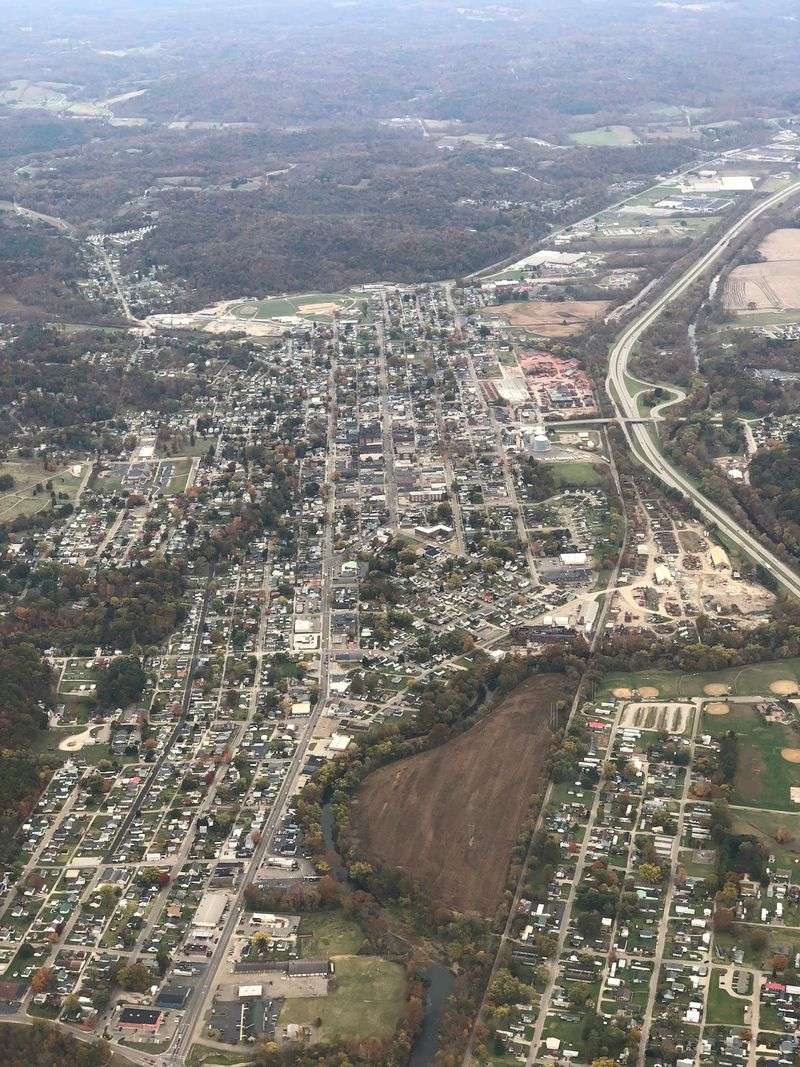
Some of Ohio’s best surprises hide in plain sight, and this one sits right off US Route 33. Logan is a small city in Falls Township, OH 43138, and it serves as the county seat of Hocking County in southeastern Ohio.
The town runs along the banks of the Hocking River. It is located about 43 miles southeast of Columbus, which makes it an easy day trip for anyone in central Ohio.
At the 2020 census, Logan counted 7,296 residents. That number keeps the place firmly in small-town territory, with a courthouse, local shops, and a pace that feels far removed from the big cities a short drive away.
What makes Logan special is not just the town itself. It is the hilly, rugged country that wraps around it on every side.
Hocking County is home to the Hocking Hills, a region of sandstone cliffs, deep gorges, and recess caves. Logan is one of the main gateways into that landscape, so many trips into the hills start or end right here.
The city keeps an official website at loganohio.net, which is a handy first stop for local news and community information. Bookmark it before you go, because the real adventure starts once you leave the city limits.
The Ohio Nobody Expects
Ask most Midwesterners to describe Ohio, and you will hear about cornfields, highways, and wide open land. Southeastern Ohio tells a different story.
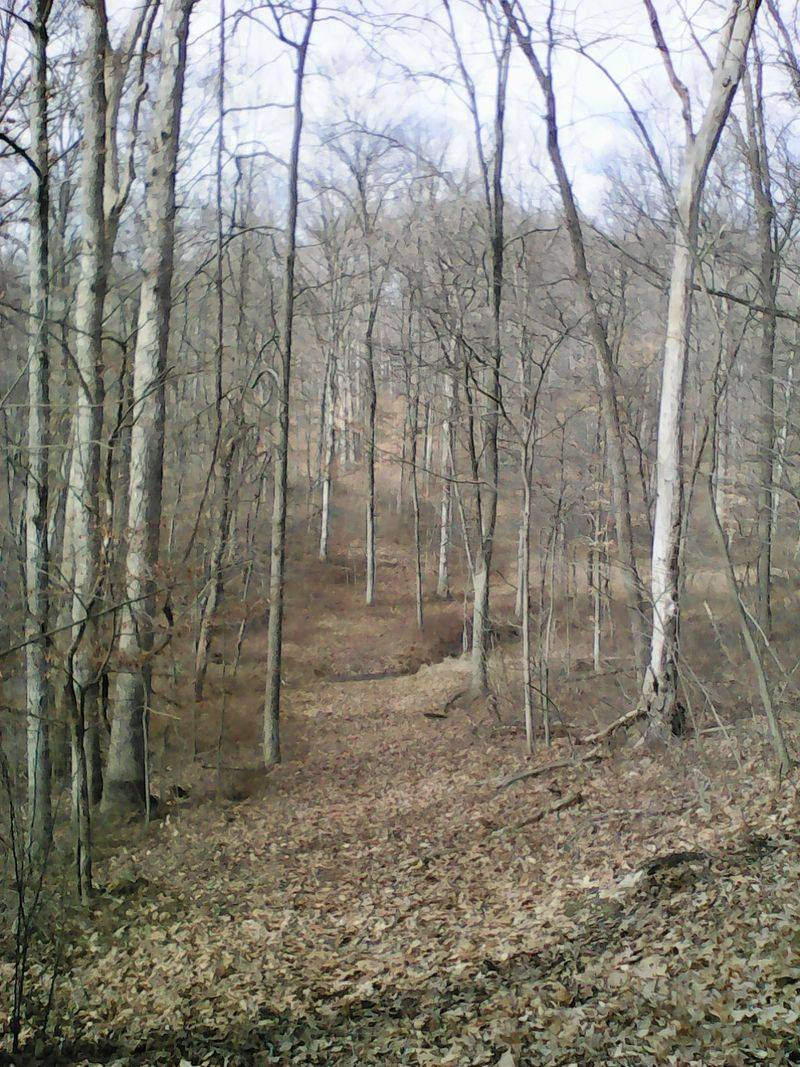
Around Logan, the ground rises into steep, wooded hills. Streams have carved narrow gorges through the rock over a very long stretch of time, leaving behind cliffs and hollows that seem better suited to a far-off national park.
Geologists point to the region’s sandstone as the main reason for the dramatic shapes. The rock here is known as Blackhand sandstone, and water and weather have worn it into overhangs, caves, and ledges.
Part of the reason the area stays under the radar is simple geography. It sits away from the interstates, tucked into the hills where travelers rushing between big cities rarely look.
That is exactly why it rewards locals who know about it. A short drive from Columbus delivers scenery that many people assume requires a plane ticket.
For Ohio families, the appeal is part pride and part discovery. Showing out-of-state friends a waterfall in a sandstone gorge tends to change their opinion of the Buckeye State fast, and it usually changes yours too.
Old Man’s Cave and Its Hermit Legend
Every great landmark needs a good backstory, and this one comes with a hermit. Old Man’s Cave, the most famous stop in Hocking Hills State Park, takes its name from a man who lived in the large recess cave in the 1800s.
His name is generally given as Richard Rowe. According to local history, he settled in the area and made the rock shelter his home, and the name stuck long after he was gone from the scene.
Today the site is a full gorge rather than a single cave. Trails follow the stream past waterfalls, stone bridges, and carved stairways that move hikers up and down the cliffs.
The main loop is popular with families because it packs a lot of scenery into a fairly short walk. There are steps and uneven spots, though, so sturdy shoes are a smart call.
Old Man’s Cave also links to longer trails. Hikers who want more distance can continue toward other features in the park.
Because it is the best-known spot, it can draw crowds, especially on weekends. Arriving early in the day often makes for an easier parking situation and a calmer hike.
Ash Cave, Ohio’s Giant Rock Shelter

Size is the headline at Ash Cave. It is widely described as the largest recess cave in Ohio, a huge horseshoe-shaped overhang of sandstone.
A thin waterfall drops over the rim and lands in a pool at the base. The flow depends on recent rain, so the waterfall can range from a steady stream to a trickle.
One big reason families love this stop is access. The trail to the cave is short and paved, making it one of the easier walks in the Hocking Hills for strollers, young kids, and anyone who prefers flat ground.
The name has an interesting origin. Early settlers reportedly found large piles of ashes under the overhang, likely left by earlier people who used the shelter.
For those who want a bit more effort, a rim trail climbs above the cave. It offers a different view of the gorge from the top.
Ash Cave works well as a first stop or a quick add-on to a longer day. It delivers a big payoff for a small amount of walking, which is a trade most road trippers are happy to make.
Cedar Falls and the Misnamed Trees
Here is a fun bit of trivia to share on the trail. Cedar Falls was named for cedar trees, but the trees around it are actually hemlocks.
Early settlers apparently mistook the evergreens, and the name stuck anyway. Nobody seems too bothered by the mix-up today.
Cedar Falls is often called the most powerful waterfall in the Hocking Hills by volume. Water pours over a wide sandstone ledge into a gorge below, and after a good rain the falls can be especially impressive.
The hike down involves stairs and some rocky sections. It is manageable for most families, but small children will need a hand in a few spots.
A trail also connects Cedar Falls with Old Man’s Cave. That route lets hikers link two major sights in one outing if they have the time and energy.
Spring tends to bring the strongest flow, while late summer can leave the falls lower. Checking recent weather before you go helps set expectations, so the waterfall lives up to the name it never quite earned.
Conkle’s Hollow, a Gorge Worth the Rim Walk
Deep, narrow, and lined with tall cliffs, Conkle’s Hollow is a favorite among people who know the area well. It is a state nature preserve near the main park, often listed among the deepest gorges in Ohio.
Two trails give two very different experiences. The gorge trail runs along the bottom and is relatively easy, with a paved section at the start.
The rim trail climbs to the top of the cliffs and loops around the gorge. It offers wide views, but it runs close to steep drop-offs with limited barriers, so it is better suited to older kids and careful adults.
Because it is a nature preserve, the rules are a bit stricter than at a typical park. Staying on marked trails is required, and pets are not allowed in the preserve.
Conkle’s Hollow tends to see fewer crowds than Old Man’s Cave. That makes it a smart choice for anyone hoping to dodge the busiest spots.
The name comes from an early inscription carved into the rock. It is one more small piece of history tucked into the cliffs for sharp-eyed hikers to spot.
Rock House, the Odd One Out

Most of the so-called caves around Logan are really recess caves, large overhangs open on one side. Rock House is the exception.
It is generally considered the only true cave in Hocking Hills State Park. The space is a tunnel-like corridor set into a sandstone cliff, with openings in the wall that work like windows.
Local lore says it has a colorful past. Stories link it to hideouts and travelers looking for shelter, which adds a little adventure to the walk.
The trail to Rock House is fairly short but includes steps and uneven ground. Families with young children can manage it with some patience.
Inside, the floor can be rocky and wet. Good footwear makes the visit safer and easier.
Rock House sits a bit apart from the other main sights, so it often gets skipped by people in a hurry. Making the extra stop rounds out the trip, because it shows a side of the sandstone that the other spots simply do not have.
Free Admission and Other Wallet-Friendly Wins
Good news for budget planners. Ohio state parks do not charge an entrance fee, and that includes Hocking Hills State Park and its famous trails.
Parking at the main areas is also free. That makes a day of waterfalls and gorges one of the most affordable family outings in the state.
The biggest costs usually come down to gas and food. From Columbus, the roughly 43-mile trip to Logan keeps fuel spending modest.
Families can stretch the budget further by packing a picnic. Many trailheads have nearby shelters or open spaces for lunch.
Some extras do cost money, such as cabin rentals, guided activities, or private attractions in the area. Those are optional, and the core scenery remains free.
For households watching every dollar, that combination is hard to beat. Very few places in Ohio deliver this much scenery for the price of a tank of gas.
Fall Colors and Year-Round Reasons to Go

Timing matters in the Hocking Hills, but there is no truly bad season. Each part of the year changes what you will find on the trails.
Autumn is the headliner for many Ohio families. The hardwood forests around Logan turn bright colors, usually peaking in mid to late October, and the scenic drives through the hills become a big draw.
Spring brings the strongest waterfalls thanks to melting snow and seasonal rain. It is a good time for anyone who wants Cedar Falls and Ash Cave at their fullest.
Winter has its own fans. Ice can form on the cliffs and waterfalls, and the park has long hosted a winter hike that attracts big crowds in January.
Summer offers shade under the trees and longer daylight hours. Weekends can be busy, so weekday trips often feel calmer.
Trails can turn slick in wet or icy conditions during any season. Planning around the weather keeps the outing enjoyable instead of stressful.
Small-Town Main Street Charm
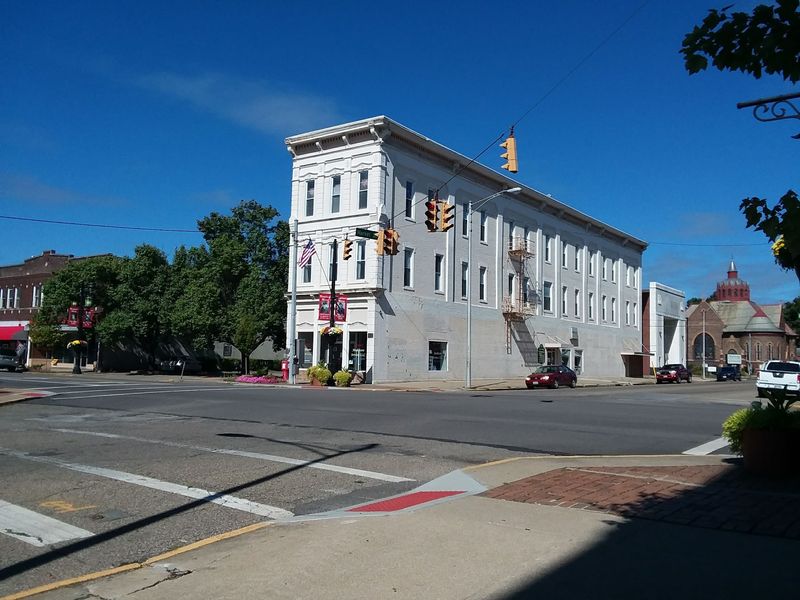
After a morning on the trails, Logan gives hikers a place to regroup. As the county seat, the town has a historic downtown anchored by the Hocking County courthouse.
Local businesses line the main streets. It is a good spot to grab supplies, find a meal, or simply stretch your legs on flat pavement after all those stairs.
The town keeps a friendly, unhurried feel. With about 7,300 residents, it has the services travelers need without the traffic of a bigger city.
Logan also works as a practical base for a longer stay. Many cabins and lodging options around the Hocking Hills are within a short drive of town.
For travelers who love small-town Ohio, the downtown is a bonus rather than an afterthought. Pairing a trail day with a stroll through town turns a quick hike into a full outing.
Checking loganohio.net before a visit can help with community events and local updates. Small towns often host gatherings that are easy to miss without a quick look ahead.
Getting There and Planning the Day
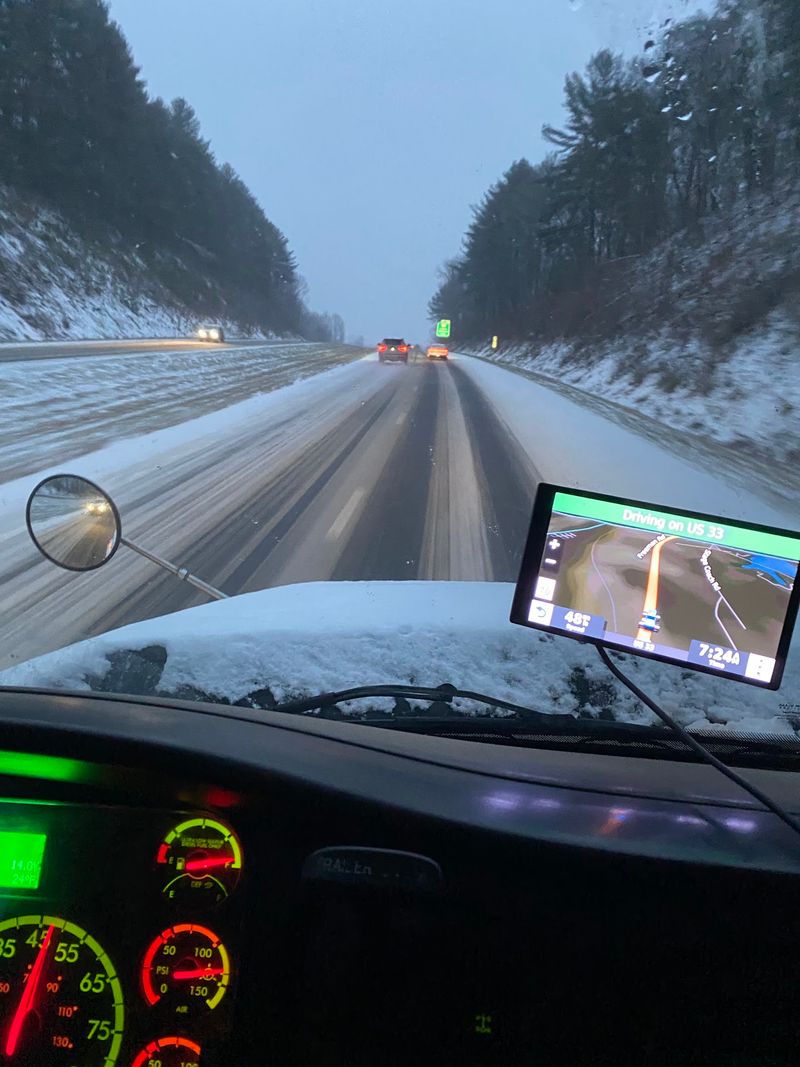
Logistics are refreshingly simple. Logan sits about 43 miles southeast of Columbus, and US Route 33 connects the two directly.
Families coming from Cleveland, Cincinnati, Dayton, or Toledo will typically route through Columbus. That makes a longer drive, so an overnight stay may make sense from the farther corners of the state.
The main Hocking Hills sites sit southwest of Logan along state routes. Signs point the way, though cell service can be spotty in the hollows, so downloading maps ahead of time is wise.
State park trails are generally open during daylight hours. Plan to finish hikes before dark, since the gorges lose light earlier than open ground.
Wear shoes with good grip and bring water. Many trails include stairs, wet rock, and uneven surfaces.
Visiting two or three sites in one day is realistic for most families. Starting with Old Man’s Cave and finishing at Ash Cave gives a solid mix of effort and ease, with time left over for downtown Logan.
Worth the Drive, Then Some
So, does Logan pass the big Ohio test of being worth the drive? For families who enjoy the outdoors, the answer leans strongly toward yes.
The town itself offers small-town ease and a historic county seat. The land around it delivers waterfalls, gorges, and caves that surprise even lifelong Ohioans.
Free park admission keeps the cost low. Easy options like Ash Cave suit little kids, while Conkle’s Hollow and the longer trails give older hikers a real workout.
Crowds can build on fall weekends and holidays, so patience and an early start help. A weekday visit can feel like having the hills mostly to yourself.
The best part may be the bragging rights. Plenty of Midwesterners have never seen this corner of Ohio, and it sits just down the road from the state capital.
Pack good shoes, a lunch, and a full tank. The trail into Logan’s hills is short, but the stories you bring home tend to last a lot longer.


