
Affiliate disclosure: As an Amazon Associate I earn from qualifying purchases. Learn more
Tucked into the Mule Mountains of southeast Arizona sits a former copper-mining town where narrow staircases climb the hillsides and old miner cottages now hold paint, clay, and glass. Longtime Arizona residents sometimes forget this hillside town exists, yet it packs an astonishing number of art spaces into a footprint smaller than a single Phoenix shopping center.
The streets twist upward at angles that seem to defy gravity, and every corner turns up something made by hand. What follows is a closer look at how one small mountain town became a creative outpost that punches far above its size, and why it deserves a spot on your next weekend drive south.
Where the Town Sits and What It Really Is
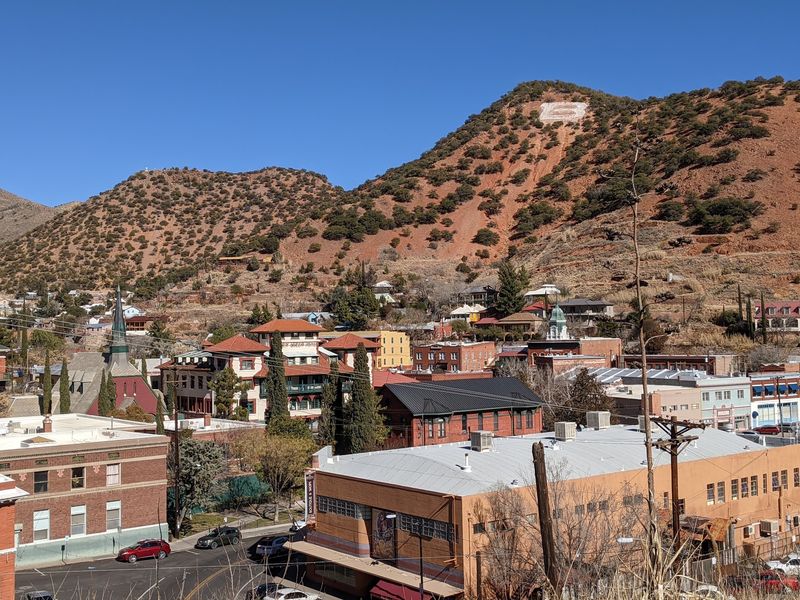
Bisbee is a small city in the Mule Mountains of southeast Arizona, carrying the ZIP code 85603 and run through the City of Bisbee. It sits close to the Mexican border, well south of Tucson, in a pocket of high desert country that stays cooler than the valley floor.
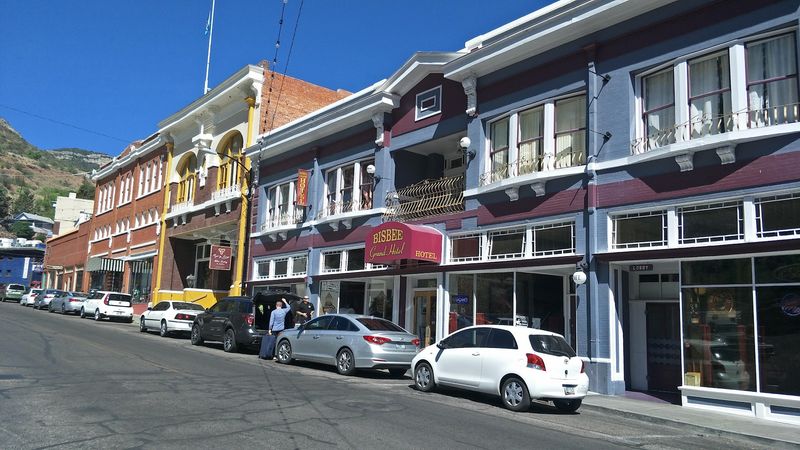
The town grew from copper mining, and that history shaped everything from the winding streets to the tightly packed homes. Old Bisbee, the historic core, spreads up Tombstone Canyon with cottages that once belonged to miners.
What makes it stand out today is the sheer density of creativity crammed onto its slopes. Galleries, studios, and small shops line the hillside streets, filling buildings that once served the mining trade.
The scale is what surprises people. This is not a sprawling arts district spread across a big city grid.
Instead, everything is stacked close together on steep terrain, so a short walk uphill can pass more art spaces than you might find in a metro area many times larger.
For Arizona residents, it is a reminder that world-class creativity can hide in a mountain town most people drive right past.
From Copper Boom to Creative Hillside
Long before easels replaced excavation gear, this was one of the richest mining towns in the region. Copper pulled fortunes out of the Mule Mountains, and the town swelled with workers and businesses built to serve them.
The Bisbee Mining and Historical Museum chronicles that era, laying out how the copper trade shaped daily life. It anchors the town’s memory of what came before the galleries arrived.
When mining wound down, the town could have faded quietly. Instead, the low cost of those old buildings drew in makers, painters, and independent thinkers looking for space to work.
That shift turned emptying storefronts and cottages into studios and shops. The bones of the mining town stayed intact, which is why the creative scene grew inside such distinctive old architecture rather than glossy new construction.
The result is a place where past and present sit side by side. You can trace the copper history in one museum, then step outside and find that same history repurposed as a canvas for a whole new chapter.
A Hillside Packed With Galleries
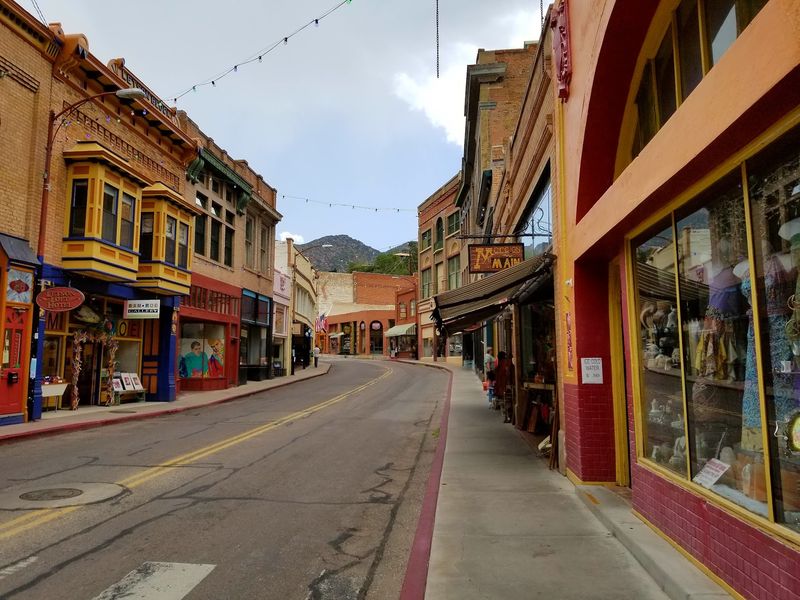
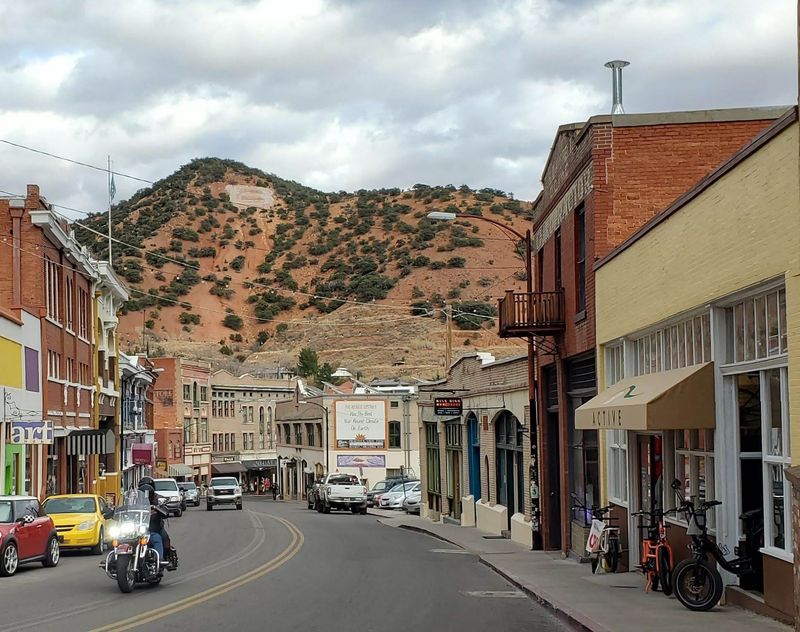
The headline claim is not exaggeration for effect. Bisbee genuinely stacks an unusual number of art galleries onto its slopes, filling the small commercial stretch of Old Bisbee with independent spaces.
Because the town is compact and built into the canyon, those galleries sit shoulder to shoulder. A single uphill block can carry more creative storefronts than a much larger city spreads across many neighborhoods.
The variety keeps things interesting. Some spaces lean toward paintings, others toward pottery, metalwork, glass, or mixed media, so wandering from door to door rarely turns up the same thing twice.
Density is the whole appeal here. You do not need a car to hop between galleries, and you will not spend the day driving from one district to the next.
Everything worth seeing clusters within a walkable core.
For a town this size to hold this much artwork feels genuinely out of proportion, and that mismatch is exactly what draws curious Arizonans up the mountain for a closer look.
Streets That Climb Straight Up the Canyon
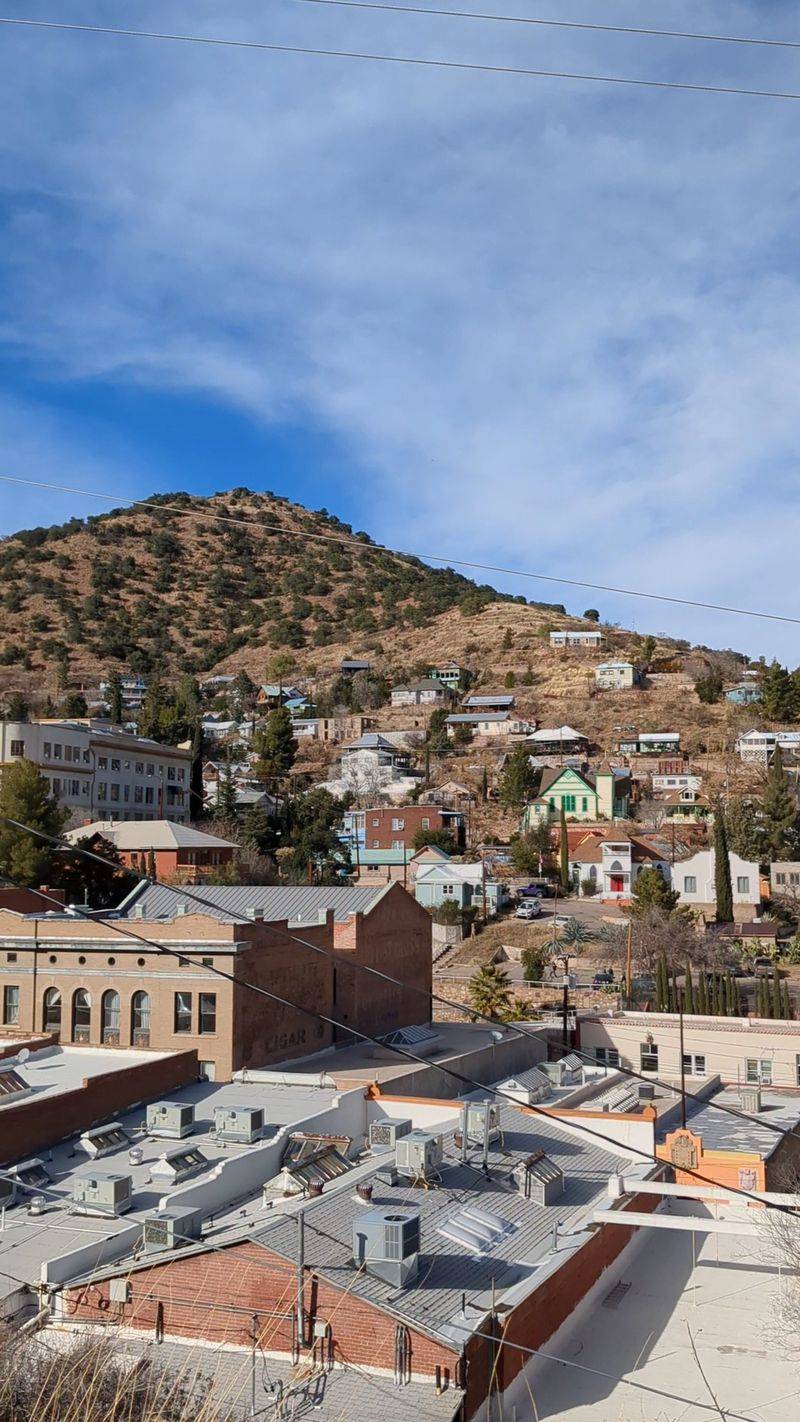
Flat ground is in short supply here, and the town wears that fact proudly. Roads twist upward through Tombstone Canyon, and homes stack along the slopes at angles that make first-time drivers grip the wheel.
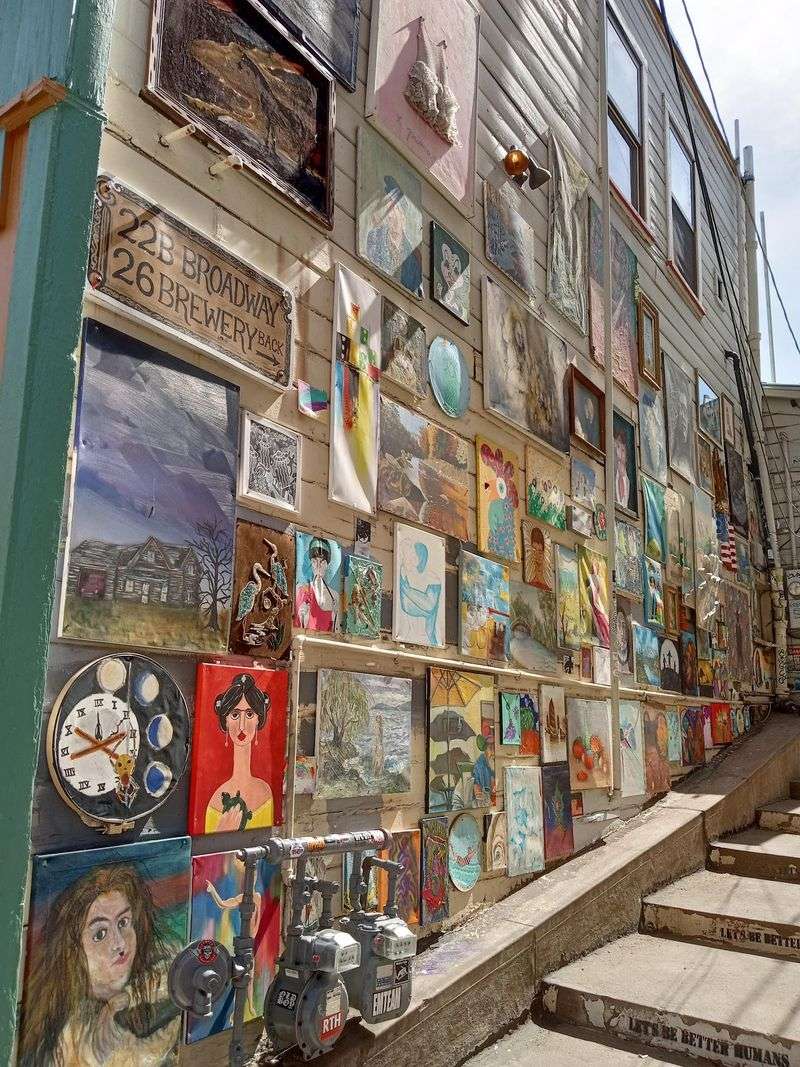
Public staircases connect many of the upper streets, giving walkers shortcuts that cars cannot take. These concrete steps have become part of the town’s identity, threading between houses and hillside gardens.
The vertical layout means the town feels bigger than its size on paper. What might be a short flat stroll elsewhere becomes an uphill climb that reveals new views around every bend.
Miner cottages line these climbing lanes, many restored and painted in cheerful colors. They run up from Old Bisbee, the historic center, and give the hillside its patchwork character.
Getting around rewards a bit of effort. The higher you go, the more the town opens up beneath you, with rooftops and canyon walls layering into the distance.
The Queen Mine Underground Tour
Not everything worth seeing sits above ground. The vast Queen Mine offers underground tours that carry visitors right into the tunnels where copper was once pulled from the mountain.
The experience puts you inside the mining history rather than just reading about it. Guides lead groups through the passages, explaining how the work was done in the days when the town ran on copper.
It is a rare chance to go below the surface of a place most people only see from the streets above. The tour connects the modern arts town to the industry that built it.
Families and curious travelers tend to find it memorable because it is hands-on in a way museums cannot always match. You are in the actual space where the labor happened.
Pairing the mine tour with a gallery stroll makes for a full picture of Bisbee. One takes you into the earth, the other shows what the town became once the digging stopped.
Two Museums That Keep the Story Alive
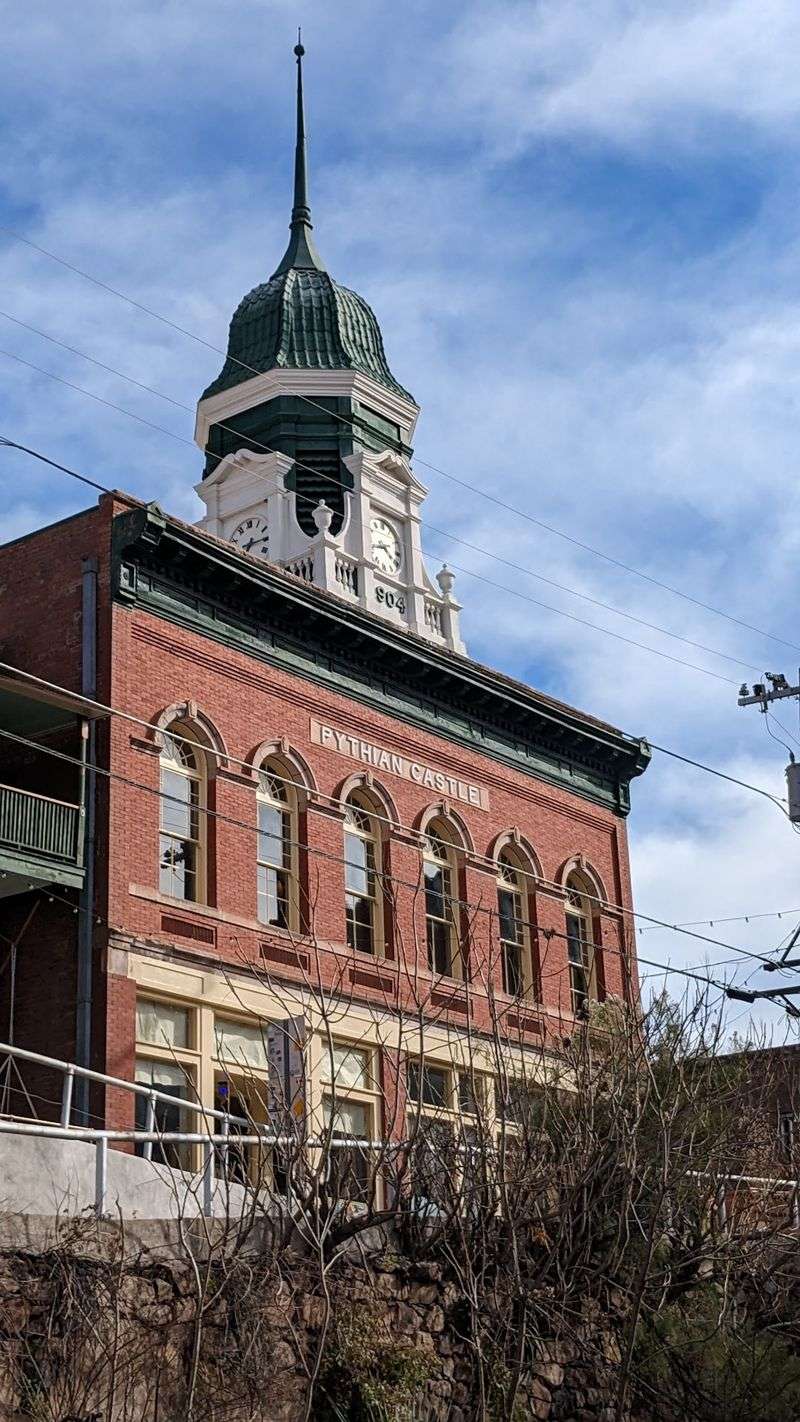
Memory runs deep in this town, and two museums carry the load. The Bisbee Mining and Historical Museum lays out the copper-mining past in detail, from the boom years to the daily grind of the workers.
Nearby, the Bisbee Restoration Museum adds another layer, chronicling the town’s history and the effort to preserve it. Together they give visitors a grounded sense of where the community came from.
Both fit the town’s scale, meaning you can absorb a lot without feeling worn out by endless halls. They focus on the specifics of Bisbee rather than sprawling regional overviews.
The museums also explain why the architecture looks the way it does. Understanding the mining era makes the restored cottages and repurposed storefronts far more interesting to wander past.
For anyone who wants context before browsing galleries, starting here makes sense. The art scene reads differently once you know what stood in these buildings a century ago.
The Muheim Heritage House
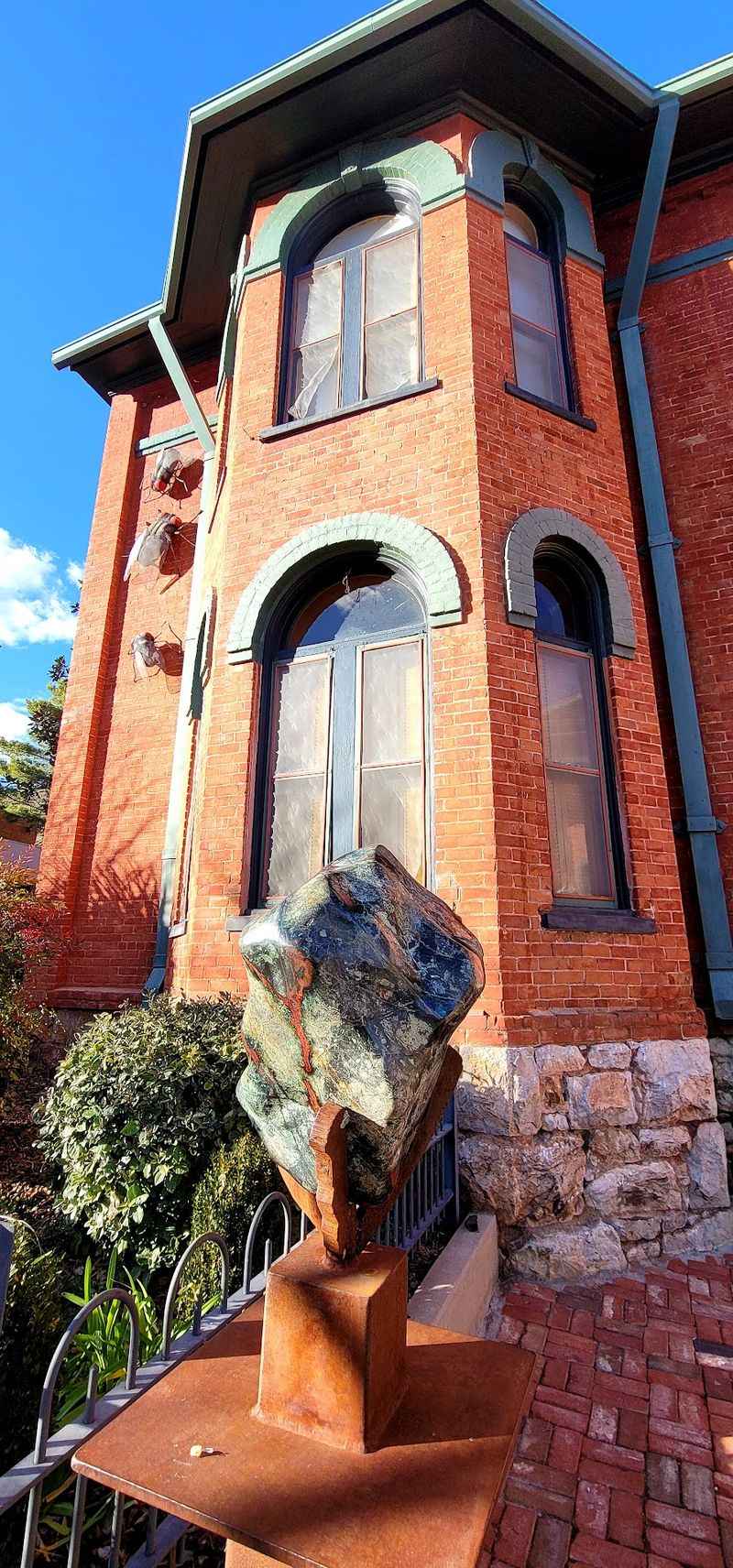
Grandeur takes a different form up on the hillside at the Muheim Heritage House. This historic home shows off 19th-century furniture, offering a look at how a well-off family lived during the town’s earlier days.
Beyond the rooms, the property includes gardens and mountain views that spread out over the canyon. It is a quieter stop than the galleries, trading buzz for a sense of the town’s domestic history.
The house rounds out the picture of old Bisbee. While the mining museums show the labor and the industry, this home shows the comfort that copper wealth could bring.
Its perch on the slope also delivers some of the best vantage points in town. The views alone justify the climb for anyone drawn to scenery.
Stepping through the preserved interior feels like a pause between the busy gallery streets. It slows the pace and grounds the visit in the everyday life of the era.
Miner Cottages Turned Into Something New
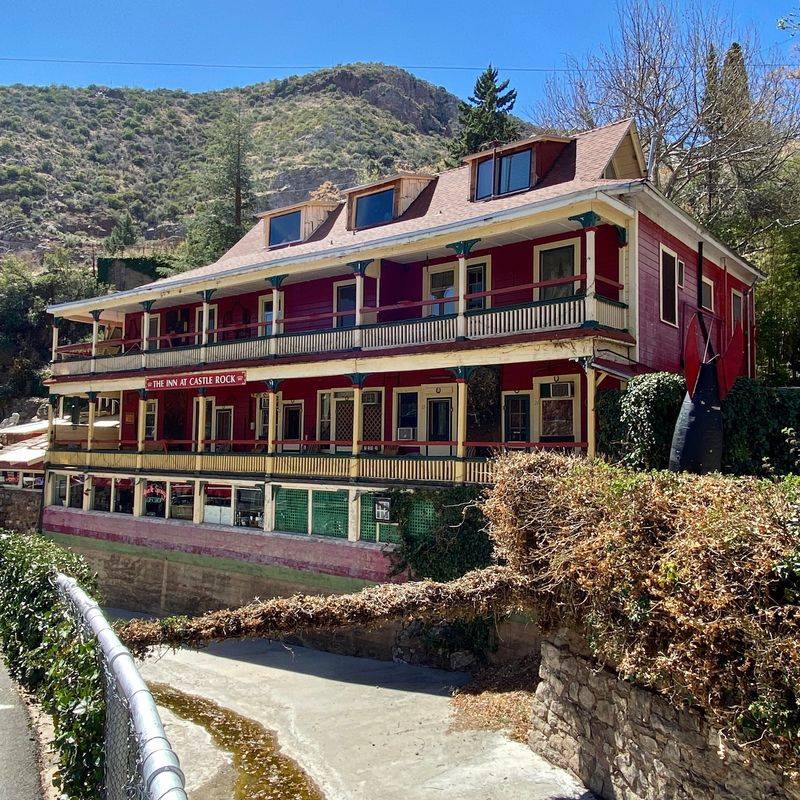
Homes that once housed copper miners now do all kinds of things. Running up Tombstone Canyon from Old Bisbee, these cottages have found second lives as residences, studios, and small businesses.
Their tight spacing along the slopes gives the town its signature look. Painted facades stack up the hillside in a jumble of colors, each cottage perched at its own angle.
The reuse of these old buildings is a big part of why the arts scene took root. Affordable, characterful spaces gave makers room to work without the cost of a big-city studio.
Walking among them, you get a sense of continuity. The same walls that sheltered mining families now hold easels and workbenches, keeping the structures alive rather than letting them sit empty.
It is a practical kind of preservation, the sort that keeps a town breathing. Nothing here feels frozen behind glass; the history is lived in daily.
The Cool Mountain Air Advantage
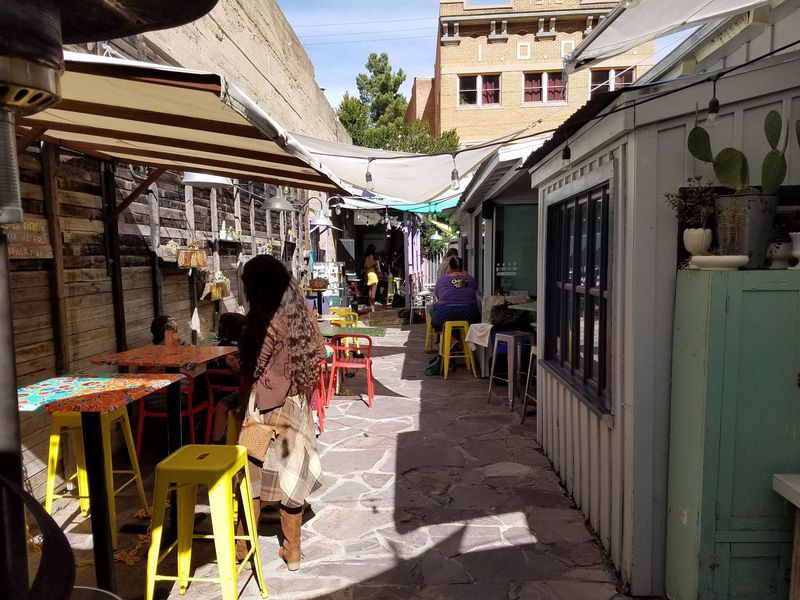
Perched in the Mule Mountains, this town sits at an elevation that keeps it noticeably cooler than the desert floor. For Arizonans facing the summer furnace, that alone is reason to point the car south.
The higher ground gives Bisbee a milder feel through the hot months. Wandering the gallery streets stays far more comfortable here than it would down in the valley.
The mountain setting also frames the whole town. Canyon walls rise around the streets, and the surrounding peaks give the community its tucked-away character.
Summer weekends make especially good sense for a visit. While the low desert bakes, the hillside town offers a break from the heat without a long haul into the high country up north.
The climate helped shape the town’s outdoor rhythm too. Strolling between studios and staircases is simply easier when the air is not pressing down on you.
Who Fits Right In Here
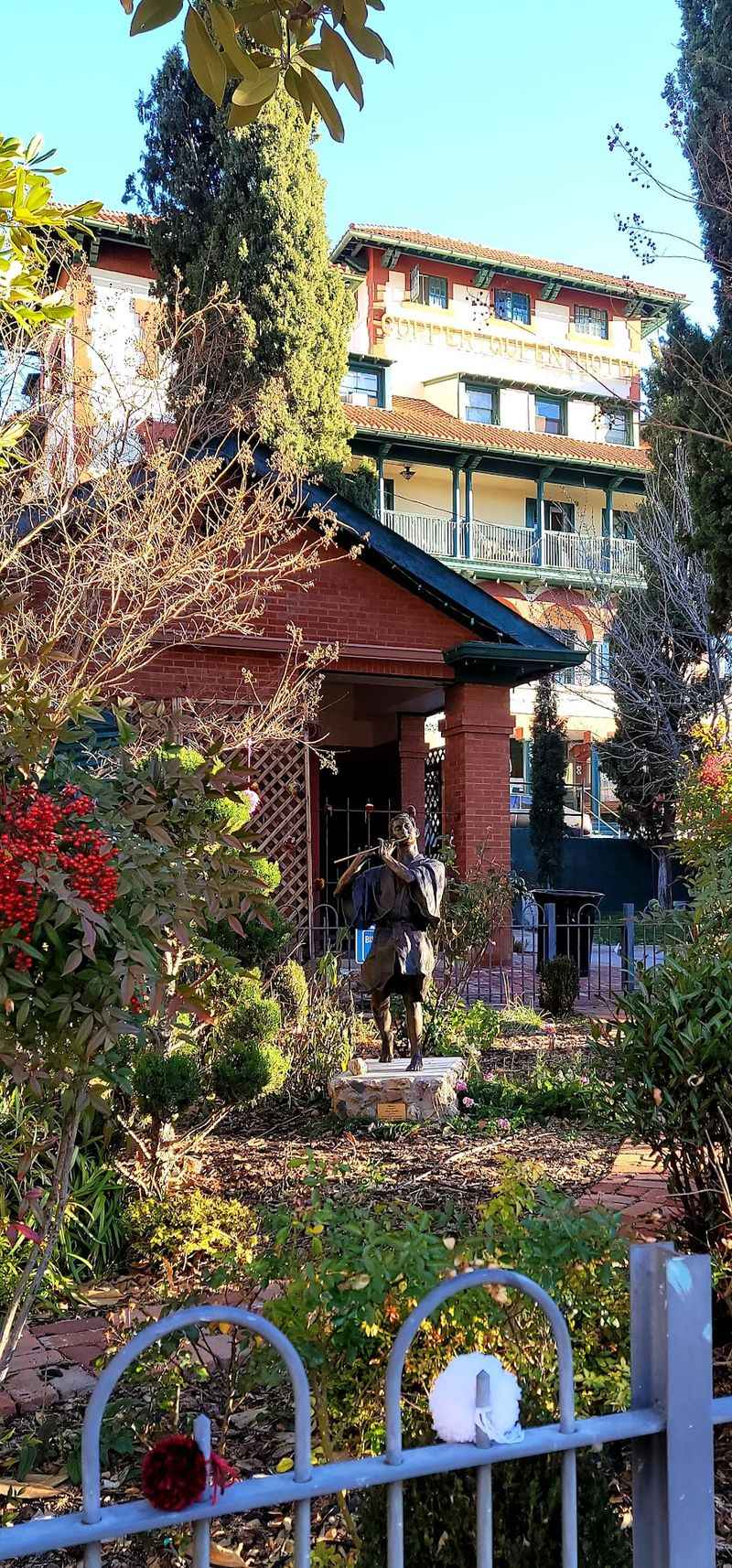
Certain travelers take to this town instantly. Anyone who likes browsing independent shops, poking into studios, and wandering historic streets without a strict plan will feel at home on these slopes.
The pace suits people who prefer discovery over checklists. There is no single must-do attraction that everything revolves around; the joy is in the wandering itself.
History buffs get plenty to chew on between the mining museums, the underground tour, and the heritage home. Those who care about how old towns reinvent themselves will find Bisbee a rich case study.
Creative types come for obvious reasons. The concentration of galleries and handmade work makes it a natural draw for anyone who values art made outside big commercial channels.
Casual weekenders fit too, especially Arizona locals hunting for somewhere close yet completely different from the metro grind. The town rewards curiosity more than any particular hobby.
Getting There From Across Arizona
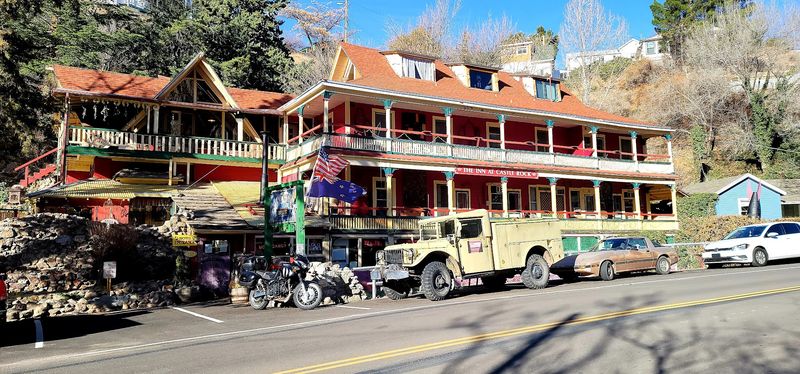
Reaching this hillside town takes a drive, and that is part of its charm for locals. It sits in southeast Arizona, deep in the Mule Mountains, well beyond the reach of any city bustle.
From Tucson, the route heads south and east into the border country, trading interstate scenery for open desert and eventually mountain terrain. The drive builds anticipation as the peaks come into view.
Phoenix residents face a longer haul, but the payoff is a town completely unlike the valley they left behind. It is the kind of trip that turns into a proper weekend rather than a quick errand.
Once you arrive, the compact core means you can park and explore on foot. The steep streets are best tackled by walking rather than fighting for parking on every block.
The journey itself sets the tone. By the time the canyon walls close in, you already feel far from the everyday.
Planning Your Visit
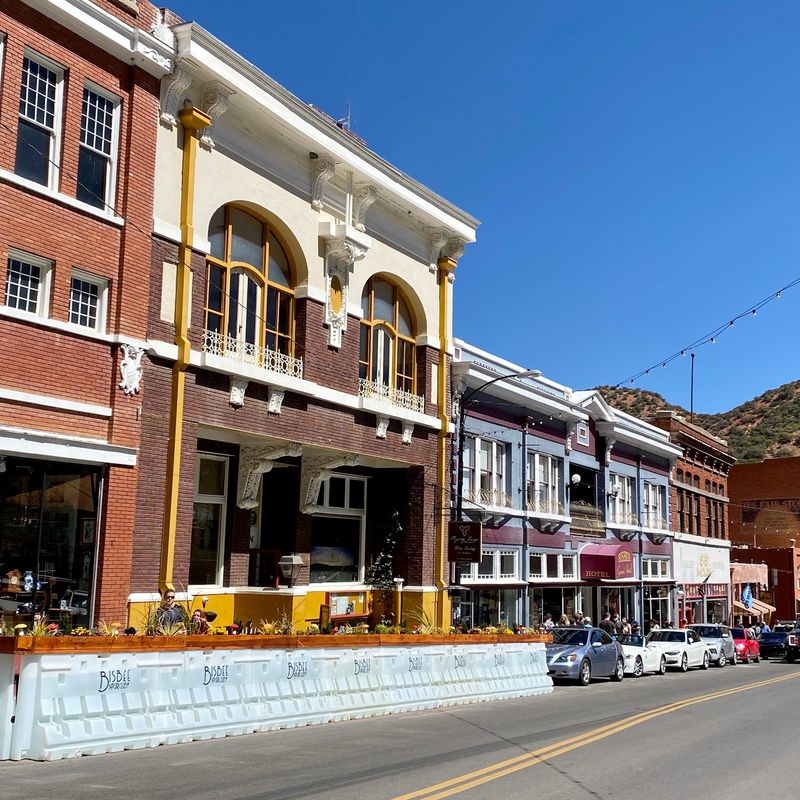
A little forethought goes a long way in a town built on slopes. Comfortable shoes rank near the top of the list, since the staircases and climbing streets do most of the getting around.
Details like specific hours and prices vary by each museum, gallery, and the Queen Mine tour, so checking ahead through the City of Bisbee site or the individual attractions is the smart move before you set out.
The compact layout means you can cover a lot in a single day. Galleries, the mining museum, and a mine tour can reasonably fit into one well-planned visit.
Weekends tend to bring the town to life, with more open doors along the gallery streets. Weekdays can feel quieter, which some travelers prefer for unhurried browsing.
Give yourself time to simply wander. The best moments here often come from an unplanned turn up a staircase rather than a rigid itinerary.
An Arts Scene Bigger Than Its Borders

The math of this town never quite adds up in the best way. A community this small holding this many galleries defies what you would expect from a place its size.
Cities with far larger populations spread their creative spaces across sprawling districts. Bisbee stacks its own onto a single hillside, so the concentration feels almost improbable.
That density is exactly what makes it worth the trip. You experience more art per block here than in most places, and you do it on foot in a walkable core.
The mismatch between size and output is the whole story. It is a small town that behaves like a big creative center, and it does so without losing its mountain character.
For Arizona residents, that punch-above-its-weight quality is the hook. The state hides a genuine arts town in the Mule Mountains, and most people never realize it.
Why This Mountain Town Earns the Trip
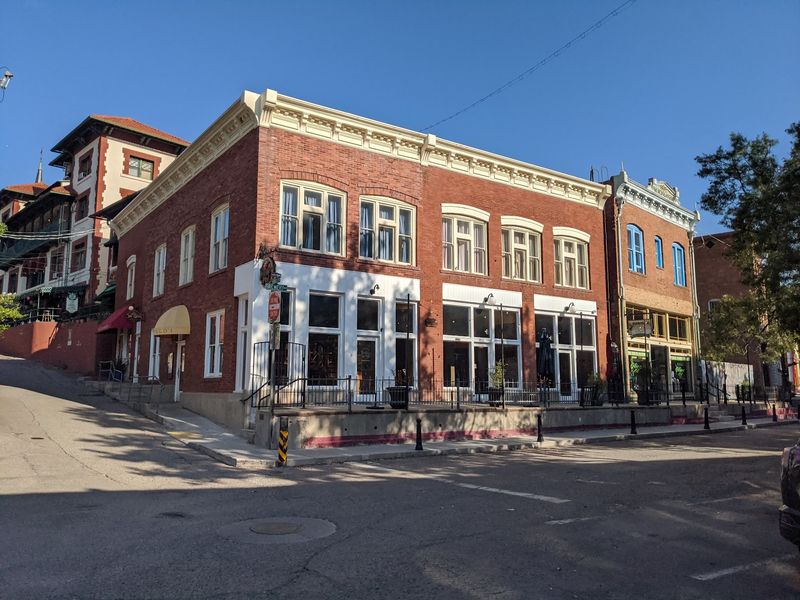
Some places reveal their appeal slowly, and this hillside town is one of them. The copper history, the climbing streets, the reused cottages, and the crowded gallery blocks all add up to something a bigger city would struggle to match.
The town works because it never tried to be flashy. It grew from an old mining community into a creative outpost by keeping its bones intact and letting artists fill the spaces mining left behind.
Arizonans looking for somewhere close yet completely different will find that Bisbee delivers. It offers cooler air, real history, and an outsized art scene tucked into the Mule Mountains.
The verdict is easy to reach. This is a town worth the drive, worth the climb, and worth the surprise of finding so much packed into so little ground.
Head south, park the car, and let the staircases lead you upward. The hillside has more to show than its size ever lets on.