
Affiliate disclosure: As an Amazon Associate I earn from qualifying purchases. Learn more
Tucked inside an active military post in Austin sits a collection of tanks, aircraft, and Texas history that many locals have never heard of. Families walk away asking how a place this big can cost absolutely nothing to enter.
There is no ticket booth and no donation pitch at the door, just a security check, a pass, and hours of exhibits covering Texas soldiers from the earliest days to modern times. Kids can climb into a fighter jet cockpit, history fans can stand next to an Abrams tank, and everyone leaves with something to talk about on the drive home.
Keep reading for the full story, including the one entrance mistake that trips up first-timers, what to bring, and why this spot earns a place on any Texas road trip list.
A Museum Behind the Gates of Camp Mabry
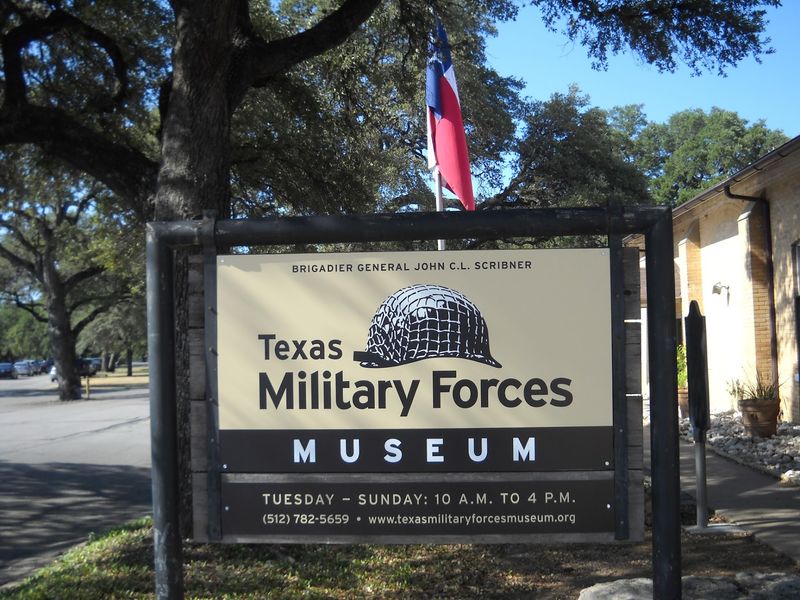
Few museums in Texas require a gate check before the fun begins, and that is part of the charm here.
The Texas Military Forces Museum sits at 3038 W 35th St, Austin, TX 78703, inside Camp Mabry, the home of the Texas National Guard in the United States. The post is large, active, and well kept, and the museum is tucked within its grounds.
The museum is also connected to the 36th Infantry Division, whose entrance leads guests toward the exhibit halls. Signs along the way point drivers to the right building.
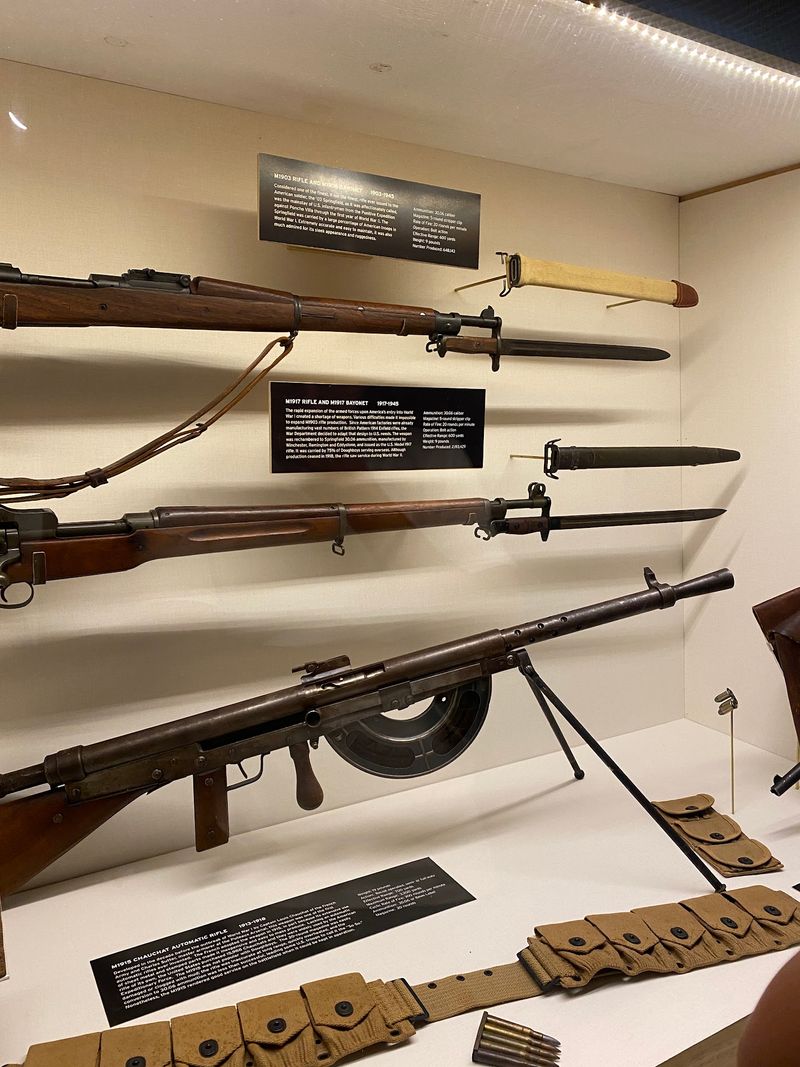
Inside, the focus is clear. The collection tells the story of Texas military forces, with artifacts, uniforms, weapons, and an impressive lineup of vehicles.
Outside, the space opens up even more. Tanks, armored vehicles, aircraft, and helicopters fill the grounds around the building.
For Austin residents, the location is close to central neighborhoods, making it an easy weekend outing. For Texans coming from San Antonio, the trip typically runs around an hour and a half, while drives from Houston or Dallas-Fort Worth usually take about three hours.
That kind of distance is no problem for a destination that charges nothing to enter. The first surprise is the price, and the second is the sheer size of what waits behind the gate.
Texas Soldiers Across the Centuries
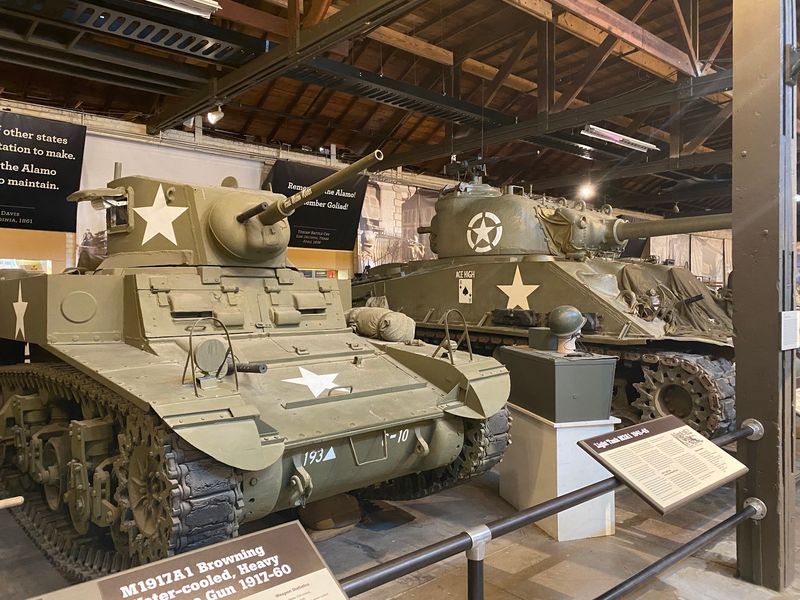
Texas has sent its citizens into conflict since before it was even a state, and this museum keeps their stories in one place.
The exhibits trace Texas military history from the formation of Texas through to the modern day. Alongside that local focus, there is a broader look at American military history too.
Civil War material and World War I displays get plenty of attention. World War II artifacts, uniforms, and equipment also tell the stories of Texans who served.
What stands out is the respect in the presentation. The exhibits are arranged to honor the men and women who served, with personal stories placed beside the hardware.
That human angle matters. Instead of just rows of objects, the displays help explain who wore the uniforms and why their service shaped Texas.
One quirk worth knowing: the layout is not strictly chronological. Some people prefer a straight timeline, while others enjoy wandering between eras without a fixed path.
Either way, the written context is thorough. Plenty of panels explain each item, so history buffs can read for a long time.
Texas pride runs through every gallery here. The state has its own military story, and this is where it gets told in full detail.
Bigger on the Inside
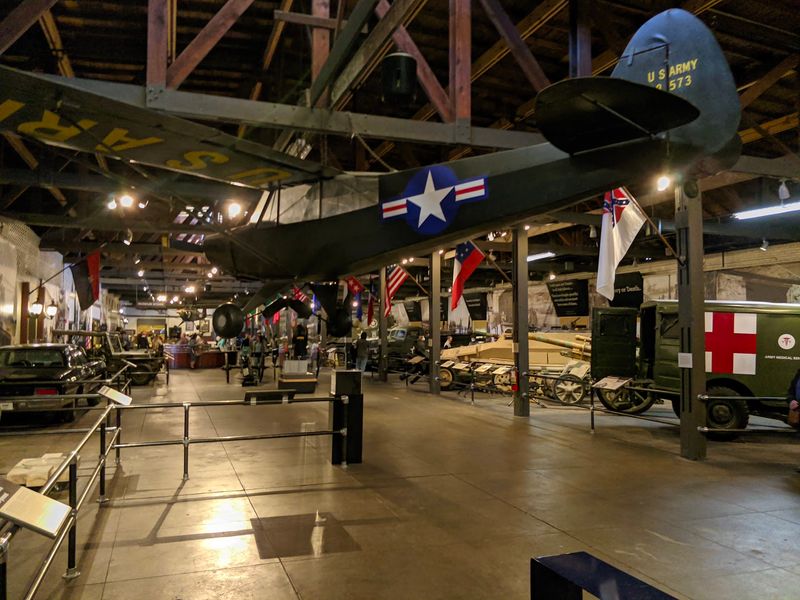
From the parking lot, the building looks modest. Then the doors open, and the scale changes quickly.
The indoor exhibit space alone covers 26,000 square feet. Add the outdoor vehicle yard, and the whole experience stretches far beyond what most free museums offer.
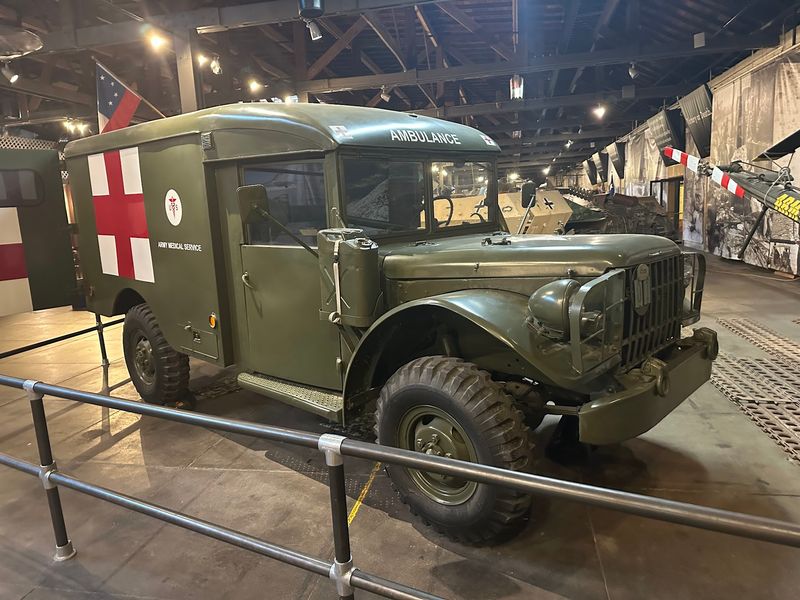
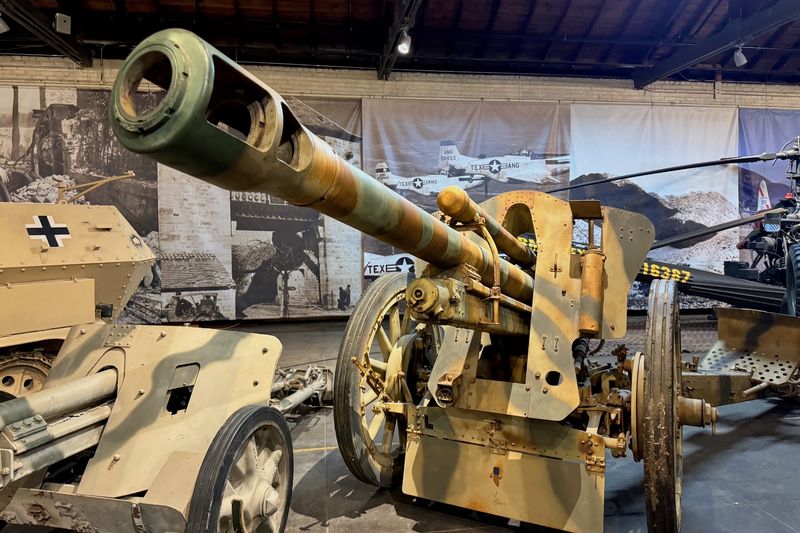
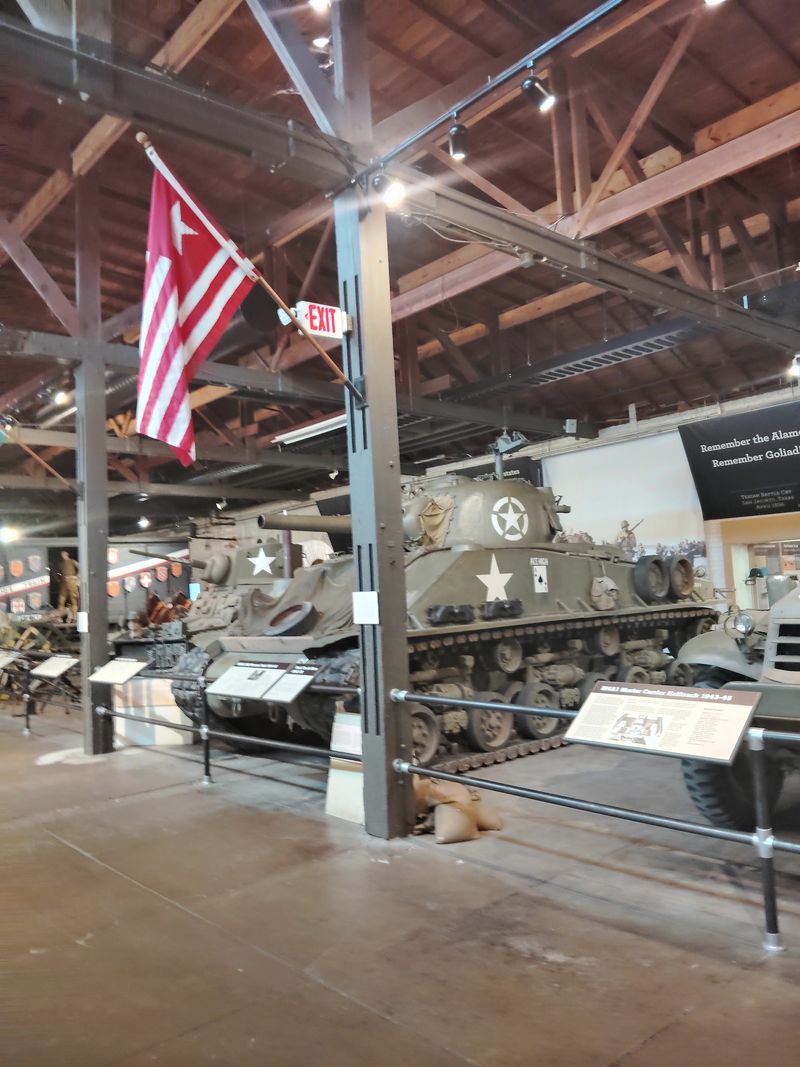
Inside, tanks and cars share space with firearms, artillery, and detailed dioramas. The displays are packed with information, so every corner has something new to read or study.
The halls are organized and well done. Equipment sits close enough to appreciate its size, and the exhibits are easy to move through at a relaxed pace.
Interactive pieces help keep things engaging. Many exhibits invite closer attention rather than a quick glance.
A practical tip: the building can run cold indoors, especially in winter. Bringing a light jacket is a smart move for anyone planning a long visit.
Public restrooms are available on site. That small detail matters for families with young kids or groups spending a couple of hours inside.
The indoor halls are only half the story, though. Once the last gallery wraps up, the real heavy hitters wait outside.
Tank Row and the Outdoor Giants
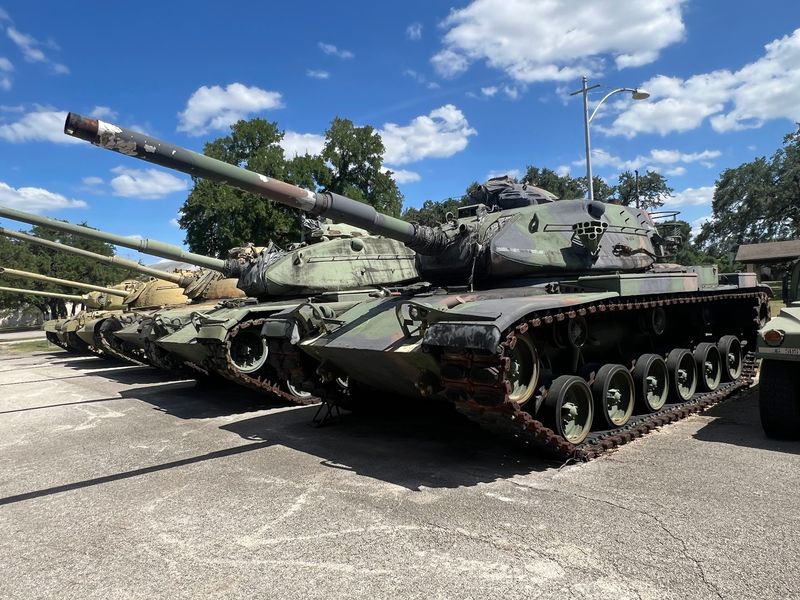
Tanks are the headliners here, and they come in force.
The outdoor area holds a large lineup of armored vehicles parked around the museum building. Few places let the public get this close to a Patton or an Abrams tank.
Walking among them gives a real sense of their size. These machines are much easier to understand standing beside them than in any photo.
Beyond the armor, aircraft are on display outside as well. Helicopters sit near a playground area on the east side of the grounds.
The outdoor yard turns a solid indoor visit into a much bigger outing. It is easy to spend extra time circling vehicles and reading about each one.
Summer in Austin can bring serious heat, so timing matters. Earlier hours after the 10 AM opening tend to be the more comfortable choice for exploring outside.
Water and sun protection are good ideas for warm months. The grounds are spread out, and there is a fair amount of walking.
Photographers tend to have a field day here. Tank fans should plan on stopping often, because the lineup rewards anyone who takes it slow.
A Cockpit Built for Small Pilots
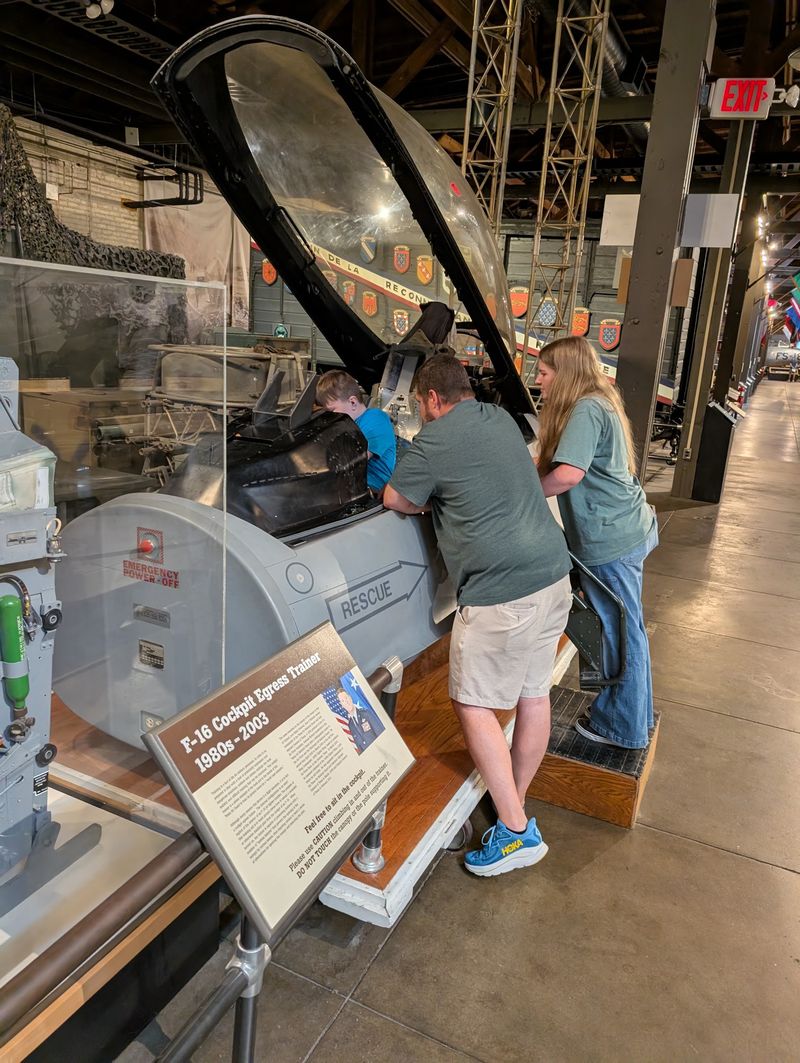
Ask kids about their favorite part, and the fighter jet cockpit tends to win.
The museum has a cockpit that children can climb into, giving them a hands-on moment that many museums would keep behind ropes. For young aviation fans, it can be the highlight of the trip.
That hands-on approach is a big reason families return. Kids often get to touch and climb on many of the displays they are allowed to explore.
Groups of preteens tend to stay engaged for close to two hours. Children of different ages ask questions, point out details, and stay curious.
Homeschool families find the museum especially useful. Some spend two and a half hours here, while many groups finish in about an hour.
A scavenger hunt adds another layer for younger guests. It gives kids a mission while parents read the exhibit panels.
Grandparents bring grandchildren here too, making it a solid multi-generational outing. Everyone gets something different from the same visit.
For a free day out, the payoff is hard to top. A child in a pilot seat makes for a photo the whole family will want to keep.
Free, Truly Free
Here is the number that gets Texans talking: zero dollars.
Admission to the Texas Military Forces Museum is free. There is no ticket price, and no one at the door asks for a donation.
That surprises a lot of people, given the size of the collection. Tanks, aircraft, artillery, uniforms, and 26,000 square feet of indoor exhibits would usually carry a hefty fee elsewhere.
Free admission comes up again and again as one of the museum’s most talked-about features. Many guests say they would gladly have paid to get in.
For families, the value is obvious. A full afternoon of education and fun costs nothing more than the gas to get there.
Special outdoor events can be free too. On some occasions, live demonstrations have been offered at no charge.
The gift shop is on the small side, so shoppers should keep expectations modest. The real attraction is the collection itself, not the souvenirs.
That makes this an easy recommendation for budget-minded road trippers. Texans who love sharing a good find will have a strong one to pass along.
Demonstrations That Bring History Outside
Some days, the history leaves the display cases and steps onto the field.
The museum has hosted weapon demonstrations and battle reenactments on its grounds. On Veterans Day, one outdoor event featured World War II weapons, with ear plugs provided for the audience.
These programs go beyond noise and spectacle. Speakers explain the history, the how, and the why behind each piece of equipment.
The museum director is known as an excellent speaker. Closing remarks at that Veterans Day event focused on the true meaning of the holiday.
Even guests who do not usually enjoy military displays have found these programs meaningful. Pairing the demonstrations with history gives them real depth.
Patriotic celebrations also draw interest. Events around Independence Day add extra reasons to plan a trip.
Demonstrations are not daily features, so checking the museum website before visiting is wise. Schedules can change, and special events may vary through the year.
Catching one of these programs can turn an ordinary trip into a memorable one. It is worth a quick search before setting a date.
Volunteers Who Know Their Stuff
A great collection needs great people, and this museum has them.
The volunteers here are known for being knowledgeable. They can explain the background of a tank, a uniform, or a battle in ways that make sense.
Staff members are easy to talk to and willing to answer questions without hovering. That balance makes the visit feel well run and relaxed.
The welcome starts at the gate. Soldiers checking IDs are professional and clear about where to go next.
Inside, the tone stays friendly. Guests often mention how pleasant and helpful everyone is, from the entrance to the exhibit halls.
The care extends to the grounds as well. Camp Mabry’s facilities and lawns are kept in fine shape by the Texas National Guard.
Asking questions is one of the best ways to get more out of a visit. Many volunteers share details that are not printed on the panels.
Every museum has artifacts. The people at this one help those artifacts tell a fuller story.
Gate Tips, Hours, and the Entrance Mix-Up
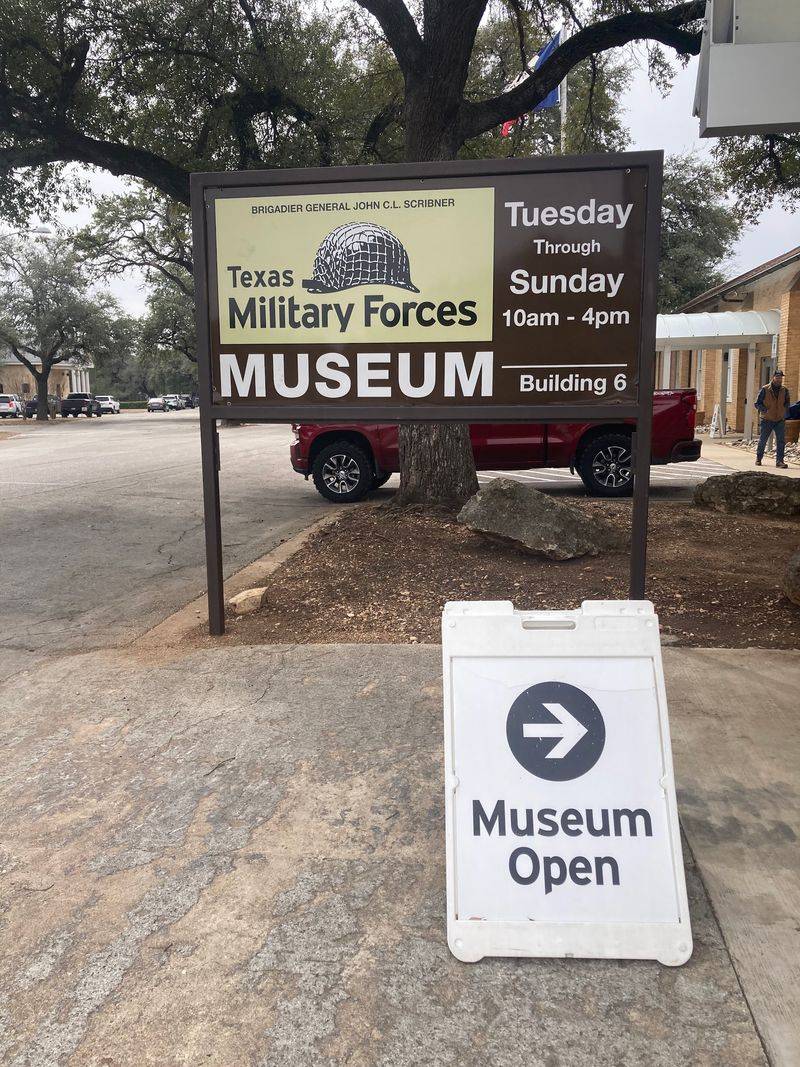
First-timers often make the same mistake, so here is the fix up front.
Use the main entrance at the intersection of Maintenance Drive and W 35th Street. Navigation apps may send drivers to the north entrance, but guests cannot be admitted there.
Because the museum sits on an active post, ID is required. A Real ID or military ID is needed to get through the gate.
After registration, guests receive a pass. Safety procedures can take some time, so building a little extra time into the schedule helps.
Driving is recommended. Rideshares are allowed on post, though drivers must go through the same ID check at the gate.
Parking is typically easy to find once inside. Signs guide cars toward the museum building.
The museum is open daily from 10 AM to 4 PM. That schedule makes weekday and weekend trips equally simple to plan.
After the visit, drivers can leave the way they came or use the northeast exit. A little preparation goes a long way toward a smooth arrival.
Worth Every Mile of the Drive
The final tally says a lot. With a 4.8-star average across more than 1,600 ratings, this museum has clearly earned its loyal following.
It works for military history fans, Texas history lovers, homeschool groups, and families with restless kids. Veterans and their loved ones often find it especially meaningful.
Plan for anywhere from one hour to a full afternoon. Some people move through in about sixty minutes, while others take their time and read nearly everything.
The checklist is short: bring an ID, use the main gate, pack a light jacket for the indoor halls, and arrive between 10 AM and 4 PM. Admission costs nothing.
That combination is rare. A large collection, outdoor tanks, a kid-friendly cockpit, and knowledgeable volunteers all come without a price tag.
For Texans looking for a road trip that blends value, family fun, and state pride, this one checks every box. It also deserves far more attention than it gets.
Tell a friend, load up the car, and head to Camp Mabry. The tanks will be waiting.


