
Affiliate disclosure: As an Amazon Associate I earn from qualifying purchases. Learn more
Some Austin landmarks are made of glass and steel, but one of the oldest is made of bark and stubbornness. A single live oak in the middle of the city was already old before Christopher Columbus ever sailed toward the Americas.
It once stood with a whole group of oaks that Comanche and Tonkawa people held sacred. Today it is the last one left, and it survived a deliberate poisoning in 1989 that nearly ended its story.
Getting in costs nothing, the park opens at 5 AM, and the history packed into one small city block easily rivals sights that take a plane ticket to reach. Keep reading to learn where to find it, what happened to it, how it held on, and how to plan a quick, free stop that the whole family can enjoy.
A Tiny Park on Baylor Street
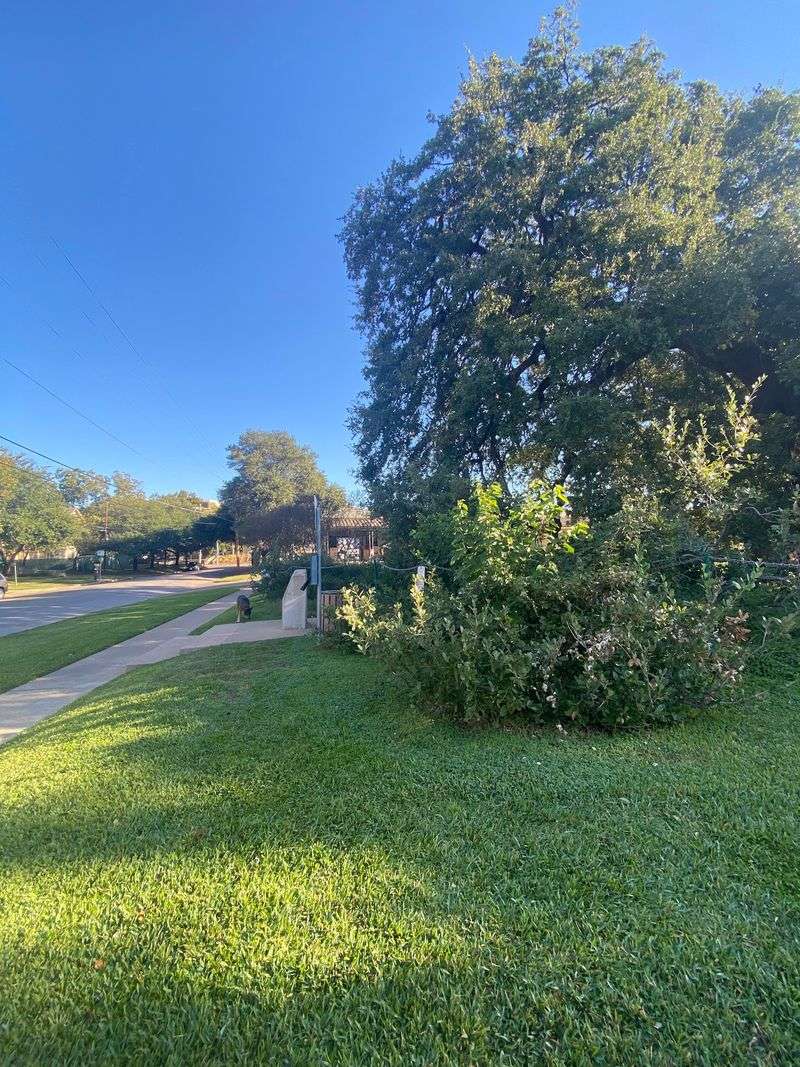
Some of the best Texas history fits on a single city lot. Treaty Oak Square sits at 507 Baylor St, Austin, TX 78703, just west of downtown in the capital city of Texas.
The park exists for one reason, and that reason has roots. It surrounds a historic southern live oak known as the Treaty Oak, one of the most famous trees in the state.
Do not expect playgrounds, trails, or a visitor center. The space is compact, with the tree as the centerpiece and a few benches nearby for anyone who wants to sit a while.
For road-trippers, the location is easy to work into a bigger Austin day. From San Antonio, the drive is typically around an hour and a half, and from Houston or Dallas-Fort Worth it usually runs about three hours, depending on traffic.
The city park system oversees the site, so it feels more like a neighborhood landmark than a tourist attraction. That low-key setting is part of the appeal.
Small footprint, huge backstory. The rest of this tale explains why so many people make a point of stopping here.
Older Than Columbus
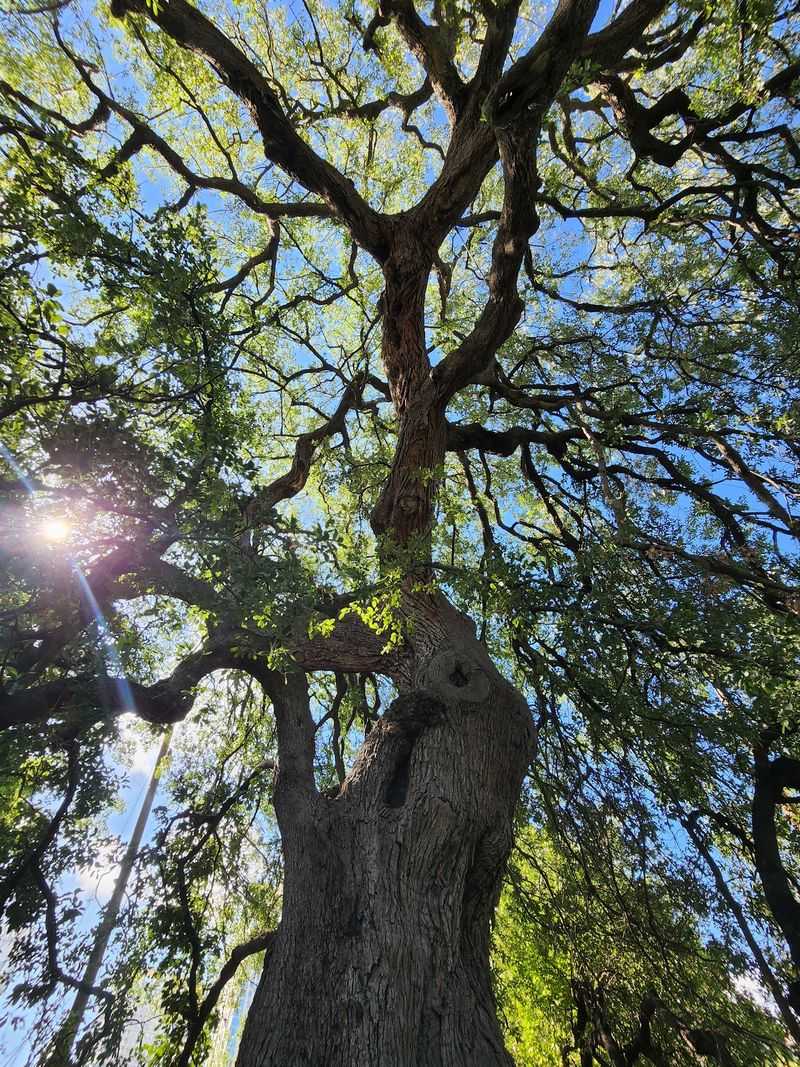
Here is a number that tends to stop people mid-sentence. The Treaty Oak predates Columbus, which means it was growing on this land before 1492.
That fact comes up again and again among people who stop by. Many describe it as a reminder of how short a single human lifetime looks next to a tree like this.
Live oaks are a signature tree of central Texas. They grow wide rather than tall, spreading their limbs outward in a way that makes older specimens look sprawling and wild.
Standing in front of this one, it is easy to start doing the math. Generations of people have come and gone in its shadow, and the city of Austin itself is a newcomer by comparison.
Parents bring kids here for exactly that lesson. One stop can turn an abstract history timeline into something a child can actually stand next to.
Not bad for a tree that never asked for the spotlight. Its age is only the opening chapter, though.
Last of the Council Oaks
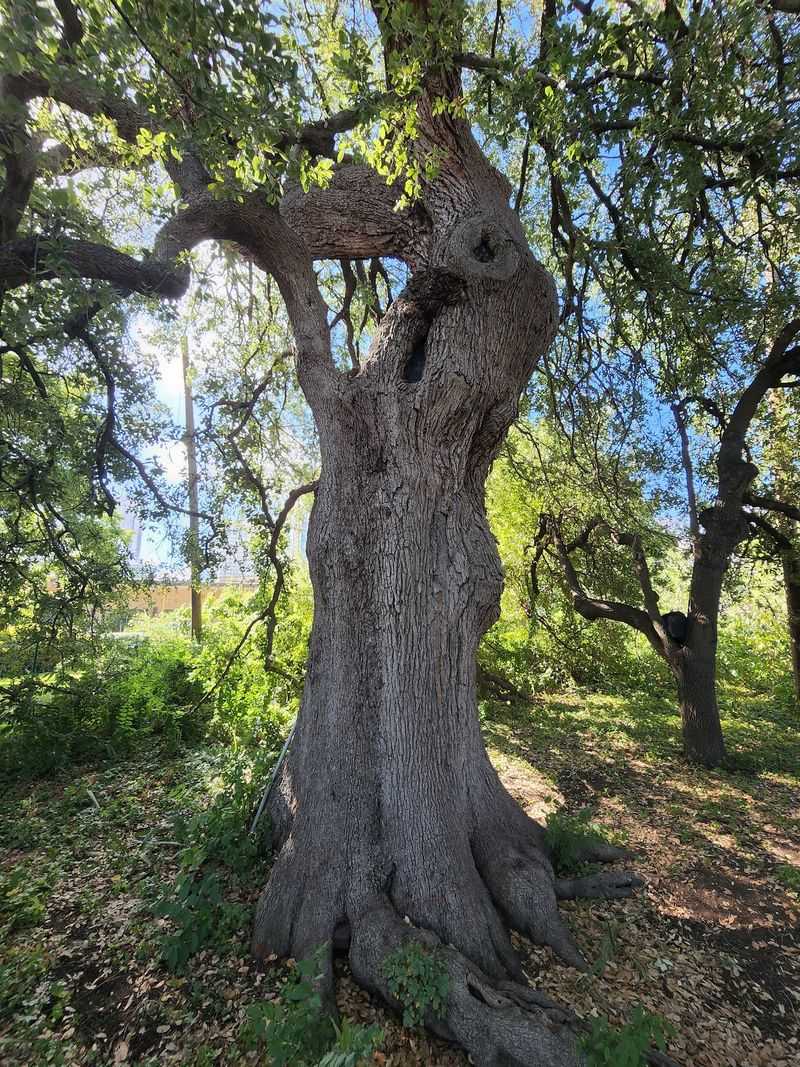
Long before streets and street signs, this oak had company. It is the sole survivor of a group of trees known as the Council Oaks.
That grove was sacred ground for the Comanche and Tonkawa tribes. The oaks marked a place of real importance to the people who lived on and traveled across this land.
Every other tree from that original group is gone. Only this one remains to carry the memory of what once stood here.
For many Texans, that link is personal. People of Comanche lineage and lifelong Texans alike speak of the site with homage and respect, treating it as more than a pretty tree.
The connection is a big part of why the park has been protected. Losing the last Council Oak would mean losing the final living piece of that story.
A grove became a single tree, and a single tree became a landmark. Its name hints at even more history.
Tied to the Founding of Austin
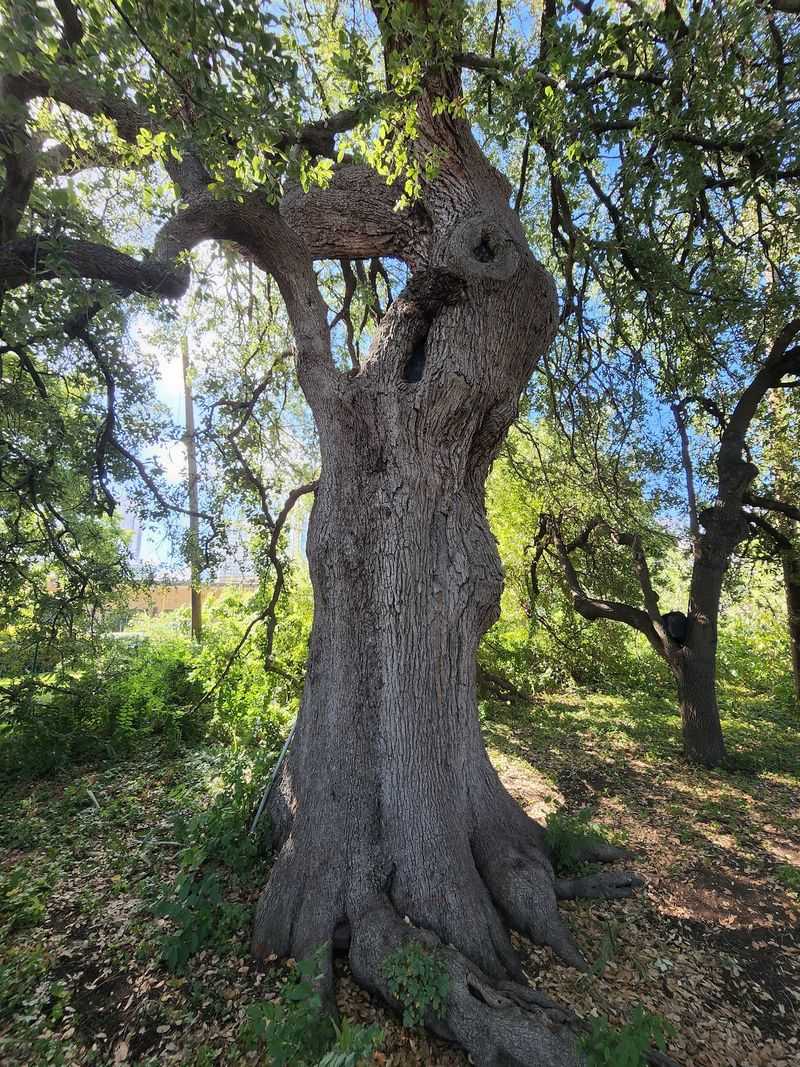
Few trees can claim a spot in a city’s origin story. The Treaty Oak is considered historically significant to the founding of Austin.
Its very name points to a past filled with meetings and agreements. The details are best learned on site and through the city’s own resources, since the tree carries layers of local lore.
Plenty of people suggest reading up on the history before visiting. Knowing what the oak has been through makes the experience far richer than a quick glance.
That advice fits families especially well. Kids who learn a little background first tend to look at the tree with fresh eyes once they arrive.
One parent even made the trip because a daughter was writing a school report on this tree. It is that kind of place, the sort of landmark that ends up in classrooms and homework folders.
History buffs, take note. A few minutes of reading turns a short stop into a memorable one.
The 1989 Attack
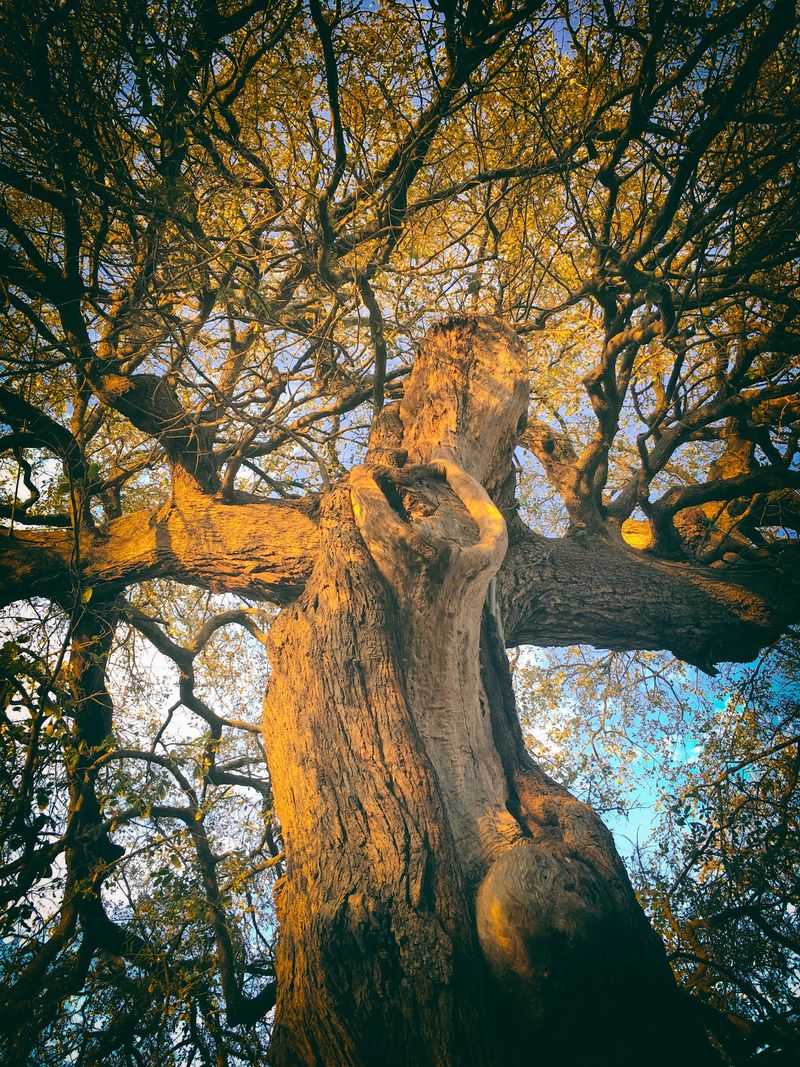
Then came the year the whole state paid attention. In 1989, the Treaty Oak was poisoned in a deliberate act of vandalism.
The substance used was Velpar, a powerful hardwood herbicide. Lab tests showed the amount applied would have been enough to wipe out 100 trees.
For a tree that had stood for centuries, the attack was a shock. People across Texas rallied around the oak, and the event became a defining chapter in its long life.
The damage left visible marks. Part of the tree did not make it, and some people find that sad to see in person.
Many also feel the tree shows both sides of human nature. The harm done to it sits right alongside the care people have shown in trying to save it.
A villain, a crisis, and a stubborn survivor. The next chapter is the comeback.
Still Standing, Still Growing
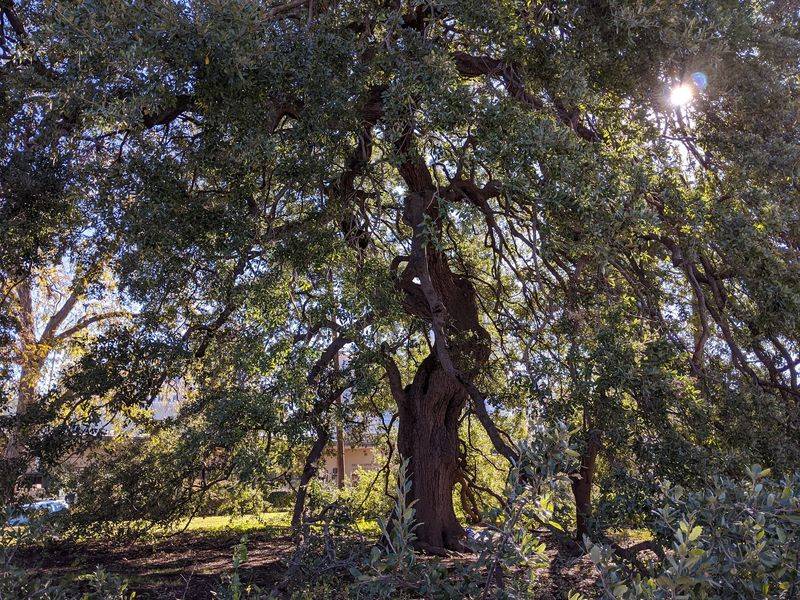
Against long odds, the oak pulled through. It is still alive today, a fact that brings real joy to the people who come to see it.
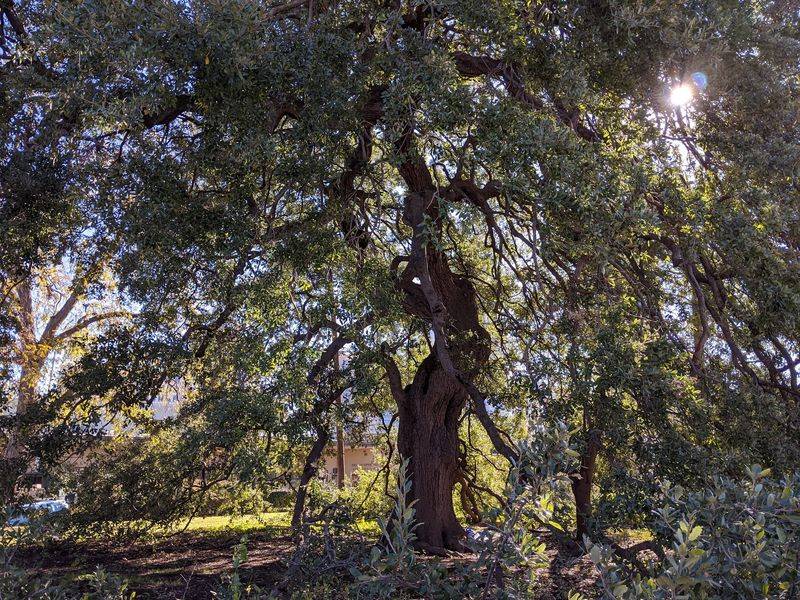
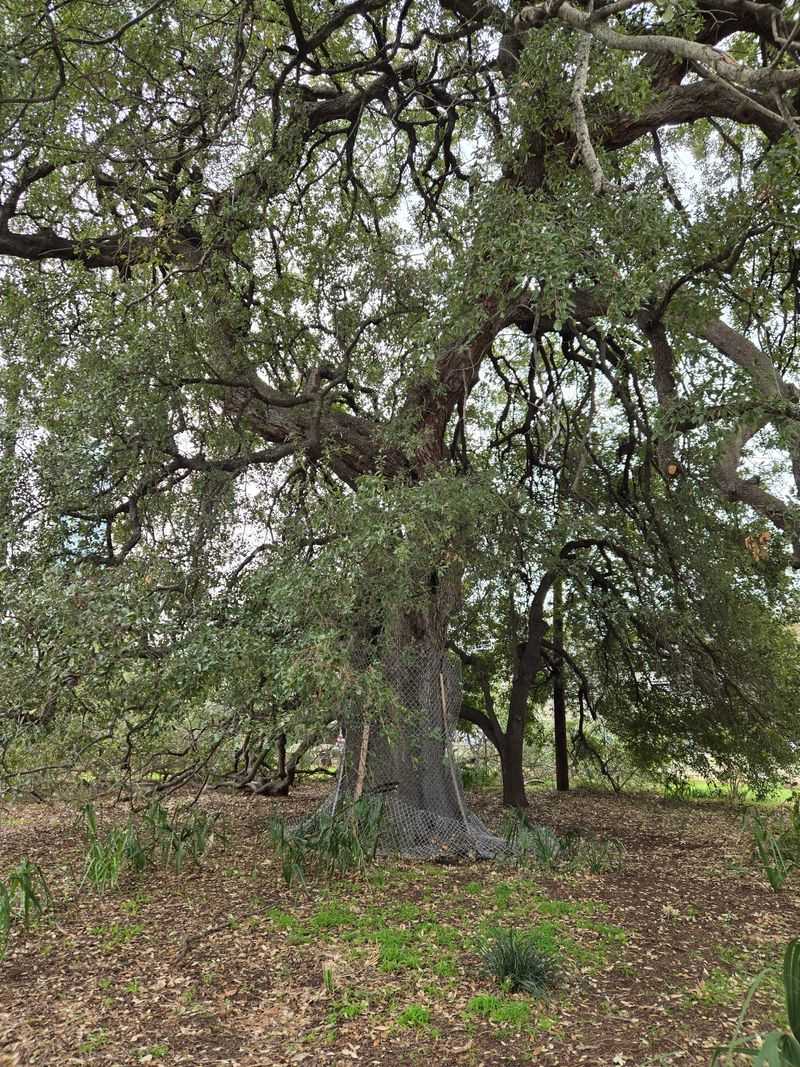
The tree is smaller than it once was, since a portion did not survive the poisoning. What remains is still a massive, deeply rooted live oak with plenty of presence.
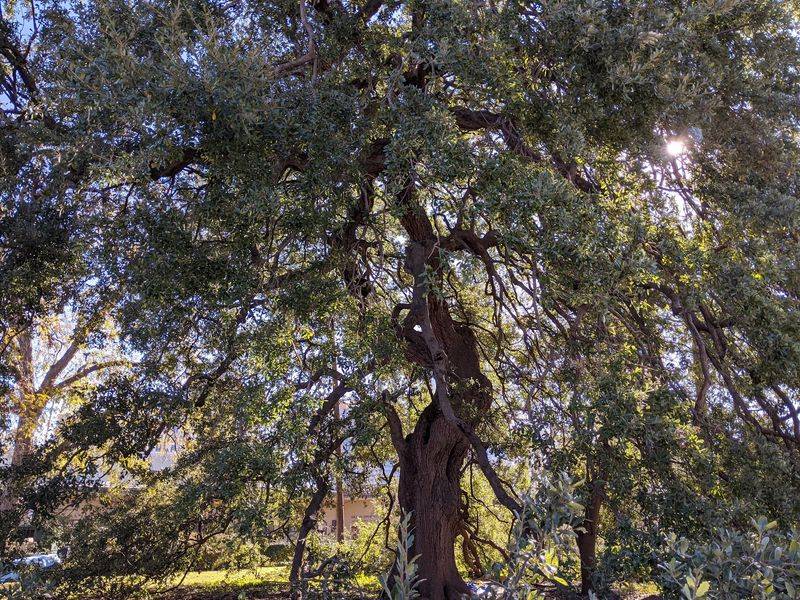
Many describe it as giant and wild. Its natural, untamed shape stands out in a neighborhood of tidy streets and buildings.
Some people leave feeling a bit of both emotions. There is sadness over what was lost and gladness that the tree is still alive and well.
That mix is part of what makes a visit meaningful. The oak is not a perfect postcard, and its scars tell the story better than any sign could.
A survivor with a few battle marks is still a survivor. Protecting it is now a group effort.
Chains That Protect
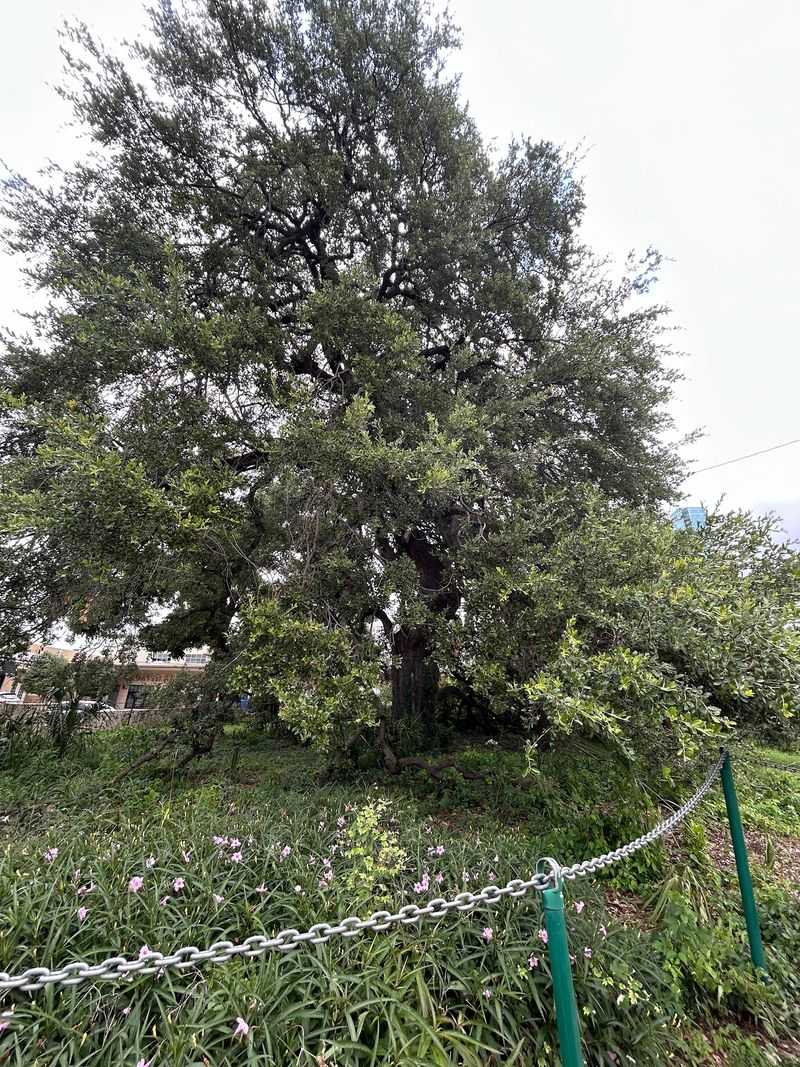
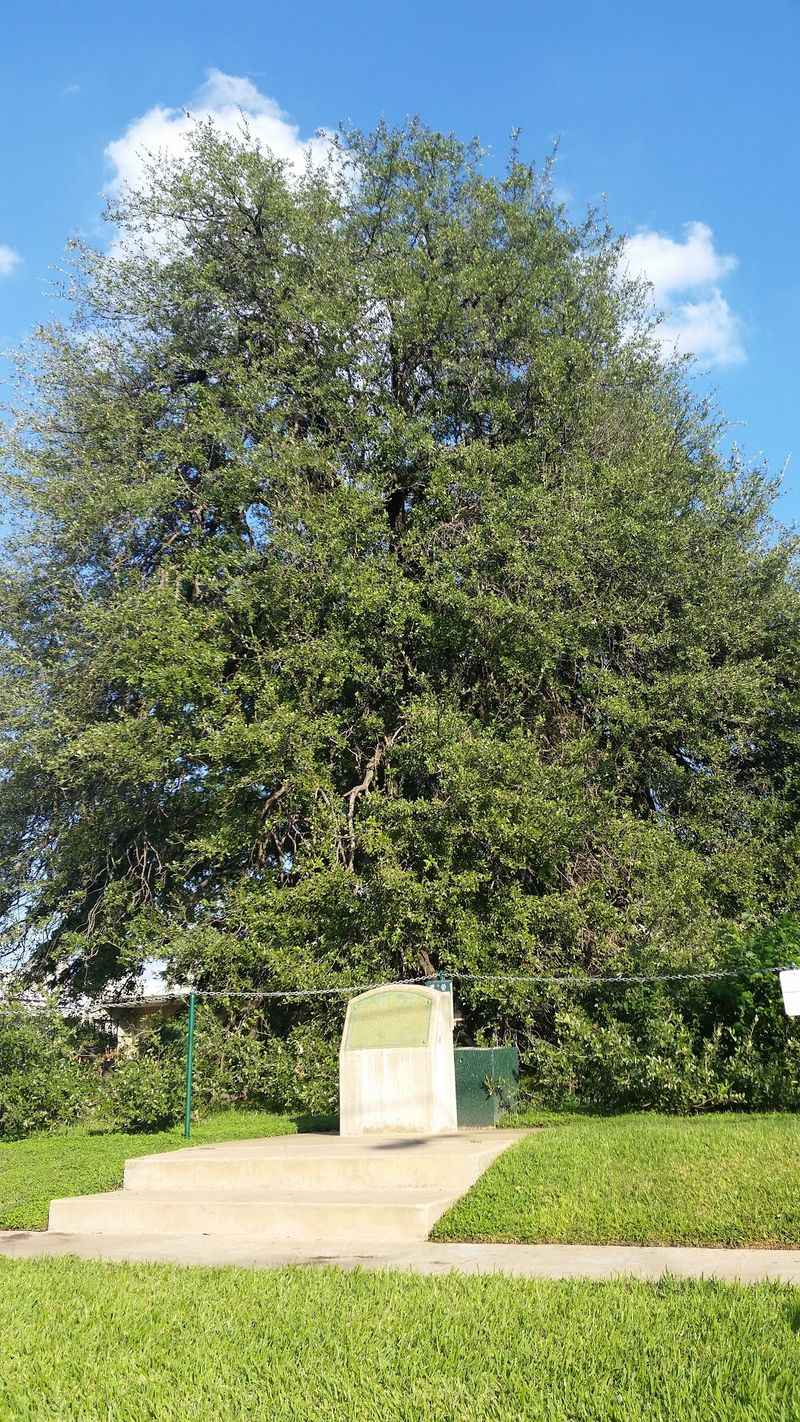
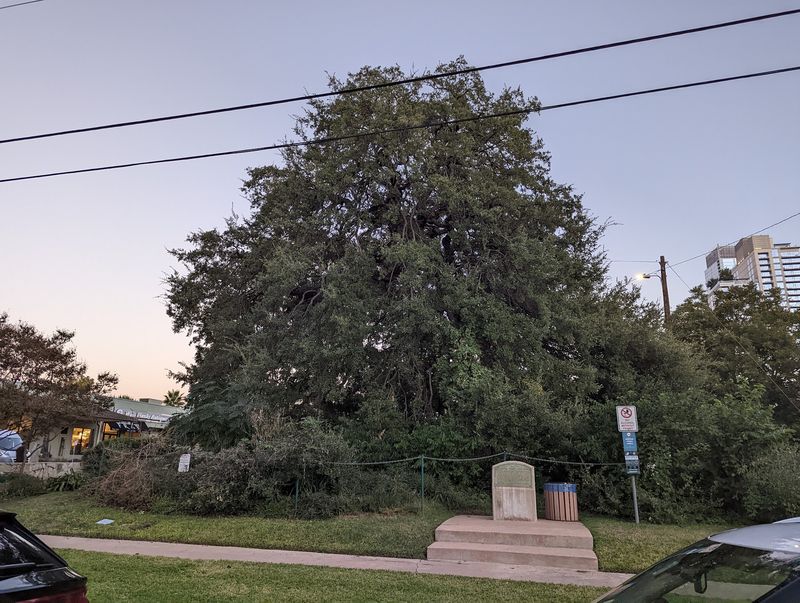
Hug-happy tree fans, a quick heads up. The oak is chained off so people cannot get too close.
The barrier exists to prevent damage. Foot traffic around roots can harm old trees, and this one has already been through enough.
Some people wish they could walk right up to the trunk. Most understand the reason and appreciate that the city has kept the tree protected.
Viewing from just outside the chain still offers a great look at the sprawling limbs and gnarled trunk. Photos come out fine from that distance too.
Kids can learn a quick lesson about respecting living landmarks. It is an easy, practical example of how people care for a place that matters.
Preserve them while we still have them, as one fan of the oak put it. Good manners here go a long way.
Benches and Quiet Moments
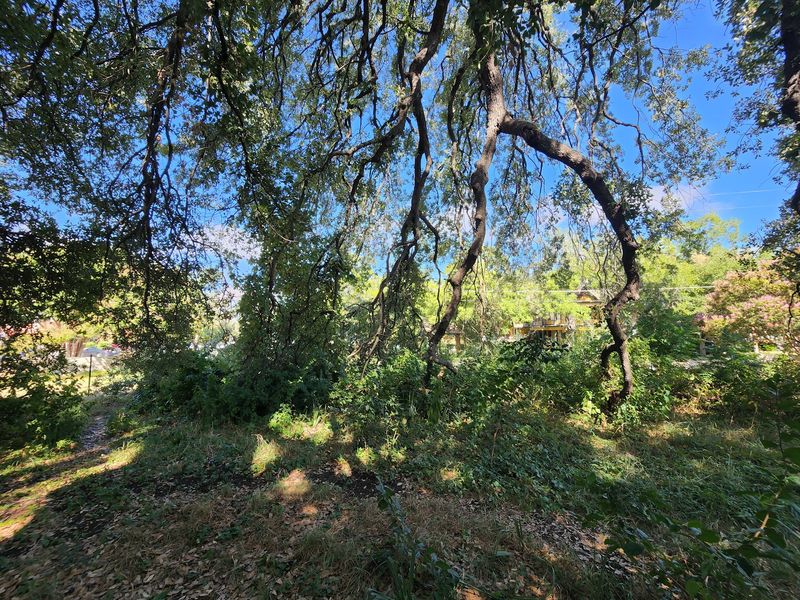
Not every outing needs a full itinerary. Treaty Oak Square offers peaceful benches that work well for a short break or a simple picnic.
The pace here is slow. Many people stay only a few minutes, while others sit for a while under the shade and take in the scene.
Some come for reflection. The site holds spiritual meaning for a number of people, and quiet prayer or contemplation is not unusual.
Families can pack a light lunch and turn the stop into a free picnic. It costs nothing to sit, read about the tree, and talk about its history.
The shade itself gets plenty of gratitude on sunny Austin days. A big live oak canopy is a welcome thing in a Texas summer.
Low effort, high payoff. Sometimes the best plan is just a bench and a good story.
A Favorite Bike Tour Stop
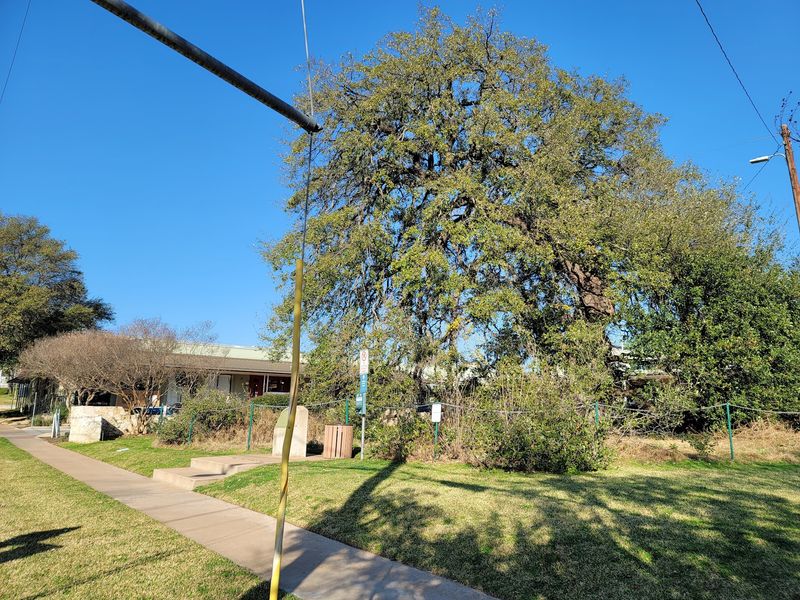
Two wheels and a history lesson make a fine pair. The Treaty Oak shows up on Austin bike tours as a natural stopping point.
Riders pull over, read up on the tree, and take in the massive root system before rolling on. It fits neatly into a route through the city.
That makes the park a smart add-on rather than a full-day destination. Pair it with other Austin sights for a well-rounded outing.
Cycling also sidesteps one of the trickier parts of a visit, which is finding a place to leave a car. A bike can usually be parked without the same hassle.
For active families, a ride that includes this stop gives kids a break and a story at the same time. Everyone gets a breather and something to talk about.
History has rarely been this easy to pedal to. Next up, the folks who show up with trash bags.
Volunteers and Upkeep
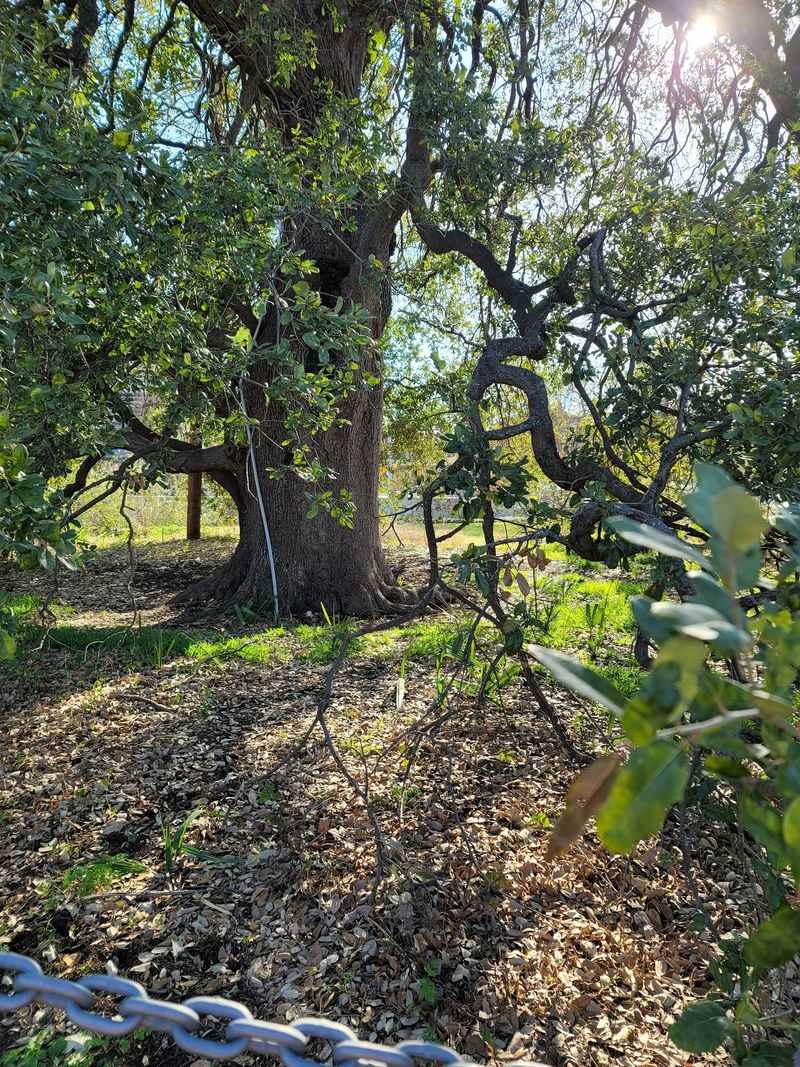
Honest talk helps set expectations. Some people wish the brush around the oak were cleaned up more often, noting it can look a bit untidy.
Litter has been an issue at times too. Plastic and garbage have turned up around and under the tree.
The good news is that people step in. At least one visitor spent a day cleaning the park and treated the effort as a gift to the oak.
Families looking for a meaningful activity could bring a small bag and pick up a few pieces of trash. It is a simple way for kids to give back to a landmark.
Conditions may vary depending on the day and season. A quick look around on arrival will show what the grounds are like at the moment.
A little care from the public helps this old giant keep going. Timing matters as well.
Hours Built for Early Birds
Sunrise people, this one is for you. Treaty Oak Square opens at 5 AM and closes at 10 PM, seven days a week.
The schedule stays the same from Monday through Sunday. That consistency makes it easy to plan around other stops.
Daytime visits are typically the best choice. Light is good for photos, and the historical details are easier to read.
People also note that some unhoused individuals tend to gather at the park at night. Visiting earlier in the day is a practical move for families.
A morning stop can be a calm way to start an Austin trip. It takes very little time, so it fits before breakfast or between bigger plans.
Set the alarm, grab the kids, and get there while the city is still waking up. Then comes the price tag, which is the best part.
Free History, No Ticket Needed
Budget travelers can relax. As a public city park, Treaty Oak Square has no admission fee listed, so seeing the tree is typically free.
That is a lot of value for zero dollars. Centuries of history, a sacred site, and a dramatic survival story all come at no cost.
Families on a tight trip budget can use the savings elsewhere. A free stop here balances out pricier activities in Austin.
The park is managed through the Austin parks system. Checking the city parks website before a trip is a smart way to confirm any updates.
Texas pride gets a boost too. Plenty of famous landmarks around the world charge hefty fees, while this living piece of history asks for nothing but respect.
Free, meaningful, and one of a kind. Parking is the only real catch.
The Parking Puzzle
Every great landmark seems to have one small headache. At Treaty Oak Square, it is parking.
Some people say finding a spot was a bit of a problem. The park sits in a city neighborhood rather than near a big dedicated lot.
A few strategies can help. Visiting early in the morning, biking in, or building the stop into a walk may make things smoother.
Because the visit itself is short, a quick stop works well. Many people only need a few minutes to see the tree and read about its history.
Patience pays off here. A short search for a spot is a small price for a look at a tree that has outlasted centuries.
Plan ahead, and the parking puzzle mostly solves itself. Which leaves just one question: is it worth the trip?
A Quick Stop Worth Making
Thrills are not the point here, and that is fine. The Treaty Oak is not an adventure park, but it holds deep historical weight.
The park earns a 4.5-star average from 81 ratings on Google Maps. Most people call it a must for anyone who loves history or simple outdoor stops.
It suits families, history fans, cyclists, and anyone curious about what makes Austin unique. A short visit can leave a long impression.
Go in with the right expectations. There is one tree, a few benches, and a story that stretches back before Columbus.
For Texans, the oak is a chance to stand beside something that has seen the state’s entire recorded history unfold. It belongs in the same breath as far more famous landmarks.
Read up, bring the kids, and spend a few minutes with the last Council Oak. Some stories are worth the drive.


