
Affiliate disclosure: As an Amazon Associate I earn from qualifying purchases. Learn more
Somewhere in Houston, a crafter just walked out with a full armload of fabric, beads and vintage magazines, and paid two dollars for all of it. That is not a typo, and it is not a one-time fluke.
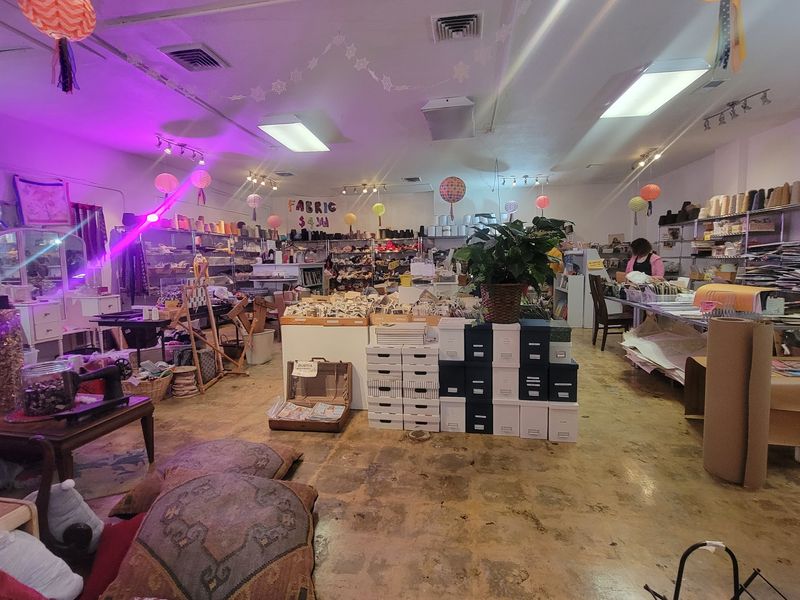
Most of the stock here comes from donations and is sold by the pound, so lightweight paper and journaling supplies can cost very little. The shelves hold yarn, rubber stamps, old photos, buttons, doll parts and odd little things nobody can quite name.
Teachers fill their classrooms here, hobbyists build whole supply stashes, and a few shop cats keep an eye on everyone. Keep reading to learn where this place is, what the bins hold, what it costs, and how to plan a trip that is well worth the drive.
A Warehouse Address in South EaDo
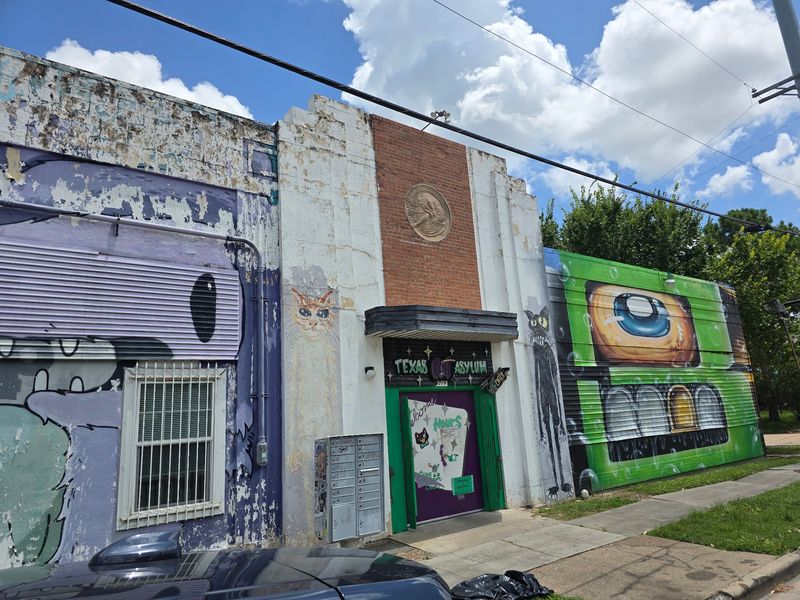
The treasure hunt starts at Texas Art Asylum, 1719 Live Oak St, Houston, TX 77003, in the United States. The shop sits in the South EaDo area, just east of downtown Houston.
Officially, it is listed as an art supply store. In practice, it works more like a creative recycling center with a cash register.
The shop describes itself as a quirky art supply shop and classroom. Its stock runs from shells to doll parts, and the space also hosts classes and events.
The front facade sets the tone before anyone opens the door. It gives a fair hint that this will not be a typical trip to a chain craft store.
For road-trippers, Houston is a reasonable target from several big Texas cities. The drive from Austin or San Antonio typically runs around two and a half to three hours, while Dallas-Fort Worth is closer to four.
That may sound like a long trip for craft supplies. The pricing system, covered a little later, tends to make the case on its own.
Plenty of curbside parking is available nearby, which is a small relief in a busy part of town. One less thing to worry about leaves more energy for digging.
Castoffs With a Second Act
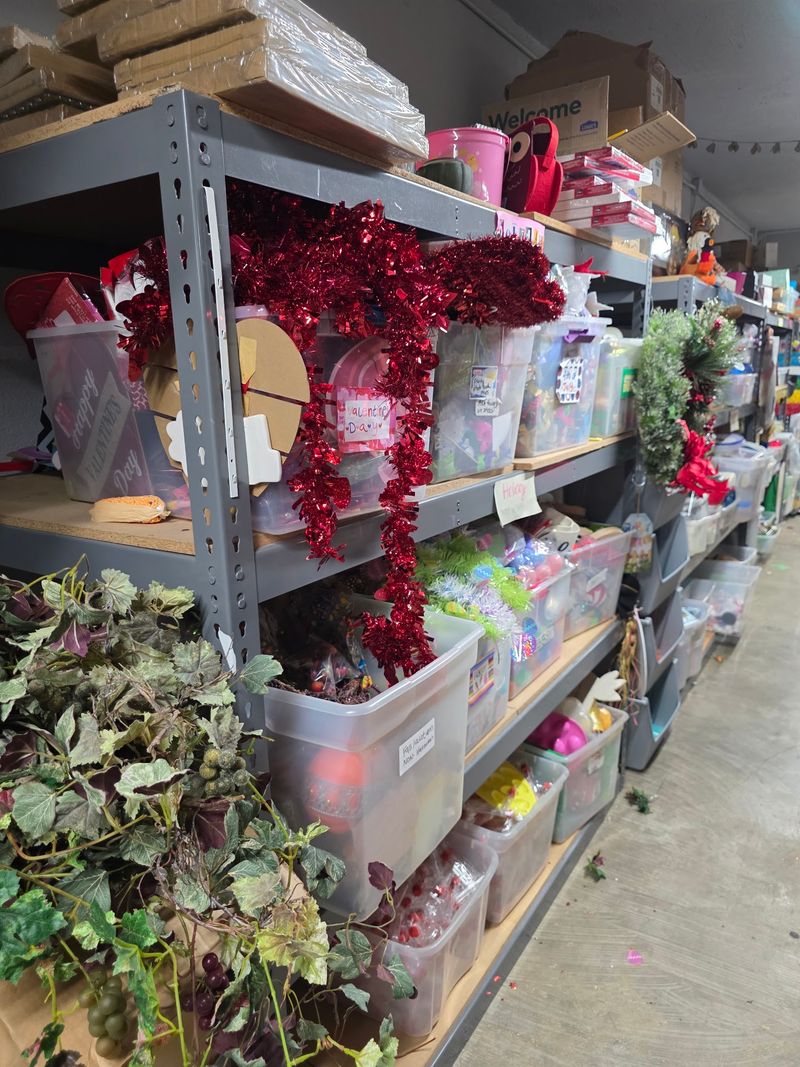
Every bin in the building has a backstory, and most of those stories start in someone else’s closet. Texas Art Asylum runs largely on donated items and gently used art supplies.
That model keeps the shelves changing. New donations arrive often, sometimes while shoppers are still browsing near the door.
Donors bring in a wide mix of goods. Children’s toys, books, wreaths, canvases, musical instruments, holiday decor and general craft supplies have all found their way here.
Donations are accepted by appointment, and the process tends to be simple. The shop keeps a list of accepted items, so it helps to check before loading up the car.
The sustainability angle is a big draw for many shoppers. Buying fabric, stamps, tiles and specialty paper secondhand keeps usable materials out of the trash.
It also means stock rotates. A shelf that looked one way last month may look completely different on the next visit.
For Texans who like to declutter and create in equal measure, the cycle is hard to beat. Drop off the old supplies, then leave with someone else’s.
Paying by the Pound
Two dollars for a haul worth around thirty is the kind of math that gets people talking. At this shop, most items are sold by weight unless they carry a separate price tag.
The system rewards smart shopping. Light materials such as paper, journaling supplies and magazines can end up costing very little.
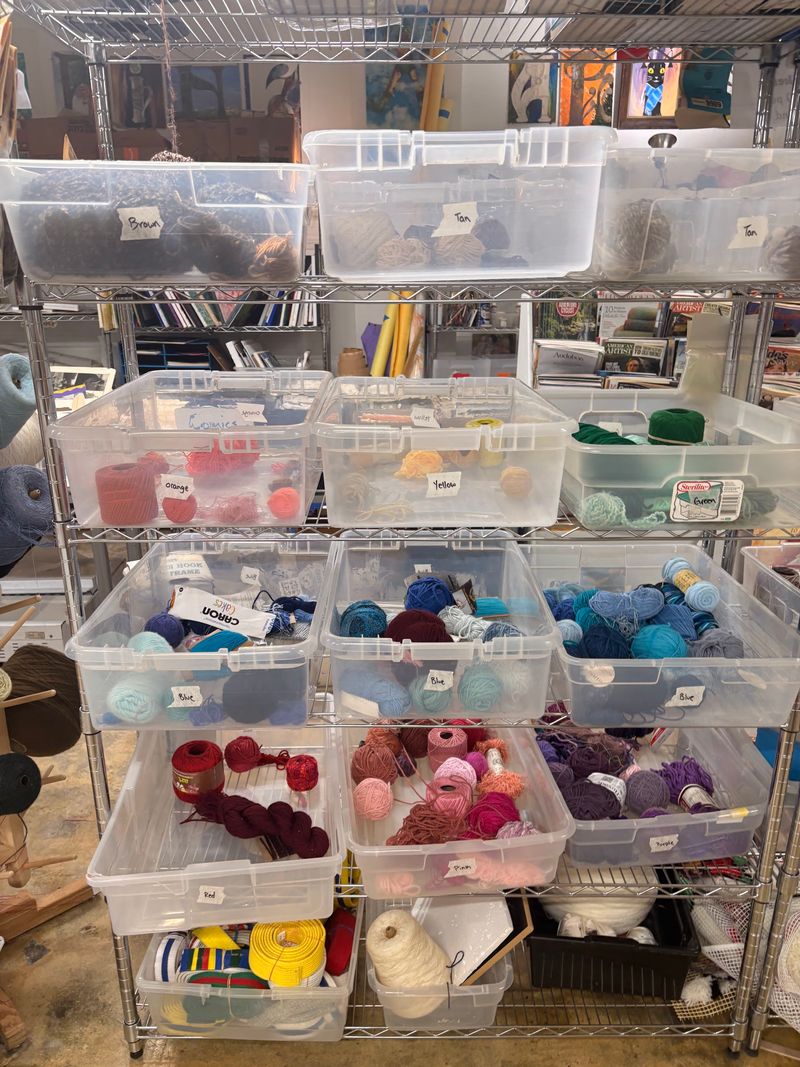
Some goods are individually priced instead. Yarn, for example, has been sold at about $12 a pound, a rate that tempts knitters and crocheters.
Overall, the prices are widely seen as fair and reasonable. Many shoppers find it cheaper than they expected and wish they had grabbed more.
A few skeptics feel certain pieces cost too much for their condition. That is the nature of a secondhand store, where value depends on what each person needs.
Still, the pound-based model is the heart of the appeal. An armful of supplies can often leave the building for less than a fast food lunch.
Bring a budget, but do not be surprised if most of it stays in your wallet.
Rooms Upon Rooms of Supplies
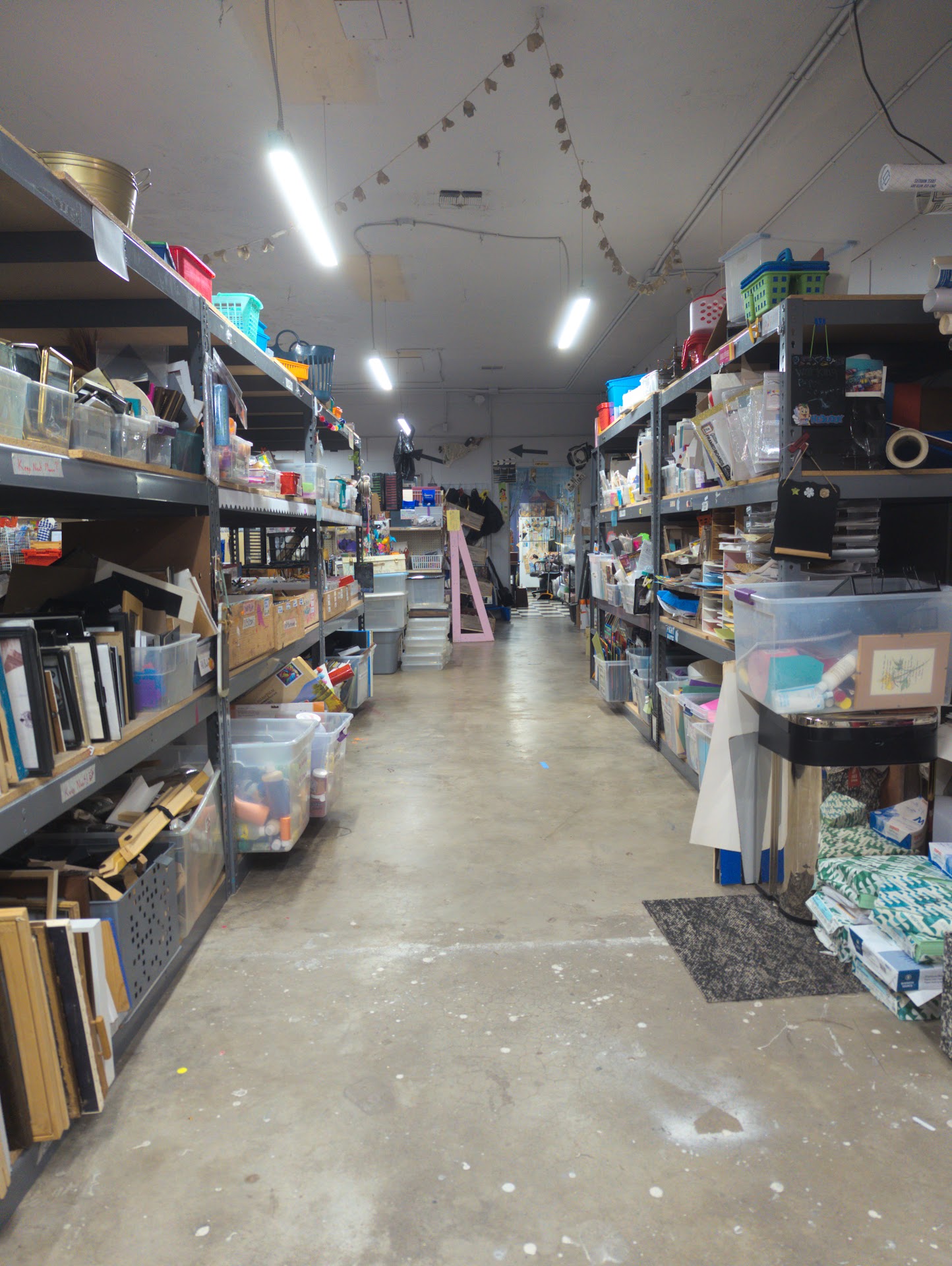
Chaos is what many first-timers expect. Instead, the store is fairly organized, with goods sorted by section and spread across several rooms.
That layout helps shoppers move with some purpose. Fabric lives in one area, paper in another, and beads and jewelry have their own corner.
The range is wide enough to cover nearly any project. Paint, canvases, jars, cans, pins, cards, decorations, school supplies and newspapers all share space here.
Odder items show up too. Random bicycle parts, wooden-handled tools, loose-leaf paper and composition books sit near crayons and yarn.
The goal is simple: carry anything that could be used to make art. A shopper who arrives for sewing supplies might walk out with a stack of magazines.
Plan on spending real time inside. A quick look rarely stays quick, because every room has another shelf worth checking.
A loose plan works best here, with room left for surprises.
Fabric Remnants and Yarn Hauls
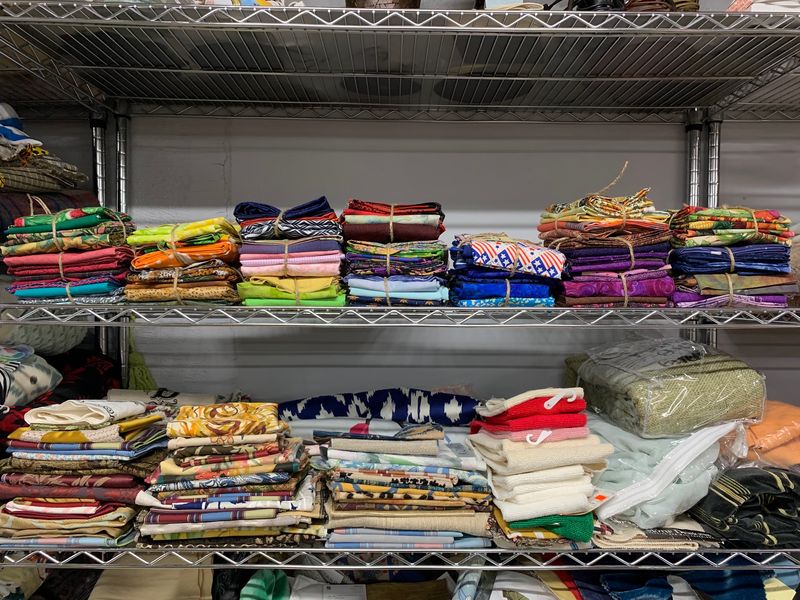
Sewists and fiber fans tend to linger longest in one particular part of the building. Fabric is among the most talked-about items in the store.
Remnants come in plenty of sizes and patterns. Some shoppers have walked away with yards and yards of material over time.
Yarn earns a loyal following as well. The selection can be solid, and the per-pound price makes it easy to stock up for a new project.
Because everything is donated, the mix is unpredictable. A single visit might turn up a bold print, a vintage piece or a pile of plain cotton.
That unpredictability is part of the fun for quilters and crocheters. It is also a budget-friendly way to try a new technique without big risk.
Families can make it a project too. Kids can pick a fabric for a pillow or a doll outfit, and the cost stays low.
Measure your project at home first, then let the shelves fill in the rest.
The Jewelry Room’s Endless Drawers
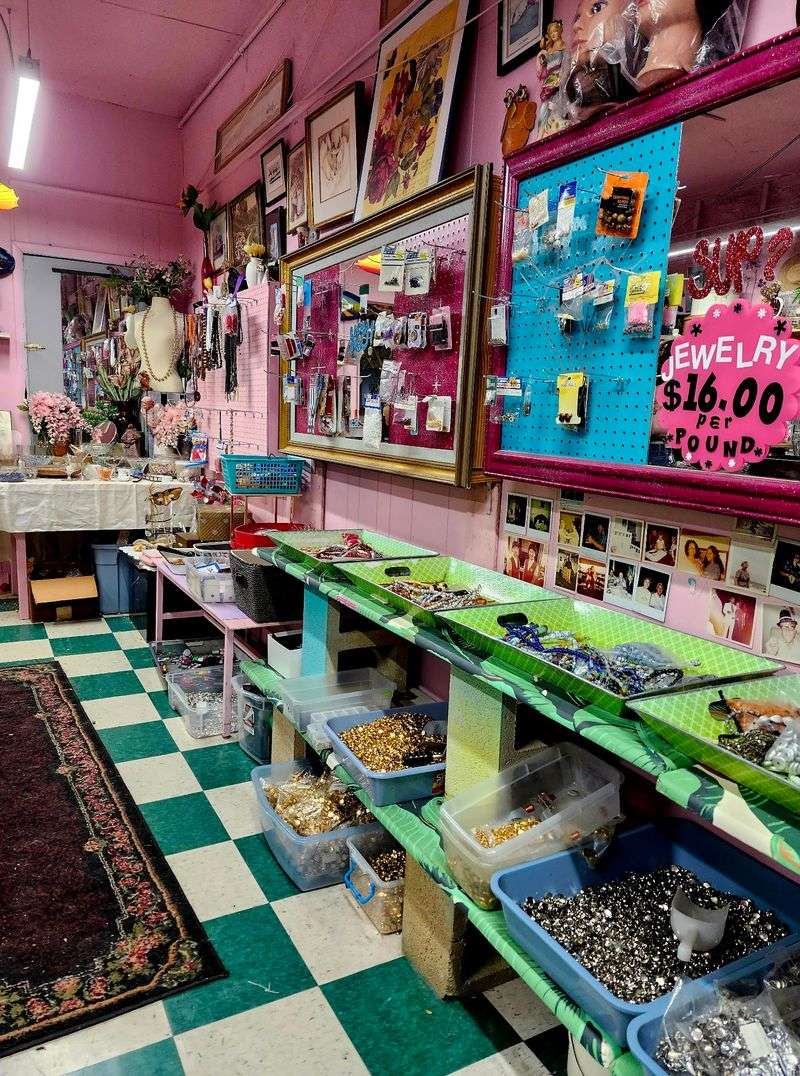
Beads get mentioned more often than almost anything else in the shop, and the jewelry room explains why. Drawer after drawer holds beads, pieces and findings.
Jewelry makers can stock up for a hobby in one stop. Some shoppers find enough beads to last for many projects.
The room is also a spot for ready-made finds. A favorite necklace can turn up in one of those drawers.
Buttons have their own fans here. One regular has bought two pounds of them, which says plenty about the supply.
Old Mardi Gras beads and mismatched bits appear too. Not everyone loves that kind of stock, but crafters who repurpose it often see potential.
Small items mean light weight, and light weight means low cost. That makes this room a smart stop for anyone watching the budget.
Bring a small bag or container, because tiny treasures add up fast.
Paper, Photos and Vintage Print
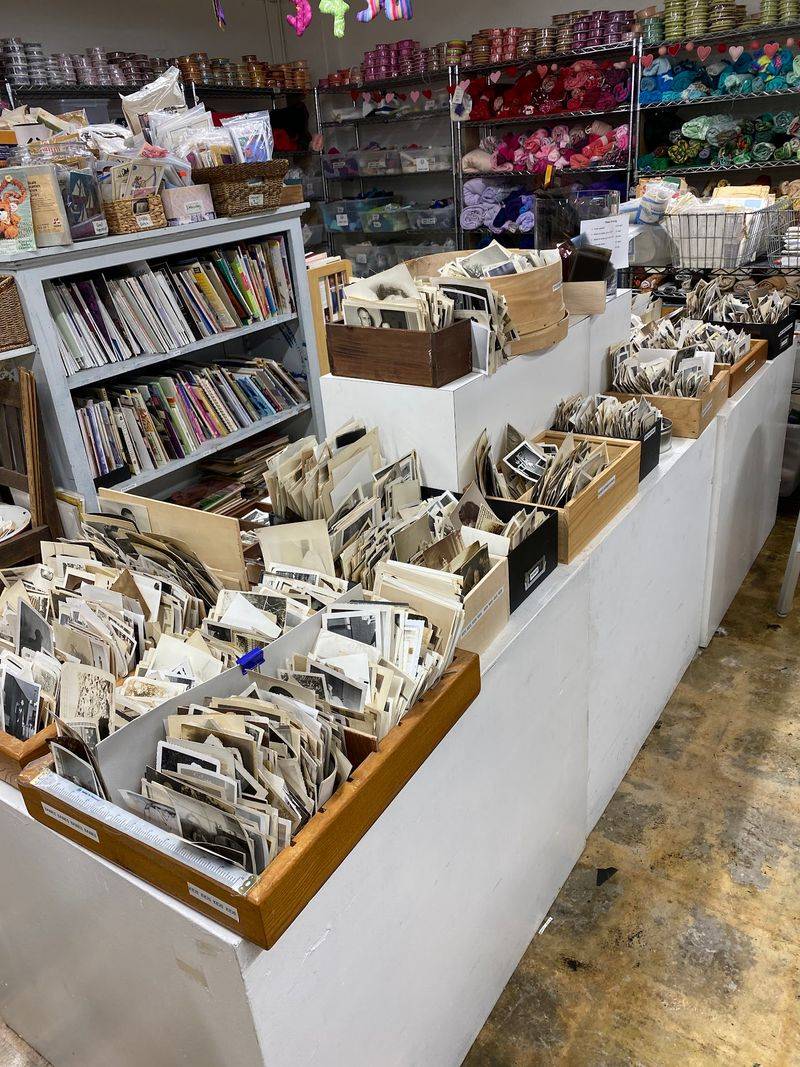
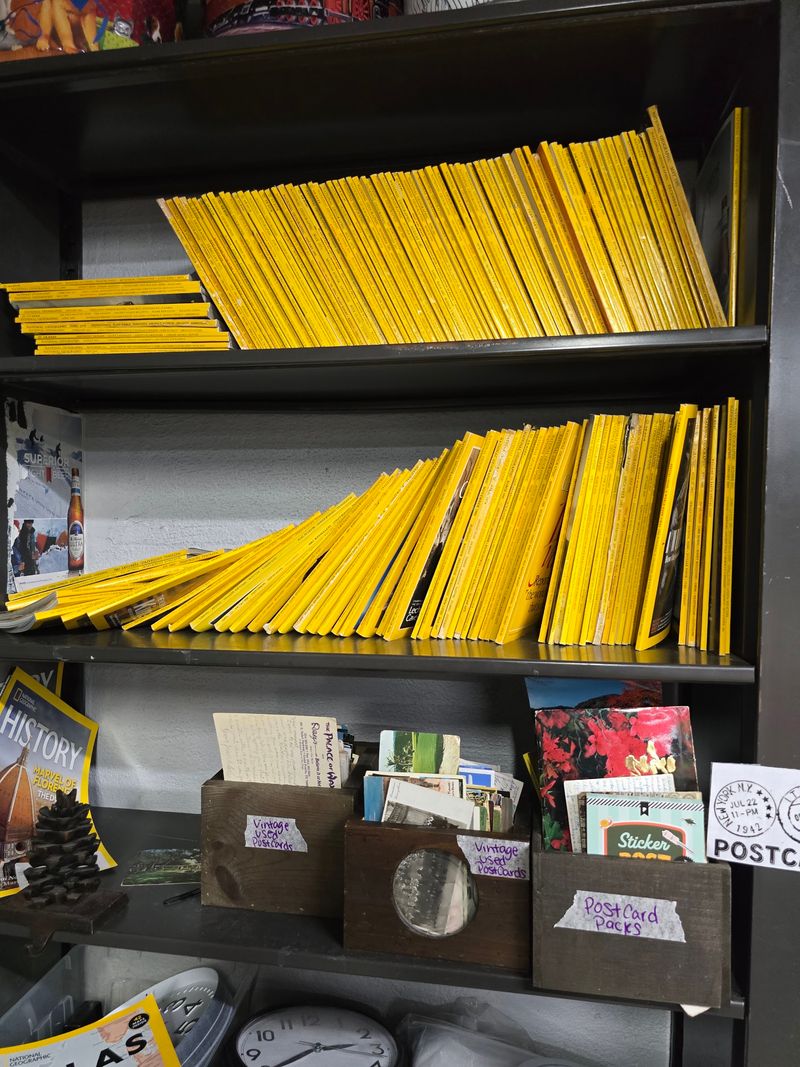
Collage artists, journalers and collectors tend to treat the paper section like a library. Old photos, postcards, newspapers and cards fill the shelves.
Vintage magazines are a steady highlight. Shoppers have found National Geographic issues, vintage fashion and photo magazines, and old art publications.
Collectors of cigar boxes, polaroids and postcards can lose hours here. Some say they could use five hours and still not see it all.
Rubber stamps show up often too. They are among the more popular items for card makers and mixed media artists.
Paper weighs little, so it typically costs very little under the pound system. A big stack of reading material may barely move the price.
Larger surprises can appear as well. An old-school pull-down map of the United States is one example of the unusual things that rotate through.
For anyone building a junk journal, this section is a strong place to begin.
Thingamajigs and Whatchamacallits
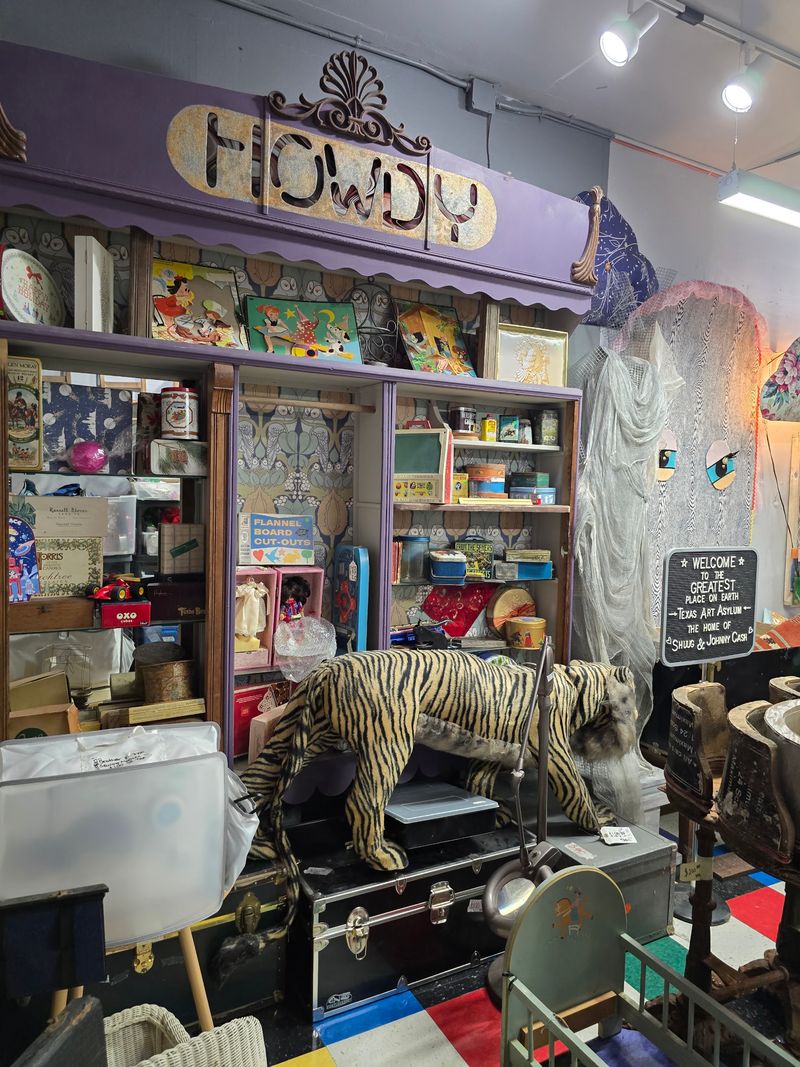
Some items in the store defy easy labels. Metal bits, doll parts, shells and mystery objects all wait for the right person.
The thrill of the hunt is a major reason people come back. Just when it seems everything has been seen, another curious item appears.
One popular piece of advice is not to arrive with a fixed list. Often the stuff finds the shopper, not the other way around.
Hundreds of CD jewel cases, a large decorative sun and broken decor pieces have all been part of the mix. Each one could become something new in a creative project.
Not every visit is a hit. Depending on the kind of maker, the stock may feel like treasure or like clutter.
That honest mix is part of the place’s character. It is a niche thrift store for makers, and it does not pretend otherwise.
Keep an open mind, and the oddest bin may hold the best surprise.
Shelves Set Aside for Teachers
Teachers often spend their own money on classroom supplies, so a place built on cheap materials has obvious appeal. Texas Art Asylum keeps shelves of supplies aimed at educators.
The shop also offers a teacher appointment setup. Educators can schedule time to gather materials for their students.
The idea fits well with sustainable classroom projects. Reused paper, crayons, pencils and fabric can stretch a tight school budget.
One longtime shopper has picked up lots and lots of pencils over the years. That kind of bulk find is exactly what a busy classroom needs.
The store is also a smart stop for anyone starting a new hobby. Building an inventory from scratch costs much less when items are secondhand.
Homeschooling families and scout leaders may find value here as well. Group projects need volume, and volume is easy to find.
Call ahead to ask how the teacher appointments work before making the trip.
Resident Cats on Patrol
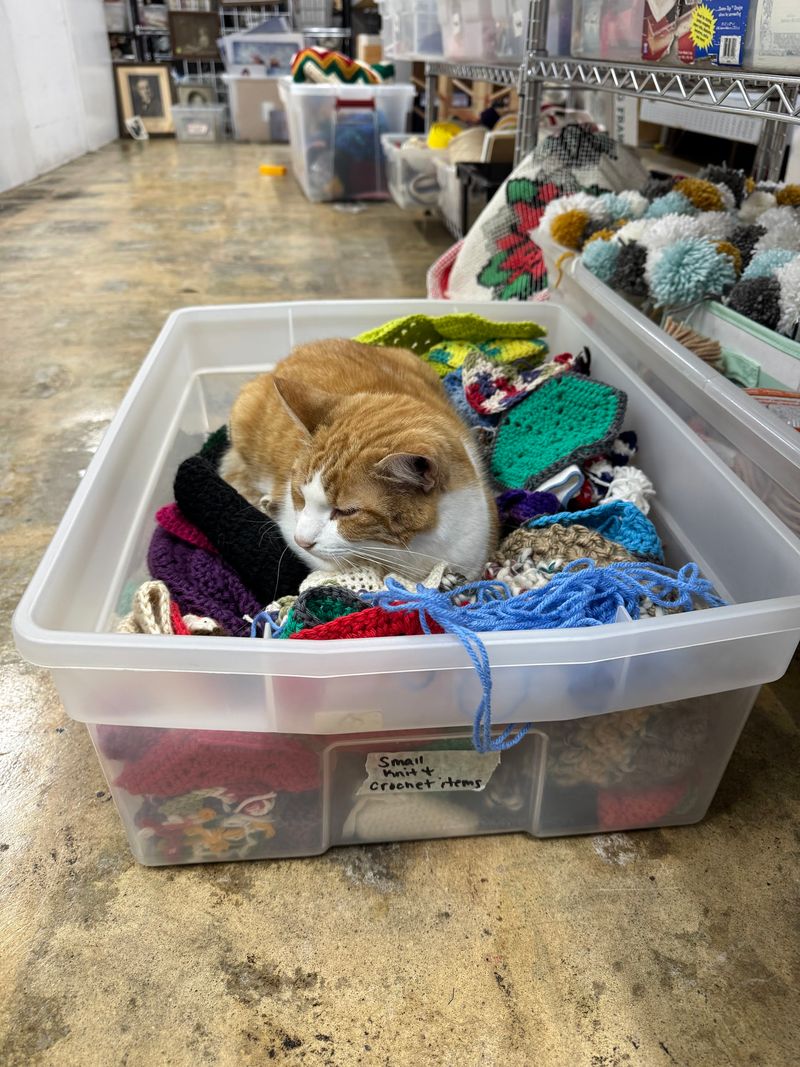
Cats come up more than any other topic connected to this shop, which is impressive for an art supply store. The resident felines have quite a fan base.
Shoppers often mention the shop cat as a bonus. For some, a cat sighting is a highlight of the trip.
Families with kids may find the cats a welcome break between rooms. A short visit with a friendly animal can keep young shoppers patient.
Anyone with allergies should keep this in mind before going. The cats are part of the household here.
The animals add to the relaxed, personal mood. The shop feels more like a creative clubhouse than a big retail chain.
Staff members also get frequent praise. They are known as friendly and helpful once you find them.
If the counter seems empty, ring the bell, and someone will come help.
A Quirky Vibe That Keeps Houston Weird
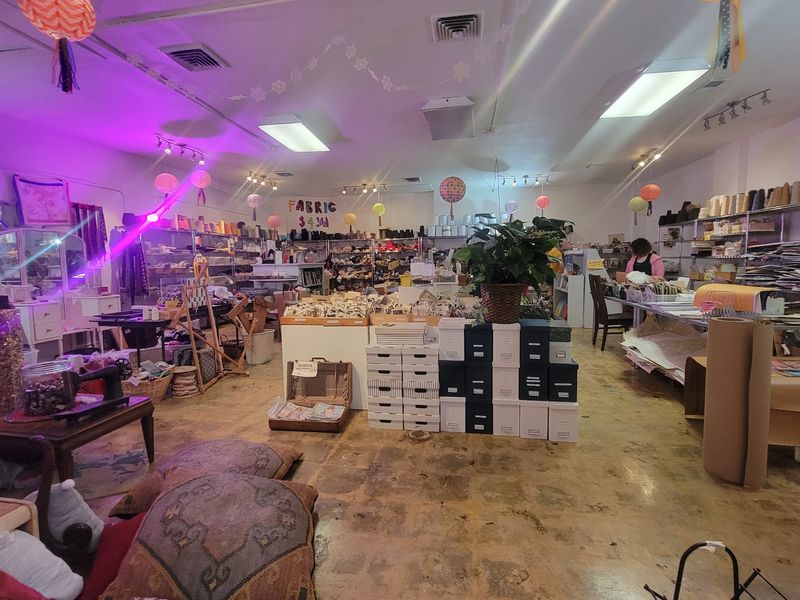
Houston has plenty of polished shopping, but this spot proudly goes another way. The store is often credited with helping keep the city quirky.
The vibe is creative and a little offbeat. Many shoppers say it is the only place where shopping truly feels fun.
It suits crafters, collectors and educators most of all. Anyone into arts and oddities will likely feel right at home.
It is fair to say the place is not for everyone. Some find the secondhand clutter too much, especially those who prefer new, tidy goods.
Groups can split up and meet back later, since each person will gravitate to a different room. That works well for multi-generation outings.
Classes and events add another layer. The space doubles as a classroom, so the creativity is not limited to shopping.
Check the website for upcoming events before you head out.
Hours, Parking and Planning Tips
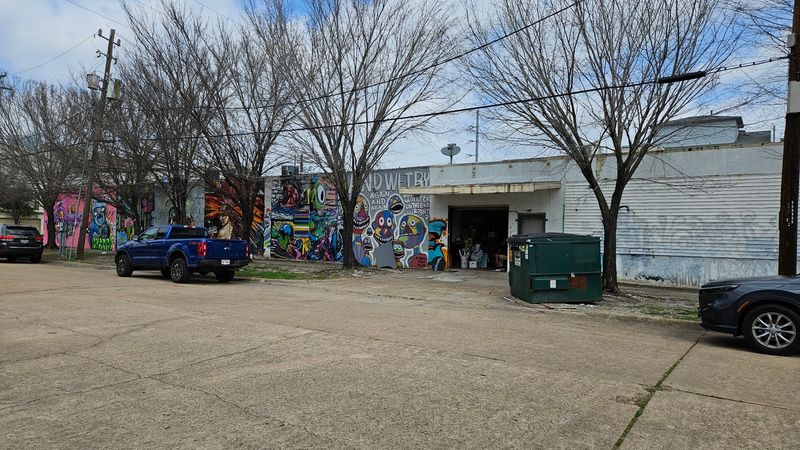
Timing matters, especially for anyone driving in from another city. Texas Art Asylum is open Tuesday through Saturday from 10 AM to 6 PM.
Sunday hours are shorter, from 1 PM to 6 PM. The shop is closed on Mondays, so plan road trips around that.
Arriving early in the day gives the most browsing time. Many people stay much longer than planned.
Curbside parking is plentiful, which helps on busy days. Bring reusable bags or a sturdy box for the haul.
Donations require an appointment. Check the accepted items list on the website, and call if something is not listed.
The phone may not always be answered with a formal greeting. A quick confirmation that you reached the right place can save confusion.
A coffee in hand and a free afternoon may be the best gear for this trip.
Worth the Drive for Makers
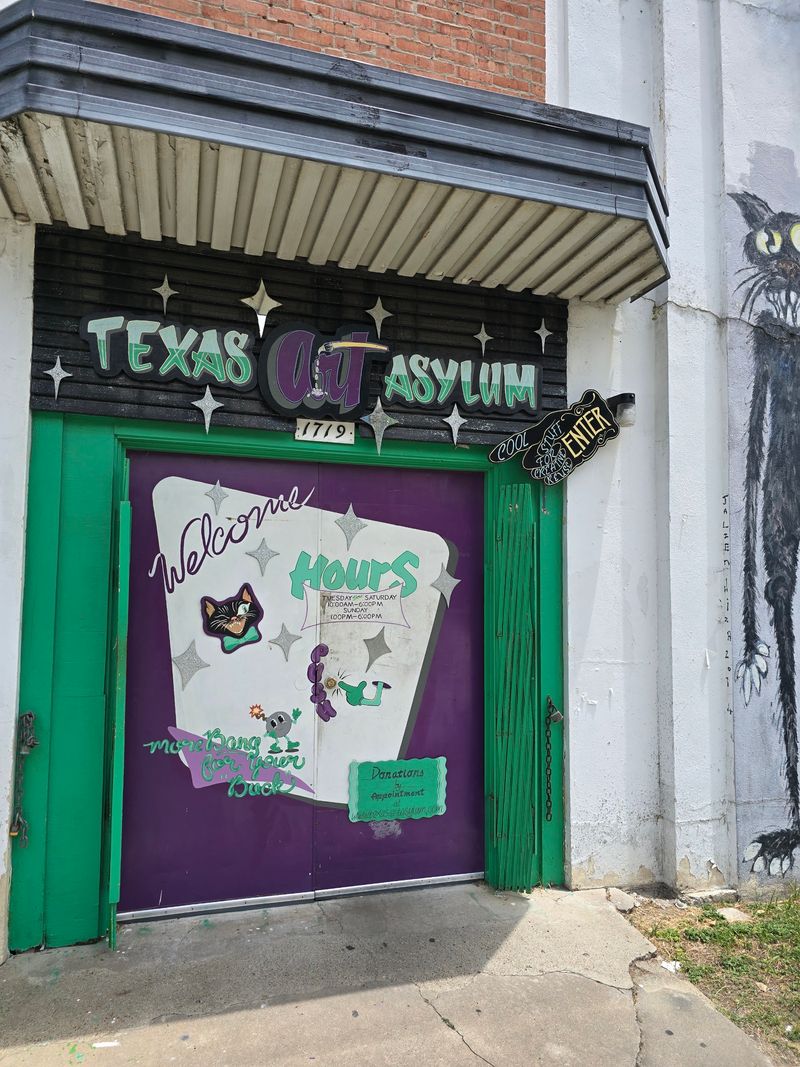
Plenty of shoppers leave saying they must return, and that says a lot. The store holds a 4.7-star average across more than 300 opinions online.
The appeal is easy to sum up. Cheap prices, endless variety and a recycling mission make it a standout Texas stop.
Big crafters may fall hard for it. Casual browsers will likely enjoy it at least once, even if they leave with only a few things.
It works for families, teachers, collectors and anyone starting a hobby. The pound-based pricing keeps the cost low for all of them.
It is also a chance to give back. Dropping off unused supplies helps keep the bins full for the next person.
Not every bin will hold a treasure, and that is fine. The fun comes from the search as much as the find.
Head to Houston with an empty trunk, and let the castoffs decide what comes home.


