
Affiliate disclosure: As an Amazon Associate I earn from qualifying purchases. Learn more
There is a spot in Tampa where a giant dome pulls you across the galaxy without leaving your seat, and curious kids can pretend to fly to the Moon. It sits right across from a major university, which gives the whole place a smart, hands-on energy.
Families spend hours here poking at exhibits, watching shows overhead, and testing gadgets they never touch at home. The star of the show is a planetarium screen ranked among the biggest in North America, paired with aerospace exhibits that let you role-play a space journey.
Adults enjoy it too, thanks to evening dome shows and STEM displays that reward curiosity. Keep reading to learn what this science center offers, what to expect when you arrive, and the practical details that help you plan a smooth, affordable Tampa outing.
Where Science Lives on Fowler Avenue
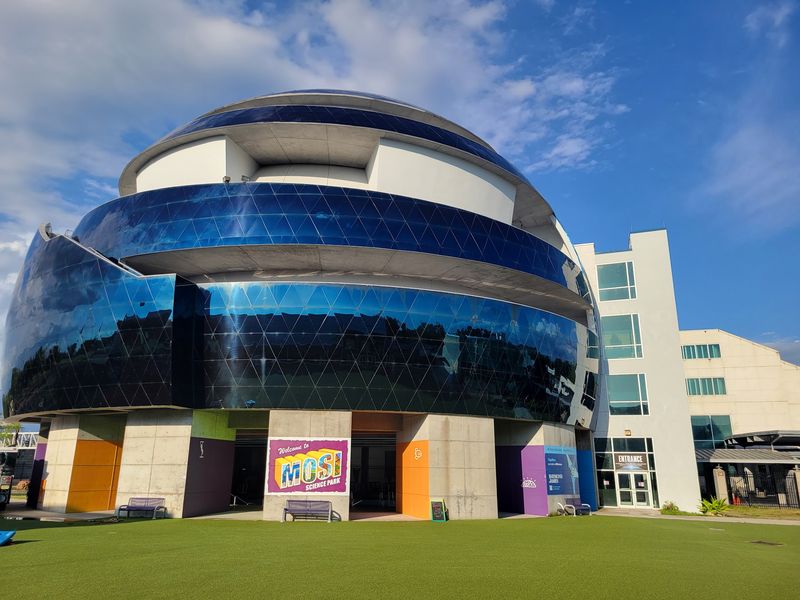
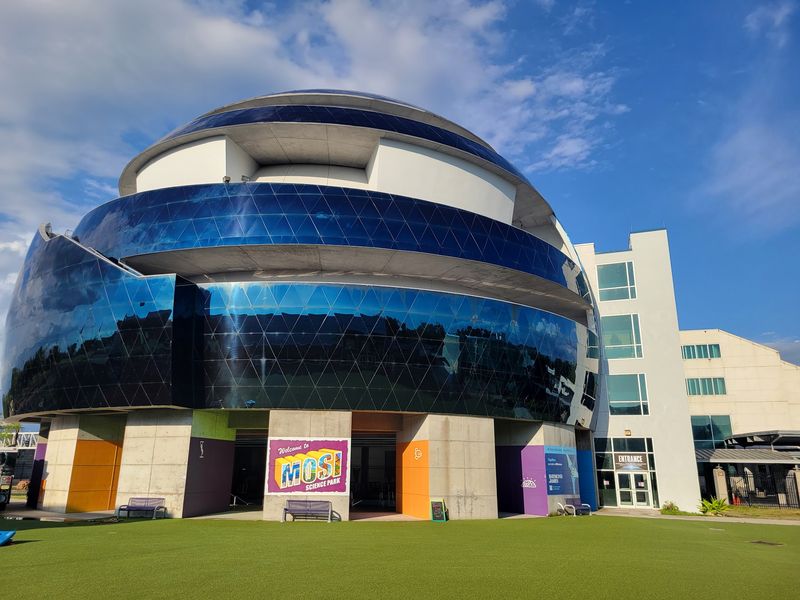
Right at 4801 E Fowler Ave in Tampa, Florida, the Museum of Science and Innovation, better known as MOSI, anchors a busy stretch of road across from the University of South Florida. The location makes it easy to reach whether you are a local day-tripper or driving in from another part of the state.
Billed as a hands-on science center, MOSI leans into interaction rather than glass cases you only look at. The idea is simple: touch, build, experiment, and explore.
Exhibits cover life sciences, biology, and earth science, with a big emphasis on curiosity for all ages. Kids get plenty to play with, while adults find enough depth to stay interested.
The setting also includes outdoor space, with a set of nature trails just past the parking lot for a quick stretch of legs. It is the kind of place where a family can lose track of time and call it a good problem to have.
A Dome Among the Largest in the Country
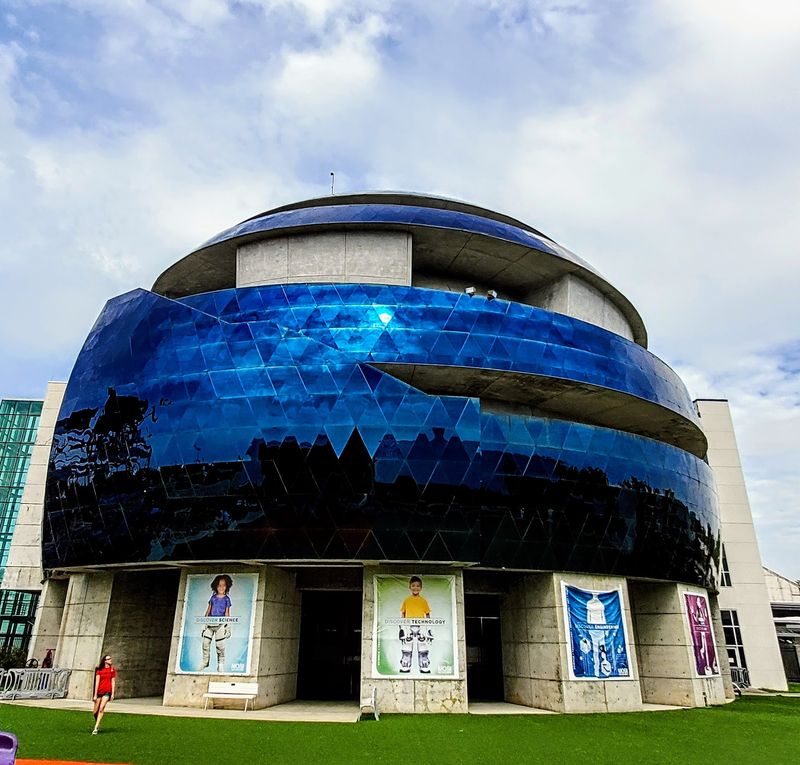
The headliner here is the Saunders Planetarium and Digital Dome Theatre, also known as the Holloway Digital Dome Theatre, which features one of the largest planetarium screens in North America. That size turns a simple show into a full sky overhead.
Programs run daily and range from astronomy lessons to immersive dome journeys through distant galaxies and spinning planets. Every seat points upward, so the visuals wrap around you.
Guests often call the dome the standout part of the whole trip, praising how enlightening and immersive the shows feel. Kids soak up astronomy while adults settle in for the ride.
Beyond standard star shows, the dome hosts laser shows, concerts, and special events throughout the year. It is a versatile space that keeps the calendar fresh long after your first visit.
Playing Astronaut With the Moon Mission Experience
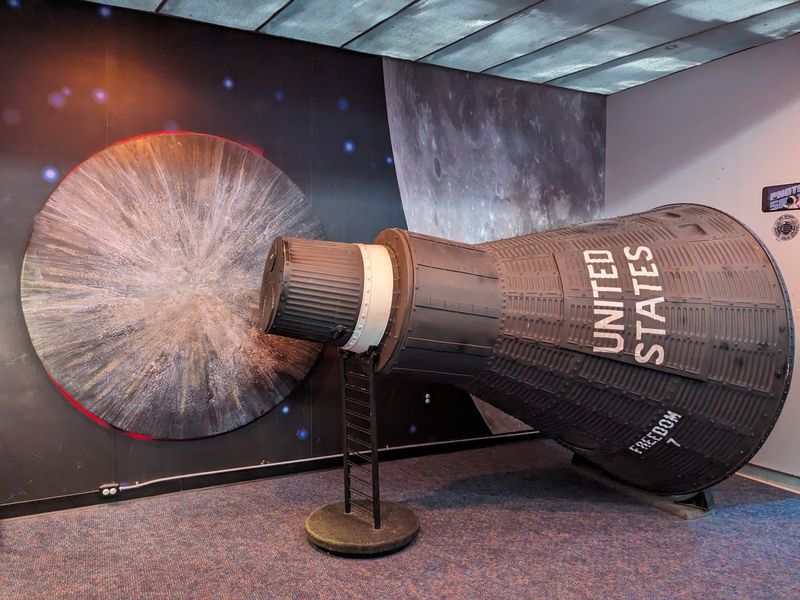
Space fans have another reason to show up: a Moon-themed exhibit that lets younger explorers step into the role of a mission crew. It pairs naturally with the museum’s astronomy focus and gives the planetarium a hands-on companion.
The aerospace angle runs deeper than the dome. A traveling exhibition called Above and Beyond has explored the history and future of flight and space through interactive stations that reward tinkering.
Kids can move from screen to gadget, testing ideas about how missions work and what it takes to leave Earth. The setup nudges imaginations toward science careers without feeling like a lecture.
Together, the Moon exhibit and aerospace displays make MOSI a smart stop for anyone whose kid dreams of rockets. Curiosity does the heavy lifting, and the exhibits happily supply the fuel.
Hands-On STEM in the Idea Zone
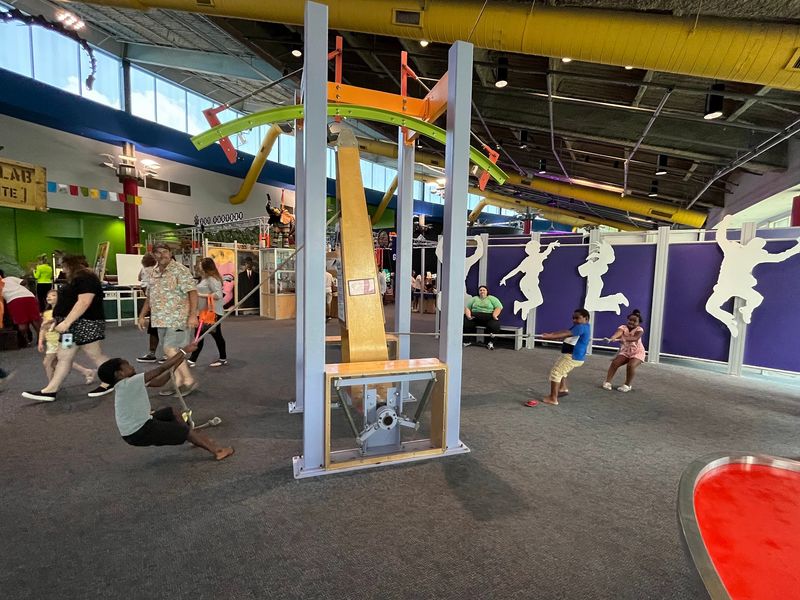
Tucked among the galleries is the Idea Zone, a physics-friendly play space where experimenting is the whole point. Families with young scientists tend to gravitate here first.
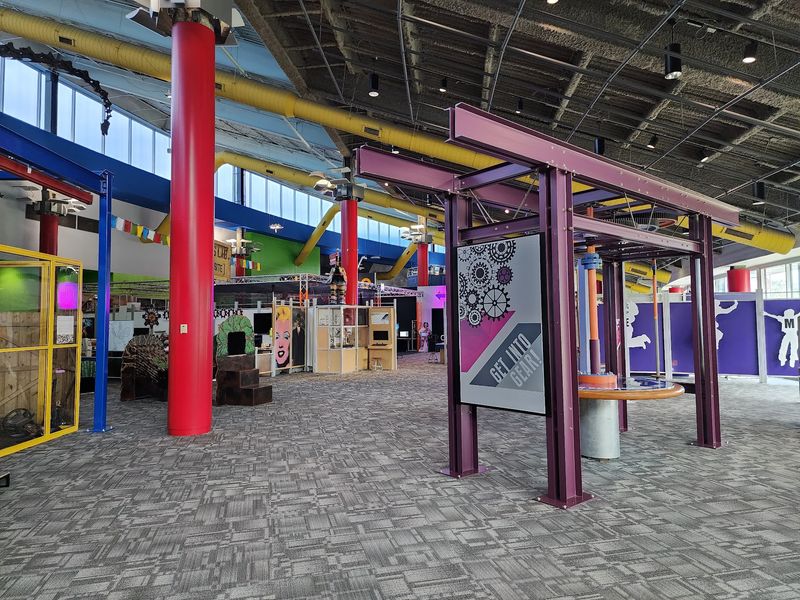
The broader museum is packed with interactive displays built for repeated use by curious hands week after week. That heavy traffic is a sign of how actively kids engage with them.
Two girls aged five and ten can dig into hands-on STEM projects and stay busy, while an eight-year-old nephew finds plenty to keep him moving. The exhibits skew family-friendly without shutting out grown-ups.
Some stations may occasionally be under repair, which comes with the territory when thousands of little hands push every button. The goal stays consistent: make science something you do, not just something you watch.
The Crackle of the Tesla Coil
Electricity gets its moment in the spotlight with a Tesla coil that draws a steady stream of curious onlookers. It is one of those classic science center features that turns physics into a live event.
Demonstrations like this add drama to the visit and pair well with the museum’s mix of live programs. There is something about crackling energy that makes a lesson stick.
The coil sits alongside other showpiece moments that break up a day of exhibit-hopping. Timing your visit around scheduled demos can add extra punch to the trip.
For families juggling different ages, these events give everyone a shared thing to gather around. Science, it turns out, is a great excuse to stand still and stare for a while.
Big-Screen Science and VR Adventures
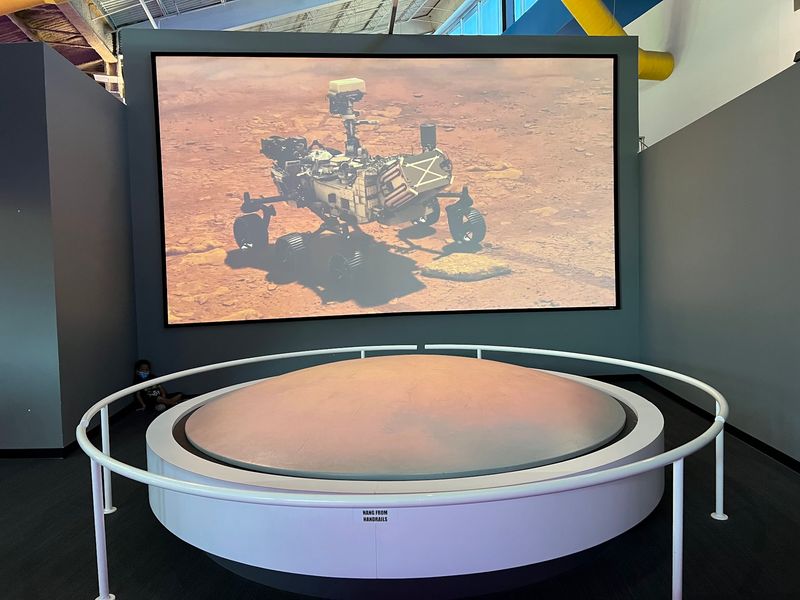
Movie fans get their fix through the IMAX-style dome shows, often featuring educational films about the planets and beyond. The big-screen format makes even a science lesson feel like an outing.
Technology reaches beyond film, too. A VR experience puts guests face to face with dinosaurs, giving the museum a modern, screen-forward twist.
Younger visitors also get to try flying a drone, adding a real-world tech skill to the mix of digital adventures. It is the kind of feature that keeps repeat trips from feeling stale.
The combination of immersive film, virtual reality, and gadgets gives MOSI a tech backbone that appeals across generations. Grandparents, parents, and kids can each find a screen worth their attention.
Butterfly Gardens and Backwoods Trails
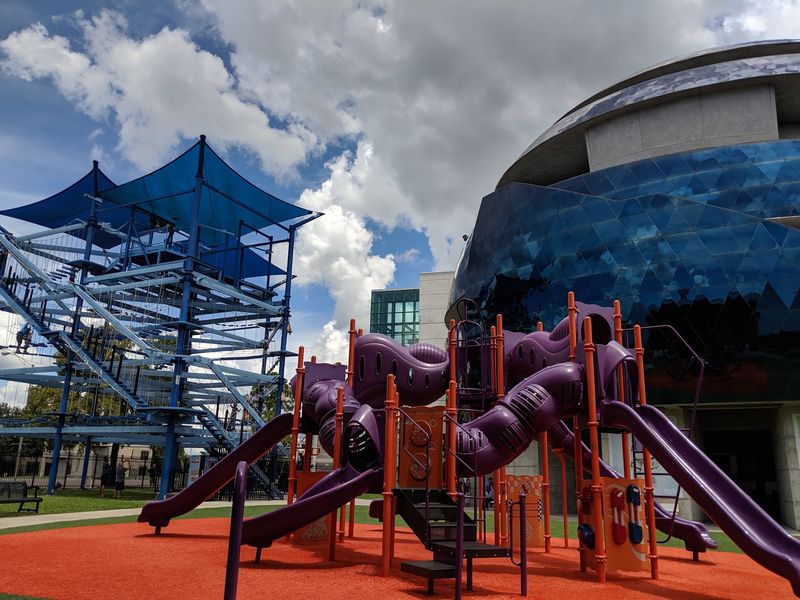
Not everything at MOSI happens indoors. Step outside and you will find a butterfly garden, outdoor science activities, and a set of Backwoods Trails just beyond the parking lot.
The trails offer a short, low-key nature walk where flowers and greenery break up the day. It is a simple bonus for anyone who likes a bit of fresh air with their science.
There is also an outdoor play area, though shade can be limited during the hottest part of a Florida afternoon. Planning for cooler morning hours helps keep the playground comfortable.
The outdoor spaces round out the visit with something calmer than the buzzing exhibit halls inside. Between dome shows and drone flights, a quiet stroll can be a welcome change of pace.
A Day Out for Every Generation
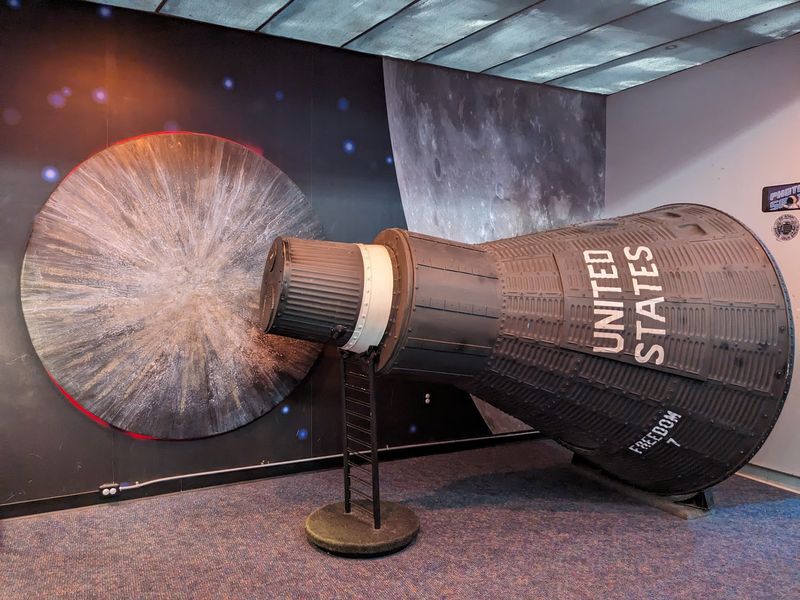
One of MOSI’s quiet strengths is how well it works for a whole family at once. Seniors visiting with their granddaughters find the interactive areas fun, and the planetarium keeps every age group engaged.
Families with kids as young as four and as old as twelve can share the same exhibits and still find their own favorites. The multigenerational appeal is a recurring theme among happy guests.
Staff earn friendly marks for being welcoming and great with kids, which smooths out the busier moments. A knowledgeable astronomer narrating a dome show adds a personal touch.
The museum also leans into learning beyond a casual visit, hosting summer camps and even overnight programs like an astronomy merit badge experience. It is built for curiosity that wants to stick around.
Evenings Under the Dome for Grown-Ups
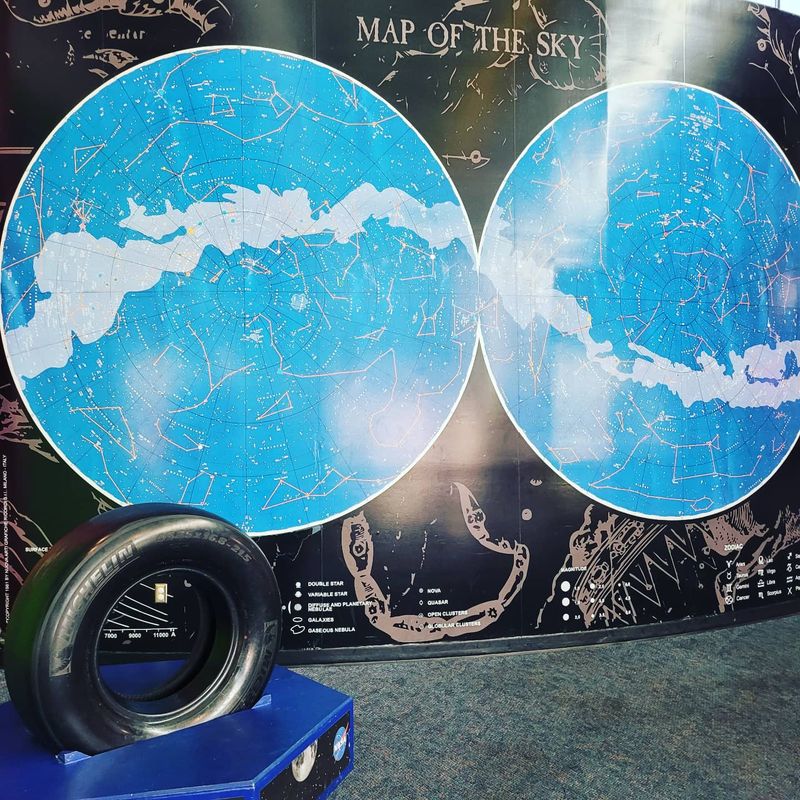
Adults looking for a different kind of night out have options here as well. The museum has expanded programming with Science After Dark events and other evening experiences under the dome.
Immersive shows like Mesmerica pair swirling visuals with music and calming, motivating narration for a mellow evening experience. The short run time makes it easy to fit into a plan.
Ticket tiers such as VIP-plus can include early entry, choice seating, and keepsakes like a program or coloring book. It is a small upgrade that fans of the shows appreciate.
These grown-up-friendly events prove MOSI is not just a field-trip stop. When the sun goes down, the dome finds a whole new audience.
Hours, Tickets, and Getting There
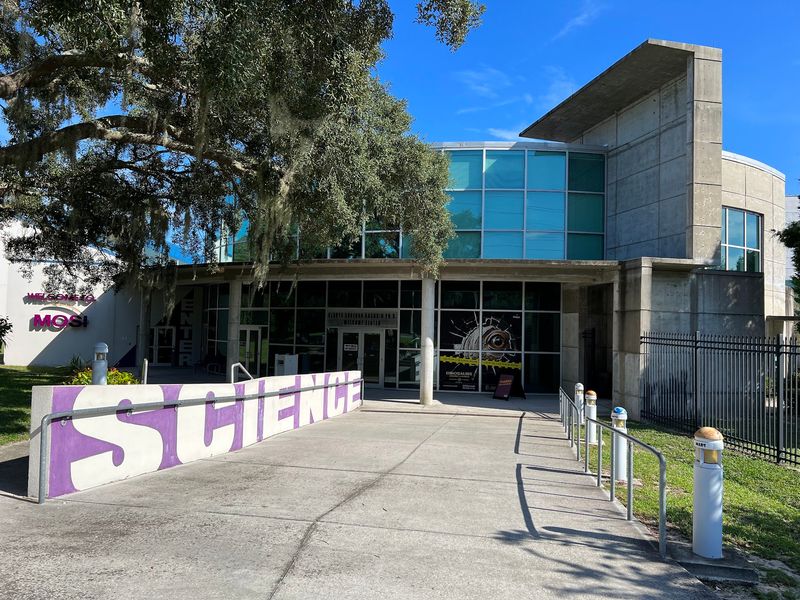
Planning is easy once you know the basics. MOSI is open daily from 10 AM to 5 PM, seven days a week, which gives you a solid window for a half-day or full-day visit.
Adult admission runs around 20 dollars, and some visits have included a complimentary planetarium show. Certain premium dome shows are ticketed separately, so it helps to check ahead.
Parking is free and conveniently located off the main road, with the lot a short walk from the entrance. That is a welcome perk for a value-minded day-tripper.
Snacks and drinks are available in the gift shop, and an outside food truck vendor sets up on-site daily for extra meal options. The building is ADA-compliant with elevator access to public exhibit areas, including the planetarium.
For current show times and event details, the museum’s official website is the most reliable source. A quick check before you go keeps surprises to a minimum.