Affiliate disclosure: As an Amazon Associate I earn from qualifying purchases. Learn more
Tucked into a former bakery in Tampa, there is a small state park that keeps the memory of Cuban cigar workers alive without much fanfare. It costs almost nothing to enter, sits steps from a free trolley stop, and rewards anyone curious about how a handful of immigrants turned a town of 700 people into a thriving cigar capital.
You get restored worker cottages, preserved bread ovens the size of a small room, a garden courtyard, and roosters strutting the sidewalks like they own the place. What follows is a room-by-room look at the exhibits, the guided cottage tours, the free-roaming chickens, and the practical details that make this one of the most affordable history stops in Tampa Bay.
A State Park Hiding Inside an Old Bakery
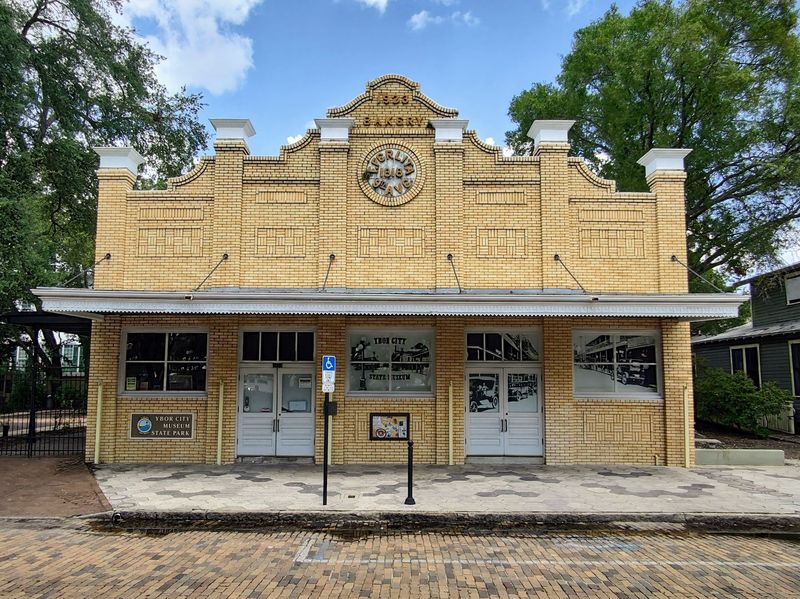
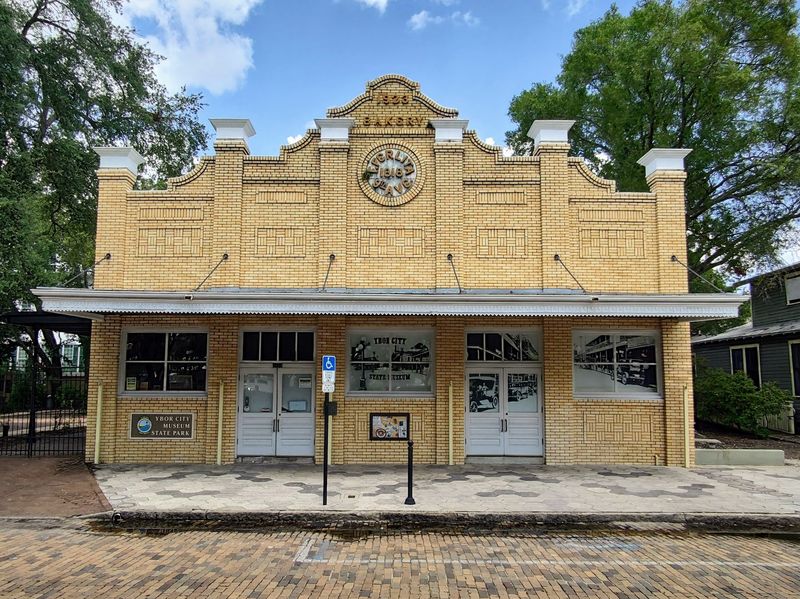
Few people expect a state park to fit inside a single brick building, yet that is exactly what waits at 1818 E 9th Ave in Tampa, Florida. The address sits in the heart of the Ybor City Historic District, northeast of downtown, and the museum makes its home in a structure that once served as a local bakery.
Run by the Florida State Parks system, the site pairs an indoor exhibit hall with an outdoor courtyard and a row of restored worker cottages. The official name is Ybor City Museum State Park, and it functions as both a museum and a green space.
The focus is clear from the moment you arrive: this is a place built to preserve the story of a neighborhood shaped by immigrants and the cigar trade. Regulars often describe it as small but full of history, an easy stop that fits neatly into a wider Ybor City walk.
Because it is compact, the park works well for travelers who want depth without a long commitment. You get the essentials of Ybor’s origin story in one tidy location, then step right back into the historic streets outside.
The Cigar Man Who Built a City
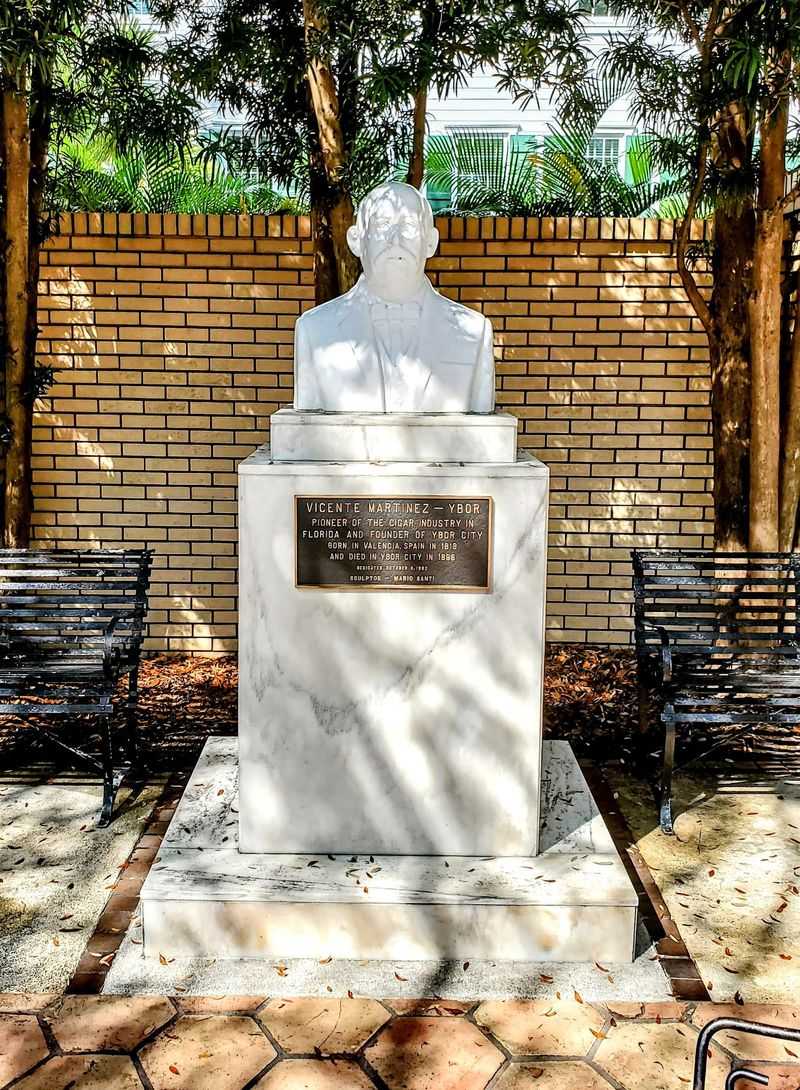
Behind the whole neighborhood stands one name: Vicente Martinez Ybor, the cigar maker who relocated his factory operation from Cuba to Tampa in the late 1800s. The museum works as a tribute to that decision and the wave of change it set off.
When Ybor moved his cigar business here, Tampa was a small settlement of roughly 700 people. Within a short span, that number climbed into the thousands as workers and families arrived to feed the growing industry.
The exhibits lay out this transformation with easy-to-read panels, so you do not need a history degree to follow along. You learn how a single industry pulled an entire town out of obscurity and onto the map.
What makes the telling special is that it centers the people who did the actual work. Rather than treating the founder as the only hero, the displays hand the spotlight to the immigrant families who rolled the cigars and raised their children in the cottages nearby.
Where Immigrant Stories Take Center Stage
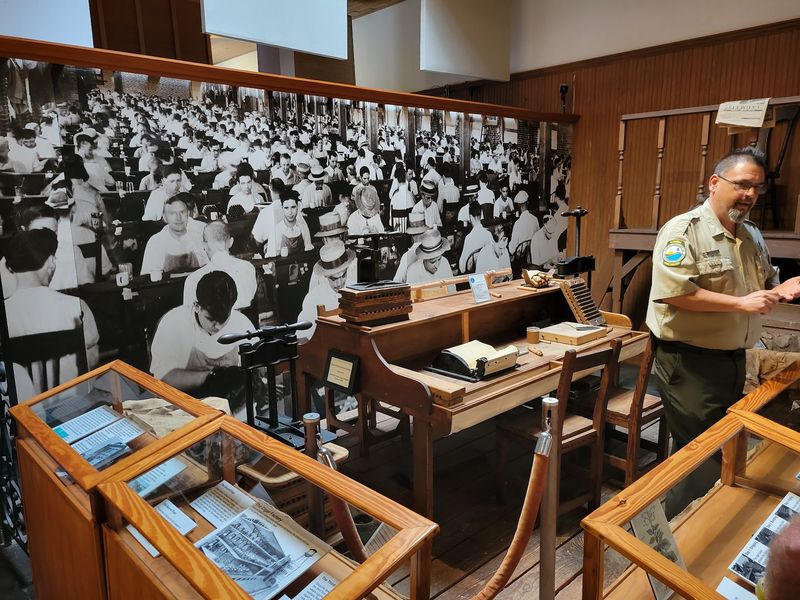
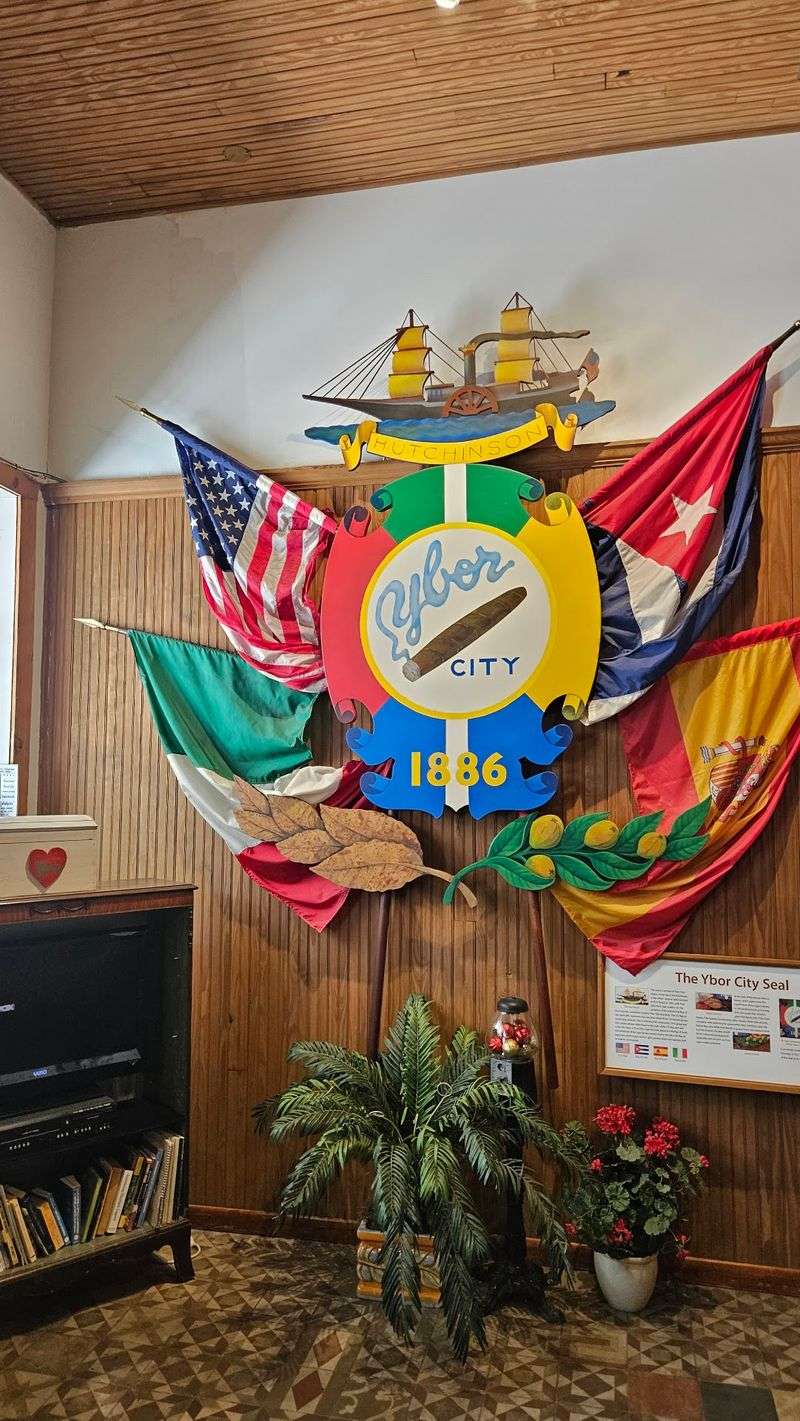
Cuban families were not the only ones who shaped Ybor City, and the museum makes a point of showing the full mix. Italian, Sicilian, Spanish, and German immigrants all brought their families and skills to the young cigar town.
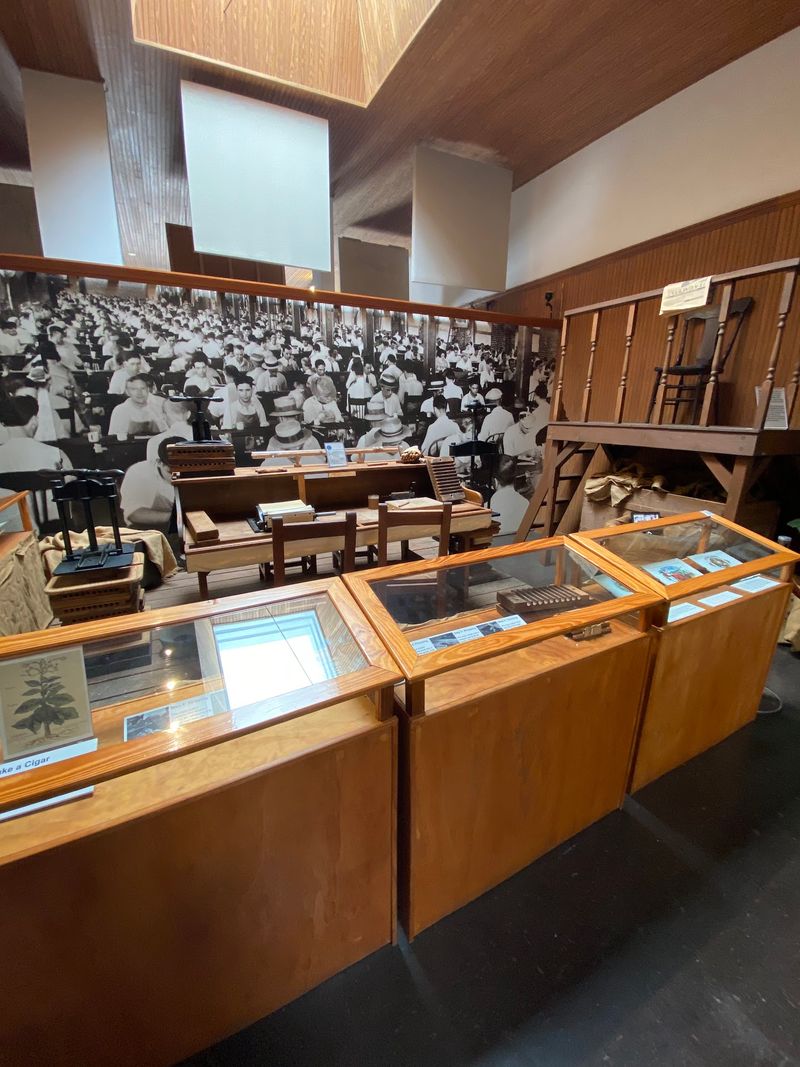
The indoor displays trace how these different communities lived and worked side by side, each adding something to the neighborhood’s character. It is a layered story of many cultures blending into one working district.
A historical display devoted to the Cuban sandwich draws plenty of attention, since that famous creation grew straight out of this melting pot of backgrounds. The exhibit ties everyday food to the larger tale of migration and labor.
Guests consistently mention how much they learn here, even those who arrive knowing little about the area. The material rewards curiosity, so asking questions and reading closely pays off.
For anyone drawn to real history over polished theme-park versions of the past, the honesty of these displays lands well. The workers essentially get to speak through the objects and photos they left behind.
Stepping Into the Restored Casitas
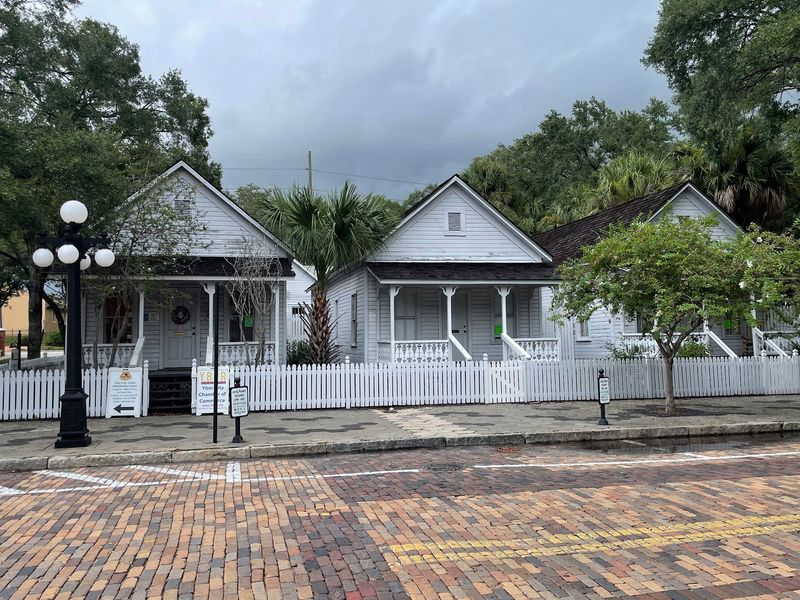
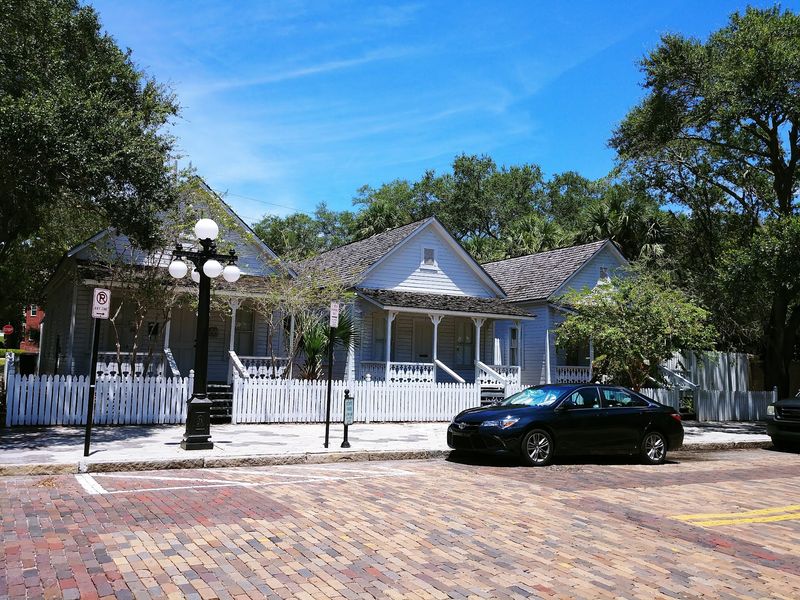
The heart of the visit for many people is not the indoor hall at all, but the row of restored worker cottages known as casitas. These long, narrow homes once housed the cigar workers and their families right on the museum property.
Guided tours lead small groups through the casitas, giving a close look at how daily life actually worked for the people who built Ybor. A park ranger walks you through the layout and explains the routines, the social order, and the technology of the era.
The homes carry a nickname tied to their shape. They are called shotgun houses because the rooms line up so directly that, in the old saying, a shot fired through the front door would pass straight out the back.
Guests describe the ranger guides as genuinely knowledgeable and generous with detail, so bringing a few questions makes the experience richer. Walking through a real casita instead of just reading about one tends to be the moment the history clicks.
The tour runs about 30 minutes and is widely called well worth the time. It turns abstract facts into something you can stand inside.
Ovens Big Enough to Stop You in Your Tracks
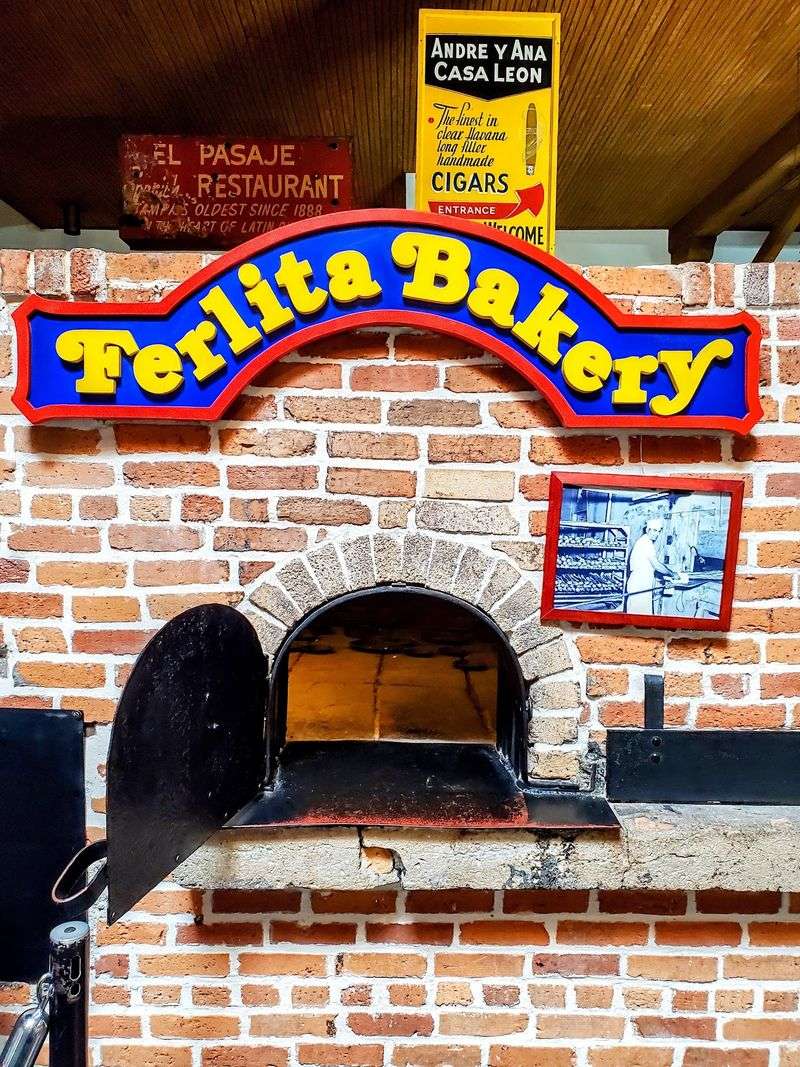
Because the building started life as a bakery, it holds a surprise that has nothing to do with cigars. The original bread ovens were preserved during the conversion, and they are enormous.
Guests routinely point out just how large these ovens are, urging others not to walk past without a proper look. They serve as a physical reminder that this space fed the neighborhood long before it displayed its history.
The ovens also tie the museum’s own walls into the story it tells. Rather than a generic gallery, the setting is a genuine piece of working Ybor City, repurposed instead of torn down.
Details like this reward slow, attentive visitors. It would be easy to breeze through the exhibits and miss the bakery bones of the building entirely.
Finding the ovens becomes a small treasure hunt within the visit, a quiet highlight that many guests remember afterward. They are proof that preservation here goes deeper than a few photos on the wall.
A 20-Minute Film That Sets the Scene
Before you wander the displays, a short film gives the whole neighborhood context in one sitting. The museum runs a 20-minute video that walks through the history of Ybor City and the rise of its cigar industry.
The movie brings the story of the 19th-century immigrants to life, showing how families from several countries built the district from the ground up. It works as a friendly on-ramp for anyone unsure where to start.
Many guests treat the video as the ideal opening act, watching it first and then exploring the exhibits with fresh understanding. The pacing suits families, since 20 minutes is long enough to inform without losing younger attention.
Parents note that children tend to enjoy the visit, and the film plays a part in that. It packages a lot of background into a tidy, watchable format.
By the time the video ends, the panels and cottages outside feel far more meaningful. A little context turns simple objects into pieces of a real community’s story.
The Garden Courtyard With a Fountain
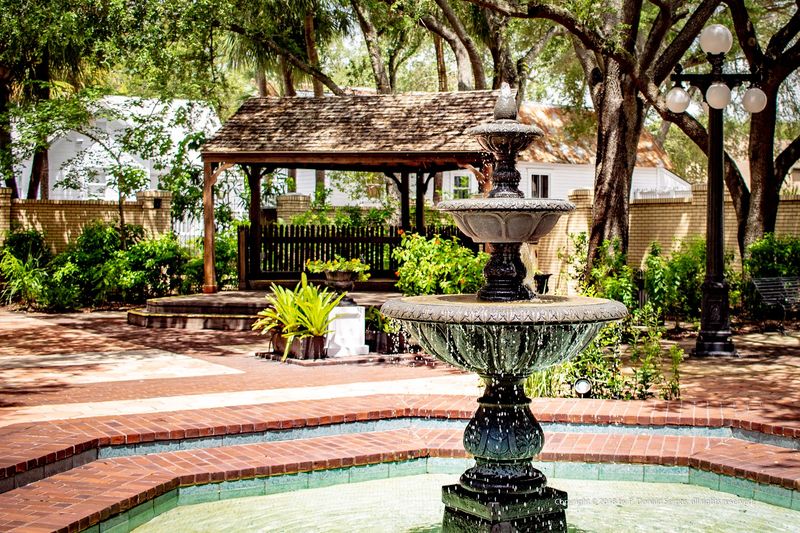
Outdoor space is part of the appeal, and the courtyard delivers a calm counterpoint to the exhibits. A central fountain anchors the garden, surrounded by Mediterranean-style plantings that suit Tampa’s climate.
The courtyard connects the museum building to the casitas, so it doubles as a natural pathway between the indoor and outdoor portions of the visit. It is a pleasant place to pause between exhibits and cottage tours.
Guests have described the garden as a hidden oasis in the middle of historic Ybor, a quiet pocket set apart from the busier streets nearby. The greenery softens the edges of the surrounding city.
The space is well maintained and photographs beautifully, which is part of why it draws so much affection. Even on days when the indoor museum is closed, the grounds themselves are worth a stroll.
For travelers who like a little breathing room built into a history stop, the courtyard hits the mark. It gives the visit a relaxed rhythm rather than a rushed march past display cases.
Roosters Ruling the Sidewalks
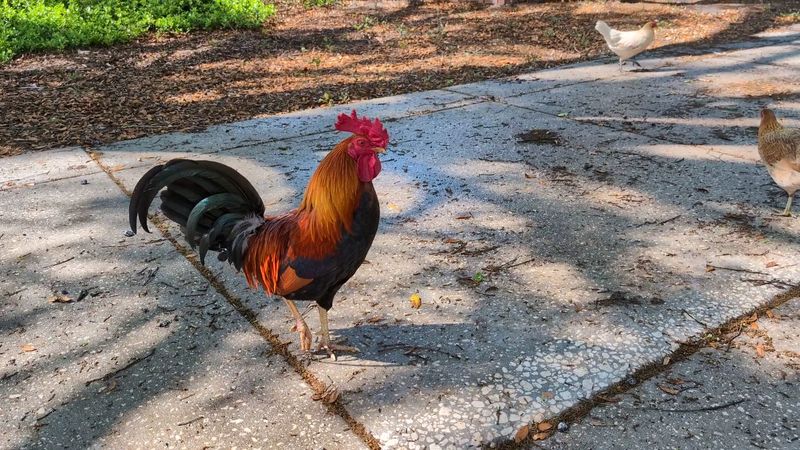
No conversation about this park lasts long before the chickens strut in. Free-roaming roosters and hens wander the grounds and the surrounding streets, and they are easily the neighborhood’s most talked-about residents.
The birds are protected here, so they carry themselves with the confidence of creatures who know they own the block. Guests describe them as colorful, quirky, and genuinely fun to watch.
There is a backstory too. The chickens are said to trace back to Key West, brought over as the neighborhood grew, and part of the museum’s charm is learning why they roam so freely.
Children especially get a kick out of the loose flock, which turns a history visit into an unexpected wildlife encounter. Many guests admit the roosters are half the reason they remember the trip so fondly.
Ask a guide about the chickens and you will usually get a good story. They have become a living mascot for the whole district.
Volunteers and Rangers Who Know Their Stuff
The people running the place get real credit for the experience. Guests repeatedly describe the volunteers as friendly and the ranger tour guides as knowledgeable, warm, and happy to share what they know.
On the casita tours, the ranger explains not just the buildings but the way people lived, the social hierarchies of the time, and the technology families relied on. That depth turns a quick walk-through into a genuine lesson.
Staff kindness comes up again and again in guest accounts, including small gestures like recommending other family-friendly stops nearby. It gives the museum a welcoming, personal feel.
Because the site is small, you often get more one-on-one attention than a larger institution could offer. Curious travelers who ask thoughtful questions tend to walk away with the richest experience.
The human element is a big part of why the ratings stay high. Good storytellers make even modest exhibits memorable.
A Charming Spot for Weddings and Events
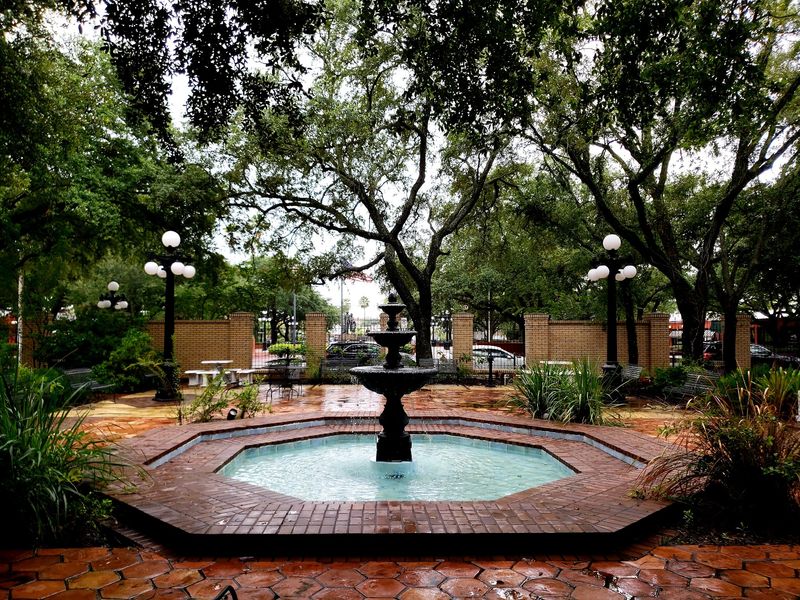
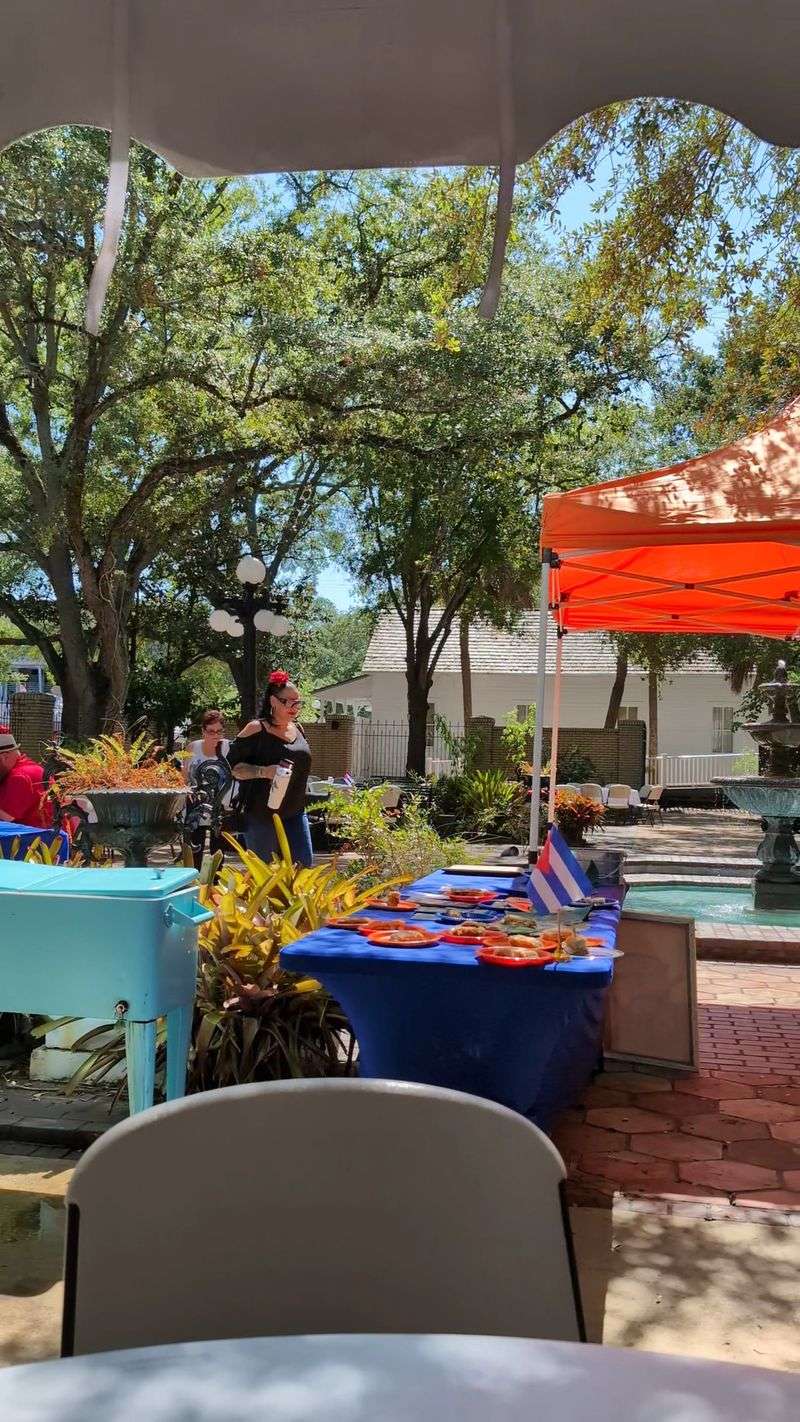
Beyond day visits, the park moonlights as a venue for gatherings. Couples have held outdoor weddings in the garden, using the courtyard and its surroundings as a distinctive backdrop.
The event space comes with hands-on help, and guests who have booked it describe the coordination as warm, professional, and well organized. That kind of support takes a lot of stress out of planning an outdoor celebration.
The garden’s oasis feeling makes it a natural fit for something memorable in the heart of historic Ybor. It offers character that a standard banquet hall simply cannot match.
Practical advice from past hosts is worth heeding: Tampa summers run warm, so bringing in fans or portable coolers helps keep an outdoor event comfortable. Planning around the weather makes a big difference.
For anyone wanting a venue with genuine history and a touch of local color, including the famous roosters, the park stands out. It is a setting with a story built right in.
The Free Trolley Right Outside
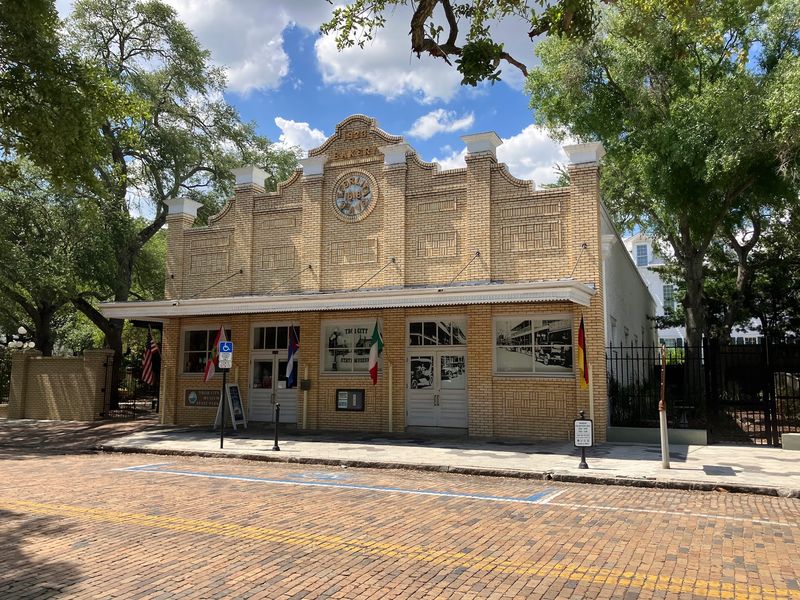
Getting here without parking headaches is easier than you might think, thanks to the streetcar. The free trolley runs nearby, and the museum sits just across the plaza from a convenient stop.
Guests recommend hopping on at the first stop, where the museum is right across the park, then riding it into downtown Tampa and back. The full loop takes about 30 minutes and costs nothing.
Because the trolley is complimentary, it makes a fun and budget-friendly way to connect the museum with the rest of the city. You can turn a single stop into a wider afternoon of exploring.
If you prefer to drive, the district offers ample city parking with a pay-by-kiosk system scattered through the area. That setup keeps arrival simple.
The combination of free transit and easy parking means the logistics rarely get in the way. Reaching this stop is about as low-stress as Tampa sightseeing gets.
Hours, the Four-Dollar Entry, and Planning Ahead
Budget-minded travelers will appreciate how little this stop asks of your wallet. Entry runs just $4 per person, which covers the exhibits and the 20-minute video.
The schedule takes some planning, since the museum is closed on Mondays and Tuesdays. It opens Wednesday through Sunday from 9 AM to 4 PM.
One detail catches some guests off guard: the last casita tour of the day is at 2:30 PM, so arriving in the early afternoon at the latest gives you time to catch it. Show up too late and you may miss the cottages entirely.
Because the museum stays compact, most people find the indoor portion takes under an hour, with the tour adding roughly 15 to 30 minutes. That makes it easy to pair with other Ybor stops.
Checking the days before you go saves disappointment, since a few guests have arrived on closed days and had to settle for walking the grounds. A quick plan turns a good visit into a smooth one.
Why This Quiet Stop Earns Its Place
Some attractions shout for attention, and then there are places like this one that simply do their job well. Holding a 4.6-star average across more than a thousand accounts, the park has clearly won over the people who take the time to visit.
Nobody pretends it is a giant, flashy institution. It is a small museum with a focused mission, and guests who arrive expecting depth over spectacle tend to leave satisfied and better informed.
What lingers is the sense that real people’s stories are being kept alive here, from the cigar workers in their casitas to the immigrant families who built a city. The honesty of that telling is the whole point.
History lovers, families, and anyone curious about how Tampa became Tampa will find plenty to appreciate for the price of a few dollars. Pair it with the free trolley and the roaming roosters, and a modest stop turns into a full afternoon.
Quiet does not mean forgettable. This corner of Ybor City proves that a small place can carry a very large story.