
Affiliate disclosure: As an Amazon Associate I earn from qualifying purchases. Learn more
Long before smartphones and steel skyscrapers, a small town in western New Jersey was busy making iron. At the center of it all stood one sturdy stone structure that ran for more than a century.
It helped shape how an entire community grew, and it even tried out a new technology before anyone else in the country. Read on to find out how a single furnace put a tiny town on the map, and why it still deserves a stop today.
A Landmark on Washington Avenue
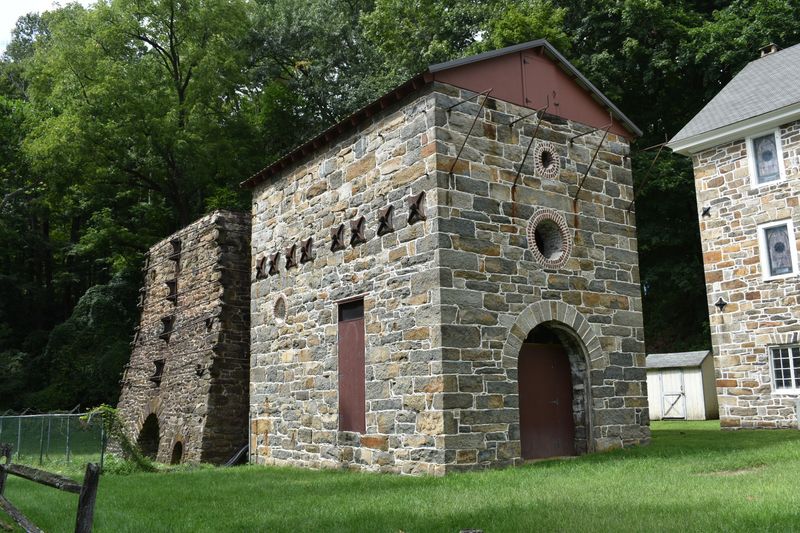
Some history hides in museums, but this piece sits right beside a town street. Oxford Furnace stands at 35 Washington Ave, Oxford, NJ 07863, in the United States.
Oxford is a small town in the northwestern part of New Jersey. The furnace is listed as a historical landmark, and it is the kind of place that rewards anyone who slows down for a closer look.
There is no giant visitor complex here. The main attraction is the old stone furnace itself, standing as a reminder of a time when iron work shaped daily life in this corner of the state.
Its spot in the middle of town is no accident. As later sections explain, Oxford was actually built around this furnace, which makes its location part of the story.
Travelers exploring the region often find it on the way to somewhere else. Many end up staying longer than planned once they learn what happened here.
Keep the address handy, because the furnace is easy to miss if you are driving too fast. The next stop on this tour is the year it all began.
The Year 1741 and a Bold Beginning
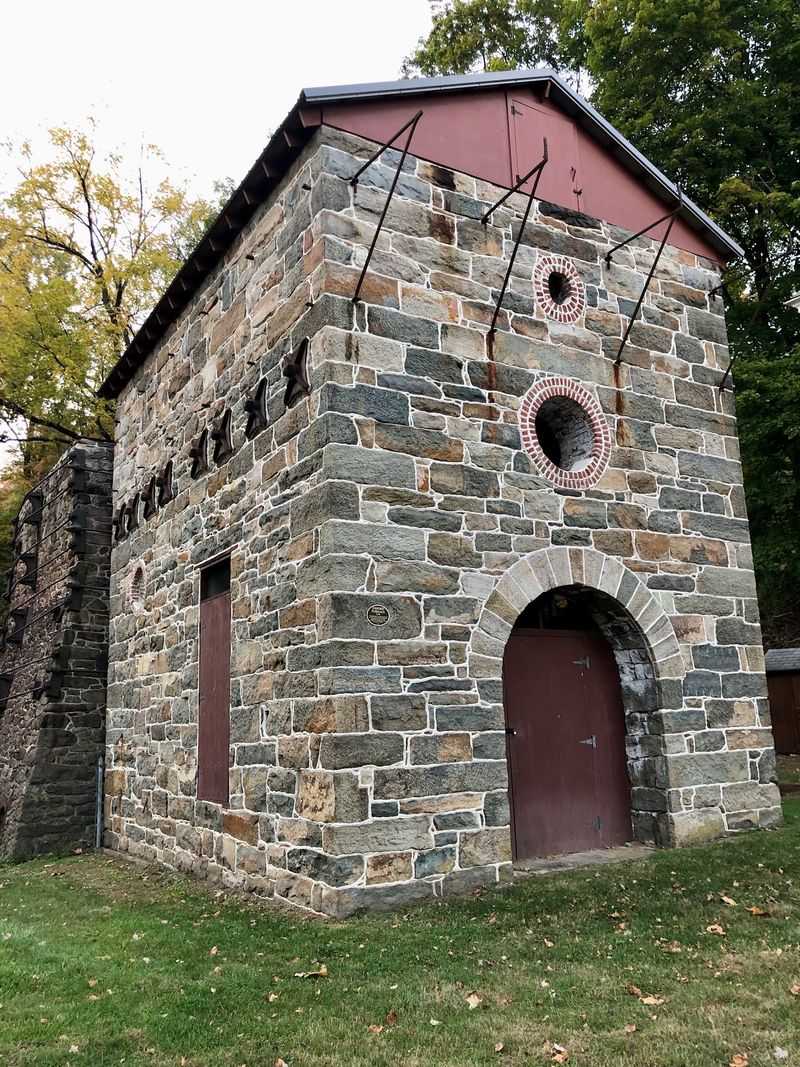
Back in 1741, the American colonies were still decades away from independence. That same year, builders in Oxford finished a stone furnace made to turn raw ore into usable iron.
Oxford Furnace was constructed in 1741, which makes it one of the earliest industrial sites in the region. It is a rare survivor from the colonial era.
Iron was a big deal back then. Farmers, builders, and craftsmen all needed it for tools, hardware, and countless everyday items.
A working furnace meant a steady local supply. That gave Oxford real importance in a time when moving heavy goods long distances was slow and difficult.
The people who built it likely had no idea their structure would outlast nearly everyone and everything around it. Yet here it remains, more than 280 years later.
The start date is only part of the story, though. Where it ranked among New Jersey furnaces is a fun detail in its own right.
Third in Line Among State Furnaces
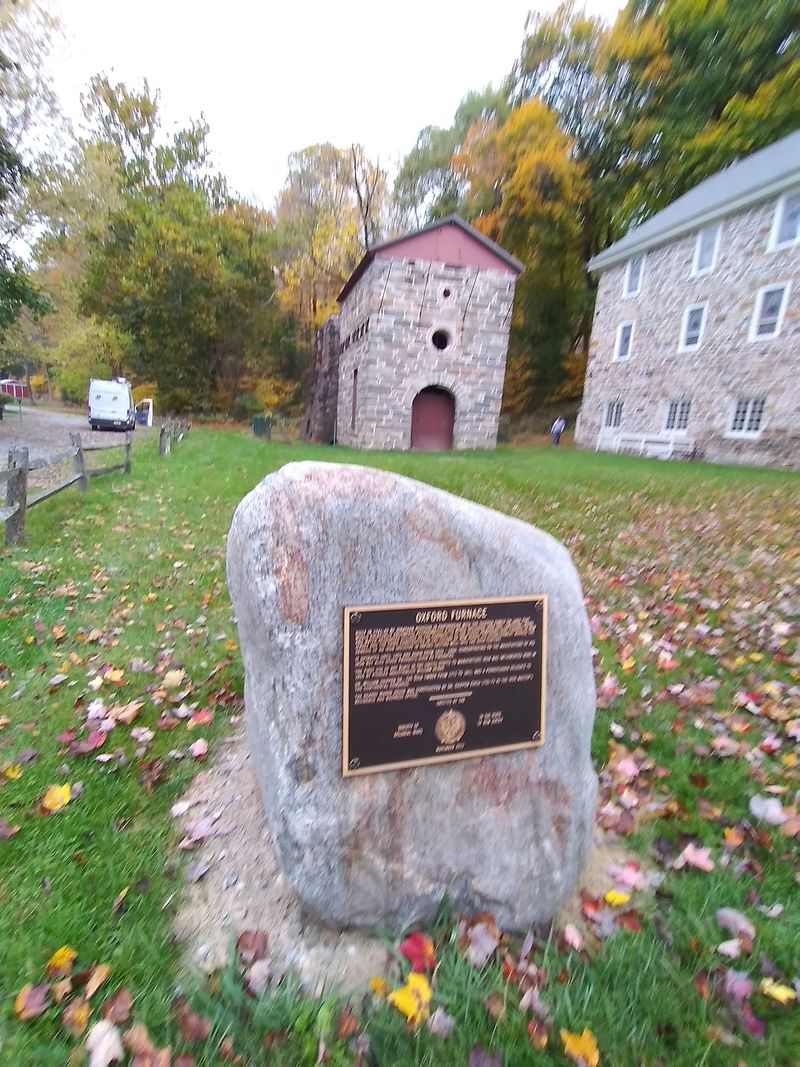
Bronze medals deserve respect too. Oxford Furnace was the third iron furnace built in New Jersey, putting it near the very front of the state’s industrial history.
Being third may not sound flashy. Still, it means Oxford was part of the first wave of iron production in a state that would later become an industrial heavyweight.
Early furnaces like this one helped prove that iron making could thrive here. Natural resources nearby made the area a smart choice for the work.
For history fans, this ranking adds weight to a visit. Standing near the furnace means standing near one of the starting points of New Jersey manufacturing.
It is also a handy trivia nugget to share on the drive home. Few people expect a small town to hold such an early record.
Of course, being early is one thing. Being innovative is another, and Oxford managed both.
Hot Blast, a National First
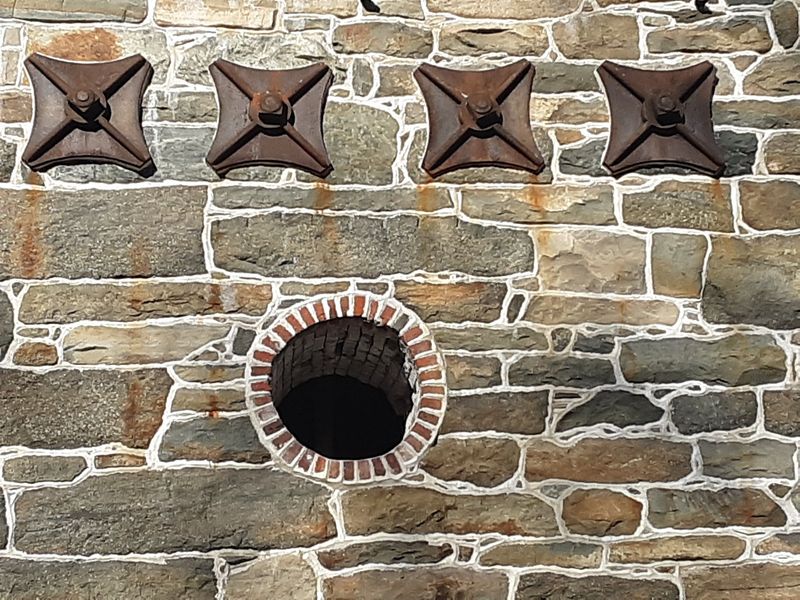
Here is where the story heats up, quite literally. In the early 1800s, Oxford Furnace became the first furnace in the country to use hot blast technology.
Hot blast is a method that preheats the air pushed into a furnace. The idea was to make iron production more efficient than the older cold air approach.
Being first in the nation is a serious claim for a small town operation. It shows that the people running Oxford Furnace were willing to try new ideas.
That kind of experiment carried risk. If it failed, it could cost time and money, but the effort earned Oxford a lasting place in American industrial history.
Today, the furnace stands as proof that big innovations do not always come from big cities. Sometimes they start in a quiet place on Washington Avenue.
All that progress needed people and connections, which leads to how the town itself took shape.
A Town Built Around Iron
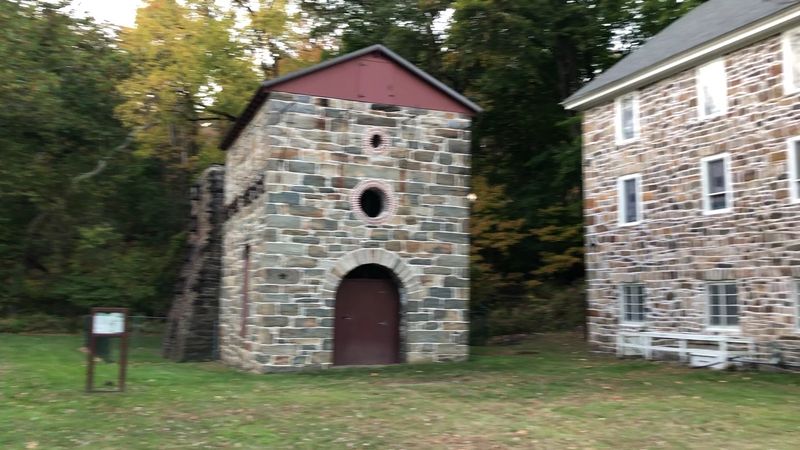
Most towns grow around a river crossing or a market square. Oxford grew around a furnace.
At its height, Oxford Furnace was the center of activity in town. The community was constructed around it, with daily life tied closely to the iron work.
That is a big reason the furnace still sits right in town today. It was never an outlier on the edge of things, since it was the heart of the place.
Workers, families, and businesses all connected to the furnace in some way. The iron trade gave Oxford its purpose and its momentum.
Looking at the town now, it takes a bit of thought to connect the modern streets to that busy past. The furnace makes the link clear.
A furnace alone could not make iron, though. It needed a network, and the next section explains how that worked.
Mines, Mills, and the Missing Links
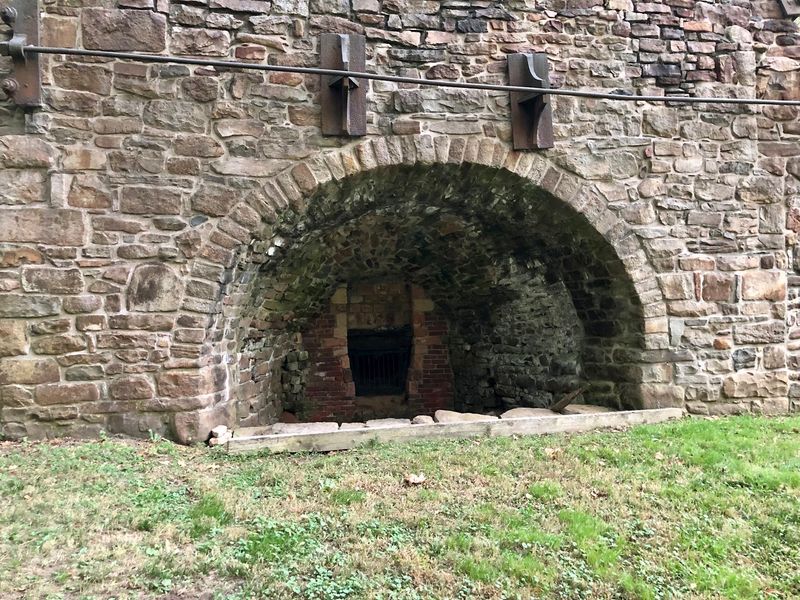
Think of the furnace as the middle step in a bigger chain. Iron mines supplied the raw material, and rolling mills shaped the finished product.
Oxford connected all of these pieces. The town linked iron mines and rolling mills to the furnace, creating a working system that kept production moving.
This setup helped turn a small community into a true iron powerhouse. Every part depended on the others to keep the operation running.
When you see the furnace today, it helps to remember those missing pieces. The stone structure was only one part of a much larger industrial picture.
That bigger picture is what makes the site so meaningful. It tells a story about cooperation, planning, and hard work across an entire area.
Even powerhouses have limits, and Oxford Furnace eventually reached the end of its working life.
The Long Run That Ended in 1884
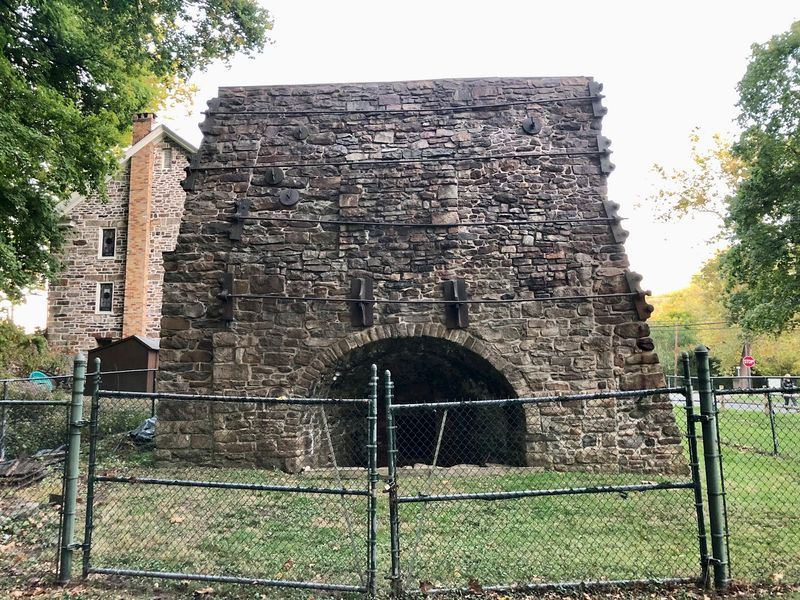
Few machines work for 143 years. Oxford Furnace came close to a century and a half of service before it finally stopped.
The furnace stayed operational until 1884. That year, the inner wall suffered catastrophic damage, which brought its working days to a close.
Considering it started in 1741, that is a remarkable stretch. It kept running through the colonial period, the founding of the nation, and much of the 1800s.
The end came from inside the structure rather than from a lack of demand. Furnaces faced intense conditions, and the inner wall eventually gave out.
Instead of being torn down, the stone shell remained. That decision, or perhaps simple luck, is why people can still see it today.
Which brings up a good question: what exactly do you see when you arrive?
Old Stone With Plenty of Character
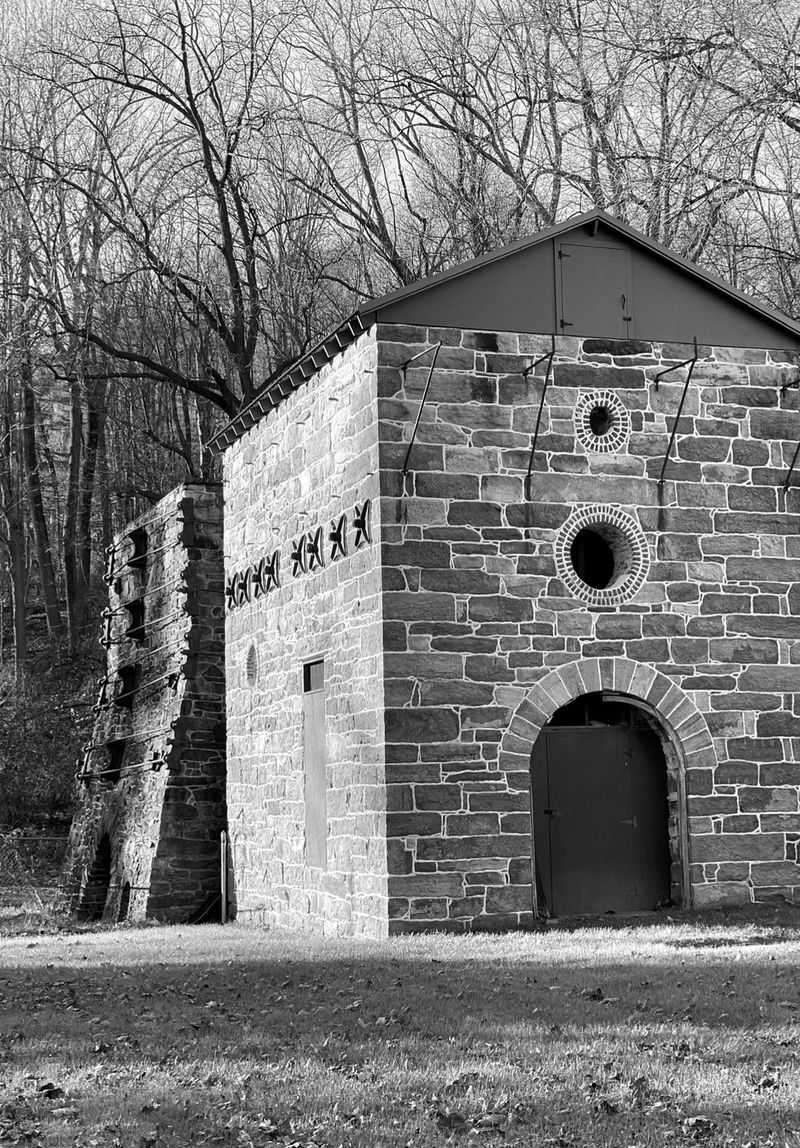
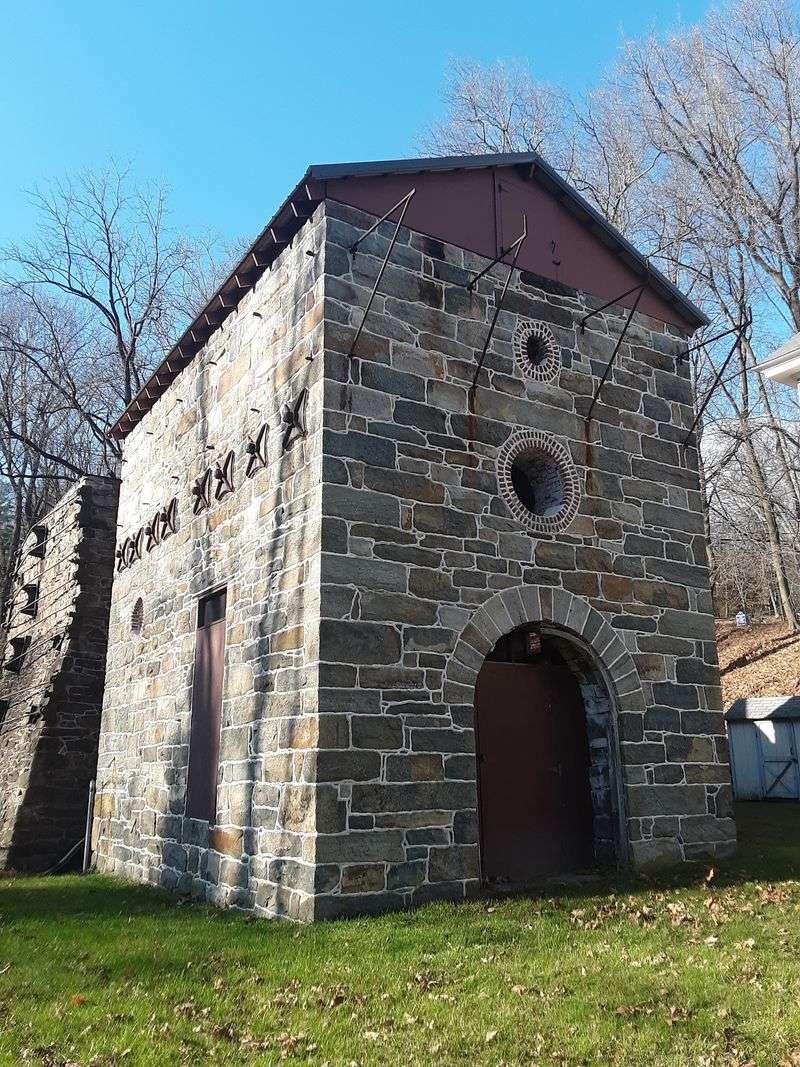
Grand palaces get the postcards, but sturdy industrial stone has its own appeal. The furnace is often described simply as a cool old building, and that sums it up well.
The structure is the star of the show. Its age and solid construction make it stand out from the more modern buildings around it.
People who appreciate older architecture tend to enjoy studying the stonework. It offers a direct look at how colonial and early American builders worked.
There is no need for a long guided program to appreciate it. A few thoughtful minutes walking around the exterior can reveal a lot.
Keep in mind that the site is a landmark, not an attraction filled with exhibits. Its value comes from what it is and what it represents.
Those who enjoy taking pictures have found extra reasons to visit, as the next section shows.
Photo Ops With a History Lesson
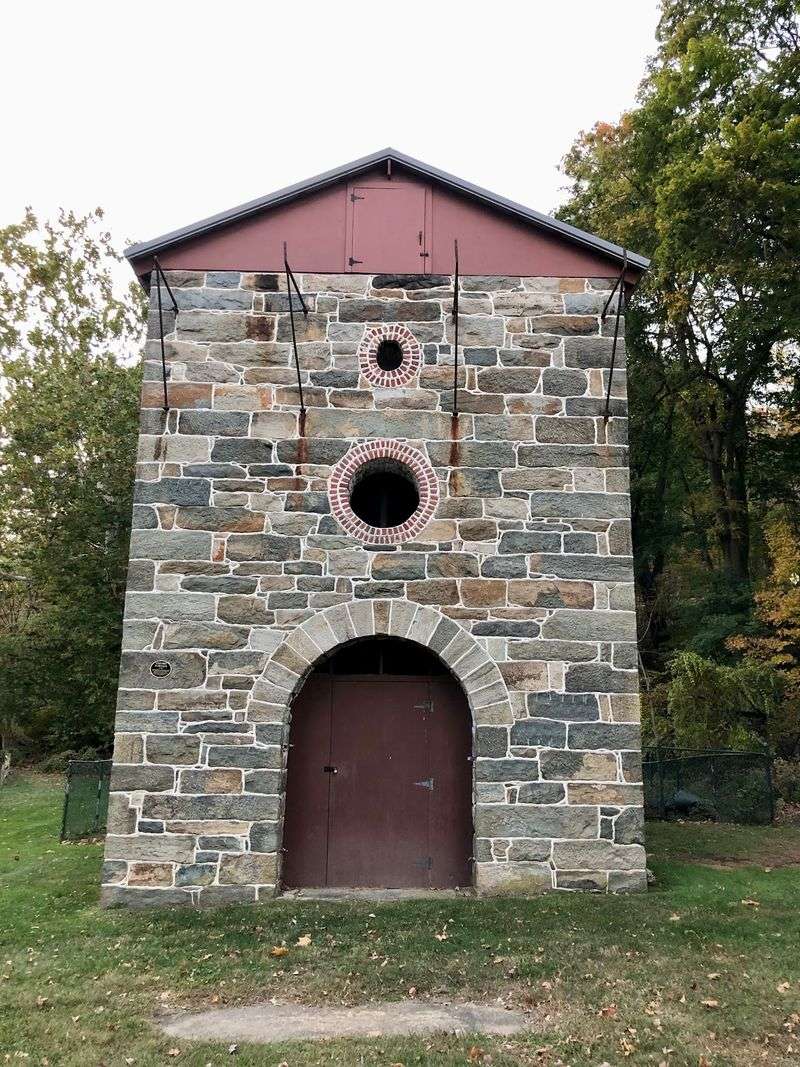
Some photographers stumble onto great subjects by accident. Oxford Furnace has a reputation for being exactly that kind of find.
People searching for photo opportunities in the area have discovered the furnace and enjoyed it. The old stone structure makes a strong subject for anyone with a camera or phone.
It works well for history buffs who want to document landmarks. It also suits casual shooters looking for something different from typical scenery.
The best part is that every photo comes with a story. Sharing a picture of a furnace from 1741 is a great conversation starter.
Respect the site while shooting, and stay mindful of the street and surrounding area. Being careful keeps the experience pleasant for everyone.
Pictures are fun, but this stop is really aimed at a certain kind of traveler.
Who Will Love It Most
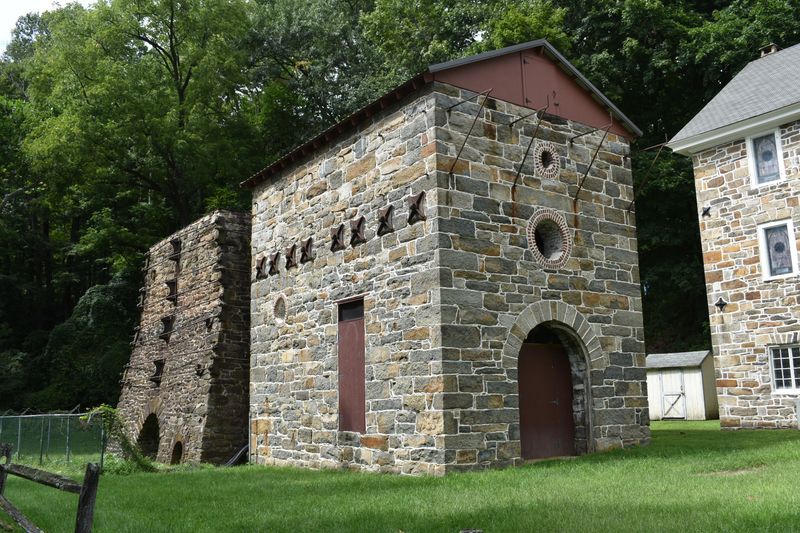
Honesty helps here. Oxford Furnace is not for everyone, and that is perfectly fine.
Local history lovers tend to have the best time. The site holds plenty of interesting background for anyone curious about early American industry.
Families with kids who enjoy history can turn it into a fun learning stop. Students studying colonial times or the Industrial Revolution may find it especially meaningful.
On the other hand, anyone expecting rides, interactive displays, or hours of activities may leave disappointed. Some people have felt there was not much to do.
The trick is setting expectations. Arrive ready to learn and look, not to be entertained nonstop.
With the right mindset, the furnace becomes a satisfying highlight. Pairing it with a broader outing can make it even better.
A Smart Piece of a Day Trip
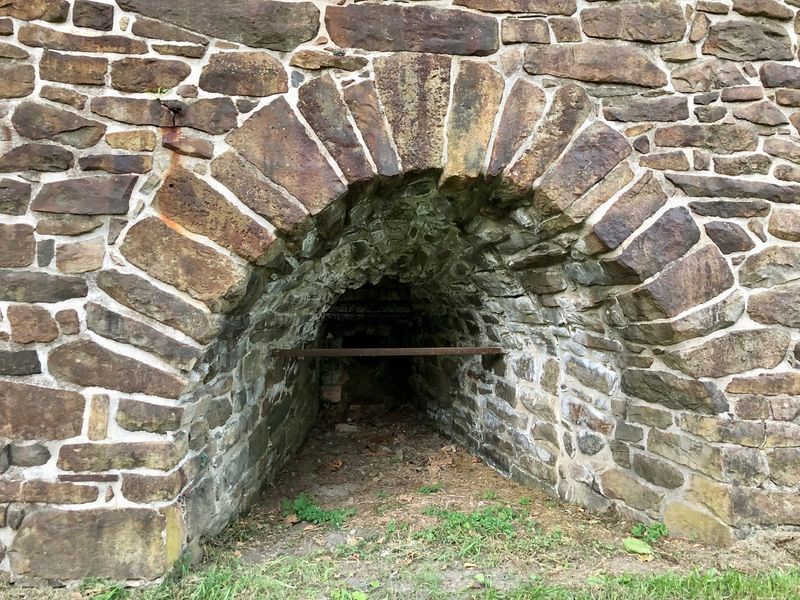
Short stops can make a long drive memorable. Oxford Furnace fits nicely into a day spent exploring historic landmarks.
Many people describe it as a neat day trip destination. It works best as part of a larger plan rather than the only stop on the schedule.
Northwestern New Jersey offers plenty of room to roam. Building a route around historic sites can turn a simple drive into a themed adventure.
Since the furnace does not require hours to appreciate, it is easy to squeeze in. A brief visit leaves time for other plans the same day.
Bringing along some background knowledge makes the stop more rewarding. Reading up on the hot blast story beforehand adds context.
Planning ahead matters, so the practical details come next.
Practical Notes Before You Go
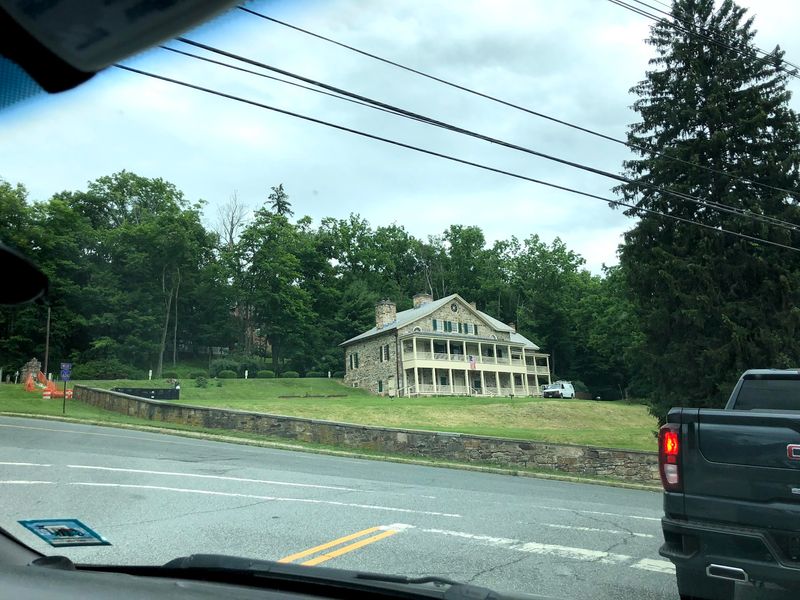
A little homework saves a lot of guesswork. The furnace sits at 35 Washington Ave in Oxford, so setting your map app to that address is the easiest way to arrive.
Specific hours and admission prices are not clearly listed in the available information. Checking the site page at njskylands.com before heading out is a smart move.
Driving is the most practical way to reach a small town like Oxford. Pay attention as you approach, since landmarks in town can be easy to pass.
Plan for a short visit focused on the exterior and the history. Bring your own curiosity, a camera, and maybe some notes on the furnace’s past.
Wear comfortable shoes in case you want to walk around the area. Weather can also affect how long you want to stay outside.
With the logistics sorted, it is worth asking what makes the stop meaningful.
Why Small Landmarks Matter
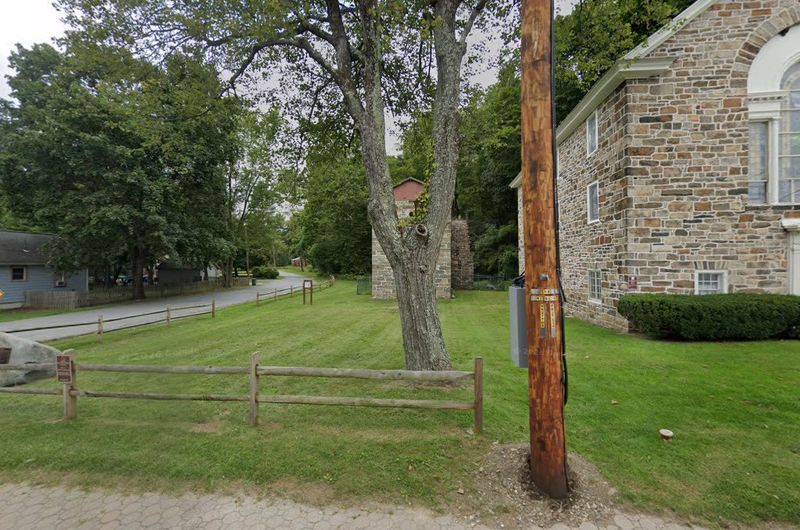
Big monuments often steal the spotlight. Yet small landmarks like Oxford Furnace hold stories that shaped the country in quieter ways.
The furnace reminds people that American industry had humble roots. Towns like Oxford helped build the foundation for later growth.
Preserving sites like this keeps local history alive. Without them, the story of how places began could fade from memory.
The overall response to the furnace has been very positive, with most people giving it high marks. Many simply call it a neat place to visit.
That steady appreciation shows that history does not need flashy features to matter. A sincere story and an authentic structure can be enough.
So, is it worth the trip? The final section offers a gentle answer.
A Fair Verdict on Oxford’s Iron Heart
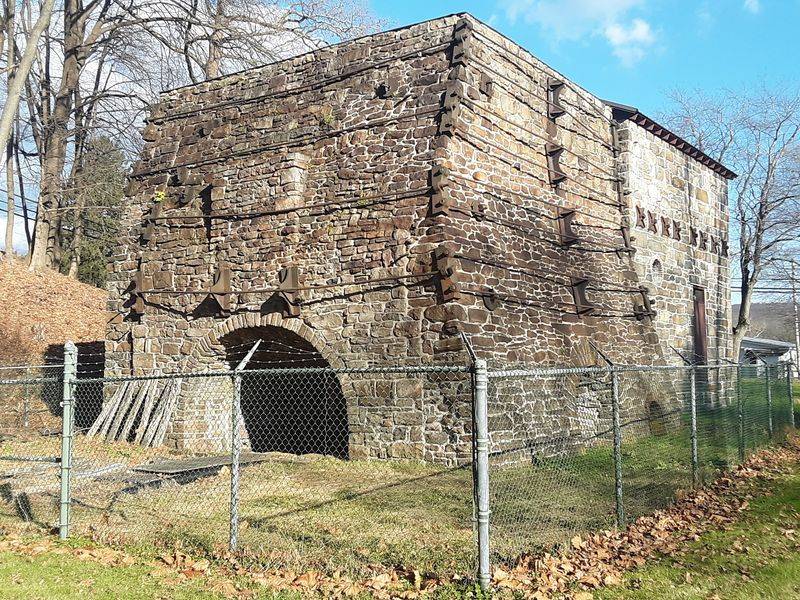
Not every trip needs fireworks. Sometimes a solid story and a few quiet minutes are exactly right.
Oxford Furnace delivers history in a compact package. It began in 1741, ranked third in the state, pioneered hot blast in the nation, and ran until 1884.
It also explains why an entire town looks the way it does. Few places can claim such a direct link between one structure and a community’s growth.
History fans, photographers, and curious road trippers will likely leave satisfied. Those hoping for nonstop activities might want to pair it with other plans.
Either way, the furnace offers a real connection to the past. It is a reminder that iron, ideas, and hard work once made this small town a powerhouse.
Stop by, take a look, and let a stone furnace from 1741 tell its tale.


