
Affiliate disclosure: As an Amazon Associate I earn from qualifying purchases. Learn more
There is a copper town tucked into the hills of Gila County where the main street tips upward and the old brick buildings lean into the slope like they have secrets to share. Fewer than 1,600 people call it home, yet its downtown has been quietly polished up so wanderers can trace the boom years that built it.
Most folks blow right past on the highway, never knowing what waits above those rising sidewalks. That is exactly the kind of place worth slowing down for.
Keep reading, because this little hillside stop hides more character than towns ten times its size.
A Copper Town With Its Name Kept Quiet
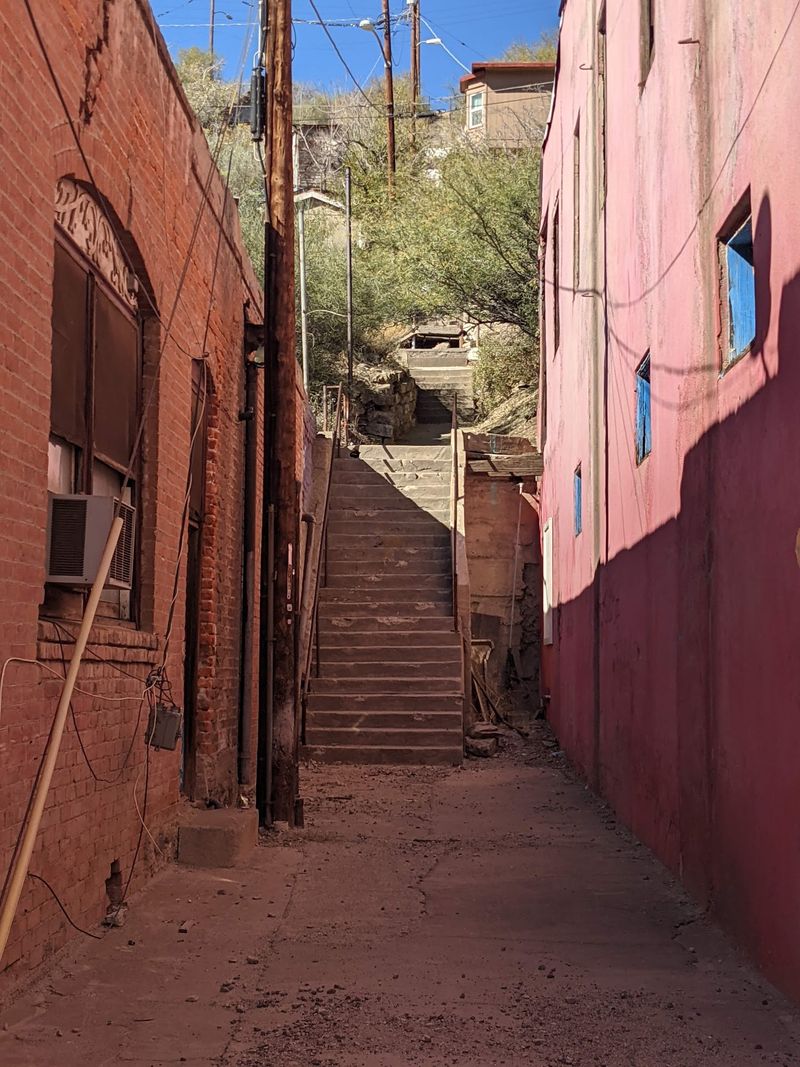
The town in question is Miami, Arizona 85539, resting in Gila County in the eastern part of the state. It sits along a mountain highway, wedged between rugged hills that give its streets that distinctive upward tilt.
Miami is described as a classic Western copper boom-town, and the bones of that era still hold up the place today. The old downtown climbs and curves in a way that feels older than most Arizona settlements.
As of the 2020 census, only 1,541 people lived here, which makes the scale of its history feel even more surprising. A town this small holding this much story is part of the draw.
What makes it stand out is how the buildings stack up the slope rather than spreading flat across the desert. That vertical layout is what gives visitors that far-off village feeling without ever leaving the state.
Born From The Rush For Copper
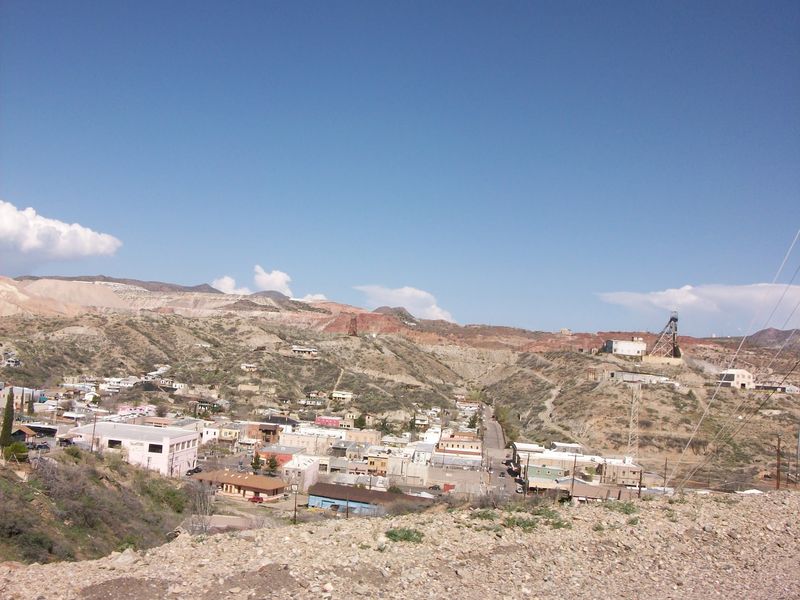
Copper is the reason this place exists at all. Miami grew up as a mining settlement, one of many that sprang from Arizona’s rich ore country in the early twentieth century.
Boom-towns like this one rose fast when the metal was flowing, drawing workers and families who needed shops, schools, and a proper main street. That sudden growth explains why such a compact town packed in so many sturdy brick buildings.
The mining roots also shaped the geography. Crews built where the ore was, which meant carving a town straight into the hillsides rather than choosing an easy flat stretch of desert.
Understanding that origin makes the steep streets make sense. They were not designed for charm, they were designed for a working town that had to fit itself around the mountains and the mines that paid the bills.
Streets That Rise Like A Hillside Village
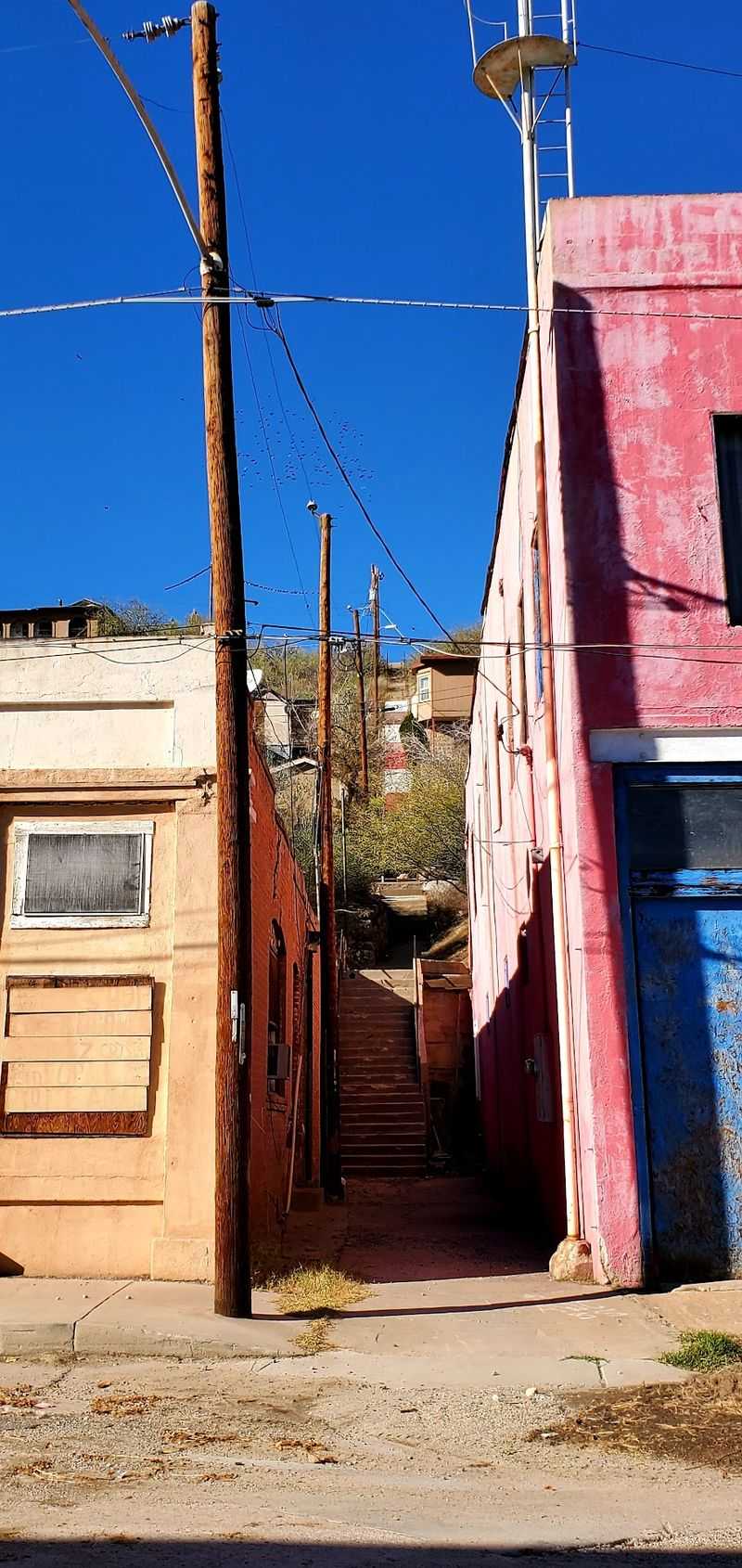
Few Arizona towns tilt the way this one does. The downtown streets climb the hillsides, and that slope is the single feature that earns Miami its storybook comparisons.
Instead of the flat grid you find across so much of the state, the roads here follow the land, bending and rising as they go. Walking them feels less like a desert stroll and more like exploring a compact town built into a mountainside.
The old buildings press close together along these grades, their facades stepping up the incline. That closeness adds to the sense that you have wandered somewhere much older and more far-flung than central Arizona.
For locals used to wide, level valley streets, the change of angle alone is worth the trip. It is a reminder that Arizona holds pockets of terrain that break every expectation.
The Bullion Plaza Museum Keeps The Past Close
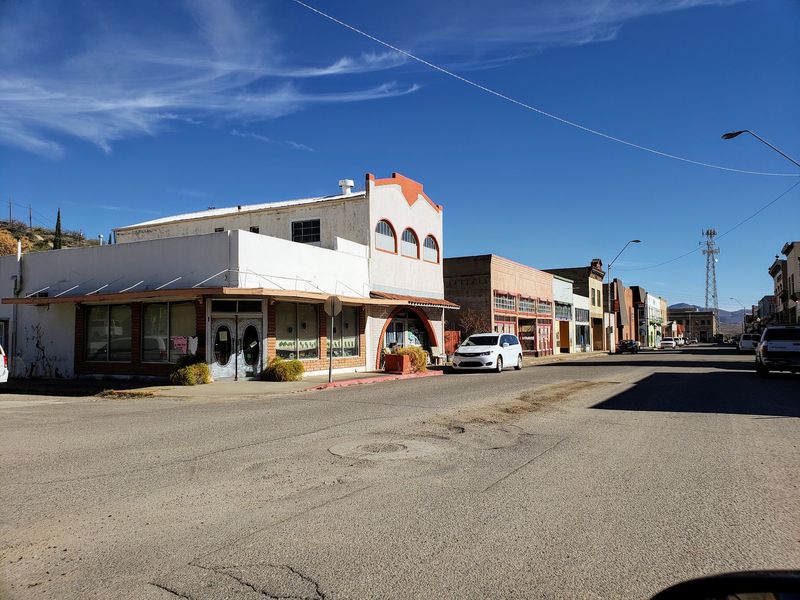
At the heart of the town’s memory sits the Bullion Plaza Museum. Housed in a landmark building, it gathers the region’s story under one roof for anyone curious about how the area came to be.
The collection covers the cultural, mining, and ranching history of the Miami area. That mix matters, because this corner of Gila County was shaped by more than just the mines.
Ranching families and diverse mining communities all left their mark, and the museum works to hold those threads together. It gives visitors context that the streets outside cannot fully explain on their own.
Stopping in first can change how you see the rest of the town. Once you know the layers of people and work behind it, every brick facade and sloped block starts to read a little differently.
A Downtown Slowly Coming Back To Life
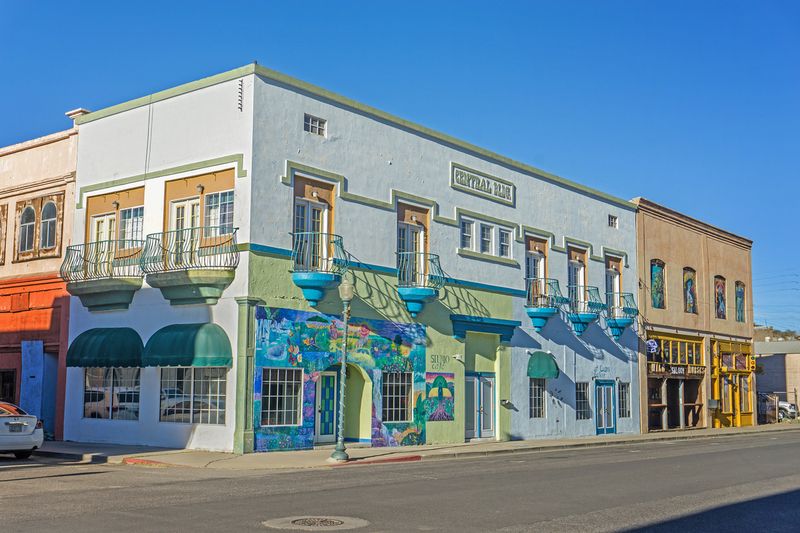
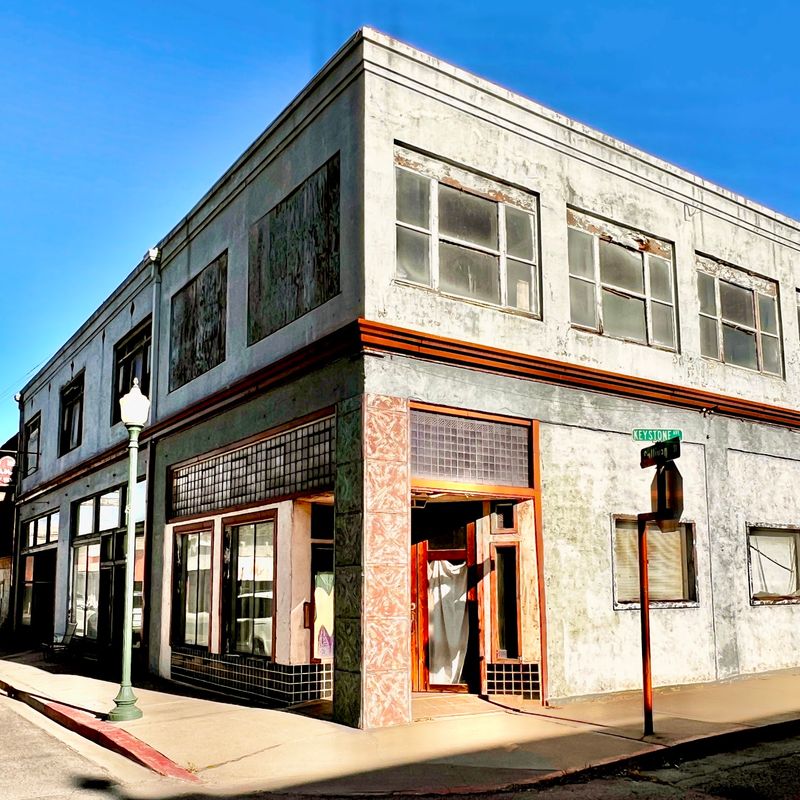
Not every old mining town gets a second act, but this one is working on it. Miami’s old downtown has been partly renovated, giving new purpose to buildings that once served a busy copper economy.
The word to notice is partly. This is not a scrubbed, theme-park version of history.
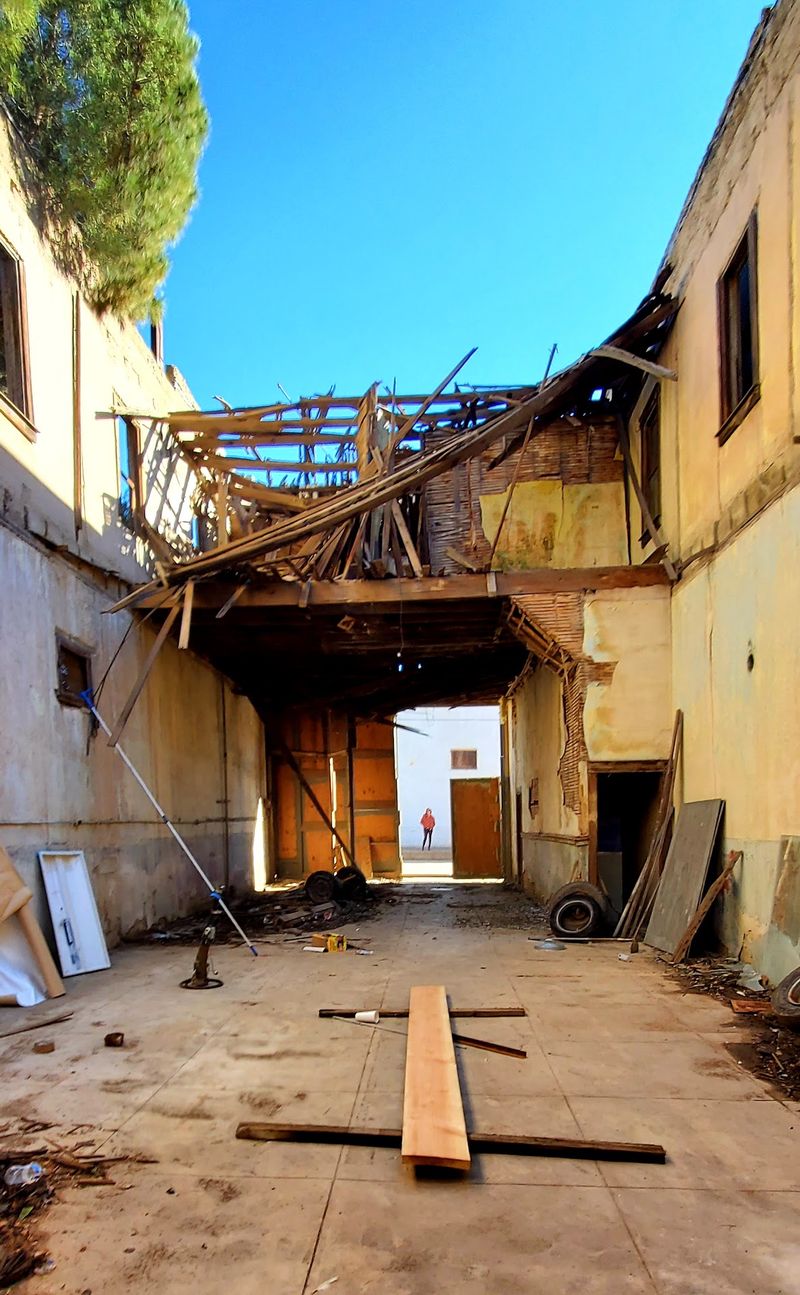
It is a genuine old district where restored storefronts stand alongside ones still waiting their turn.
That in-between quality is part of the appeal for people who like their history honest. You get to see the renovation in progress rather than a finished set piece.
The slow revival also means the town rewards return trips. Come back in a year and another corner may have found new life, which keeps longtime residents checking in on their own backyard.
Brickwork Built To Outlast The Boom
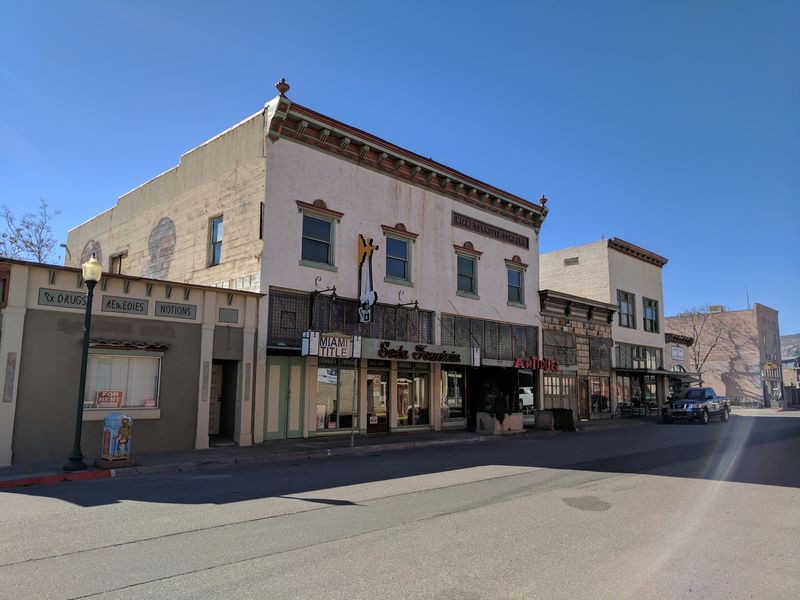
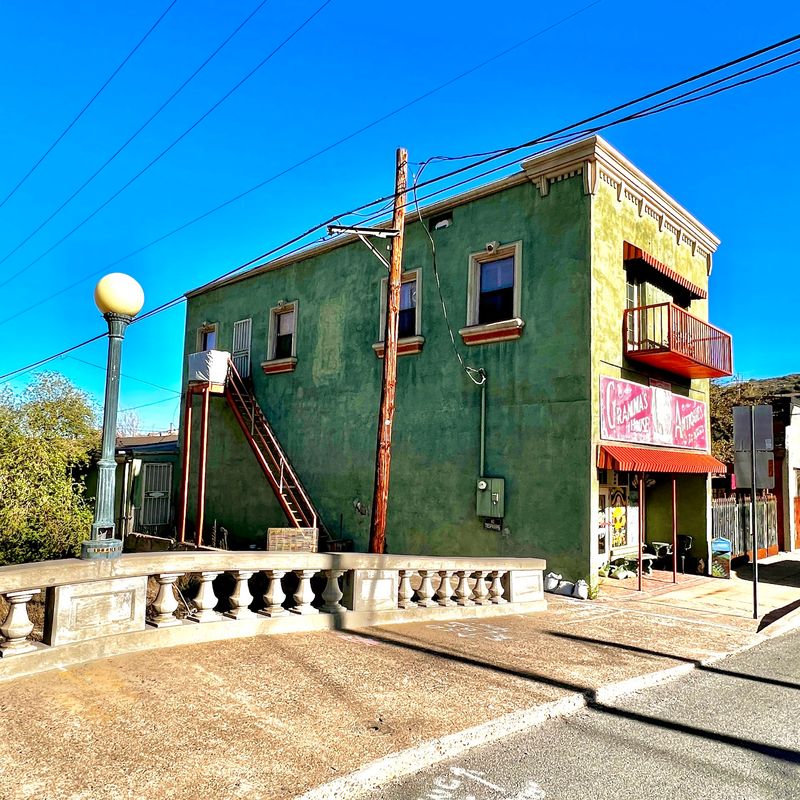
Look up while you climb and the architecture starts telling its own story. The downtown is lined with early twentieth century brick commercial buildings, the kind boom-towns put up when they expected to stay important.
These structures were made to last, with solid masonry and detailing that reflected the confidence of the copper years. Many still stand exactly where crews first raised them.
Their two-story fronts and worn facades give the district a texture that newer Arizona towns simply cannot fake. Age like this cannot be built overnight.
The way these buildings hug the sloped streets is what pulls the whole scene together. Stacked up the hill, they create that layered, tightly packed look that makes the town feel transported from somewhere far away.
A Tiny Population With Outsized Character
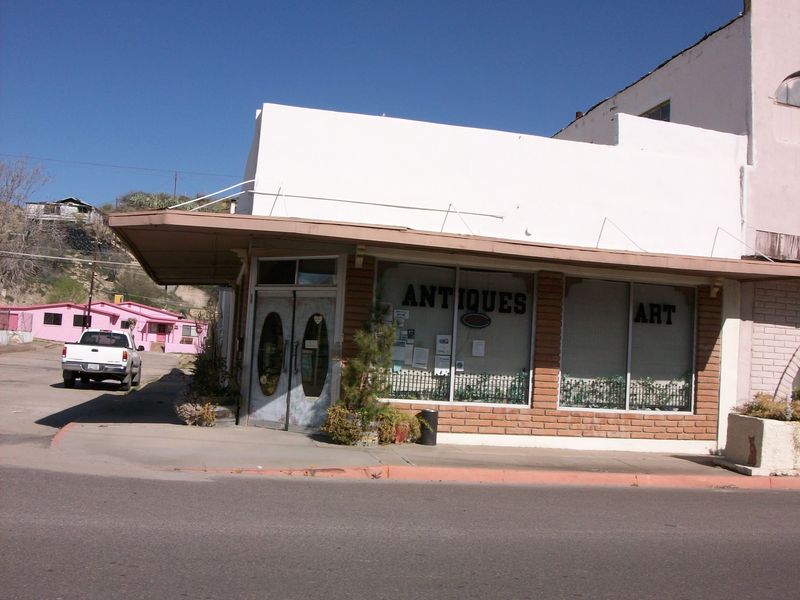
Numbers tell part of the surprise. With 1,541 residents recorded in the 2020 census, this is a genuinely small town, the kind where the whole population could gather on a single street.
That smallness works in the visitor’s favor. The pace is unhurried, the crowds are thin, and there is room to actually take in the buildings and the grades without jostling anyone.
A town this size holding a museum, a historic downtown, and such distinctive streets feels almost improbable. The ratio of character to residents is what makes it memorable.
For Arizonans hunting for somewhere their neighbors have not already picked over, the modest headcount is a feature, not a drawback. It keeps the place feeling like a real discovery.
Who Will Love Wandering Here
History buffs get the most out of a stop like this. Anyone who enjoys mining heritage, old architecture, and towns with a working past will find plenty to hold their attention.
The steep streets also reward slow walkers and photographers, since the changing grades create angles you rarely see elsewhere in the state. There is a reason the hillside layout keeps drawing comparisons to older villages.
Families curious about how Arizona was built will appreciate the museum’s mix of mining, ranching, and cultural history. It turns a quick visit into a real lesson.
People chasing quiet corners rather than crowded attractions may find it especially satisfying. This is a place for wandering with no fixed agenda, letting the climbing streets set the route.
Getting There And Making A Day Of It
Reaching the town means a drive into Gila County, in eastern Arizona, along the mountain corridor that threads through this stretch of copper country. It sits well outside the big metro areas, which is part of why it stays overlooked.
The route in is a scenic one, winding through hilly terrain that sets the mood before you even arrive. That approach makes the trip feel like a proper outing rather than a quick errand.
Because the downtown is compact and walkable, once you park you can cover the historic core on foot. The slope is the main workout, so comfortable shoes help.
Pairing the town with the Bullion Plaza Museum makes for a rounded half-day. Between the streets and the exhibits, there is enough to justify the drive for anyone who likes a purposeful road trip.
Why This Hillside Stop Sticks With You
What lingers about this place is how unlikely it feels. A copper boom-town of barely 1,500 people, climbing its hills with brick and history, is not what most expect to find in Arizona.
The partly renovated downtown, the steep streets, and the museum add up to more than the sum of their parts. Together they make a stop that feels genuinely different from the flat, sprawling towns nearby.
It rewards the kind of traveler who values discovery over crowds and honesty over polish. There is something satisfying about a town still writing its comeback chapter.
Miami may be small, but it proves that Arizona keeps surprises tucked into its quietest corners. For anyone wanting to see their state from a fresh angle, this hillside town is worth the climb.