Affiliate disclosure: As an Amazon Associate I earn from qualifying purchases. Learn more
A slow-moving train rolling at about ten miles an hour might sound sleepy, but this one turns a quiet afternoon in the north Georgia mountains into a full family adventure. Riders climb aboard restored cars, some fully open to the breeze, then follow a river all the way to a tiny town that sits on the line between two states.
Guides toss out local history and a steady supply of good-natured dad jokes, while a concession car keeps snacks within reach. Add a two-hour layover in a walkable downtown and you have a day that fills easily.
The story here is about heritage rail, river views, and small-town charm rolled into one route. Keep reading to learn where it starts, what the ride looks like, and how to plan a trip that everyone remembers.
Where The Whistle Blows In Downtown Blue Ridge
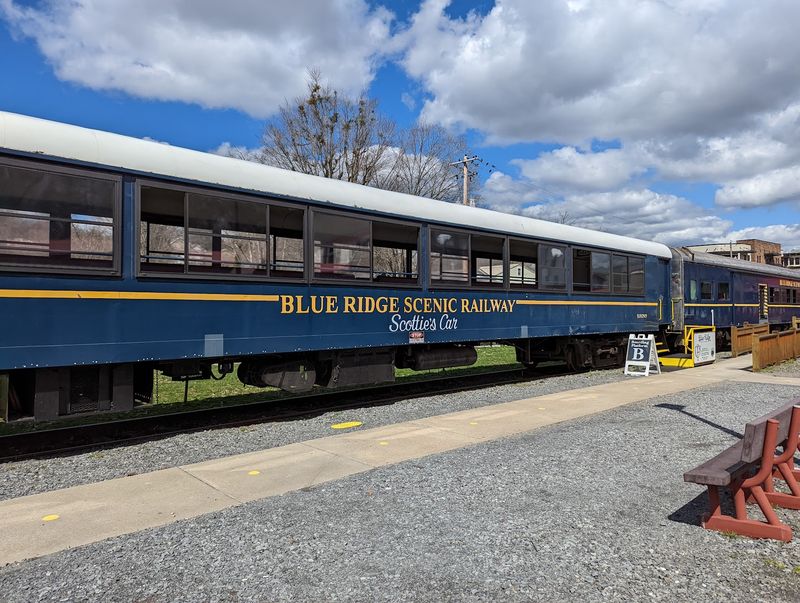
The depot sits right in the heart of things at 241 Depot St in Blue Ridge, Georgia, an easy walk from the shops and cafes that line the downtown strip.
Blue Ridge Scenic Railway runs a restored heritage train out of this historic station, and the location makes it simple to turn a train ride into a full day out.
The signature route is a 26-mile round trip that follows the Toccoa River north toward the state line. The pace is famously relaxed, rolling along at around ten miles an hour on flat ground.
Because the station anchors a lively little town, many families arrive early, grab a bite nearby, and wander the surrounding streets before boarding.
Getting seats together tends to be easier when you show up ahead of departure, a tip regulars pass along often.
The whole setup feels less like catching transportation and more like joining an outing that begins the moment you park downtown.
A Heritage Line With A Long Backstory
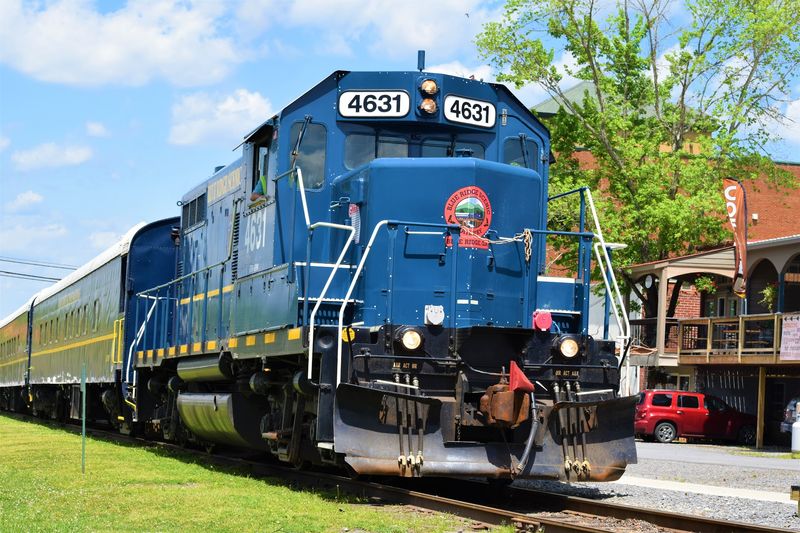
Living history is the phrase that keeps coming up around this route, and it fits.
The railway operates a restored train on a heritage line, carrying passengers along the same kind of tracks that once tied these mountain communities together.
Guides lean into that past during the ride, sharing facts about the railroad and the towns it connects. That running commentary turns the trip into a moving classroom, with stories about the area woven between the sights.
The four-hour experience includes the ride up and a layover at the far end, giving the history plenty of room to unfold.
Families mention leaving with a better sense of how the region grew up around the rails.
It is the kind of outing that inspires people to plan future vacations around longer train adventures, sparked by this first taste of heritage rail travel in the Georgia mountains.
The Open-Air Cars Everyone Talks About
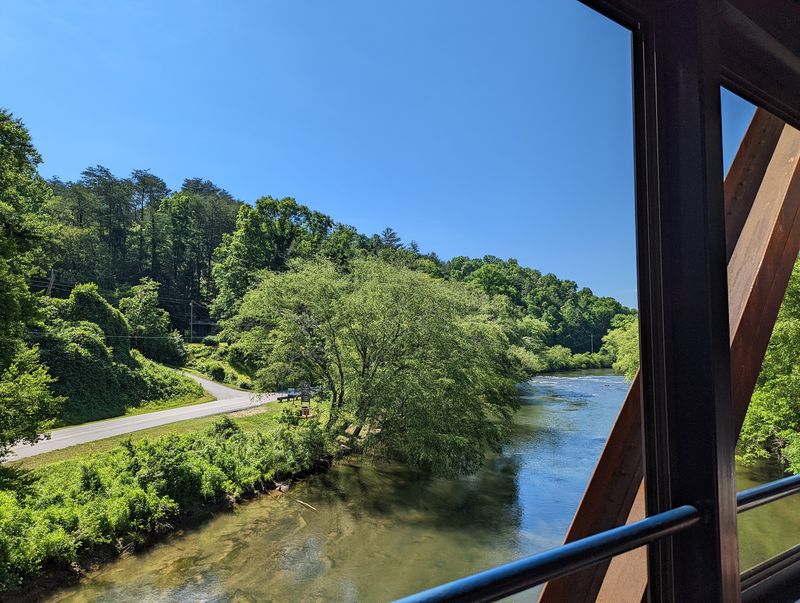
Ask around about the best way to ride and the answer comes back fast: choose the open-air car.
These cars stay open to the outdoors, so the scenery rolls past without glass in the way, which makes them a favorite for photos and for taking in the passing river.
Families riding the open cars often describe the trip as loads of fun, and the format has earned dozens of specific mentions from happy travelers.
Because the sides are open, you feel more connected to the route than you would in an enclosed cabin.
A few riders who booked closed cars later wished they had grabbed open seating instead, so this option tends to sell out.
Booking early is the smart move if the open-air experience is what you are after.
For a day built around scenery, this is the seat that keeps coming out on top.
River Views And The Switch-Sides Trick
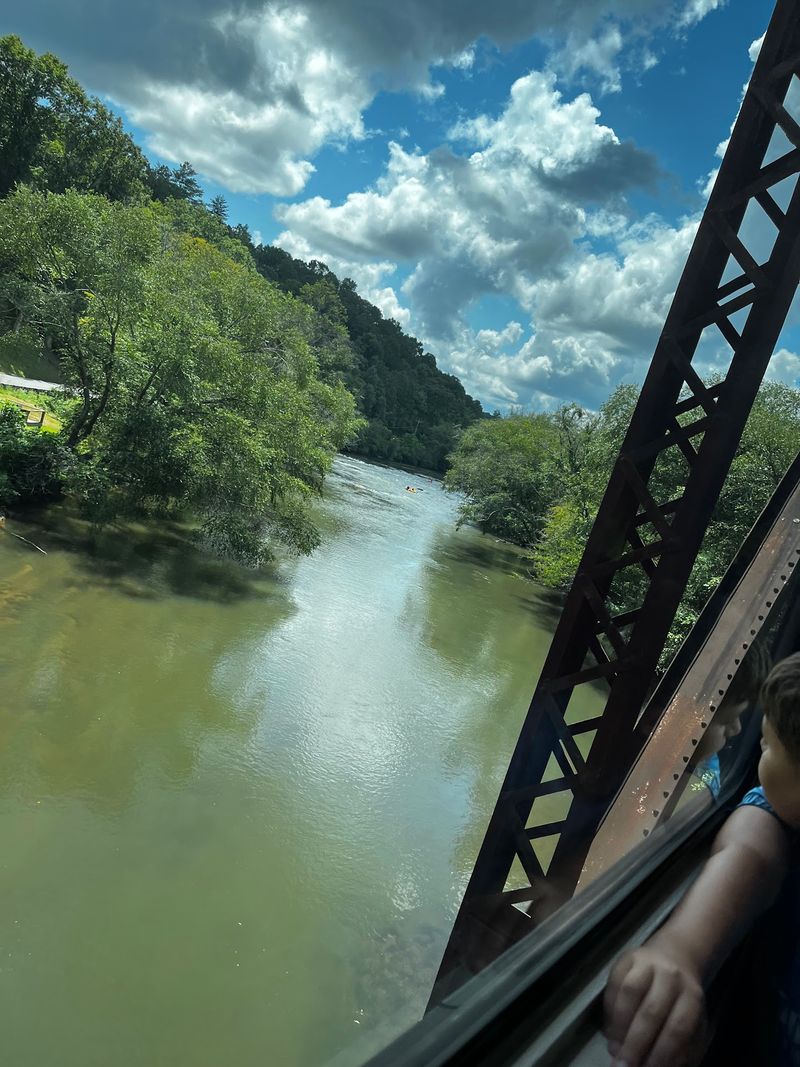
Here is a clever detail that makes the round trip feel complete.
One side of the train follows the river while the other faces the mountain, so the crew asks everyone to switch sides on the return leg. That way passengers get both views over the course of the day.
The river side draws the most praise, with sights of people tubing and kayaking along the water during warmer months.
Homes and cabins dot the riverbank too, part of the changing scene as the train rolls by.
The mountain side tends to be quieter on scenery, mostly trees with the occasional deer, which is exactly why the switch matters.
Some riders even find the view improves in the cooler months when the trees are bare and you can see farther across the water.
Split the trip across both sides and you leave having seen the whole picture.
Car Hosts, History And A Few Dad Jokes
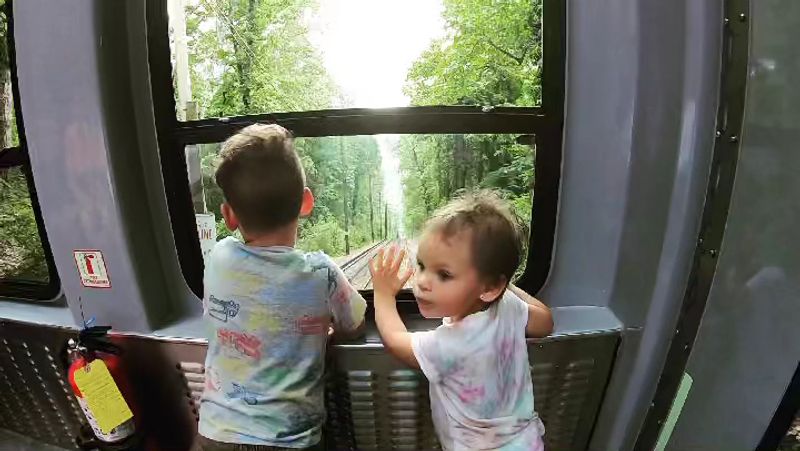
Good guides can make or break an outing, and this crew clearly gets that.
Car hosts deliver a running history tour, pointing out spots to watch for and sharing local facts along the way. Many are remembered warmly for being friendly, thoughtful, and genuinely helpful.
Humor is part of the package too. Guides are known for a steady stream of corny dad jokes that keep the mood light as the train rolls through the mountains.
Thoughtful touches show up as well, like a host bringing a crocheted blanket to a rider who got chilly on a rainy day.
Friendly staff earns hundreds of specific mentions, a sign the warmth is consistent rather than luck of the draw.
On a busy car, chatter and kids with loud whistles can sometimes drown out the narration, so sitting close to your host helps.
The people running these cars are a big reason the ride feels personal.
The Two-Town Layover On The State Line
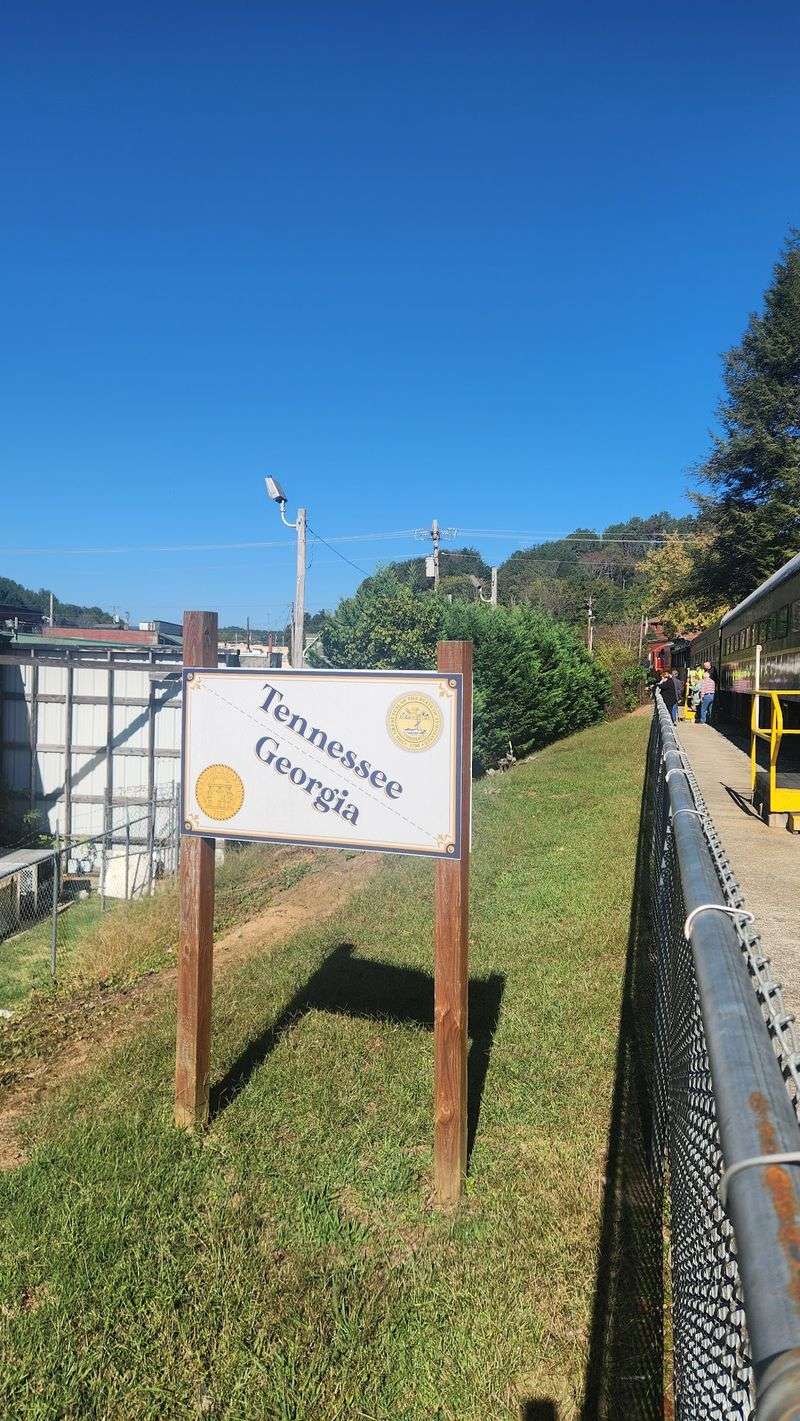
The far end of the line delivers a bonus that surprises first-timers.
The train stops at the twin towns of McCaysville, Georgia and Copperhill, Tennessee, which sit right on the border. You can stand in two states at once, a fun photo moment for the whole group.
The four-hour trip includes a two-hour layover here, giving you time to walk around, shop, and grab lunch.
The downtown strip is packed with restaurants and stores, and many people say two hours barely scratches the surface.
Plenty of riders wish they had a third hour to explore everything the border towns offer.
Cheesecake cupcakes from a local bakery come up again and again as a sweet stop worth making.
Between the shops, the food, and the novelty of two states, the layover often becomes a highlight all its own.
Snacks, Restrooms And Onboard Comforts
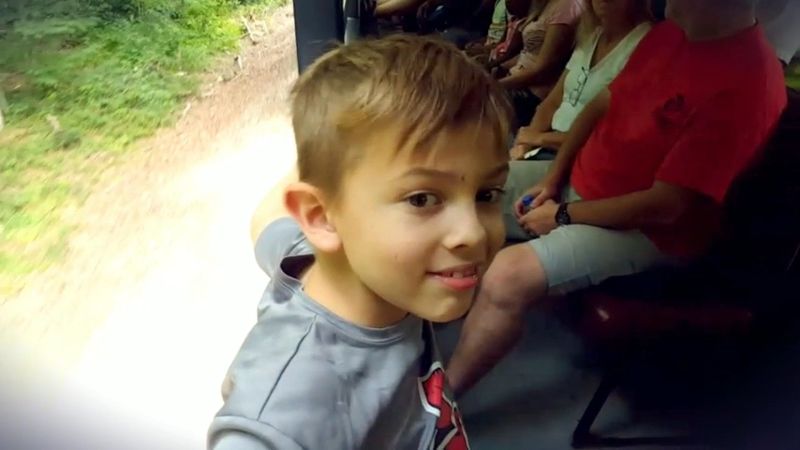
A four-hour outing needs a few creature comforts, and the train comes prepared.
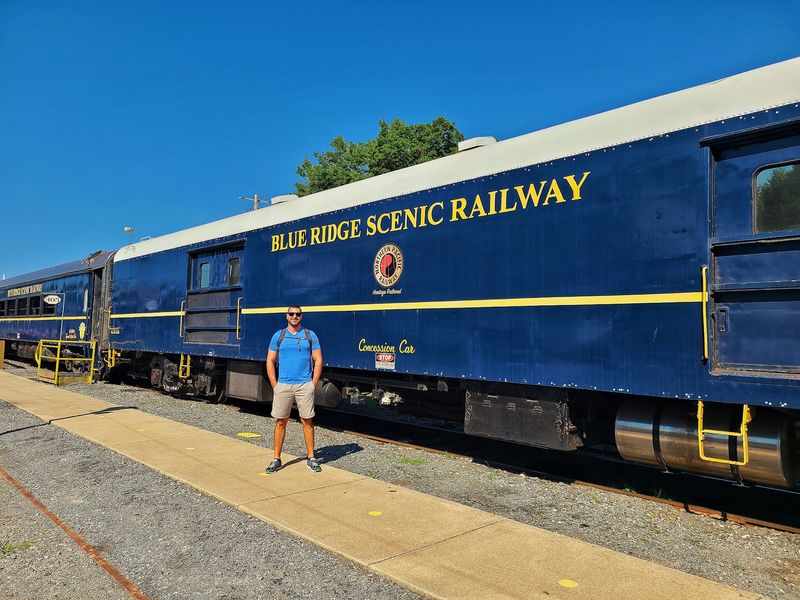
The concession car stocks a wide range of snacks and drinks, giving everyone options during the ride. People often note just how many choices are available onboard.
Restrooms sit at the end of each car, conveniently placed so you never have to wander far.
The trains themselves earn marks for being clean, which matters on a longer trip with kids.
Front-car riders get earplugs for the horn, though many find the sound perfectly tolerable without them.
There is even a photographer on hand if you want a keepsake picture from the day.
These practical touches let families settle in and enjoy the scenery without worrying about the basics, which goes a long way toward keeping a long ride smooth and stress-free.
Seating Choices From Open Cars To The Caboose
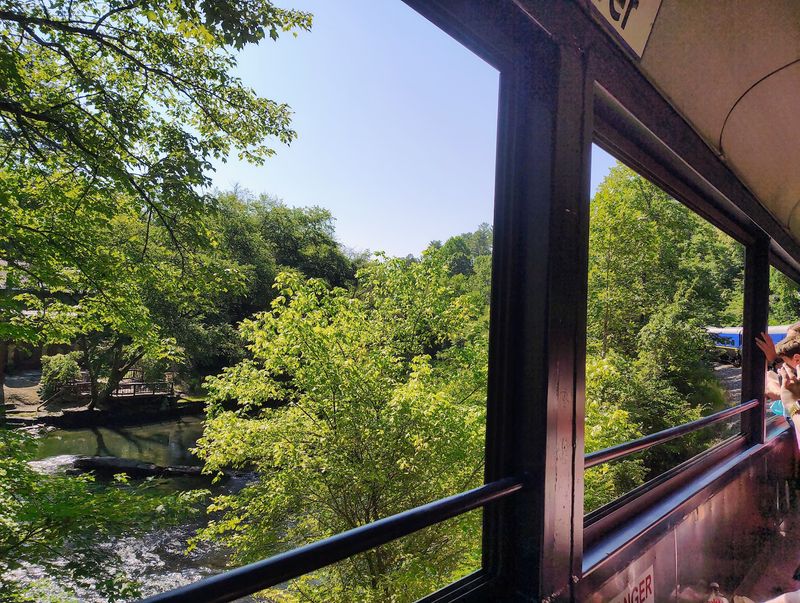
Not every seat on this train is the same, and the range is part of the fun.
Options run from the breezy open-air cars to enclosed cabins, a comfortable premier car, and even a caboose. Each has its own feel, so you can match the seat to your group.
The premier and closed cars keep the temperature steady, a plus on rainy or chilly days.
Riding the caboose earns rave marks from those lucky enough to snag it, complete with a knowledgeable host and provided snacks.
The catch is that the best seats fill quickly, especially the open cars during peak season.
Waiting too long can leave you in a closed cabin when you wanted the open air, a common note among planners.
Book ahead, pick your car with intention, and the seating alone can shape how the whole day feels.
Planning The Trip And Whether It Is Worth It
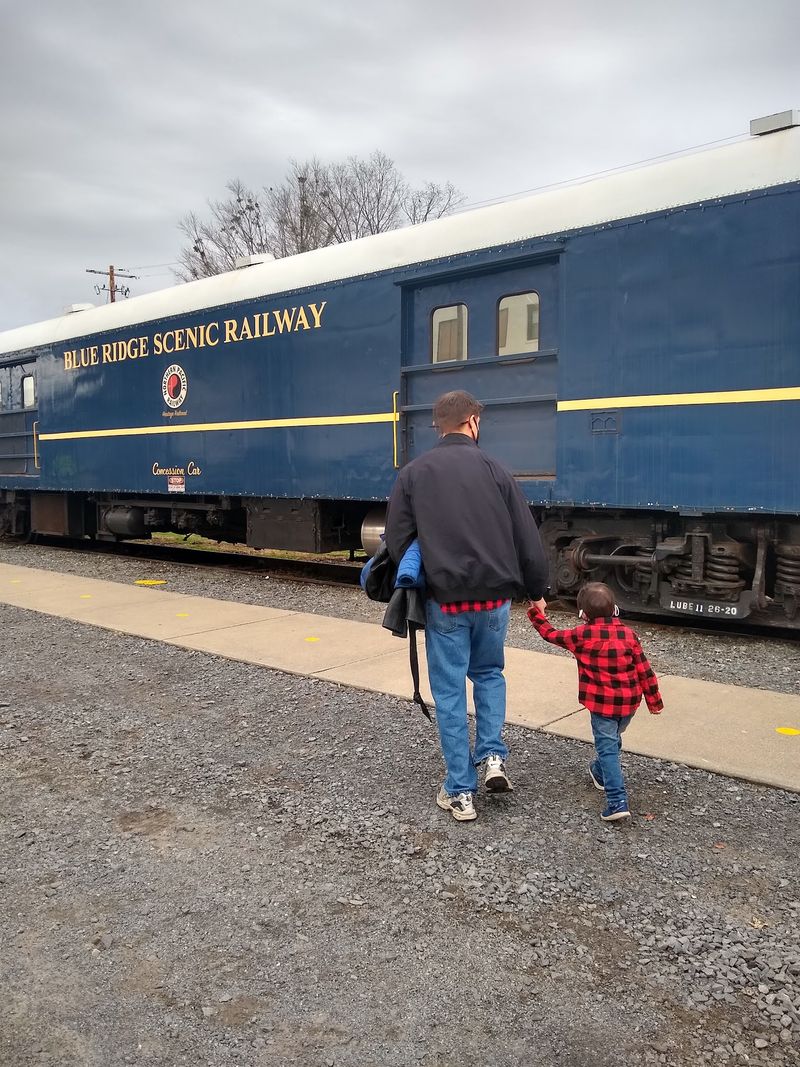
So how does the day add up once you weigh it all out?
The main route is a 26-mile round trip, offered as both a two-hour ride and the longer four-hour version with the layover. The two-hour option often sells out first, so grabbing tickets early pays off.
Holding a strong 4.5-star mark across thousands of trips, the railway clearly lands well with families.
A few travelers feel the price runs high for a slow ride that leans more on river homes than dramatic peaks, and the train stays on flat ground at about ten miles an hour.
Set expectations toward a peaceful, scenic outing rather than a mountain climb and the experience tends to shine.
Between friendly hosts, open-air views, and a charming two-town stop, most families walk away calling it the best part of their mountain visit.
For an unhurried day that mixes heritage rail with small-town wandering, this Blue Ridge ride keeps earning its return trips.