Affiliate disclosure: As an Amazon Associate I earn from qualifying purchases. Learn more
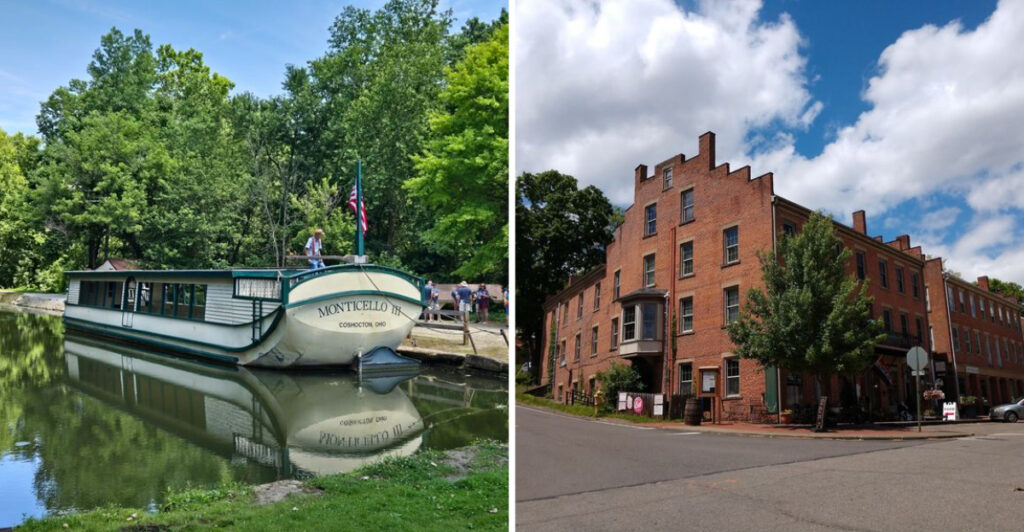
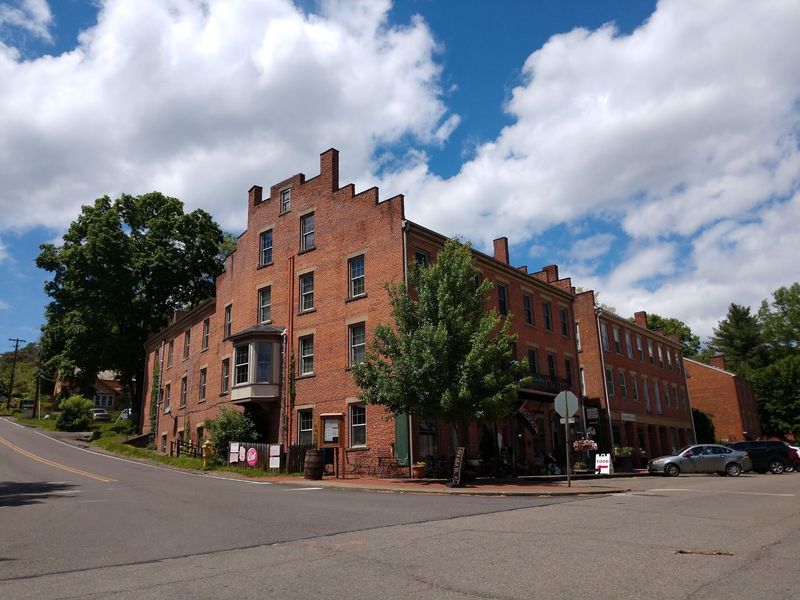
A single tree-lined street in eastern Ohio holds buildings that have stood for nearly two centuries, and walking down it feels a little like turning the clock back to when horse-drawn canal boats moved goods across the state. The town flourished when a busy waterway ran right behind the main row of shops and homes, and much of that early character has been carefully preserved.
There are working craftspeople, guided history tours, a slow canal boat ride, plus cafes and small stores tucked into restored storefronts. Families spend anywhere from three to six hours here without running low on things to see.
What makes it worth the drive is how easy it is to slow down, wander, and learn something along the way. Here is a full look at what waits at the end of that quiet historic street.
Where The Canal Story Begins
Tucked into the edge of Coshocton, Ohio, the address to punch into your GPS is 600 N Whitewoman Street, Coshocton, OH 43812. The name of the place is Historic Roscoe Village, and it sits just off the highway exit, easy to reach and easier to fall for.
The village grew up as a port town when a canal ran directly behind the main row of buildings, helping the young community thrive in the 1830s. That waterway shaped everything about the place.
Today the town is a preserved slice of that era, with restored storefronts, living history exhibits, and a working spirit that still hums along its single main street. It carries a strong 4.6-star rating across roughly 1,200 pieces of feedback.
The layout is refreshingly simple. One road, clearly marked historic buildings, and a walkable stretch that never feels overwhelming.
Newcomers often expect a full-scale reenactment town and instead find something gentler, a blend of history and everyday village life. That mix is exactly what keeps people coming back for a leisurely afternoon.
A Waterway That Built A Town
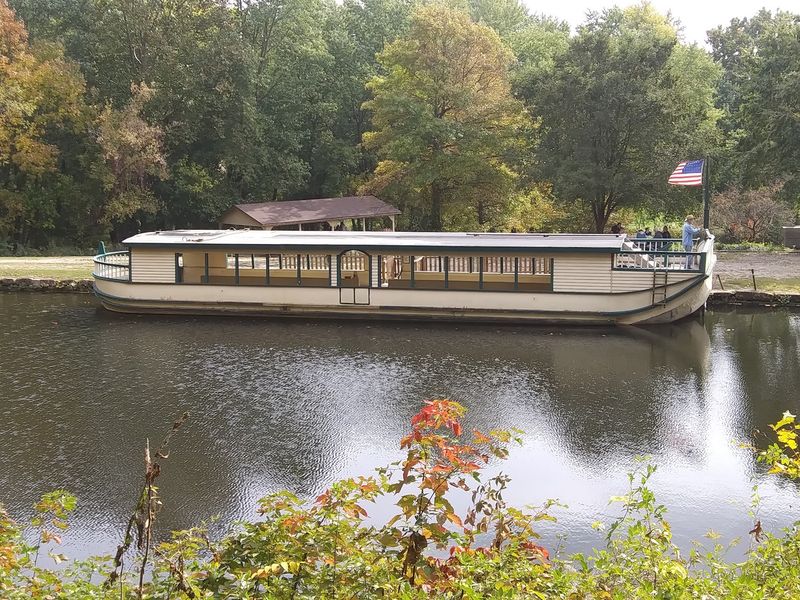
Long before highways cut through Ohio, canals were the interstate of their day, and this town owed its early success to the water that flowed just behind its buildings. The canal era gave Roscoe its reason to exist.
Understanding that history turns a simple stroll into something richer. The interpretive displays scattered through the village explain how goods moved, how the town grew, and why this little port mattered.
Regulars mention that learning the backstory of the town and the canals ranks among the most interesting parts of a visit. The past feels close here, even with modern cars parked along the same street.
The buildings that line the road date back nearly two hundred years. Some served as workplaces, others as homes for the community’s early notable families.
Standing on that street, you get a genuine sense of a town frozen at a particular moment. It is a quiet reminder of how much a single waterway could shape a whole community’s fortunes.
For anyone curious about how early Ohio really worked, the canal story is the thread that ties the entire visit together.
Gliding Along On A Canal Boat
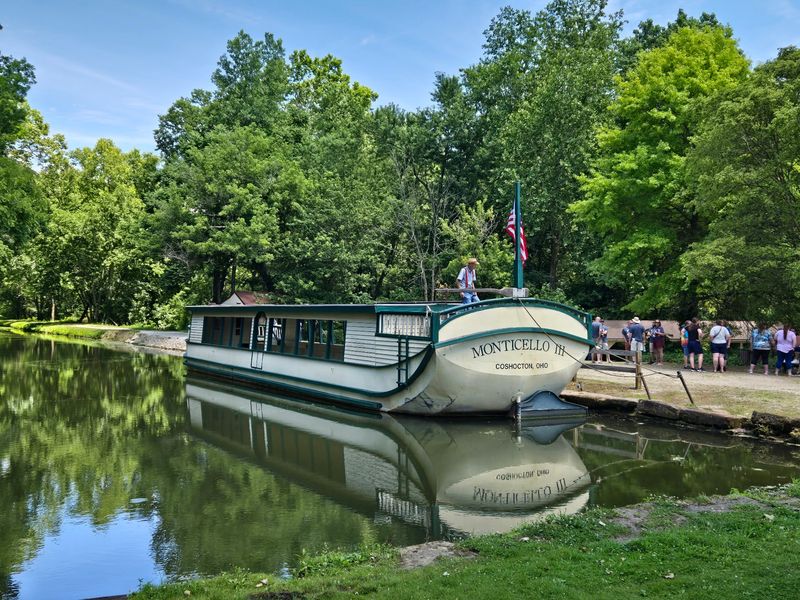
The single most talked-about attraction here is the canal boat ride, and it earns that attention honestly. Many people make the trip specifically for this slow float along the historic waterway.
The ride is described as delightful and relaxing, a chance to sit back and take in the surroundings at an unhurried pace. It is the kind of activity that suits every age in the family.
Timing matters more than you might think. The boat tours have historically run on weekends, and arriving early in the day gives you the best shot at climbing aboard.
Show up too late and you may find the boat already done for the day, a lesson some learn the hard way and use as an excuse to plan a return trip.
There is also a gift shop connected to the canal area, plus a large parking lot, which makes this part of the village convenient to reach. Picnic spots and restrooms sit nearby too.
If you only do one thing during your visit, the canal boat should top the list. Just build your day around getting there while the sun is still high.
Sparks Fly At The Blacksmith Shop
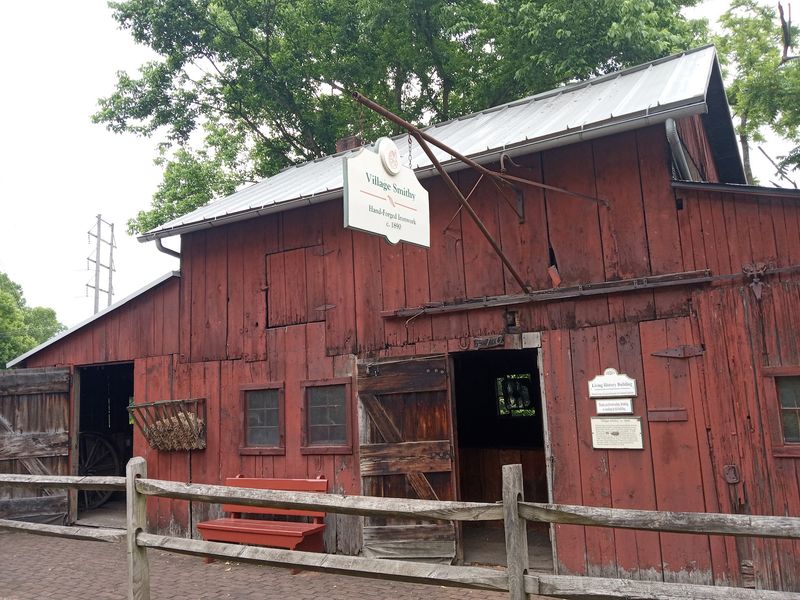
Of all the living history stops, the blacksmith holds a special place in people’s memories. When folks talk about the trades on display, the forge comes up again and again, second only to the canal ride itself.
The blacksmith works the way craftsmen did in the 1830s, shaping metal by hand and answering questions along the way. Watching a real person at the anvil brings the era to life in a way a display case never could.
Even on days when other exhibits leaned on video presentations, the blacksmith remained a live, hands-on highlight. That human element makes the stop memorable.
The demonstration fits neatly into the self-guided tour, giving families a genuine glimpse into old-fashioned craftwork. Kids in particular tend to gravitate toward the action.
It represents the kind of authentic detail that keeps the village from feeling like a museum behind glass. Here, the trade is alive and clanging.
Make sure the blacksmith shop lands on your route. It is one of those stops that turns a nice afternoon into a truly worthwhile one.
Costumed Guides And Old Trades
Part of the charm lies in the people who dress the part and demonstrate old-fashioned trades. Costumed interpreters bring skills like broom making and craftwork into the present.
The living history tour walks you through restored buildings where these demonstrations take place. Some stops feature staff in period attire who give demos and happily field questions.
Others rely on video guides that play at the push of a button. They still deliver good information, though many wish for more live interpreters throughout the village.
The interest in hands-on experiences runs strong. There is a real appetite for trying activities like broom weaving or candle making rather than just watching.
When the human element is present, the trades feel vivid and engaging. Staff members are consistently described as knowledgeable about their crafts and friendly with newcomers.
Special events sprinkled through the year often bring more costumed activity to the streets. For the fullest experience, timing a visit around one of those celebrations can be a smart move.
The village works best when its people are part of the story, not just its buildings.
Shops Tucked Into Historic Storefronts
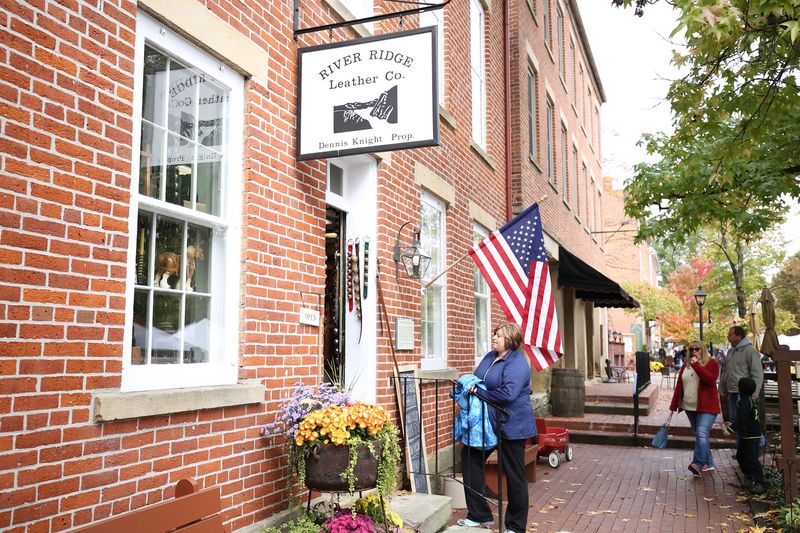
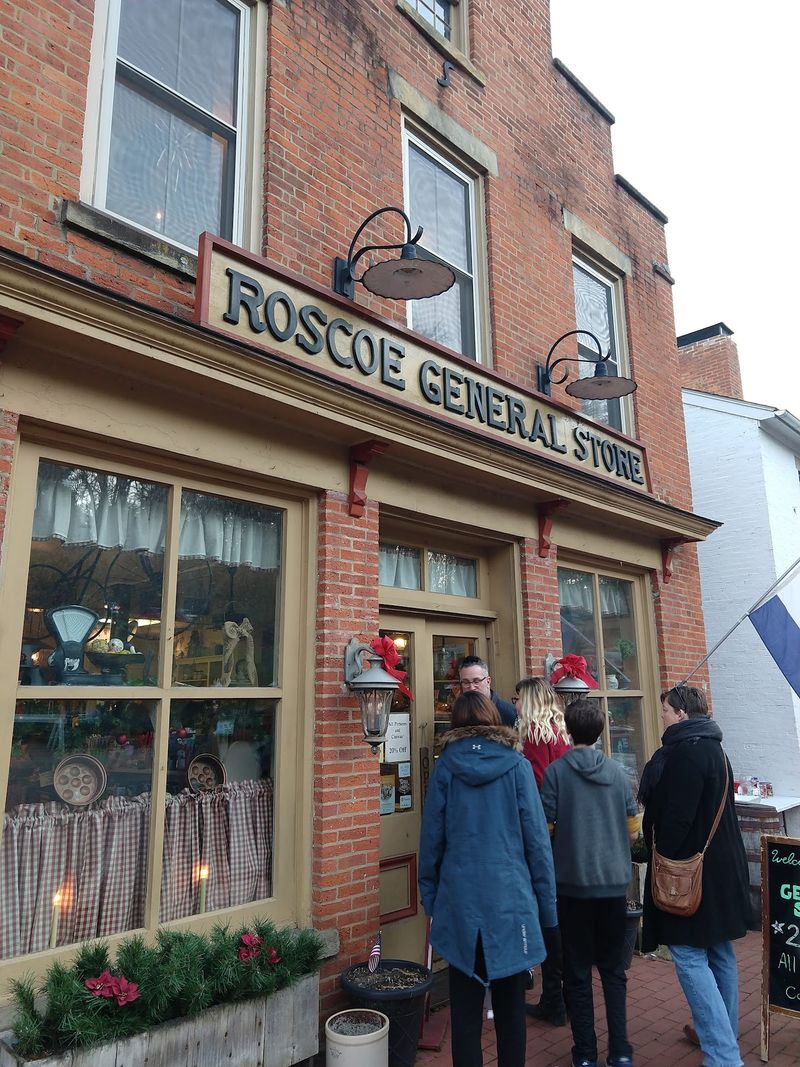
Beyond the history lessons, the village doubles as a lineup of small, browsable shops. The main street is lined with stores selling handmade crafts, knickknacks, and unique finds.
Wandering in and out of these storefronts is a favorite pastime here. The mix leans toward handmade goods now, and that fresh selection keeps drawing people through the doors.
A leather shop earns special mentions as a spot worth seeking out. There is also a candy shop and an ice cream stop for a sweet pause between browsing.
Art galleries add another layer to the shopping, giving the street a creative flair. The prices at the shops fall in line with similar establishments elsewhere.
Shop owners and workers tend to be helpful and warm, happy to chat about their wares. That friendliness turns simple browsing into a pleasant conversation.
The stores strike a nice balance, filling the historic buildings with life without crowding out their character. It is retail with a heavy dose of charm.
Even folks who skip the paid tours often find the shops alone make the afternoon worthwhile.
Gardens And Green Spaces To Wander
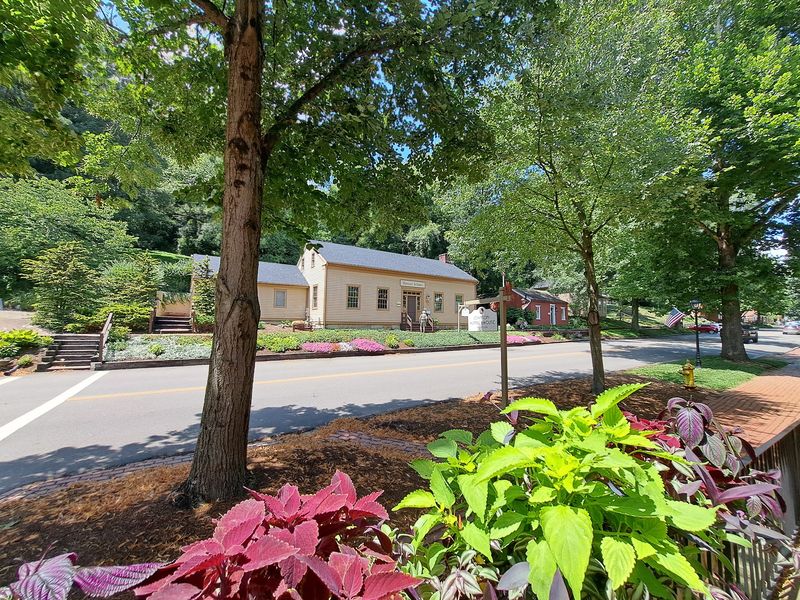
Green corners soften the historic streetscape and give the village a restful quality. The gardens here come up often as a highlight, offering a calm place to slow your pace.
Walking paths wind through the area, inviting an unhurried loop rather than a rushed march. The distance to cover is short, so no one gets worn out.
Beyond the gardens, the setting includes options for fishing, swimming, and simply strolling. There is more outdoor variety here than a quick glance might suggest.
Picnic areas sit near the main museum, complete with a small shopping area and restrooms. That makes it easy to pack a lunch and settle in for a while.
The overall feel is peaceful and unhurried, a place built for lingering rather than hurrying through. That relaxed atmosphere is a big part of the appeal.
For anyone who enjoys quiet outdoor spaces alongside their history, the gardens deliver a welcome breather. They round out the village into more than just a row of buildings.
Consider building in time to simply sit and enjoy the surroundings.
Start Your Day At The Visitor Center
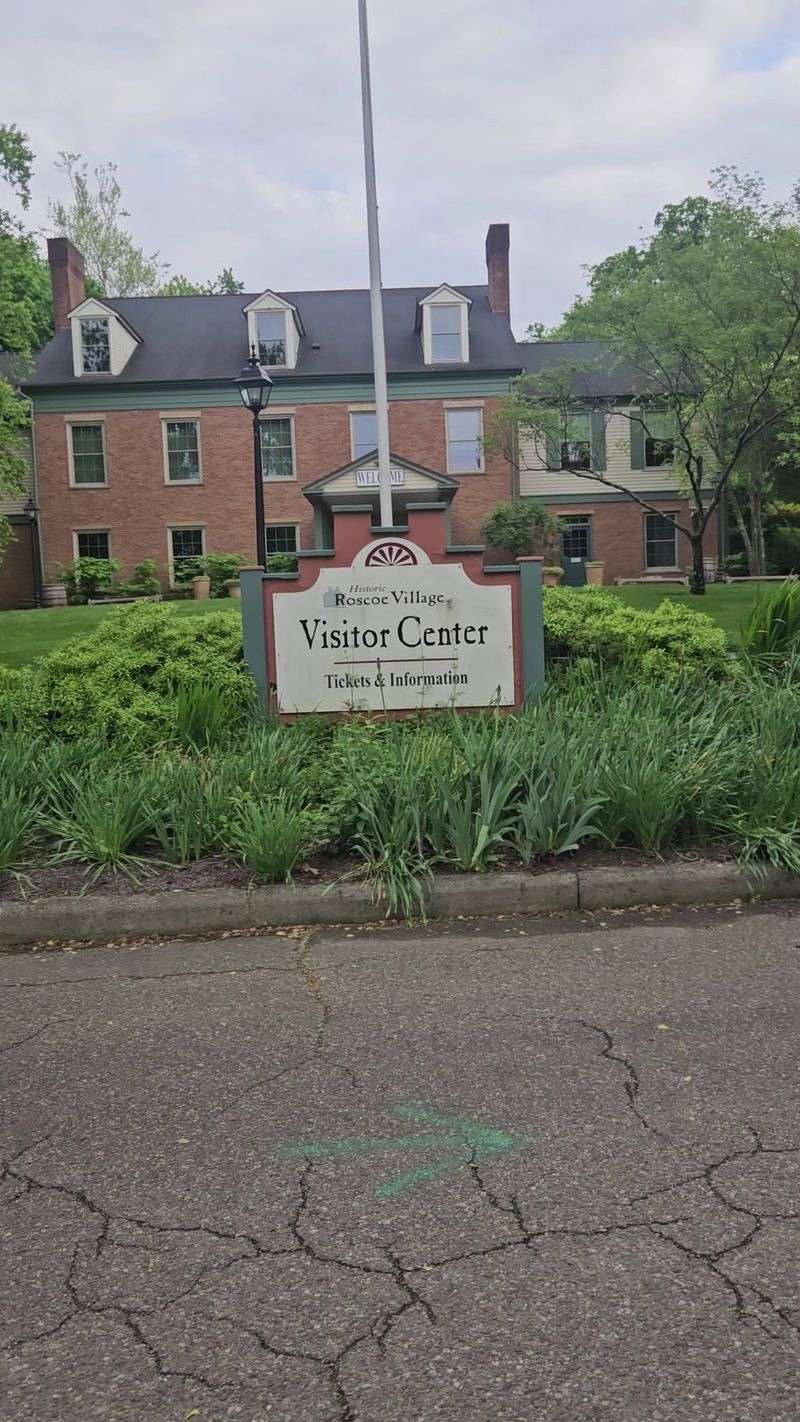
Every good visit here starts at the same place, and it is worth the stop. The Visitor Center serves as the launch point, complete with an introductory film that sets the stage.
Upstairs sits a museum on the second floor, adding another layer for the curious. The center is also where you sort out ticket prices and figure out which parts of town you want to explore.
The building itself is described as large and genuinely welcoming. It gives you the full rundown before you head out to the village proper.
Plenty of helpful information waits inside, and on good days the staff are friendly and eager to point you in the right direction. Arriving here first saves confusion later.
Parking at the Welcome Center is a smart move over parking on the street. It keeps your day simple and your walk short.
A scavenger hunt available in the museum turns the visit into a small adventure for kids. Families with young explorers find it a fun addition.
Think of the center as your map and compass for everything that follows.
Festivals And Seasonal Celebrations
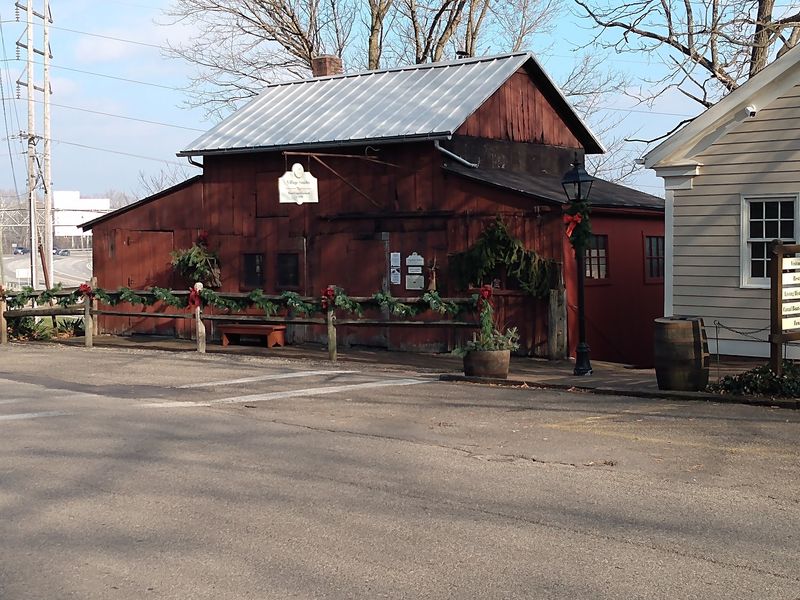
Certain times of year transform the village into something extra special. Several events fill the calendar, giving repeat visitors fresh reasons to return.
The Apple Butter Festival is one of the recurring highlights, drawing people to the historic street for a taste of tradition. It is among the most mentioned annual gatherings.
Come winter, the Christmas candle lighting turns the town into a warm holiday setting. That event in particular earns fond affection from families.
Music often threads through these celebrations, adding to the inviting mood along the street. Crafters and food stops join the festivities too.
For some, visiting during these events has become a cherished family tradition passed down over many years. The festivals turn a simple day trip into an annual ritual.
Because the village leans on live activity to shine, a festival day tends to show it at its liveliest. More people in period spirit means a fuller experience.
Checking the event schedule before you go can be the difference between a nice visit and a memorable one. Time it right, and the town truly comes alive.
Places To Pause And Eat
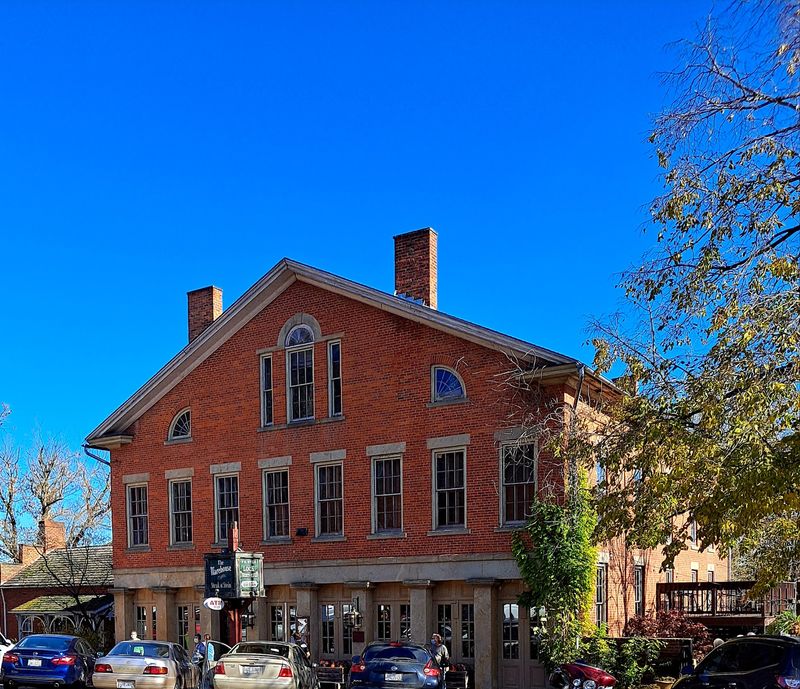
Hungry wanderers will find no shortage of options along the street. The village holds several restaurants, cafes, coffee stops, and sweet treats, all noted for good quality at reasonable prices.
One important tip stands out above the rest. The eateries get very busy at meal times, and getting seated during the lunch rush can prove challenging.
Planning your meal a little earlier or later than the crowd helps enormously. Some people have arrived at peak hours and struggled to grab a table.
The dining spots fit naturally into the historic buildings, keeping the setting charming even while you take a break. Prices land in line with similar places.
Between the cafes, the candy shop, and the ice cream stop, there is something for every craving and every age. A sweet pause is never far away.
Staff at the eateries have a reputation for being considerate, even when the place is packed. That thoughtfulness eases the wait.
Build a meal into your itinerary, just aim to dodge the noon crunch, and you will eat well without the frustration.
Hours, Tickets, And Getting There
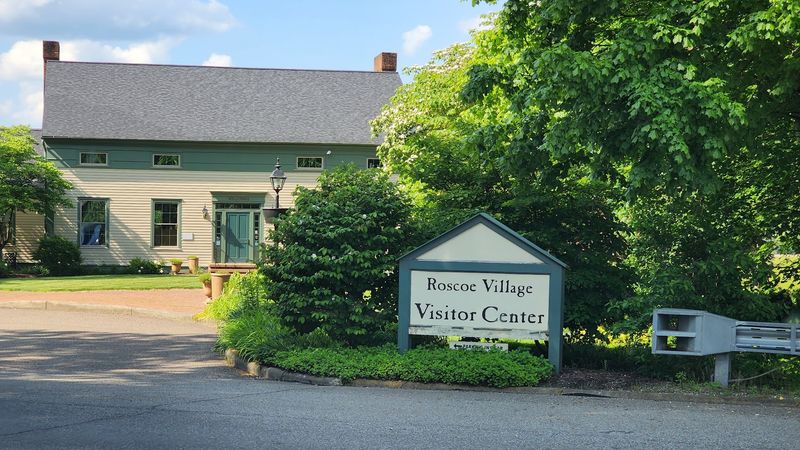
Planning the logistics keeps a visit smooth. The village runs Tuesday through Sunday from 10 AM to 4 PM, and it stays closed on Mondays.
Because the buildings wind down by 4 PM, arriving early gives you the most time to explore. Showing up late can cut your tour short before you finish.
Ticket pricing is generally described as reasonable. The historic tour has run around 11 to 13 dollars for an adult, with the main museum and craft activities carrying separate fees.
Parking is free, and using the Welcome Center lot beats hunting for a street spot. Out of season, spaces come easy, while busy stretches naturally draw more traffic.
Getting here is straightforward, with the village sitting just off the highway exit near Coshocton, roughly an hour south of Canton. You can reach the team at 740-622-7644 or check details at roscoevillage.com.
Plan on three to six hours to see the town at a comfortable pace. That window lets you enjoy the tour, the shops, and a meal without rushing.
A little forethought on timing makes all the difference here.
Why This Village Earns The Drive
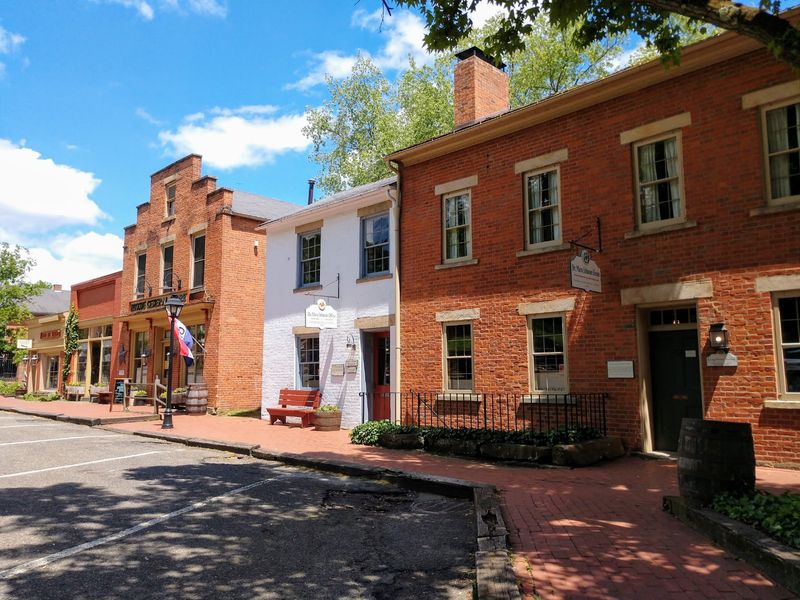
After a full loop through the town, the appeal becomes clear. This is a place built for slowing down, learning a bit, and enjoying an easy, unhurried day.
The strong 4.6-star standing reflects how much people take to its blend of history and everyday village charm. It suits families, couples, and solo wanderers alike.
Setting expectations helps. Rather than a nonstop reenactment, you get a preserved canal town with live demonstrations, restored buildings, shops, and a memorable boat ride mixed in.
The winning formula is simple. Start early, park at the Welcome Center, ride the canal boat, watch the blacksmith, browse the shops, and eat outside the lunch rush.
Peaceful, walkable, and rich with stories, the village rewards curiosity without demanding much effort. It is the kind of outing that leaves people planning a return before they have even left.
For a low-key day trip that quietly transports you to the 1830s, this restored corner of Ohio delivers. Point the car toward Coshocton and let the canal town do the rest.