
Affiliate disclosure: As an Amazon Associate I earn from qualifying purchases. Learn more
Highway 41 carries a steady stream of cars toward Yosemite, and most drivers never guess what is hiding in the trees just off the road. A short distance from the pavement, a historic steam locomotive pulls open cars along a winding track into a part of the Sierra National Forest that no car can reach.
The trip lasts about an hour, pauses at a creek canyon, and comes with stories about the logging days that shaped these mountains. There are also chances to pan for gold, mail postcards home for free, and even ride under the stars with live music.
Families, train fans, and anyone who needs a break from a long day of hiking tend to leave with a new favorite memory. Keep reading to learn what makes this ride special, when to go, and how to get the most out of a visit.
A Railroad Hiding Near Yosemite’s Doorstep
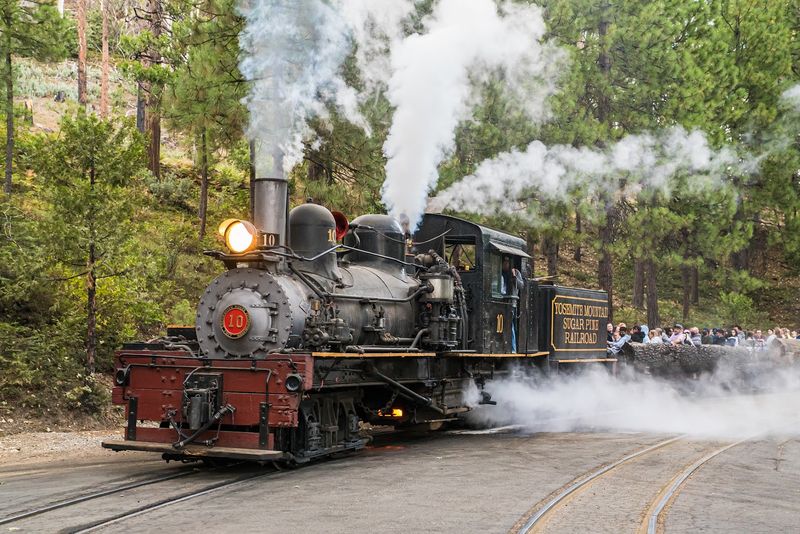
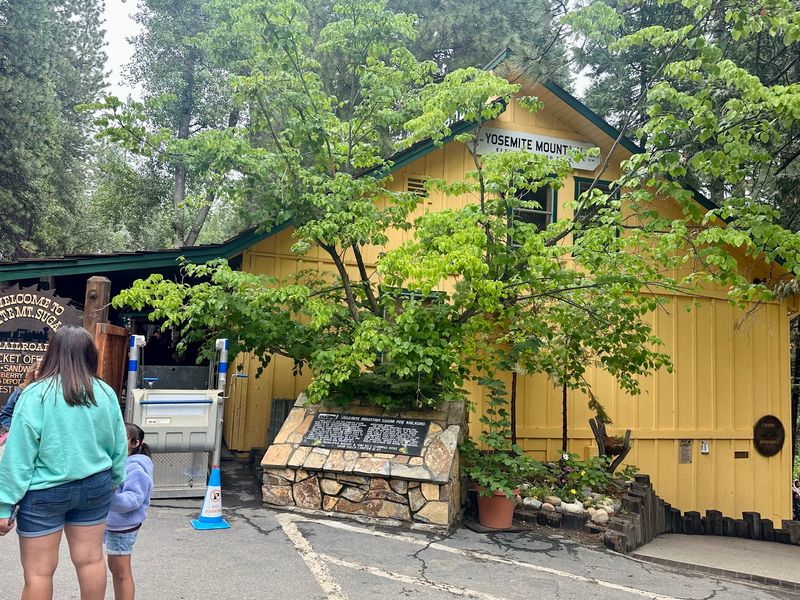
Tucked into the pines just south of Yosemite National Park sits the Yosemite Mountain Sugar Pine Railroad. Its address is 56001 CA-41, Fish Camp, CA 93623, in the state of California.
The setting is the Sierra National Forest, which means the tracks run through public woodland instead of past parking lots and gas stations. The railroad operates historic steam locomotives that pull passengers on a scenic forest ride with a stop at Lewis Creek Canyon.
Many travelers heading into the park drive right past the turnoff without a second glance. That is a shame, because the depot is a full little world of its own.
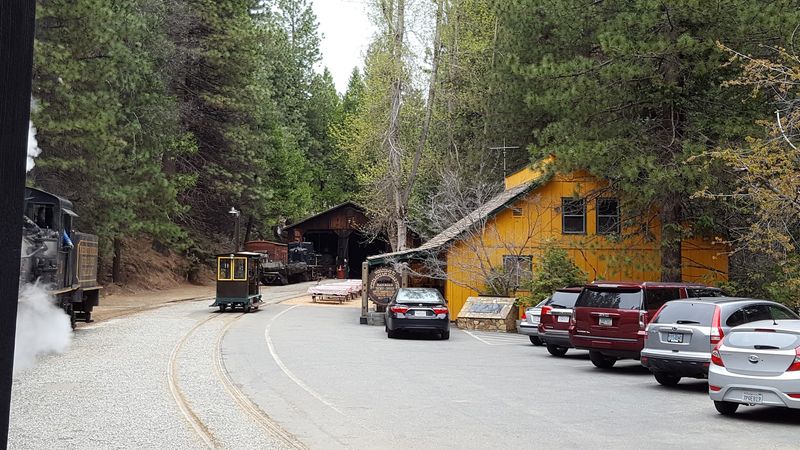
There is a small museum, gift shops, a kids store, a snack bar, a gold panning area, and a picnic spot with plenty of tables. Two parking lots handle the crowds, so finding a space is usually simple once you arrive.
The railroad holds a 4.7 star average across more than two thousand opinions on Google, which says a lot about how consistently good the experience is.
Think of it as a side trip that can easily become the main event of the day.
Finding the Turnoff Without a Detour
Getting lost on the way to a train is a little ironic, yet it happens. Some GPS units and map apps have been known to send drivers to the wrong spot or to a location just next to the depot.
Signs along the route are also limited, so a bit of planning helps.
The safest approach is to enter the full street address, 56001 CA-41, and watch closely as you near Fish Camp. The railroad sits right on Highway 41, the main route between the Fresno side and Yosemite’s southern entrance.
Once you pull in, the rest gets easy. Staff point the way to ticketing, parking, and the boarding area, and the whole check-in process tends to run smoothly.
Families traveling with toddlers have found the setup especially stress-free, from buying tickets to climbing aboard.
One more tip: arrive early. Staff have been known to help late arrivals catch their departure, but it is kinder to your nerves to show up with time to spare.
A few extra minutes also leaves room to browse the shops before the whistle blows.
Logging Roots Along the Rails
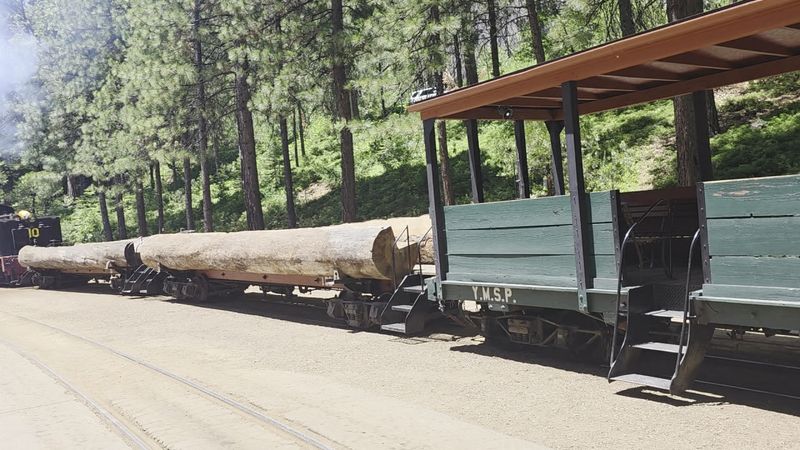
Long before tourists rode these tracks, the Sierra forests were working country. Logging history is one of the most talked about parts of a trip here, and it gives the ride real depth.
The railroad leans into that past. Narration on board explains how the region’s history connects to timber, trains, and the people who worked in these hills.
It is the kind of history lesson that does not feel like homework. Guests often come away saying they learned more than they expected without feeling lectured.
The small on-site museum adds another layer. Entry is free, with donations welcome, and it makes a good stop before or after the ride.
School groups visit on field trips, which tells you the educational value is solid. Adults get plenty out of it too, especially train fans who enjoy the backstory of the equipment.
The whole place has a way of making the past feel close. Several guests describe the visit as a trip back in time that brings out a wave of nostalgia.
History, it turns out, travels best at about the speed of a steam engine.
The Shay Locomotives Doing the Heavy Lifting
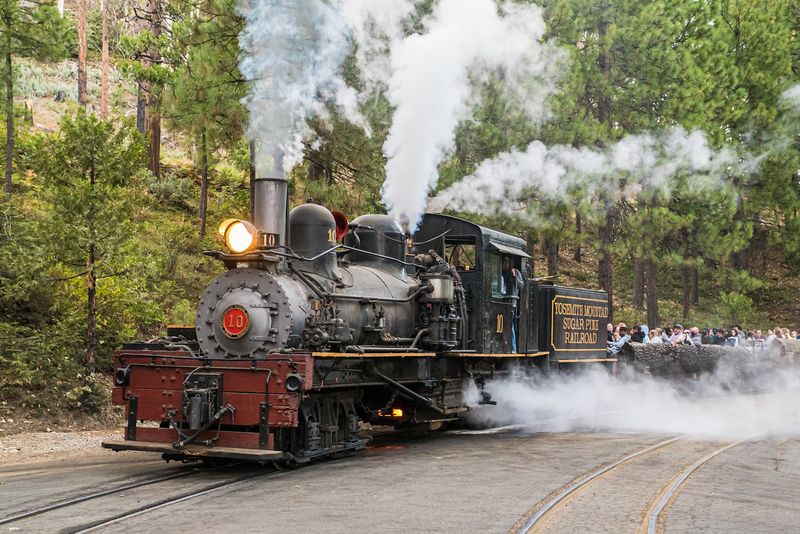
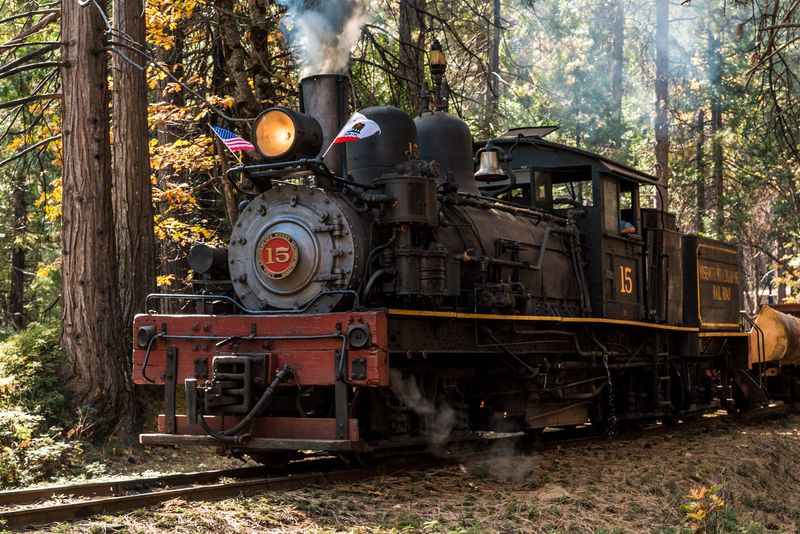
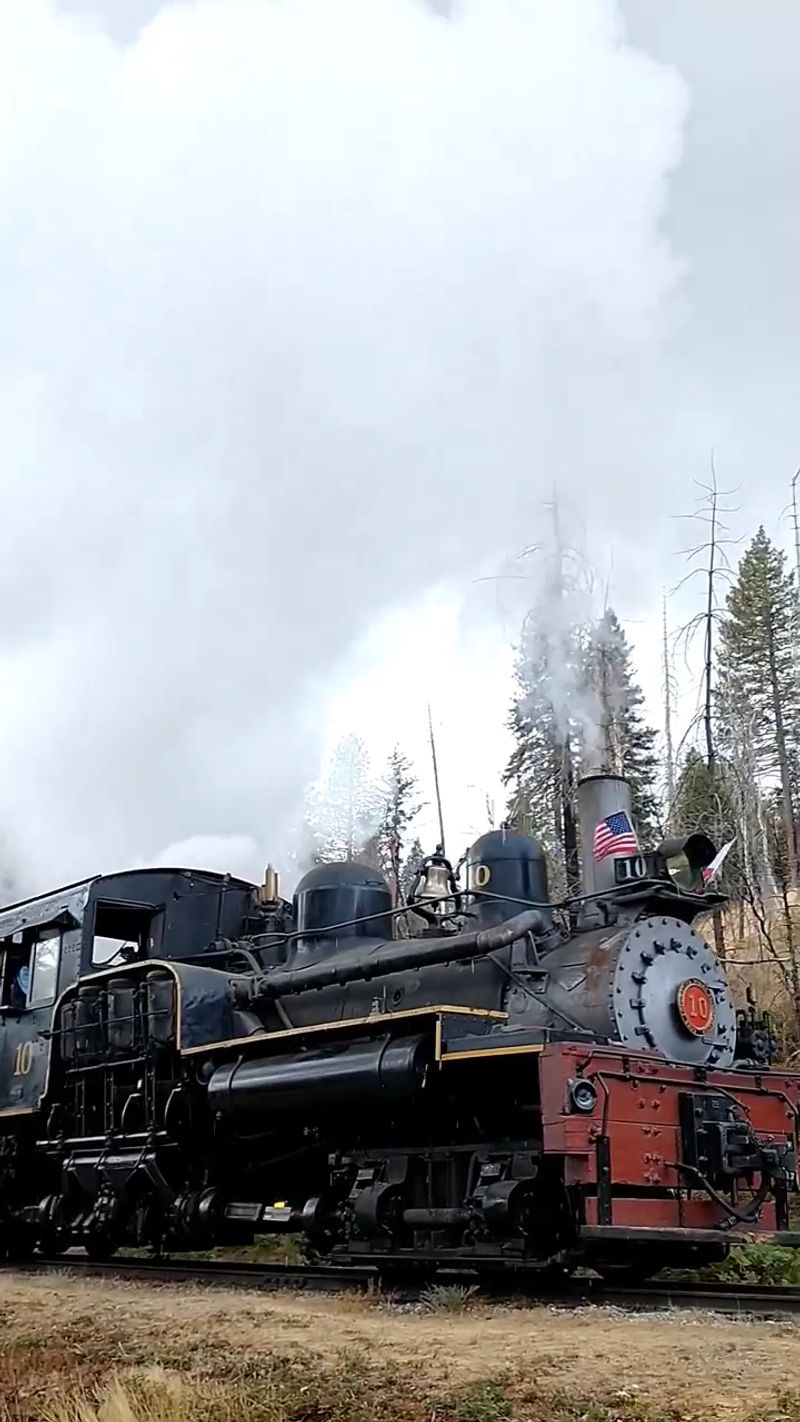
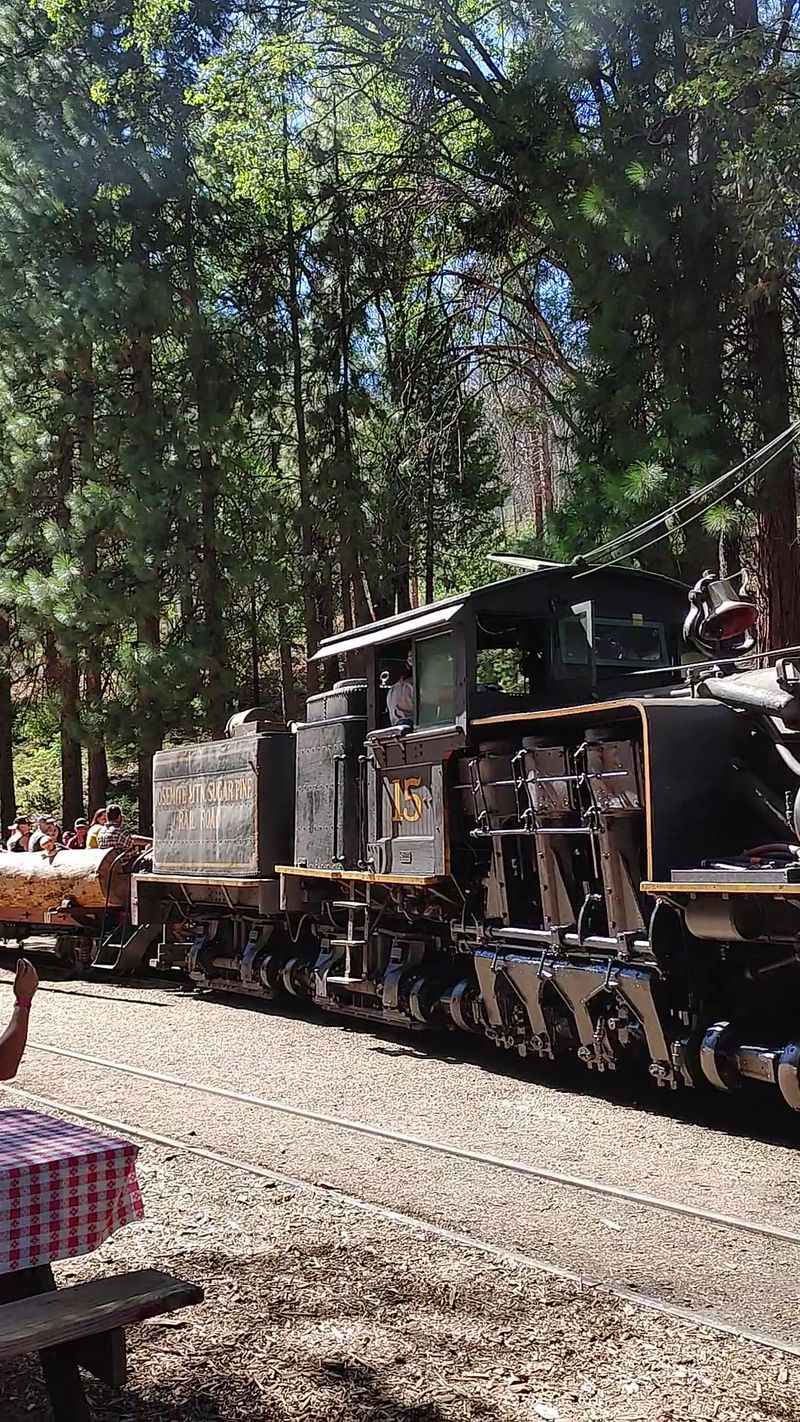
Not every steam engine is built the same, and the stars of this show are proof. The railroad runs Shay locomotives, a type of steam engine that train lovers get especially excited about.
Repeat riders mention the Shays as a big reason they keep coming back. One family has made the trip four times and still calls it a highlight.
For kids, the engine itself is the attraction. Little ones have been known to chant choo choo for the entire ride, which is about the highest praise a toddler can give.
Grown-ups get hooked too. More than a few adults admit they enjoyed riding the machine just as much as their children did.
Photographers should keep cameras ready when the track bends. The curves give a clear view of the locomotive working its way through the forest, and those shots are often the best of the day.
Steam power does produce smoke, so seat choice matters a bit, a topic covered later in this story.
For now, the takeaway is simple: the engine is not just transportation. It is the reason to buy a ticket.
Four Miles Into the Sierra National Forest
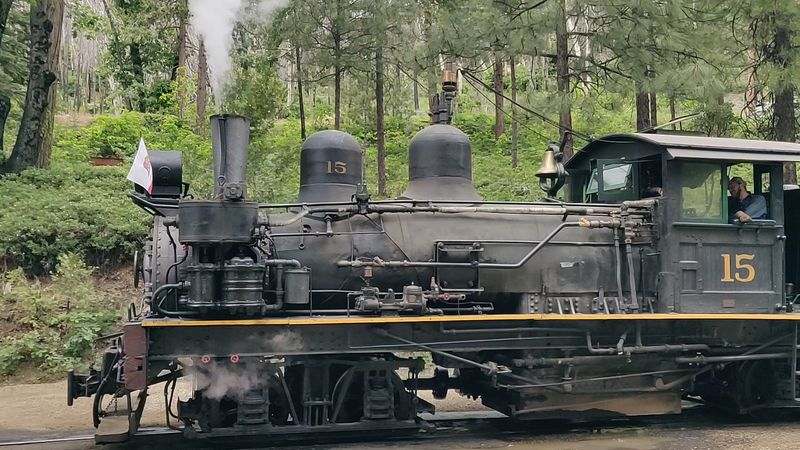
Roughly four miles of track separate the depot from the deeper forest, and every one of them stays out of sight from the highway. That is the whole appeal.
The ride lasts about an hour. The train heads down the mountain, pauses at the bottom, and then climbs back up.
Along the way, the scenery is all trees, slopes, and quiet. Many riders call it peaceful and relaxing, a nice change after crowded viewpoints in the park.
It also works as a rest day activity. Families who have spent days walking trails often appreciate the chance to sit down and still see the backcountry.
The burn scars from wildfires are part of the view too. The railroad came through two major fires in the last decade thanks to the work of firefighters, and the landscape still shows how close those fires came.
That story adds weight to the ride. It turns a pleasant outing into a reminder of how much effort goes into protecting places like this.
Plenty of travelers count it among the top moments of their Yosemite trip.
A Pause at Lewis Creek Canyon
Halfway through, the train takes a breather, and so do the passengers. The stop at Lewis Creek Canyon lasts about 15 minutes.
Riders step off, stretch, and get a look at a forest stream that most Yosemite travelers never see. Restrooms are available at this stop, a detail parents with small kids will appreciate.
It is a low-key moment. Nobody rushes, and nothing about it feels scheduled to the second.
This is also a good chance to take photos of the train standing still in the woods. The locomotive at rest in the canyon makes for a memorable picture.
After the break, the engine starts the climb back toward the depot. The return trip offers a second look at the forest, often with a slightly different angle on the views.
Some riders say the trip back, especially near dusk, is the most peaceful part of the day. Sitting with family in the quiet forest has a way of making the rest of a busy vacation slow down.
Fifteen minutes may not sound like much, but it leaves a lasting impression.
Narrators Who Keep the Story Rolling
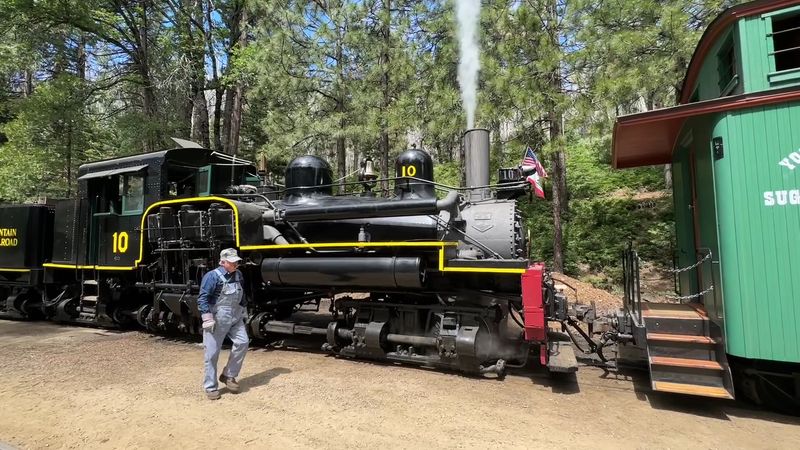
A good guide can turn a nice ride into a great one. Here, the narration on board earns steady praise for being informative and entertaining.
Guides share the history of the train and the region as the cars roll downhill. The talks are brief enough to hold a child’s attention and interesting enough to keep adults listening.
Friendly staff is by far the most mentioned topic about this railroad, with more than two hundred comments pointing to it. That is a remarkable number for any attraction.
Crew members are described as knowledgeable, seasoned, and kind. Several are remembered by name long after the visit ends.
The helpful attitude shows up in small ways too. Staff guide guests through parking and boarding, and they have even held a departure for a family running a few minutes late.
Guests who book First Class have also enjoyed having a private guide with plenty of information to share.
All of it adds up to a ride that feels personal. The forest supplies the views, and the people supply the stories.
Gold Panning for Pint-Sized Prospectors
Strike it rich? Maybe not, but kids certainly leave feeling like they did.
The gold panning area is one of the biggest hits at the depot.
A staff prospector teaches children how to swirl their pans and spot the shiny flakes. Families often single out the person running this station as patient, knowledgeable, and great with young learners.
The best part for kids is that they get to keep the bits of gold they find. A tiny souvenir like that tends to become a prized possession.
Gold panning is offered as an add-on, and parents frequently say it was worth the extra cost. Teens, tweens, and even toddlers have all had fun at the troughs.
Adults can join in as well. Nobody checks ID at the panning area, and plenty of grown-ups quietly enjoy the hunt.
It pairs nicely with the train ride. While waiting for a departure, a session of panning keeps restless kids busy and happy.
The gold may be small, but the bragging rights are huge.
Free Postcards With Postage Covered
Here is a small perk that people love talking about. Guests receive three postcards to send to anyone they like, and the railroad pays the postage.
It is a charming tradition. Kids often use theirs to write to grandparents, which turns the trip into a shared memory for the whole family.
Some travelers mail all three on the spot. It is a simple way to tell friends back home about the ride, and maybe inspire their own Yosemite plans.
In an age of instant photos and texts, a real postcard arriving in the mailbox feels special. That is likely why this little gesture gets mentioned so often.
The postcards also work as a calm activity before boarding. Writing a few lines gives kids something to focus on while the train gets ready.
It costs nothing extra and takes only minutes. Yet it is one of those details that makes a visit feel thoughtful rather than routine.
Bring the addresses of a few favorite people, and the mail carrier will handle the rest.
Museum Corners and Shops Worth a Wander
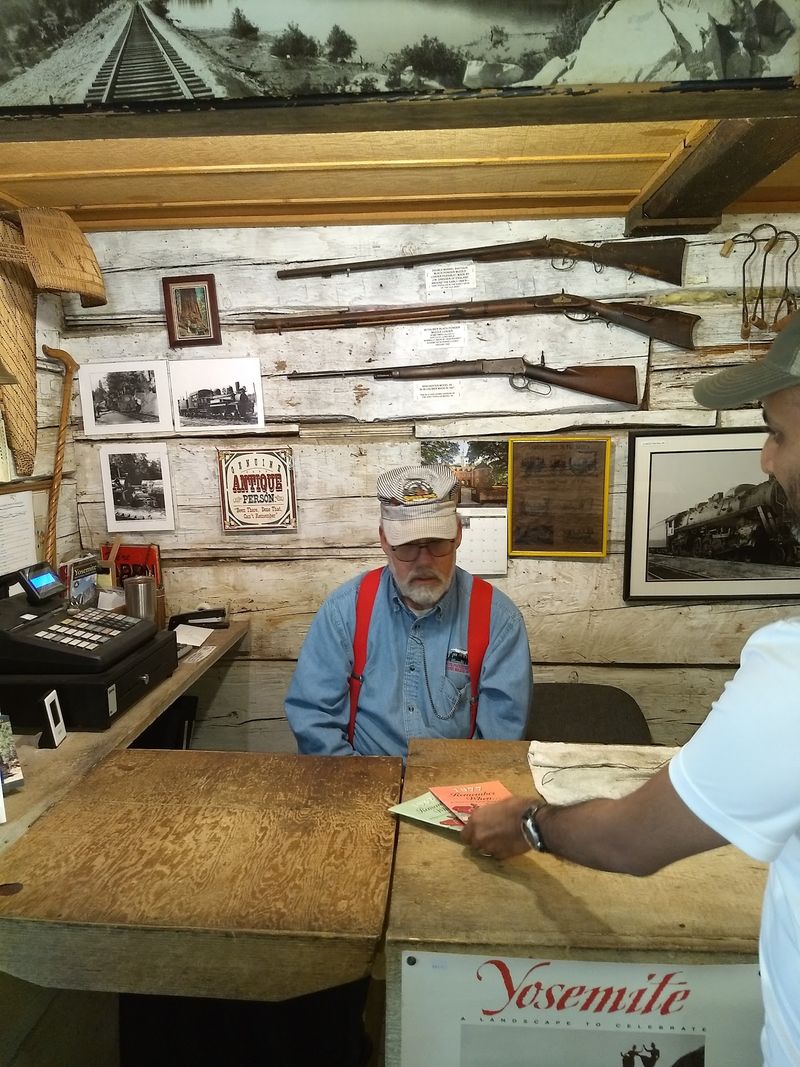
Before or after the ride, the grounds offer plenty to explore. A small museum sits on site, and it is free to enter, with donations welcome.
Inside, the focus is on the area’s railroad and logging past. It is compact, so it fits easily into a visit without eating up the afternoon.
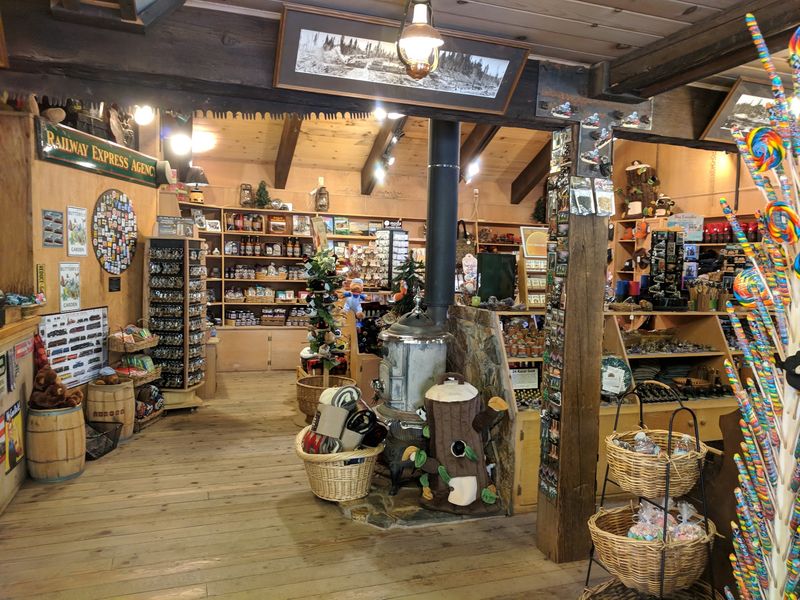
Shopping is another popular pastime here. There is a gift shop that earns warm praise, plus a kids store, called the Kids Depot, stocked with toys.
Children tend to head straight for that one. Parents may want to set a budget before walking through the door.
Browsing the little shops after the ride is a favorite way to wind down. The setup feels organized and easy to move around.
The whole area is described as clean and well maintained, which matters when you are spending a few hours with family.
Wheelchair accessibility has also been noted, making the grounds welcoming for a wide range of guests.
Between the museum and the shops, the depot proves that the fun does not end when the train pulls back in.
Picnic Tables, Snacks, and Lunch Options
Hungry riders have choices, which is always good news on a family trip. A snack bar sells snacks and beverages, and lunch can be purchased along with tickets.
Bringing your own food is allowed too. That flexibility helps families watching their budget or traveling with picky eaters.
The picnic area is a highlight. It has plenty of tables set among the trees, making it easy to settle in before or after the ride.
Food and drinks are permitted on the train as well. A bottle of water and a small snack can make the hour on board even more comfortable.
Lunch at the depot gets solid marks from families who tried it. Many describe it as a nice way to round out the visit.
Planning tip: decide ahead of time whether to buy lunch or pack it. Adding a meal when buying tickets keeps the day simple.
Either way, a relaxed picnic under the pines makes a pleasant break in a busy Yosemite itinerary.
Moonlight Rides and Campfire Tunes
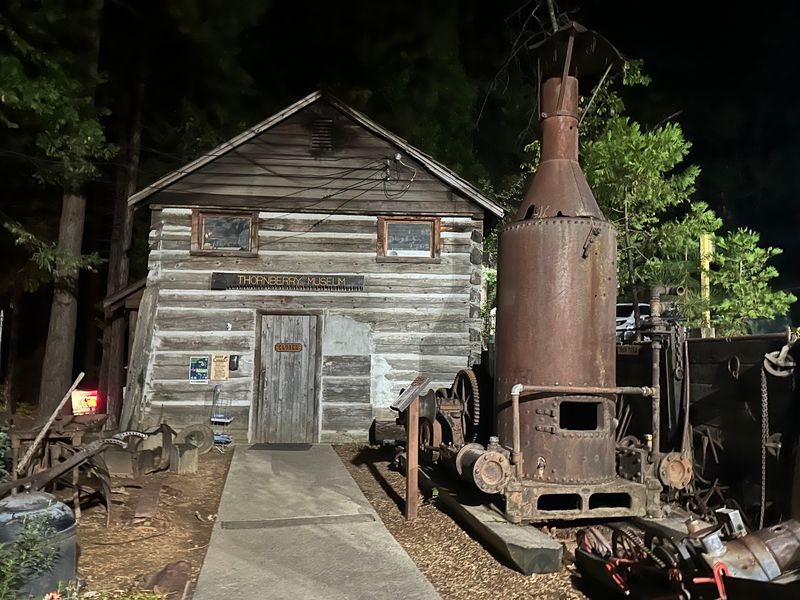
When the sun goes down, the railroad switches into a different mode. The Moonlight Dinner Ride is one of its most beloved experiences.
The evening starts with a barbecue dinner, often including steak, while a live band plays. The music continues through the whole outing, right up to a campfire stop in the forest.
Then comes the ride under the stars. Historical narration still plays a part, with hosts who keep the evening engaging.
Groups and entire communities have booked these nights together. Some families enjoyed it so much they plan to make it a yearly tradition.
Live music shows up during daytime visits too, adding a fun atmosphere around the depot.
Seasonal events extend the calendar further. The railroad hosts special Halloween and Christmas experiences, and travelers who miss them often wish they had timed their trip differently.
Book these evening rides ahead, since special events tend to fill up.
Daytime trips show off the forest, but the nighttime version adds a bit of magic that daylight simply cannot match.
Smart Seating and Seasonal Tips
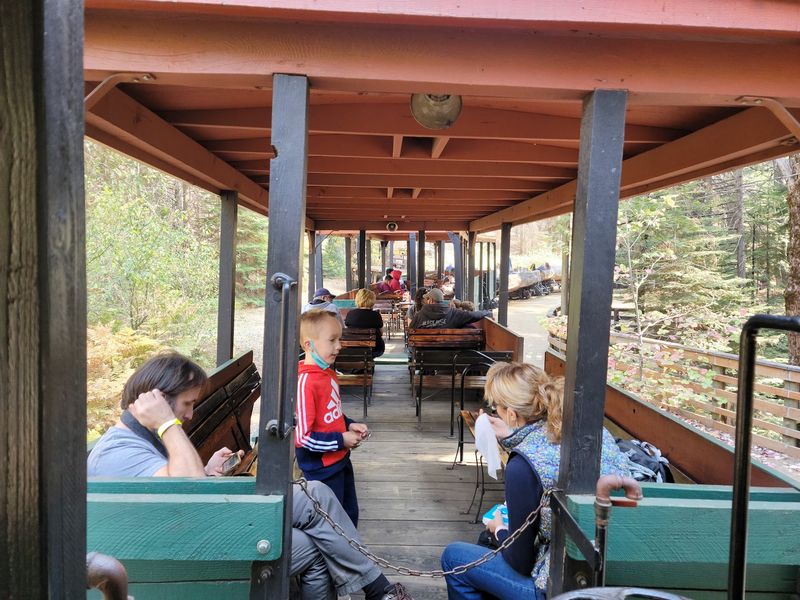
Seat choice can quietly shape the whole ride. A smart move in summer is to sit near the middle of the train, ideally in a covered car.
That spot keeps you a comfortable distance from locomotive smoke. It also shades you from the strong summer sun.
The middle position has a bonus for photographers. As the train rounds curves, you get a clear view of the engine bending ahead through the trees.
Caboose seating is another popular topic, and it appeals to anyone who wants a classic railroad feel.
First Class is available too. Guests who chose it enjoyed the upgrade and the extra attention from a private guide.
Weather varies a lot in the mountains. Rides have run in cold, windy, snowy conditions, and passengers still called the experience wonderful, so pack layers outside summer.
Holidays bring families out in good numbers. Mother’s Day outings, for example, have been a hit.
A little planning turns a good ride into a smooth one, and it costs nothing but a moment of thought.
Worth the Whistle Stop
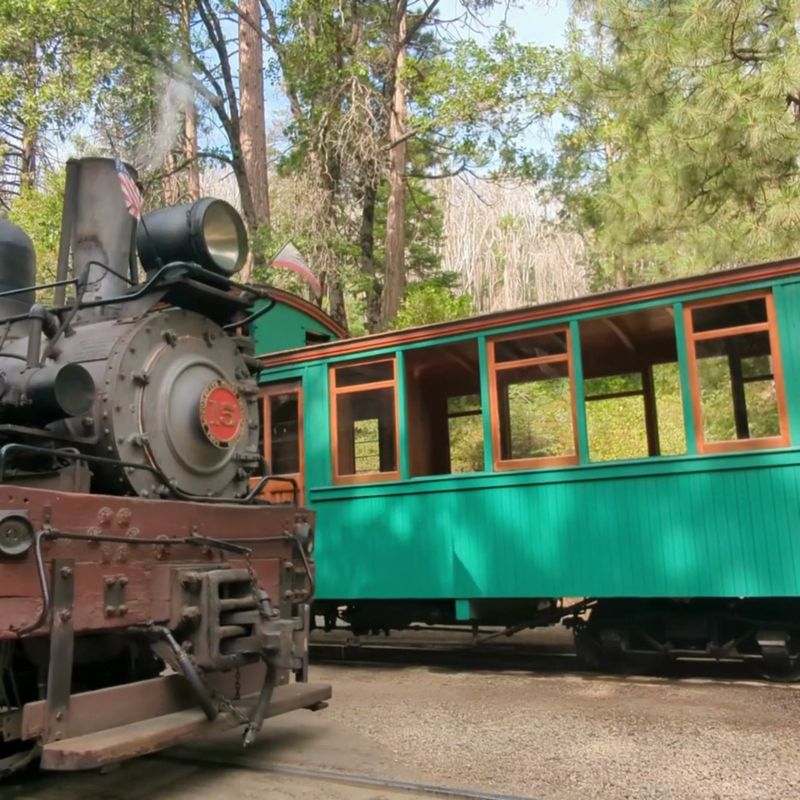
Some attractions dazzle for a minute and fade from memory. This one tends to stick, which is why so many people return for a second, third, or fourth trip.
The formula is simple. A historic steam engine, a hidden forest route, and a staff that clearly enjoys sharing stories.
It suits a wide range of travelers. Toddlers, school groups, teens, train fans, and couples looking for a calm afternoon all find something to enjoy.
The hour-long ride fits neatly into a Yosemite trip without taking over the whole day. It also offers welcome rest after long hikes.
Add the gold panning, free postcards, museum, and shops, and the visit grows into a half day of easy fun. Evening rides and holiday events give reasons to come back in other seasons.
The price is generally seen as fair for what you get, especially given how much is packed into the grounds.
So the next time Highway 41 carries you toward the park, consider slowing down near Fish Camp.
The best forest views on this stretch are waiting at the end of a short set of tracks.


