
Affiliate disclosure: As an Amazon Associate I earn from qualifying purchases. Learn more
Somewhere in Oakland, a stack of scrapbook paper that someone cleared out of a closet is waiting for a third-grade art lesson. A box of buttons is waiting for a quilter.
A cassette tape from the 1980s is waiting for whoever needs it next. California teachers know the math of classroom supplies all too well, and it rarely adds up in their favor.
One nonprofit shop on a busy Oakland avenue has spent years trying to fix that, gathering donated craft materials and selling them for a fraction of retail. Kids’ books can go for about a dollar, and a big piece of fabric has sold for a quarter.
Keep reading for the address, the teacher program and its fine print, what fills the bins, how prices work now, and the hours you need before you go.
An Unassuming Address on Telegraph Avenue
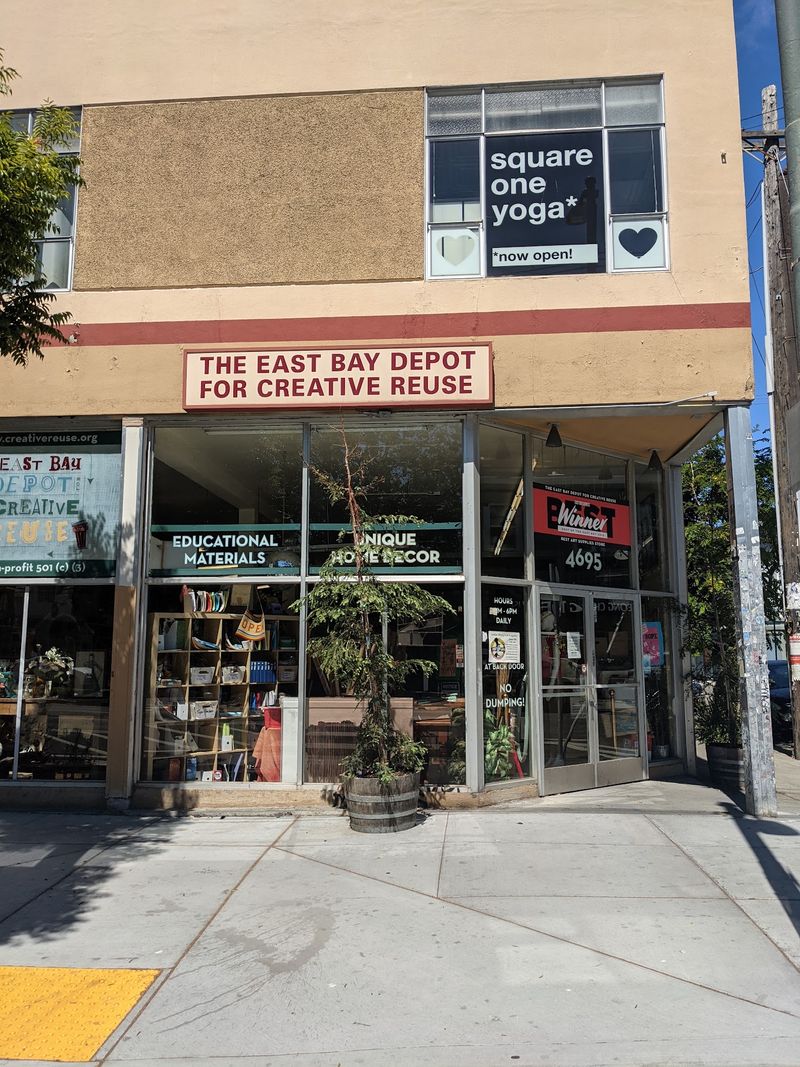
Plenty of Oakland’s best-kept secrets hide in plain sight, and this one sits right on one of the city’s main corridors.
East Bay Depot for Creative Reuse is located at 4695 Telegraph Ave, Oakland, CA 94609, in the Temescal area of the East Bay. It is officially listed as an art supply store, though that label only covers part of the story.
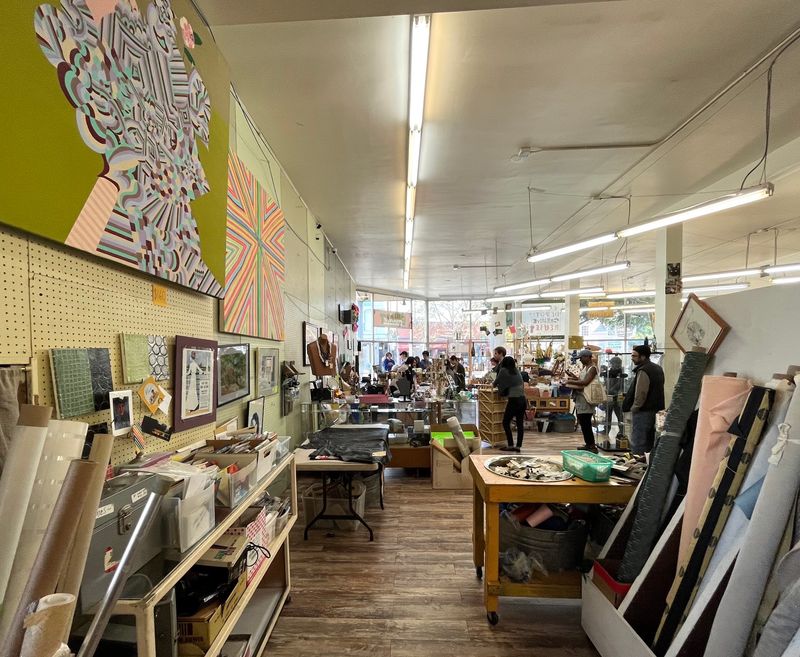
The shop calls itself an eco-minded resale space for art supplies and home goods. In practice, that means aisles of crafting materials, fabric, and paper sharing floor space with furniture, books, and odds and ends that defy easy categories.
The neighborhood around it is packed with places to eat, so many people discover the Depot on an after-dinner stroll. Some find it simply because the doors were open and the windows looked interesting.
Once inside, it becomes clear the store is large. Bins, shelves, and racks stretch back farther than the storefront suggests.
That size matters, because the whole point here is variety. A shopper might come in for a single roll of ribbon and leave with a picture frame, a puzzle, and a stack of envelopes.
Before getting lost in those aisles, though, it helps to understand why the place exists at all, and that story starts with a simple question about what happens to unwanted stuff.
A Second Life for Leftover Supplies
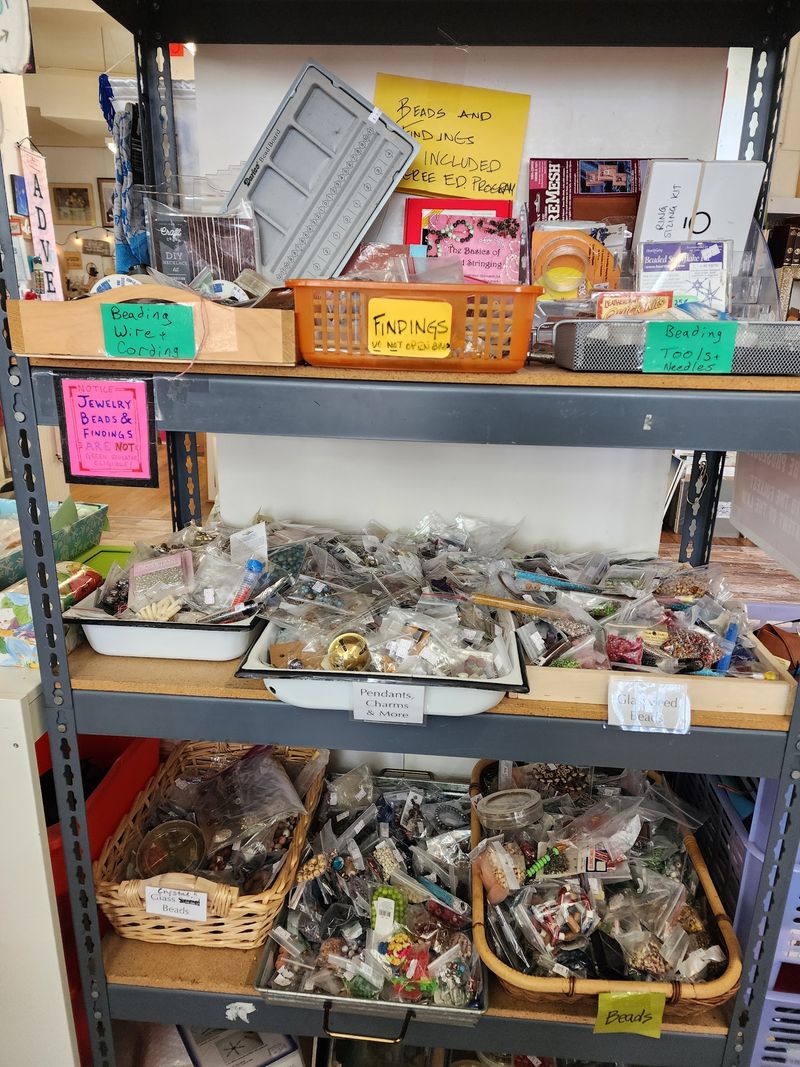
Every half-used sketchbook and forgotten bag of beads has to go somewhere. The Depot’s answer is that it should go to someone who will actually use it.
The store is a nonprofit, and its inventory comes from donations. People drop off leftover art materials, office supplies, and household items they no longer need, and the staff sorts and prices them for resale.
That setup is a win for two groups at once. Declutterers get a guilt-free place to unload perfectly good materials, and makers get those materials at a lower cost than a big-box craft chain.
The shop’s own website describes a mission of providing affordable materials to educators. That focus on classrooms shapes much of what the Depot is known for around the Bay Area.
There is also a bigger idea at work. In what many longtime locals call a throwaway age, a store built entirely around reuse feels like a small act of pushback.
Shoppers who appreciate that mission tend to say they would be sad to see the place ever close. For a lot of East Bay residents, it has become part of the routine of tidying a garage or prepping for a school year.
Of course, a mission is only as useful as its programs, and the one teachers ask about most comes with a few details worth knowing ahead of time.
The Teacher Program and Its Fine Print
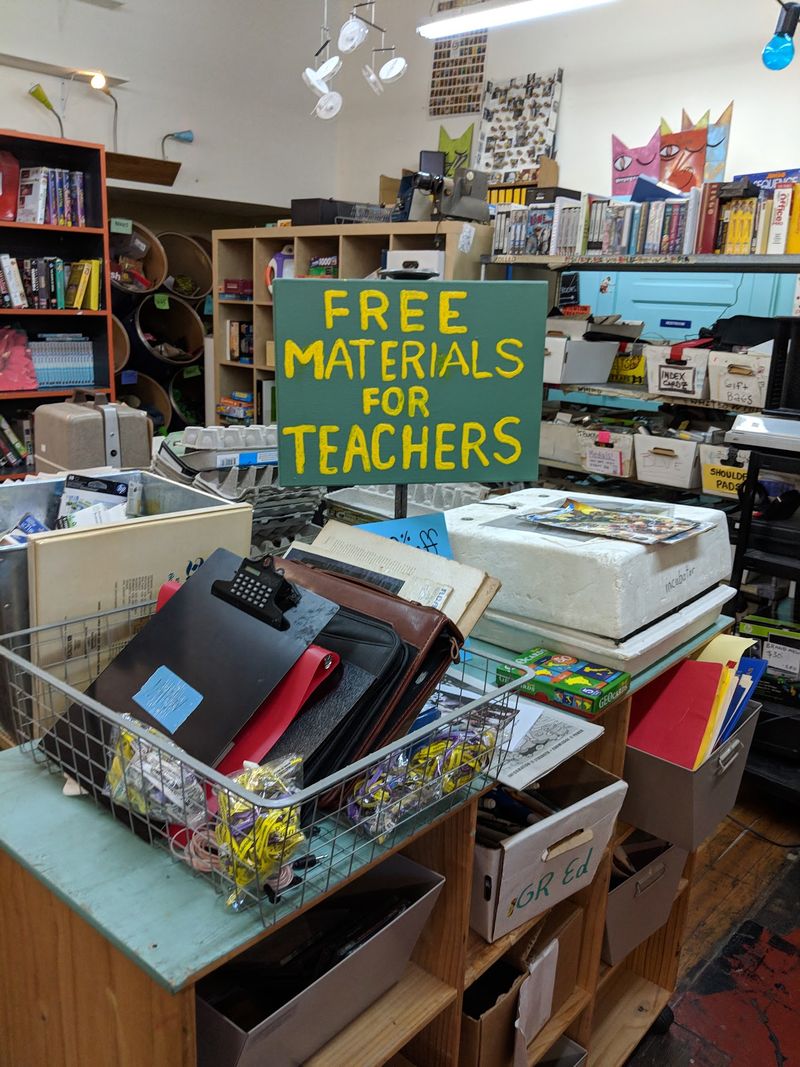
Teachers who spend their own money on glue sticks and construction paper will want to bookmark this section.
The Depot offers discounts for educators, and over the years teachers have also been able to pick up free materials for their classrooms. Former teachers in the area remember it as a go-to for anything that could liven up a lesson.
Here is the catch that trips people up. Showing a school ID at the register may not be enough on its own.
Recent experience suggests the store now asks educators to fill out a form first, and processing can take roughly two to three weeks. A teacher who shows up the day before school starts, hoping to apply a discount on the spot, could leave disappointed.
The smart move is to sign up well before you need supplies. Late summer, before the back-to-school rush, is a sensible window to get paperwork done.
Policies can change, so checking the official website or calling ahead is a good idea before making the trip. That small step can save a wasted afternoon.
Once the paperwork is sorted, the payoff is real. Classroom teachers, daycare operators, and art instructors have long counted this shop among the most useful stops in the East Bay for stretching a tight budget.
So what exactly ends up in that shopping bag? The paper aisles are a good place to start.
Bins Built for Paper Lovers
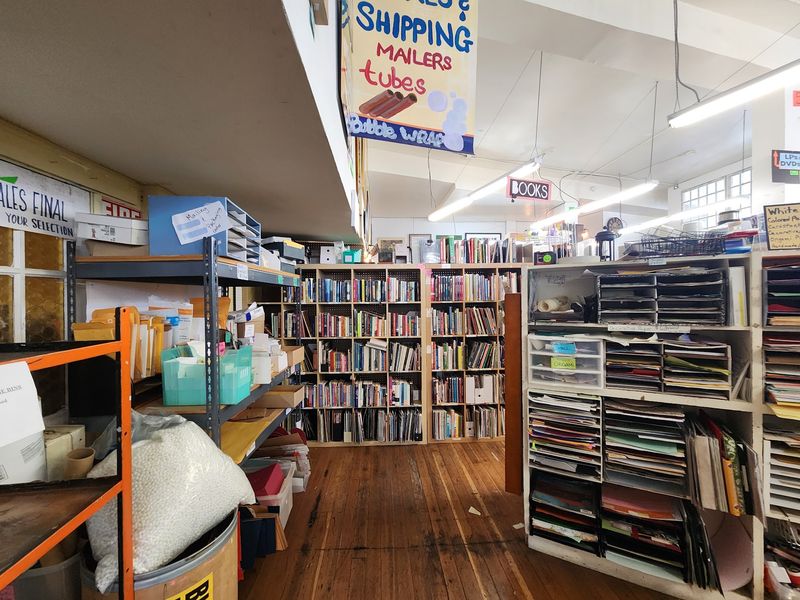
Stationery fans, consider yourselves warned. The paper section here can swallow an entire afternoon.
Shoppers find bins of stickers, scrapbook paper, greeting cards, and letter paper. Envelopes, wrapping paper, gift bags, and tissue paper round out the selection.
Stickers come up again and again among the most popular finds. For teachers, they are an easy classroom reward, and for crafters, they are the finishing touch on cards and journals.
Paper goods fans often leave with letter sets and envelopes for very little money. Many say the next trip will come with a project plan, so they know exactly how much to grab.
That is solid advice. With this much choice, a loose list of what you are making helps keep the haul useful instead of random.
School basics show up in this part of the store as well. Folders, binders, markers, pens, pencils, crayons, scissors, ink, and stamps often turn up in the mix.
For a parent restocking a homework station, that range can cover a lot of ground in one stop. For a teacher, it can mean a stack of art lesson materials without a trip to a pricier retailer.
Paper is only one corner of the crafting universe, though. A few steps away, the textiles are waiting for anyone who sews, knits, or quilts.
Fabric, Yarn, and the Great Button Hunt
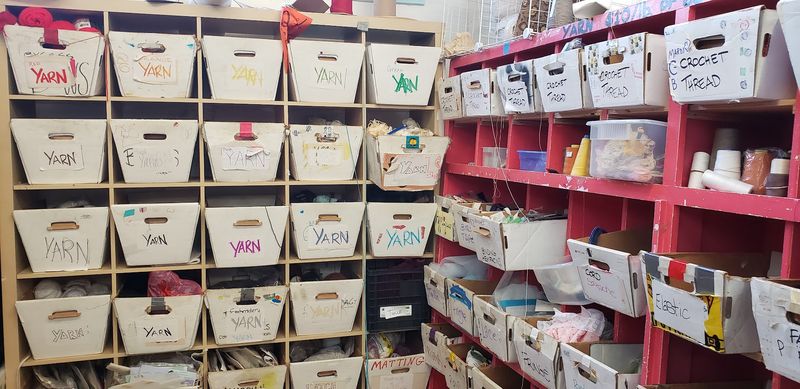
A quarter. That is what one young crafter paid for a big piece of fabric here a few years back.
Fabric is among the most talked-about categories at the Depot, along with yarn and knitting supplies. Rolls, remnants, and pieces of all sizes cycle through as donations arrive.
Yarn tends to show up as scraps, with full balls appearing some of the time. Thread and twine are common too, which helps anyone finishing small sewing or wrapping projects.
Then there are the buttons. Rummaging through them has become a favorite pastime, and a treasure box of scrap jewelry nearby offers similar fun for beaders and collage artists.
One practical tip applies to textiles at any secondhand shop. Unroll fabric and check it closely before buying, since donated material may carry moth damage that is not obvious from the outside.
A quick inspection at the store beats a surprise at home. It is a small habit that protects both the project and the rest of your stash.
For quilters working with scraps or teachers planning a sewing unit, this section can deliver a lot of material for a modest outlay. Beads, small jewelry boxes, and other trinkets nearby make it easy to add embellishments.
Craft supplies are the headline act, but the Depot’s shelves also hold items that seem to have traveled straight out of another decade.
A Time Capsule of Tapes and Records
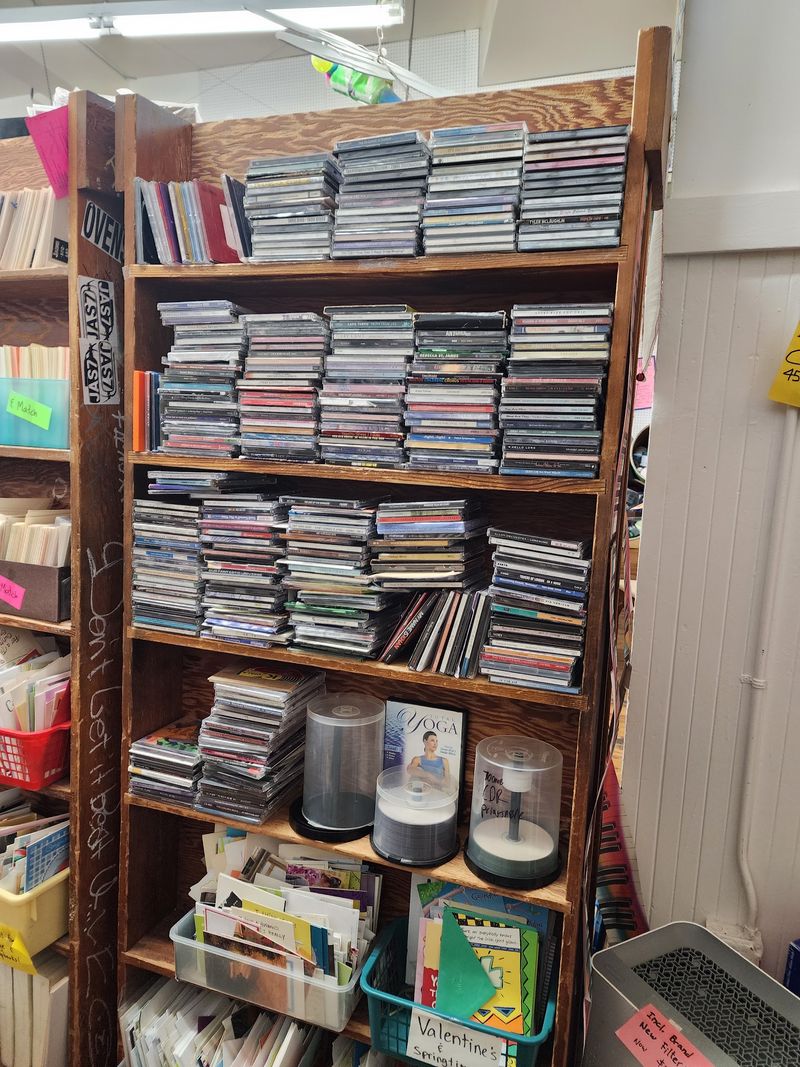
Remember when a mixtape took an entire Saturday to make? Some of those cassettes may be sitting on a shelf in Oakland right now.
The Depot has long carried cassettes, CDs, and video tapes that many shoppers assumed they would never see again. Some of it looks pulled straight from the 1980s.
Vinyl records show up too, though not in huge numbers. Their appearance depends entirely on what people have donated recently.
For artists, these items are more than nostalgia. Old media, computer equipment, and multimedia art supplies have all appeared here, giving mixed-media makers raw material for sculpture and installation work.
Wallpaper, posters, and paintings add to the mix. A framed piece of artwork can sit beside a box of floppy-era tech without anyone blinking.
Older Californians who grew up with these formats may find the section a fun trip back. Younger crafters often see the same items as fresh building blocks for something new.
The golden rule here is simple. If something catches your eye, it is probably smart to buy it, since it might not be there tomorrow.
That unpredictability is a big part of the appeal. And it extends well beyond music and media, into the kitchen cabinets and closets of the Bay Area.
Teacups, Wind Chimes, and a Snowboard
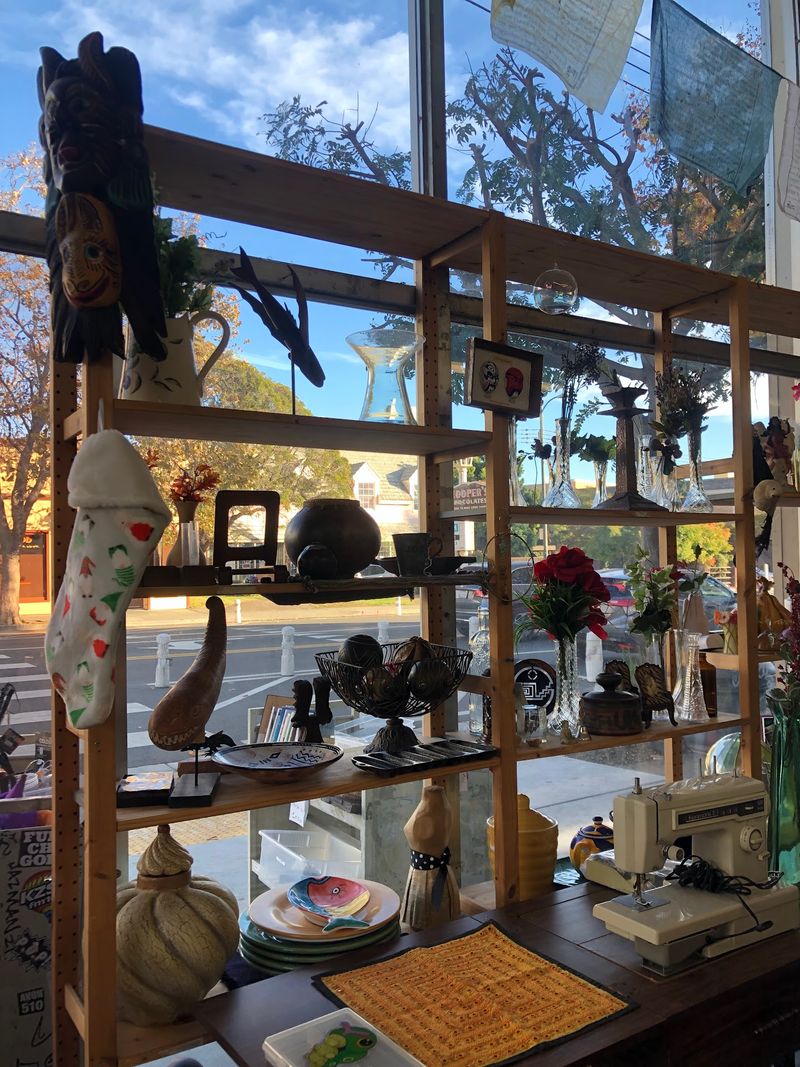
Not everything at an art supply store has to involve paint. The Depot proves that with a home goods selection that wanders in surprising directions.
Tea cups from England have sold for about a dollar, and coffee cups from Japan for around $1.50 each. Those prices came from a few years ago and may have shifted since, but they show the kind of bargains that can turn up.
One longtime wish-list item, a wind chime, finally found a home through this shop. Picture frames, jars, decor, and small knickknacks appear regularly as well.
Then come the true curveballs. A skateboard in very good condition has turned up, and so has a snowboard.
Furniture is part of the inventory too. That makes the store worth a look for anyone furnishing a studio, classroom corner, or first apartment on a budget.
Board games, puzzles, and kids’ toys add another layer. Families can sometimes find a weekend activity alongside the art supplies.
Many people also treat the Depot as a gift shop of sorts. Wandering the aisles for a one-of-a-kind present is a popular way to spend an hour.
Gifts for young bookworms deserve their own mention, because the shelves of reading material have won over more than a few families.
Shelves for Young Bookworms
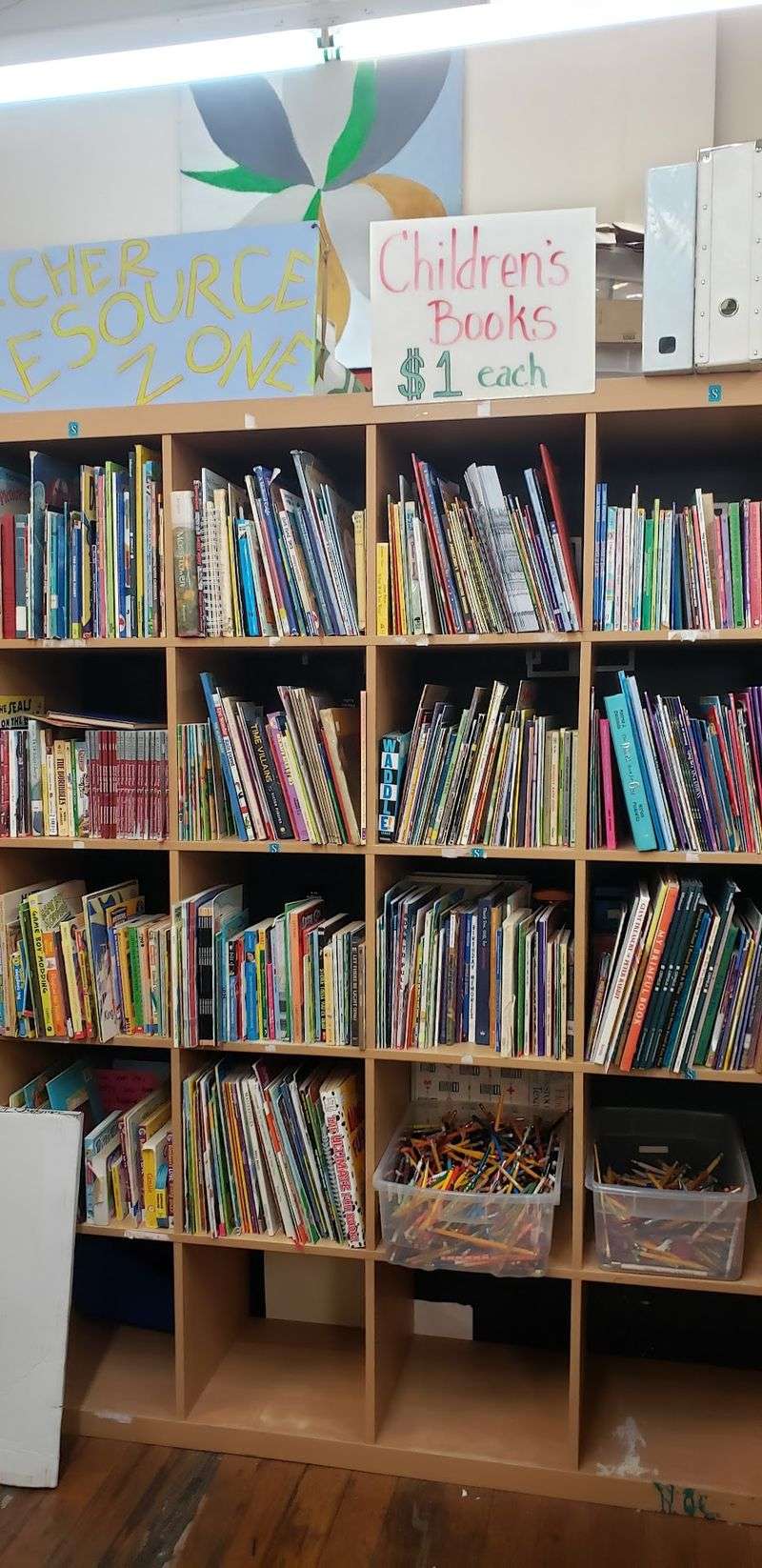
One East Bay family came for their artsy daughter and stayed for their book-loving son.
The Depot keeps a book section that has included a large collection of National Geographic. For curious kids, those issues double as reading material and collage fodder.
Children’s books have sold for about a dollar each. Prices may have changed, but the section has long been a budget-friendly way to build a home or classroom library.
Teachers setting up a reading nook can find a lot here. Picture books, chapter books, and reference material arrive through donations, so the selection changes from week to week.
Adults are not left out. General-interest books show up on the shelves, along with art and craft titles that pair nicely with the supplies a few aisles over.
Magazines and printed ephemera also serve a second purpose. Collage artists and scrapbookers often hunt for images to cut out, and old publications are perfect for that.
For parents trying to keep kids busy without spending much, a stack of cheap books and a bag of craft supplies can cover a rainy weekend nicely.
All those low prices raise a fair question, though. How does the store decide what anything costs?
How the Price Tags Add Up
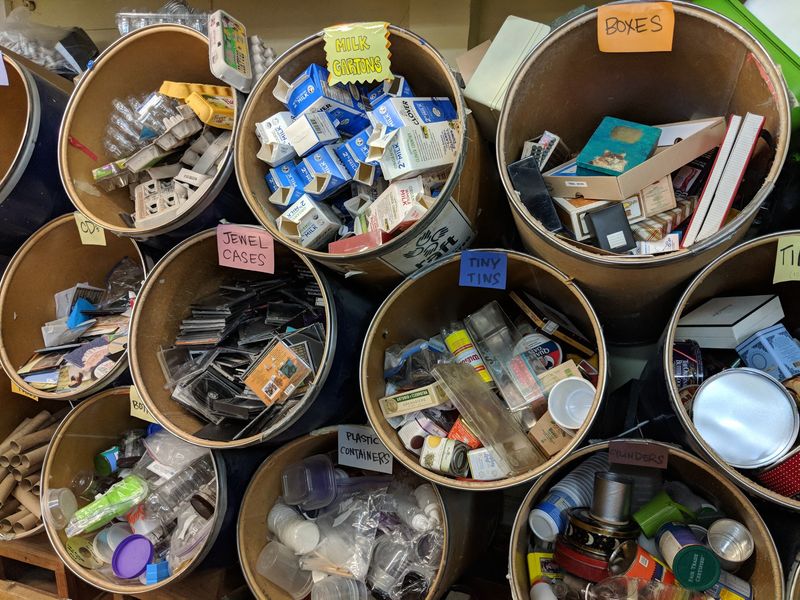
Bargain hunters, here is the honest picture. The deals are real, but not every item is a steal.
Pricing at the Depot appears to follow donation supply. Items that come in often tend to be cheaper, while rarer items cost more, especially if they do not take up much space.
That system produces a mix. Some things feel like a bargain, and others seem pricier than expected for secondhand goods.
Longtime shoppers have noticed prices creeping up over the years. Rent, wages, and the general cost of doing business in the Bay Area all play a part, a reality most Californians understand too well.
Some regulars now compare costs with other thrift stores or buy new online for items they truly need. Others still find plenty worth buying, especially small craft supplies and paper goods.
The best approach is to shop with a budget and a bit of patience. Checking the price on each item before it goes in the basket avoids surprises at the register.
Educators should remember that the teacher program, once approved, is where the biggest savings usually come in.
Every price mentioned in this article is approximate and may have changed. With the money side covered, it is worth looking at what the shopping experience itself is like.
Life on the Sales Floor
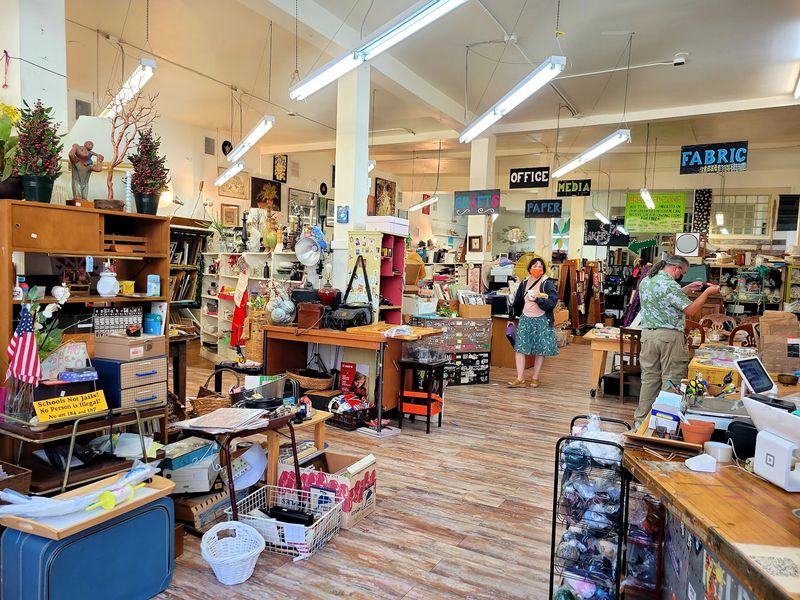
For a store stocked entirely with donations, the Depot is surprisingly tidy.
Many shoppers point to the organization and layout as a highlight. Supplies are sorted into bins and sections, and the space is decorated with care.
That structure makes browsing easier in a big store with a constantly changing inventory. It also helps first-timers figure out where to start.
Staff experiences vary. Plenty of people describe friendly employees who are happy to help with project ideas, while others have found the atmosphere tense or felt watched while shopping.
Shoppers carrying extra bags may be asked about them, which some find off-putting. Keeping personal bags to a minimum could make the visit smoother.
It is a busy nonprofit handling a huge flow of goods, and that workload can show at times. A little patience on both sides tends to go a long way.
The crowd itself is a mix of artists, students, parents, teachers, and neighbors who wandered in after a meal nearby. That blend gives the place a community feel.
Plan to stay a while. Rummaging is the main activity here, and rushing through tends to mean missing the best finds.
So who walks out happiest? That depends on what kind of maker you are.
Made for Makers on a Budget
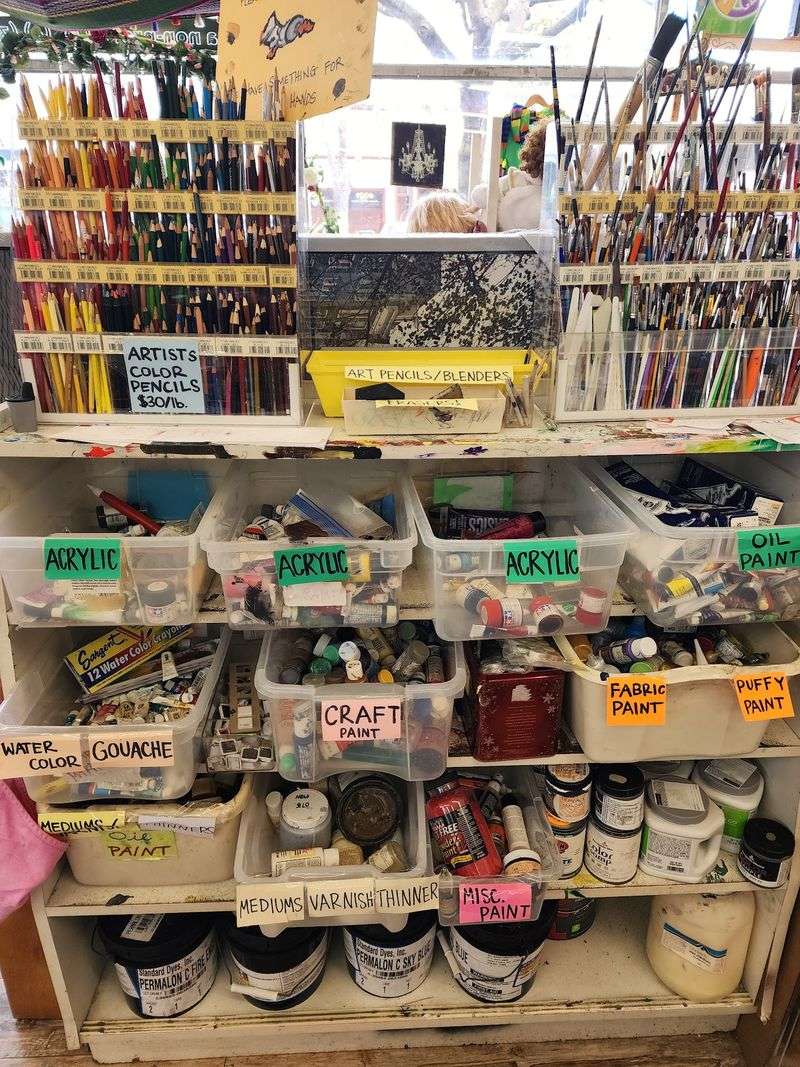
Some people have more ideas than money. For them, the Depot can feel like it was built on purpose.
Classroom teachers and art instructors are the most obvious fit. Between paper, school supplies, and the educator program, a single visit can stock a semester of projects.
Daycare operators also find value here. Puzzles, toys, crayons, and craft materials work well for young children and busy group settings.
Crafters of every stripe have reason to stop by. Knitters, quilters, scrapbookers, jewelry makers, and collage artists can all find something in the bins.
Eco-minded shoppers appreciate that everything is reused. Buying here keeps usable materials in circulation rather than sending them off as trash.
Families with crafty kids may enjoy turning a visit into an outing. Letting a child pick a few items for a project can make the trip feel like a treasure hunt.
Gift shoppers and decorators round out the crowd. Artwork, frames, and quirky decor can add personality to a home without a big bill.
One group should tread carefully. Anyone who struggles to say no to a good deal might want a firm budget, since the variety makes overbuying easy.
Knowing who the store serves is half the battle. The other half is knowing when it is open.
Hours, Access, and Donation Drop-Offs
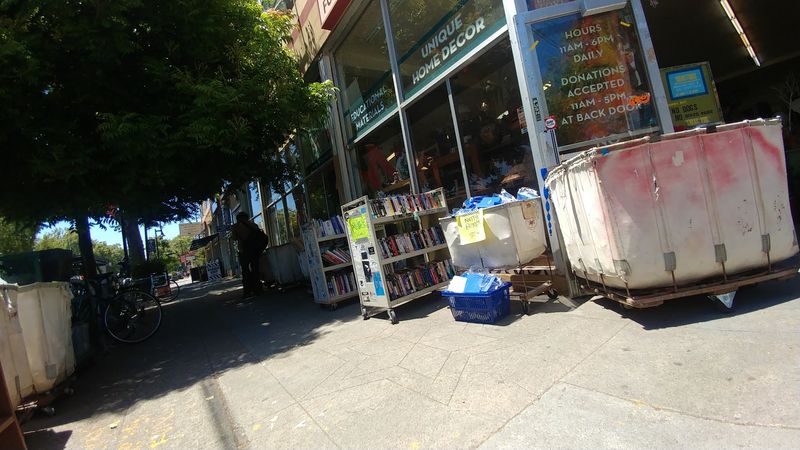
Mondays and Tuesdays are off the table, so plan around them.
The Depot is open Wednesday through Sunday from 12 PM to 6 PM. It is closed on Monday and Tuesday.
Afternoon-only hours make it easy to pair a visit with lunch or an early dinner in the surrounding neighborhood, which has plenty of options for both.
The store has been described as ADA compliant. Dedicated disabled parking may not be available, so it helps to plan parking ahead of time.
Donating works a little differently from shopping. The drop-off area is around the back of the building, so donors should pull up there rather than at the front door.
Calling ahead before donating is wise. Staff can explain what materials they currently need and when drop-off times are scheduled.
That call can save a wasted trip with a carload of items the store cannot take. It also helps the Depot manage what comes through its doors.
More details are available on the official website at creativereuse.org. Teachers can look there for current information on the educator program before visiting.
Hours and policies can change, so double-check before heading out. With logistics squared away, the last question is whether the trip is worth making.
Worth a Spot on the Errand List
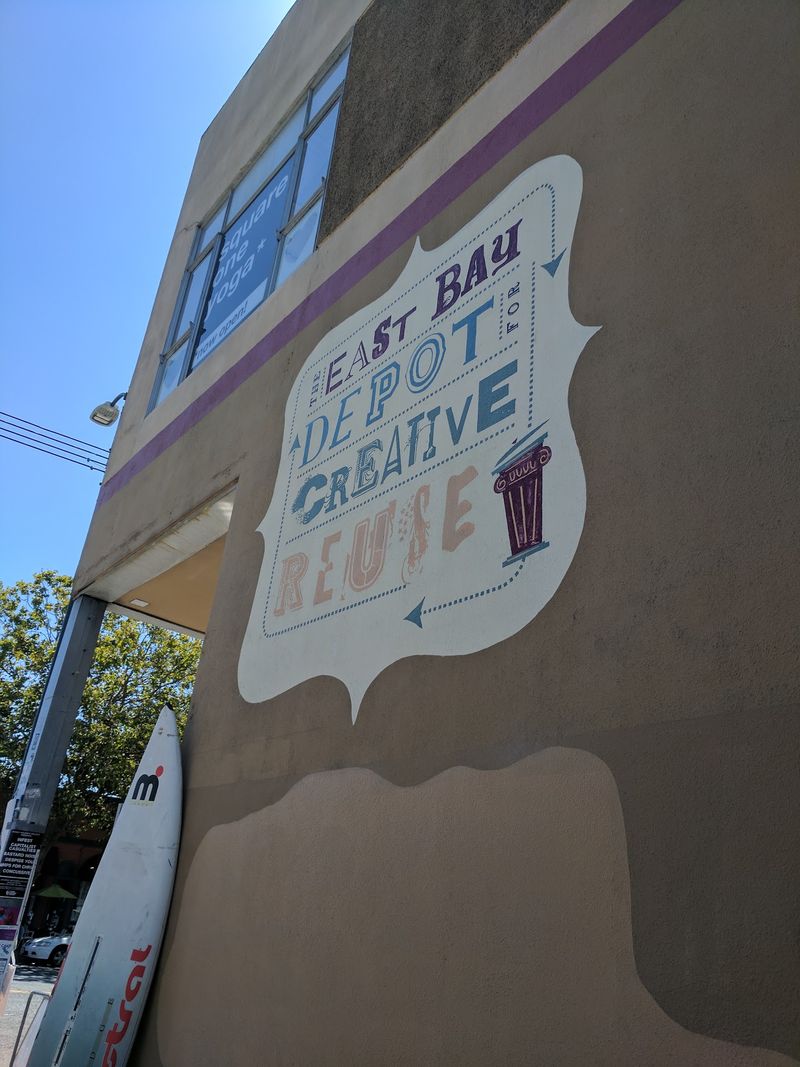
Not every shop can claim to keep classroom budgets afloat and keep usable stuff out of the trash at the same time.
East Bay Depot for Creative Reuse does both, and that dual purpose explains why so many East Bay residents keep coming back. It is part craft store, part thrift shop, and part community resource.
The selection is the main draw. Paper, stickers, fabric, yarn, buttons, books, records, and housewares give nearly every kind of maker a reason to browse.
The experience is not flawless. Prices have risen over time, staff interactions can be hit or miss, and textiles deserve a careful look before purchase.
Still, the bargains remain, especially for small supplies and paper goods. For teachers who complete the paperwork early, the educator program can make a noticeable dent in back-to-school spending.
A few smart habits make the visit better. Sign up for teacher benefits ahead of time, bring a project plan, set a budget, and leave time to rummage.
Bring donations too, if the closet is overflowing. Someone else’s next art project might be sitting in your garage.
In a state where costs keep climbing, a place built on reuse and affordability feels worth protecting. For California makers and educators, this Oakland shop has earned its spot on the weekend errand list.


