
Affiliate disclosure: As an Amazon Associate I earn from qualifying purchases. Learn more
Ten yards of fabric, two rulers, and a large picture frame for about $20 total sounds like a price tag from another decade. In San Francisco, of all places, it still happens.
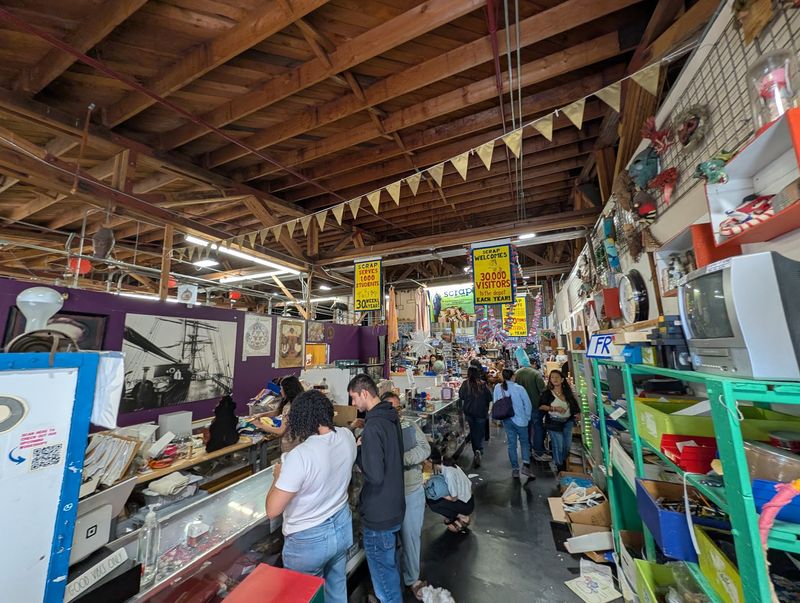
A nonprofit warehouse in the city collects leftover art and craft materials that might otherwise get tossed and sells them back to the public for very little, sometimes nothing at all. Teachers stock classrooms there, parents bring kids to hunt for odd treasures, and longtime crafters have been coming back for decades.
The shelves change constantly, so no two trips look alike. Keep reading to find out where it is, what turns up on those aisles, how the free section works, and the practical details that make a visit go smoothly.
A Warehouse Address Worth Writing Down
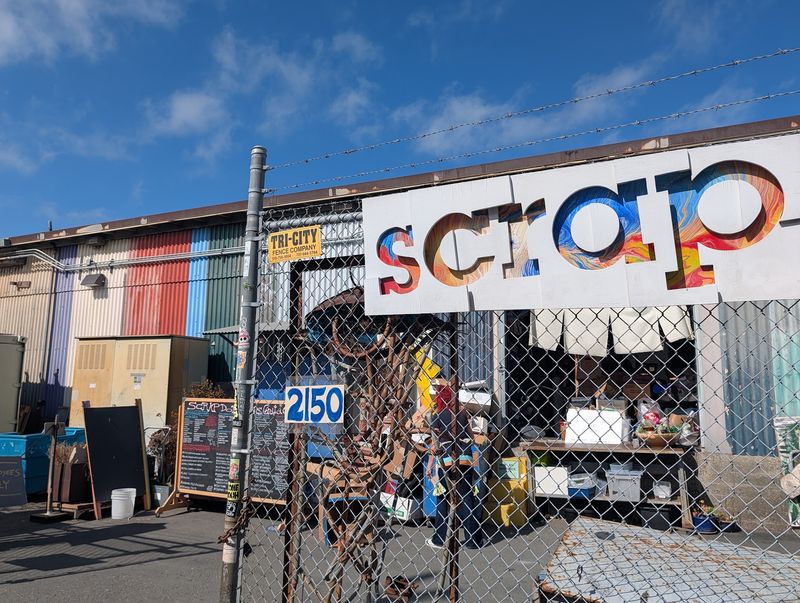
The place behind all those bargains is called SCRAP, and it sits at 141 Industrial St #1, San Francisco, CA 94124, in the southeastern part of the city.
It describes itself as a repository of crafting and sewing goods. In plain terms, it is a warehouse packed with buttons, fabric, and all kinds of miscellany meant for new and upcycled creations.
The Industrial Street address is a fairly new chapter. The shop recently settled into this location, and regulars note that the move came with an upgrade many San Franciscans will appreciate: a parking lot.
Staff are still organizing the new space, and early shoppers say it already looks great.
There had been worried chatter about the shop closing before the move. The organization answered that rumor directly, saying it was definitely not closing and was preparing to announce a new home.
That new home is now open, and the doors remain wide open to anyone who loves making things.
Leftovers With a Second Life
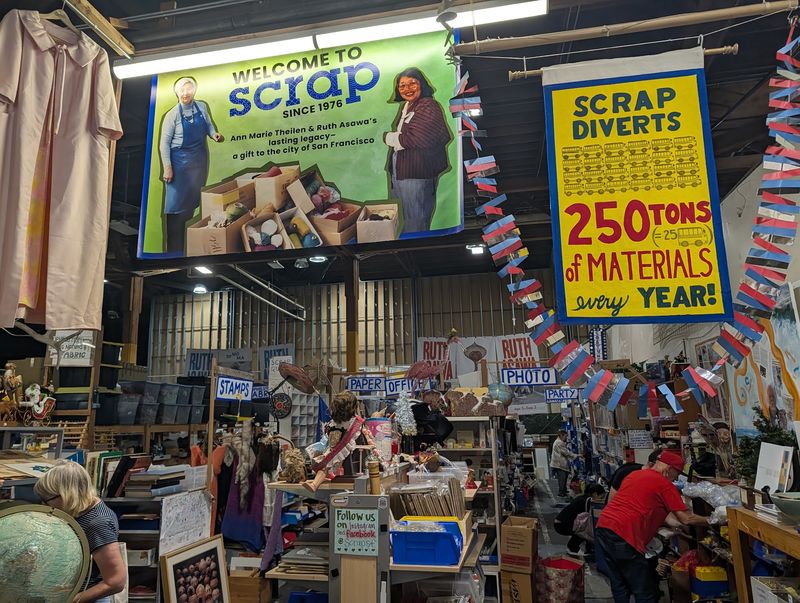
Every roll of ribbon here has a backstory. Most items arrive as donations, and many come from companies clearing out their warehouses.
That means some stock is commercial grade and still unopened. Some materials on the shelves are simply not sold to regular consumers anywhere else, which makes browsing feel a bit like peeking into a factory supply closet.
The bigger idea is keeping usable goods out of landfills. Instead of tossing extra paper, frames, or fabric, businesses and households pass them along, and the shop gives them a second shot at being useful.
Longtime fans like that this model nudges big businesses to think creatively about their leftovers. It is recycling with a crafty twist.
The nonprofit side runs deeper than retail, too. SCRAP helps local schools and classrooms get supplies and hosts field trips for students.
So every bargain basket carries a small bonus. The purchase supports a mission that keeps materials moving instead of piling up somewhere out of sight.
Aisles of Buttons, Yarn, and Paper
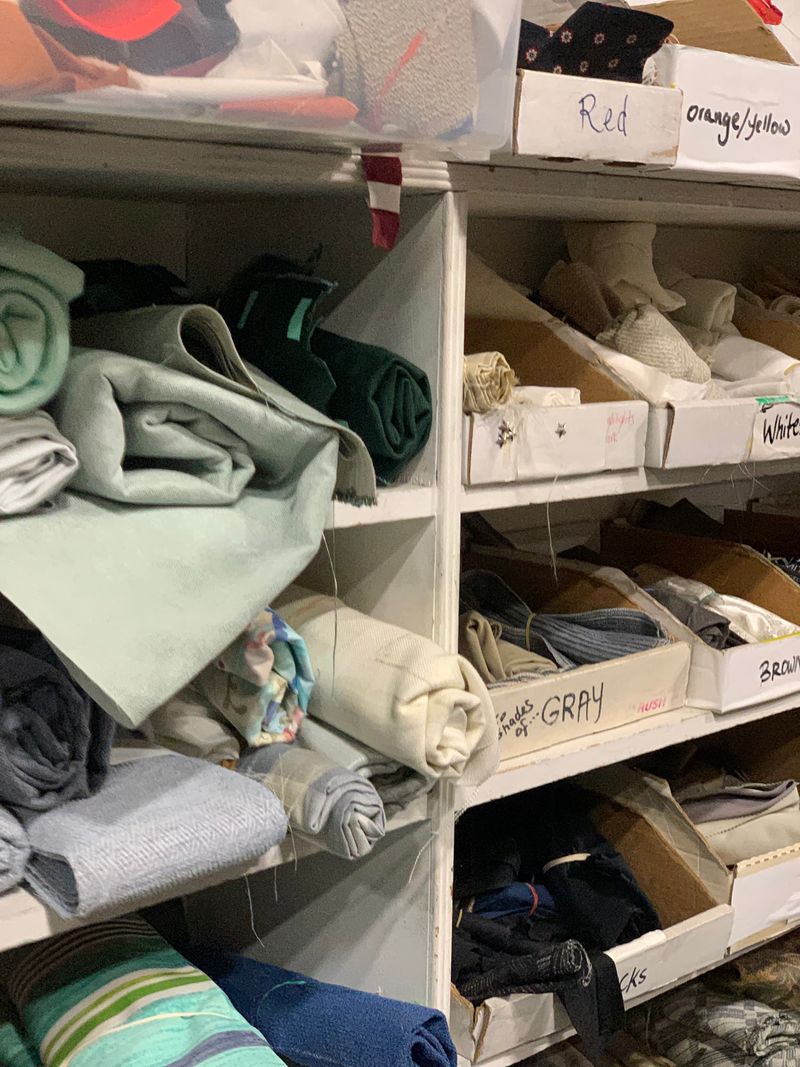
Fabric is the headline act. It comes up more than almost anything else when shoppers talk about the place, and bolts of it can go home for remarkably little.
Then come the supporting players. Buttons in big buckets, yarn, thread, paint, tiles, wood, glass, frames, stationery, stamps, stickers, photos, and maps all turn up on the shelves.
The paper aisle has a loyal following. One art teacher calls it a favorite stop, partly because nobody knows what will show up there next.
Office and school supplies round things out. Containers for organizing, rulers, and frame parts sit alongside the more colorful craft goods.
Inventory rotates fast. Someone who comes back three weeks later may find a completely different selection of paper, stamps, and stickers than on the first trip.
A practical tip from button hunters: some folks bring gloves for digging through the bins.
The store is sorted as well as a constantly changing warehouse can be. Once the system makes sense, the shelves become much easier to read.
Prices From a Different Era
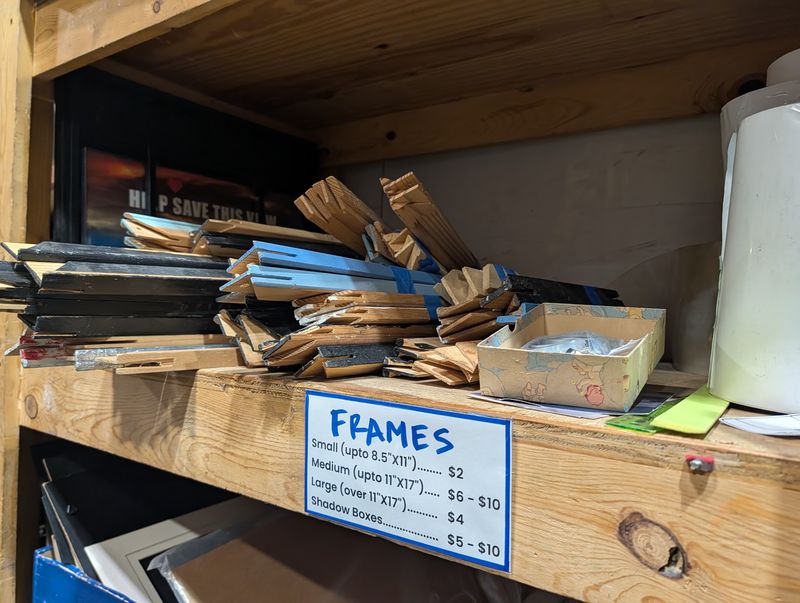
Under five bucks for a whole pile of paper goods. That kind of total is common here, and it happens more than once for repeat shoppers.
Bigger hauls stay surprisingly modest. Ten yards of 54-inch fabric, two rulers, and a large picture frame recently rang up at about $20 combined.
One couple filled a little pull wagon with supplies to build a cat tree. Much of it was free, and the rest came to roughly $6.
Yarn has been spotted at around $2. Some higher-priced items exist, but even those tend to land well below what big craft chains charge.
Shoppers mention that a bit of friendly haggling may be possible on some odds and ends. Teachers can also look for a teacher discount.
Prices here naturally shift with inventory, so treat these numbers as rough examples rather than a fixed menu.
In a city where costs keep climbing, that gap feels refreshing. Many crafters now stop here first and only head to a chain store if something is missing.
The Free Section Surprise
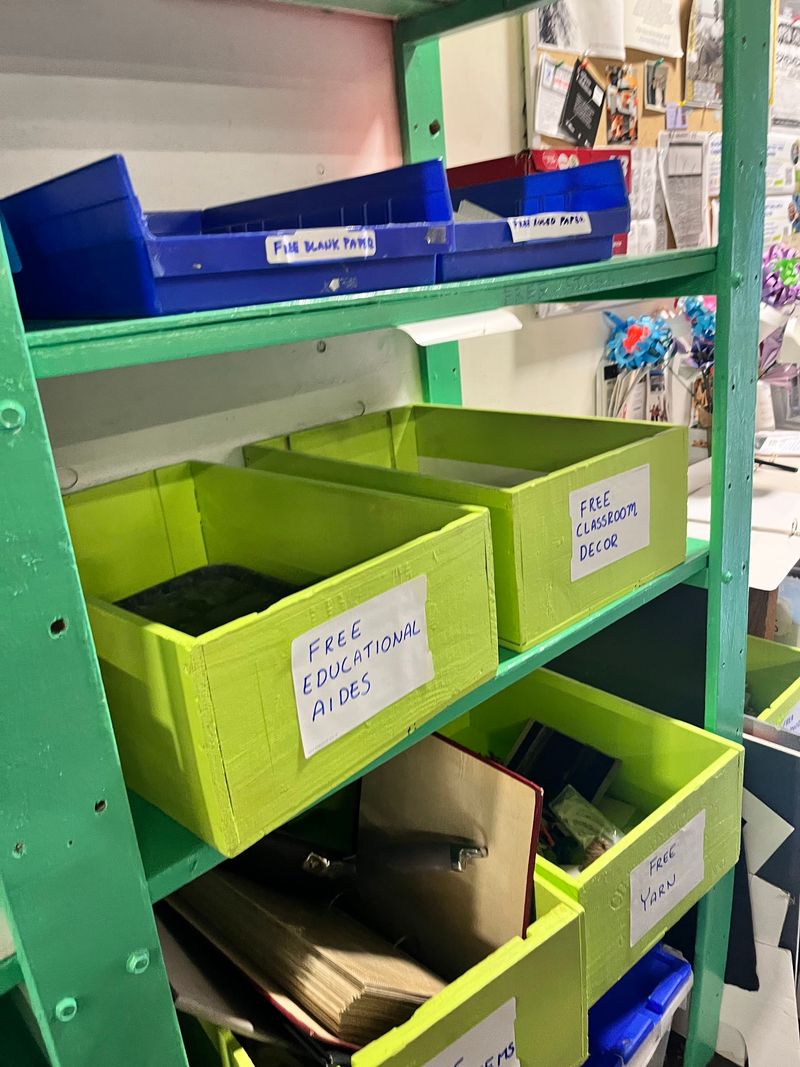
Free is not a typo here. A well-stocked free section sits inside the warehouse, and it regularly holds crayons, paper, calendars, maps, and other useful odds and ends.
Kids especially love this part. One young shopper was stunned to learn his whole bag of picks cost nothing at all.
Parents point out the contrast with buying a $15 plastic toy that ends up in a landfill. Here, children choose strange and wonderful objects, then dream up what to make with them.
Families report that little ones can happily browse for an hour.
A common first reaction is skepticism. People wonder what the catch is, then discover there really is not one.
The best strategy is simple: bring a bag. Between the free shelves and the low-cost aisles, it tends to fill up quicker than planned.
Few shopping trips in San Francisco end with a child asking to come back to pick out more cardboard and crayons.
Teachers, Kids, and Lifelong Crafters
Some shoppers have been coming for twenty years. One longtime fan first found the place while helping her children with school projects, and she still struggles to stay away.
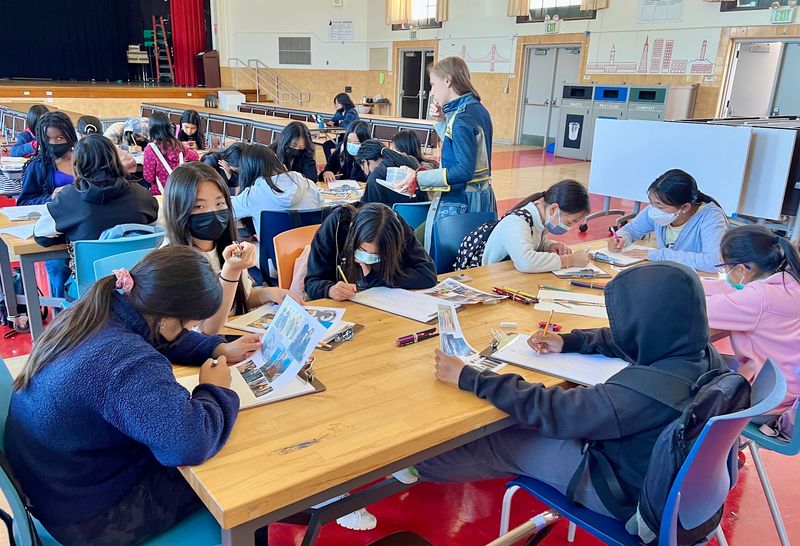
Teachers make up a big part of the crowd. Educators gather a wide variety of materials for students at a steep discount, and the organization openly says it loves its teachers.
Beyond the shop floor, SCRAP offers classes throughout the month for kids and adults. Some are taught by working artists, and a few of those artists are well known.
Crafters, sewists, knitters, scrapbookers, photo prop hunters, and do-it-yourselfers all find something.
The vibe is a little chaotic in the best way. Racks of curious goods sit side by side, and the whole warehouse works as a well of fresh ideas for a project.
Natural browsers thrive. People who prefer a quick in-and-out trip may want to bring a list, since the variety can feel overwhelming.
Many regulars plan for an hour or two, and some say they could spend a whole day.
Hours, Donations, and Getting There
Mondays are off-limits. SCRAP opens Tuesday through Sunday from 10 am to 6 pm, so weekends work well for family trips.
Driving is the simplest option now that the Industrial Street location includes a parking lot. Getting there by public transit usually involves a fair walk.
The surrounding industrial area can feel rough to some shoppers. Staying alert on the walk in is a sensible idea, especially for first-timers arriving on foot.
Donations are a big part of the story. The shop accepts many craft and art materials that general thrift stores often turn away, which delights people cleaning out studios.
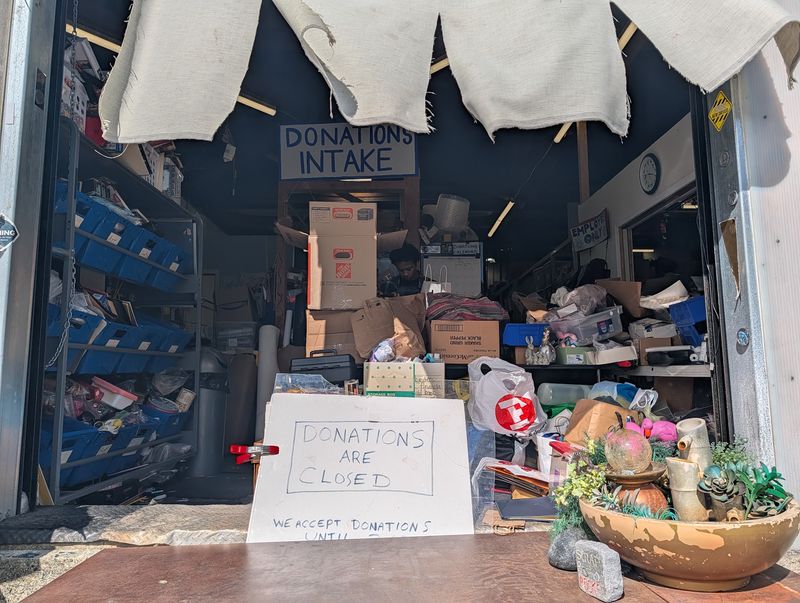
Donation intake has paused at times, including during the move. Checking the website at scrap-sf.org before hauling boxes over is a smart step.
Shoppers chasing something specific, like a die cut machine, can follow the shop on Instagram. New arrivals get posted there.
Experiences with staff vary from person to person, though many call the team friendly and helpful.
A Treasure Hunt Worth the Detour
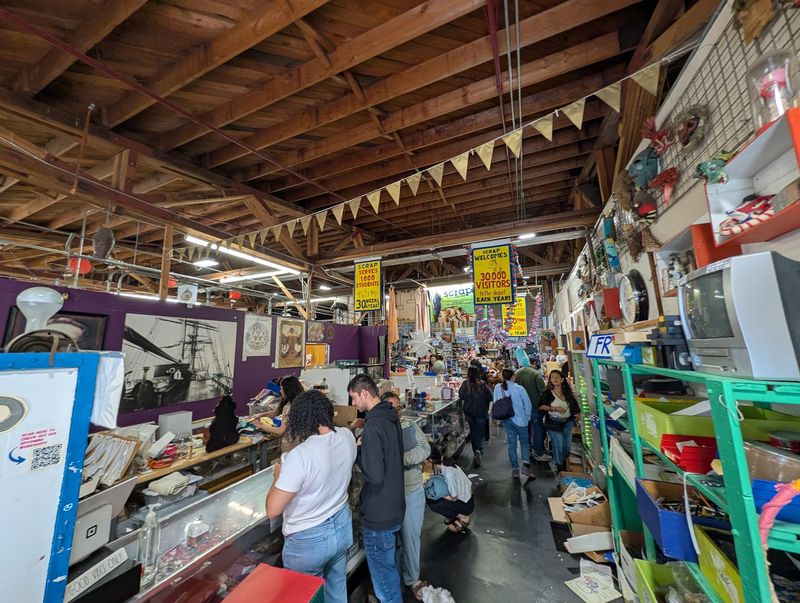
Hit or miss is part of the deal. Like any thrift-style shop, the shelves depend on what came in that week, and patience pays off.
That uncertainty is also the fun. Shoppers routinely walk out with far more than they planned, simply because something unexpected caught their attention.
The place has grown over the years. People returning after nearly a decade notice a better environment and a stronger sense of organization, while the familiar spirit remains.
It carries a strong 4.7-star standing from hundreds of shoppers, which speaks to how loyal its community has become.
For Californians tired of paying top dollar for everything, SCRAP offers something rare. Useful materials, low prices, and a mission that keeps good stuff out of the trash.
Bring a bag, bring a project idea, and leave room in the car.
Somewhere in that warehouse, the missing piece for the next creation is probably waiting on a shelf for just a few dollars.


