
Affiliate disclosure: As an Amazon Associate I earn from qualifying purchases. Learn more
Some horses spend their early years chasing finish lines, and some ponies start life with far less luck than they deserve. In a quiet corner of western New Jersey, a small rescue gives both a calmer chapter, with patient people who measure success in healthy horses instead of trophies.
It is the kind of place that turns a regular weekend into a feel-good story your family will want to retell. Keep reading to learn where it is, why so many people love it, and how you can support it.
A Farm Address on Still Valley Road
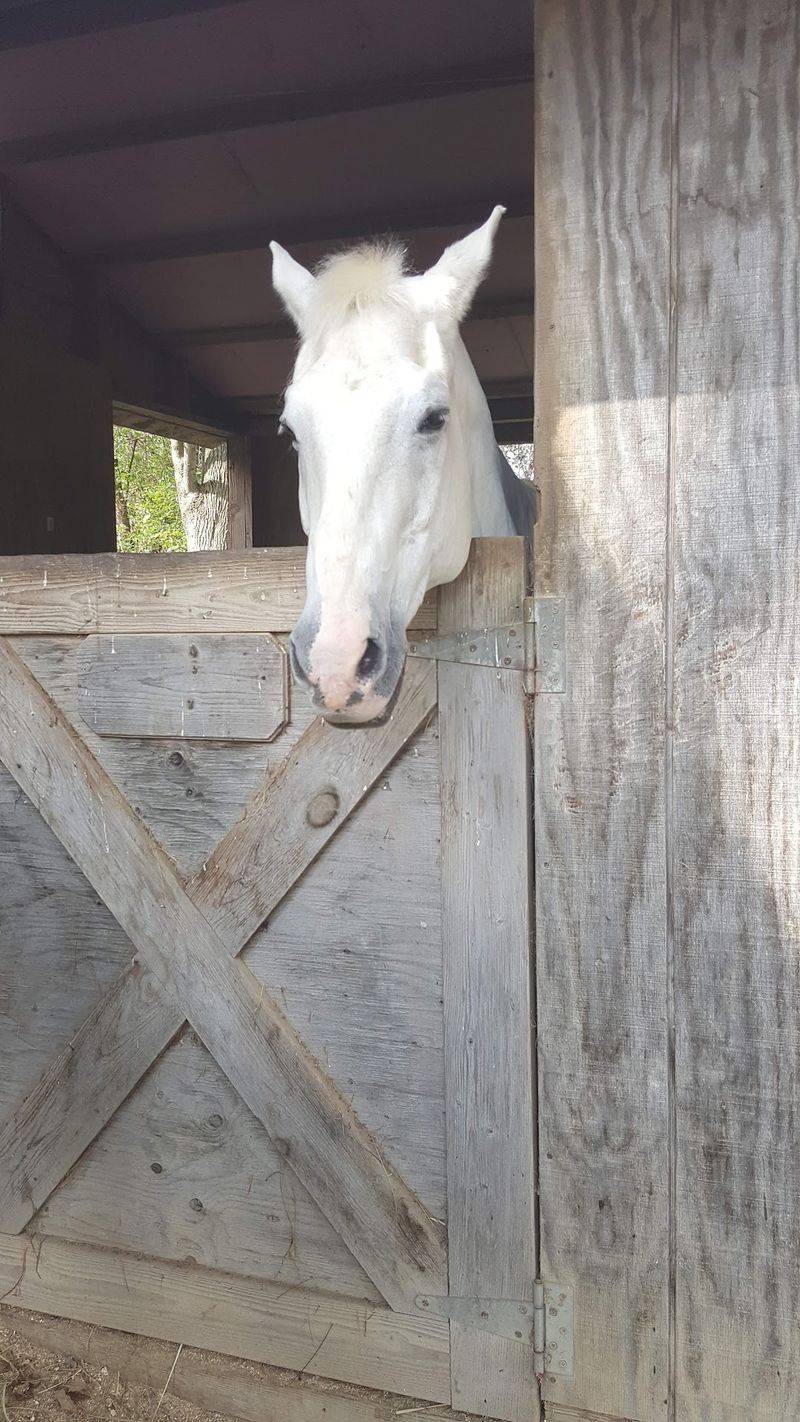
The story starts on a country road in Warren County. Mylestone Equine Rescue (Horse Rescue) sits at 227 Still Valley Rd, Phillipsburg, NJ 08865, in the United States.
Officially, it is listed as an animal shelter. In practice, it is a home base for horses that needed someone to step in for them.
Phillipsburg is a town along New Jersey’s western edge, which makes the rescue a realistic drive for many families in the northern and central parts of the state. No overnight bag is required.
The address is the easy part to remember. The mission behind it is what tends to stick with people long after they leave.
Here, the focus is not on shows, races, or ribbons. It is on care, recovery, and giving each animal a steady place to land.
The rescue keeps a website at mylestone.org, which is the best place to look for current details. Programs, events, and visiting options can change, so checking there first is a smart move.
For now, consider the address a starting line of a different kind. The rest of this story explains what happens once a horse arrives.
Second Chances as a Mission
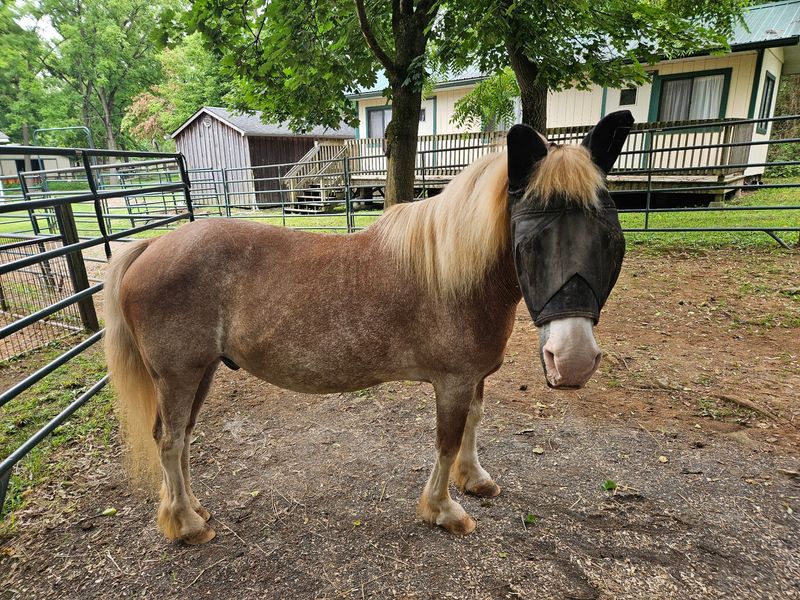
Every rescue has a reason for existing, and this one is easy to sum up. Horses that need help get a chance to start over.
That simple idea carries a lot of weight. Horses are large animals with big needs, and caring for them takes time, money, and steady commitment.
The rescue operates as a charity. That means its work depends heavily on people who believe in the cause and choose to give.
Supporters often describe the organization as completely worth backing. Some go further and say every minute and every dollar spent on it is well used.
That kind of loyalty does not happen by accident. It grows when people see real results in the animals they help.
For New Jersey families, the appeal is clear. Here is a local cause where kindness has a face, a name, and four hooves.
The phrase “second chance” gets used a lot these days. At this rescue, it describes the daily routine rather than a slogan on a sign.
Of course, a mission is only as good as the animals it serves. So who exactly lives here?
Life After the Racetrack
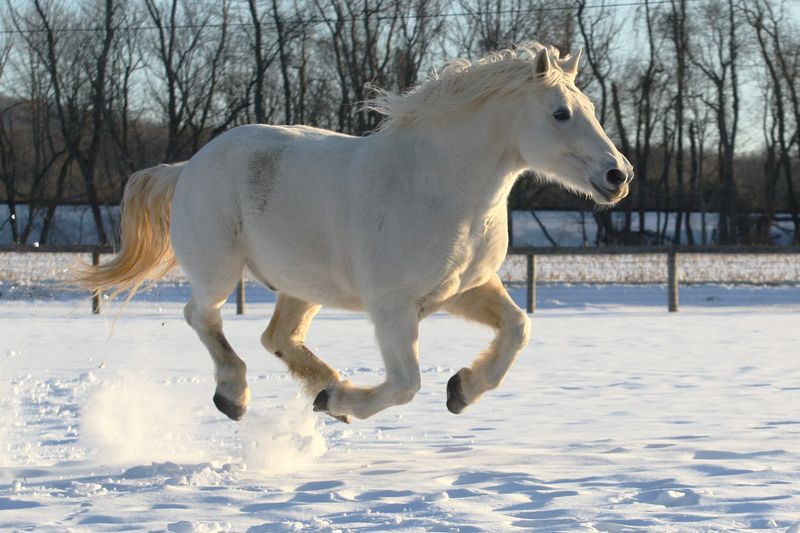
A racing career can end long before a horse’s life does. Many thoroughbreds retire young, with plenty of years still ahead of them.
What happens next is the big question. Not every retired racehorse has a clear path waiting after its final race.
Rescues like this one help fill that gap. They offer former athletes a place where the pace slows and the pressure fades.
A retired racehorse does not need speed anymore. It needs routine, care, and people who understand that the transition can take time.
Some horses adjust quickly to quieter days. Others need more patience, and a rescue setting allows for that without a deadline.
The phrase “second career” fits well here. For some horses, the new job is simply being a horse again, grazing and resting instead of training.
Families who follow racing often enjoy learning this side of the story. It is a reminder that the finish line is not the end of the road.
The specific horses in residence change over time, so the website is the best source for current stories. Each one arrives with a past, and leaves room for a calmer future.
Small Ponies, Big Comebacks
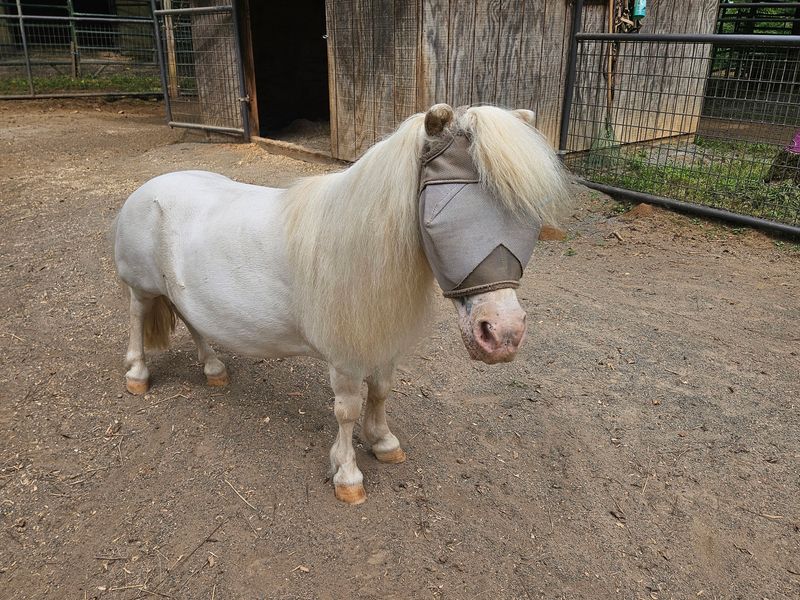
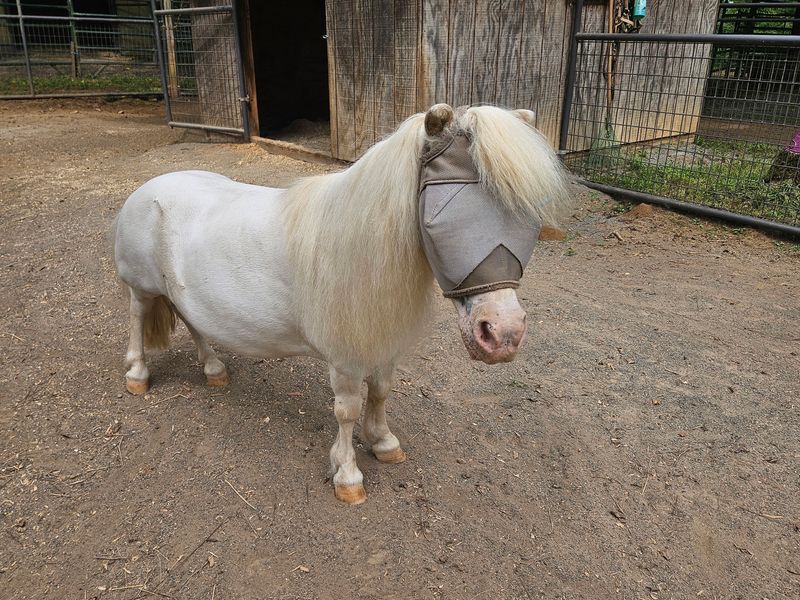
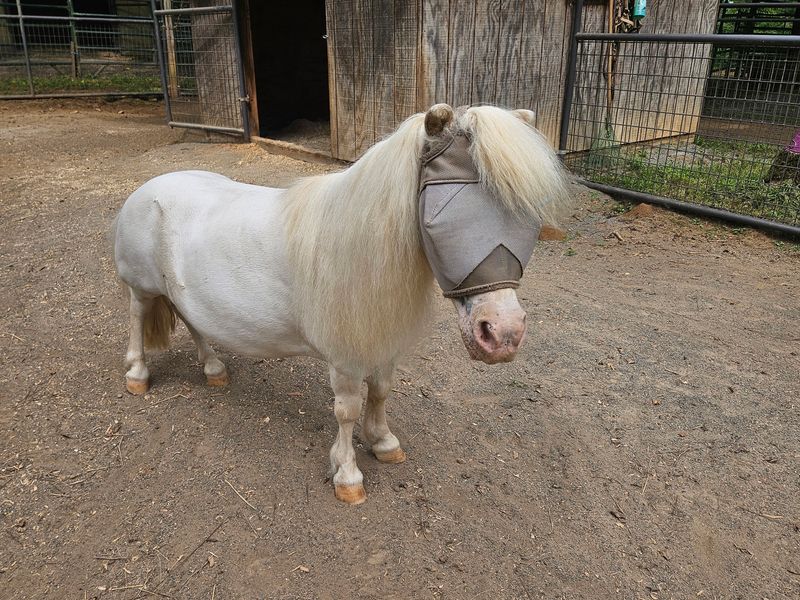
Not every resident is a tall former racer. Ponies are part of the picture too, and their stories can be just as moving.
Ponies often end up in rescue for reasons that have nothing to do with them. Changes in an owner’s life, neglect, or a lack of resources can leave them without a stable home.
Their smaller size sometimes leads people to underestimate their needs. In reality, ponies require the same kind of steady attention as any other equine.
At a rescue, a pony can get the care it may have missed. That includes a safe space, regular attention, and people who are patient with its pace.
Kids especially tend to connect with ponies. There is something about an animal closer to their own height that makes the bond feel natural.
That connection can be a great teaching moment for families. Children learn that every animal, big or small, deserves kindness.
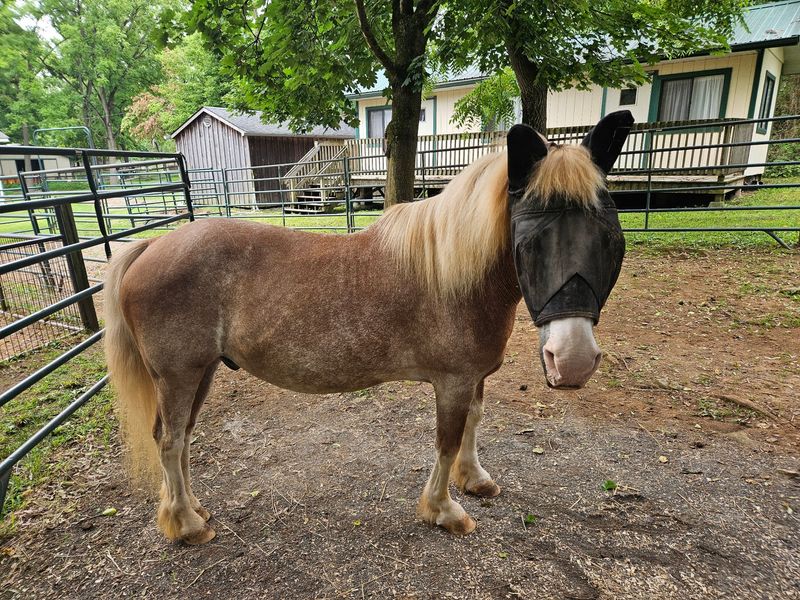
A rescued pony may not have a famous racing record. Its comeback still counts, and at this rescue, it gets the same respect as the horses beside it.
Healing From Hard Beginnings
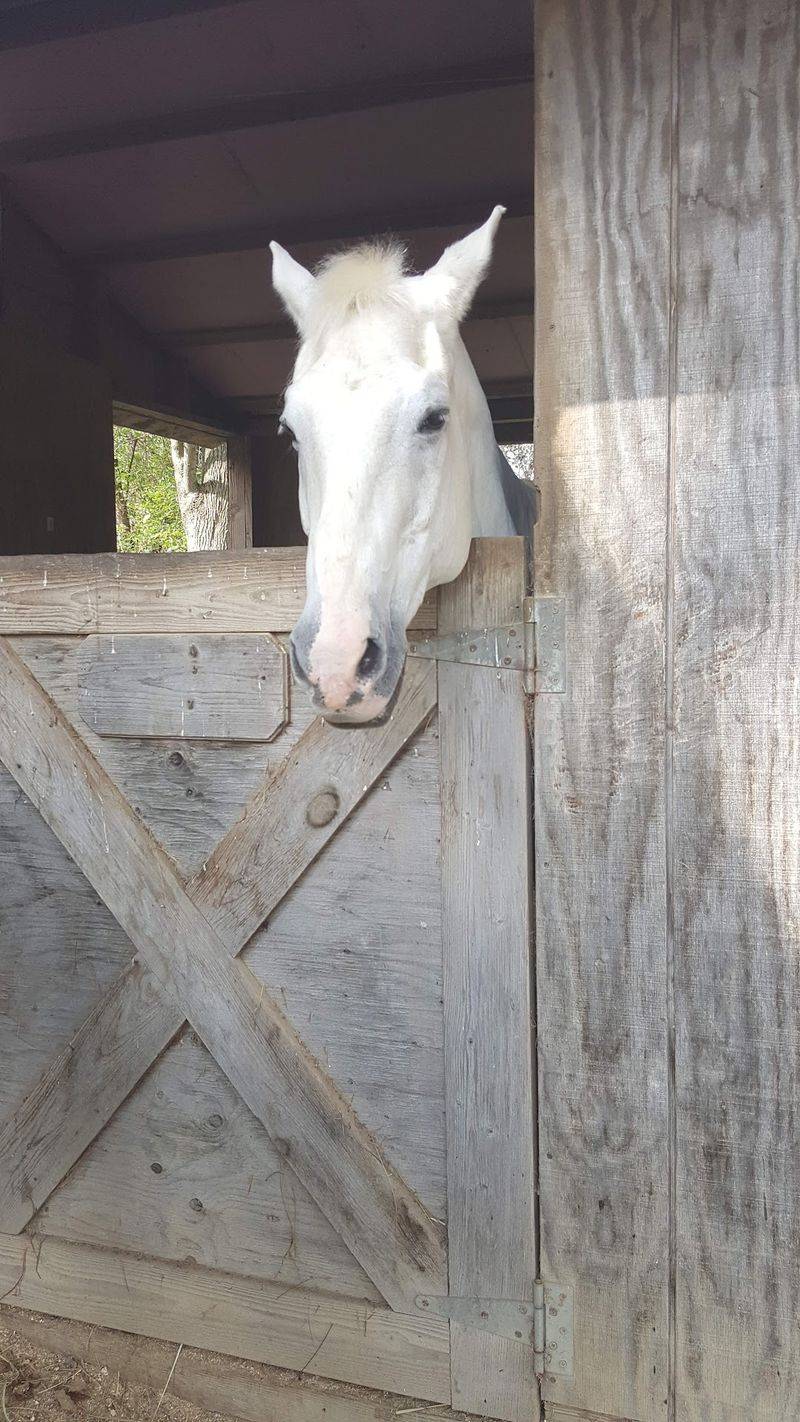
Some arrivals carry heavier histories than others. Supporters of the rescue have pointed out that many of these horses were mistreated before they came here.
That reality is hard to hear. It is also exactly why places like this exist.
Recovery for a mistreated horse is rarely quick. Trust has to be rebuilt slowly, and physical health often needs attention too.
A rescue gives that process room to breathe. There is no rush to perform or prove anything.
People who support the organization often speak about these horses with real feeling. They see the cause as deeply worth backing because the need is so clear.
For families, this part of the story can open meaningful conversations. Kids can learn why kindness to animals matters and what responsibility looks like.
It is worth keeping those talks age-appropriate. The focus can stay on the hopeful side, which is the healing itself.
Every horse that moves from a rough start to a steady routine is a quiet success. Those wins rarely make headlines, yet they are the heart of everything happening on Still Valley Road.
The Volunteer Crew Behind the Barn Doors
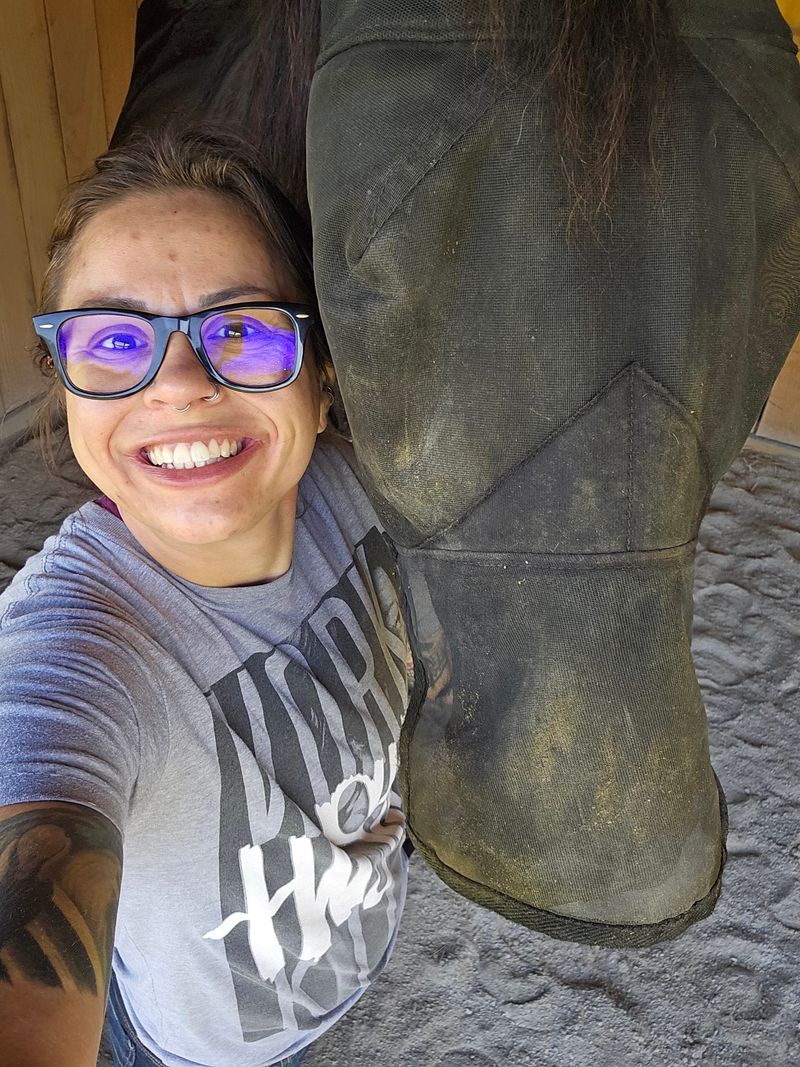
Horses do not care what day of the week it is. They need attention every single day, and that is where volunteers come in.
The rescue has people who give their time to help. One volunteer has described it as a lovely place with very welcoming people, which says a lot about the culture inside.
Volunteer work at a horse rescue can involve plenty of practical chores. Barns need tending, animals need care, and many hands make the load lighter.
Not everyone can donate money. Time is another valuable way to give, and for many people it feels more personal.
Volunteering can also suit adults looking for a meaningful weekend routine. It turns a free Saturday into something that directly helps animals in need.
Age requirements, training, and schedules can vary at any rescue. The best step is to reach out through the official website before showing up.
The fact that a volunteer chose to speak up about the experience matters. People rarely praise a place they help at unless the environment truly feels good.
Behind every healthy horse is a group of people who kept showing up. That steady effort is easy to miss and impossible to replace.
A Reputation for Warm Welcomes
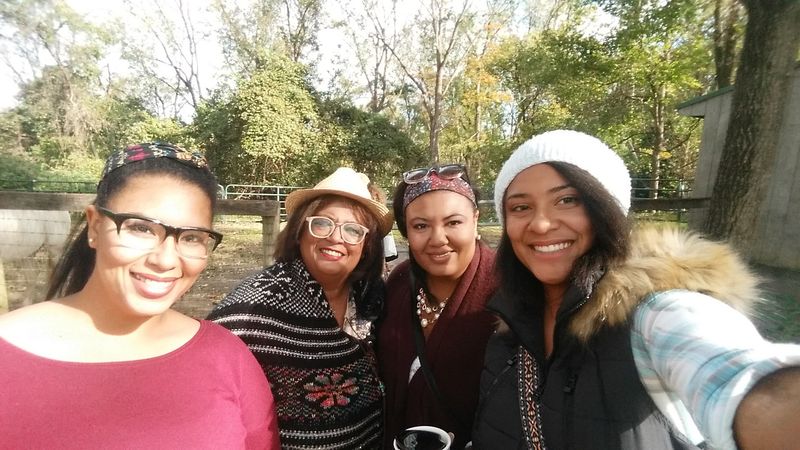
Plenty of organizations do good work. Fewer earn a reputation for making people feel genuinely at home.
Mylestone has a perfect five-star standing on Google from a small but loyal group of supporters. That consistency is notable, even if the total count is modest.
The comments that come with it share a theme. People describe the rescue as lovely and the folks there as welcoming.
For a family considering a first visit or a volunteer shift, that matters a lot. Nobody wants to feel like they are in the way.
A welcoming culture also tends to reflect how the animals are treated. Patient people often build patient environments.
The praise spans several years, from older comments to more recent ones. That suggests the friendly atmosphere is not a one-time thing.
Small rescues often run on goodwill. When the goodwill flows both ways, between the team and the community, the whole operation benefits.
Friendliness may not be the flashiest selling point. It is still the reason many people return, and the reason first-timers feel comfortable walking up to the fence.
Where Your Donation Lands
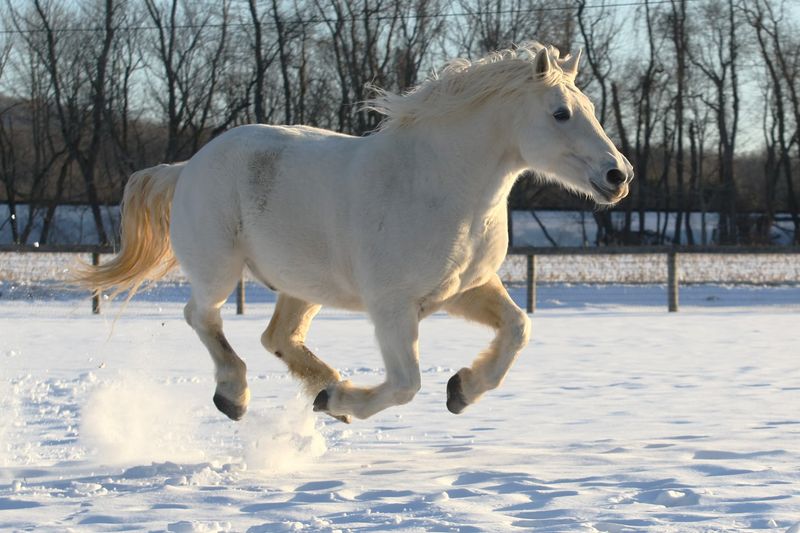
Money is not glamorous, but horses run on it. Feed, shelter, and care all come with real costs.
As a charity, the rescue relies on community support to keep going. Supporters have urged others to give, calling the horses absolutely worth helping.
One longtime backer summed it up neatly by saying the rescue is worth every minute and every dollar. That is high praise for any nonprofit.
For families on a budget, giving does not need to be large to count. Small, regular contributions can add up over time.
Donations can also be a family activity. Kids might save part of their allowance or help organize a small fundraiser at school.
The official website is the right place to learn how to give. Methods and current needs can change, so it pays to check there directly.
Many supporters appreciate seeing exactly what their help accomplishes. At a horse rescue, the results are standing right there in the pasture.
A dollar may not sound like much on its own. Multiplied across a caring community, it becomes hay in the barn and a horse with a future.
Warren County Country Roads
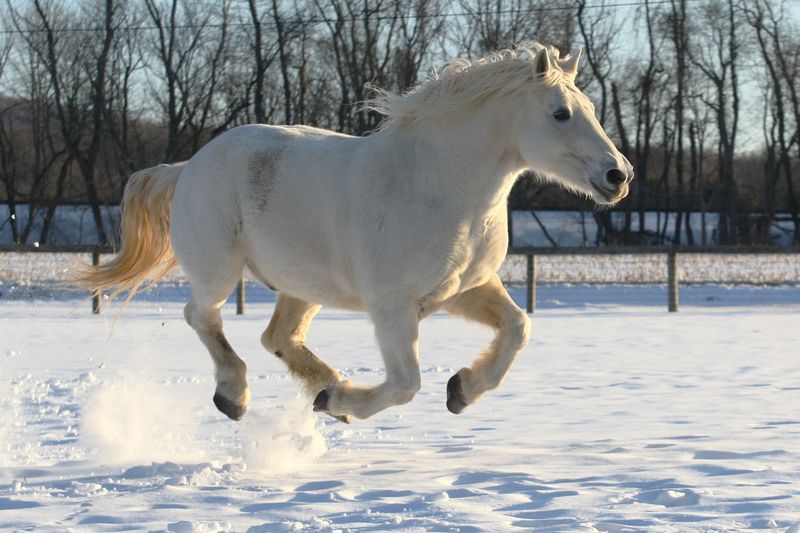
Phillipsburg sits on New Jersey’s western border in Warren County. It is a part of the state that still holds plenty of open, rural land.
That setting suits a horse rescue well. Horses need space, and country roads like Still Valley Road offer a quieter backdrop than busy suburbs.
For many New Jersey families, the drive itself becomes part of the outing. Leaving highways behind for farm country can feel like a mini adventure.
The area is also convenient for travelers coming from across the river in Pennsylvania. Phillipsburg faces Easton across the Delaware River.
Families can easily turn a trip to the rescue into a larger day out in the region. Just plan ahead and keep timing flexible.
A rural location does mean fewer services right at the doorstep. Packing water and snacks for the car is a sensible habit.
Western New Jersey often surprises people who mostly know the state for its cities and shore. Places like this rescue show a softer, slower side of the Garden State, one where pastures outnumber parking garages.
Who Will Love This Outing
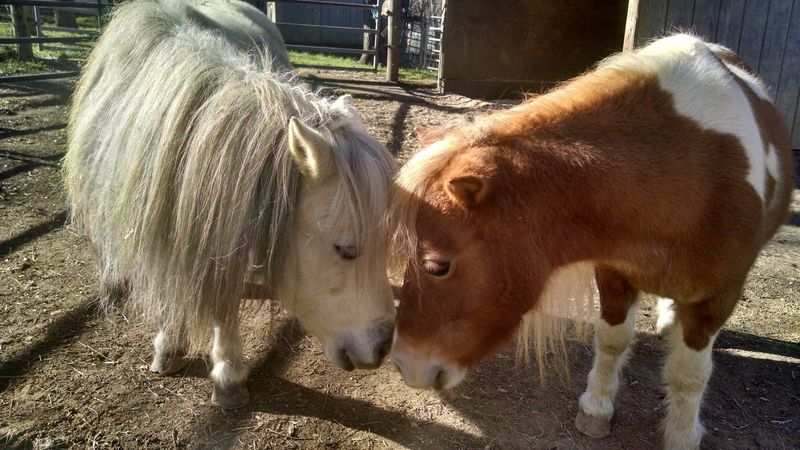
Not every weekend plan needs a ticket booth and a gift shop. Some of the best outings are the ones that leave everyone feeling good.
Animal-loving kids are an obvious match. A rescue offers a real-world lesson in compassion that no classroom can fully copy.
Couples looking for a meaningful date idea may also find it appealing. Supporting a cause together can be more memorable than another dinner out.
Horse lovers, especially those who follow racing, often appreciate learning about life after the track. It adds depth to a sport they already enjoy.
Retirees and adults seeking volunteer work could find a rewarding fit here. The welcoming culture makes it easier to get involved.
Scout troops, school groups, and community clubs might also look into connecting with the rescue. Any group plans should be arranged directly with the organization first.
The common thread is simple. Anyone who believes animals deserve a fair shot will feel right at home.
Thrill seekers looking for rides and attractions should look elsewhere. Everyone else may find this is exactly the kind of quiet good their weekend needed.
Good Manners Around Rescued Horses
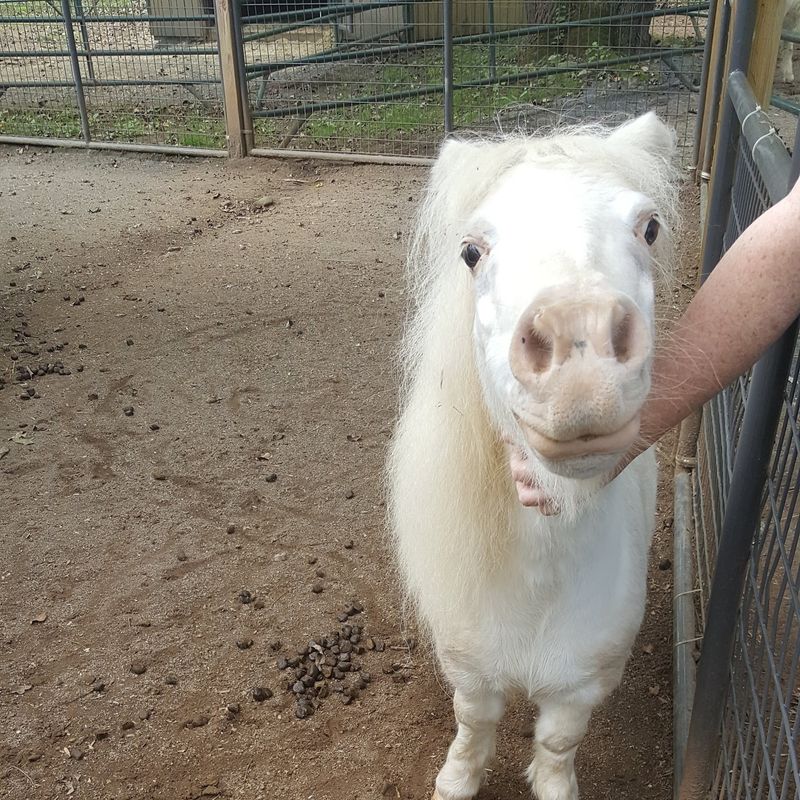
Horses are large, powerful animals, and rescued ones may carry nervous habits. A little etiquette goes a long way.
Following staff instructions is always the first rule. The team knows each animal’s history and comfort level.
Kids should stay close to adults and move calmly. Sudden running or loud play can startle a horse that is still learning to trust.
Hands should stay to yourself unless someone invites you to interact. Feeding animals without permission can upset diets that are carefully managed.
Closed gates should stay closed. That small habit protects both the horses and the people around them.
Patience is the best attitude to bring. Some horses may approach, while others may prefer distance, and both are perfectly fine.
Teaching children these rules before arriving can make the experience smoother. It also helps them understand why respect matters with all animals.
Good manners might seem like a small detail. For a horse working through a rough past, a calm and respectful guest can make the day just a bit easier.
Planning Before You Pack the Car
A quick bit of homework can save a wasted drive. Public hours and admission details for the rescue are not listed in the information available here.
That is common for small rescues. Many operate by appointment, during special events, or through volunteer programs rather than open daily hours.
The official website, mylestone.org, is the first stop. It is the most reliable place to find current visiting options, events, and ways to help.
Families should not assume that showing up unannounced is welcome. Contacting the organization ahead of time is the respectful approach.
Any cost to visit, whether free, donation-based, or tied to an event, should be confirmed directly. Details like these can change from season to season.
Dress for a farm environment if a visit is arranged. Sturdy closed-toe shoes are a wise choice around barns and pastures.
Weather can also affect plans at an outdoor facility. Checking the forecast and staying flexible is part of smart planning.
A few minutes online can turn an uncertain trip into a smooth one. The horses will appreciate guests who arrive prepared.
The Drive to Phillipsburg
Getting there is fairly simple with a GPS. Entering 227 Still Valley Rd, Phillipsburg, NJ 08865 should guide drivers right to the area.
The rescue sits in a rural part of Warren County. Roads out this way can be narrower and quieter than suburban streets, so a relaxed pace helps.
Drivers from northern and central New Jersey can generally make it a day trip. Travel times will depend on starting point and traffic.
Public transit options to a rural farm address are usually limited. Most families will find a car is the practical choice.
Parking arrangements are best confirmed when contacting the rescue ahead of a visit. Farm properties often have specific areas set aside for guests.
Cell service can be spotty in some rural pockets. Saving directions before leaving home is a handy backup plan.
Phillipsburg’s position along the Delaware River also makes it reachable for folks coming from the Lehigh Valley in Pennsylvania.
The roads may be quiet, but the destination carries a big purpose. Few drives end with a better story to tell on the way home.
A Quiet Place Worth Supporting
Some places win people over with size or spectacle. This one does it with steady kindness.
Mylestone has earned a perfect five-star standing from its supporters over the years. The words people use are simple and heartfelt, from lovely and welcoming to worth every dollar.
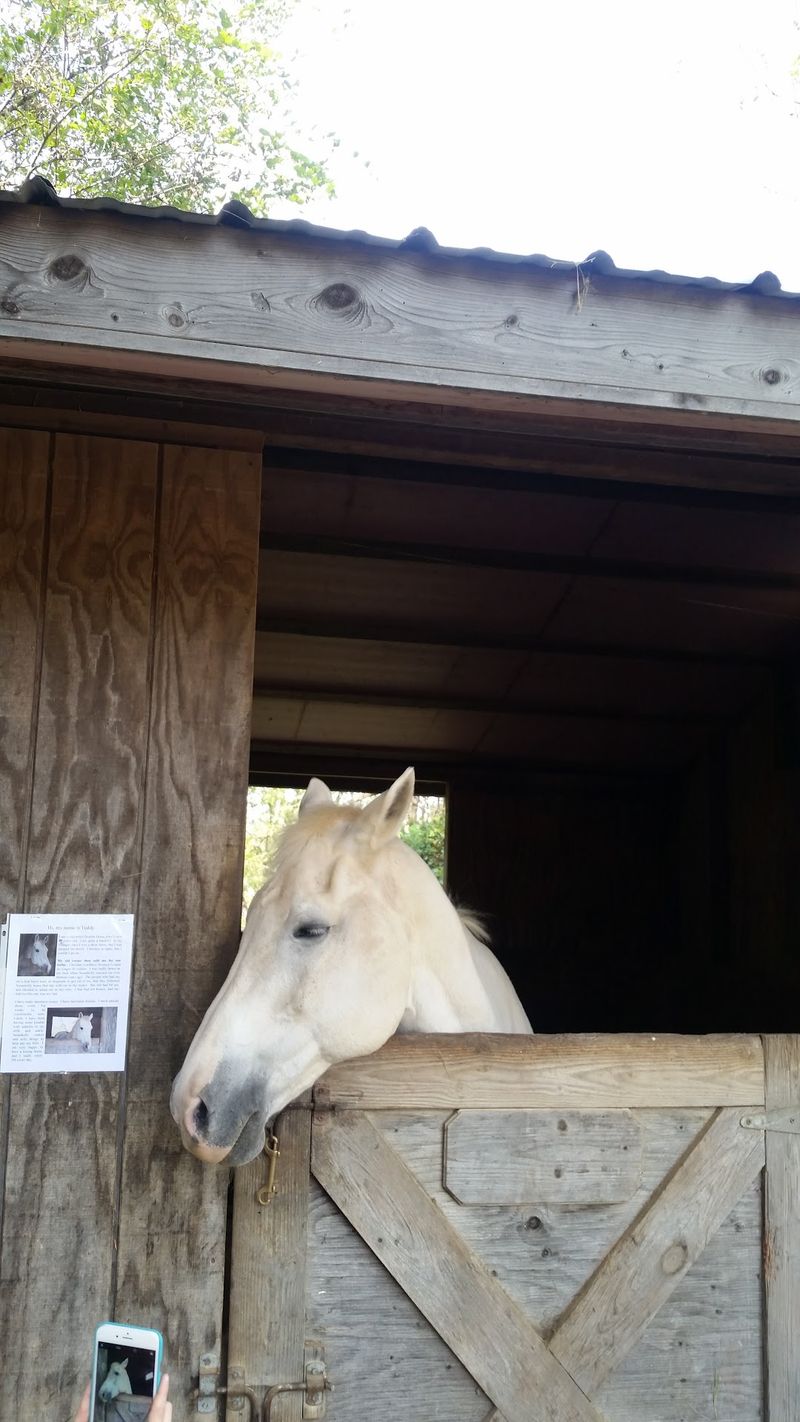
It is not a theme park or a petting zoo. It is a working rescue where retired racehorses, ponies, and horses with hard pasts get a calmer chapter.
For New Jersey families, that makes it a different kind of outing. The reward is not a souvenir but the knowledge that you helped something good continue.
Plans should start with the official website. Visiting options, volunteer opportunities, and donation methods are all best confirmed there.
Even families who cannot make the drive can still play a part. Sharing the rescue’s story or giving a small donation keeps the barn running.
Second careers are not always about doing more. Sometimes they are about finally being allowed to rest.
On a country road in Phillipsburg, a group of horses and the people who care for them are proving that a slower pace can be the happiest finish of all.


