Affiliate disclosure: As an Amazon Associate I earn from qualifying purchases. Learn more
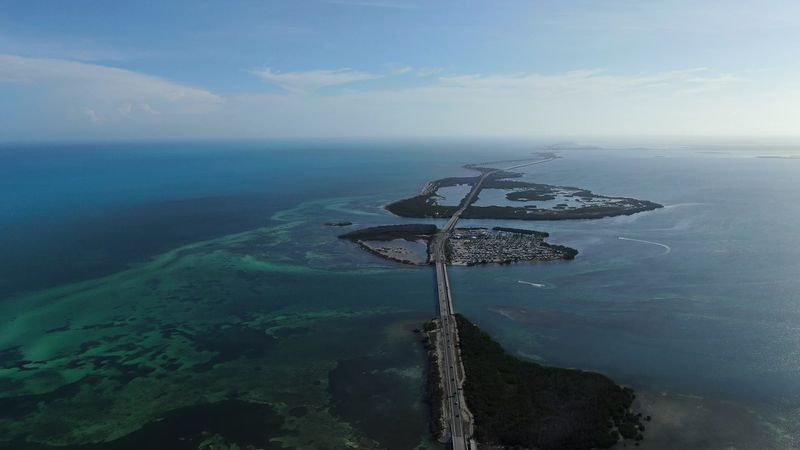
Somewhere in the Middle Keys, your phone’s map shows a tiny blue dot sitting in the middle of the water with no road in sight. Nothing is wrong with your GPS.
You are simply on one of the longest and most famous drives in the country, with ocean on both sides and very little else. The span has a wild backstory involving a railroad dreamer, a brutal hurricane, and a second bridge built right beside the first.
It also hides free parking, a walking path, fishing spots, and one of the best sunset views in Florida. Keep reading to learn how to enjoy it as more than a quick blur on the way to Key West.
A Highway Floating Between Two Keys
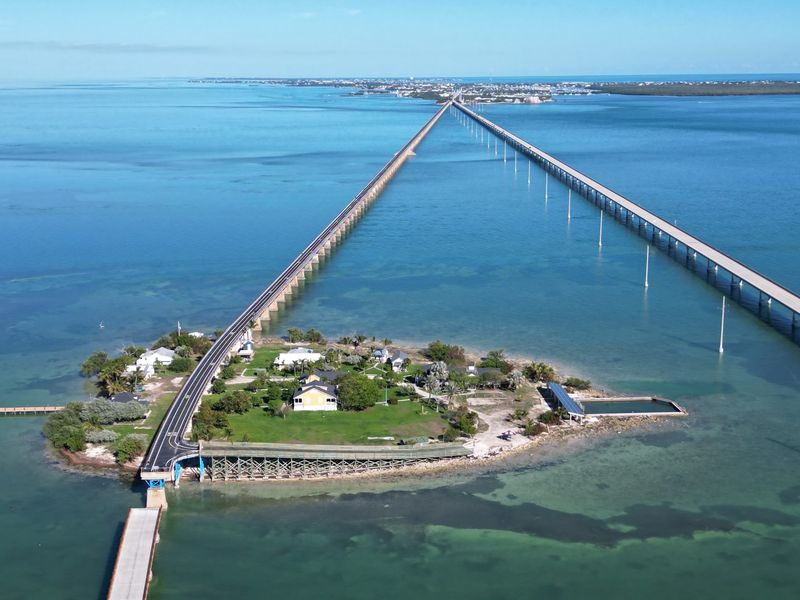
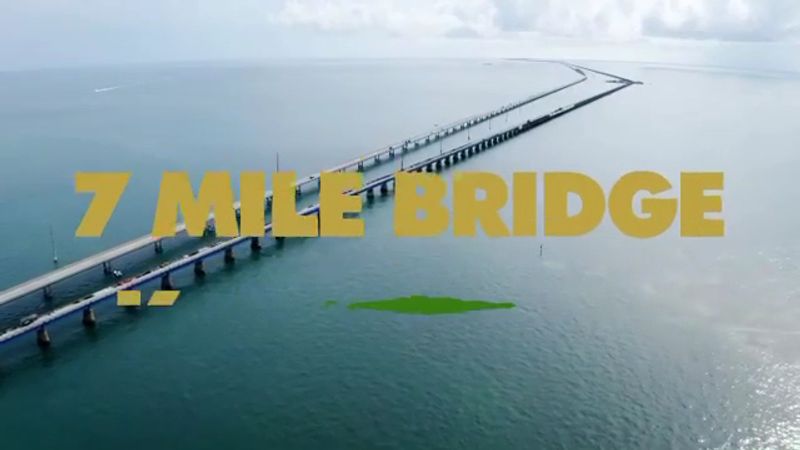
Here is the mystery revealed: the Seven Mile Bridge, Florida, United States. It carries US Route 1, better known as the Overseas Highway, across open water in the Florida Keys.
The bridge links Knight’s Key, part of the city of Marathon in the Middle Keys, to Little Duck Key in the Lower Keys. It sits as a centerpiece of the 113-mile Overseas Highway that runs down to Key West.
On paper, it is simply a long, meandering span connecting points in one section of the island chain. In practice, it is the stretch that makes road trippers grip the wheel a little tighter and reach for a camera.
The road is one lane in each direction. There is no shoulder of land to lean on, just water spreading out to the horizon on both sides.
That setup is exactly why the crossing has become an icon. The bridge holds a 4.8-star average from more than 4,000 people on Google, which says plenty about how often it lives up to the buzz.
So what makes a slab of concrete this beloved? The answer starts more than a century ago, with a man many people thought had lost his mind.
The Legend of Flagler’s Folly
Skeptics had a nickname ready long before the first train rolled across: Flagler’s Folly. Railroad tycoon Henry Flagler wanted to push the Florida East Coast Railway all the way over the sea to Key West.
The original bridge opened in 1912 as part of his Overseas Railroad. It was built under grueling conditions and survived several intense hurricanes along the way.
Critics eventually changed their tune. The same project once mocked as a folly later earned the title of the Eighth Wonder of the World.
Then came the 1935 Labor Day Hurricane, which wrecked parts of the railroad. Instead of abandoning the structure, the federal government bought it and converted it into a highway for cars.
For decades, drivers crossed the old span. It was narrow, though, and its swing span caused long delays for boat traffic below.
Age added more problems. Structural wear made it clear that a new crossing was needed, which set the stage for the second chapter of this story.
Not bad for a project that started as a punchline.
Two Bridges, Side by Side
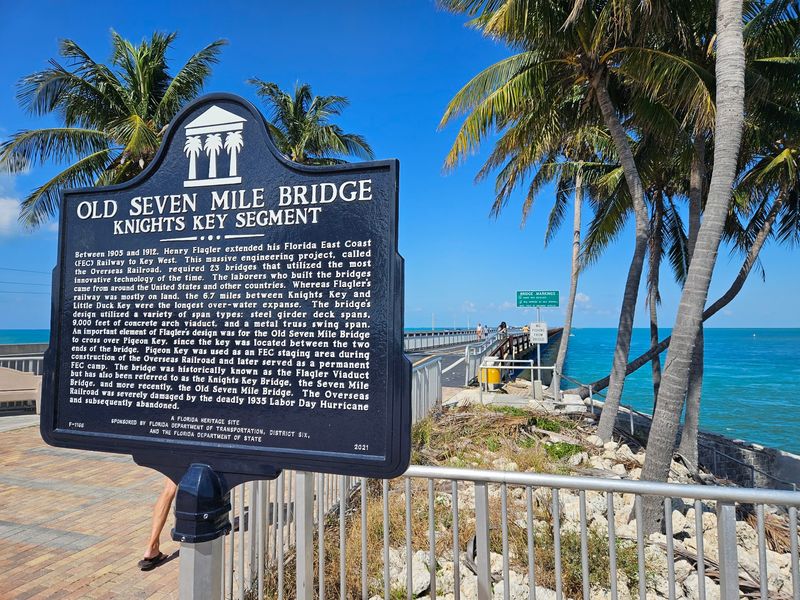
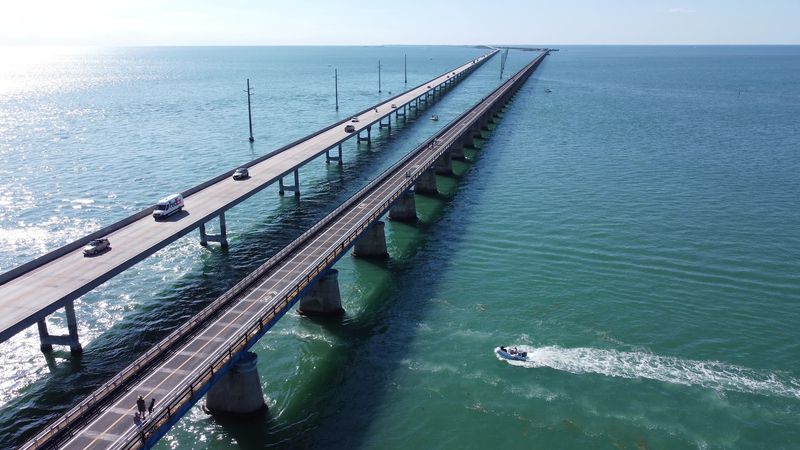
Look out the window during the drive and you will notice something unusual. There are actually two bridges running next to each other.
The modern highway bridge was built between 1978 and 1982. It is a wider concrete box-girder design that replaced the old route for everyday traffic.
Right beside it stands the weathered original, often called Old Seven. It no longer carries cars across the full distance, but it still has plenty of purpose.
Some people find the old rail bridge charmingly nostalgic. Others think it looks a bit rough around the edges, so opinions do vary.
Along the old structure, sharp-eyed travelers watch for Fred the tree. Fred is a small tree growing out of the old railroad, and spotting it has become a little game on the drive.
The pairing creates a rare chance to see two eras of engineering in a single glance. One side tells the railroad story, and the other shows how Florida kept that route alive.
History buffs, keep your eyes on the left lane view heading south.
Behind the Wheel Over Open Water
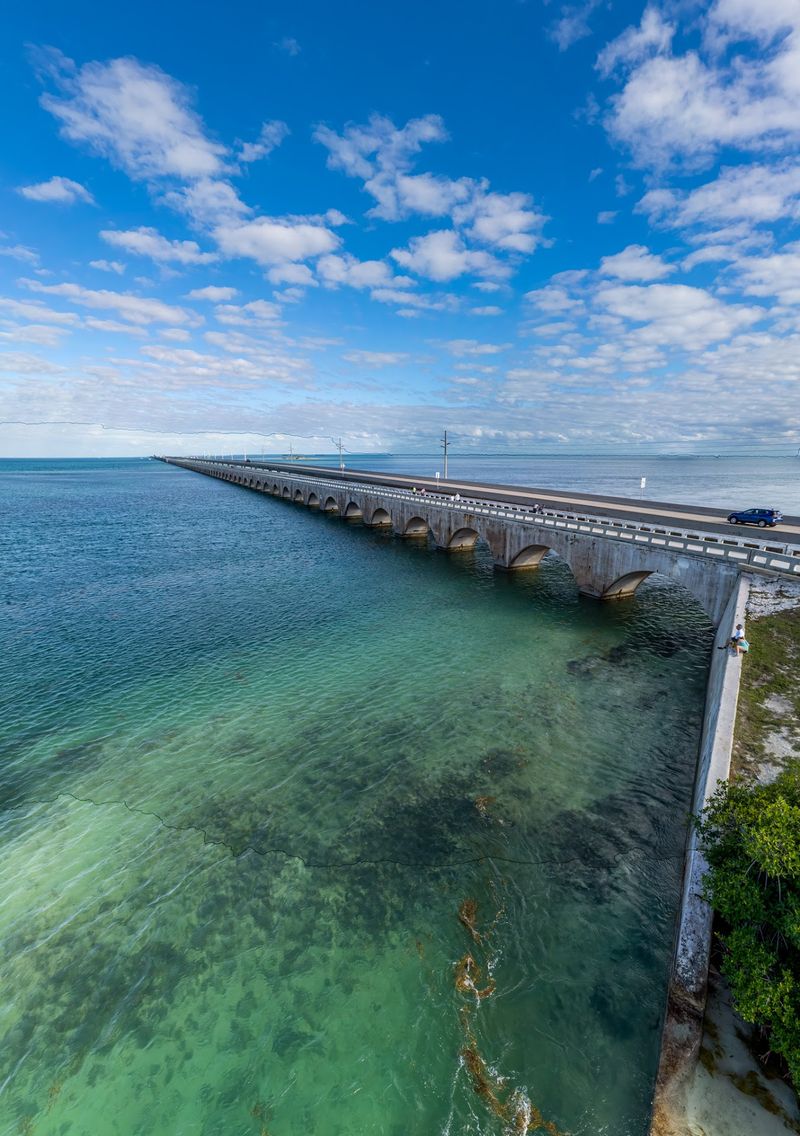
Your navigation app will quietly give up here. The little dot just floats in the ocean, with no roads around it, and many drivers find that part both funny and a bit unnerving.
The pavement itself has been updated and is smooth. The road runs long and fairly straight, which makes for an easy cruise when traffic is light.
Traffic is the catch. With one lane each way and scenery this distracting, many drivers slow down to take it in.
Backups can form quickly, so build extra time into any plan. RV drivers do not need to panic, but a steady, patient pace works best.
The distance also plays tricks on the mind. Oncoming cars seem to zoom by, while the far-off water makes it feel as though you are barely moving.
Many travelers say the whole Overseas Highway drive leading up to the bridge is a highlight on its own. Then the Seven Mile stretch arrives and tops everything before it.
Hands at ten and two, and let the passengers handle the photos.
A Four-Mile Walk to Pigeon Key
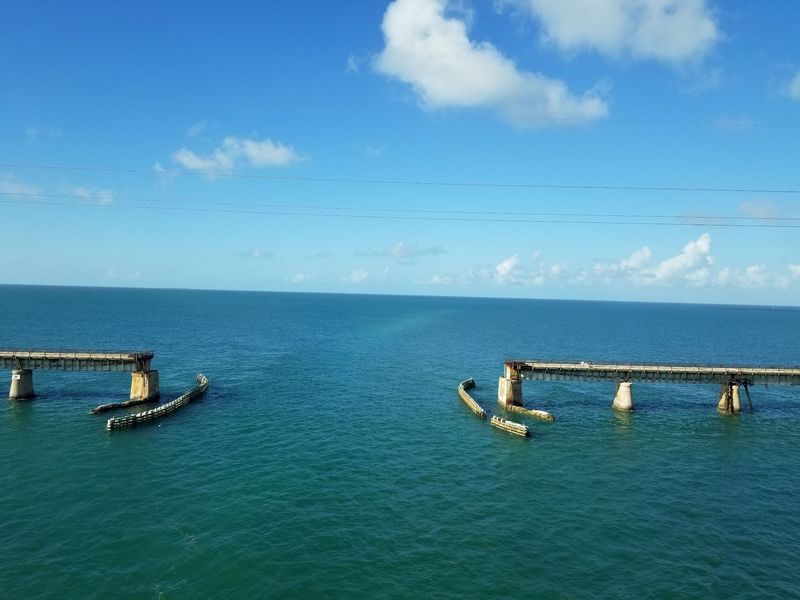
Cars get the fame, but feet and bicycles get the better deal. A section of the old bridge now works as a path for walkers, runners, and cyclists.
The most popular goal is historic Pigeon Key, about two miles out. That makes the round trip roughly four miles.
Do not underestimate it. Plenty of casual walkers find the distance tougher than expected, so bring water and pace yourself.
Not up for the full trek? You can walk out about half a mile and still get great views.
The path runs parallel to US 1, so expect some highway noise. The trade-off is open water on all sides and room to stop whenever you like.
Runners like the long, flat surface. Some locals make a habit of biking the bridge at sunrise to start the day.
A tram option to Pigeon Key has also been mentioned for those who would rather ride.
Trail apps like AllTrails list the route, which is how many first-timers discover it.
Lace up early, and the morning will feel well spent.
Stingrays, Fishing Lines, and Turquoise Shallows
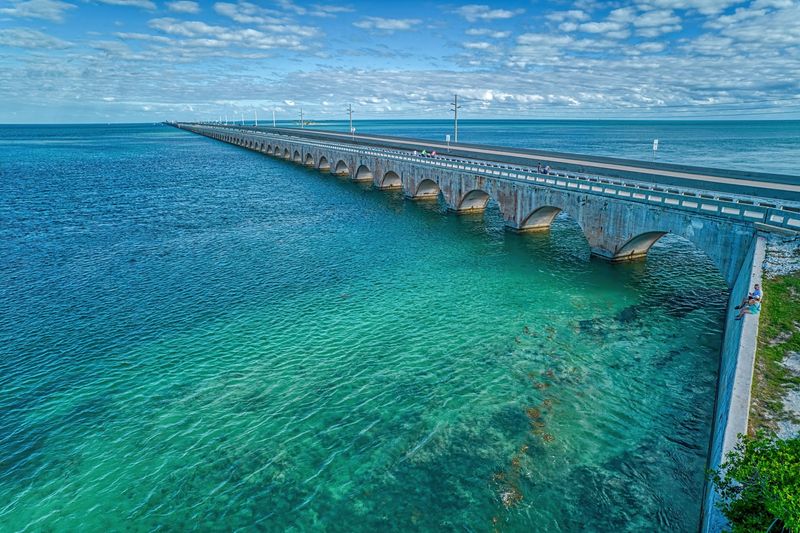
Keep one eye on the water. Stingrays show up often enough that they are one of the most talked-about sights around the bridge.
The water is famously clear, so wildlife watching is a real draw. Calm days make it easier to spot marine life gliding below.
Fishing is another big part of the scene. Lots of people cast lines from the old bridge and from spots near the end of the span.
You can walk downstairs or use a ramp off the side to reach fishing areas. A proper Florida fishing license is required, and it can be purchased through the Fish Hunt FL app.
Swimming is not allowed here. You can still head down the hill for a closer look at the clear water.
On calm days, distant pieces of land appear on the horizon. The combination of views and activity keeps the area busy without feeling hectic.
Bring patience, a license, and a good pair of eyes, and the water may reward you.
Where Sunset Steals the Show
Ask what people remember most, and sunset wins by a landslide. It is the single most mentioned highlight of the bridge.
Views stretch across both the Atlantic side and the Gulf side. That wide horizon gives the evening sky plenty of room to work.
Crowds know it too. The parking area gets busy before sunset, so arriving early is a smart move.
You will likely see lots of people taking photos, and sometimes a couple of drones overhead. The mood stays relaxed, and the area has a clean, safe feel.
Early risers have their own version. Sunrise bike rides across the old bridge are a favorite routine for some regulars.
For photographers, one tip stands out. Heading north to south is often recommended as the better direction for pictures.
Plan the drive around golden hour, and the trip will earn a spot in the camera roll.
Parking, Picnics, and Practical Tips
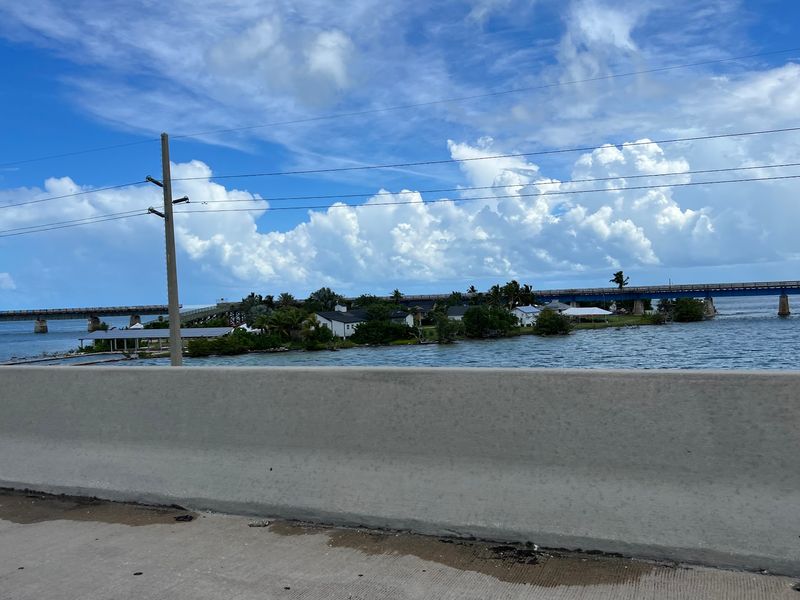
Good news for budget travelers: the parking lot is free. It sits on the Marathon side, making it easy to stop, stretch, and explore.
The official lot is small. Extra parking is available across the road when it fills up.
A couple of gazebos with tables and benches offer a covered spot to rest. It works well for a quick picnic break during a long road trip.
From the lot, you can walk or bike on the old bridge up to the point where it closes. A newer pedestrian bridge with partial coverage is also nearby.
On the opposite side of the road, a restaurant can be reached from underneath the bridge. Driving over and parking in its lot is usually the easier option.
There is no admission to enjoy any of this. The bridge, the views, and the parking cost nothing.
Hotels in the Keys can book up, so reserving a room ahead of the trip makes things smoother.
Free and fantastic is a rare combo in the Keys.
Worth the White Knuckles
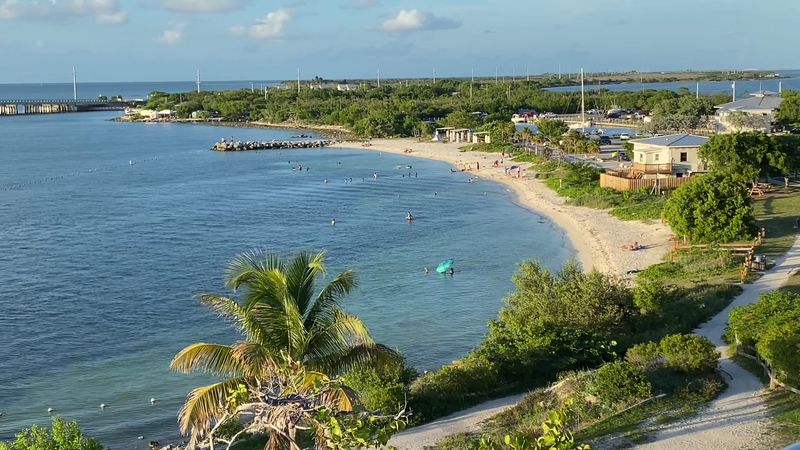
Not everyone falls in love with it. A few travelers find it overhyped, and that is fair for anyone expecting theme park thrills.
Most people, though, come away impressed. It is a historic route, an engineering achievement, and a free outdoor stop all in one.
The real secret is to treat it as a destination rather than a pass-through. Driving over is memorable, but stopping changes everything.
Walk toward Pigeon Key. Watch for stingrays, cast a line, or wait for the sky to change color at dusk.
Families enjoy the drive, runners enjoy the path, and history fans enjoy the two-bridge story. Photographers, of course, rarely want to leave.
Give yourself extra time, arrive before sunset, and keep your expectations grounded in the simple pleasures it offers.
At the very least, grab the classic photo before heading on toward Key West. That little blue dot floating in the ocean will make a lot more sense afterward.