
Affiliate disclosure: As an Amazon Associate I earn from qualifying purchases. Learn more
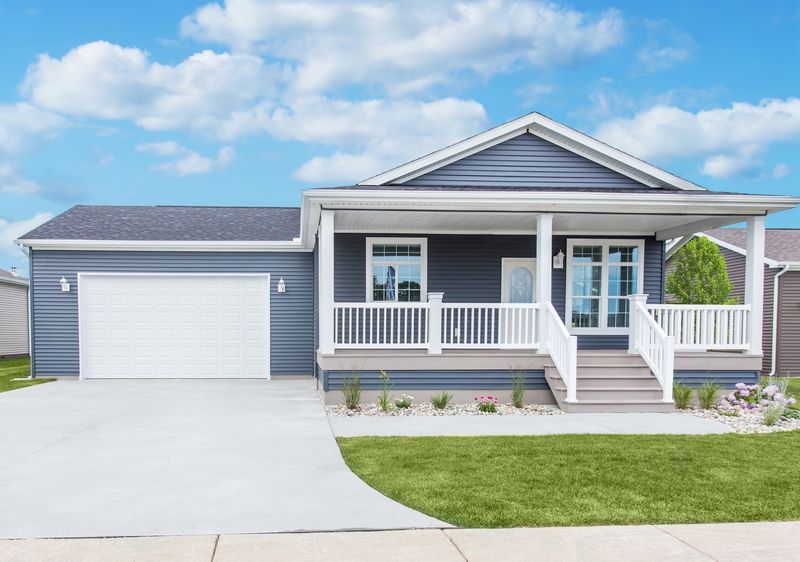
Finding an affordable place to settle down after 55 can feel like a real challenge in today’s housing market. But Michigan has some 55+ communities where move-in-ready manufactured and modular homes start at prices that surprise people, often around $60,000.
That kind of number opens the door for retirees and older adults who want low maintenance living without draining their savings. Here is a friendly look at what makes these communities worth a closer look, from the homes themselves to the amenities, location perks, and things to check before you sign anything.
1. Move-In-Ready Homes Priced Around $60,000
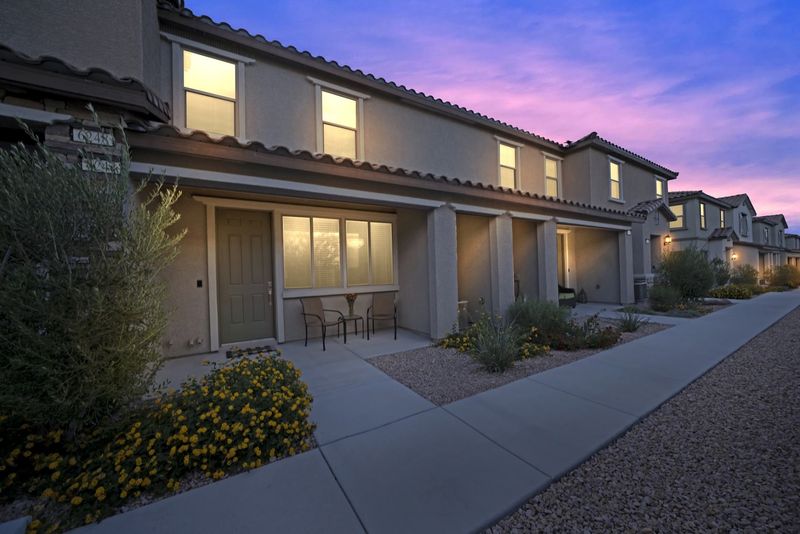
The headline number is what pulls most people in, and for good reason. Move-in-ready homes starting near $60,000 are hard to come by, especially ones you can actually live in right away.
Many of these are manufactured or modular homes set on leased lots inside age-restricted communities. Because you often lease the land rather than buy it, the upfront cost of the home itself stays lower than a traditional house purchase.
Move-in-ready usually means the appliances, flooring, and basic fixtures are already in place. That saves buyers from spending weeks on renovations before unpacking a single box.
Prices always vary by size, model, and community, so treat the $60,000 figure as a starting point rather than a promise. Some homes will run higher depending on square footage and upgrades.
Still, the low entry price is what makes these communities stand out for people on a fixed income.
2. Age-Restricted 55+ Community Rules

An age requirement might sound limiting at first, but it is exactly what draws many buyers. Communities marked 55+ generally require at least one resident in the household to be 55 or older.
The rule keeps the neighborhood geared toward older adults who want a quieter, more predictable environment. That means fewer worries about the pace and noise that come with mixed-age housing.
These communities often build their calendars and amenities around residents in this stage of life. Think daytime activities, social clubs, and shared spaces designed for gathering rather than playgrounds.
Before buying, ask about the exact age policy and whether younger family members can visit or stay short-term. Rules differ from one community to the next, so getting the details in writing helps avoid surprises later.
3. Lot Rent and Monthly Fees to Understand
Here is the part that trips up a lot of first-time buyers in these communities. That low home price usually comes with a monthly lot rent, since you own the home but lease the land underneath it.
Lot rent typically covers things like use of the land, community upkeep, and sometimes trash service or road maintenance. The exact amount depends on the community and location.
Some communities bundle water, sewer, or other utilities into the monthly fee, while others bill those separately. Getting a clear breakdown matters, because two homes at the same price can carry very different monthly costs.
It is smart to ask how often lot rent has increased in recent years. A low purchase price paired with steadily rising fees can change the math over time, so plan around the total monthly budget, not just the sticker price.
4. Clubhouse and Community Amenities

Amenities are where these communities earn their keep for the price. Many 55+ neighborhoods include a shared clubhouse that acts as the social heart of the place.
Clubhouses often host card games, potlucks, fitness classes, and holiday gatherings. Having a built-in space to meet neighbors makes settling in a lot easier for people moving to a new area.
Depending on the community, you might also find a swimming pool, fitness room, walking paths, or a library corner. These extras add value without adding much to your monthly cost when they are included in the fees.
What you get varies widely, so tour the amenities in person before deciding. A community that matches your hobbies and daily routine will feel like home far faster than one that just looks good in a brochure.
5. Low-Maintenance Living for Retirees
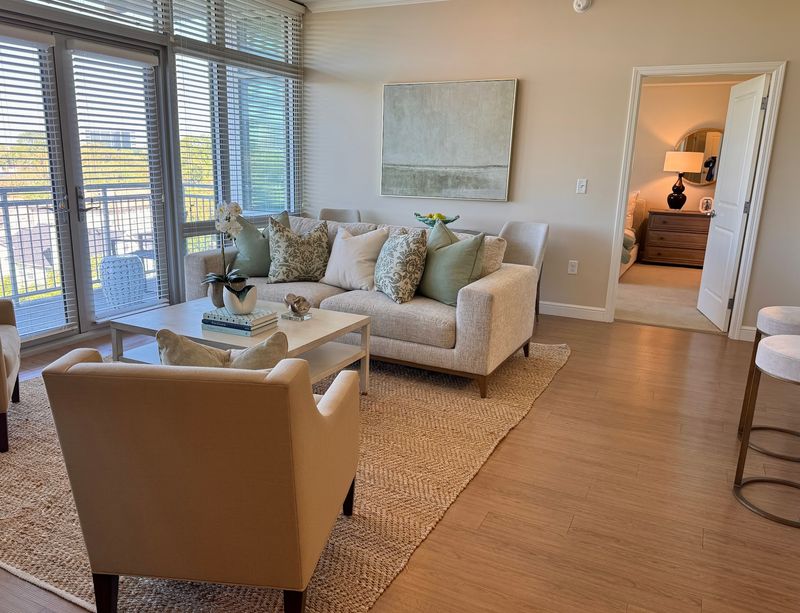
Trading yard work for free time is a big reason people choose these communities. Smaller homes and lots mean less upkeep, which appeals to folks ready to slow down.
Many communities handle exterior tasks like lawn care and snow removal as part of the monthly fee. In Michigan, where winters bring plenty of snow, that snow removal perk is worth asking about specifically.
Single-story layouts are common, which helps with mobility and cuts out the hassle of stairs. That design choice makes daily life simpler for residents who want to stay independent longer.
Less maintenance also means fewer surprise repair bills tied to a large house and yard. For anyone on a fixed budget, predictable costs and less physical work add up to real peace of mind.
6. Michigan Location and Four-Season Appeal

Location shapes a lot of what makes these communities attractive. Michigan offers four distinct seasons, from colorful autumns to green, mild summers that many retirees enjoy.
The state is dotted with lakes, parks, and small towns, so outdoor activities like fishing, walking trails, and lakeside visits are usually close by. That easy access to nature adds to the appeal of settling here.
Living costs in many parts of Michigan run lower than in a lot of other states, which stretches a retirement budget further. Affordable housing plus reasonable everyday expenses is a combination worth considering.
Winters do bring cold and snow, so factor heating costs and snow handling into your plans. For people who like the change of seasons and do not mind bundling up, the trade-off often feels well worth it.
7. What to Check Before You Buy
Excitement over a low price should never skip the homework stage. Before signing anything, read the community rules and the lot lease agreement carefully.
Ask direct questions about lot rent history, what fees cover, and how the community handles repairs to shared spaces. Understanding the full monthly cost protects you from budget surprises down the road.
It also helps to research the community’s reputation and how well the property is managed. Well-run communities tend to keep homes and common areas in good shape, which affects both comfort and resale value.
Have any home you like inspected, even if it is listed as move-in-ready. A quick professional check on the plumbing, heating, and roof can save money later.
Taking these steps turns a tempting price tag into a genuinely smart decision. A little caution up front makes the affordable dream far more likely to stay a happy one.