
Affiliate disclosure: As an Amazon Associate I earn from qualifying purchases. Learn more
Deep beneath the pine forests of North Florida sits a freshwater opening so vast that divers have spent decades trying to map where it truly ends. Water bubbles up here at a staggering pace, feeding a river that curls through cypress trees and quiet wetlands just south of Tallahassee.
This place ranks among the deepest freshwater holes anywhere on the planet, and yet plenty of Floridians drive right past without knowing it exists. The story runs through prehistoric fossils, old movie sets, and an aquifer that keeps the water flowing year round.
There is far more happening under the surface than the calm scene above lets on. Stick around, because the details below turn a simple spring into one of the state’s most surprising close-to-home discoveries.
Where the Spring Rises in North Florida
Tucked into the woods south of Tallahassee, Wakulla Springs sits in the pocket of Florida marked by the zip code 32327. The setting feels far removed from the busy highways of Central Florida, and that quiet is part of the appeal.
The spring acts as a first magnitude spring, which is the top tier for water flow. That means an enormous volume of water pushes up from below every single day.
What rises here is not just water. Wakulla Springs is a major exposure point for the Floridan Aquifer, the underground water system that supplies much of the state.
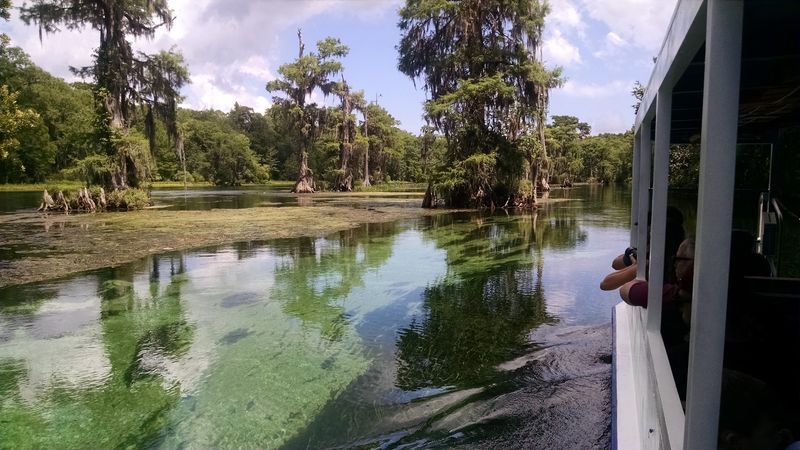
The flow gathers into a defined channel and becomes the Wakulla River, which winds away through low forest and wetland. Everything downstream owes its existence to this one opening in the earth.
Getting here is easy for anyone already near the state capital, since it sits a short drive from the city. That proximity makes it a favorite for locals looking to slip away without planning a long trip.
Few natural sites pack this much geological importance into such a peaceful corner. The location alone hints that something remarkable is at work below.
A Freshwater Hole Among the Deepest on Earth
Depth is the headline that sets this spot apart from the countless other springs scattered across Florida. Wakulla Springs ranks among the deepest freshwater openings found anywhere on the planet.
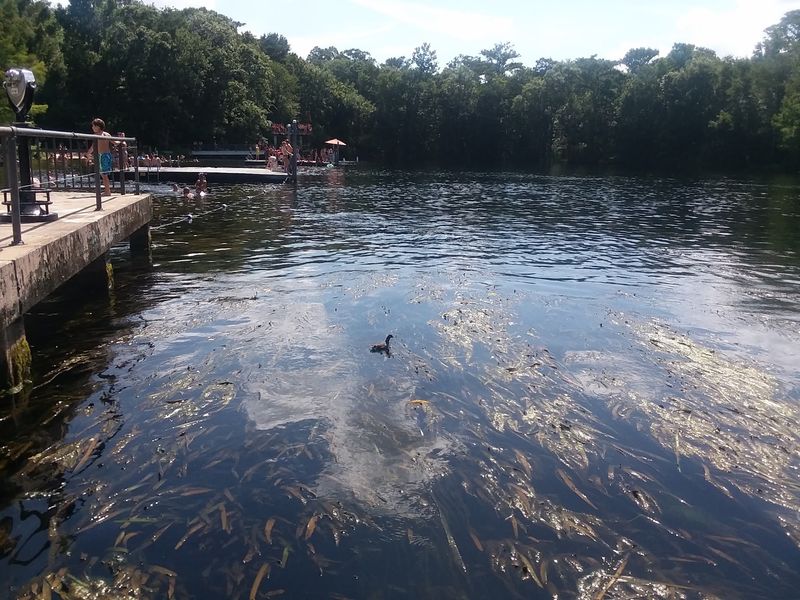
The vent where water emerges connects to a network that plunges far below the visible surface. What looks like a calm pool is really the top of a system that keeps going down and down.
Divers and researchers have spent years working to understand just how far the passages reach. The scale involved is the kind of thing that reshapes how you look at a body of water you can see from the shore.
Because it draws directly from the Floridan Aquifer, the supply behind that depth is constant. The water is not sitting still.
It is being pushed up from a massive underground store.
Standing near the edge, the sheer volume moving through is hard to grasp. A place this deep and this active is genuinely rare, and it happens to be sitting quietly in North Florida.
That combination of size and depth is exactly what earns Wakulla Springs its place in the global conversation about freshwater giants.
The Floridan Aquifer Beneath Your Feet
Every drop that rises at Wakulla starts its journey long before it reaches daylight. The spring is a major exposure point for the Floridan Aquifer, the vast underground reservoir that lies beneath much of the state.
Rain soaks into the ground across a wide region, filtering down through porous limestone over long stretches of time. Eventually that water finds a path back to the surface, and here it does so with force.
An aquifer this large supplies drinking water to millions of people. Seeing where it breaks through offers a rare window into a system most folks never think about.
The limestone that stores and channels the water is soft enough to dissolve slowly, which is how these deep passages form in the first place. That process is still ongoing, shaping the spring over centuries.
Understanding the aquifer helps explain why the flow at Wakulla stays so steady. The reservoir behind it does not run dry with the seasons.
For anyone curious about how Florida works below ground, this spring is a living lesson. It turns an invisible resource into something you can actually stand beside.
The Birthplace of the Wakulla River
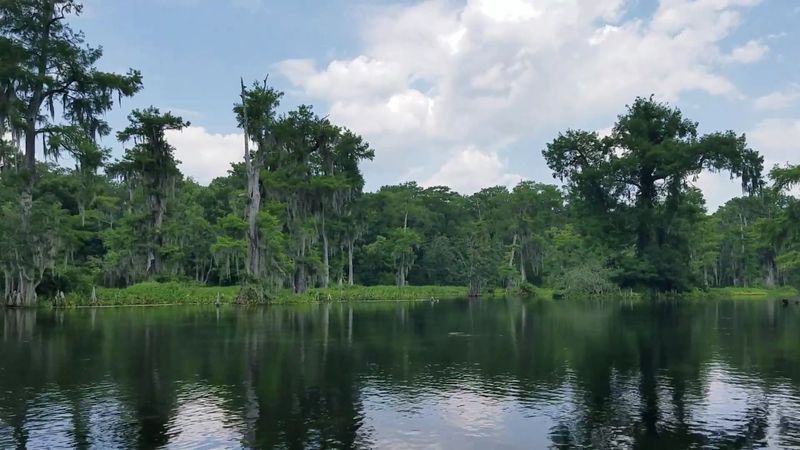
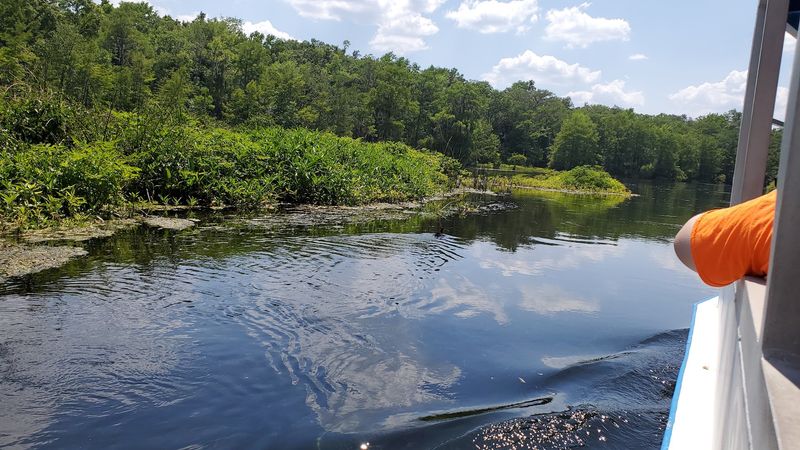
Follow the water away from the spring and a river takes shape almost immediately. The steady outflow forms the Wakulla River, which threads through the surrounding forest.
What begins as a single powerful vent becomes a slow, winding waterway lined with cypress and low greenery. The river carries the spring’s identity downstream mile after mile.
Because the source is so reliable, the river maintains a consistent character throughout the year. The aquifer keeps it fed no matter the weather.
The channel supports a stretch of wetland habitat that depends entirely on the spring’s contribution. Take away the source and the whole system changes.
Boaters and paddlers who explore the river are really tracing the path of aquifer water heading back toward the wider watershed. The connection between hidden depths and open river is direct.
Seeing the spring and the river together makes the relationship clear. One is the engine, the other is the road, and both belong to the same remarkable natural story unfolding in North Florida.
What First Magnitude Really Means
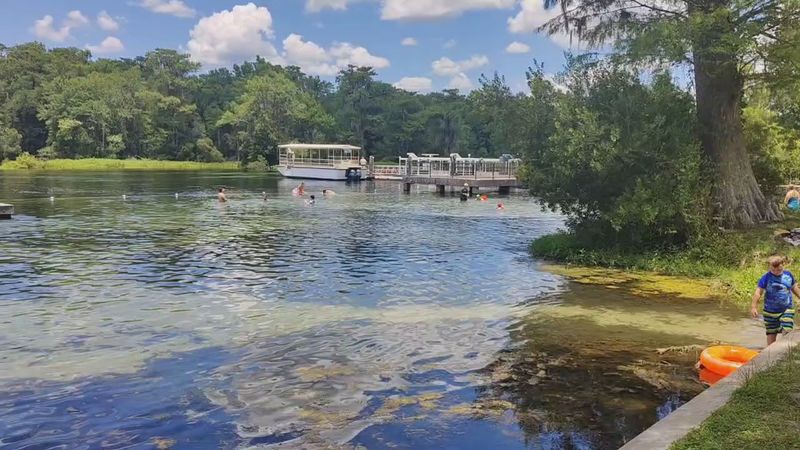
Not all springs are created equal, and the label attached to Wakulla tells you exactly where it stands. Being a first magnitude spring places it in the highest category for water discharge.
That ranking is reserved for springs that push out an especially large volume of water. Only a select group across the state earns the designation.
The classification comes from how much water flows out over time, and Wakulla delivers on a scale that puts it near the top. This is not a trickle from a hillside.
All that movement is driven by pressure from the aquifer below, forcing water upward with real strength. The constant flow keeps the spring active every hour of every day.
A first magnitude rating also signals ecological importance, since so much habitat downstream relies on that output. The river and wetlands are sustained by the sheer quantity involved.
Knowing the term adds weight to what you see at the surface. The calm appearance hides one of the most productive freshwater sources Florida has to offer.
Cypress Shadows and Wetland Scenery
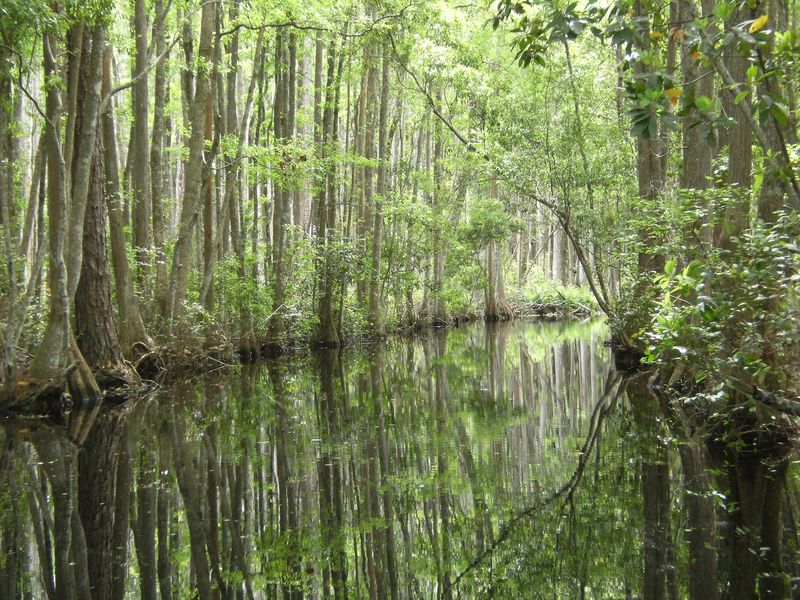
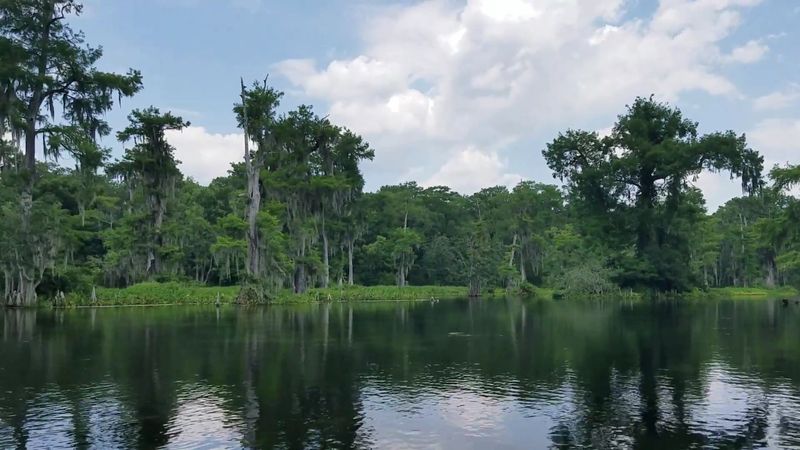
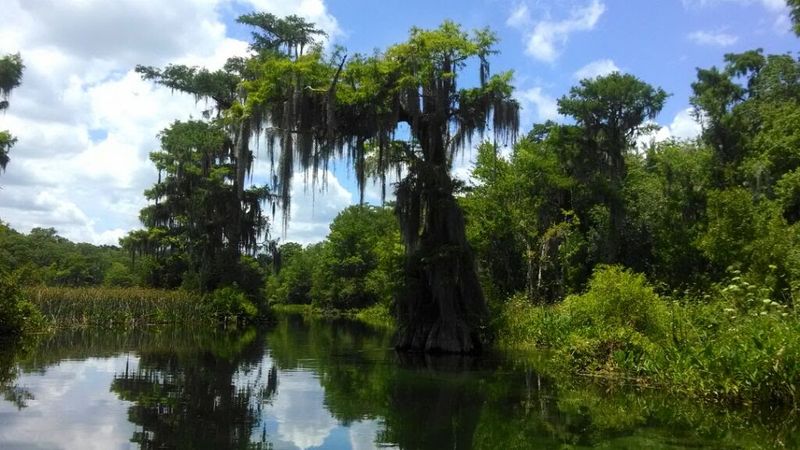
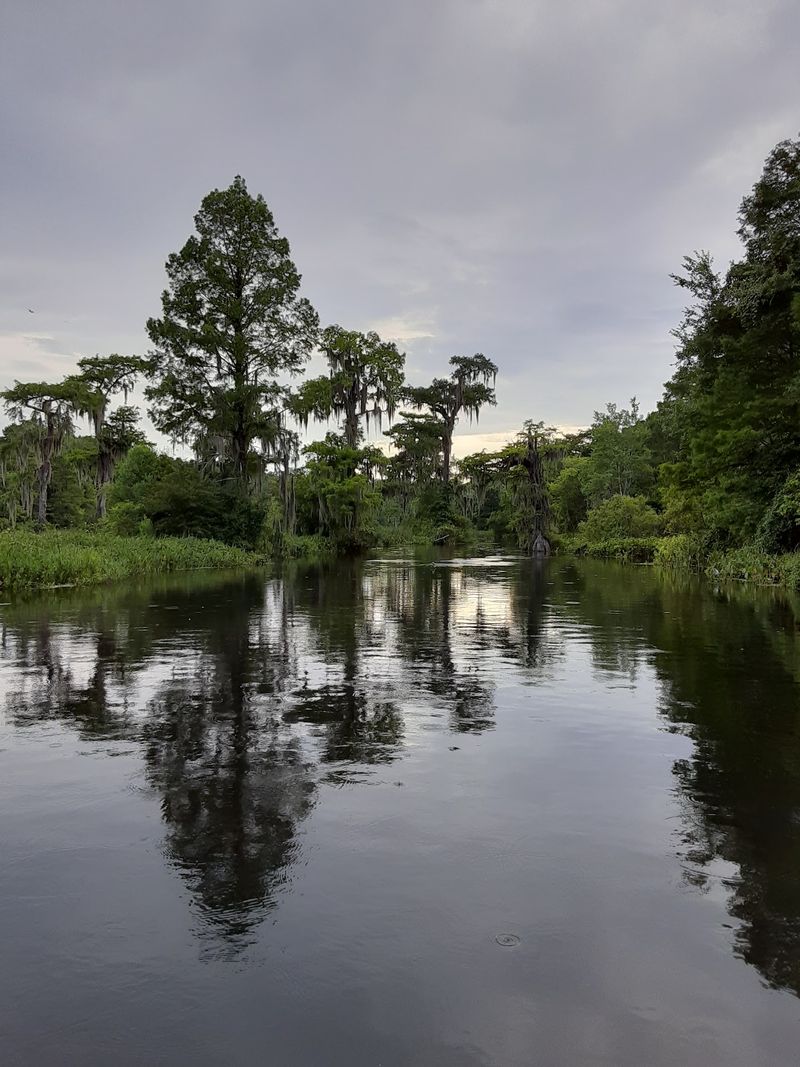
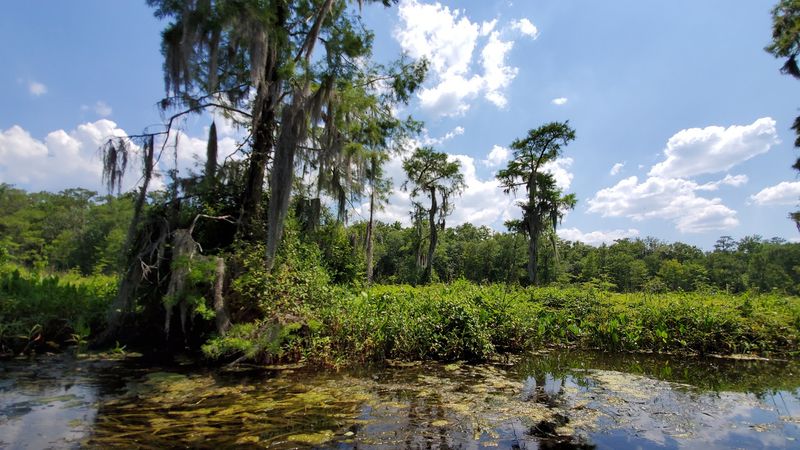
Beyond the numbers, the setting itself gives Wakulla Springs a quiet grandeur. Tall cypress trees frame the water, their trunks rising straight out of the shallows along the edges.
The surrounding landscape leans into old Florida, with dense forest and marshy pockets stretching in every direction. There is a wild, untouched feel here that developed areas rarely keep.
Reflections play across the surface where the trees meet the water, doubling the greenery in the stillness. The scene shifts subtly with the light throughout the day.
Wildlife thrives in this kind of habitat, drawn by the reliable water and thick cover. The wetlands act as a haven for creatures that need both.
The forest also buffers the spring from the noise of the outside world, keeping the atmosphere calm. That separation is a big part of why the place feels special.
For anyone who loves natural North Florida scenery, the surroundings alone justify the visit. The spring may be the star, but the landscape around it earns plenty of attention too.
Wildlife Along the Water
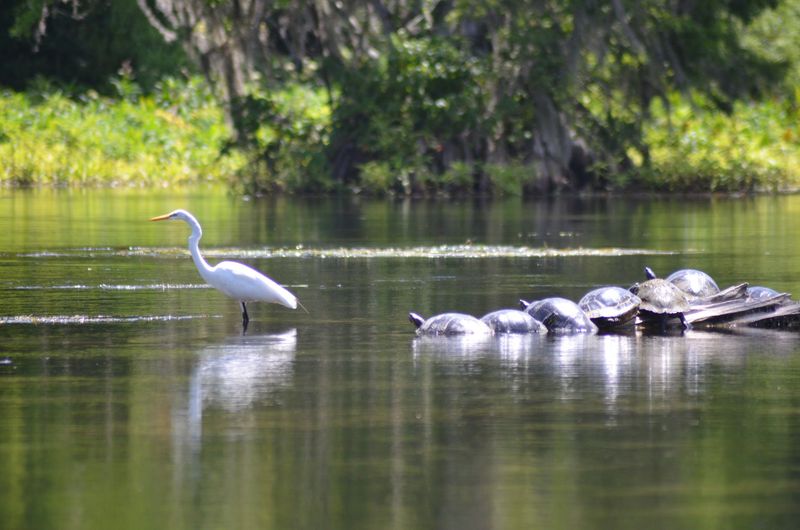
Life gathers wherever fresh water runs steady, and Wakulla is no exception. The mix of open water, forest, and wetland creates ideal conditions for a wide range of creatures.
Birds find plenty to like along the river corridor, using the trees and shallows for feeding and resting. The area supports the kind of habitat that keeps them coming back.
Reptiles and turtles are part of the scene as well, drawn to the sunny banks and calm stretches. The ecosystem here is layered and busy in its own quiet way.
Because the spring feeds a stable river, the food chain that depends on it stays intact through the seasons. Consistent water means consistent life.
The wetlands surrounding the flow give animals cover and space to roam, which is why the region feels so alive. It functions as a genuine refuge.
Anyone paying attention to the natural rhythms here will notice how much revolves around that single spring. The wildlife is a direct reflection of the health of the water it depends on.
A Window Into Deep Time
The depth of Wakulla is not just impressive, it is a record keeper. The passages carved through limestone represent an enormous span of geological history.
Water dissolving rock over long ages is what created the deep channels below the surface. That slow work stretches back further than most timelines can comfortably hold.
Each layer of stone tells part of the story of how North Florida took shape. The aquifer and the spring are chapters in a very old book.
Because the process continues today, the spring is still being written. What exists now is a snapshot of something in constant, if slow, motion.
Deep freshwater systems like this one hold clues that scientists value for understanding the wider region. The exposure point at Wakulla makes that research possible.
Standing at the edge connects you to a timescale far beyond a single lifetime. The spring is a reminder that the ground beneath Florida has been busy for a very long while.
Who This Spring Is Made For
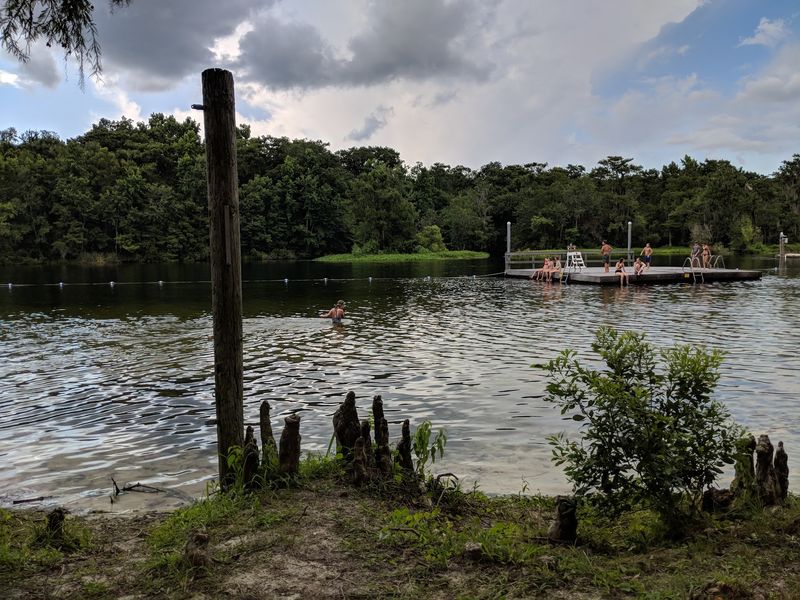
The appeal of Wakulla stretches across a lot of different visitors. Nature lovers find plenty to admire in the untouched forest and abundant wildlife.
Those curious about geology and water systems get a front row seat to one of the state’s most significant natural features. The aquifer exposure alone is worth the trip for the science minded.
Families looking for a calm outing away from crowded attractions will appreciate the slower pace here. The setting rewards patience rather than rushing.
Paddlers and river explorers can trace the spring’s flow downstream, turning the visit into an active adventure. The Wakulla River gives them room to roam.
Photographers gravitate toward the cypress reflections and quiet water, where the scenery does much of the work. There is no shortage of angles to capture.
Whether you come for the depth, the wildlife, or simply the peace, the spring meets you where you are. Its range of appeal is a big reason it stays a beloved North Florida destination.
Getting There From Tallahassee
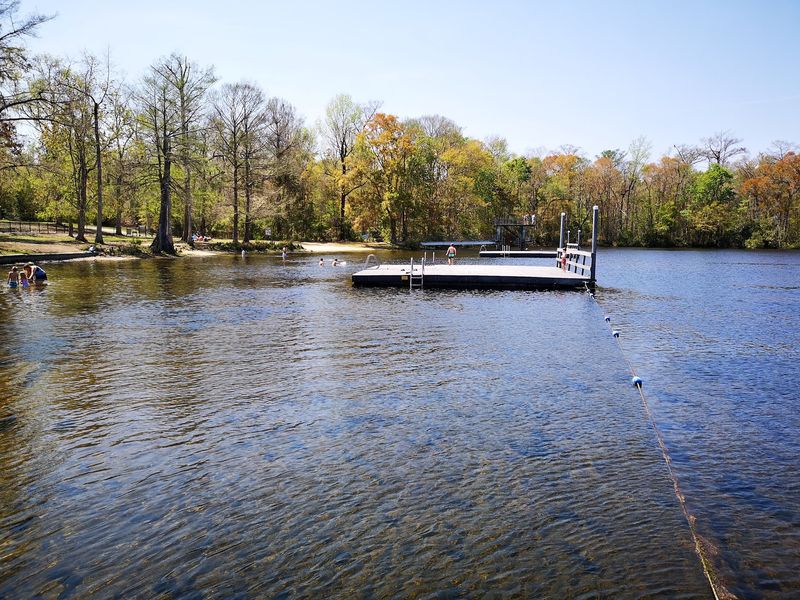
Reaching the spring is refreshingly simple for anyone near the capital. Wakulla Springs sits within the 32327 zip code, a manageable drive south of Tallahassee.
The route runs through the kind of wooded North Florida country that eases you into the natural setting before you even arrive. The transition from city to forest happens quickly.
Because the location is close to a major city, it works well as a day trip without demanding a long haul. That accessibility is part of its charm for locals.
Out of state travelers exploring the Tallahassee area can fold the spring into a broader itinerary with little trouble. It fits neatly alongside other regional stops.
The relatively remote feel of the site does not come at the cost of convenience. You get the sense of getting away without a marathon of driving.
For a place with such deep geological credentials, it is surprisingly easy to reach. That balance of accessibility and wildness is hard to beat in North Florida.
Planning a Visit the Smart Way
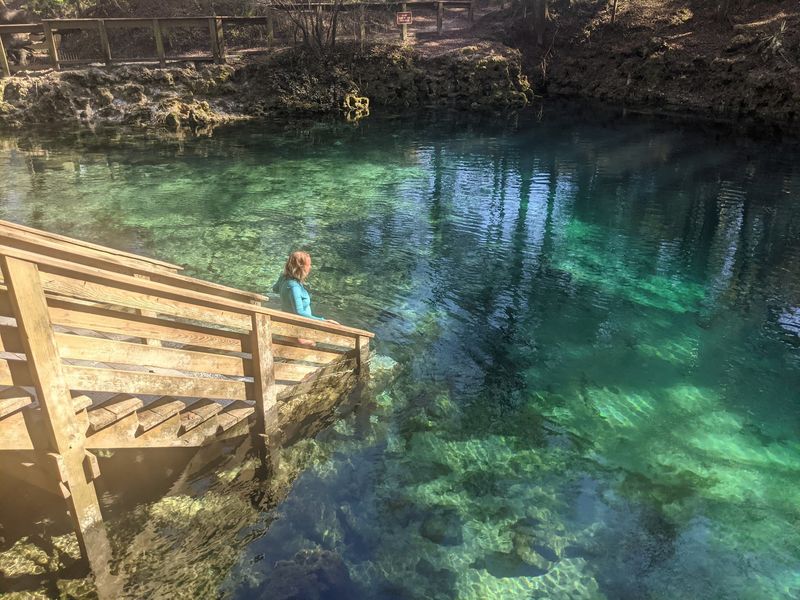
A little forethought goes a long way at a natural site like this. Since Wakulla Springs is an outdoor destination, the weather and season shape the experience more than anything else.
The steady flow from the aquifer means the water stays active regardless of the time of year. That reliability makes almost any visit worthwhile.
Arriving with time to spare lets you take in both the spring and the surrounding wetlands without feeling rushed. The setting rewards a slower approach.
Pairing the stop with the wider Tallahassee area turns a single visit into a fuller day out. The location supports that kind of flexible planning.
Keeping expectations tuned to nature rather than a built attraction helps too. The draw here is the water, the depth, and the quiet, not flashy extras.
Come ready to appreciate a genuine natural wonder and the trip tends to deliver. A thoughtful plan turns Wakulla from a quick glance into a memorable outing.
Why Locals Keep It on Their List
Plenty of North Florida residents treat Wakulla as a go to escape close to home. The short drive from Tallahassee makes it easy to return again and again.
The appeal holds up across seasons because the spring never loses its flow. There is always something worth seeing, no matter when you show up.
Regulars appreciate how the calm setting offers a break from the pace of city life. The forest and water reset the mood in a way few places manage.
Being a first magnitude spring gives locals bragging rights too, since so few sites earn that ranking. It is a natural landmark worth showing off.
The combination of depth, history, and scenery keeps the place feeling fresh even to those who visit often. Familiarity has not dulled its pull.
For value conscious day trippers who love discovering something remarkable nearby, Wakulla checks every box. It is the kind of local treasure people are quietly proud to share.
A Deep Wonder Hiding in Plain Sight
Few natural features manage to be both globally significant and easy to overlook, yet Wakulla pulls it off. One of the deepest freshwater holes on the planet sits quietly in North Florida, waiting for anyone willing to notice.
The spring ties together depth, an ancient aquifer, a flowing river, and a rich wetland into one connected story. Each piece makes the others more meaningful.
What starts as a calm pool reveals itself as the top of a vast underground system with roots in deep time. The more you learn, the larger it feels.
Its place near Tallahassee keeps it within reach for locals and travelers alike, without sacrificing the wild atmosphere. That balance is rare and worth valuing.
Wakulla Springs stands as proof that some of Florida’s greatest wonders are hiding close to home. A visit here trades noise and crowds for genuine natural depth, in every sense of the word.