Affiliate disclosure: As an Amazon Associate I earn from qualifying purchases. Learn more
Tucked into a small Central Oregon town sits a stone building that quietly holds decades of local stories, and people keep walking out surprised by how much is packed inside. Admission costs nothing, the staff seem genuinely thrilled to see out-of-town faces, and there is even a railroad caboose parked outside that kids race toward first.
Some folks plan a quick half-hour stop and end up staying three hours, still reading displays about banking, ranching, timber, and railroads. There is a bank vault, a gift shop full of regional books, and rotating exhibits that keep changing every few months.
If you enjoy history that feels personal rather than dusty, this stop deserves a spot on your map. Here is everything worth knowing before you go.
A Downtown Landmark With Free Admission
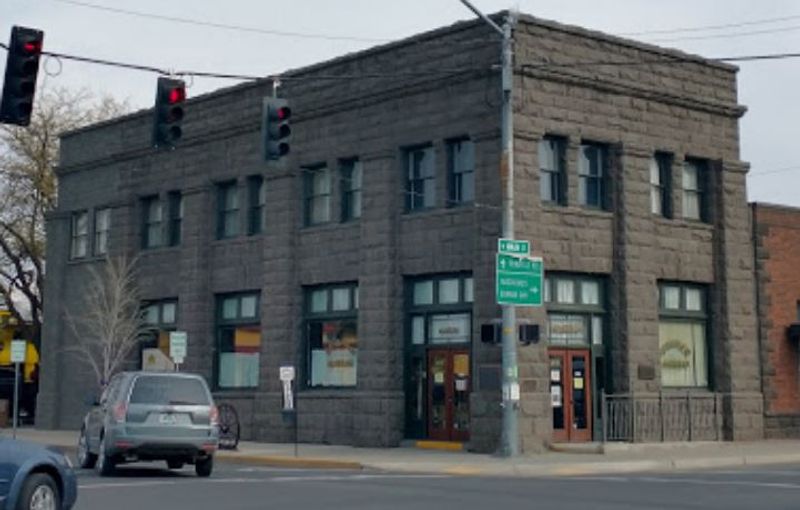
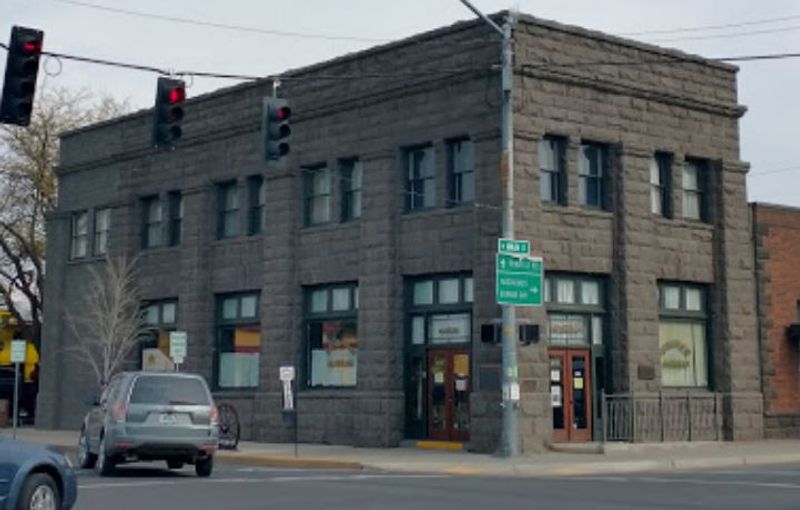
Right in the heart of Prineville, Oregon, the Bowman Museum sits at 246 N Main St, an easy stroreach for anyone strolling through downtown. The building itself is part of the appeal, a sturdy structure that has held its ground on Main Street for generations.
What tends to catch people off guard first is the price. Admission is free, which makes it one of those rare stops where curiosity costs nothing.
The museum is run under the Crook County History Center, and the whole operation feels community-minded rather than commercial. Staff members greet guests warmly and seem honestly pleased when travelers from out of town wander in.
Being smack in the middle of town means you can pair a visit with lunch or a walk down Main Street without hunting for parking miles away. It fits neatly into a day of exploring Central Oregon.
Folks often mention how well laid out the space is, which matters more than you might expect in a small museum. Good organization turns a quick peek into a genuine afternoon of discovery.
The Story Behind Crook County History
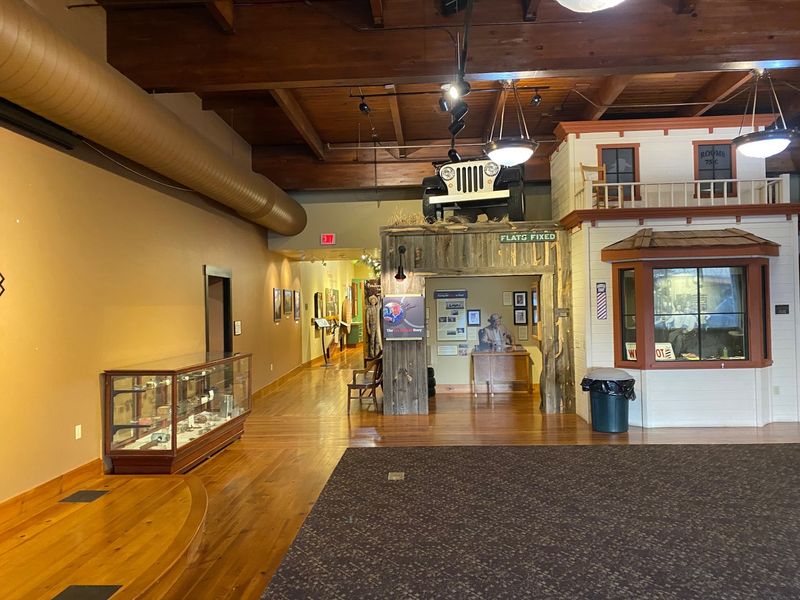
Every county has its own quiet history, and Prineville wears its past proudly inside these walls. The museum serves as the keeper of Crook County heritage, and that mission shows in how carefully everything is arranged.
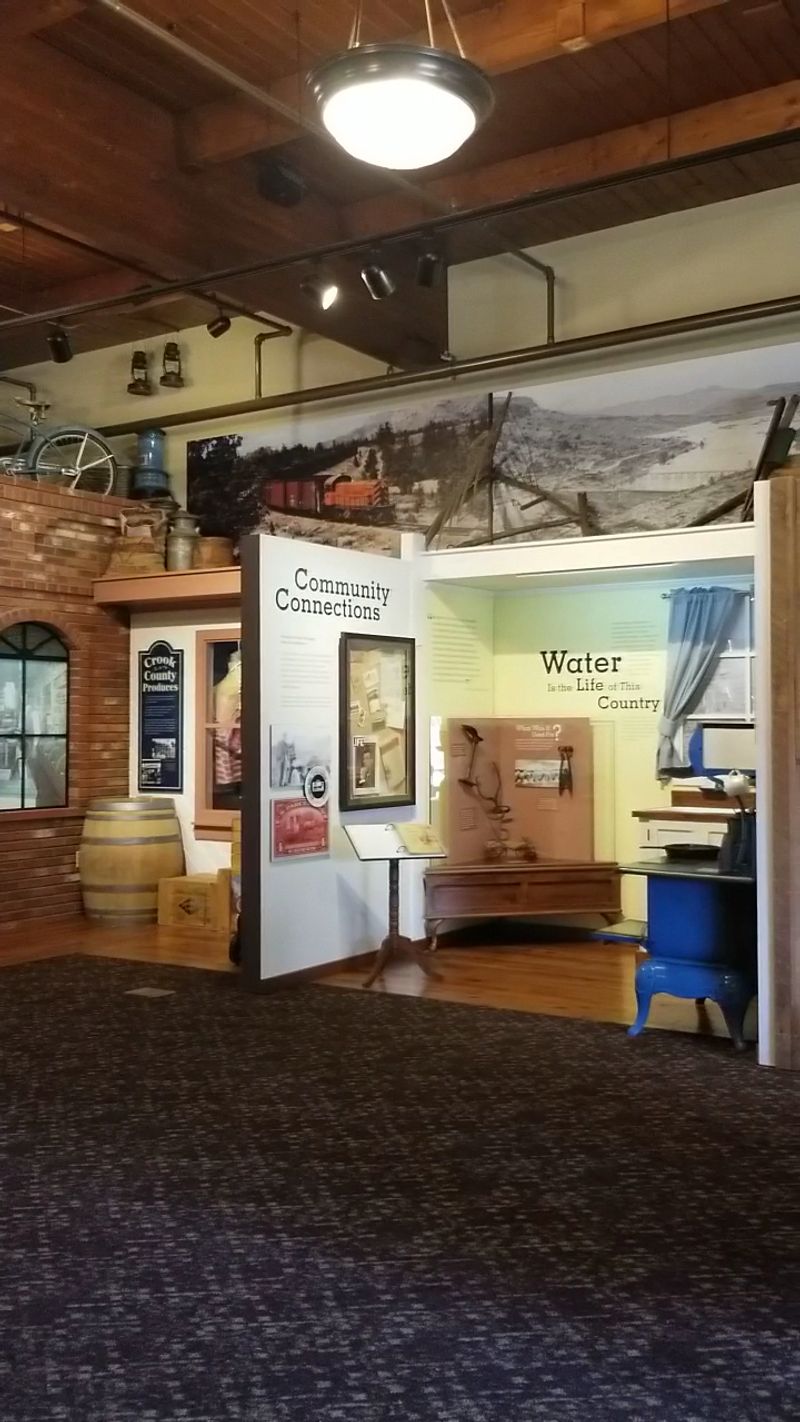
Local history is far and away the theme people connect with most here. Displays trace how the region grew from its early days into the community it is now.
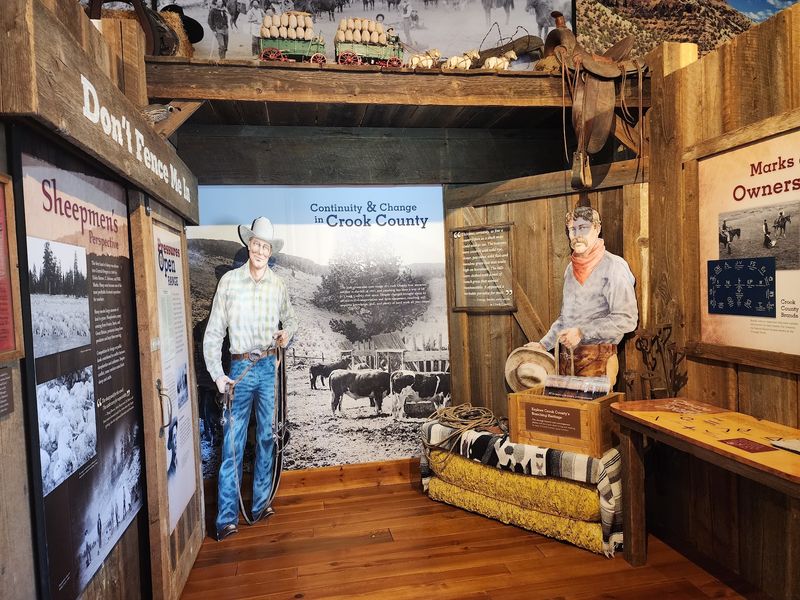
You will find the origins of banking in the area, the rise of ranching, and the slow march of settlement that shaped Central Oregon. It is the kind of storytelling that makes a small town feel much bigger.
Rather than dumping facts in a dry pile, the exhibits build a narrative you can follow from room to room. There is a sense that real people cared about getting the details right.
Guests frequently walk out saying they learned things they never knew about Prineville, even locals who thought they had heard it all. History, it turns out, still has a few surprises tucked away here.
The Caboose That Steals The Show
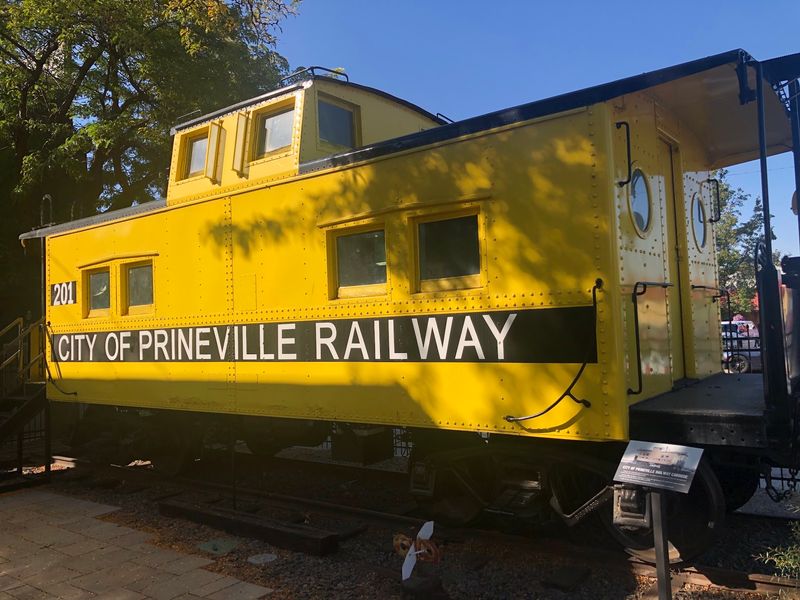
Kids barely make it through the front door before they spot it. Parked outside sits a railroad caboose, and it reliably becomes the biggest hit for younger explorers.
Climbing inside lets you see how the car looked and functioned back in its working days. There is something about a real train car that turns reluctant tag-alongs into eager adventurers.
One family brought a twelve-year-old who did not want to explore at first, and the caboose helped flip that mood entirely. Another parent brought five kids, all eight and under, and the caboose won them over instantly.
The train car ties directly into the museum’s railroading exhibits, so the fun doubles as a lesson. You get history you can actually step into rather than just read about.
For families weighing whether a museum will hold small attention spans, this outdoor addition tips the scale. It is proof that learning and play can share the same track.
A Bank Vault Frozen In Time
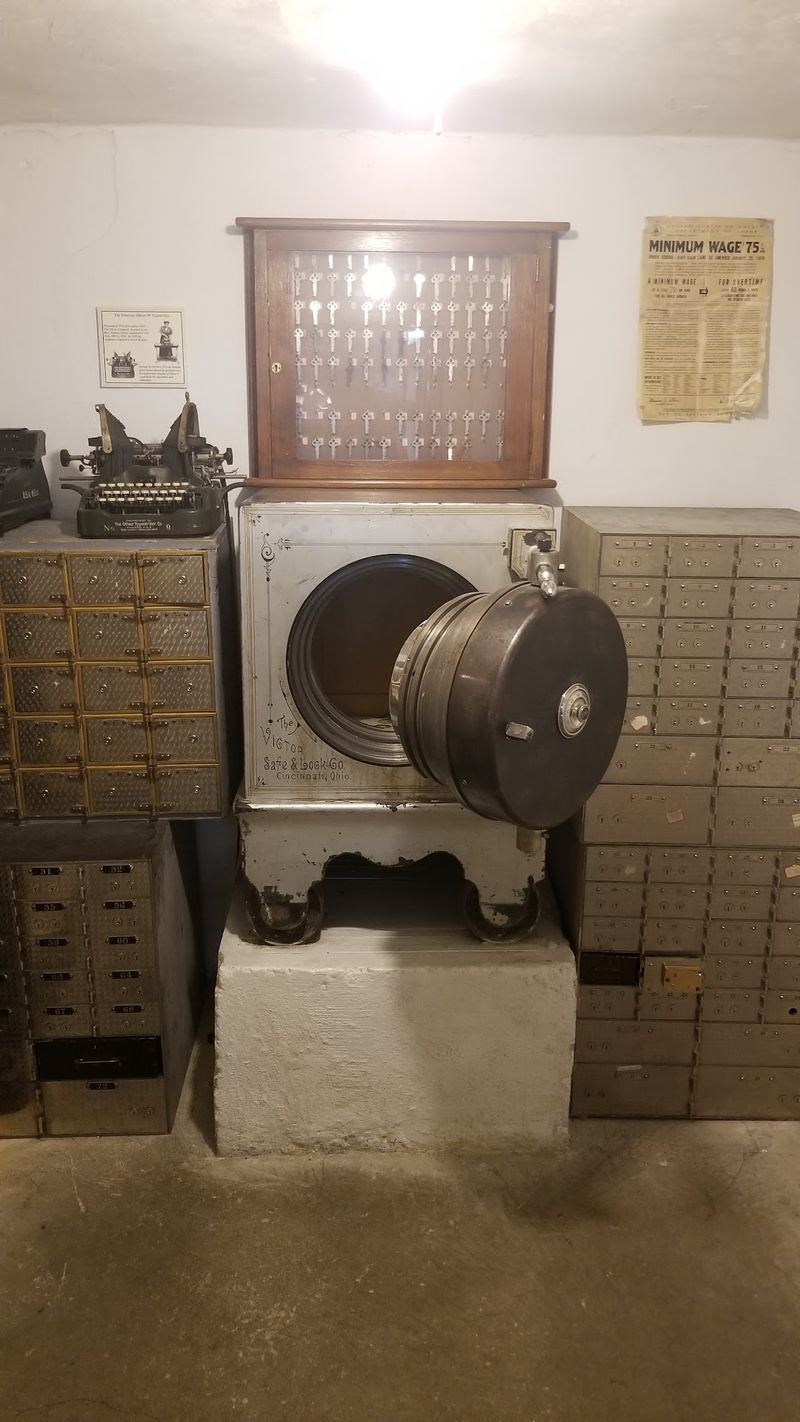
Tucked among the exhibits is a genuine bank vault, and it draws steady attention from anyone curious about how money moved in the old days. Heavy doors and period details make it a standout stop.
The vault anchors the museum’s look at the history of banking in the region. It pairs nicely with the broader story of how Prineville built its economy over the decades.
Seeing a real vault up close gives you a tangible sense of an era when local banks were the beating heart of a small town. It is one thing to read about finance and another to stand before the steel that guarded it.
Details like this show the range packed into a compact space. The museum keeps finding ways to make ordinary history feel remarkable.
People often list the vault among the features that surprised them most. It is a small reminder that treasure comes in many forms, including the historical kind.
Timber, Sawmills, And The Logging Legacy
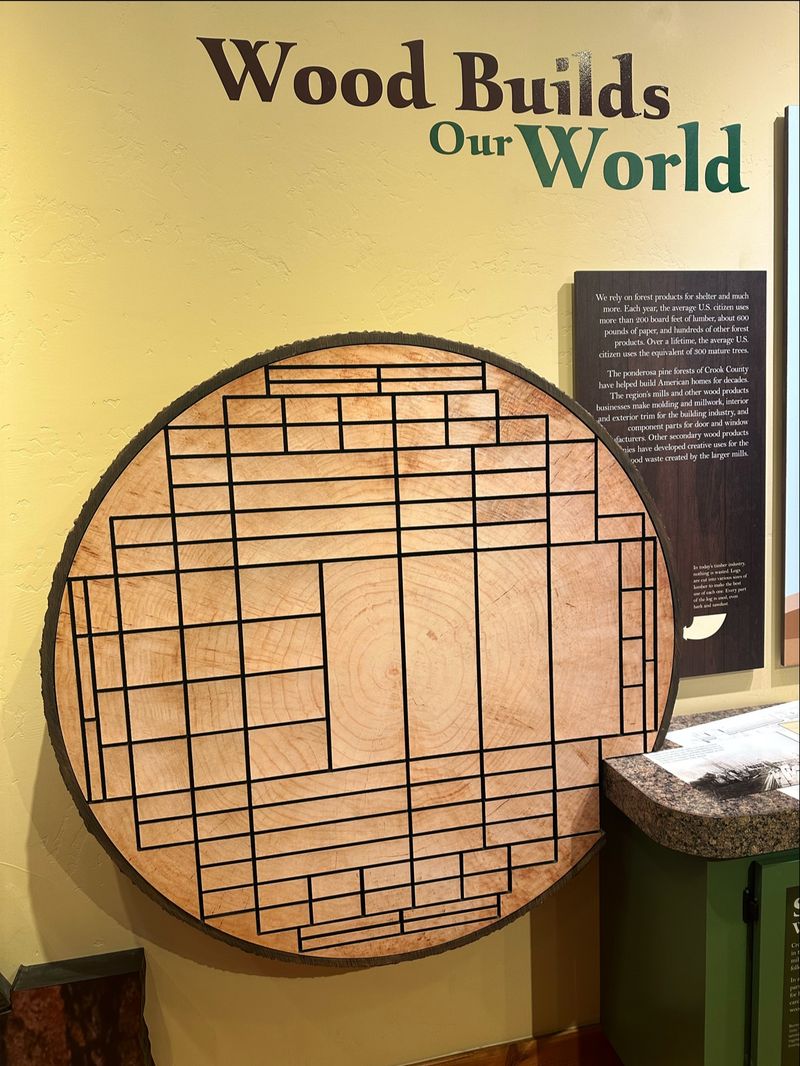
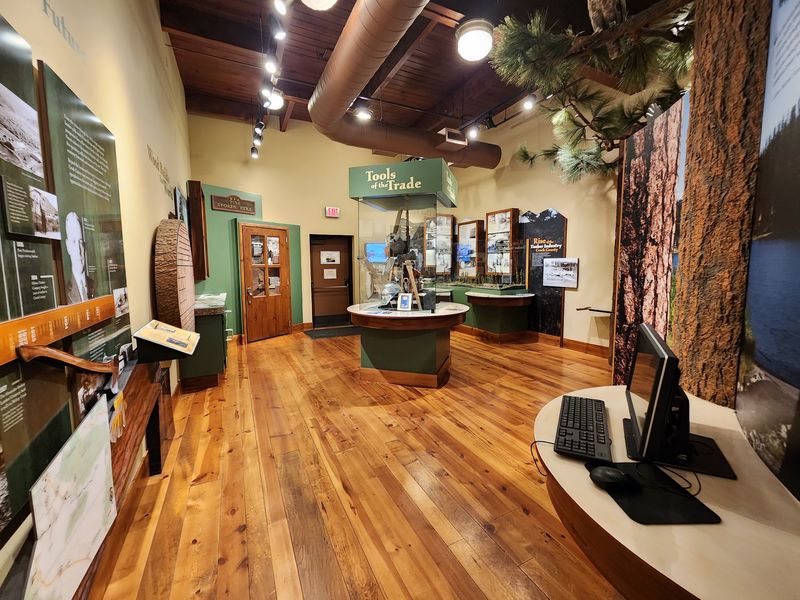
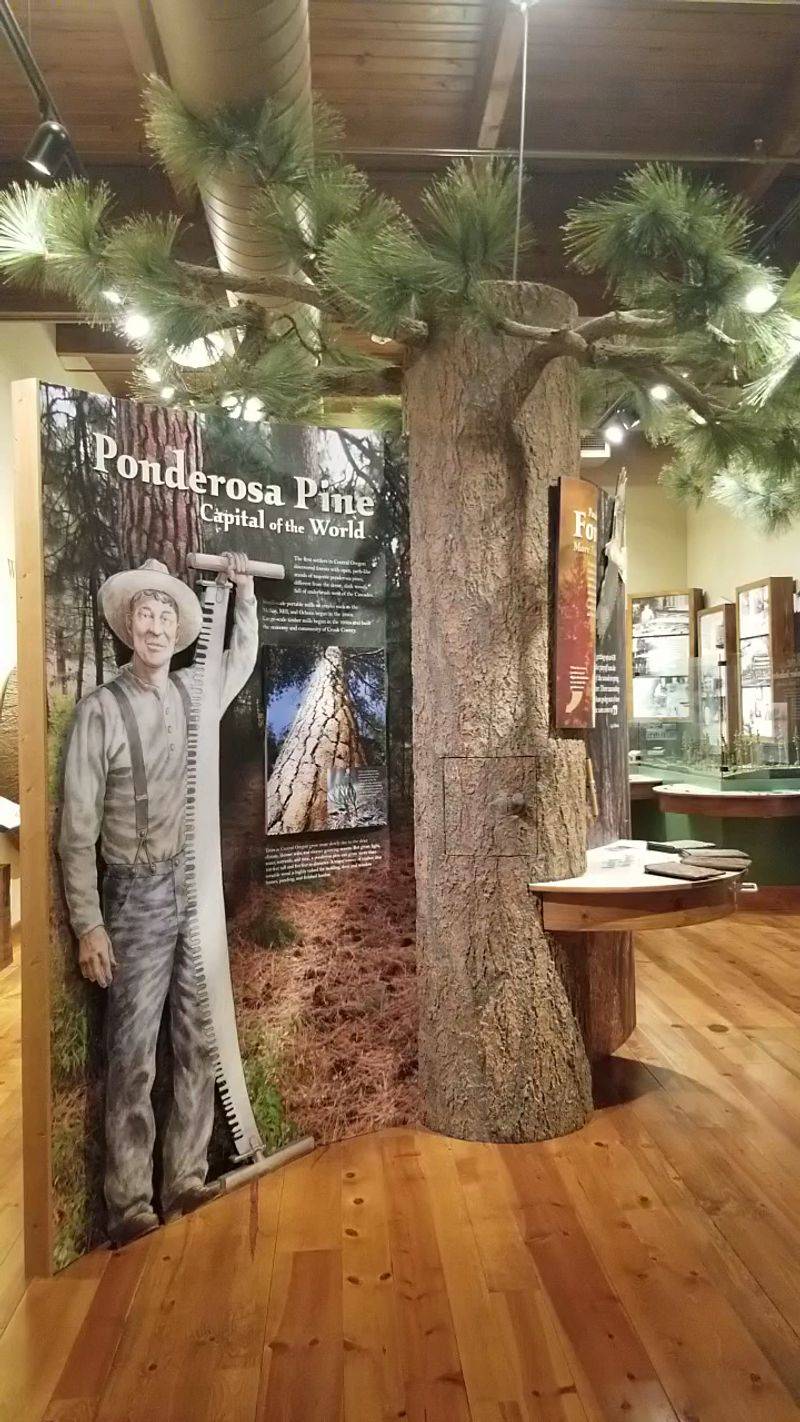
Wood built much of Central Oregon, and the museum gives that heritage the spotlight it deserves. Lumber history runs deep here, told through displays that explain how the timber trade shaped the county.
One exhibit explains how modern mills waste nothing, cutting logs into various sizes and using every part right down to the bark and sawdust. It is a practical peek into an industry that fueled the area for years.
The sawmill story connects to the ranching and railroading exhibits, weaving a picture of an economy that leaned hard on natural resources. Each thread supports the others.
Understanding the timber legacy helps visitors grasp why the region grew the way it did. Trees were more than scenery, they were livelihood.
Guests interested in industrial history find plenty to chew on in this corner. The displays reward slow reading and a bit of imagination about the region’s working past.
Exhibits That Keep Changing
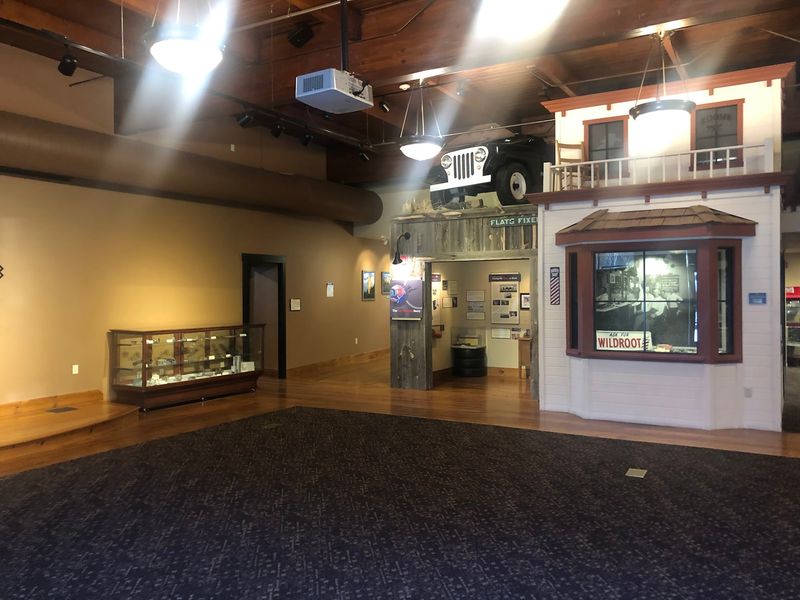
Return visitors have a good reason to keep coming back. The first floor of the Belknap Exhibit Center, on the northeast corner of the block, rotates its display roughly every three months.
That means there is something new to see several times a year. Regulars mention learning something fresh on nearly every visit, which is high praise for any museum.
Alongside the rotating shows sit static exhibits that stay put, giving the collection both stability and surprise. The mix keeps the experience from ever feeling stale.
The museum has expanded steadily over the years, growing across its city block one building at a time. Two of its three buildings are two stories tall, so there is real vertical space to explore.
Change is baked into the place, and that keeps curiosity alive. You genuinely cannot see the same museum twice.
The Belknap House Expansion
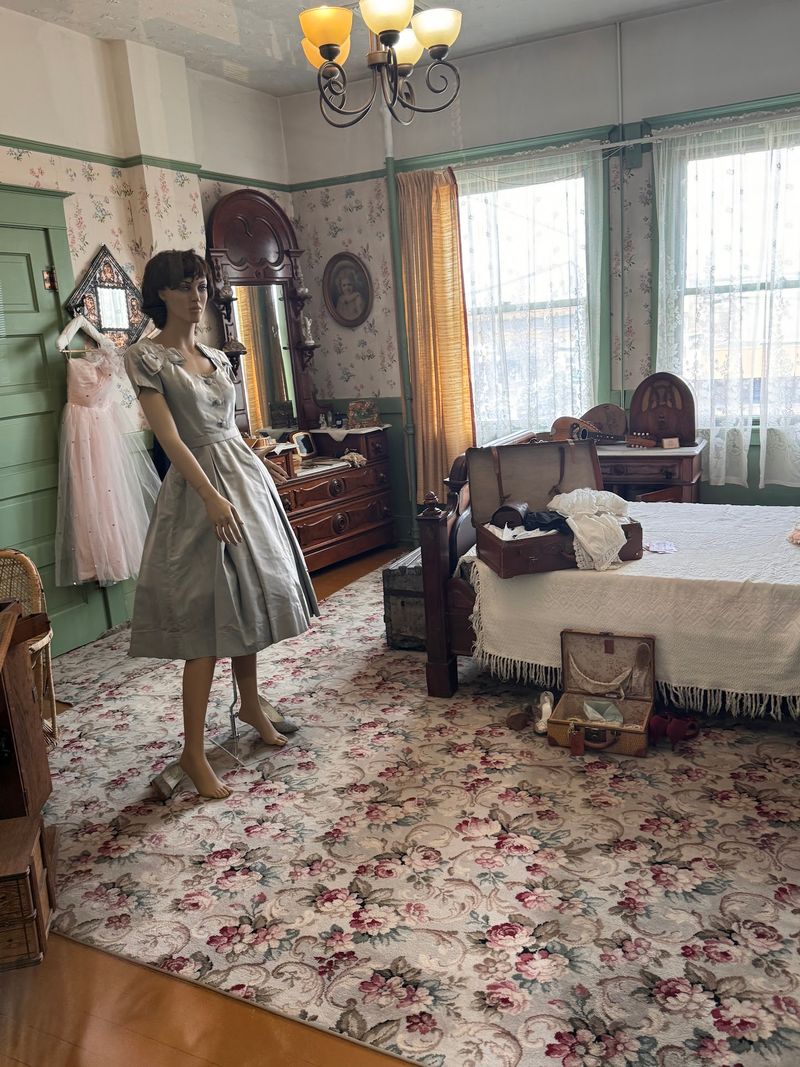
Growth here is not just talk. The new Belknap House has become one of the features people rave about when they describe recent visits.
The addition reflects a museum that keeps investing in itself rather than resting on what it already has. Expansion has been consistent over the years, adding room for more of the county’s story.
Beyond the house, the campus includes a library and an event center, making this more than a place to look at old objects. It functions as a working hub for local history and community gatherings.
The variety of spaces means the museum serves different needs, from quiet research to public events. That flexibility widens its appeal well beyond casual sightseers.
Watching a small-town institution grow this thoughtfully is part of the charm. Each new building feels like another chapter being written into the record.
A Variety That Surprises Every Age
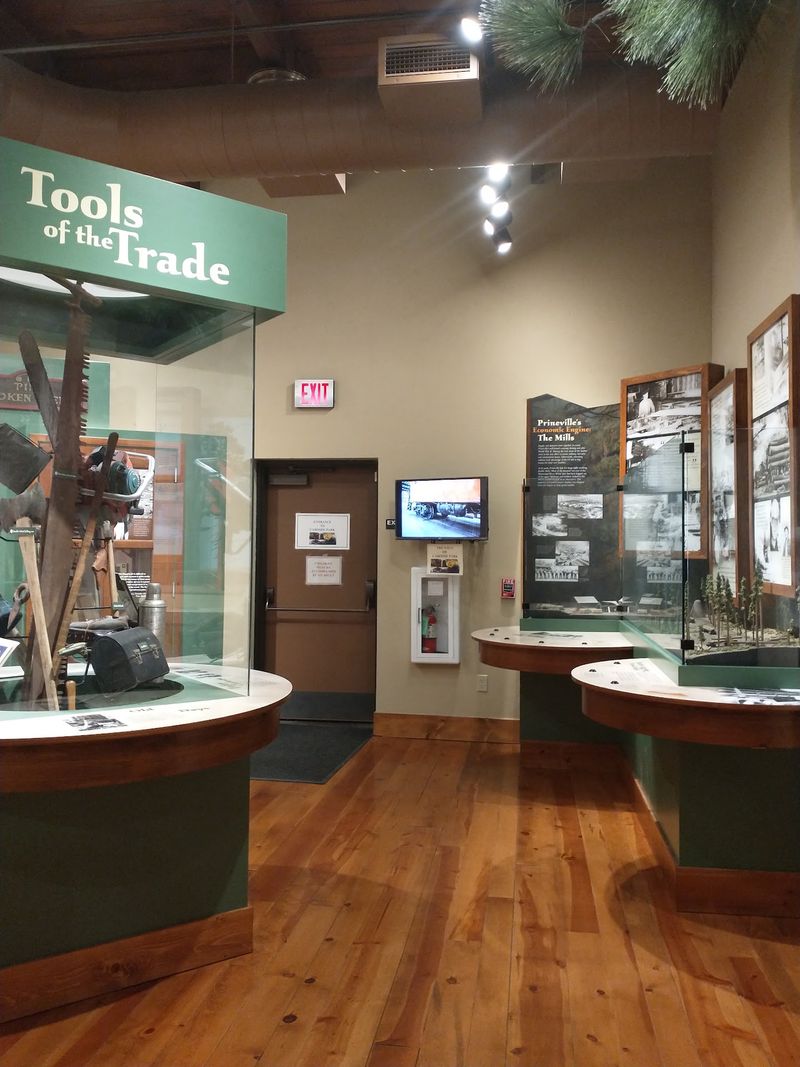
Skeptical kids have a habit of changing their tune here. A homeschool parent brought five children under eight and reported the group had a blast thanks to plenty of interactive things to touch and try.
The variety is the secret weapon. Between banking, ranching, railroading, timber, Native American history, and even a Les Schwab tires display, there is a little of everything.
One guest was delighted by a mouse trap history display, of all things, proof that the collection rewards the offbeat curiosity in all of us. You never quite know what quirky corner will grab you.
Because the exhibits span so many topics, the museum works for families, solo history buffs, and school groups alike. Something here tends to click with everyone.
That broad reach is exactly why people describe it as one of the best small museums they have found. Range, done well, is its own kind of magic.
Native American History And An Honest Revision
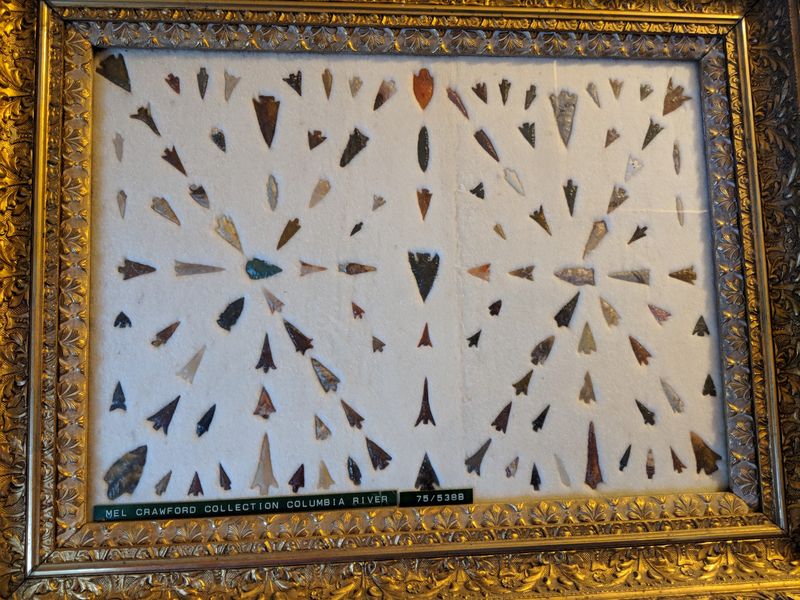
No museum gets everything perfect, and this one has shown a willingness to listen. The section on Native American history drew a thoughtful critique about accuracy regarding the Warm Springs relocation.
Rather than brushing the feedback aside, the museum responded that it had started revising exhibits based on indigenous perspectives. That kind of openness says a lot about the people running the place.
Taking criticism seriously and acting on it is a sign of an institution that cares about getting the story right. History deserves honesty, and the staff appear to agree.
The move also reflects the museum’s broader spirit of continual improvement, the same energy behind its physical expansions. Growth here happens in the exhibits and in the storytelling.
For thoughtful travelers, that commitment adds another reason to trust what is on display. A museum willing to revise itself is a museum worth returning to.
The Gift Shop Full Of Regional Reads
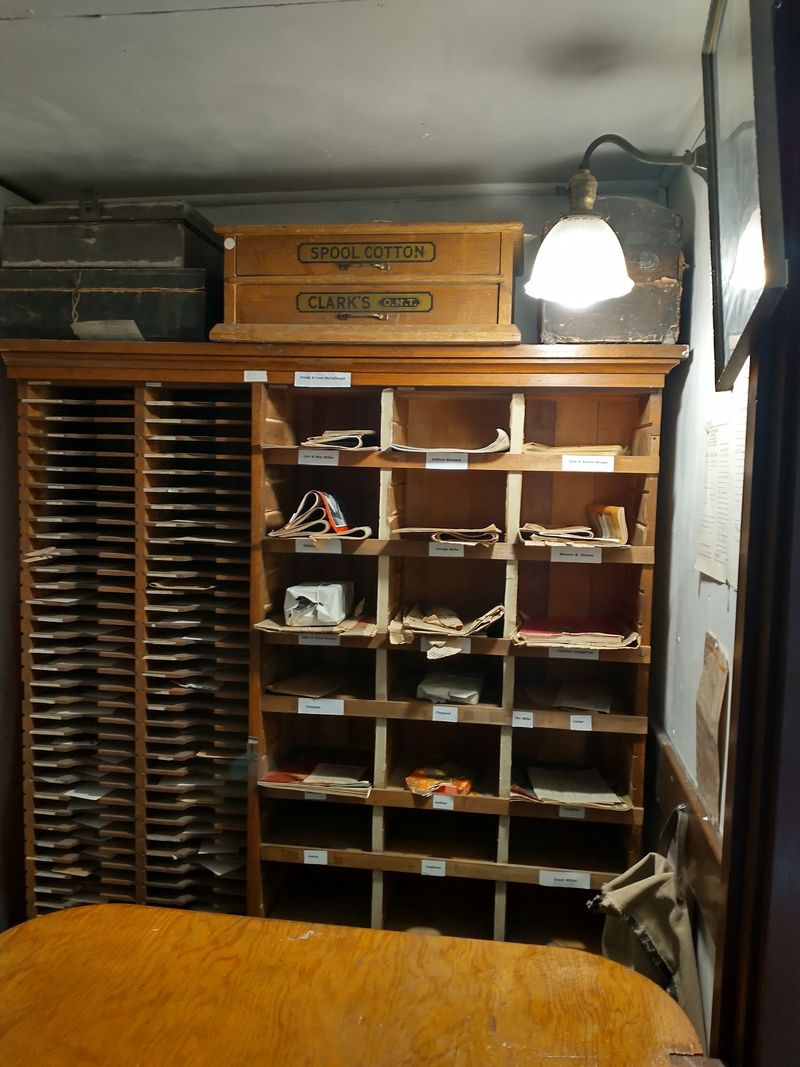
Bookworms should save a little time before heading out. The gift shop stocks a strong selection of books on regional and state history, and it tends to catch people by surprise.
One guest picked up a book tied directly to a display and left eager to read it. That connection between exhibit and reading material is a nice touch that extends the visit beyond the building.
The unique books on offer set this shop apart from the usual rack of postcards and magnets. It leans into the museum’s mission of preserving and sharing local history.
Browsing the shelves feels like a natural extension of the exhibits, a way to take a piece of Crook County home with you. History lovers rarely walk out empty-handed.
Small details like a well-curated bookshop show how much thought went into the whole experience. The learning does not have to stop at the exit.
Friendly Faces Who Love To Share
The welcome here leaves a mark. Staff and curators earn steady praise for being personable, knowledgeable, and genuinely excited to show people around.
A host named Sean once guided out-of-town guests with obvious enthusiasm, clearly happy to see travelers passing through. That kind of hospitality turns a good visit into a memorable one.
Beyond greeting guests, the team organizes events and public talks, adding real value to the community. Lectures give locals and visitors alike reasons to keep engaging with the museum.
People describe the staff as a credit to their community, and that sentiment comes up again and again. Warm, informed guides make the exhibits come alive.
Whether you have questions or just want a little context, someone is usually ready to help. The human touch here is as much a feature as the displays themselves.
How Long To Plan For Your Visit
Do not let the small footprint fool you. To really take everything in, plan for at least a couple of hours, and many people happily spend three.
There is a lot of information to absorb, so much that some folks admit they only made it through part of the exhibits before running out of time. Returning to finish the tour is a common plan.
If you just want a quick glance without reading, you could breeze through in about half an hour. That said, skipping the details means missing the best parts.
The rotating exhibits and multiple buildings add to the time you could easily fill. Rushing here shortchanges the experience.
Budgeting a proper block of time turns the visit from a pit stop into a highlight. History this rich deserves an unhurried pace.
Hours, Directions, And Handy Details
Timing your trip is simple once you know the schedule. The museum opens Tuesday through Friday from 10 AM to 5 PM, and Saturday from 11 AM to 4 PM.
It stays closed on Sunday and Monday, though there is a helpful wrinkle to note. During the summer months the museum has been known to open on Mondays, so checking the official website for current hours is smart.
You will find it at 246 N Main St in Prineville, easy to reach and right in the walkable downtown core. The website for the Crook County History Center keeps schedule information up to date.
Parking downtown is convenient, and the central location makes it simple to pair with other stops around town. Getting here is refreshingly hassle-free.
A quick schedule check before you set out saves any surprises at the door. A little planning goes a long way with a place this rewarding.
Why This Stop Earns Its Reputation
Add it all together and the picture is clear. A free museum in a small Oregon town keeps drawing high marks and repeat trips, which does not happen by accident.
The combination works because every piece pulls its weight, the caboose for the kids, the vault and timber displays for the curious, the rotating exhibits for the regulars, and the welcoming staff for everyone. Variety and care show up in equal measure.
People describe it as a great find and one of the best small museums they have encountered in their travels. That is a strong reputation for a spot you might otherwise drive right past.
Whether you are a lifelong history fan or just looking for an affordable afternoon in Central Oregon, this place delivers more than its size suggests. It quietly overachieves.
Next time your route runs through Prineville, give the Bowman Museum an honest chunk of your day. Chances are good you will leave planning a return visit.