Affiliate disclosure: As an Amazon Associate I earn from qualifying purchases. Learn more
Way out in the desert corner of Pima County sits a town that most Arizonans have driven past without a second glance. It has a plaza that looks like it belongs on a postcard, a mining past that shaped the whole region, and a location so close to the border that Mexico feels like a neighbor.
Fewer than 3,100 people call it home, yet it guards the gateway to one of the most unusual cactus landscapes in the country. There is a quiet kind of pride in finding a place this overlooked and this full of story.
Keep reading, because this little community has more layers than its size lets on, and by the end you may just want to point the car south.
A Desert Town Hiding in Plain Sight
Tucked along State Route 85 in Pima County, Arizona 85321, sits Ajo, an unincorporated community that many longtime residents have never actually stopped to see.
The town had a population of just 3,039 at the 2020 census, which makes it feel more like a close-knit pocket than a busy stop on the map.
What sets it apart is location. Ajo is the closest community to Organ Pipe Cactus National Monument, and it sits only 43 miles from the Mexican border.
That mix of small population and big geographic importance gives the place an outsized role for its size. It is a doorway to the desert wilderness while remaining a real, lived-in town.
For anyone chasing that satisfying feeling of discovering somewhere their neighbors have overlooked, this quiet corner of the state delivers before you even reach the plaza.
How the Name Rolls Off the Tongue
Half the fun of a lesser-known town is figuring out how to say it, and Ajo trips up plenty of folks on the first try.
The name comes from the Spanish word for garlic, and it lands somewhere close to “AH-hoe” rather than the way English readers might guess.
Names carry weight in the desert Southwest, where Spanish, Indigenous, and mining histories all layer together across the map of Arizona.
A town this compact wears its identity right in its name, and getting the pronunciation right is a small badge of honor for anyone who wants to sound like they belong.
It is the kind of detail that separates the casual passerby from the traveler who actually cares to learn a place. Once you have it down, the town feels a little more like yours.
Roots Sunk Deep in Copper Country
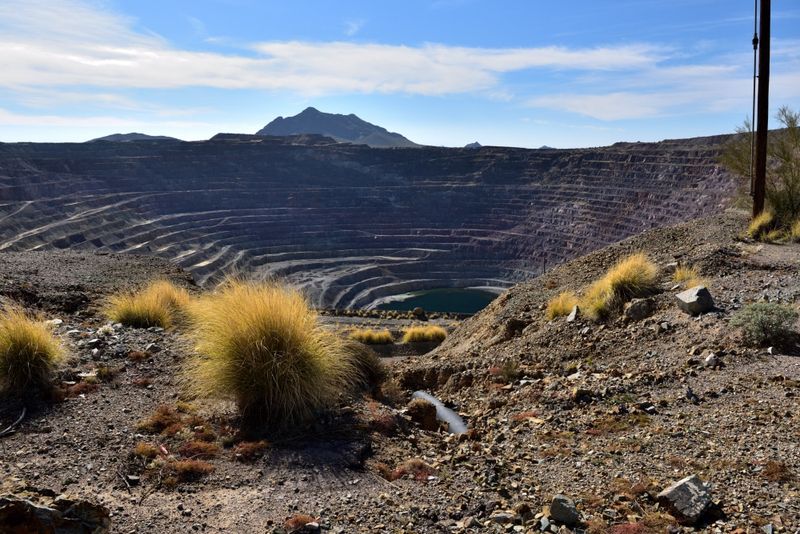
Long before it was a quiet dot on the map, this was a working town built around the ground beneath it.
Ajo grew up as a mining community, and that industry shaped its streets, its buildings, and the reason so many people came to settle in such a remote stretch of desert.
Copper country towns across Arizona share a similar arc, rising quickly around the promise of the earth and then adjusting when the industry shifts.
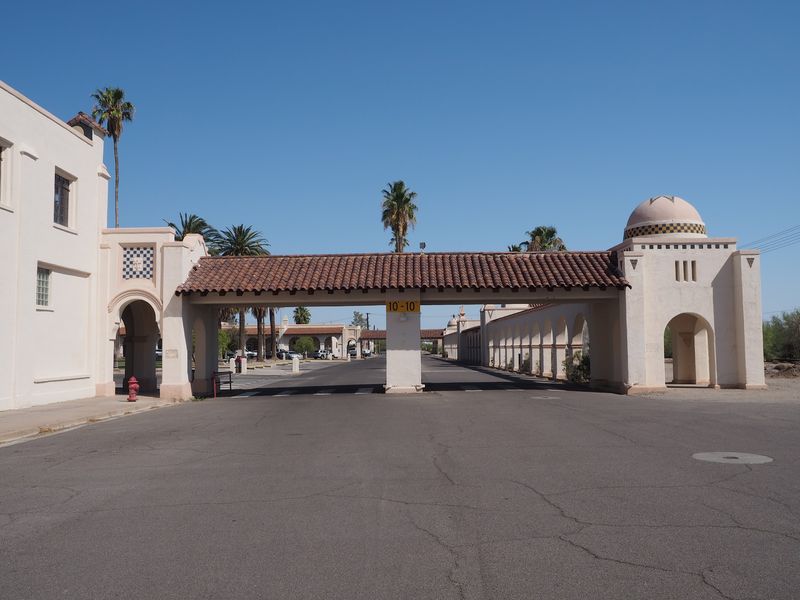
The bones of that past are still visible in the town’s layout and architecture, which were planned with intention rather than growing haphazardly.
Understanding the mining story helps explain why a place this small carries such a strong sense of design and civic pride.
History here is not tucked away in a museum case. It is baked into the very shape of the town, waiting for curious travelers to notice it.
The Plaza That Steals the Show
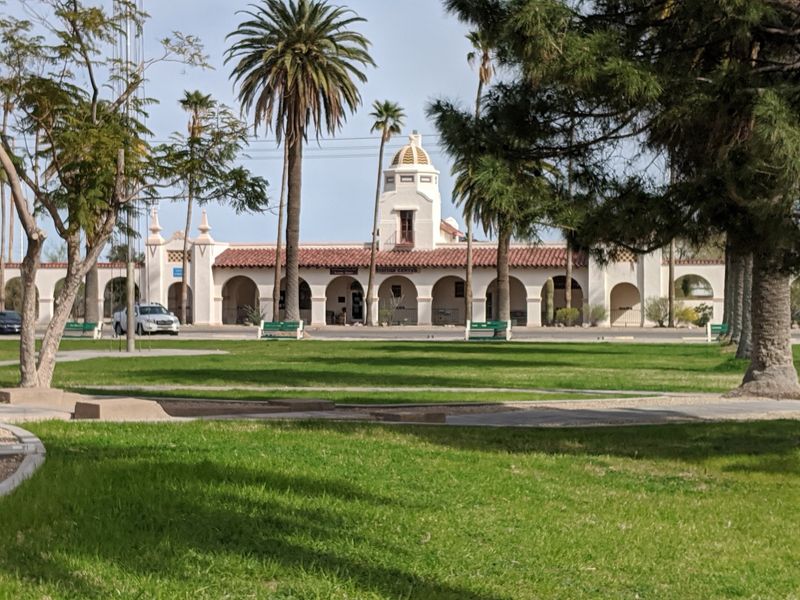
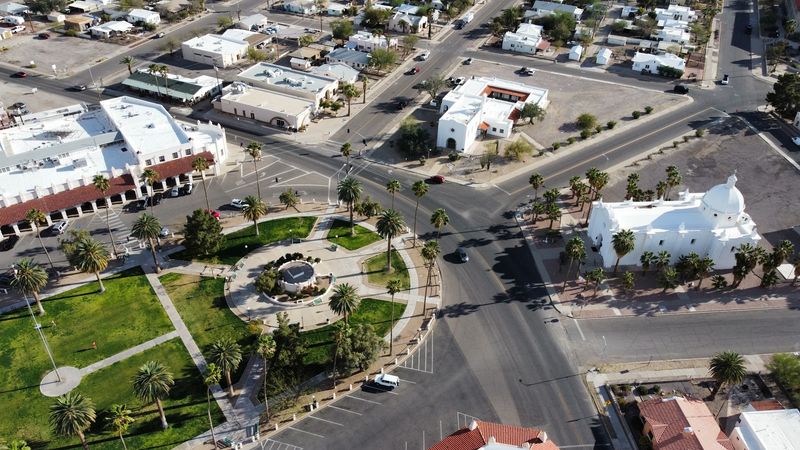
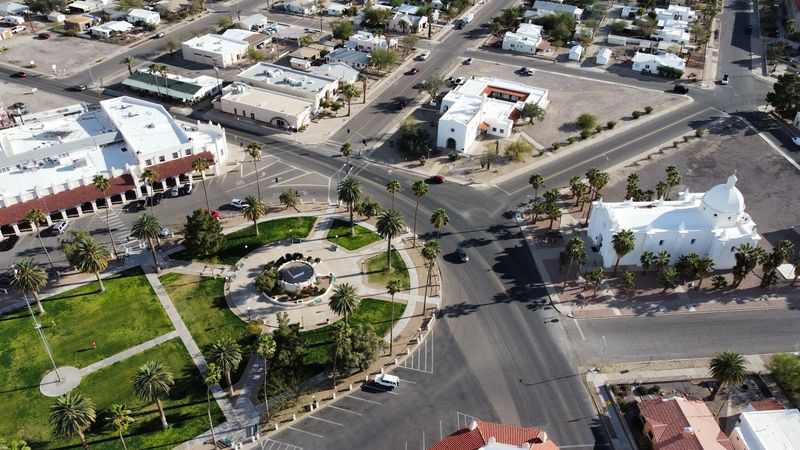
Every small town has a heart, and here it beats around a striking central plaza.
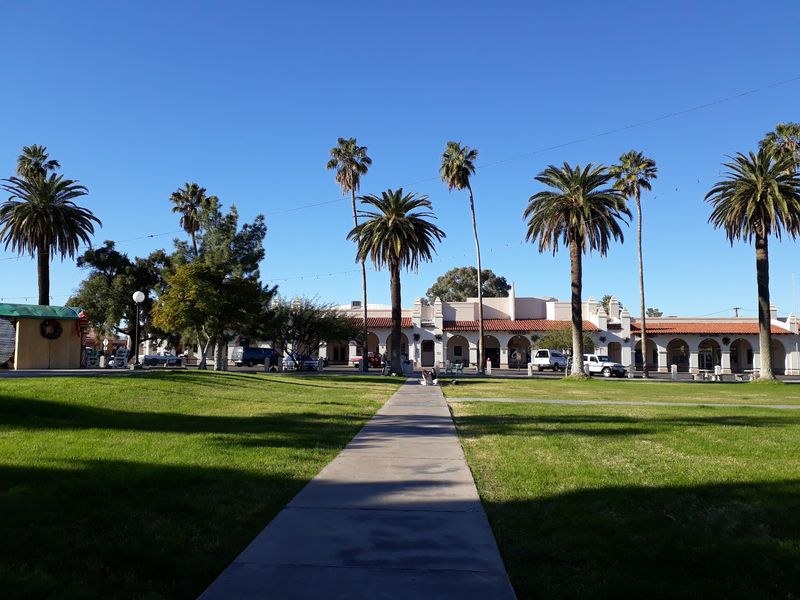
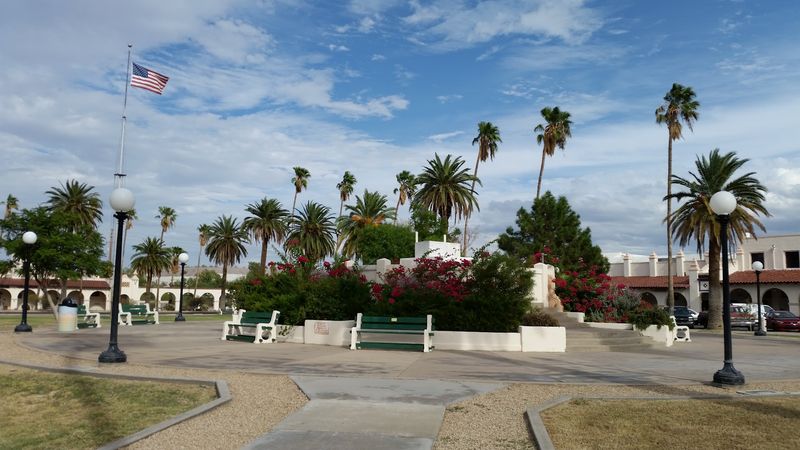
The town square anchors the community with its arched, whitewashed buildings that reflect a planned, thoughtful design rather than a random cluster of storefronts.
Public squares like this were meant to draw people together, and the layout still guides the rhythm of daily life in the community.
What surprises many first-time travelers is how polished and intentional the plaza feels for a place with so few residents.
It is a spot to slow down, wander the walkways, and take in a scene that feels far grander than the population would suggest.
Few Arizona towns this size can claim a centerpiece this photogenic, and that alone makes the detour worth it.
Gateway to the Organ Pipe Cactus
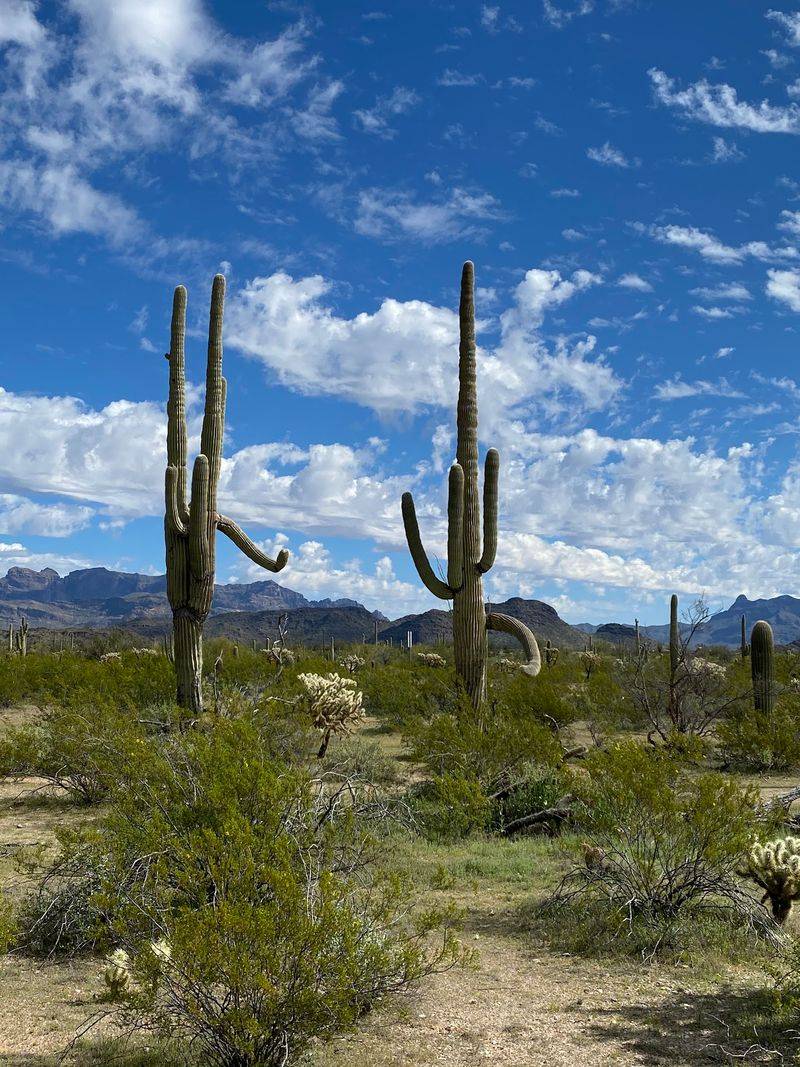
The town’s biggest claim to fame stands just down the road, reaching toward the sky in green columns.
Ajo is the closest community to Organ Pipe Cactus National Monument, a protected desert landscape known for a cactus species that grows in few other places in the United States.
The monument draws travelers who want to see a slice of the Sonoran Desert that feels genuinely wild and uncommon.
Being the nearest town makes this community a natural base camp for anyone planning to explore the monument’s trails and scenic drives.
That role gives the place a purpose beyond its size, connecting a tiny town to a landscape of real national significance.
For desert lovers, the pairing of a quiet town and a rare cactus wilderness is hard to beat.
A Stone’s Throw From Mexico
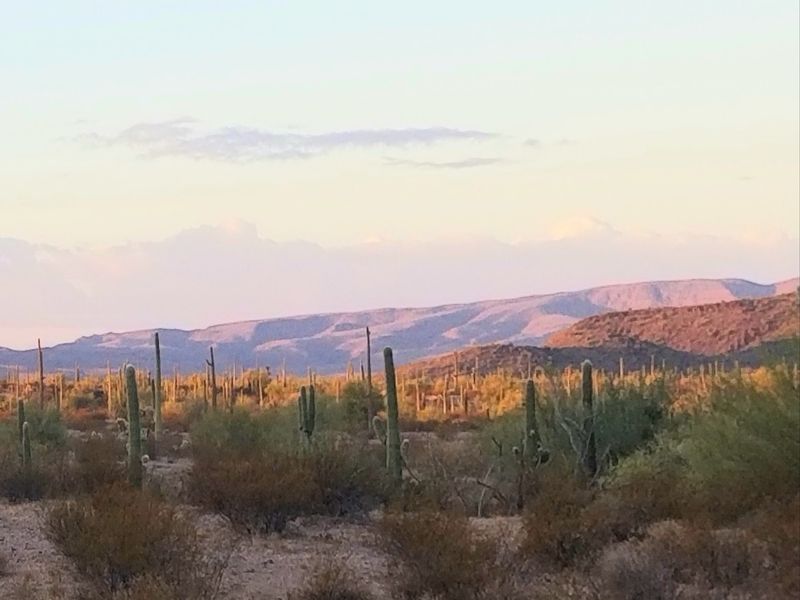
Geography puts this town in a fascinating spot, closer to another country than to most Arizona cities.
Ajo sits just 43 miles from the Mexican border, which shapes the culture, the crossroads feel, and the sense of being at the edge of the map.
Border-region towns often carry a blend of influences that give them a distinct flavor you will not find in the interior of the state.
That proximity means the community has long served as a waypoint for travelers moving between countries and across the wide southern desert.
It adds a layer of intrigue to a place that already feels off the beaten path.
Being this far south is not a drawback here. It is part of the appeal, and part of the reason the town feels like its own little world.
Riding State Route 85
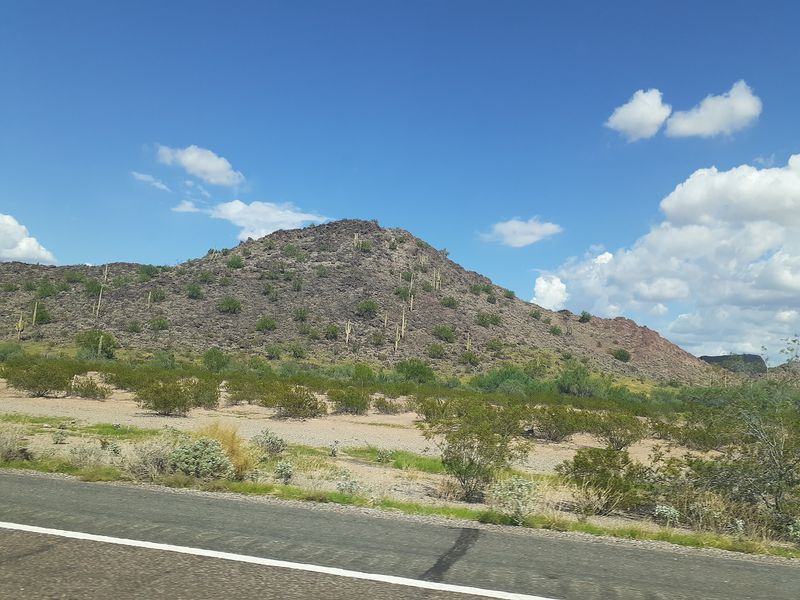
Getting here is part of the story, and it runs along a single desert artery.
The town is located on State Route 85, the road that threads through this stretch of southwestern Arizona and links the community to the wider region.
Highways like this one carry their own quiet drama, cutting through open desert with big skies overhead and few interruptions.
For travelers coming from Phoenix or elsewhere in the state, the drive down is a gradual shift from busy roads to wide-open country.
The route makes the town reachable without being crowded, which keeps that hidden feeling intact.
Arriving after a long desert drive gives the plaza and the town an extra sense of reward, like a destination earned rather than stumbled upon.
Small Town, Big Character
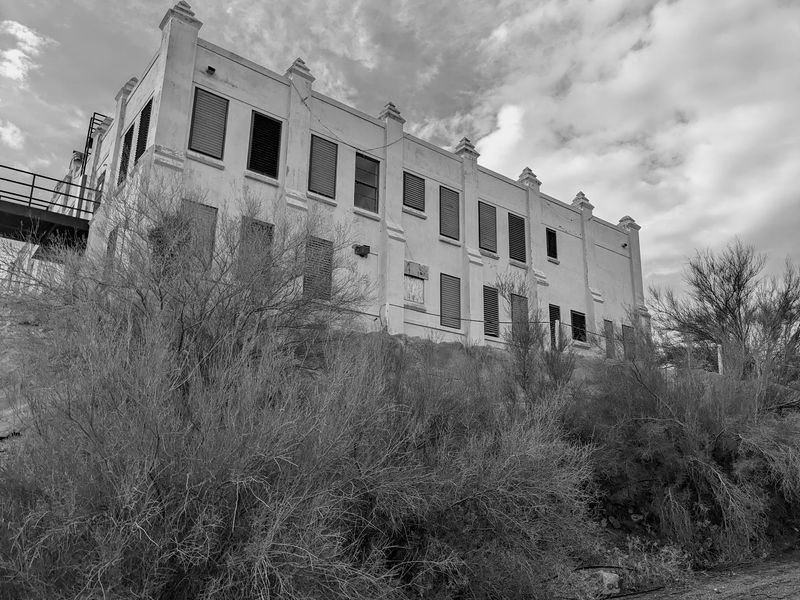
Numbers only tell part of the tale, and here the numbers are small on purpose.
With just over 3,000 residents, Ajo carries the intimate feel of a place where the pace slows and the surroundings do the talking.
Communities this size tend to hold onto their character, and this one leans into its history rather than trying to reinvent itself.
The unincorporated status means it operates without the trappings of a bigger city, which adds to its unpolished, genuine charm.
That combination of a rich past and a modest present is exactly what makes a town feel like a secret worth keeping.
Longtime Arizonans may be surprised to learn a place with this much personality has been quietly waiting in their own state all along.
Sonoran Desert Scenery All Around
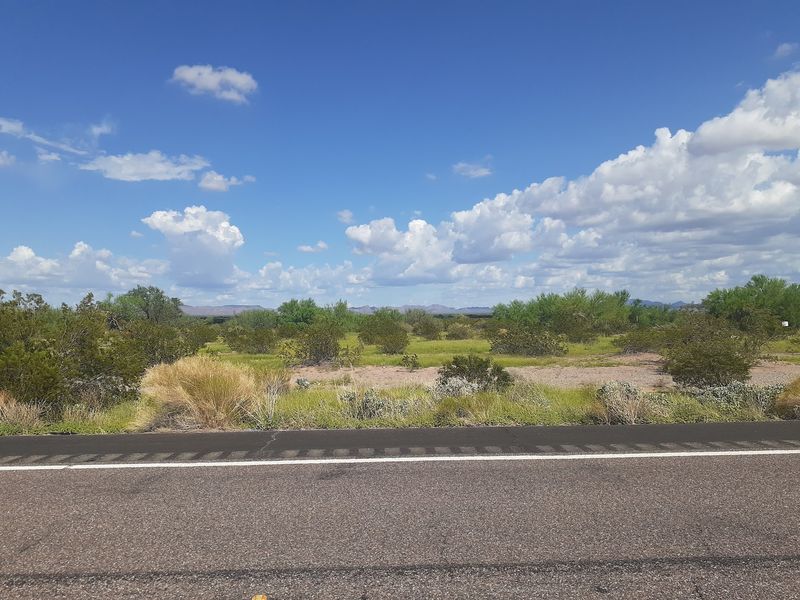
Step just beyond the town limits and the desert takes over completely.
Set deep in the Sonoran Desert, the community is wrapped in the kind of rugged, cactus-studded terrain that defines southern Arizona.
The landscape here feels expansive and untamed, with distant mountains framing the horizon in nearly every direction.
Desert country rewards those who take the time to look closely, revealing plant life and rock formations shaped over long stretches of time.
For residents used to city sprawl, the openness surrounding this town is a genuine change of scenery.
It is the sort of backdrop that reminds you Arizona has far more variety than its famous postcards ever show.
Dark Skies and Desert Nights
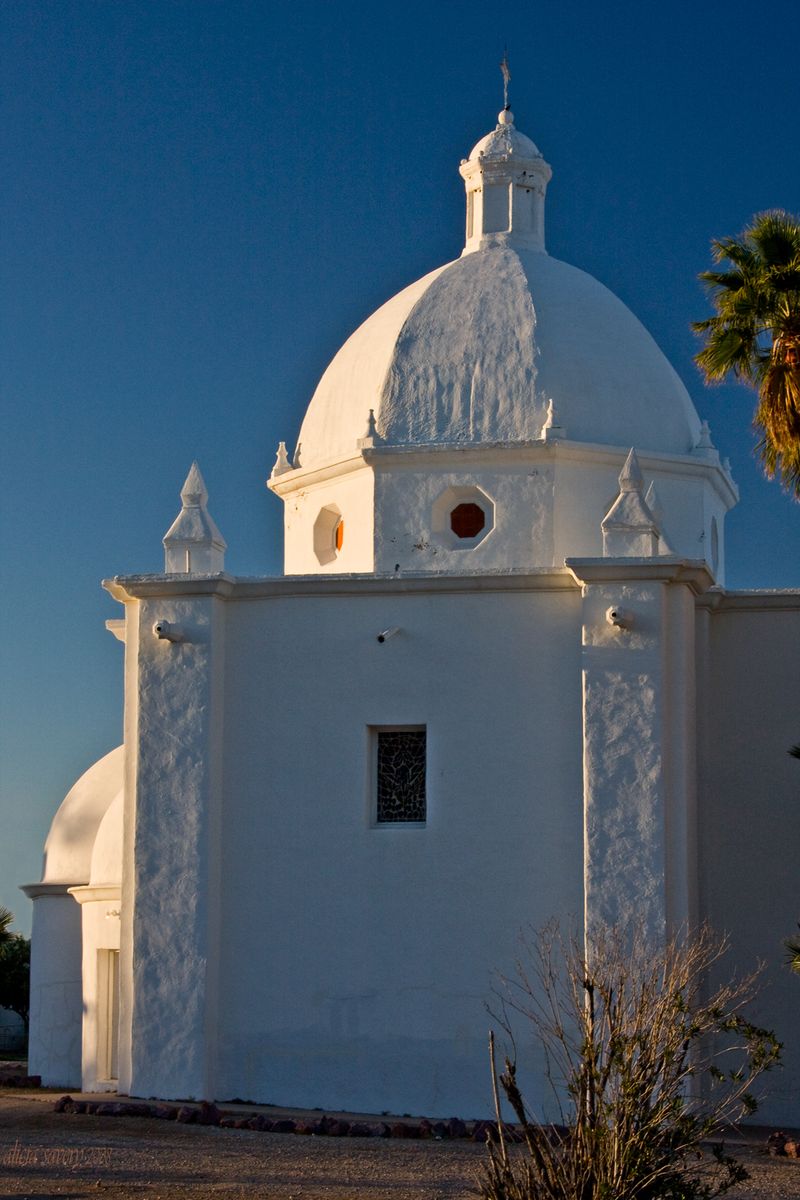
When the sun drops, this remote pocket of the state reveals a whole other attraction overhead.
Far from the glow of big cities, the skies above this desert community can offer the kind of star viewing that Arizona is quietly famous for.
Remote spots like this one may reveal a night sky rich with stars, and summer nights in particular are said to bring the Milky Way into striking view.
The town’s distance from urban light pollution is part of what makes it appealing to travelers who want darkness done right.
Pairing a daytime desert visit with an evening under the stars turns a simple trip into something more memorable.
It is one more reason this overlooked town punches well above its weight.
Beating the Arizona Heat
Summer in the low desert is no joke, and planning around it matters here.
Sitting in the Sonoran Desert of southern Arizona, this town shares the region’s intense warm-season heat, so timing a visit can make all the difference.
Travelers often aim for cooler parts of the day when exploring the plaza or the nearby monument, especially during the hottest months.
Early mornings and evenings tend to be the friendliest windows for wandering the town and taking in the surroundings.
Being mindful of the desert climate is simply part of enjoying anywhere this far south in the state.
Plan smart, and the town rewards you with quiet streets and wide-open country without the crush of crowds.
Planning Your Trip Down South
A little preparation goes a long way when the destination sits this far off the main routes.
Ajo is reachable by way of State Route 85, and its address falls within the Arizona 85321 area in Pima County.
Because it functions as the closest community to Organ Pipe Cactus National Monument, many travelers combine a town visit with a trip into the monument itself.
Coming from the Phoenix area, the drive south takes you steadily into open desert, so filling up and packing water before the final stretch is wise.
The town’s compact size means the plaza and central area can be explored in a relaxed afternoon.
Treat it as a slow, deliberate day trip or an overnight base, and the remoteness becomes part of the reward rather than a hurdle.
Why This Overlooked Town Deserves a Look
Some places earn your attention precisely because so few people give them any.
Ajo brings together a mining heritage, a graceful central plaza, a rare cactus wilderness next door, and a location right on the edge of the state near the border.
For a community of just over 3,000 in a remote corner of Pima County, that is a surprising amount of story packed into a small footprint.
It stands as proof that Arizona still holds quiet corners even lifelong residents have managed to miss.
Whether the draw is the desert scenery, the dark night skies, or simply the pull of a town off the usual path, the trip down State Route 85 pays off.
Point the car south, take your time, and let this overlooked desert town surprise you the way it has surprised so few before.