
Affiliate disclosure: As an Amazon Associate I earn from qualifying purchases. Learn more
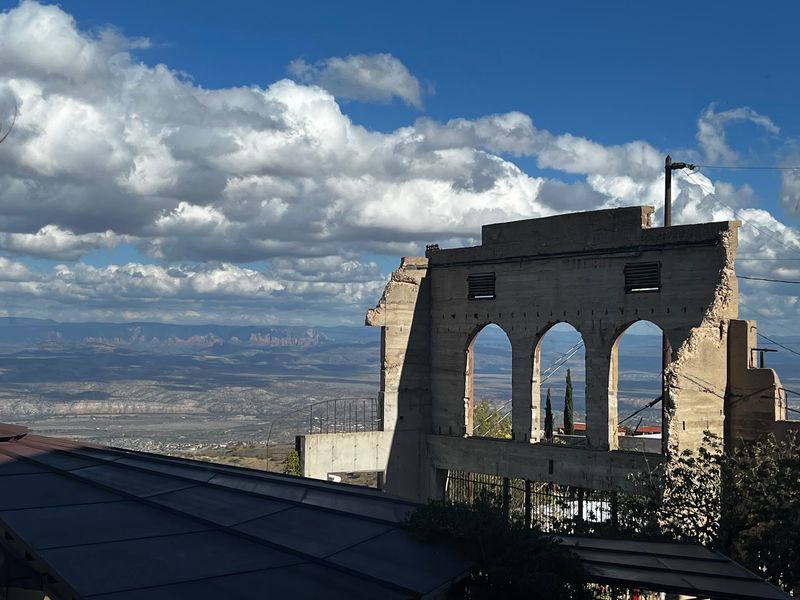
Perched high on a mountainside in central Arizona, a former copper boomtown clings to steep slopes where the streets seem to fold back on themselves. Old mining buildings, glass platforms over deep shafts, and tiny galleries tucked into century-old storefronts make this one of the state’s most curious hillside towns.
Longtime Arizonans know it as a place where history feels close enough to touch and where a short walk uphill can feel like a small challenge. The story here is copper, grit, and a downtown that refused to fade away.
Keep reading to find out where this mountain town sits, what makes it worth the winding drive, and how to explore it without wearing yourself out on those famous slopes.
A Copper Town Clinging To The Cliffside
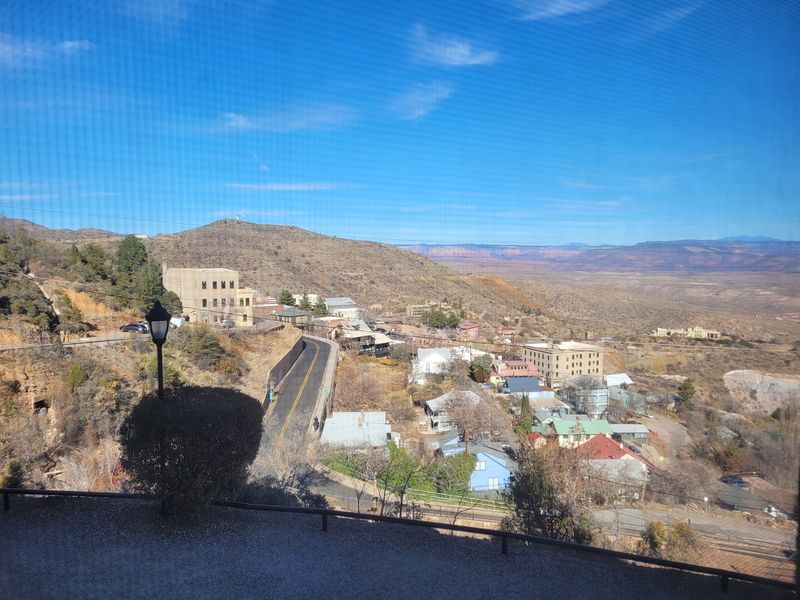
High in central Arizona, the town of Jerome sits along the mailing area of Arizona 86331, spread across the slopes of Cleopatra Hill above the Verde Valley.
The town earned its fame as a copper-mining hub, and the buildings still climb the hillside in tight rows that seem to stack on top of one another.
What makes the location so memorable is the elevation. Roads switch back sharply, and each block sits noticeably higher or lower than the last.
That vertical layout is exactly why every walk here feels like a small dare. A quick trip to a shop across the street can mean a real climb.
Central Arizona has plenty of desert flats, so a town built almost sideways on a mountain stands out. The views over the valley stretch for miles on a clear day.
For Arizona residents, it is a reminder that some of the state’s strangest corners are hiding in plain sight, just a scenic drive away from the usual routes.
When Copper Made The Hills Roar
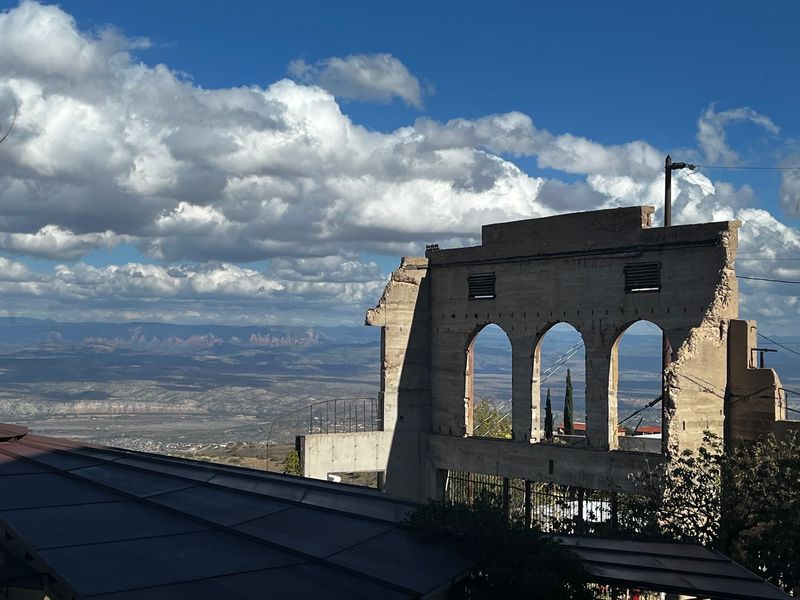
Long before the galleries and wineries arrived, this was a place built entirely around copper.
Mining crews carved into the mountain, and the town grew fast around the operation, becoming one of the busiest spots in the territory during its peak years.
Fortunes were made from the ore pulled out of the ground, and grand homes rose alongside rows of working-class housing.
The Mine Museum in the downtown area tells much of that story, tracing how the town boomed as copper demand climbed.
The history is not tucked away in a single building either. It shows up in the old brick storefronts, the narrow streets, and the mine structures that still dot the hillside.
When the copper slowed, the population shrank dramatically, and for a while the place nearly emptied out.
That near-empty stretch is a big part of why folks call it a ghost town today. The bones of the boom years are still standing, and walking past them makes the past feel surprisingly present.
The Mansion That Copper Built
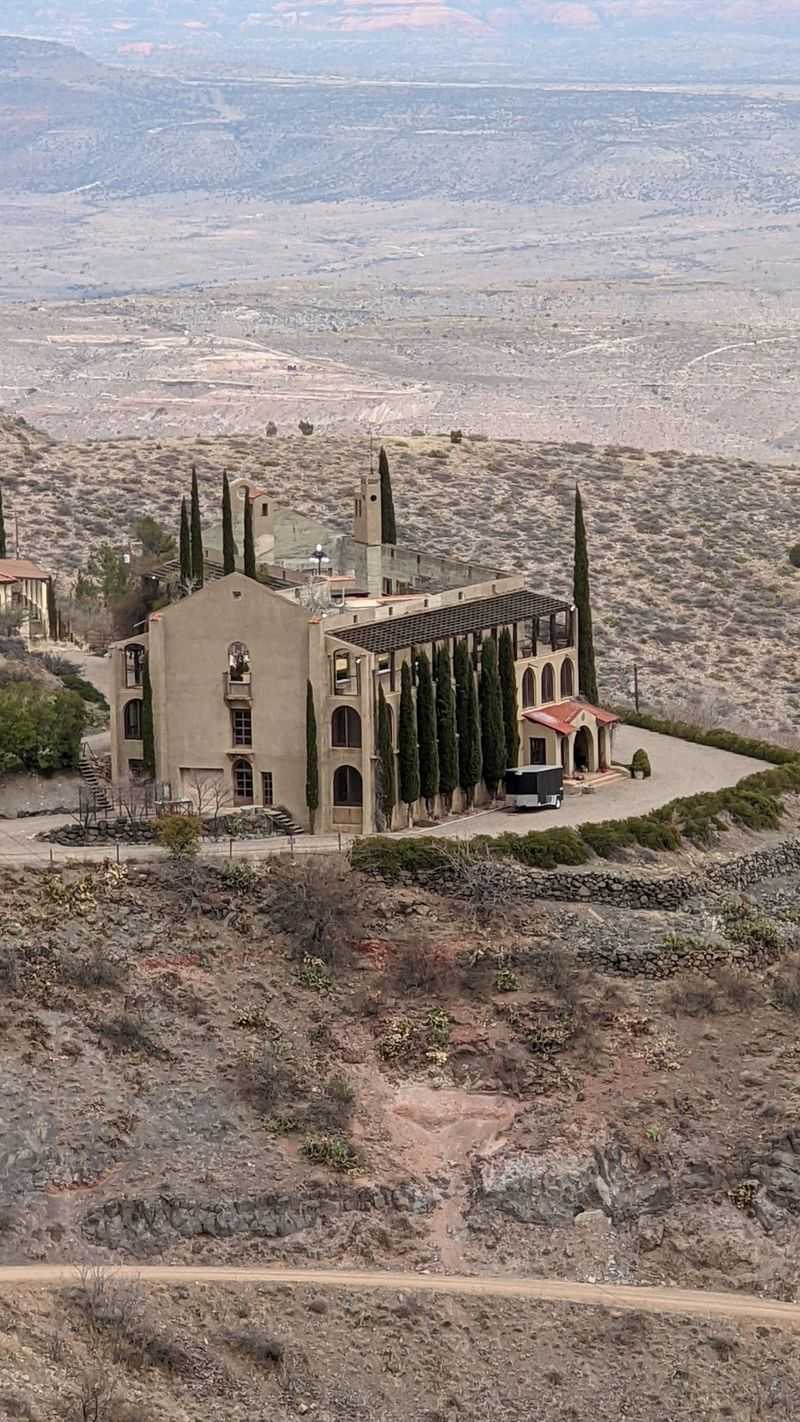
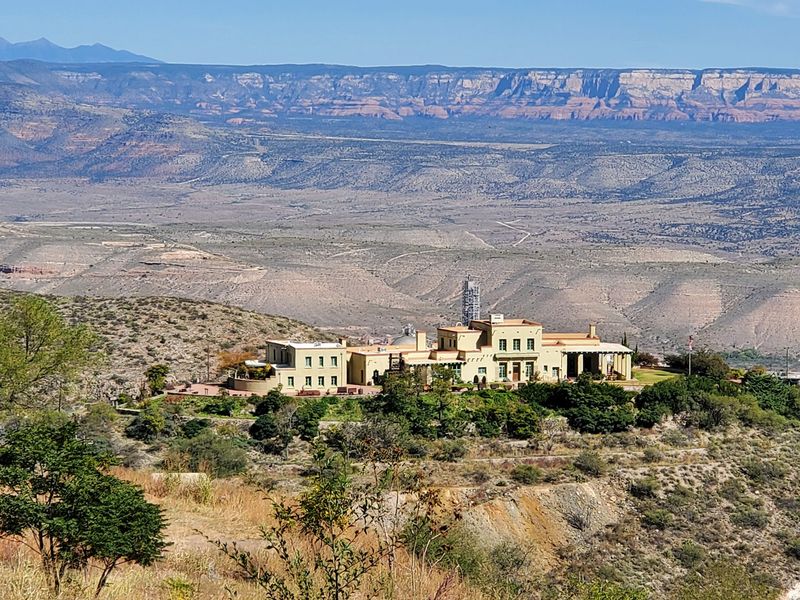
Down the hill from the main streets sits one of the town’s grandest reminders of its wealthy days.
The Douglas Mansion, built in 1916 by a mining magnate, now anchors Jerome State Historic Park.
The mansion was constructed by one of the families tied to the area’s mining fortunes, and its size hints at just how much money copper brought to the region.
Today the building serves as a place to learn about the town’s rise, with exhibits that dig into the mining era and the people who shaped it.
The setting alone is worth the stop, with sweeping views out over the Verde Valley from the property.
It is a quieter counterpoint to the busy downtown, giving families a calmer place to slow down and take in the history.
For anyone piecing together how a mountain town got so grand, the mansion is where the story really clicks into place.
Standing On Glass Above A Deep Shaft
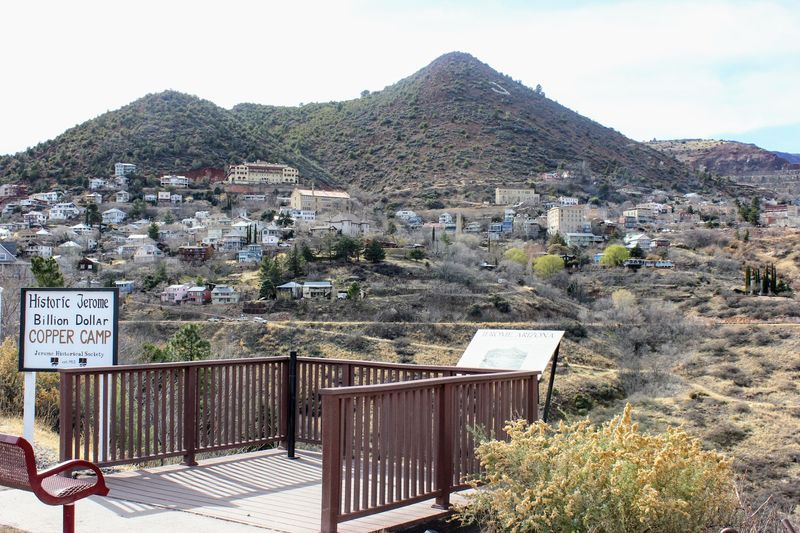
Few spots deliver a jolt quite like the one waiting at Audrey Headframe Park.
A glass viewing platform lets people stand directly over a 1918 mine shaft and look straight down into the darkness below.
The old headframe still towers overhead, a heavy reminder of the machinery once used to haul ore and workers up and down.
The shaft drops far deeper than most people expect, and the clear panel underfoot turns a simple stop into a genuine test of nerve.
It fits the town’s theme perfectly. Every dusty step here seems to come with a small dare, and this one is literal.
The park is free to walk through and makes a memorable quick stop for families and curious road-trippers alike.
Steady your feet, look down, and you will understand why this little platform gets talked about so much.
Galleries Tucked Into Old Storefronts
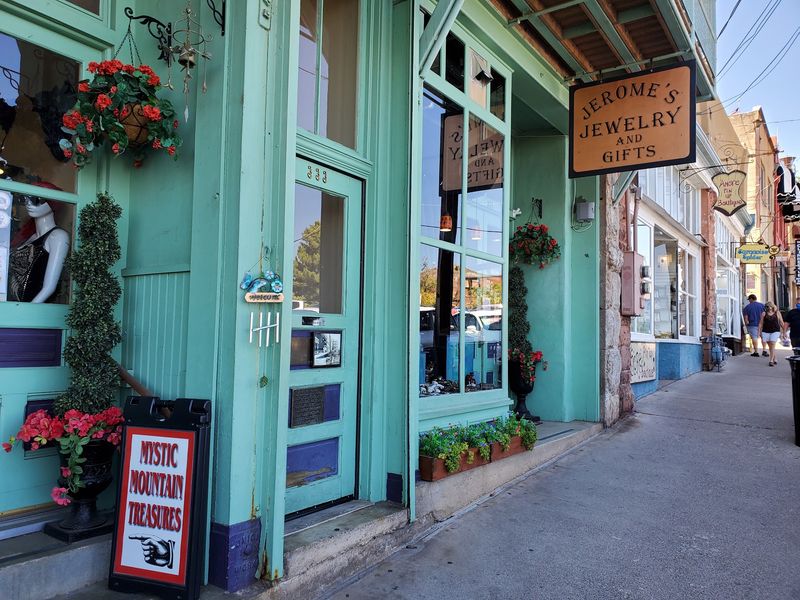
Art has quietly taken over many of the spaces that once served the mining crowd.
Small galleries line the downtown area, filling old storefronts with paintings, sculpture, jewelry, and work from local makers.
The town became a magnet for artists during its quieter decades, and that creative streak still runs strong through the narrow streets.
Wandering from one gallery to the next is part of the fun, since each space has its own personality and the buildings themselves carry plenty of character.
The mix keeps things interesting. One shop might lean modern, while the next feels rooted in the town’s older days.
Because everything sits close together along the hillside blocks, browsing here is easy to do on foot, even if the slopes keep your legs busy.
Collectors and casual browsers alike tend to leave with something, or at least a long list of things they wish they had grabbed.
Small Wineries On A Mountain Slope
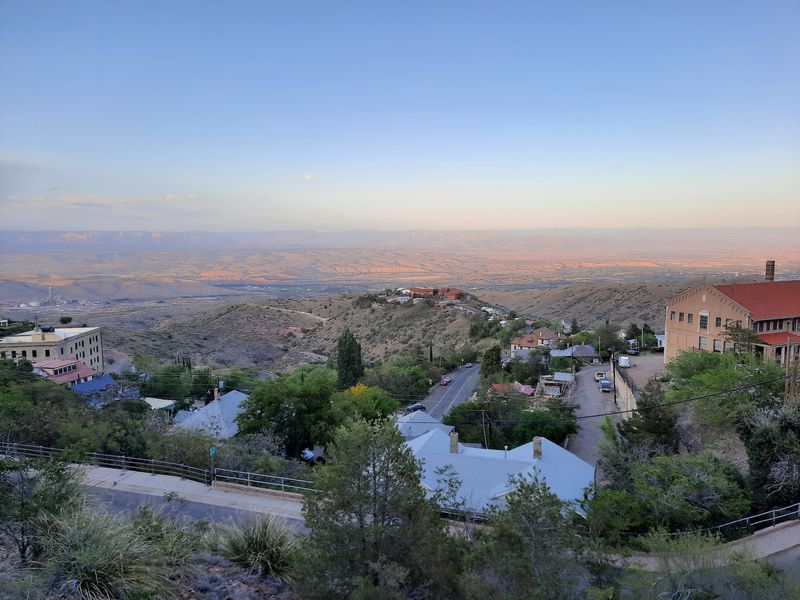
Grapevines might not be the first thing tied to an old copper town, yet the wineries here have become part of the draw.
Several small wineries dot the downtown area, offering tasting rooms tucked into the historic buildings.
The Verde Valley has grown into a recognized Arizona wine region, and this hillside town gives visitors an easy way to sample what the area produces.
The tasting rooms tend to be intimate, matching the scale of the town itself rather than sprawling out like larger operations elsewhere.
Views from many of these spots stretch across the valley, adding a scenic bonus to the stop.
It is a nice way to pause between gallery hopping and history stops, giving the visit a relaxed rhythm.
For Arizona locals, it is one more reason to be a little smug about what their state quietly offers up on a random mountainside.
Why They Call It A Ghost Town
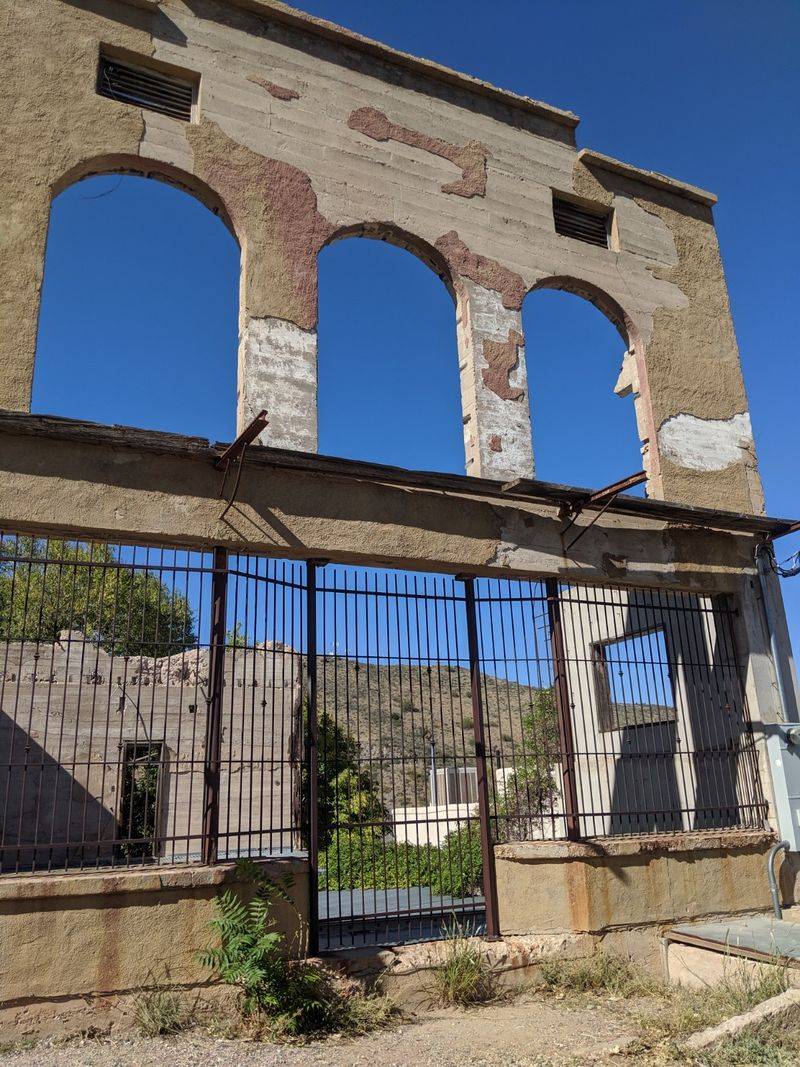
Ask around and the ghost-town reputation always comes up.
After the mines slowed, the population dropped so sharply that much of the town sat nearly empty for years.
Old buildings, some worn by time and some carefully kept, still line the streets and give the place its eerie, frozen-in-time feel.
Stories of hauntings have attached themselves to several of the historic structures, adding a layer of legend that keeps curious folks coming back.
Whether or not you buy into the tales, the atmosphere is undeniable, especially as the crowds thin and the light shifts across the hillside.
The town leans into this identity, and the mix of history and mystery is a big part of what sets it apart from other Arizona stops.
Every quiet corner seems to hold a story, which is exactly why exploring here feels like a small adventure rather than a simple stroll.
An Ancient Pueblo Just To The East
The history in this area stretches back far longer than the copper years.
To the east, Tuzigoot National Monument preserves an ancient hilltop pueblo built long before miners ever arrived.
The stone structures sit atop a ridge overlooking the Verde Valley, offering a window into the people who lived here centuries ago.
Pairing a visit here with time in the old mining town gives the whole trip a deeper sense of layered history.
The short walk through the site is manageable for most, and the elevated position delivers wide views across the surrounding land.
It is an easy add-on that turns a day trip into something richer, connecting Arizona’s distant past with its more recent boom-and-quiet story.
For residents wanting to feel like their state hides world-class history, this nearby monument makes a strong case.
Streets That Test Your Legs
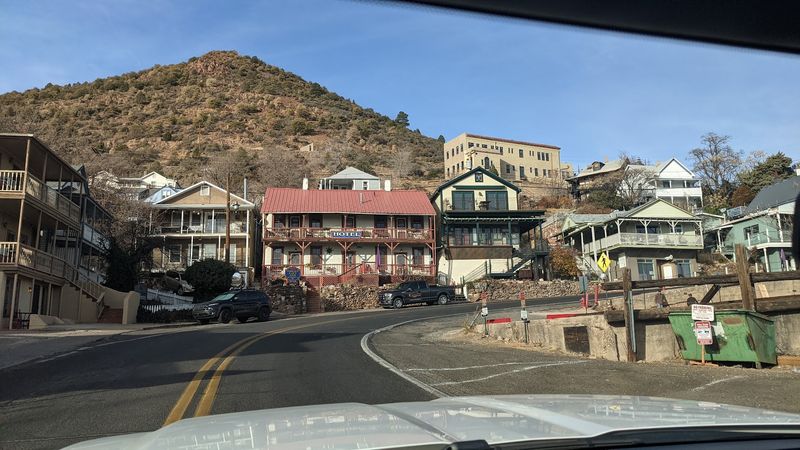
Nothing sums up the town quite like its streets.
The roads switch back and climb sharply, so getting from one block to the next often means a real uphill push.
That vertical setup gives every outing a playful challenge, which is where the dusty-dare theme comes from in the first place.
Parking can take a little patience given the tight, sloped streets, so arriving earlier in the day tends to make things smoother.
Comfortable shoes are the smart call, since the hills do most of the workout for you whether you planned on it or not.
The payoff is the constant flow of views, with the valley opening up between buildings at nearly every turn.
Take the climbs slowly, pause often, and the town rewards you with scenery that flatter terrain simply cannot match.
Who Will Love The Climb
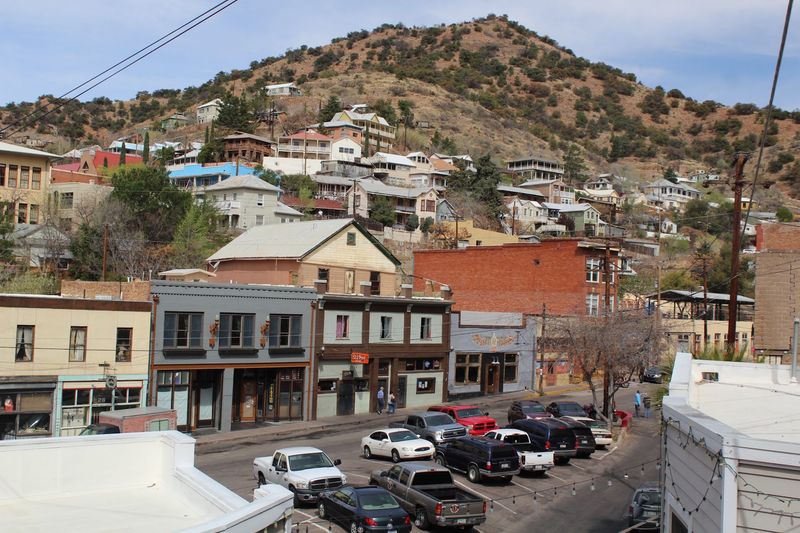
The town suits a certain kind of traveler especially well.
History buffs get a whole hillside of it, from mining exhibits to century-old buildings still standing along the streets.
Art lovers find plenty to browse, and those drawn to legends and ghost-town lore have stories waiting around nearly every corner.
The steep terrain means it works best for folks who do not mind a bit of walking and climbing during their visit.
Families can absolutely enjoy it, though little ones may need breaks on the slopes and a steady hand near the glass platform.
It leans more toward curious explorers than anyone looking for a flat, easy stroll, and that is part of its charm.
Come with a sense of adventure and a willingness to wander, and the town tends to win you over quickly.
Getting There And Planning Your Visit
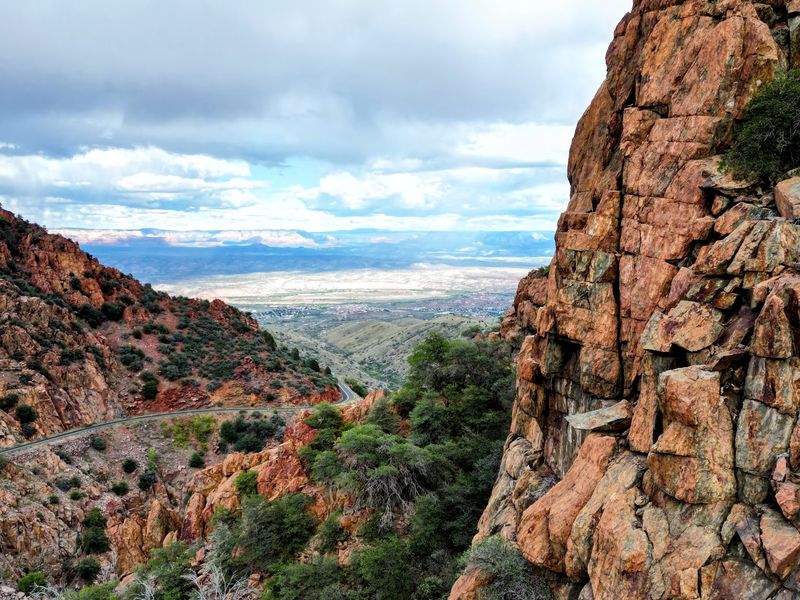
Reaching the town is half the fun, thanks to the winding mountain roads that lead up to it.
The town sits in central Arizona under the mailing area of Arizona 86331, within the Verde Valley and easy to fold into a wider regional day trip.
The drive up involves plenty of curves, so an unhurried pace makes the trip more pleasant and lets you take in the scenery.
Downtown clusters tightly along the hillside, which means most galleries, wineries, and museum stops sit within walking distance of one another once you park.
Nearby stops like Jerome State Historic Park, Audrey Headframe Park, and Tuzigoot National Monument make it simple to build a full day around the area.
Weekends tend to draw more people, so arriving early can help with both parking and a calmer stroll.
Map out a loose route ahead of time, and the climbs and stops fall into an easy, enjoyable rhythm.
The Verdict On This Hillside Wonder
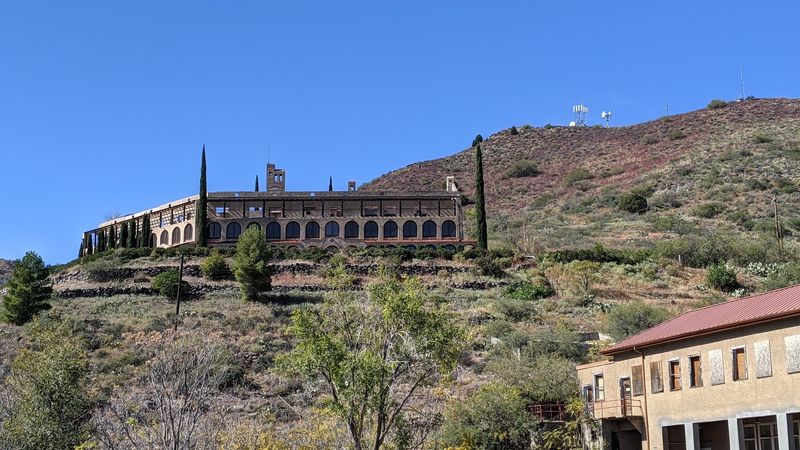
Some places stick with you, and this mountainside town has a way of doing exactly that.
Between the copper history, the glass platform over a deep shaft, the galleries, and the small wineries, there is more packed into these slopes than the town’s size suggests.
The ghost-town reputation adds a layer of mystery that keeps every walk feeling a little bit daring.
Add in the nearby ancient pueblo and the historic mansion, and a single visit can cover centuries of Arizona history in one compact area.
The steep streets ask a bit of effort, but the views and the sense of discovery more than make up for the climb.
For Arizona residents chasing that hidden-in-our-backyard feeling, this is a strong candidate worth the winding drive.
Take it slow, follow your curiosity uphill, and let this old copper town remind you how much your state quietly holds onto.