
Affiliate disclosure: As an Amazon Associate I earn from qualifying purchases. Learn more
There is a stretch of Florida coastline where no road reaches the sand and no parking lot waits at the end of the trip. The only way across is by boat, and that single fact keeps the crowds thin and the beaches wide open.
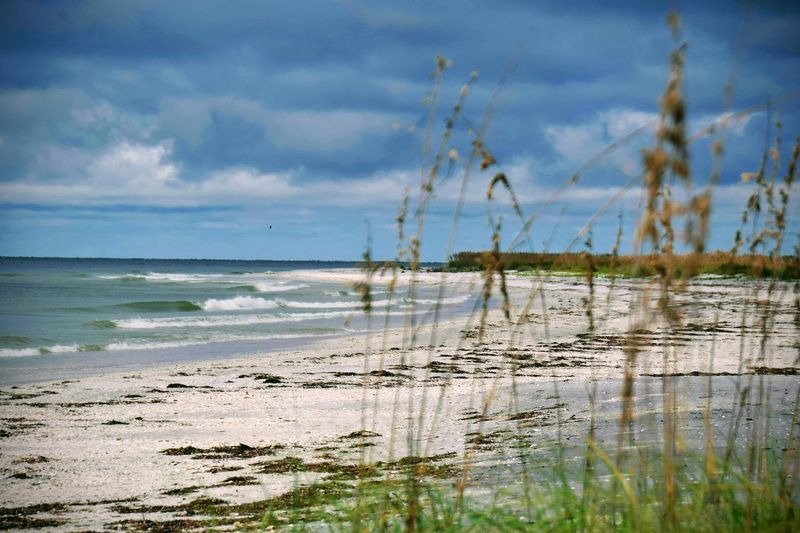
Nine miles of shoreline sit on this barrier island near Captiva, with shells piled along the tideline and dolphins working the water close to shore. There are no hotels, no traffic lights, and no electricity at most campsites.
What you get instead is a quiet Gulf Coast escape that still runs on old Florida time, plus a few tricks for doing it on a small budget. Keep reading to learn how to get there, what it costs, which bugs to prepare for, and why so many people call it their favorite state park.
An Island Park With a Mailing Address and No Bridge
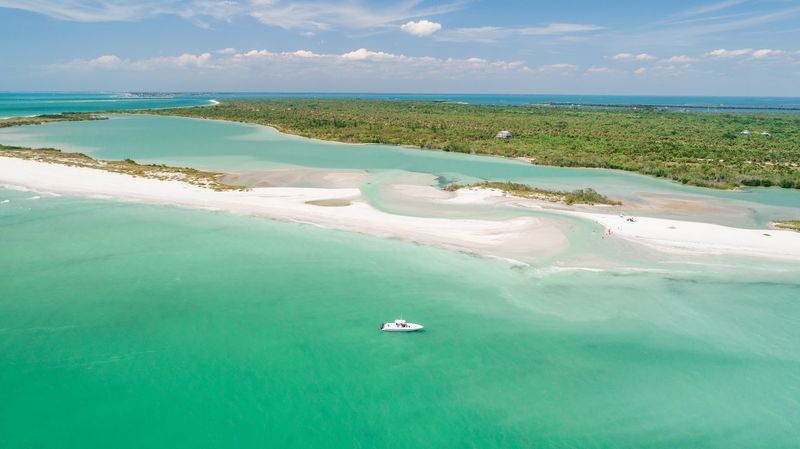
Nine miles of beach, and not a single car anywhere on them. That is the headline fact about Cayo Costa State Park, listed at Captiva, FL 33924, United States.
The park covers a barrier island on Florida’s Gulf Coast, just north of the Captiva area in Southwest Florida. Its official description sums it up neatly as an island park reachable only by boat, with 9 miles of beach and a patch of forest in the interior.
No bridge connects it to the mainland. That one detail shapes everything else about a trip here, from what to pack to how long to stay.
Day hours run from 8 AM to 5 PM, seven days a week. That schedule makes it easy to plan a long day trip from Fort Myers, Cape Coral, or the Pine Island area.
The island has earned a strong 4.7-star standing from more than 600 public ratings on Google Maps. People keep coming back, and many call it the best state park they have found in Florida.
The reasons go well past the sand. There are trails, cabins, campsites, a small store, and wildlife that seems to have missed the memo about humans.
First, though, comes the matter of getting there.
Getting There by Boat Only
Here is the catch that keeps this island quiet: you need a boat. A ferry once carried passengers across, but since Hurricane Ian the trip has relied on private boats and charter or cruise operators.
Plenty of local tour companies run trips out to the island. Some include a stop at the ranger station area for current information and a short walk across the island of less than a mile.
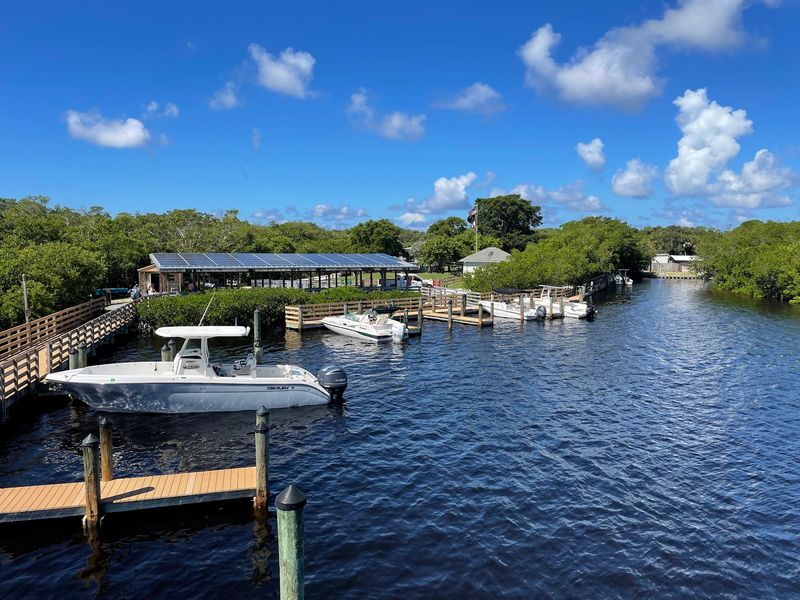
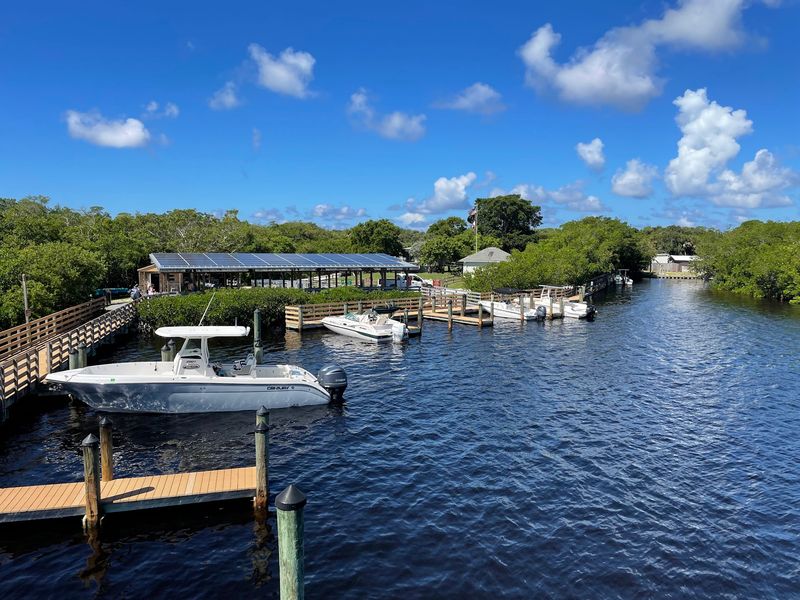
Boaters will find well-kept docks with room for many vessels. During the busy season, though, dock space fills up, so arriving early is a smart move.
The island is also known as a popular anchorage spot. Boaters often drop anchor offshore and spend the afternoon on the water or the beach.
Before heading out, check the official Florida State Parks website for the latest on access and transport options. Conditions can change, and the park staff keep that page current.
The boat ride itself tends to be part of the fun. Many people describe the crossing as a highlight of the day, and it builds the sense of leaving the mainland behind.
A Two-Dollar Ticket to Paradise
Cheap island getaways are rare in Florida. This one comes close to a steal once you reach the dock.
Entry to the park has been listed at about $2 per person. That small fee covers access to miles of beach, trails, and restrooms.
The bigger cost is usually the boat ride over, whether that means fuel for your own boat or a ticket with a charter company. Splitting a charter with friends can keep the day affordable.
Once on the island, a tram has offered rides between the dock area and the beach for about $3 per person each way. Bikes and kayaks can also be rented at reasonable prices.
Fees can change over time. A quick check of the park website before your trip will confirm the current numbers.
For a value-minded day tripper, the math works out nicely. A few dollars buys a full day on a beach that feels private, which is hard to find anywhere along the Gulf.
From Dock to Gulf Shore
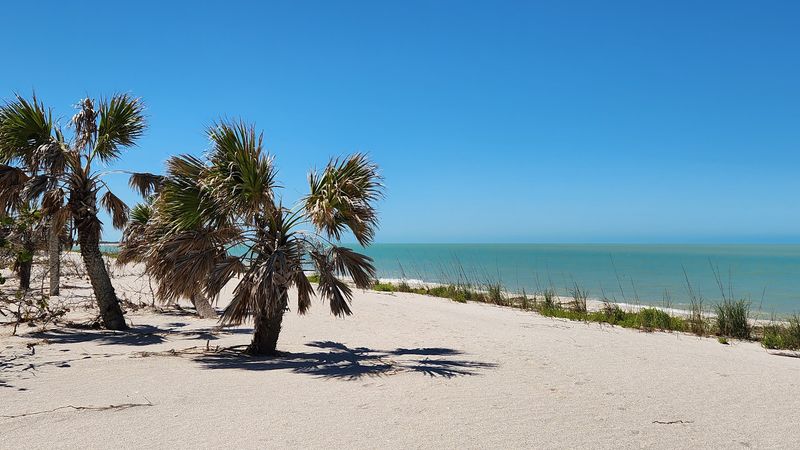
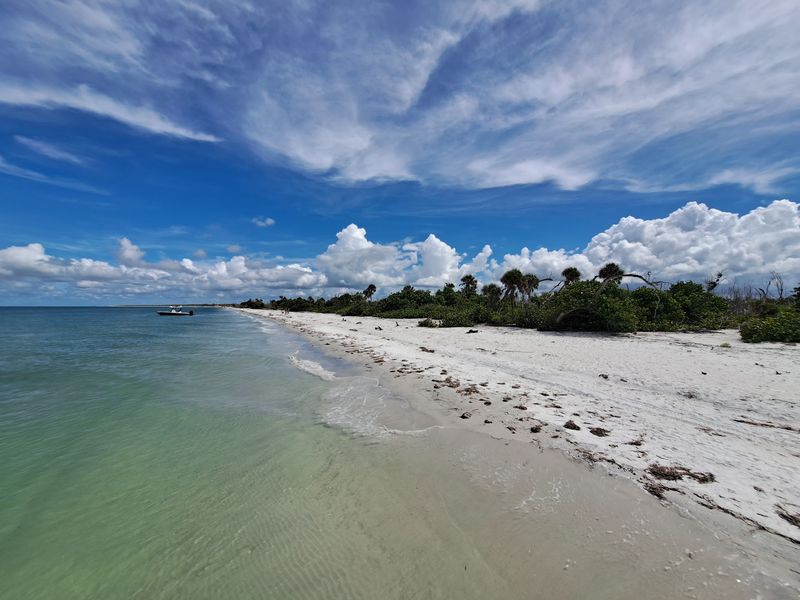
The beach is not right at the dock. Plan on a walk of roughly three-quarters of a mile to a mile to reach the Gulf side.
Good news: the path is easy. Wide, well-kept sandy trails lead across the island, and the trip takes about 15 minutes on foot.
Clean restrooms with running water and soap sit along the way. Restrooms are also found close to the beach, so nobody has to plan the day around one building.
Not up for walking in the heat? The park tram runs between the dock area and other spots on the island.
Times can vary, so asking the rangers for the current schedule is the best plan.
Bikes are another solid option. Many repeat guests say a bike is the way to cover real ground, since the island is bigger than it first seems.
Water and sunscreen belong in every bag for this stretch. Shade along the route is limited, and Florida sun does not take days off.
Shell Piles Worth the Trip
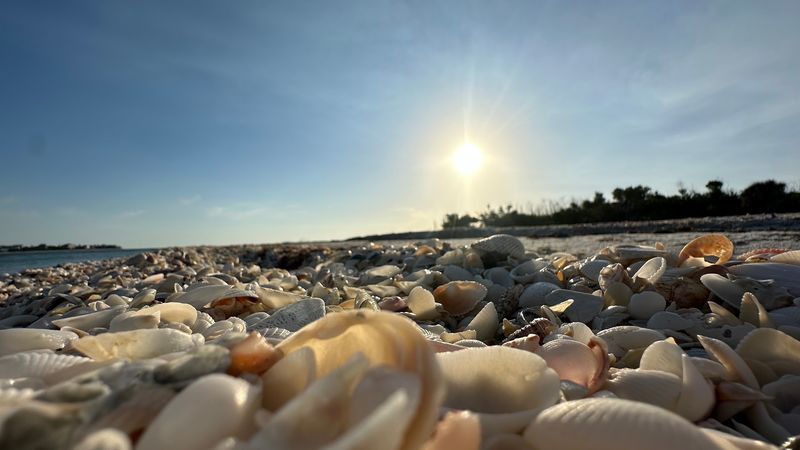
Shelling is the island’s quiet claim to fame. It comes up again and again among people who love this place.
Shells wash up along the shore on most days. Some days bring standout finds that make the long trip feel extra worth it.
Like any beach, the haul depends on the day. Wind, tides, and season all shape what lands on the sand, and one trip may bring sea urchins while another brings a heap of shells.
With nine miles of beach and few people, there is plenty of room to wander without bumping elbows. Early arrivals usually get the first look at whatever the tide delivered.
Bring a small bag or bucket for collecting. Follow Florida State Parks rules on what can be taken, and leave any shell with a live creature inside right where you found it.
Shelling here is less about racing for the best piece and more about slowing down. Many people end up walking for an hour without noticing the time.
Dolphins, Manatees, and Other Neighbors
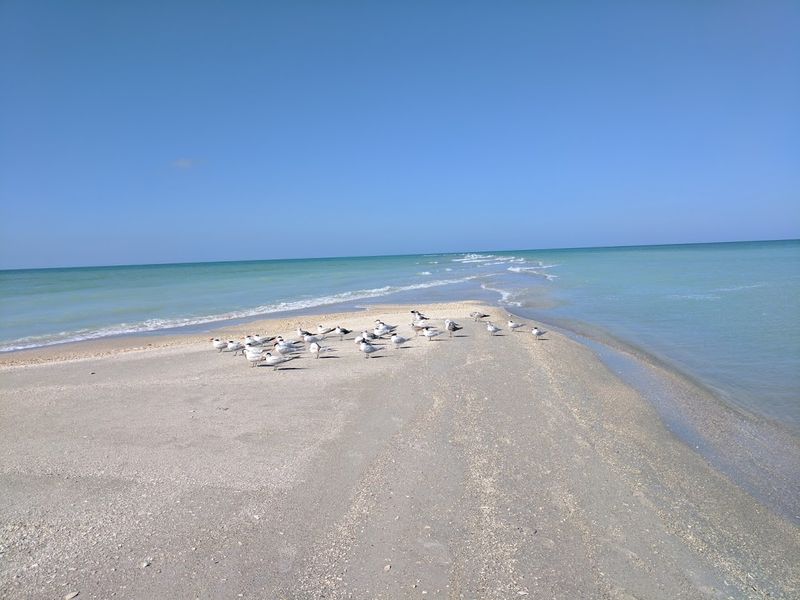
Some beaches have lifeguard towers. This one has dolphins patrolling the shallows.
Dolphin sightings are among the most common highlights here. They often swim close to shore, and some swimmers have even found themselves sharing the water with a few.
Manatees show up in the area too. Spotting one from a boat or the dock is a treat worth keeping an eye out for.
The clear Gulf water makes it easier to see what is moving beneath the surface. Fish and other marine life are part of the show on calm days.
Remember that these are wild animals. Give them space, enjoy them from a respectful distance, and never try to feed or chase them.
For families, the wildlife can turn a simple beach day into a memory that sticks. Kids tend to forget about phones fast when a dolphin fin pops up near the sandbar.
Trails, Sandbars, and Two Kinds of Shoreline
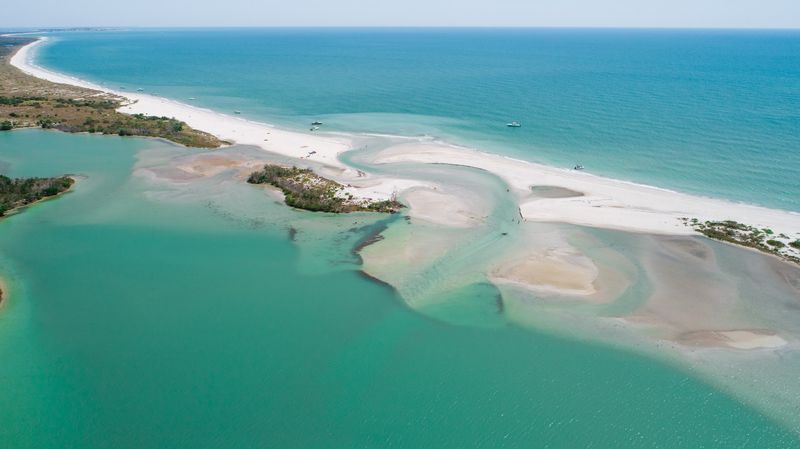
Most people come for the Gulf beach. The island has more to explore once the sunscreen is on.
Miles of trails cross the park and can be walked or biked. Rangers hand out maps and point people toward routes that fit their time and energy.
Each side of the island has its own character. The Gulf side faces open water, while the bay side has a calmer, more sheltered shoreline, with flat beaches in some spots and wooded beaches in others.
Sandbars offer another place to wander when the water allows. They add variety for anyone who wants more than the main beach.
A walk to Murdock Point is a favorite outing. Tour groups often include it on their route.
Kayak rentals open up yet another way to see the island from the water. It is a good option for folks who like to paddle along the quieter edges.
The Pioneer Cemetery and a Hint of the Past
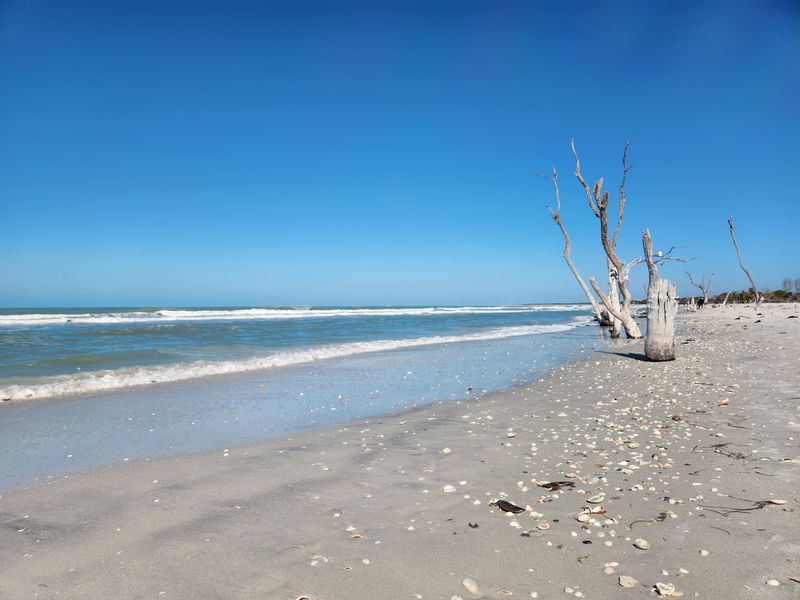
Not every stop on the island is about sand. A small historic site adds a layer of local history to the visit.
The Pioneer Cemetery sits on the island and is often visited on the return route from the beach. It is a quiet, respectful spot tied to the people who lived here long before the park existed.
Guided boat tours sometimes include it alongside the beach and Murdock Point. That mix of nature and history gives the day more depth.
The site is a reminder that this undeveloped island once had residents. Their story is part of why the place still feels like old Florida.
Visit with care and leave everything as you found it. Rangers can share more background on the island’s history and the families connected to it.
It takes only a few minutes to see. Yet many people find it becomes one of the most thoughtful parts of their trip.
Cabins, Tents, and Life Without Outlets
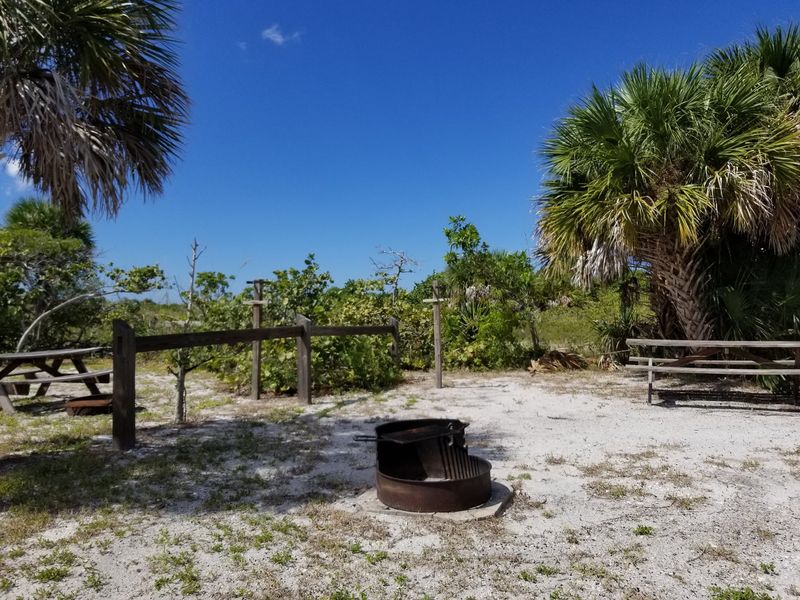
A day trip only scratches the surface. Overnight stays let you see the island after the boats head home.
The park offers primitive tent campsites and small cabins. The cabins are tiny but comfortable enough, and many campers say they get booked far in advance.
Expect rustic conditions. Campsites generally have no electricity, showers lack hot water, and some sites have little shade.
Phone charging is possible near the store area.
The campground sits about a 20-minute walk from the camp store, and a tram has run between them. Bikes are handy, though rentals may not be kept overnight.
Campers praise friendly hosts, respectful neighbors, and quiet hours that people actually follow. Dark skies make stargazing a big draw, and sunsets get high marks too.
Camping availability has changed over the years, including closures. Check the park website for current status before planning a night out.
Bugs, Rats, and Other Honest Warnings
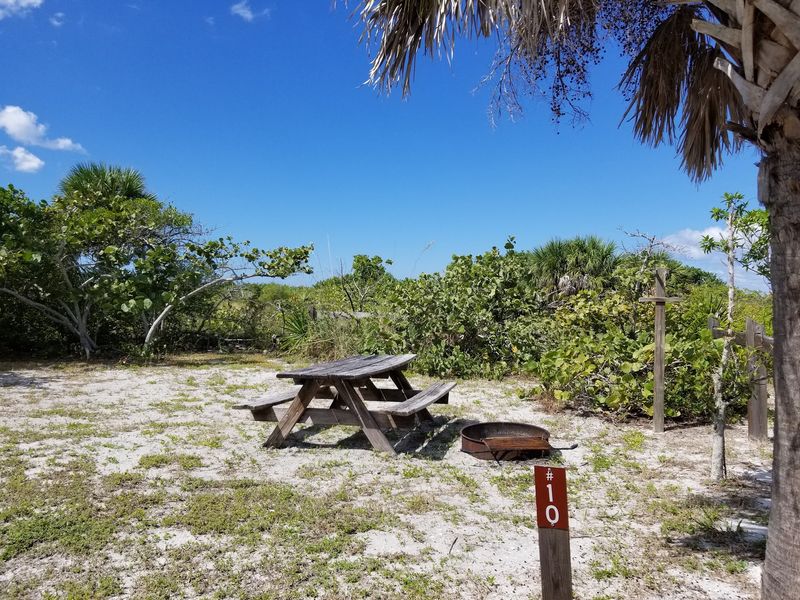
Paradise comes with a few tiny residents. Being ready for them makes all the difference.
Mosquitoes and no-see-ums are the big ones, and sand fleas come up often too. Summer tends to be the toughest season, and some people have cut trips short because of them.
Campers suggest strong repellent, long pants, a battery-powered fan, and tents or netting fine enough to keep tiny biters out. Standard tent screens may not be enough.
Rats are another known issue at the campground. Store all food in sealed containers and keep it off the ground, since they can chew through bags and tents.
None of this scares off the regulars. They simply plan for it, much like packing sunscreen.
Cooler months often bring fewer bugs. That makes fall and winter a smart window for first-timers.
Who Will Love the Quiet Side of Florida
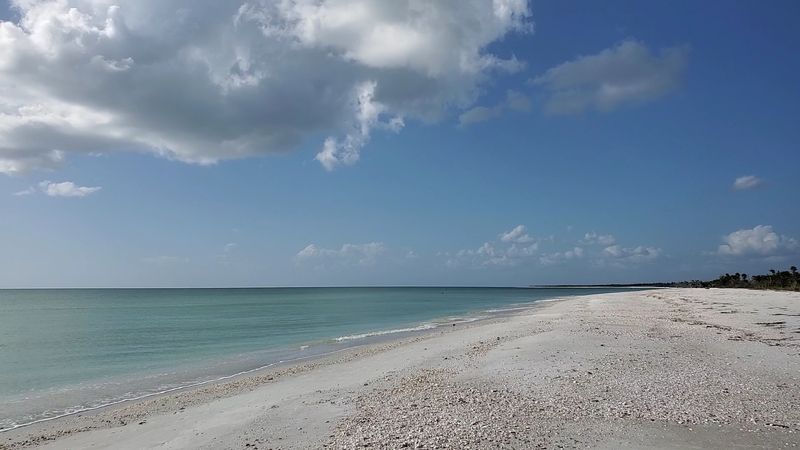
Crowded beaches have their place. This is not that place, at least not on a weekday.
During the week, many people feel like they have the beach almost to themselves. Weekends draw more boats and more company, so plan accordingly.
The island suits folks who like simple days: swimming, shelling, walking, fishing, and reading under a shade umbrella. It also fits campers who enjoy a little roughing it.
Some campers have brought their dogs to the campground with good results. Check current pet rules before bringing a four-legged friend.
It is less ideal for anyone who wants restaurants, nightlife, or air conditioning on demand. The appeal is what is missing.
Friendly, helpful rangers round out the experience. They answer questions, offer maps, and have been known to go out of their way for guests in a pinch.
Packing Smart and the Final Verdict
Remote means prepared. A small store on the island sells snacks, drinks, shirts, and basic camping supplies, but stock is limited.
Bring all the food and water you need, plus extra. Ice and firewood have been available on site, which helps campers keep coolers going.
Shade is a must on the beach. Pack a shade tent or umbrella, plenty of sunscreen, and bug spray in the same bag.
Hours run 8 AM to 5 PM daily. Weekdays bring fewer people, and cooler months bring fewer bugs, so a fall weekday is a sweet spot.
So is it worth the effort? For anyone craving a slice of Florida without condos, cars, or crowds, the answer leans strongly toward yes.
Cayo Costa asks a little more planning than the average beach. In return, it gives back the kind of quiet shoreline most of the state lost long ago.


