

Affiliate disclosure: As an Amazon Associate I earn from qualifying purchases. Learn more
Ancient Rome is not supposed to fit inside a college town in Michigan. Yet in Ann Arbor, a small university museum holds Egyptian coffins, Roman toys, Greek pottery, and a giant re-creation of one of the most famous painted rooms from Pompeii.
Admission costs nothing, though a donation is welcome. The collection grew out of real University of Michigan digs around the Mediterranean, so many objects come with stories about how they were found.
Families, students, and history fans keep calling it small but mighty, and the praise is hard to argue with. Read on to learn what makes this place special, which hidden drawers to open, and how to plan a visit that fits neatly into an afternoon.
A Campus Treasure on State Street

Plenty of people walk past this building for years before realizing what sits inside. The Kelsey Museum of Archaeology stands at 434 S State St, Ann Arbor, MI 48109, right on the University of Michigan campus in the United States.
Officially, it is an archaeological museum focused on objects and art from the Mediterranean and the Near East. The collection spans ancient and medieval times, with strong showings from Rome, Greece, and Egypt.
Size is part of the charm here. The galleries are compact enough to explore without feeling overwhelmed, yet packed enough to fill a solid stretch of time.
Former students often admit they meant to visit during their college years and never quite made it. Locals who grew up nearby sometimes confess they had no idea it existed at all.
That surprise factor is a big part of its reputation. A spot on a busy campus street ends up holding pieces that are well over a thousand years old, all on display for anyone who wanders in.
The museum also hosts tours and lectures, which adds a learning layer beyond the display cases. For a college town, that is a pretty scholarly bonus.
So the address may look ordinary on a map, but the contents tell a very different story.
Finds From Real University Expeditions
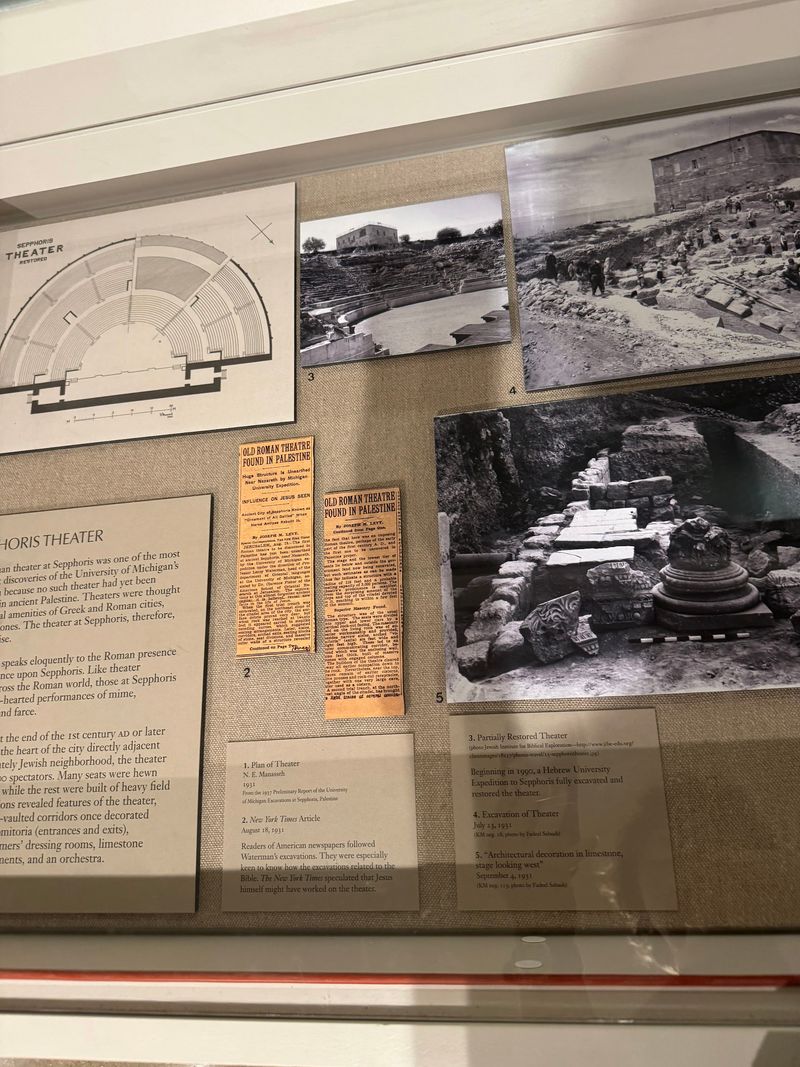
Most museum objects arrive by purchase or gift. Many pieces here took a more adventurous route, coming from archaeology expeditions led by the University of Michigan.
Those digs reached ancient Rome, Greece, Egypt, and other spots in the Middle East. The result is a collection with direct links to the university that sits just outside the door.
One detail makes this connection feel personal. Some cabinets include postcards related to the excavations, offering a peek at how the objects came out of the ground.
That small touch changes how people look at the displays. Instead of just admiring a pot or a lamp, it becomes natural to wonder about the people who dug it up and how they did it.
The museum is also open about where its objects came from. Many find that transparency refreshing, especially at a time when museums everywhere face questions about how their collections were gathered.
It also explains a notable change. The museum no longer displays a human mummy, reflecting ongoing ethical discussions in the museum community about showing human remains.
Thoughtful choices like that give the collection a sense of care. History here is presented with context, not just glass and labels.
Pompeii’s Villa of the Mysteries, Reimagined
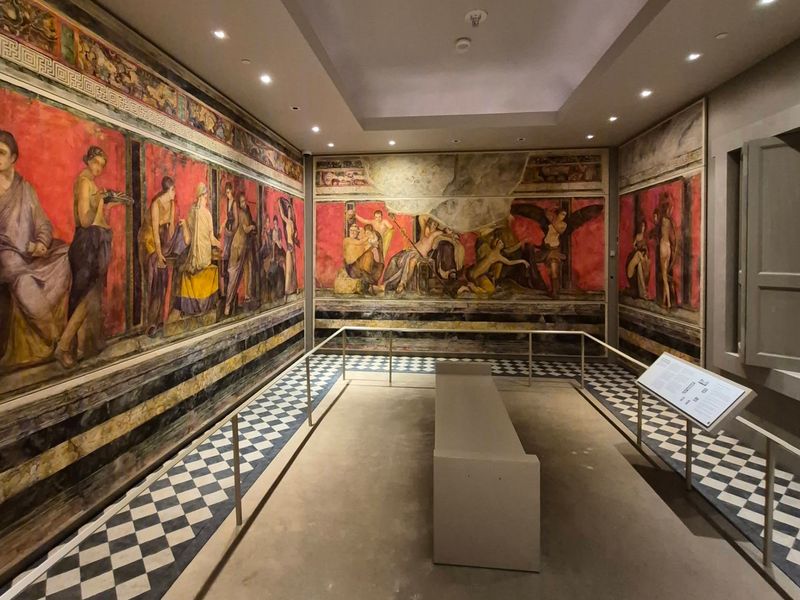
Here is the headline act. The museum features a large-scale re-creation of the Room of the Mysteries, the famous painted room from the Villa of the Mysteries at Pompeii.
The version on display is built at about five-sixths of the original size. Even at that scale, the room comes across as huge, letting people stand inside a space modeled on one of the best-known Roman interiors.
Seeing frescoes in a book is one thing. Standing in front of wall-sized painted figures is something else entirely, and it gives a real sense of how Romans decorated their homes.
The story behind the re-creation is a highlight too. The process of remaking the room is explained, and it turns out to be just as interesting as the ancient original.
The display also connects to the history of color in Rome. Many people picture the ancient world as plain white marble, but this room makes a strong case that the past was far more colorful.
For anyone who never expected to find this much Roman history in an American building, the room tends to be the moment the visit clicks. It is Pompeii, with a Michigan return address.
Egyptian Coffins and Everyday Objects
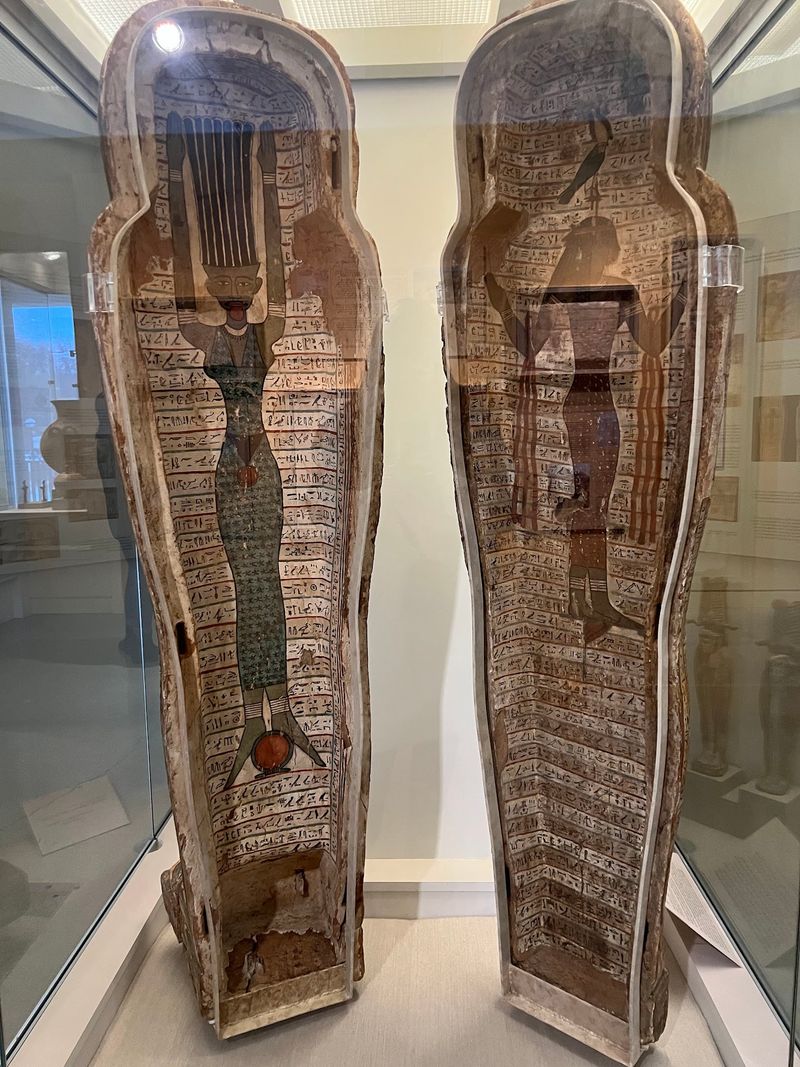
Egypt fans, get ready. The Egyptian galleries are a favorite, and the late Egyptian pieces draw some of the strongest praise in the building.
A painted sarcophagus is the showstopper. It is the kind of object that has to be seen in person, and its color challenges the idea that ancient history was dull or gray.
Smaller items carry their own appeal. The museum holds ancient toys from Roman Egypt, which tend to grab the attention of young kids in a big way.
Those toys are a reminder that children thousands of years ago played too. It is a simple idea, but it makes the distant past feel close.
A cat mummy also gets mentioned as a memorable sight. Animal remains from ancient Egypt are a classic museum draw, and this one fits right into the theme.
Beyond the big names, the Egyptian collection includes a wide spread of everyday objects. Pottery, glass, and crafted pieces show how people lived, not just how they were honored.
All of this sits in Ann Arbor, without a trip to Chicago, Washington, D.C., or New York. That convenience is a big reason families keep coming back for another look.
Pottery, Glass, and Ancient Craftsmanship
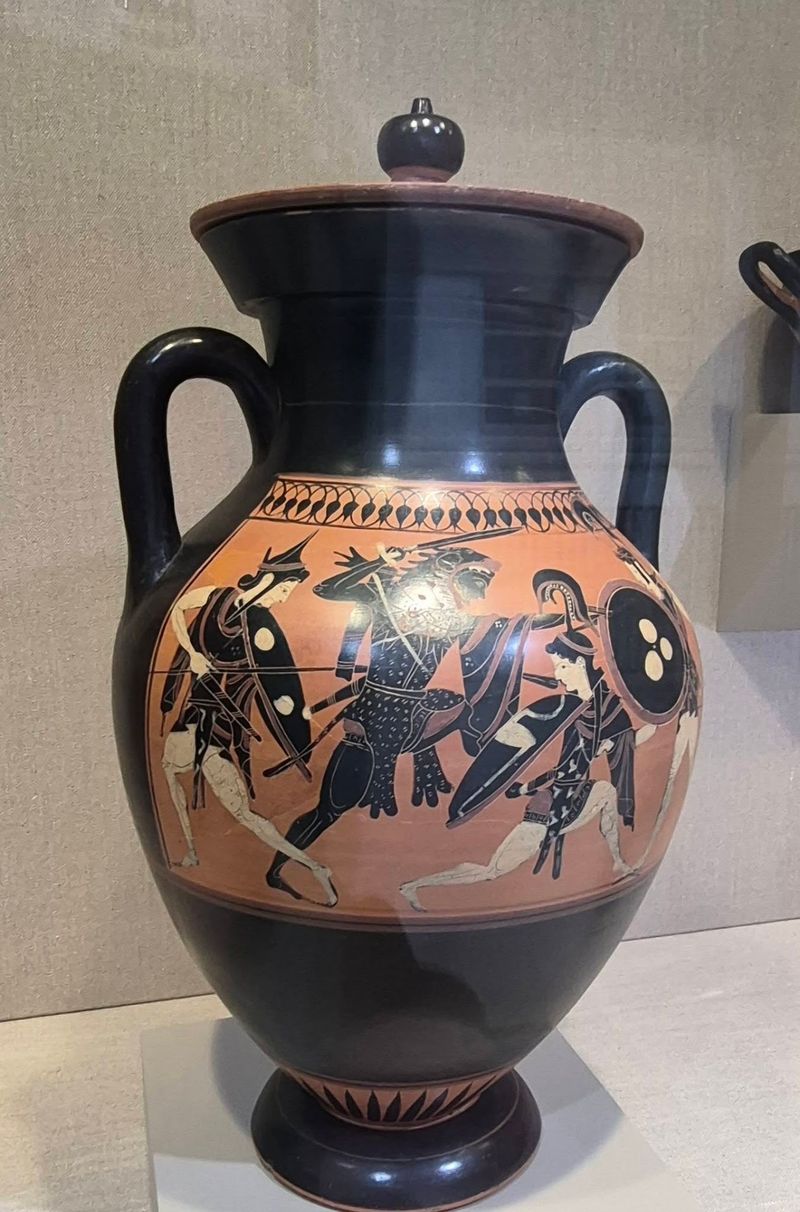
Some people come for the big names. Others come for the craftsmanship, and this collection rewards close looking.
Lots of pottery and glasswork fill the cases, alongside carved, turned, and metal pieces. There is even some gemsetting on view.
Makers and hobbyists get extra mileage here. Anyone with a basic idea of flintknapping, glassblowing, firing earthenware, or metalwork will find plenty of examples worth studying.
The displays invite slow attention. It is worth taking time to examine the workmanship and think about how these objects were made without modern tools.
Babylonian, Greek, Roman, and Egyptian material appears across the galleries. That range gives a broad picture of material culture around the ancient Mediterranean and Near East.
Info panels and exhibit descriptions help fill in the backstory. They make it easier to understand what each object was used for and why it matters.
A quick lap is possible, but craft lovers usually linger. The cases have a way of turning a short stop into a much longer one.
Secret Drawers Worth Opening
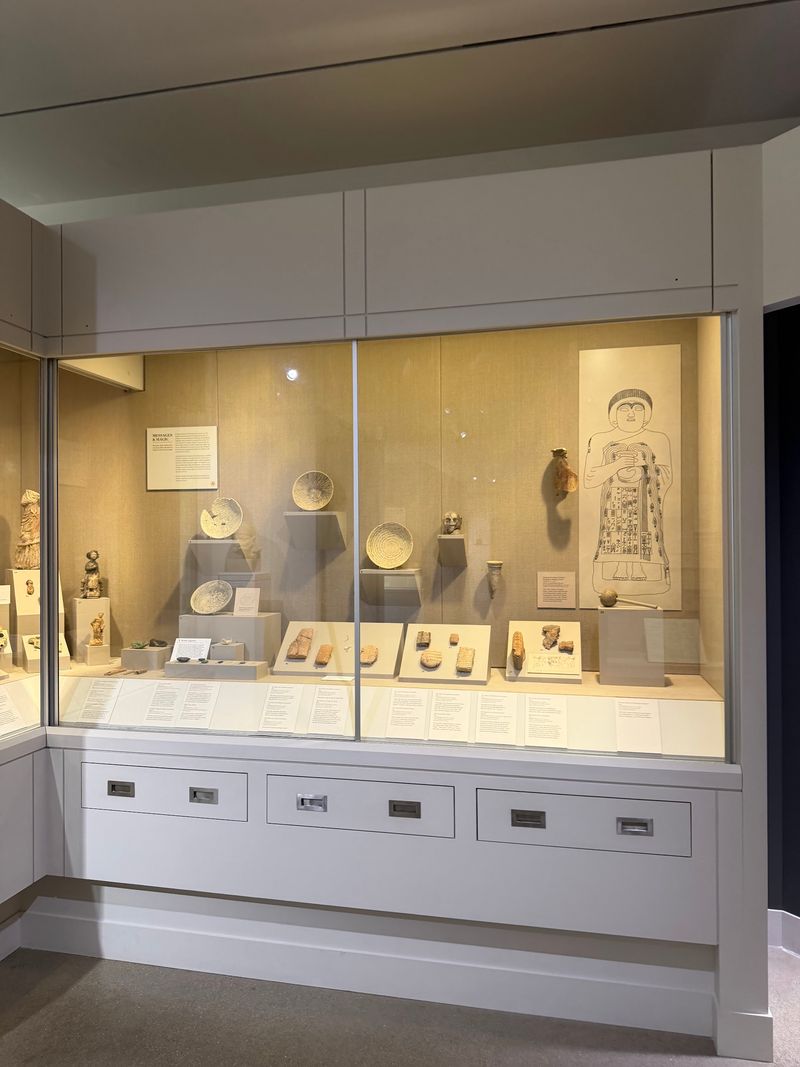
Here is a tip many people miss. Some displays have drawers that pull out, and they hold even more artifacts.
It is easy to walk right past them. The main cases look complete, so the extra storage feels like a bonus round for the curious.
Opening those drawers is part of what makes the museum feel interactive. Interactive exhibits come up as a highlight, and the hands-on element helps keep both kids and adults engaged.
Families tend to love this feature. Kids get a little treasure hunt, and parents get a few extra minutes of quiet browsing.
The drawers also show how much the museum holds compared to its size. A small floor plan turns out to have more depth than it first appears.
Guided tours add another layer. Staff can point out details that are easy to overlook and share stories behind specific objects.
So when a case seems finished, check underneath. The best surprise might be hiding one pull away.
Who Loves It Most
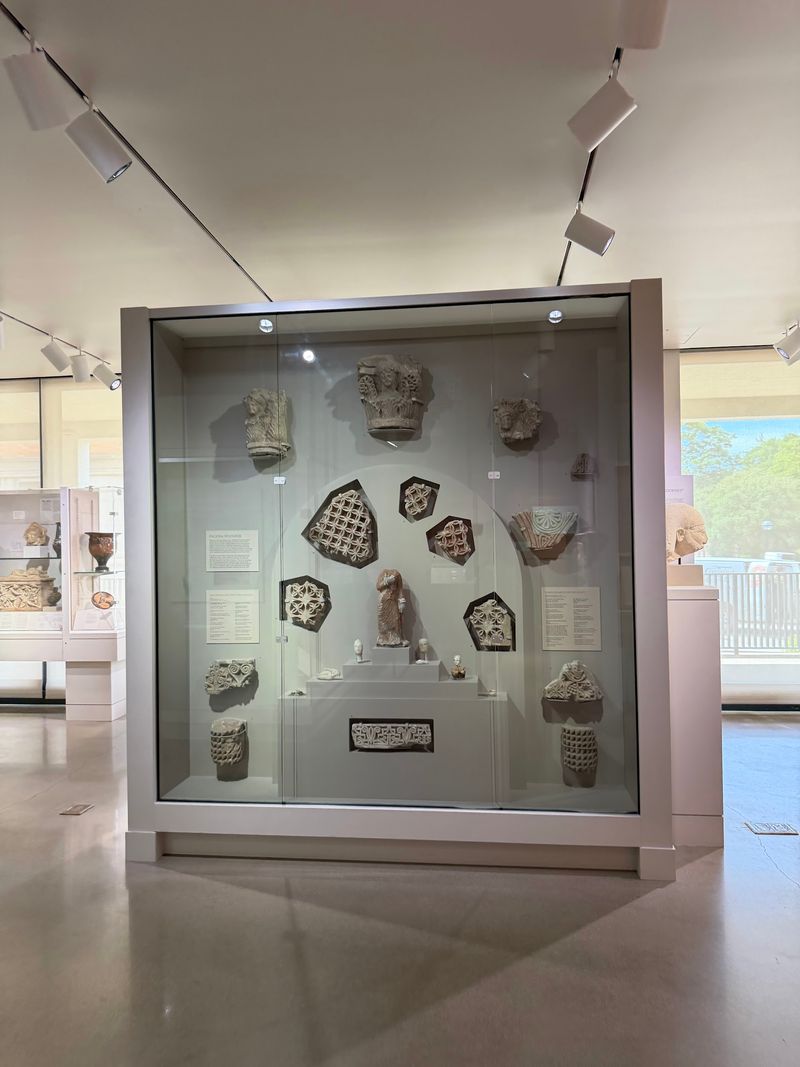
Five-year-olds, teens, grad students, and retirees all seem to find something to like. The museum has a reputation as an educational experience that works across ages.
Young kids connect with the ancient toys and the drawers. Teens tend to respond to the Egyptian galleries and the giant Pompeii room.
Parents who make museum visits part of their kids’ learning call it a strong stop. It encourages curiosity and a love for history without being exhausting.
Staff earn warm words too. Friendly, helpful people at the front desk handle energetic groups with patience, and some are happy to chat about museums around the world.
Crowds are usually light. The atmosphere stays calm, which makes it easy to read labels and move at a comfortable pace.
It is not the kind of place for spending an entire day. Instead, it suits a focused outing, a rainy afternoon, or a break between other campus plans.
History buffs, curious locals, and families looking for a smart outing will all fit right in.
Hours, Donations, and Parking Notes
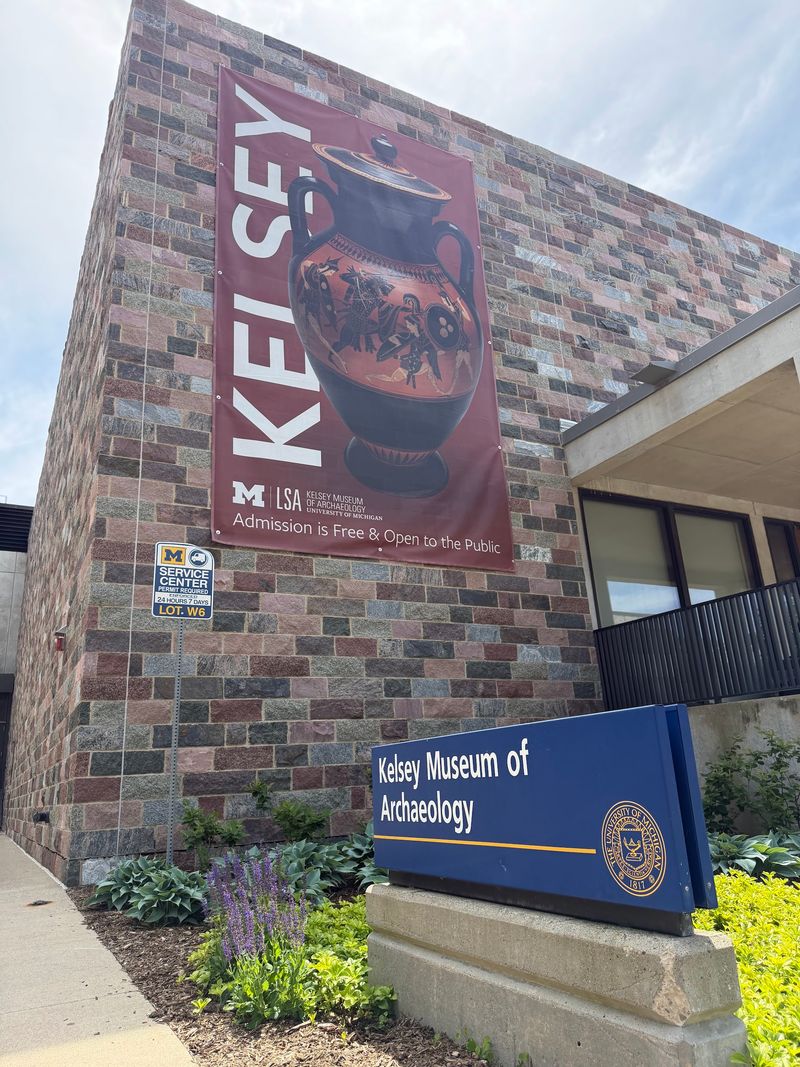
Good news for wallets first. Admission is free, and the museum accepts donations to support its programs and exhibits.
Hours are simple to remember. The museum is open Tuesday through Friday from 10 AM to 4 PM, and Saturday and Sunday from 11 AM to 4 PM.
Mondays are closed. Plan around that, especially for a long weekend trip.
Most people spend about one to two hours inside. Those who love studying craftsmanship may want a bit longer.
Parking is the one cost to plan for. Public parking in the area is paid, so budget for that even though entry is free.
Some areas may close for renovation from time to time. One upstairs space has been under renovation recently, though there is still plenty to see.
Checking the museum website at lsa.umich.edu/kelsey before heading out is a smart move. It is the easiest way to confirm current exhibits, tours, and lectures.
Nearby, the campus sculpture known as the Cube sits about a block away. It makes an easy add-on after the galleries.
The Verdict on Ann Arbor’s Ancient Corner
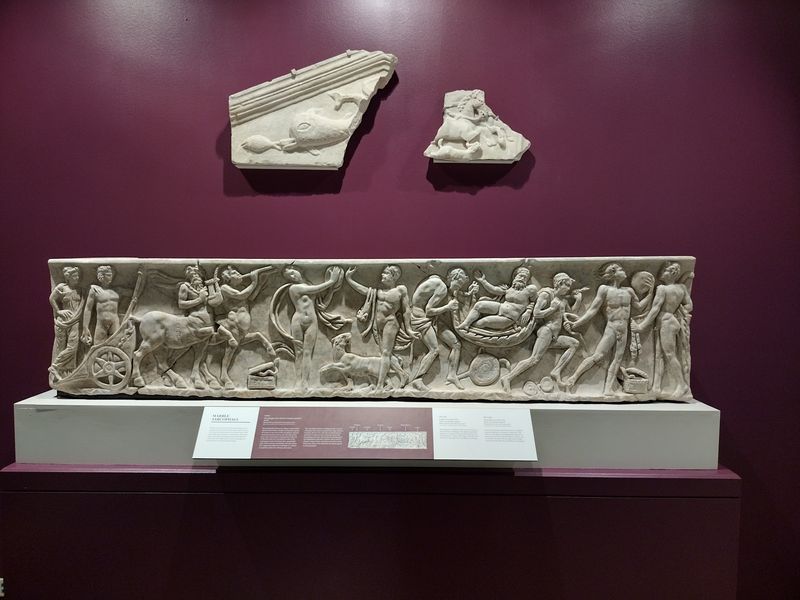
Small museums rarely get top billing on travel lists. This one earns its spot anyway, holding a 4.8-star average from more than 300 Google ratings.
The appeal comes down to a smart mix. A walk-in Pompeii room, Egyptian treasures, crafted glass and pottery, and drawers full of extra finds all share one compact building.
Free admission makes it an easy yes. A donation helps keep the programs going, and many people happily chip in after seeing what is on display.
The university connection adds meaning. Many objects come from Michigan expeditions, and the museum is open about their origins.
It will not swallow a whole day, and that is part of the charm. An hour or two is enough to leave with new knowledge and a few favorite pieces.
For anyone passing through Ann Arbor, it is a short detour with a long memory attached. Ancient Rome, it turns out, has a standing appointment on State Street.


