
Affiliate disclosure: As an Amazon Associate I earn from qualifying purchases. Learn more
A museum with ancient artifacts, a famous Picasso, and a ceiling of stars sounds like it should come with a hefty ticket price. In Bloomington, it does not cost a cent to get through the door.
Hoosiers who like a bargain with big payoffs will want to hear about this college campus stop. The building alone is worth the drive, with a soaring glass atrium and three floors of galleries waiting inside.
Add a campus stroll, a café break, and exhibits that keep rotating, and a free afternoon quickly stretches into a full day of discoveries.
A Free Art Stop on the Bloomington Campus
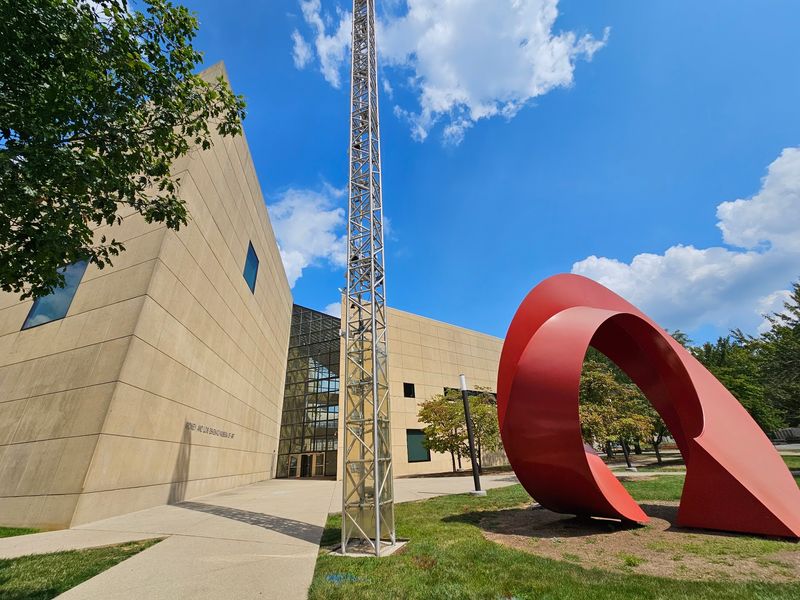
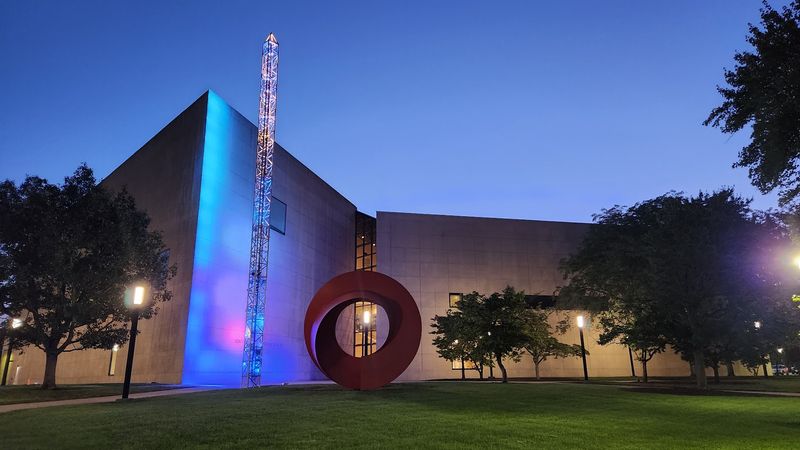
Admission costs nothing at the Eskenazi Museum of Art, which sits at 1133 E 7th St, Bloomington, IN 47405, on the Indiana University campus.
That price tag is the first thing people bring up, and it shows up again and again in what folks say about the place. A museum of this caliber that stays free is rare enough to deserve a spot on any Hoosier day trip list.
The Google Maps listing describes it as a renowned museum for architecture and art, with a soaring atrium and a huge global collection. It also hosts free tours and visiting exhibits, which gives repeat visitors a reason to come back.
The museum holds a 4.8-star average across 282 reviews, a number that backs up the enthusiasm. Many people call it a highlight of one of the most beautiful university campuses around.
Plan on at least a couple of hours. Some guests find they can stay much longer, especially if they wander slowly and let the galleries set the pace.
The Gift That Built a Campus Landmark
Plenty of university museums are tucked into a corner of campus. This one stands out as a destination in its own right.
One guest called it the best art museum they had seen at a public university, and described the donation behind it as an incredible gift to the school. Another noted that the collection rivals what you would find in major metropolitan areas.
Someone in the area remarked that the museum could charge for what it has curated, and everyone is glad it chooses not to. That generosity is a big part of its local reputation.
One account describes the building as newly renovated, and the layout reflects that fresh start. The galleries are organized in a way that feels intuitive, so wandering without a plan works fine.
For Hoosiers who grew up near Bloomington, it is a point of pride. For everyone else, it is a pleasant surprise waiting on a college campus.
An I. M. Pei Building Worth the Trip Alone
A husband and wife who admitted they were not big art museum people still came away raving about the building. They pointed to the design by I.
M. Pei as a reason to visit all by itself.
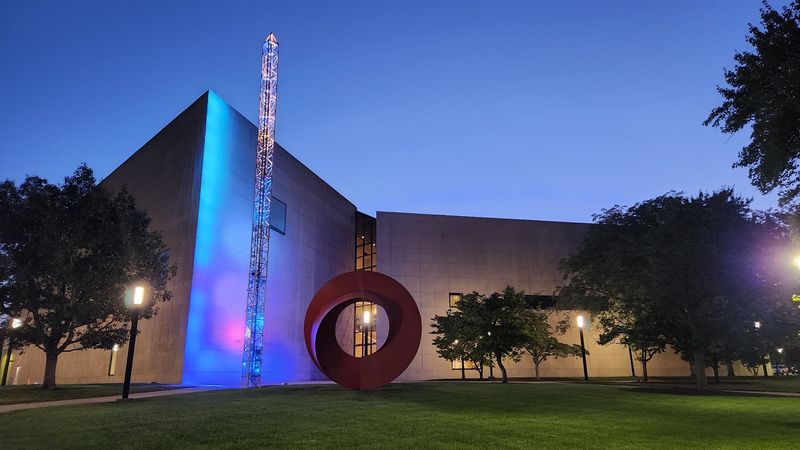
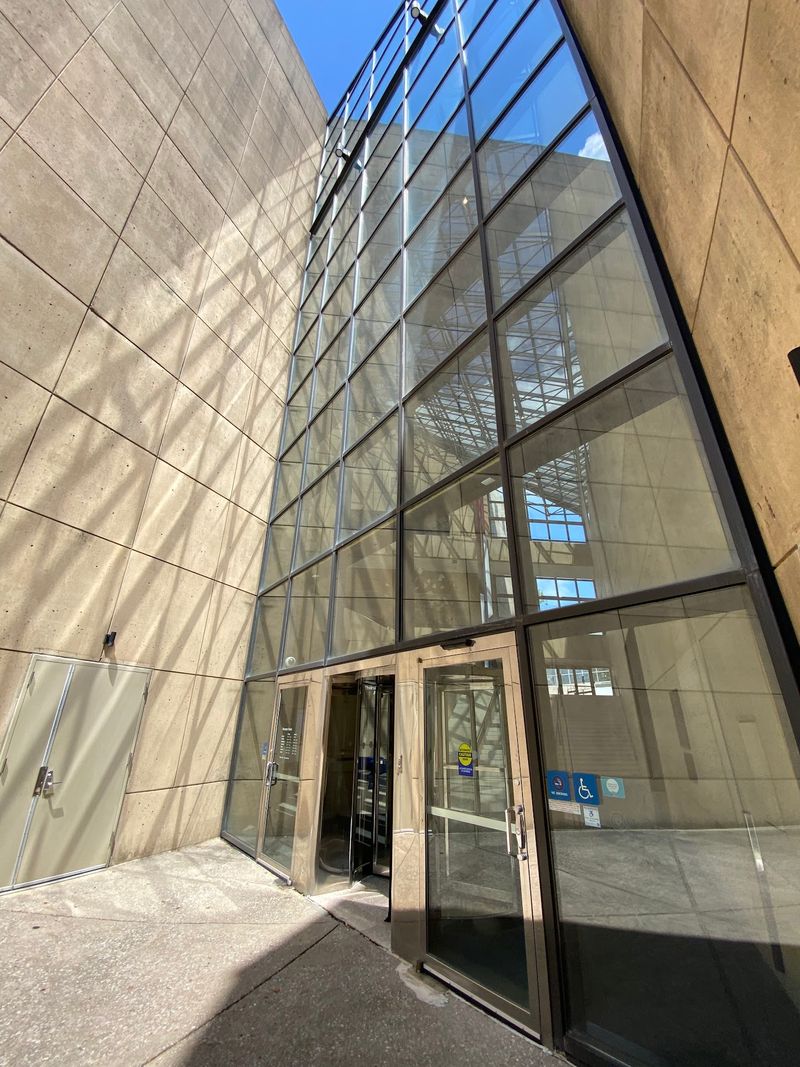
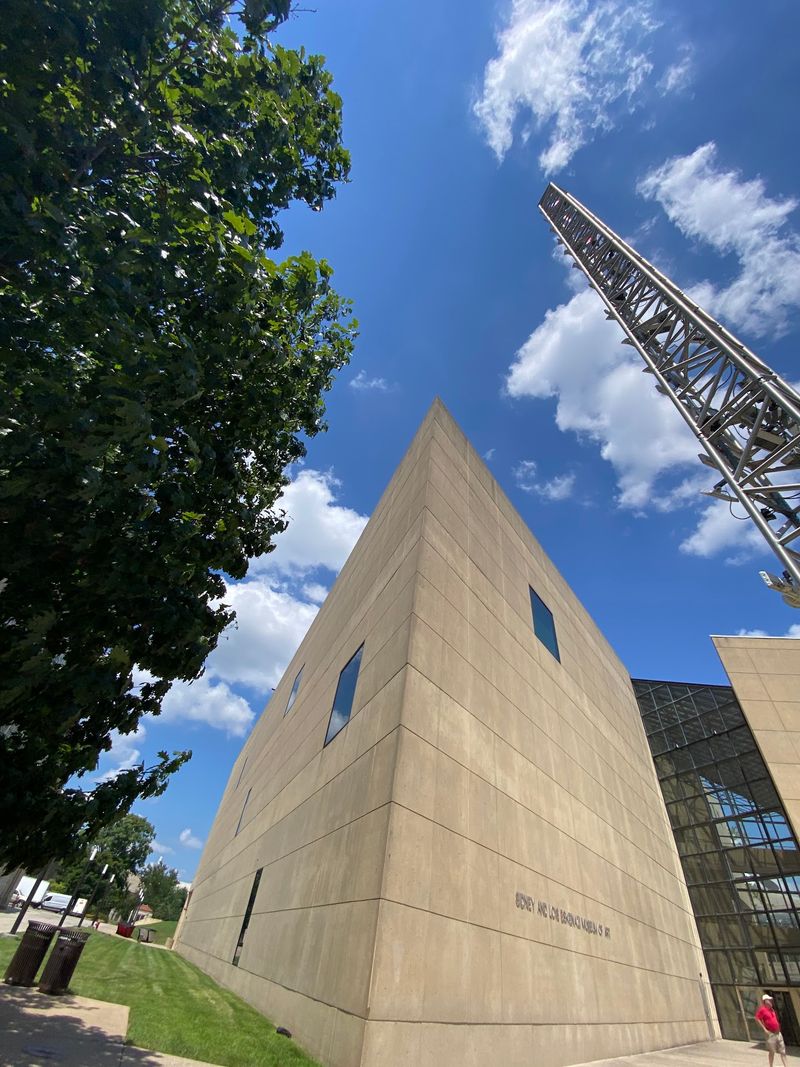
The structure has an angular look that people describe as modern and welcoming. Beautiful architecture is one of the topics that comes up most often when guests talk about the place.
Inside, the galleries are nicely laid out, and the building makes a good first impression before any art is even considered. Even skeptics tend to leave impressed.
The museum is not the largest one you will ever see, yet the curated selection feels thoughtful. Clean lines and open spaces keep the focus on the work.
Architecture fans can treat the building as a main exhibit. Everyone else gets a bonus show along with the art.
Under the Glass Atrium
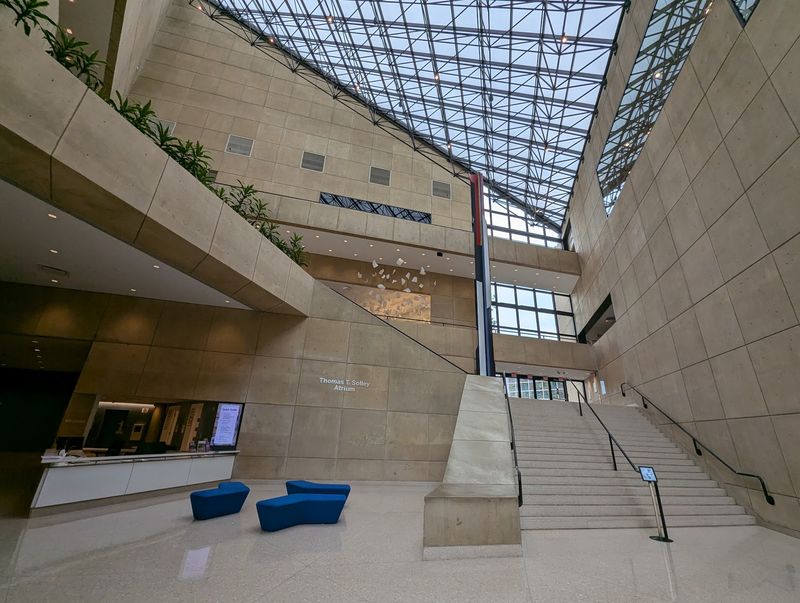
Winter visitors have a special reason to love the windows here. One guest said that as a student they would visit daily in the cold months just to sit under the amazing windows and watch the sky.
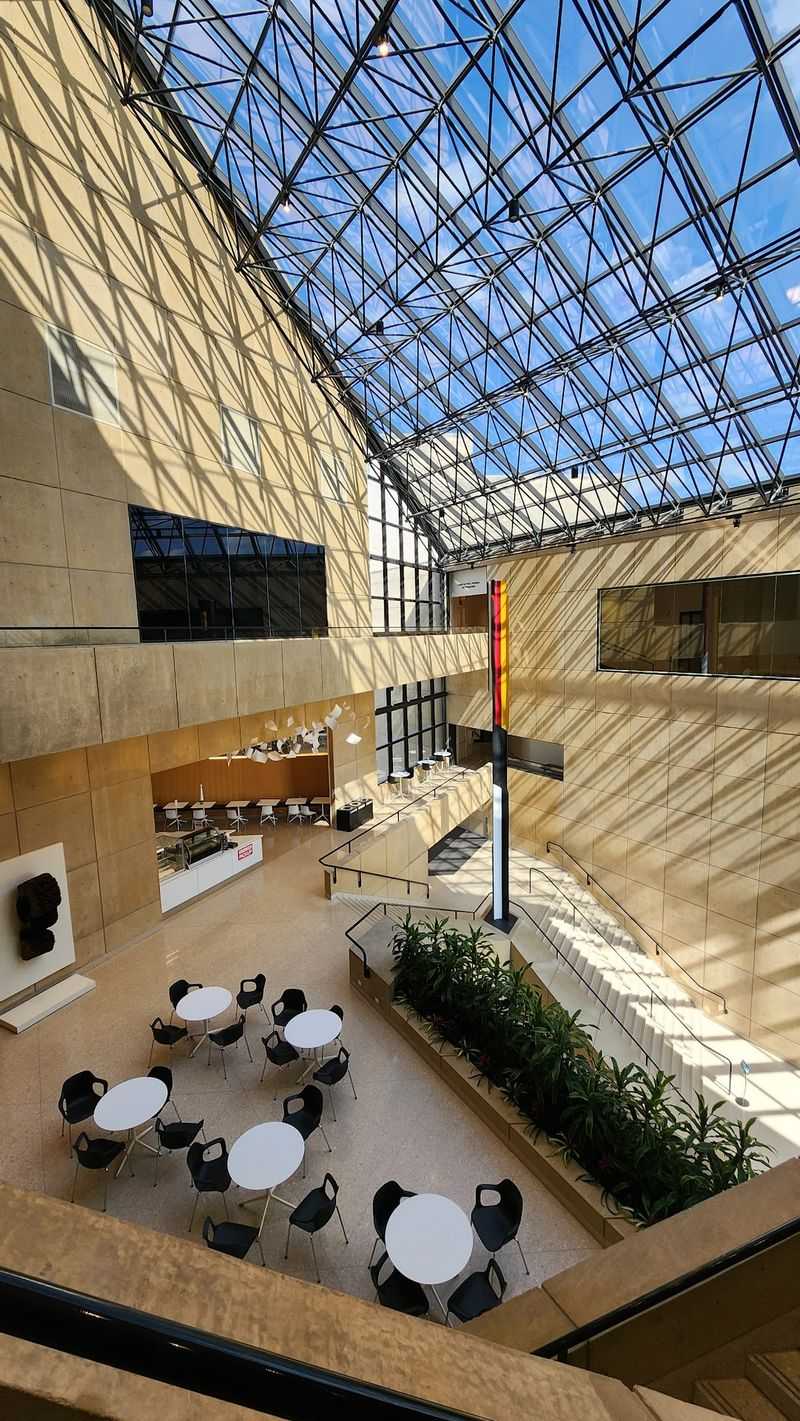
The glass-walled atrium is one of the museum’s signature features. It is massive, and it opens up the building with open air vistas that make the whole place feel bright.
Another guest described a pairing of classical masterpieces with a canopy of stars alongside more challenging modern abstract works. That mix of old and new gives the atrium area a reputation for surprises.
The atrium also helps with orientation. Once you find it, the three floors of galleries make more sense.
It makes a handy spot to pause between rooms. A few quiet minutes under the glass can reset your attention for the next gallery.
Picasso Without the Plane Ticket
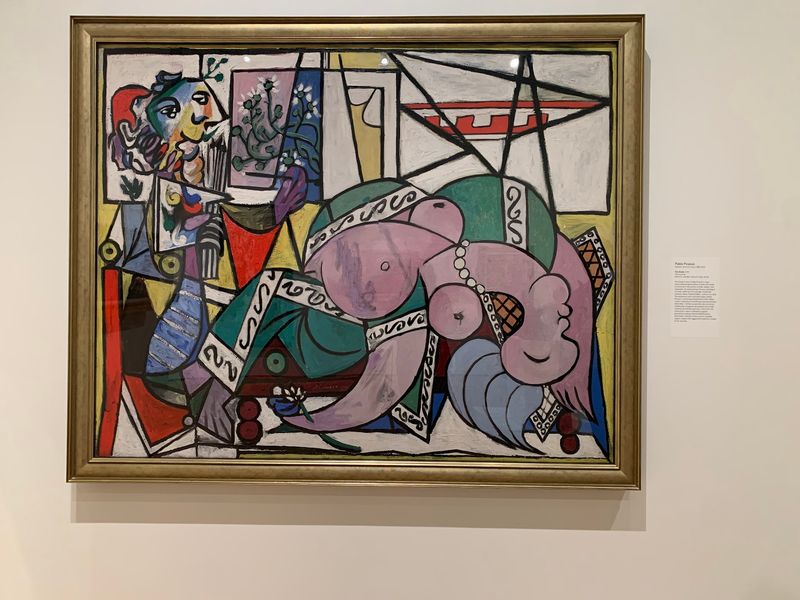
Thirteen mentions of Picasso make him the most talked-about name in the museum’s popular topics. Guests regularly mention seeing his work on display.
Other big names come up too. Pieces by Matisse, Rodin, and Jackson Pollock are noted by people who have walked the galleries.
One account mentions a Duchamp fountain, which delivers a fun jolt for fans of modern art. A Monet has also been noted, though a couple of guests found it was not on view during their trip.
That detail is worth keeping in mind. Rotating displays mean a particular painting may be resting in storage, so treat any single masterpiece as a bonus rather than a promise.
The upside is variety. With many other amazing artists on the walls, there is plenty to see even when a favorite takes a break.
Thousands of Years in Three Floors
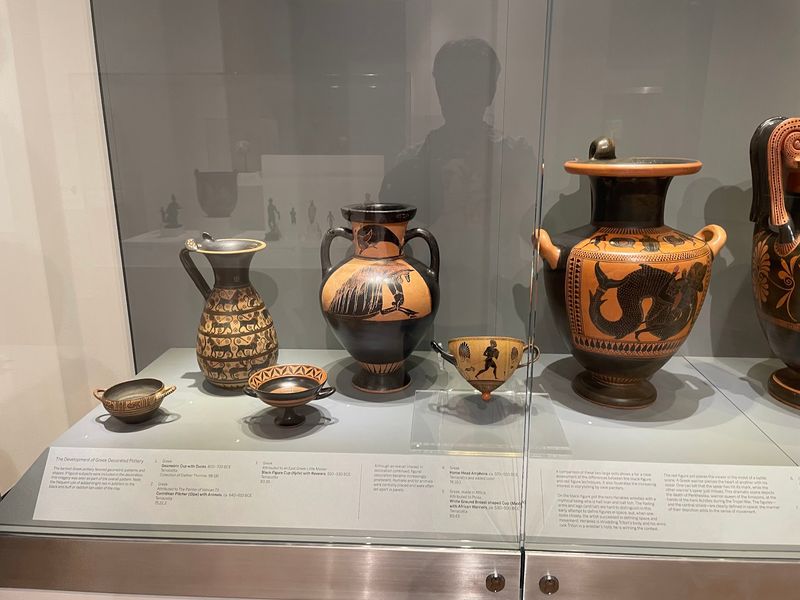
History buffs get a surprisingly deep trip through time here. Guests mention artifacts from Greece, Rome, and Egypt, along with pieces from Polynesia and the Tang and Ming dynasties.
The collection runs from ancient artifacts to contemporary works. That range makes the museum feel bigger than its footprint suggests.
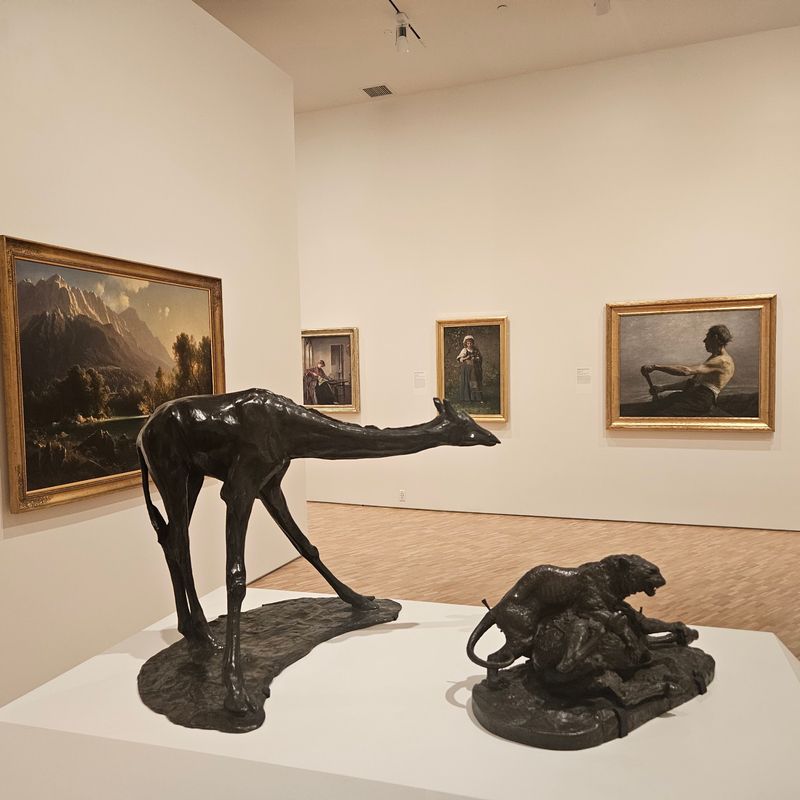
Sculptures and pottery sit alongside paintings, so the experience changes from room to room. Native American art and Asian art are part of the mix as well.
One guest called the historical artifact collection impressive. Another simply praised the great collection of art from all over the world.
With three floors, an elevator is available, though the stairs are described as pretty flat and easy to climb. Taking them slowly gives you time to connect each era to the next.
The African Art Wing That Changes Minds
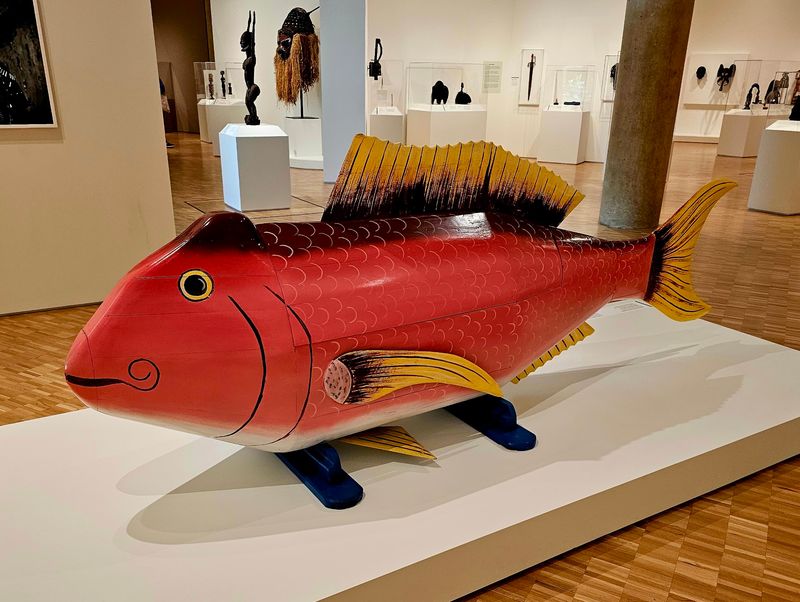
One guest said they would never look at African art the same way after time in this wing. That is a strong endorsement for a gallery tucked inside a campus museum.
Rare African masks are among the pieces people remember. Another guest called the African and Asian collections especially impressive, with pieces that offer a glimpse into different cultures.
Asian ceramics round out that global view. Together, the collections give the museum a worldly feel without needing to travel anywhere.
Learning is a big theme here. People describe leaving with new knowledge, which suits a museum attached to a university.
Slow looking pays off in these galleries. Reading the labels and taking a second lap can turn a casual walk into a real lesson.
Whimsy, Social Commentary, and Rotating Shows
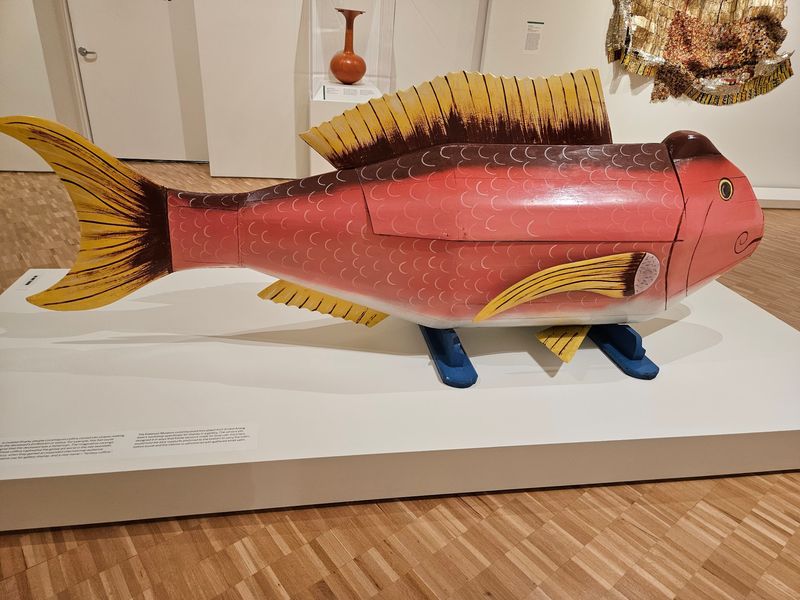
Not every wall is serious. One guest loved the whimsical modern art and the social commentary woven into it.
Rotating exhibits keep things fresh, and the topic comes up often enough to matter. A return trip may show you something entirely different.
A marine yarnwork exhibit left one guest calling it breathtaking. Another went mainly for the Steinberg exhibit and urged others not to miss it.
A video exhibit also earned a recommendation, even if the guest forgot its name. That kind of surprise is part of the charm.
Interactive art stations let people engage with works in a hands-on way. That is a nice touch for curious kids and adults who like to touch the edge of the experience.
A Quiet Pace for Wandering
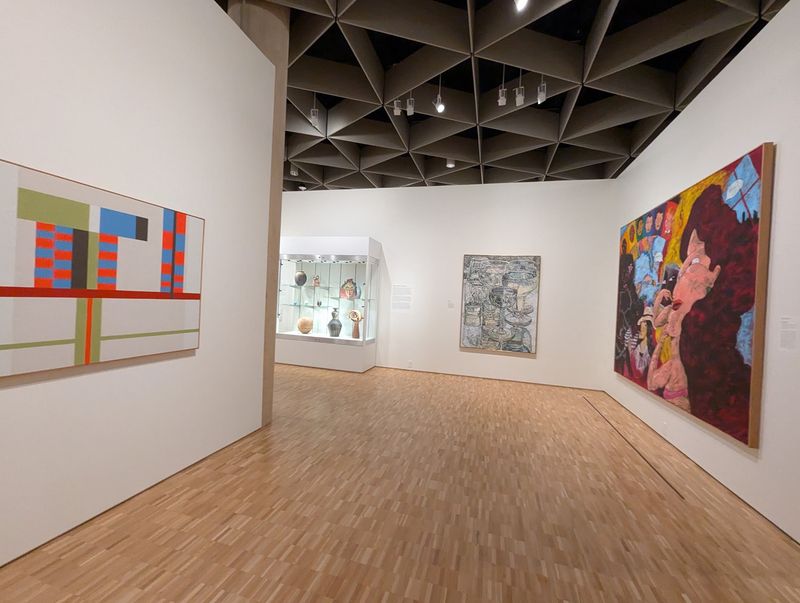
Calm is the word that fits best. Quiet atmosphere appears among the museum’s popular topics, and the galleries back it up.
Guests describe a very nice environment that is clean and educational. Student attendants walk the floors and are ready to help.
Docents are described as friendly and welcoming. Someone is stationed in each room, so questions rarely go unanswered.
One visitor suggested exploring slowly, and that advice holds up. The museum rewards people who linger.
Because it is a university museum, it can feel like a study break for the soul. Folks who prefer unhurried afternoons tend to love it.
Who Will Love It Most
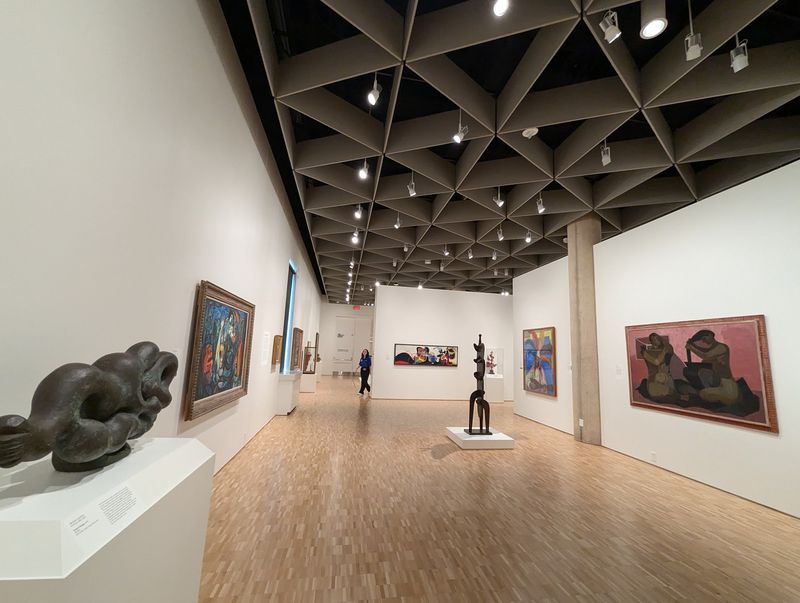
Almost anyone can find a reason to go. Art lovers, history fans, architecture admirers, and the merely curious all get something out of it.
Families can bring kids, since the interactive stations add a hands-on angle. Students and professors are right at home, given the setting on campus.
Accessibility gets particular praise. One family said staff were kind to a service dog and spoke directly to its handler, and that wheelchairs are available for use inside.
The same family noted that some of the doors are heavy, which made entering a few exhibits a bit tricky with a wheelchair. It is a helpful heads-up for planning.
Casual museum-goers are welcome too. A couple who do not usually seek out art left as fans.
Coffee, Pastry, and a Gift Shop Stop
A caffeine break fits neatly into the day. The museum has a coffee shop for those who want a boost before or after browsing.
The café also offers sandwiches and drinks, and one guest enjoyed a pastry there. That makes it easy to stay on site for a while.
The gift shop is another stop worth a few minutes. A guest recommended it for unique, art-inspired finds.
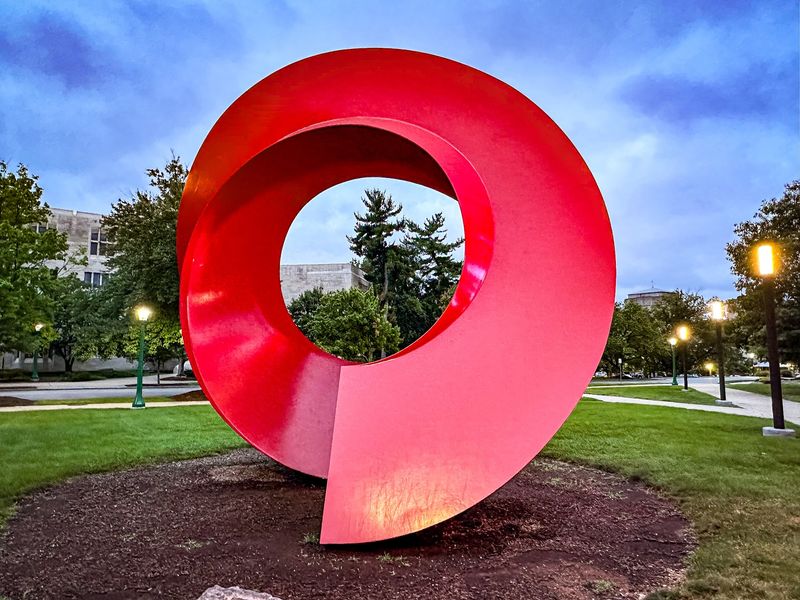
Pairing the museum with campus strolling is a suggestion that comes up often. Walking the grounds afterward turns the visit into a full outing.
Bloomington has plenty else nearby, so the museum works as the anchor of a bigger day. Take a break, then head back to a favorite gallery.
Hours, Tours, and Planning Ahead
The museum keeps limited hours, so a quick plan helps. It is open Tuesday, Wednesday, Friday, and Saturday from 10 am to 5 pm, and Thursday from 10 am to 7 pm.
Sunday hours run from 12 to 5 pm, and Monday is closed. Hours can change, so check the museum website before you go.
Free tours are offered, according to the listing. Allow at least one to two hours, and more if you are truly interested.
A guest called the hours limited but the visit worth it. Thursday evenings give a little extra room for after-work trips.
The official website is artmuseum.indiana.edu for current details. Checking it ahead of time avoids surprises.
Parking Smarts for a Free Visit
Admission is free, but parking is where costs can appear. Guests report paying around $12 to $15 for a stay of a couple of hours.
One guest explained the setup. Follow Google Maps nearly to the museum, then find the red attendant kiosk and get a ticket.
The rate was described as about $2.50 for every half hour. Someone who stayed about two and a half hours paid $15.
The museum responded with a useful tip. Bring your parking slip inside and have it validated for a discount on the parking fee.
Prices and policies can change, so confirm on the museum website. A little prep keeps the day budget friendly.
Worth Every Free Minute
A free museum with a 4.8-star average and this much to see is a find. Even the parking fee does little to dim the praise.
The mix of global art, a striking building, and a calm campus setting makes the case on its own. A day here can include galleries, a coffee break, and a stroll outside.
One guest called it a must visit when in town, and that sums up the mood. It is a Bloomington stop that Hoosiers can be proud of.
Go with curiosity, bring a bit of patience for parking, and leave time to wander. The art will handle the rest.


