
Affiliate disclosure: As an Amazon Associate I earn from qualifying purchases. Learn more
Deep in the woods along a winding Maryland river, crumbling stone walls poke out from the trees like clues to a story that time tried to erase. A whole community once thrived here, complete with a busy mill, rows of homes, and a church that still holds on today.
Then the people vanished, the buildings came down, and nature moved in to reclaim what was left. What remains is a quiet trail lined with foundations, rusted metal, and the strong hush of a place that used to hum with activity.
Hikers who wander this stretch often feel a strange mix of curiosity and unease, wondering who walked these paths before them. Keep reading to uncover where this hidden spot sits, what happened to the town, and why the ruins keep pulling explorers back for another look.
A Ghost Town Hiding Along the Patapsco
Tucked into the landscape at Maryland 21444, in the area listed simply as Maryland 21244, this abandoned settlement straddles the Patapsco River. It sits east of Woodstock and north of Old Ellicott City, spread across both Baltimore and Howard counties.
The name that clings to these ruins is Daniels, a former mill town that slowly emptied out and faded from everyday maps. What is left now reads more like an outdoor museum than a living town.
Stone foundations, scattered bricks, and the skeleton of old industry peek through the underbrush. The river runs right alongside the paths, tying the whole place together the way it once powered the mill.
Reaching the site takes a bit of effort, since there is no flashy welcome sign or ticket booth waiting at the entrance. That plainness is part of the appeal, because it keeps the location feeling untouched and a little mysterious.
Explorers who track it down find a spot where history sits quietly under a canopy of trees. It rewards the curious who are willing to trade convenience for the chance to stand inside a vanished community.
From Booming Mill Village to Silent Woods
Long before the trees took over, this stretch of riverbank buzzed with the rhythm of a working mill village. Families lived here, worked here, and built a tight community around the industry that gave the town its purpose.
The heart of it all was the Daniels Mill, a site now recognized on the National Register of Historic Places. That listing signals just how important this location was to the region’s early industrial story.
Homes, shops, and gathering places once filled the surrounding area, forming a full neighborhood rather than a lonely factory. People raised children, attended services, and went about ordinary routines here for generations.
Over time, the town lost its footing as industry shifted and the community scattered. Buildings were removed or left to weaken, and the population dwindled until almost nothing remained standing.
Nature wasted little time filling the gaps left behind. Vines climbed the old walls, saplings pushed through cracked floors, and the forest quietly folded the town back into itself, leaving only stubborn traces of what used to be.
The River That Built and Emptied a Town
Water shaped nearly everything about this place, from its earliest days to its final chapter. The Patapsco River provided the power that turned the mill and gave the town a reason to exist right where it does.
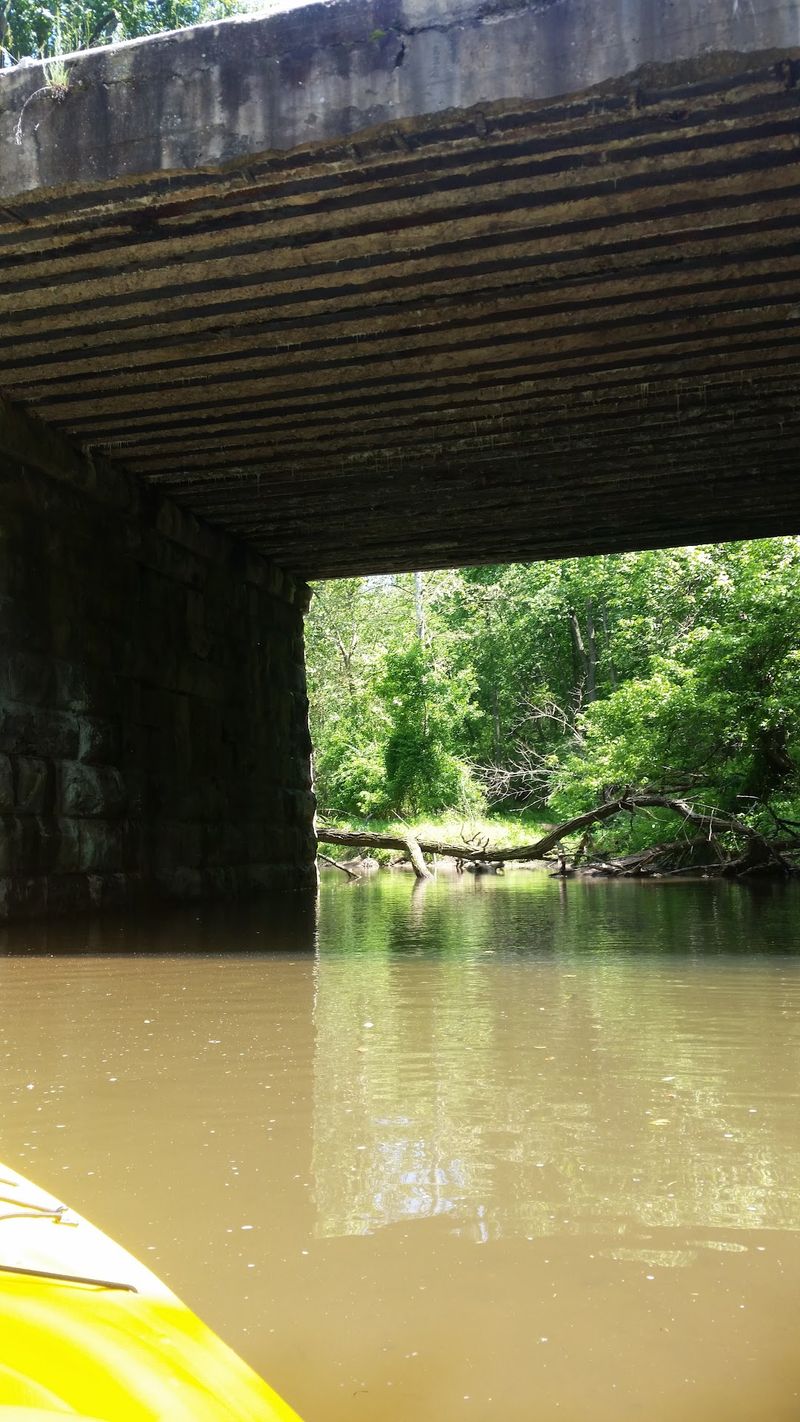
Following the river today, hikers trace the same route that once carried the lifeblood of local industry. The current still moves steadily past the ruins, indifferent to the changes that swept the community away.
That same river also played a role in the town’s decline, since flooding along the Patapsco has long challenged the settlements built beside it. The valley has weathered repeated high water over the years.
Now the waterway serves a gentler purpose, offering a scenic companion for anyone walking the trails. It creates natural stopping points where explorers can pause and take in the surroundings.
The pairing of flowing water and silent stone gives the area its distinct character. It stands as a reminder that the very thing that raised the town also helped usher it into memory.
Stone Foundations Peeking Through the Trees
Scattered across the forest floor, the remaining foundations tell a fragmented story of a once complete town. Low stone walls mark where homes and buildings stood, now framed by trees instead of streets.
Some sections rise high enough to hint at their original shape, while others survive only as faint outlines in the ground. Piecing them together becomes a quiet game for anyone exploring the area.
Moss and greenery blanket much of the stonework, softening the hard edges that machines and hands once cut. The forest has claimed these structures as its own decoration.
Wandering among them, visitors get a real sense of how large the community truly was. The spread of ruins across the landscape shows this was no tiny outpost but a genuine village.
Each foundation invites a little imagination about the lives once lived within its walls. Standing beside them turns a simple walk in the woods into a walk through layers of the past.
The Church That Refused to Disappear
While most of the town crumbled into scattered stone, one structure managed to hold its ground. A church remains among the surviving landmarks, standing as a quiet anchor for the vanished community.
Its presence gives the site a focal point that most abandoned places lack. Where homes and shops fell away, this building endured to mark where people once gathered.
Seeing an intact structure among so many ruins creates a striking contrast. The church seems to guard the memory of the town, refusing to fade the way its neighbors did.
For explorers, it offers a tangible link to the daily rhythms that once filled the valley. It represents the social heart of a place that was more than just a workplace.
The building stands as proof that not everything here surrendered to time and forest. Its survival adds a layer of meaning to a location otherwise defined by absence.
A Quiet That Sends a Chill
Few places carry the kind of stillness found among these overgrown ruins. The absence of a busy town, once so full of activity, leaves behind a hush that many find hard to shake.
Walking through the remains, explorers often describe a strange feeling of being somewhere that used to matter deeply. The knowledge that a whole community lived here adds weight to every quiet step.
That eerie mood is exactly what draws many people to the site in the first place. The blend of history and emptiness creates an atmosphere that lingers long after the walk ends.
Curiosity mixes with a slight unease as visitors imagine the town at its peak versus what stands today. The contrast is what gives the location its haunting reputation.
For those who enjoy places with a story hiding beneath the surface, the mood here delivers. It turns a forest ramble into an encounter with a fading past.
Who Will Love Wandering These Ruins
History buffs tend to fall hard for a spot like this, where the past is scattered right at their feet. The chance to explore a genuine ghost town without ropes or glass cases holds real appeal.
Hikers looking for more than a plain trail also find plenty to enjoy here. The combination of river, woods, and ruins keeps the walk interesting from start to finish.
Photographers gravitate toward the moody scenery, where stone and greenery tangle together in endless combinations. Every corner offers a fresh subject for the lens.
Families with older children who like a bit of adventure can make a memorable outing of it too. Searching for foundations becomes a treasure hunt through the trees.
Anyone drawn to quiet, offbeat destinations rather than crowded attractions will feel right at home. The place rewards patience, curiosity, and a willingness to explore off the beaten path.
Finding Your Way to the Vanished Town
Getting here calls for a little planning, since the site sits in a wooded stretch rather than along a main road. The general location falls within Maryland 21244, tucked between Woodstock and Old Ellicott City.
The ruins spread across both Baltimore and Howard counties, straddling the Patapsco River in a valley setting. That river valley position is the key to orienting yourself when you arrive.
There is no formal ticket booth or grand entrance to look for, which fits its abandoned character. Instead, explorers reach the area on foot along trails that follow the water.
Sturdy shoes and a willingness to walk are the main requirements for a visit. The uneven, natural terrain rewards those who come prepared for a real outdoor outing.
Because the setting is remote and undeveloped, checking current access conditions before heading out is a smart move. Planning ahead helps ensure the trip goes smoothly.
Why the Ruins Keep Calling Explorers Back
Some destinations stick with people long after they leave, and this hidden mill town is one of them. The mix of history, nature, and quiet mystery leaves a lasting impression.
What began as a busy village powered by the Patapsco River now survives as scattered stone and one enduring church. That transformation from thriving town to silent woods is the heart of its pull.
The National Register listing for the Daniels Mill underscores that this is a place worth remembering. It carries genuine historical value beneath its wild, overgrown surface.
Explorers keep returning because each visit offers a chance to notice something missed before. A new foundation, a different view of the river, or a fresh sense of the town’s scale.
Standing among the remains connects visitors to a community that time nearly erased. For those willing to seek it out, this forgotten corner of Maryland offers a quiet reward that is hard to find anywhere else.