Affiliate disclosure: As an Amazon Associate I earn from qualifying purchases. Learn more
Georgia has plenty of busy roads that lead to busy places, but a few quiet spots still sit off to the side, waiting for anyone curious enough to pull over. One of those spots is Scull Shoals, an old mill village along the Oconee River that most drivers zip right past without ever knowing it exists.
Once a working town with a paper mill and a cotton factory, it slowly emptied out and returned to the woods. Today you can walk among crumbling ruins, read historic markers, and picture what daily life looked like long ago.
This list walks you through what makes Scull Shoals worth a visit, what you can actually see there, and how to plan a simple trip. If you like history, easy walks, and places that feel wonderfully quiet, keep reading.
1. Scull Shoals Historic Site, Greene County, Georgia
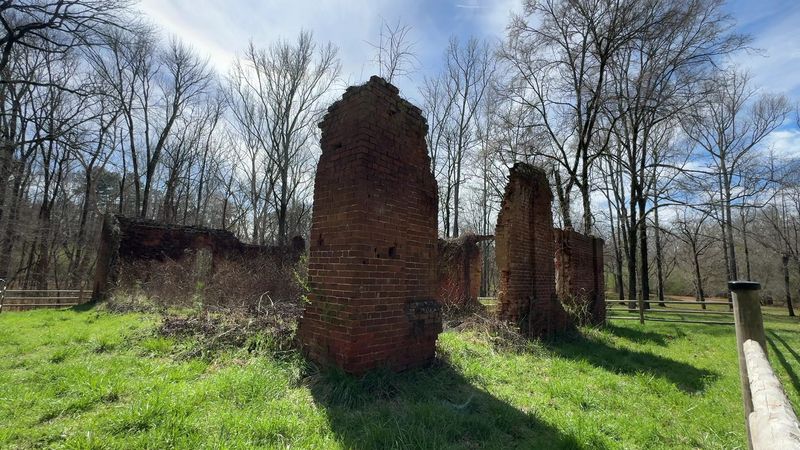
Deep inside the Oconee National Forest, the remains of Scull Shoals sit quietly along the river where a bustling village once stood. Settlers arrived here in the late 1700s, drawn by the water power the Oconee River could provide.
By the 1800s the community had grown into a real industrial town, complete with mills, homes, stores, and a busy riverfront. Today what is left are brick ruins, stone foundations, and scattered pieces of the old buildings.
What makes this stop stand out is how peaceful it feels compared to how loud and productive it once was. You can wander freely, read the informational signs, and let your imagination fill in the gaps.
Admission is free, and the site is managed as part of the national forest. It is a low-key place, so bring water and plan for a walk in the woods rather than a polished tourist attraction.
2. The Old Paper Mill Ruins, Scull Shoals, Georgia
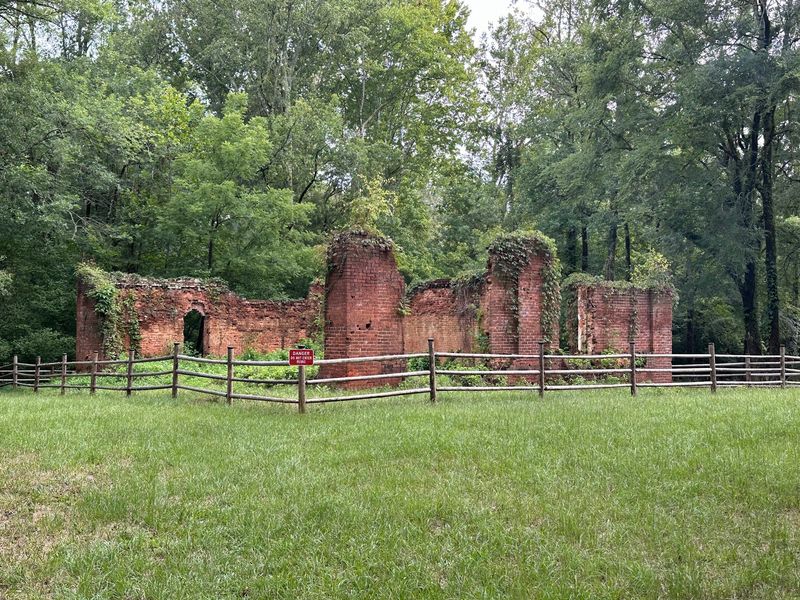
Long before Georgia had big factories in its cities, Scull Shoals was already making paper. The paper mill here is often noted as one of the earliest of its kind in the state.
Water from the Oconee River turned the machinery, and the mill helped put this little village on the map. Over the years the operation shifted toward textiles, but the industrial roots ran deep.
Standing near the ruins, you can still make out sections of brick walls and the shapes of old structures. Signs at the site help explain what each area once was, which makes the visit feel like a self-guided history lesson.
I like this part of Scull Shoals because it connects a quiet forest clearing to a much bigger story about early Georgia industry. It is the kind of detail that surprises people who assumed nothing important ever happened out here.
3. The Oconee River Waterfront, Scull Shoals, Georgia
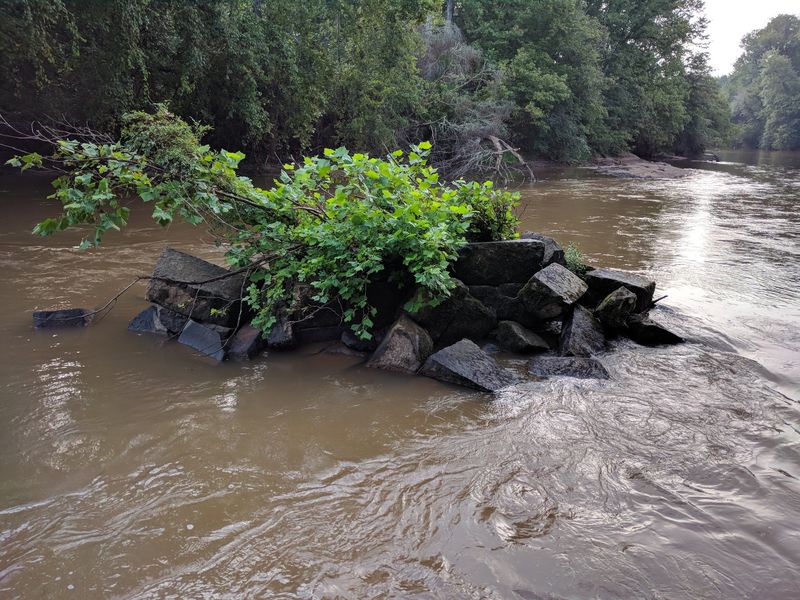
Every part of this story starts with the river. The Oconee River was the reason people settled here in the first place, and its shoals gave the town both its power and its name.
Walking down to the water, you get a clear sense of why early settlers picked this exact spot. The current was strong enough to run mills, and the land nearby was good for farming.
The riverbank today is calm and scenic, with trees lining the water and rocky sections breaking up the flow. It is a nice place to pause, take photos, and simply enjoy being somewhere quiet.
Because it sits within the national forest, the setting stays natural and undeveloped. Bring bug spray in warmer months, and watch your footing near the water, especially after rain.
4. Historic Markers and Interpretive Signs, Scull Shoals, Georgia
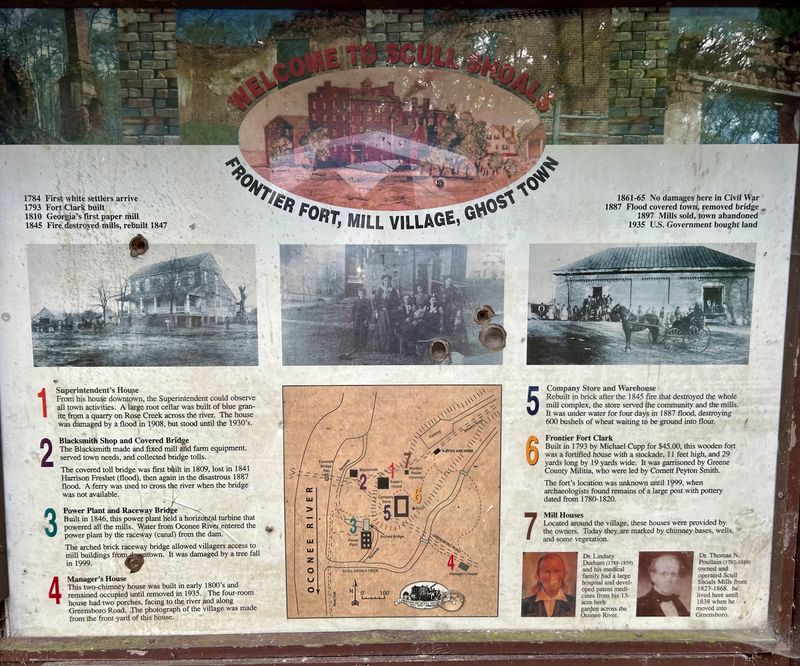
Without a little help, an empty clearing in the woods can be hard to understand. That is where the interpretive signs at Scull Shoals really earn their keep.
Scattered along the walking area, these markers explain what stood where and how the village functioned day to day. They cover the mills, the homes, and the rise and decline of the community.
Reading them turns a simple walk into a genuine history tour. You start to see the outlines of streets and buildings that have long since faded into the landscape.
For families, the signs make the trip more educational without feeling like homework. Kids can hunt for each marker and piece together the town’s timeline as they go.
It is a small touch, but it changes the entire visit from confusing to fascinating.
5. The Forest Trails and Walking Paths, Oconee National Forest, Georgia
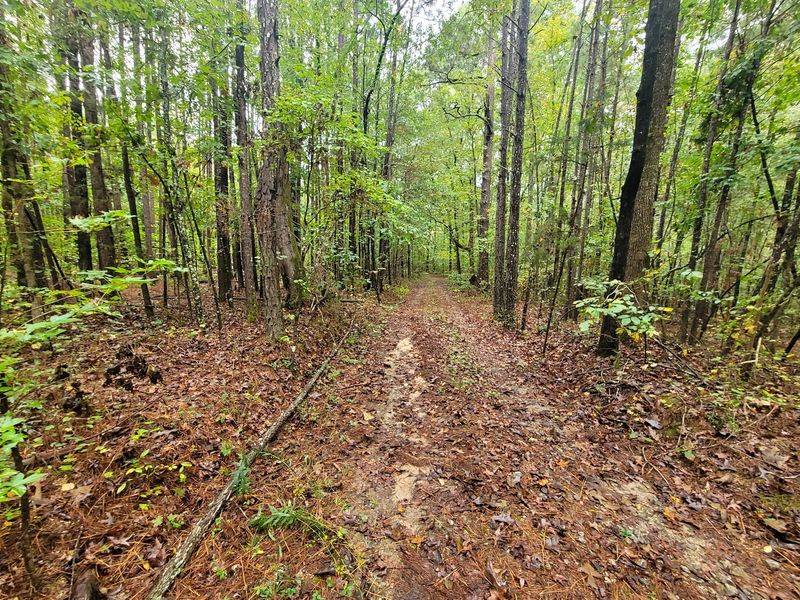
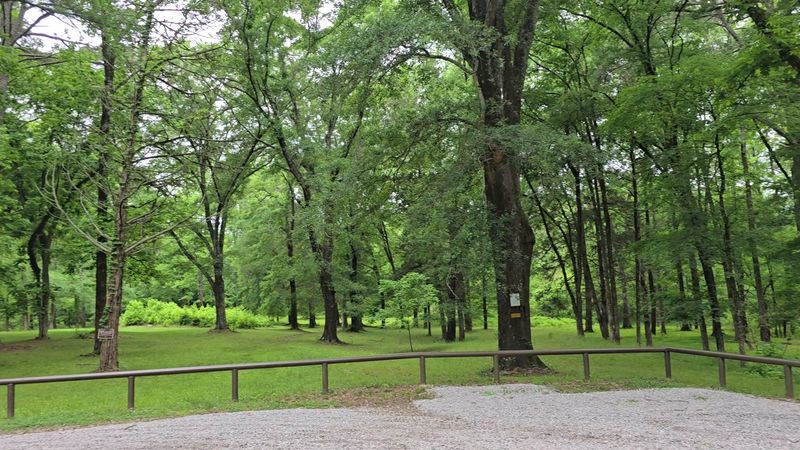
Getting to the heart of Scull Shoals means walking a bit, and that is part of the charm. The site sits within the Oconee National Forest, surrounded by trails and quiet woodland roads.
The paths are generally flat and easy, making them friendly for casual walkers and older kids. You move from shaded forest into open clearings where the ruins appear.
Along the way you might spot wildlife, wildflowers, or simply enjoy the stillness that comes with being far from traffic. Cell service can be spotty, so download directions before you head out.
Because this is a remote area, come prepared with sturdy shoes and water. The reward is a peaceful walk that ends at a place with real history.
I would save this one for a cool, clear day when a slow forest stroll sounds better than a crowded destination.
6. The Nearby Indian Mounds and Regional History, Greene County, Georgia
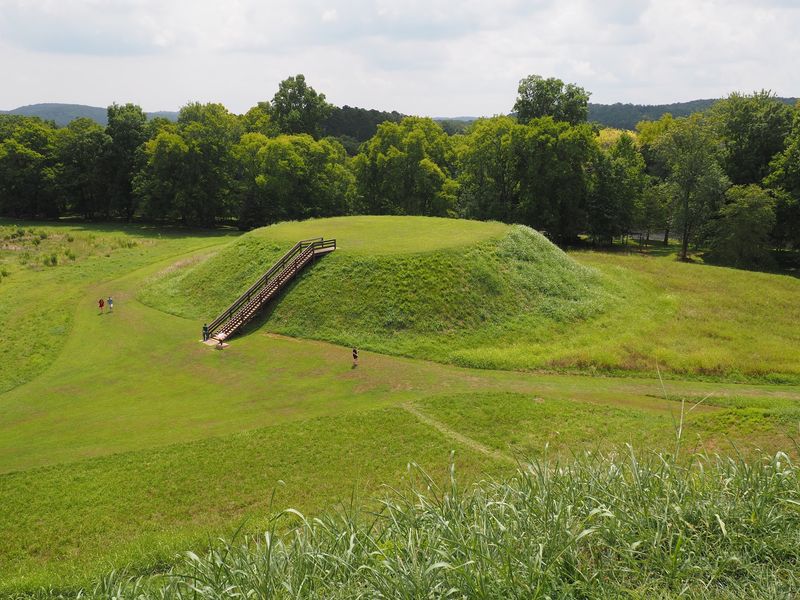
People were living along this stretch of the Oconee River long before any mill was built. The broader area holds evidence of Native American settlements, including earthen mounds that speak to a much older story.
Some of these historic sites sit within the Oconee National Forest region, adding centuries of history to an already layered landscape. It is a reminder that Scull Shoals was just one chapter in a very long book.
Understanding this deeper timeline makes the whole visit richer. You are not just looking at an abandoned 1800s town, you are standing in a place people valued for generations.
If you enjoy history that goes beyond a single era, this context is worth learning before your trip. Check with the forest office for details on which sites are accessible.
7. Planning Your Visit, Greene County, Georgia
Reaching Scull Shoals takes a little planning, since it is not the kind of place with a big sign off the highway. The site sits in a rural part of Greene County within the Oconee National Forest, roughly between Athens and Greensboro.
Getting there usually involves some gravel forest roads, so a vehicle that handles rougher surfaces helps. Going after heavy rain is not ideal, as roads can get muddy.
Admission is free, and there are no staffed buildings, so plan to be self-sufficient. Pack water, snacks, insect repellent, and good walking shoes.
Morning visits in spring and fall tend to be the most comfortable, with cooler temperatures and easier walking. Print or download directions ahead of time, since signal out here can disappear.
Taken together, all these pieces make Scull Shoals a quiet, rewarding stop for anyone who likes history, easy walks, and places that most travelers never notice. Sometimes the best discoveries are the ones sitting silently just off the road.