
Affiliate disclosure: As an Amazon Associate I earn from qualifying purchases. Learn more
High on a mountainside in central Arizona sits a town that once buzzed with thousands of copper miners and then nearly emptied out completely. Its streets bend and tilt at odd angles, clinging to a slope so steep that houses seem to stack on top of one another.
Today those crooked lanes are lined with art galleries, small wineries, and old buildings that hold more than a century of stories. This is a place many longtime Arizona residents forgot was even here, tucked between Sedona and Prescott.
Keep reading to find a hilltop settlement that refused to fade away.
A Copper Town Clinging to Mingus Mountain
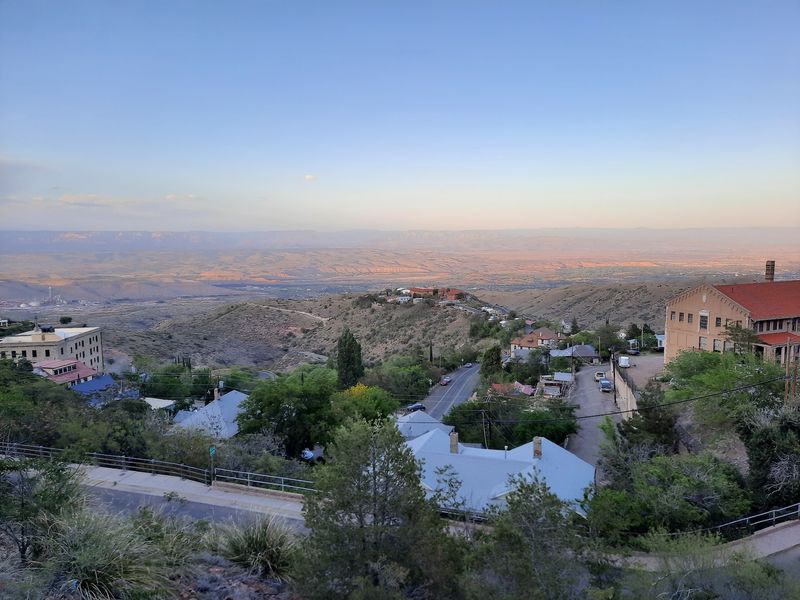
Perched on the side of Mingus Mountain in central Arizona, Jerome carries the simple mailing area of Arizona 86331. The town sits between the red rocks of Sedona and the pines near Prescott, which makes it an easy detour for anyone crossing that stretch of the state.
What sets it apart is the terrain. Buildings were constructed on such a sharp incline that the roads twist and switchback across the hillside, giving the whole place its famously crooked layout.
Copper was the reason it all began. Miners arrived to work the rich deposits, and the settlement swelled into a busy hub during its peak years.
When the mining slowed, most of the population left, and Jerome earned a reputation as a near-empty hillside town. Instead of fading away entirely, it found a second life as a small community of artists and shopkeepers.
Walking here means climbing and descending constantly, following streets that seem to defy the mountain. That tilted, stacked quality is exactly what makes the town so memorable to explore on foot.
When Copper Was King
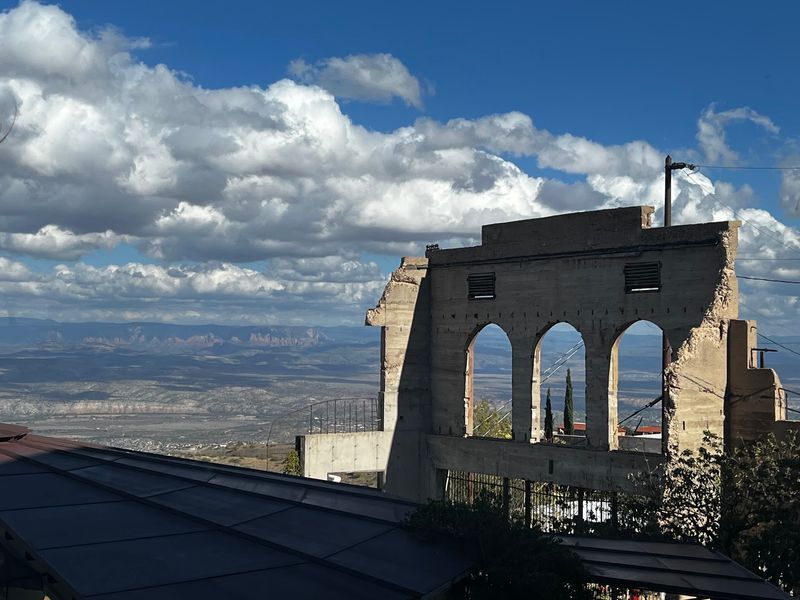
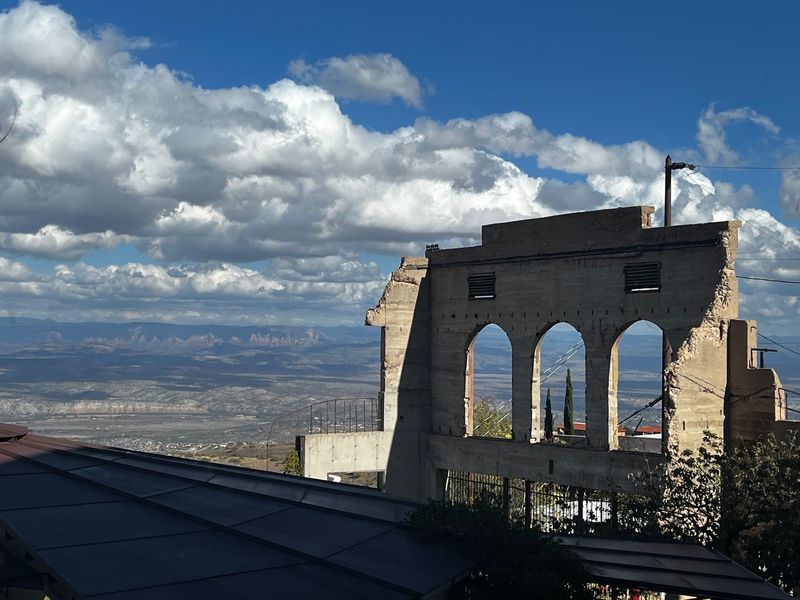
Fortunes were once dug straight out of this mountain. Jerome grew up around copper mining, and for decades the ore pulled from the ground fueled its rise from a rough camp into a genuine boomtown.
At its height, thousands of people called the slopes home. Workers, families, and business owners packed into buildings wherever there was space flat enough to hold them.
The mining operations shaped everything about daily life here. Homes, shops, and public buildings all sprang up to serve the crews working the shafts below.
Booms rarely last forever, though. As the copper played out and operations wound down, the crowds thinned dramatically and the town nearly emptied.
That dramatic swing from bustling to nearly abandoned is a big part of why Jerome fascinates people today. The bones of the mining era are still standing, preserved by the very quiet that once threatened to erase the place.
Understanding this history gives every crooked street and weathered wall more meaning. You are not just walking through an old town, you are walking through the leftovers of one of Arizona’s great copper stories.
The Mine Museum and Its Stories
Curious minds usually start their visit at the Mine Museum, which digs into Jerome’s past as a booming copper-mining town. It packs a lot of local history into a single downtown stop.
Displays here trace how the town grew, how the mines operated, and how everyday people lived through the busy years. For anyone who wants context before wandering the streets, it is a smart first stop.
The museum helps connect the physical town you see outside with the industry that created it. Old artifacts and photographs turn abstract history into something you can actually picture.
Because Jerome’s story swings between boom and near-abandonment, the museum plays an important role in keeping those details alive. It anchors the town’s identity in something concrete.
Kids and adults alike tend to find the mining history genuinely interesting, especially once they realize the shafts run deep beneath the very hillside they are standing on. It reframes the whole visit.
Spending a little time here early makes the rest of the day richer. The crooked streets suddenly read like chapters in a book you have already started.
Douglas Mansion at the State Historic Park
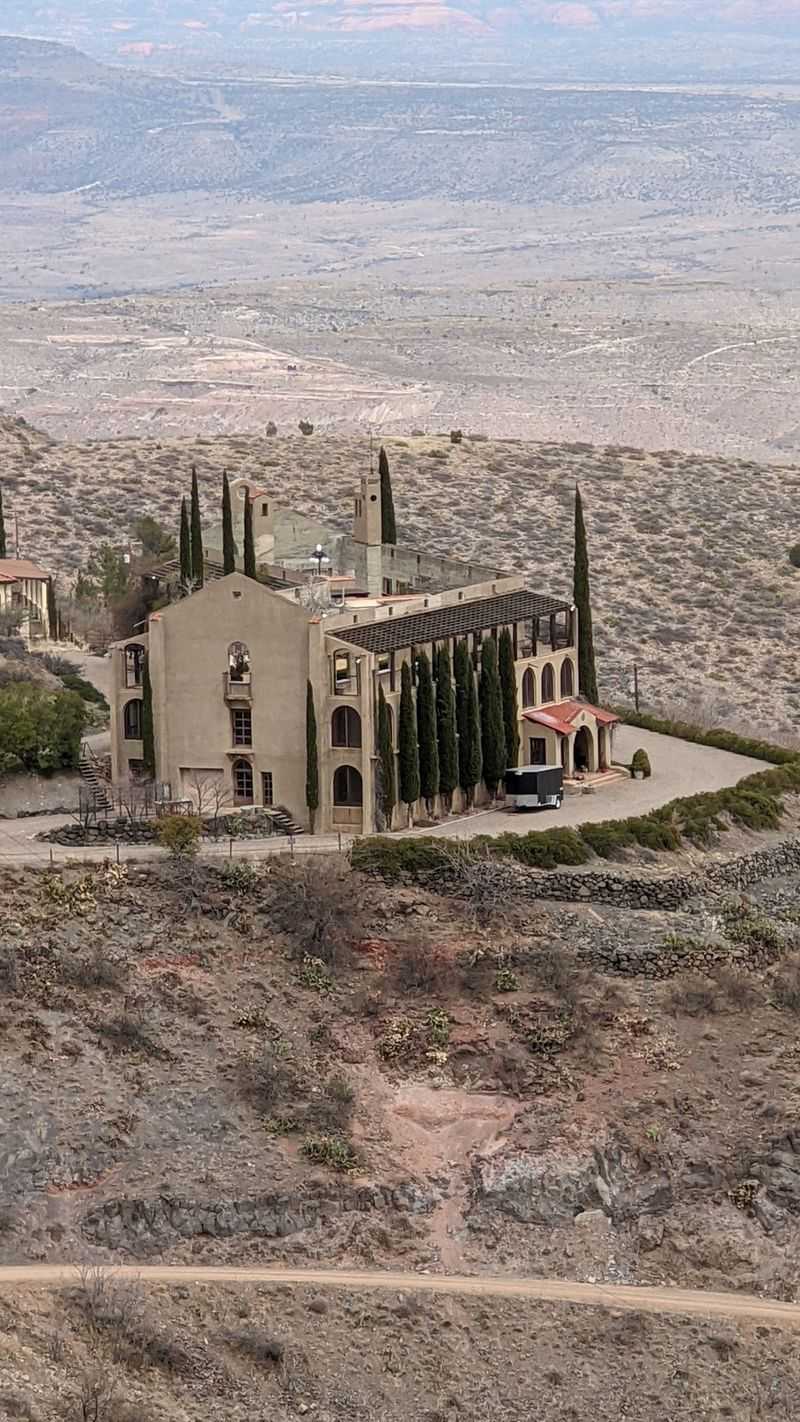
Grand homes are rare in a rough mining town, which is what makes the Douglas Mansion stand out. Built in 1916 by a mining magnate, it now anchors Jerome State Historic Park.
The mansion offers a look at how the wealth generated by copper translated into comfort for those at the top. It is a striking contrast to the working-class housing that filled much of the town.
As part of the state historic park, the site preserves both the building and the broader story of Jerome’s mining era. It gives the town an official piece of Arizona’s protected history.
The setting itself is worth the trip, with the mansion positioned to take in views of the surrounding valley and mountains. The location alone speaks to the status of the family who built it.
Between the architecture and the history, the mansion draws people who want more than a stroll through shops. It rewards a slower, more thoughtful visit.
For families exploring the area, the park bundles history and scenery into one convenient stop. It is an easy addition to any Jerome itinerary.
Standing Over a 1918 Mine Shaft
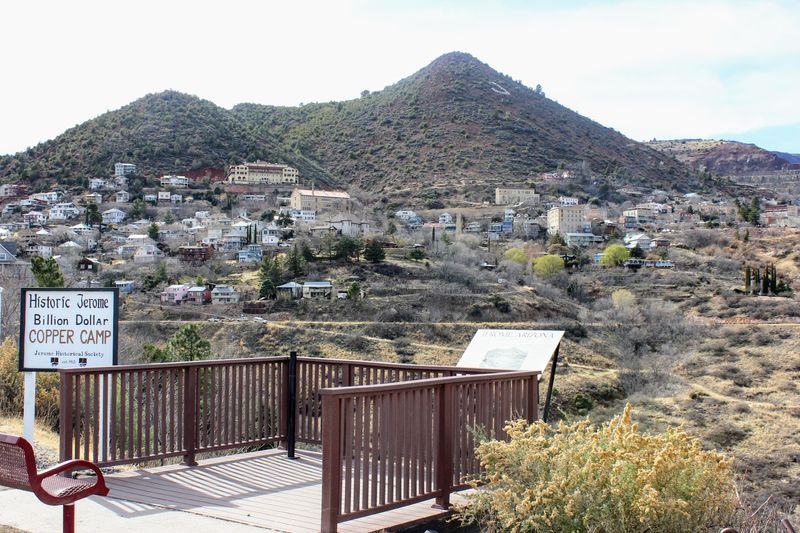
Few spots let you stand directly above a mining shaft, but Audrey Headframe Park does exactly that. A glass viewing platform sits over a mine shaft that dates back to 1918.
Looking down through the glass gives a real sense of just how deep miners once worked below the surface. It turns an abstract idea into a genuinely memorable moment.
The headframe itself is a piece of mining equipment history, and pairing it with the glass floor makes the site both educational and slightly thrilling. It is a clever way to preserve the past.
Because it is a small park, a visit here does not take long, which makes it easy to fit alongside the museum and mansion. It packs a strong impression into a compact space.
Anyone with a fear of heights may feel a flutter standing over that drop, and that reaction is honestly part of the appeal. The shaft plunges far deeper than most people expect.
It is one of those stops that sticks in your memory long after you leave. Standing over 1918 engineering is not something you do every day.
Galleries and Wineries Along Downtown
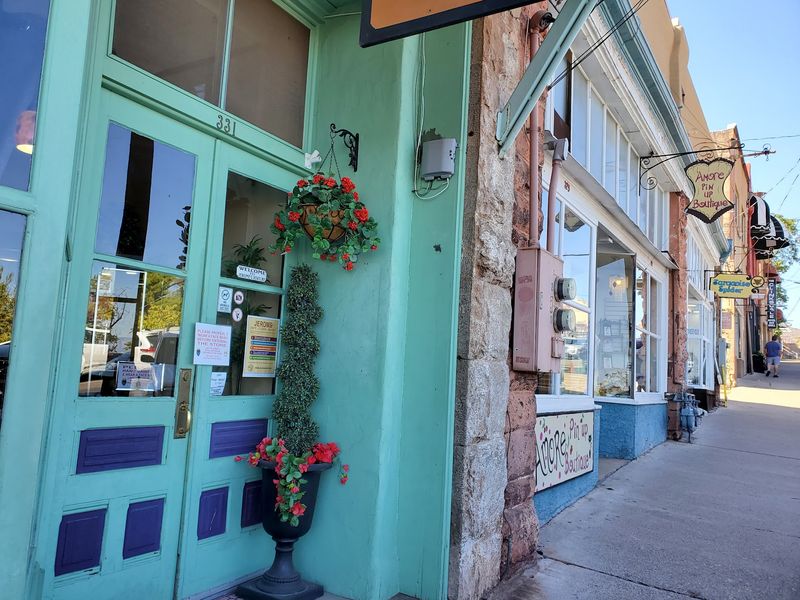
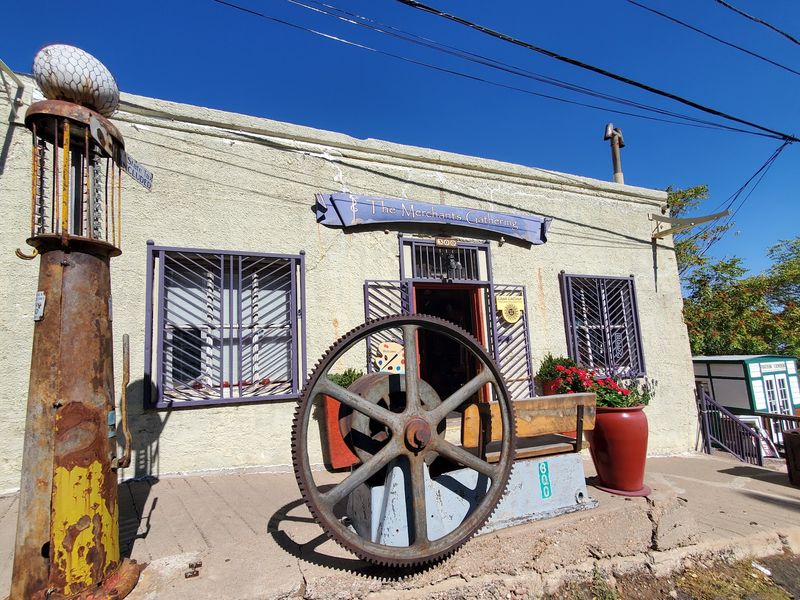
Art breathed new life into these old buildings after the mining crowds moved on. Galleries and small wineries now dot the downtown area, filling storefronts that once served a very different clientele.
The galleries showcase a range of work, giving the town a creative energy that fits its quirky, tilted streets. Browsing them is one of the main draws for a lot of people who come through.
Small wineries add another layer to the downtown scene, offering a relaxed way to spend part of an afternoon. They have become a signature part of the modern Jerome experience.
What makes it all feel special is the setting. Shopping and browsing happen inside genuinely historic structures perched on a steep slope, so the atmosphere is unlike a typical shopping district.
The mix of art and small businesses is exactly what saved the town from being forgotten entirely. Creativity filled the space that copper left behind.
Wandering from door to door along the crooked lanes is the heart of a Jerome visit. Each stop feels a little like a discovery.
Tuzigoot and the Ancient Pueblo Nearby
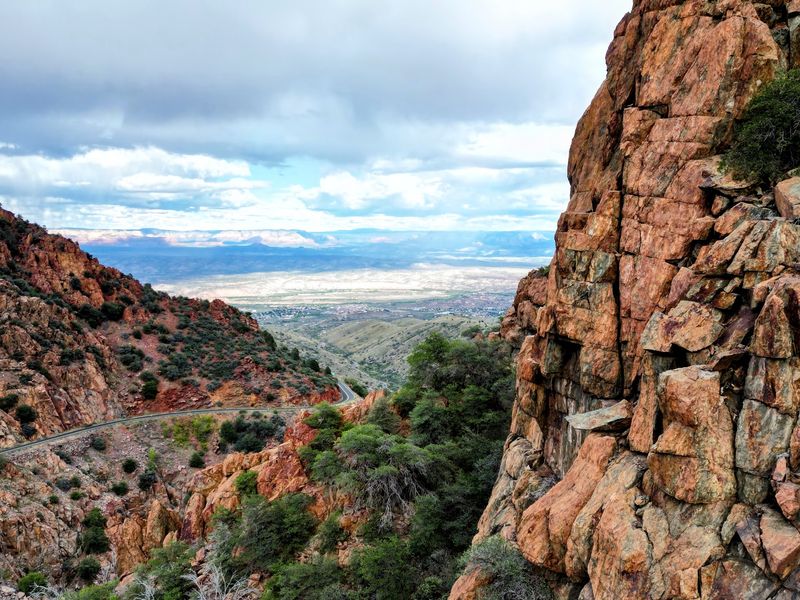
History here runs far deeper than the copper era. To the east of Jerome, Tuzigoot National Monument preserves an ancient hilltop pueblo that predates the mining town by centuries.
The monument protects the remains of a settlement built by people who lived in the region long ago. It offers a completely different chapter of the area’s past.
Its hilltop position gives sweeping views over the surrounding Verde Valley, which alone makes the short trip worthwhile. The setting is as much a draw as the ruins themselves.
Pairing Tuzigoot with a Jerome visit turns a day trip into a fuller journey through Arizona history. You move from ancient pueblo life to boomtown mining in a single afternoon.
For families and history fans, the monument adds real depth to the region. It reminds visitors that people have been drawn to these hills for a very long time.
Being so close to town, it is an easy and rewarding addition. Few places let you stack such different eras of history so close together.
Who Will Love Wandering Here
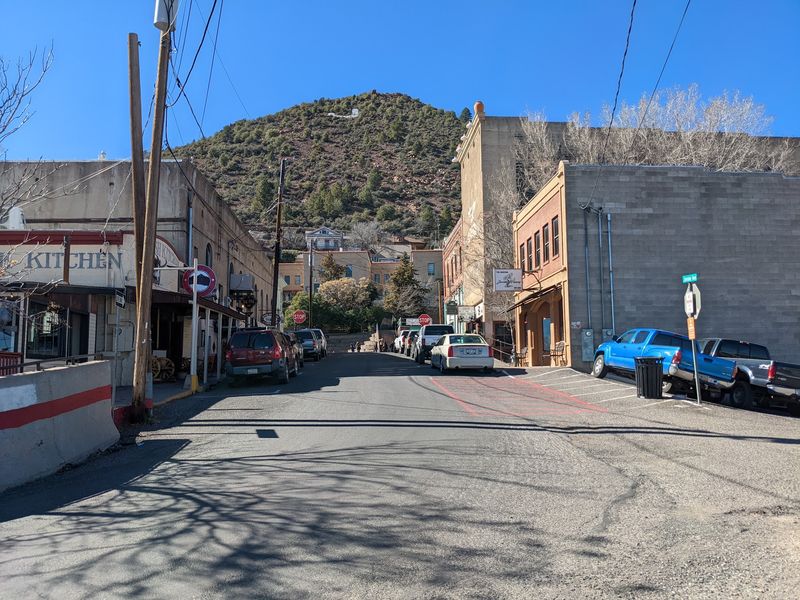
Not every town rewards curiosity the way this one does. Jerome suits people who like history, art, and the simple pleasure of exploring an unusual place on foot.
The steep, crooked streets mean the town works best for those who do not mind a bit of climbing. Comfortable shoes go a long way here.
History lovers get plenty to chew on, from the Mine Museum to the Douglas Mansion and the shaft at Audrey Headframe Park. Each stop layers on more of the story.
Art fans and anyone who enjoys browsing small shops will feel right at home along the downtown lanes. The galleries and wineries give the place a laid-back, creative vibe.
Because it sits between Sedona and Prescott, it also fits neatly into a larger Arizona road trip. It rewards travelers who like to veer off the main highway.
For Arizona residents, it is the kind of spot that feels like a secret hiding in plain sight. Many locals are surprised such a place has been perched up here all along.
Planning Your Trip Up the Mountain
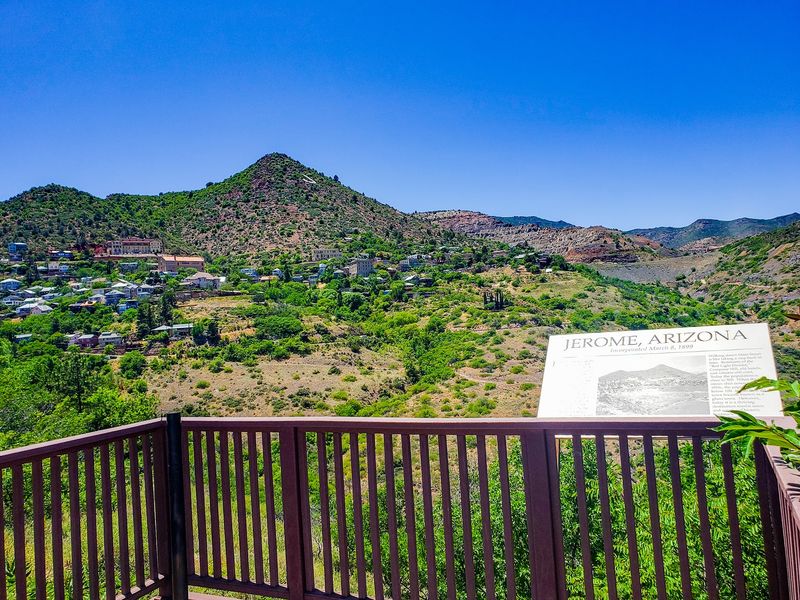
Getting here is part of the adventure. Jerome sits in central Arizona along the route between Sedona and Prescott, reachable by a winding mountain road that climbs the slope of Mingus Mountain.
The town’s mailing area is simply Arizona 86331, and its hillside location makes it a natural stop on a drive through the Verde Valley. The approach itself offers views worth slowing down for.
Because everything is built on a steep grade, plan for a fair amount of walking up and down. Parking can be tight given the tight, tilted streets, so patience helps.
A good plan is to start at the Mine Museum for context, then work in the Douglas Mansion, Audrey Headframe Park, and the downtown galleries and wineries. Tuzigoot National Monument to the east rounds out the day.
Give yourself unhurried time rather than rushing through. The crooked layout makes it more fun to wander than to speed-walk.
Whether you come for the history, the art, or the mountain views, the town rewards those who linger. A forgotten boomtown that still stands is worth the climb.