
Affiliate disclosure: As an Amazon Associate I earn from qualifying purchases. Learn more
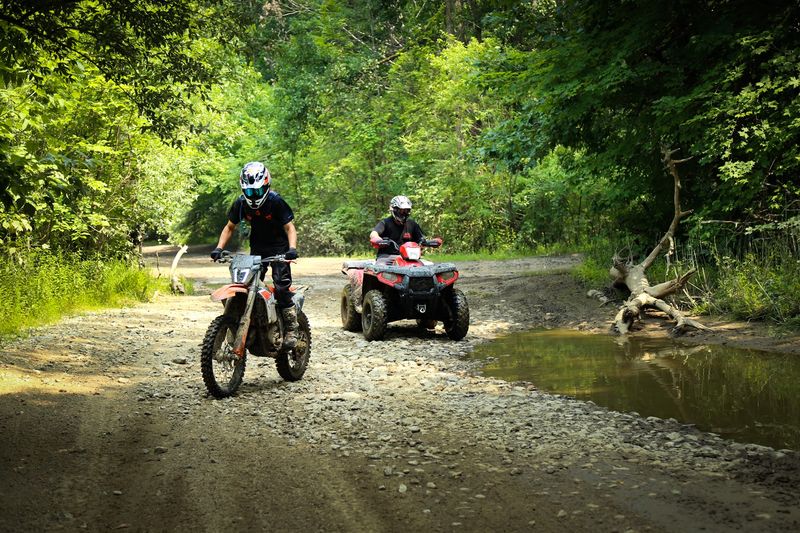
Some Michigan weekends call for a clean car, and some call for the exact opposite. Just outside Flint, there is a county-run playground where trucks, Jeeps, dirt bikes, and quads are supposed to come home caked in mud.
The park spreads across roughly 370 acres, with about 320 of them open for riding. Rock crawls, sand scrambles, wooded trails, and mud holes deep enough to humble a lifted rig all share the same ground.
Families show up every Sunday, longtime riders call it a second home, and first-timers often leave planning the next trip before the tires are rinsed. Best of all, nobody needs a plane ticket or a trip out west to find this kind of terrain.
It sits right here in Genesee County, open year-round, for a modest entry fee. Here is what to know before you point your rig toward the trailhead.
Genesee County’s Dirt Playground
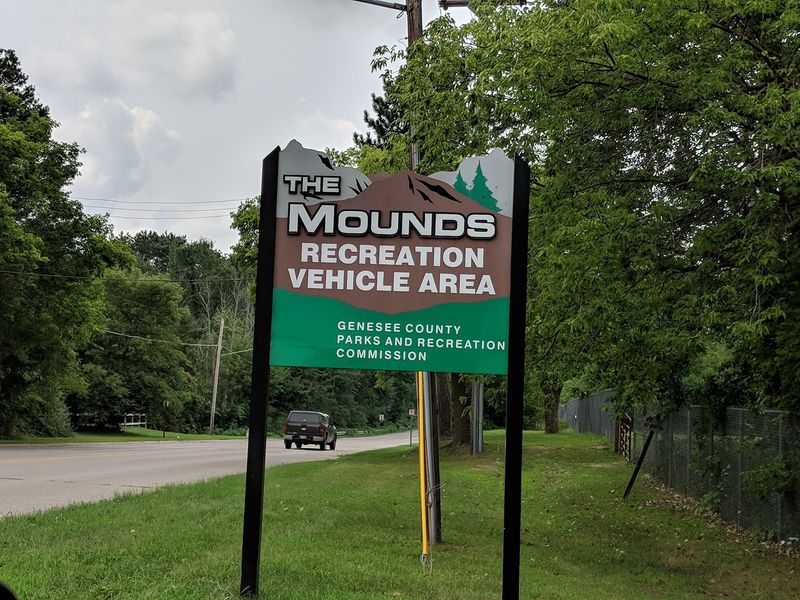
Mud lovers in mid-Michigan have a home base, and it carries a pretty straightforward name.
The Mounds ORV Park sits at 6145 E Mt Morris Rd, Mt Morris, MI 48458, just a short drive from Flint. It is part of the Genesee County Parks system, which makes it a public park built specifically for off-road vehicles.
That detail matters. Plenty of riding spots in the country are private land with shifting rules, but this one is run by the county and treated like the park it is.
The official description keeps things simple. The park offers varied terrain for trucks, motorcycles, quads, and other off-road vehicles.
In practice, that means almost anything with knobby tires and an ORV sticker has a place to play. Jeeps, side-by-sides, dirt bikes, and four-wheelers all share the grounds.
The location is a big part of the appeal for locals. Riders across Genesee County and nearby communities can load up in the morning and be on the trails without burning a whole day on the highway.
Rated 4.7 stars across hundreds of opinions, the park has earned a loyal following. Some riders have been coming for decades, and newcomers tend to join the regulars quickly.
First, though, it helps to know what kind of land this park was built on.
Low Ground With a High Purpose
Not every piece of land is destined for farms or subdivisions. Much of the ground here is low-lying, swampy terrain that would frustrate most builders.
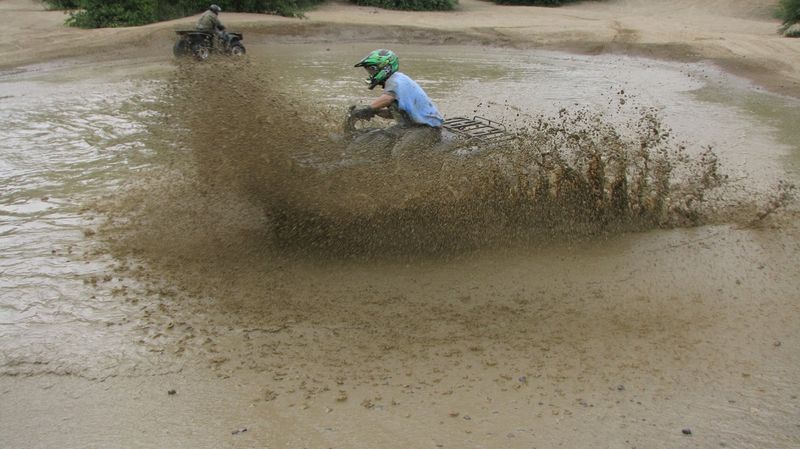
Off-roaders, of course, saw the opportunity right away. Wet ground plus trails equals mud bogging, and mud bogging is exactly what this place delivers.
That swampy foundation shapes everything about the riding experience. Puddles turn into pits, trails stay soft, and water crossings can be far deeper than they look.
The park also has a long history in the area. Some riders return after more than 30 years away and still find it worth the trip.
Over time, the county has added more than nature provided. Man-made rock obstacles, open scramble zones, and newer features have joined the mud.
The result is a place that blends its natural soggy character with built challenges. It is equal parts wilderness and obstacle course.
For Michigan riders, that mix is a point of local pride. Terrain variety like this often requires a long drive to other states, yet here it sits within Genesee County.
Just remember that the swamp is still the boss. Even the best-built features cannot change the fact that this ground loves to hold onto tires.
370 Acres and a Lot of Trail
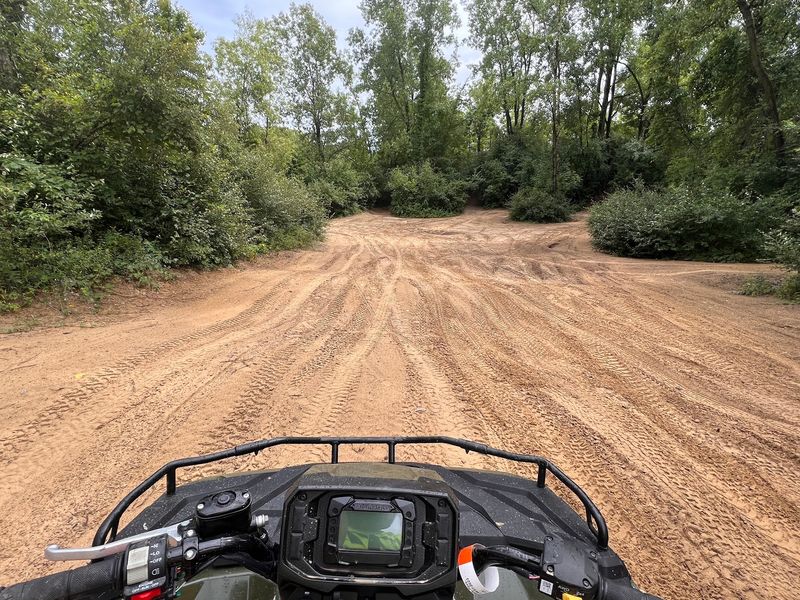
Numbers tell part of the story. The park covers about 370 acres, and roughly 320 of those acres are rideable.
That is a lot of ground to cover in one afternoon. Many first-time riders admit they did not come close to seeing it all.
Trails are the most talked-about feature by a wide margin. They wind through woods, cut across mud, run through sand, and connect the various play zones.
Some riders say there are enough trails to spend days exploring and still find new routes. Others note that a Jeep can cover the main highlights in a couple of hours, while a dirt bike or ATV may fill a full day.
Both views can be true. How much ground feels new depends heavily on what you drive.
Narrow machines can slip down tight paths that bigger rigs cannot reach. A full-size truck may end up circling the wider routes and open areas instead.
Either way, there is no shortage of options. The variety means repeat trips rarely feel identical, especially as conditions change with weather and seasons.
A good plan is to start with the wider trails and work toward the tighter ones. That way, the map grows with your confidence.
Mud Holes With a Reputation
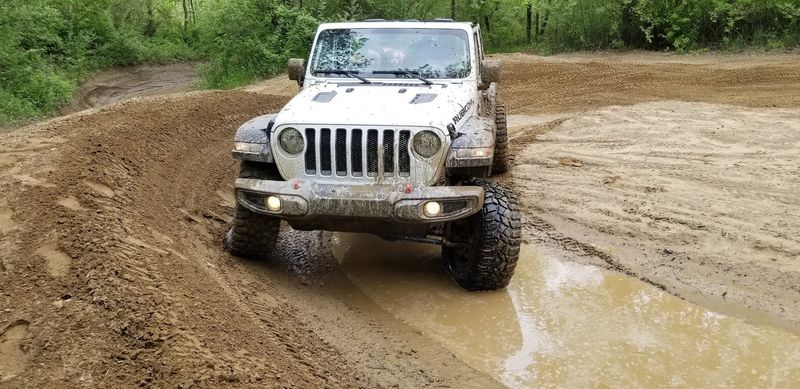
Getting stuck here is practically a rite of passage. Plenty of first-timers learn the hard way that a puddle can be deeper than it appears.
The mud holes on the Jeep-friendly trails are serious business. Some are deep enough that riders joke they could swallow a small car.
The good news is that most of them have go-bys. These bypass routes let drivers skip a crossing that looks a little too ambitious.
Regulars offer a consistent piece of advice. Measure the water, or at least be confident before you send it.
Even a lifted rig on 36-inch tires can fit down most trails, but careful mud hole selection still applies. Stock vehicles can enjoy the park too, as long as the driver picks battles wisely.
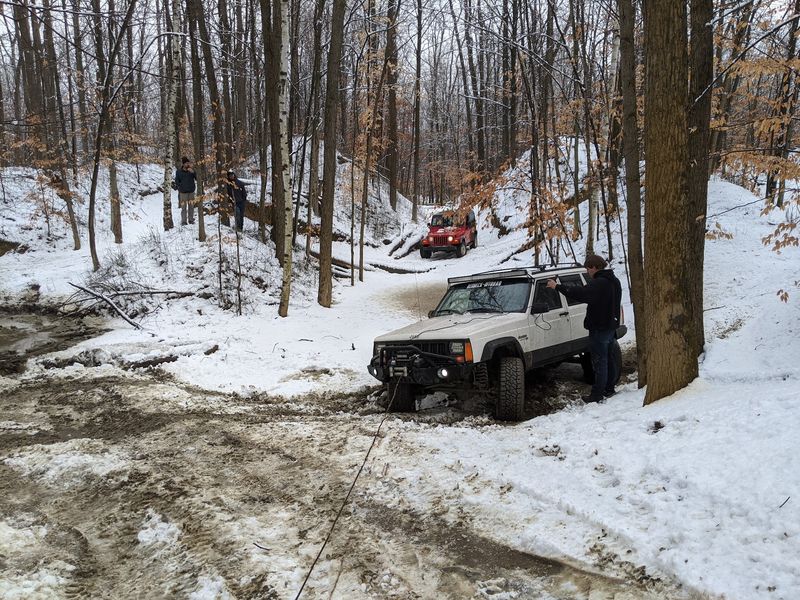
When things do go wrong, the community tends to step up. Stories pop up often of a fellow Jeep owner with a winch pulling a stranded rig free.
In one case, the park even let a rider’s brother in free of charge to help with a rescue. That kind of flexibility says a lot about the staff.
The lesson is simple. Bring recovery gear, ride with a friend, and treat every brown puddle with healthy respect.
Rocks Built for Climbing
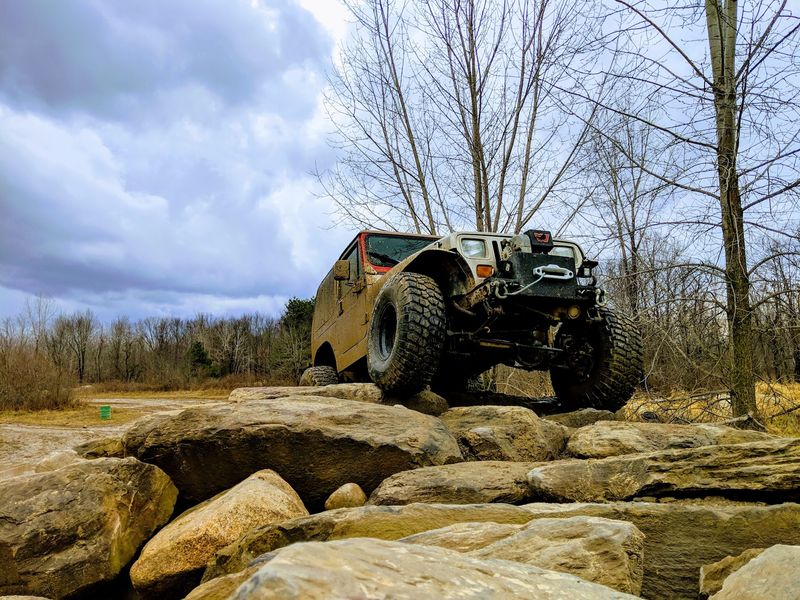
Michigan is not exactly famous for red rock canyons. That is what makes the rock features here such a fun surprise.
The park includes man-made rock obstacles built for everything from stock rigs to fully built machines. Rock crawling comes up again and again as a favorite activity.
There is a smaller rock climbing area that works well for typical Jeeps. It gives drivers a chance to test articulation and line choice without a cross-country road trip.
Then there is the boulder course. This section is aimed at serious, heavily modified rock bouncers, and its entrance alone is intimidating.
Many drivers will look at it, think about their axles, and decide to watch instead. That is perfectly fine.
Having both levels in one park is a nice touch. Beginners can practice on the friendlier rocks while dedicated builders chase the tougher lines.
Some regulars would love to see the more approachable rock area grow. It is clearly a popular spot when the park gets busy.
For now, the rock zones add a different flavor to a park that could easily lean only on mud. A day here can include both dirty tires and scraped skid plates.
Sand, Moguls, and Scramble Zones
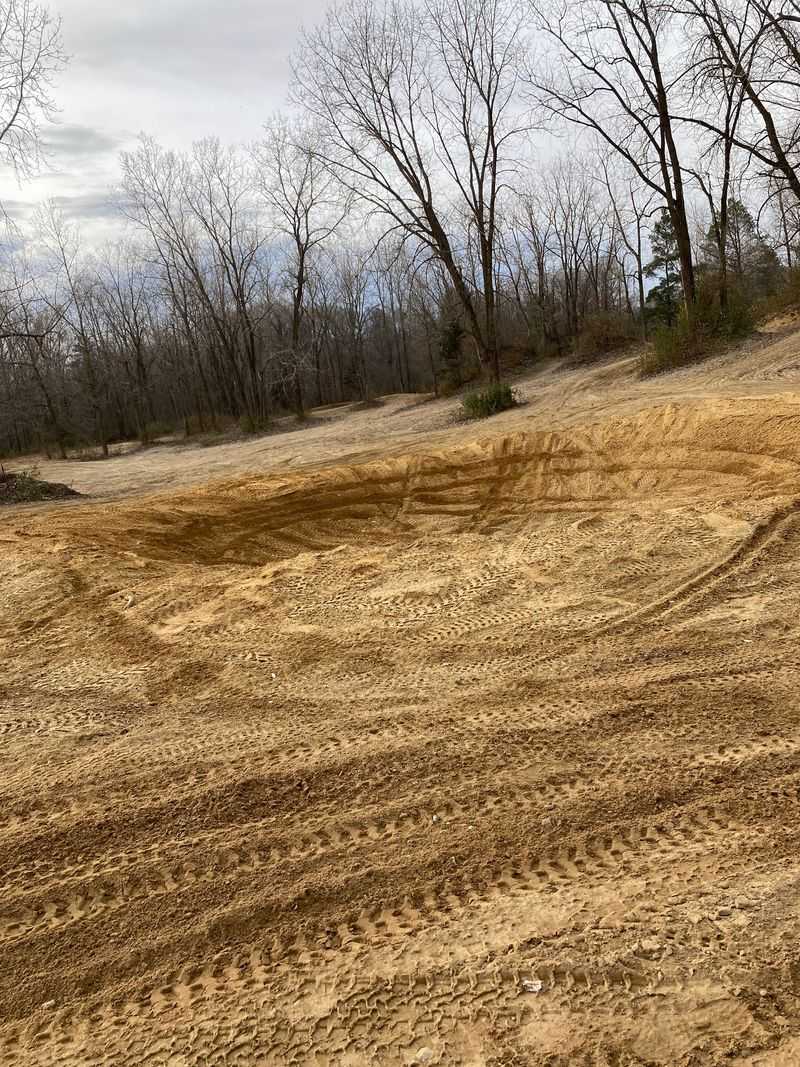
Dirt bike riders, this section is for you. A large open area, roughly three acres by some estimates, is all sand and moguls.
The scramble areas give riders room to play without the tight squeeze of wooded trails. Bikes and quads can practice jumps, turns, and throttle control in open space.
Pits and scrambles are among the features riders mention most. They add a playground feel to the park that suits short bursts of fun.
For families, these open zones can be easier to keep an eye on than deep trail systems. It is simpler to spot a rider on open ground than somewhere in the woods.
Open areas are also where many people learn the basics. New riders can build confidence before heading onto narrower or muddier trails.
Of course, open space attracts plenty of traffic. Staying alert matters here, since bikes and ATVs can appear quickly from behind moguls.
Some riders suggest whip flags would help with visibility. Bringing one along is a smart move, even if not required.
The sand zones prove that this park is not only about mud. Dry ground has its own thrills, and many riders spend hours here before touching a trail.
Tight Trails and Paint Decisions
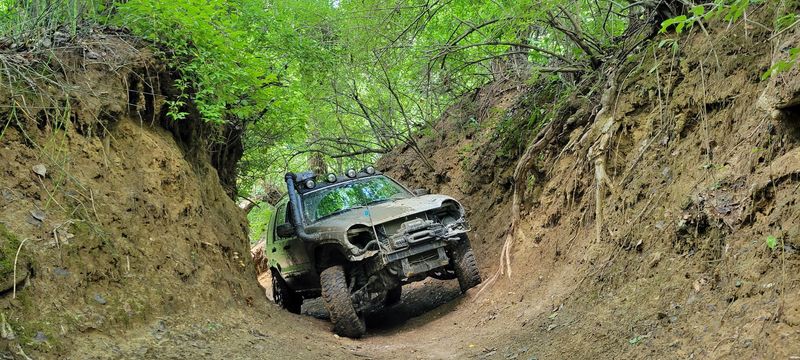
Here is a question every Jeep owner should answer before arriving: how much do you love your paint?
Many of the wooded trails are narrow and fairly overgrown. Branches tend to reach in from both sides, and pinstriping is a common souvenir.
Most of these paths were shaped with narrower ATVs and side-by-sides in mind. Smaller machines move through them more easily.
Full-size rigs can still ride a majority of the trails. Drivers simply need to accept that scratches are part of the deal.
Riders who do not mind some body damage tend to have a great time. Those who babysit a show finish may want to stick to wider routes.
Low branches are worth watching too. Riders in open machines and on bikes should keep helmets on and eyes up.
The motor bike trails earn particular praise. Two-wheel riders often find the tight, twisty layout exactly what they want.
So the trails reward smaller, nimble vehicles most. Bigger rigs still have fun, they just have to pick their lines and accept a few new stripes.
The Crew Behind the Trails
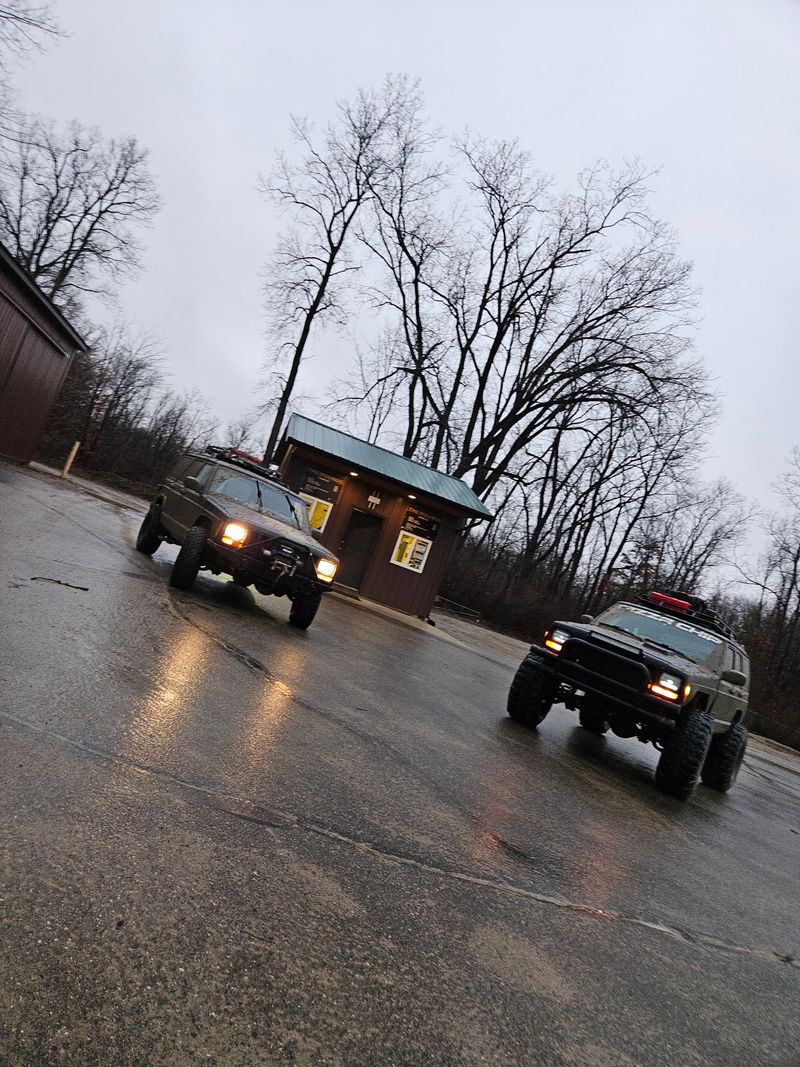
A park this muddy does not maintain itself. Behind the scenes, a dedicated crew keeps trails open and riders safe.
Staff members, including a manager named Shirley and her team, get frequent credit for strong maintenance work. Regulars appreciate the effort it takes to keep rough ground rideable.
Friendly staff is one of the most repeated compliments about the place. Newcomers and longtime riders alike mention a welcoming attitude.
The facilities get good marks as well. Restrooms are described as clean, and parking is plentiful.
That counts for a lot after a few hours in the mud. A clean restroom and room to unload a trailer make the whole day smoother.
The park also keeps improving. New features have been added over the years, giving regulars something fresh to look forward to.
Flexibility shows up in small ways too, such as letting someone in free to help a stuck rider. Moments like that build lasting loyalty.
It is easy to focus on the terrain and forget the people. Here, the people are a big reason riders keep coming back.
A Weekly Ritual for Families
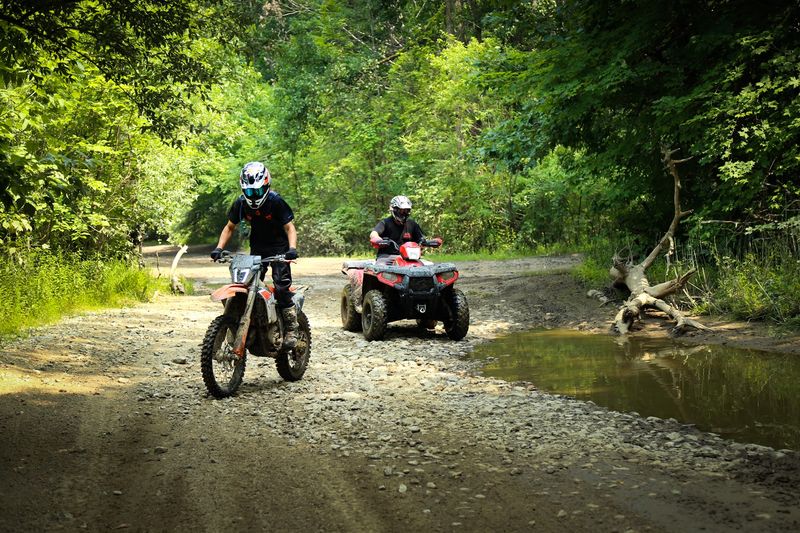
Some families go to church, some go to brunch, and some go to the mud. For a good number of locals, Sunday means a trip to these trails.
Regulars describe the park as a second home. Families come back week after week because there is always something to ride.
The crowd is broad. Jeep clubs, dirt bike riders, ATV owners, and side-by-side drivers all mix together.
That variety creates a friendly community feel. Strangers often help each other out of trouble and even show newcomers around.
The park suits anyone who enjoys getting dirty. Kids on smaller machines, beginners, and experienced builders can all find a fit.
Things can get crowded at times, especially on busy days. A little patience goes a long way on shared trails.
Safety culture matters too. Longtime riders strongly urge people never to drink and ride, and to look out for one another.
Keeping that spirit alive is what makes the park work. When everyone rides responsibly, the weekly ritual stays fun for every family in line.
Rules Worth Knowing Before You Unload
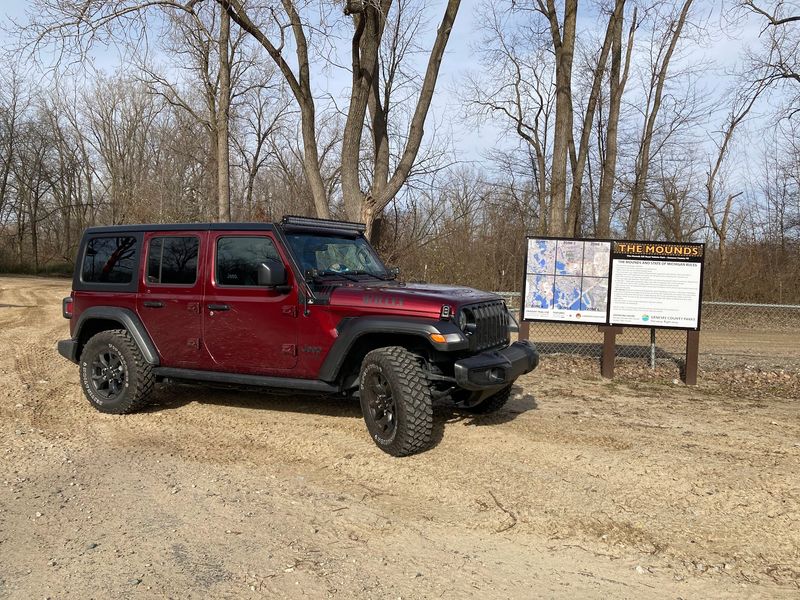
Nobody likes getting turned around at the gate. A few rules here are worth learning before you hitch the trailer.
The park is ORV enforced, and riders need a valid Michigan ORV sticker on their machine. There is also an entry fee for riding.
A noise limit applies as well. Loud exhaust setups may need to be checked before arrival.
Four-wheelers and off-road rigs are welcome. The park is designed for trucks, motorcycles, quads, and other off-road vehicles.
Riding safely is part of the rules spirit too. Many regulars recommend never going out alone, especially in a Jeep that might get stuck.
Carrying recovery gear is smart. A winch, straps, and a riding buddy can turn a long wait into a quick fix.
Visibility tips also come up. Some riders suggest whip flags, since bikes and ATVs can be hard to spot or hear on busy trails.
None of this is complicated. A sticker, the fee, a reasonable exhaust, and good judgment are all it takes to ride with confidence.
Hours, Fees, and Winter Riding
Good news for impatient riders: the gates open early. The park runs from 8 a.m. to 8 p.m.
Monday through Saturday.
Sunday hours start a little later, from 10 a.m. to 8 p.m. That still leaves plenty of daylight for a long ride.
Plan your exit carefully. Getting stuck late in the day can eat up the clock, and closing time arrives faster than expected.
As for cost, riders have mentioned an entry fee of about $15. Many feel the day is easily worth more than that.
Fees can change, so checking the Genesee County Parks website before visiting is wise. It is the best place for current details.
The park stays open all year, which is rare for Michigan outdoor fun. During some winter months, only the front part of the park is open.
Winter riding offers a different experience with fewer crowds. It is a nice option for riders who hate long off-seasons.
For an affordable day of serious terrain, few nearby options compete. A modest fee and a full tank can fill a whole Saturday.
Worth the Mud on Your Tires
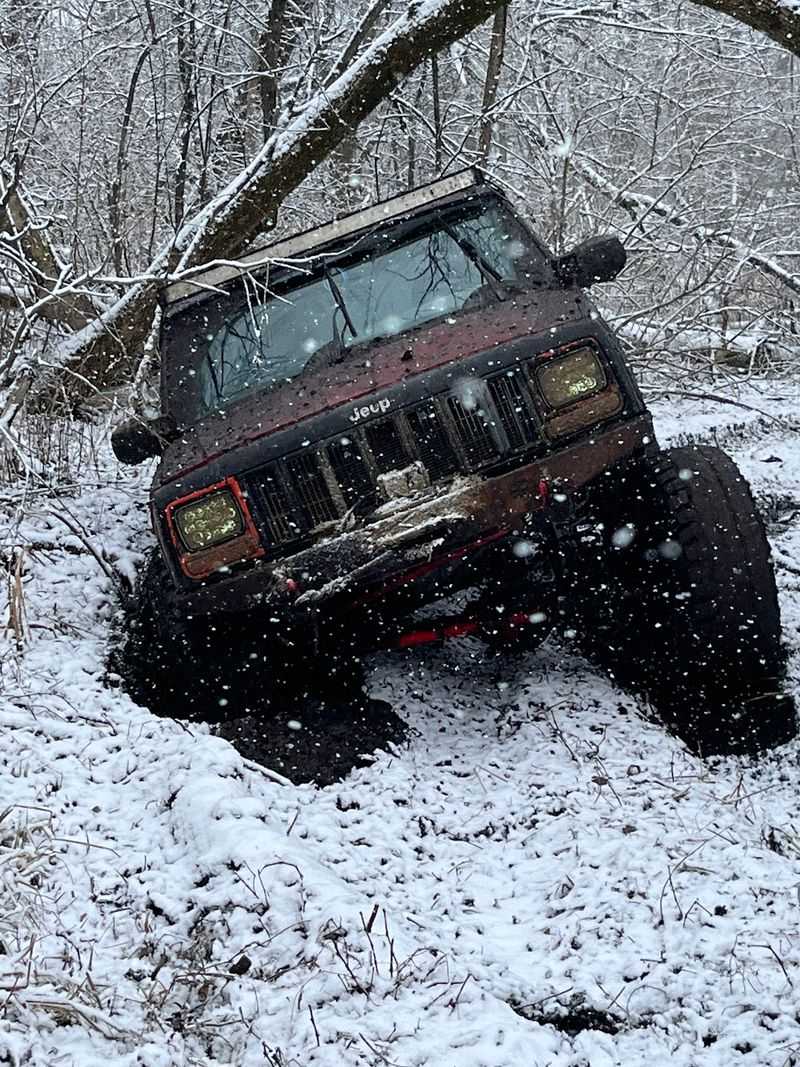
Every rider leaves with a story. Sometimes it is about a perfect rock line, and sometimes it is about the puddle that refused to let go.
That is the charm of this Mt Morris park. It offers trails, mud, sand, rocks, and open scrambles in one spot near Flint.
It is not flawless. Some trails are tight for bigger rigs, crowds can build, and a few mud holes demand caution.
Still, the overall picture is overwhelmingly positive. Friendly staff, clean facilities, steady maintenance, and a loyal community lift the experience.
Dirt bike and ATV riders may find the most to love. Jeep owners can enjoy plenty too, especially if they do not mind a few scratches.
Best of all, it belongs to Genesee County. Michigan riders get a large public off-road park without leaving the state.
Bring an ORV sticker, a riding buddy, and recovery gear. Check current hours and fees before heading out.
Then let the trails decide the rest of the day. Chances are good you will be planning a return trip before the mud is even dry.


