Affiliate disclosure: As an Amazon Associate I earn from qualifying purchases. Learn more
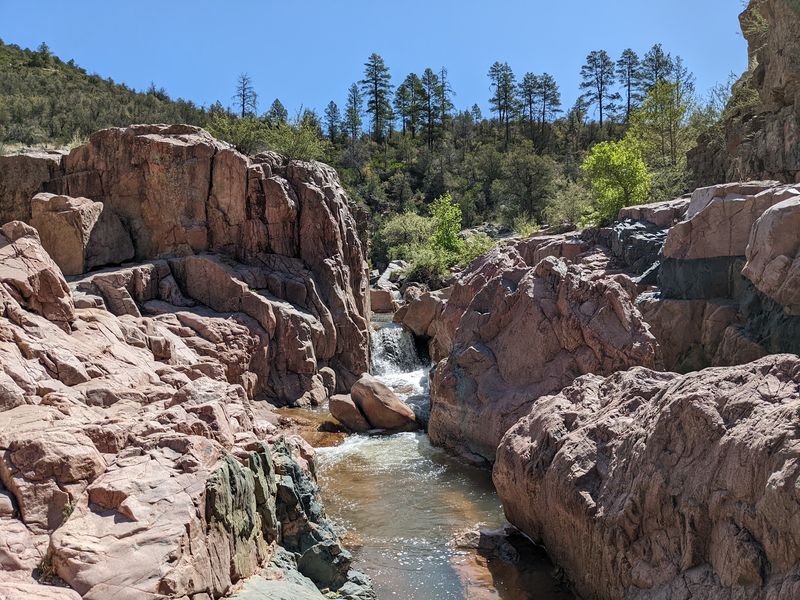
Just north of a small mountain town, a short trail follows a cool creek through the pines and dead-ends at a waterfall where families splash around all summer long. The path starts as an easy dirt walk before turning into a fun scramble over smooth granite boulders, with little pools tucked in along the way.
Locals treat it as a quick escape from the desert heat, close enough to reach without a big road trip. It rewards you with cascades, natural rock slides, and shady spots to picnic, all packed into a short distance.
Longtime Arizonans keep coming back year after year, calling it one of their favorite backyard adventures. Curious where this cool canyon hides and how to make the most of a visit?
Keep reading, because the details are the good part.
A Canyon Escape Just Minutes From Payson
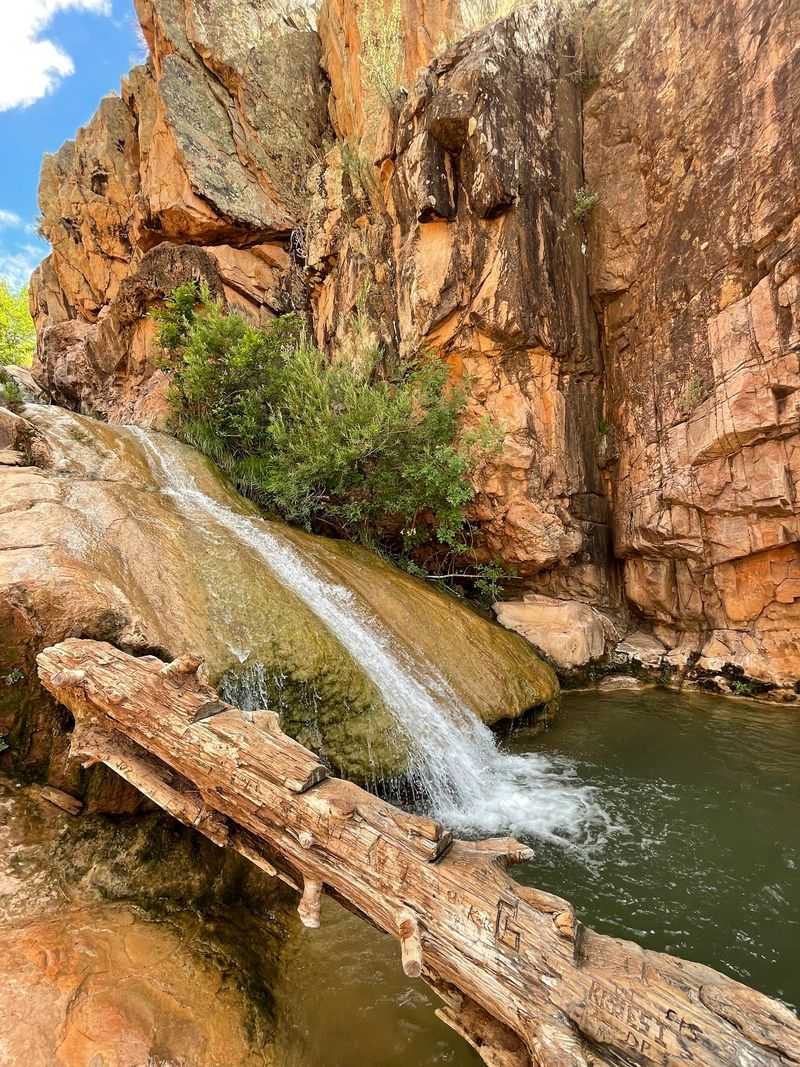
Tucked into the Tonto National Forest, the Water Wheel Falls Hiking Trail sits just outside Payson, AZ 85541, only about ten to fifteen minutes from town.
From Phoenix, the drive runs roughly one to two hours, which makes it an easy day trip for folks looking to trade valley heat for creek water and shade.
The trail earns its name from an old water wheel near the parking area, right where easy water access invites fishing and picnicking before you even start walking.
Managed by the U.S. Forest Service, the area holds a 4.7-star rating across nearly 900 reviews, which says plenty about how much people cherish it.
The short riverside route is billed as kid-friendly, though the second half asks for a bit of rock scrambling to reach the falls.
Parking is limited, with only a handful of spots, so this cool canyon fills quickly on warm weekends.
Consider it a genuine local treasure hiding in plain sight, close enough to visit on a whim yet scenic enough to feel like a real getaway.
The Old Water Wheel That Names It All
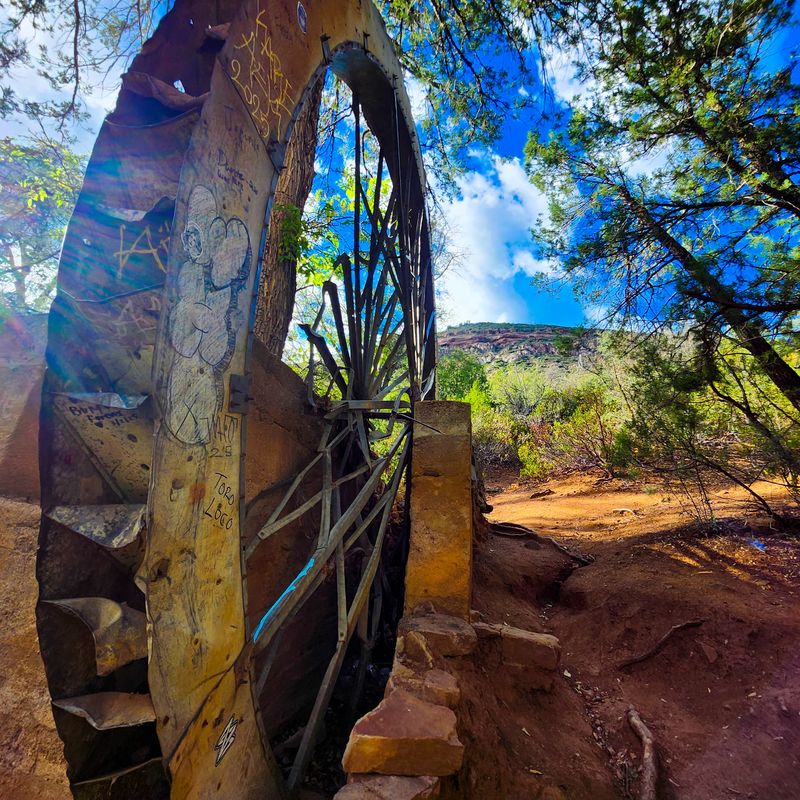
Right off the parking lot, the namesake water wheel greets you before the real walking begins.
The feature sits in the same easy-access zone where people cast lines for fishing and spread out for a relaxed picnic by the water.
Hiking up to the wheel area runs about two miles back for those who want the full stretch, and getting wet is basically part of the deal.
The mention of the water wheel comes up again and again from people who love the spot, tying the whole trail to a small piece of character that sets it apart from a plain creek walk.
Families often linger near this first section, letting little ones splash in shallow clearings before deciding how far up the canyon to push.
It works as both a landmark and a gentle warm-up, easing you into the adventure ahead.
Even folks who only spend an hour here find the area near the wheel worth the trip, since the scenery starts strong from the very first steps.
From Easy Dirt Path To Rocky Adventure
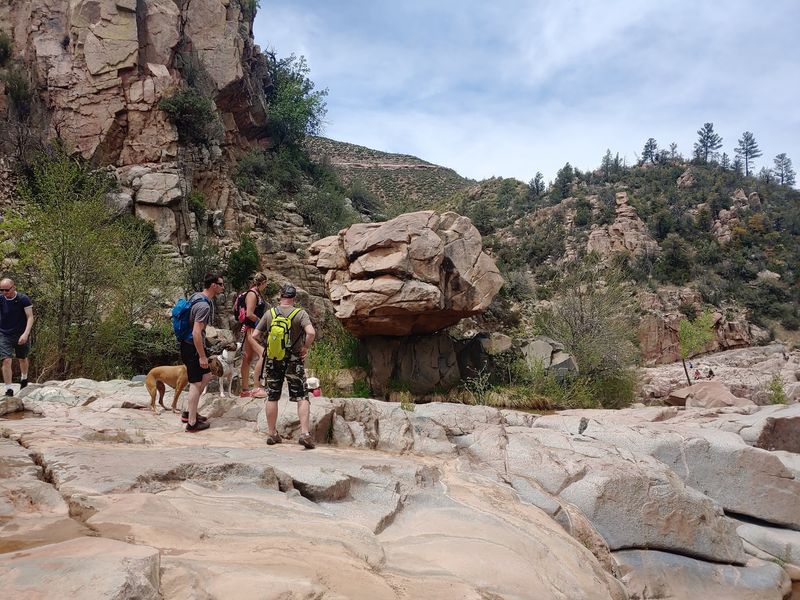
Deceptively mellow at the start, the route opens as a flat dirt trail shaded by trees before shifting into something more demanding.
About a quarter mile in, the path turns rocky and uneven, with steep rock faces, sandy steps, and stretches of granite boulders to climb over.
People describe it anywhere from easy to moderate to hard, and honestly the truth depends on how far you go and how comfortable you are on stone.
The trail is visible in segments, then fades, so part of the fun is trusting your instincts and following the flow of the creek upstream.
The full walk clocks in around 1.6 miles round trip, though many stop partway at a pool that catches their eye.
Reaching the falls can take roughly fifteen to thirty minutes of steady effort, longer if you pause to swim or hunt for the best route.
That mix of a gentle beginning and a scrambly finish is exactly what keeps the hike interesting from one bend to the next.
Cascades, Pools And A Little Box Canyon
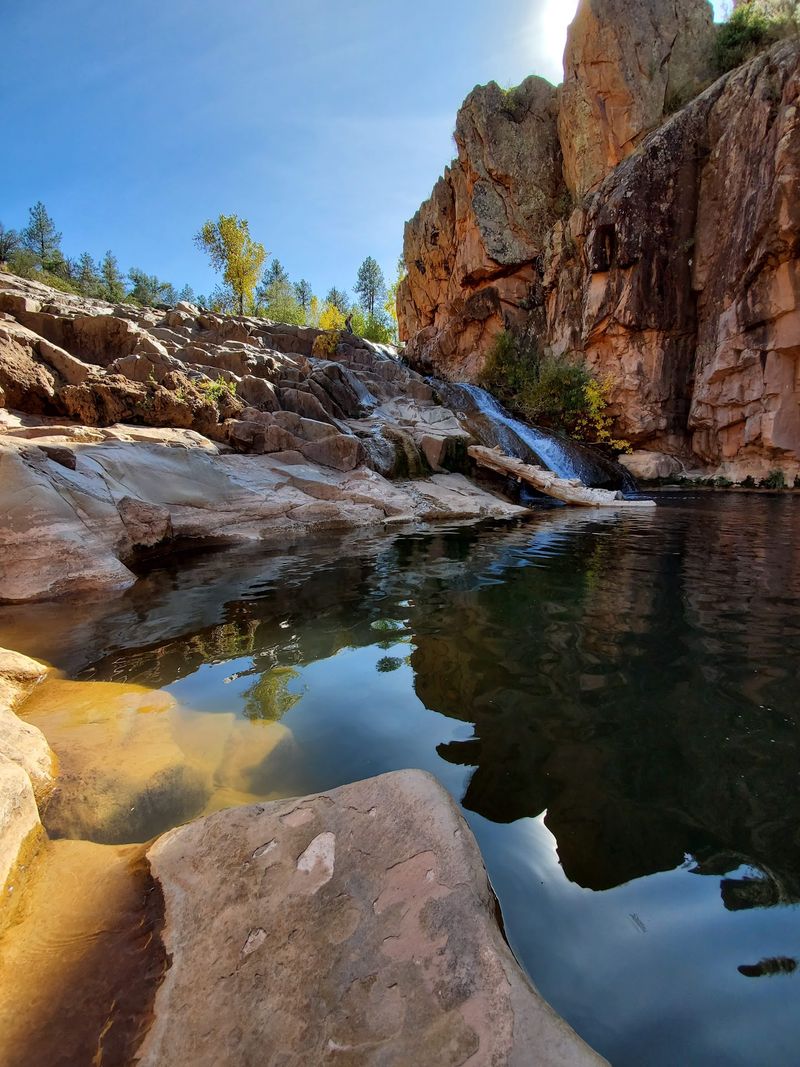
Waterfalls are the headline act here, and the canyon delivers more than one.
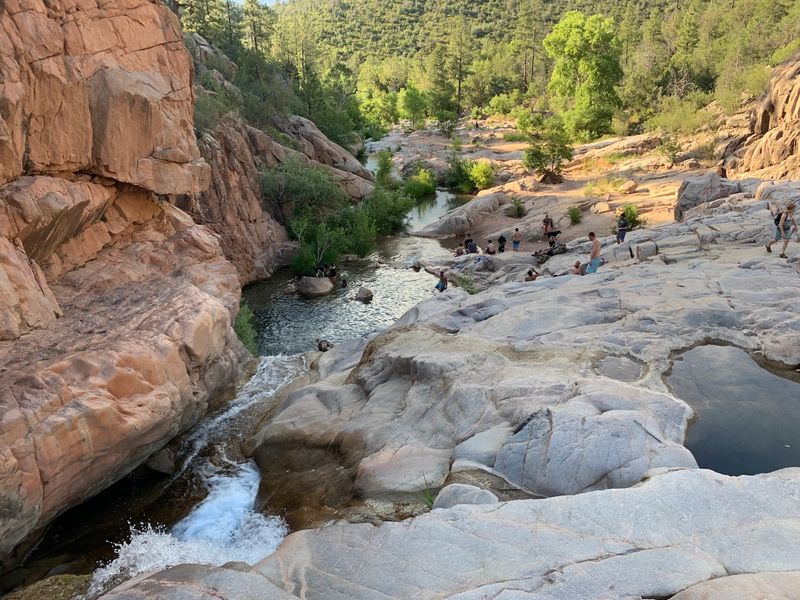
As you work upstream, small cascades and water holes appear one after another, with a pretty little box canyon adding to the scenery along the way.
Some hikers count as many as sixteen waterfalls, ranging from tiny trickles to drops around twelve feet tall.
The largest pool and waterfall wait at the very end, which is why finishing the trail is so often recommended.
The geology shifts as you climb, giving the whole route a sense of steady change rather than one repeated view.
Mini pools with easy clearings let you hop in and out of the water at plenty of points, so you never have to reach the top to enjoy a dip.
Water flow depends on the season, with some stretches running dry at times and others gushing full after rain or snowmelt.
Reaching that final pool feels like a proper reward for the boulder-hopping it takes to get there.
Natural Rock Slides And Swimming Holes
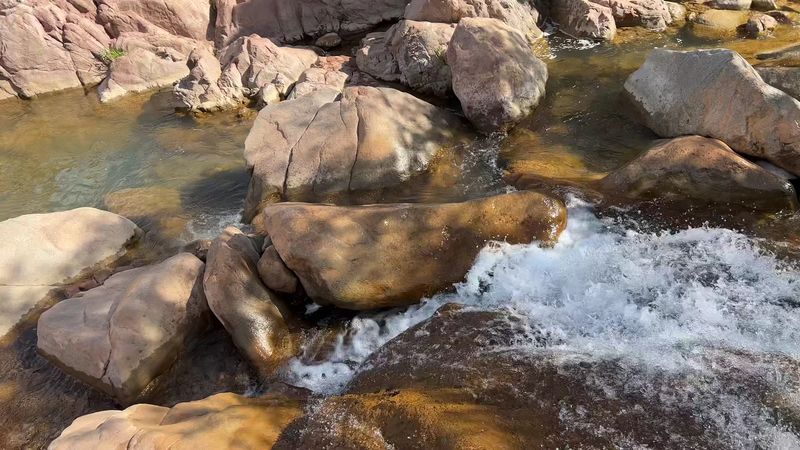
Swimming is half the reason people make the trip, and the canyon obliges with pool after pool.
Smooth rocks with water running over them act like natural slides, and some folks literally slide down into the water below.
The pools stay chilly, which feels welcome on a hot day and downright refreshing when the desert is baking.
Near the falls, there is even a slide into the largest pool, a favorite feature that keeps families coming back.
Wading spots dot the trail too, so kids and grown-ups can cool off without committing to a deep plunge.
Many hikers reach the end, then backtrack to a favorite rock area with deep pools to take a dip and relax on the stones.
Because the water can be cold, jumping in calls for a little caution, but that is part of the thrill.
Bring a swimsuit and water shoes, and this trail turns into a full afternoon of splashing rather than just a walk.
A Hike Built For The Whole Family
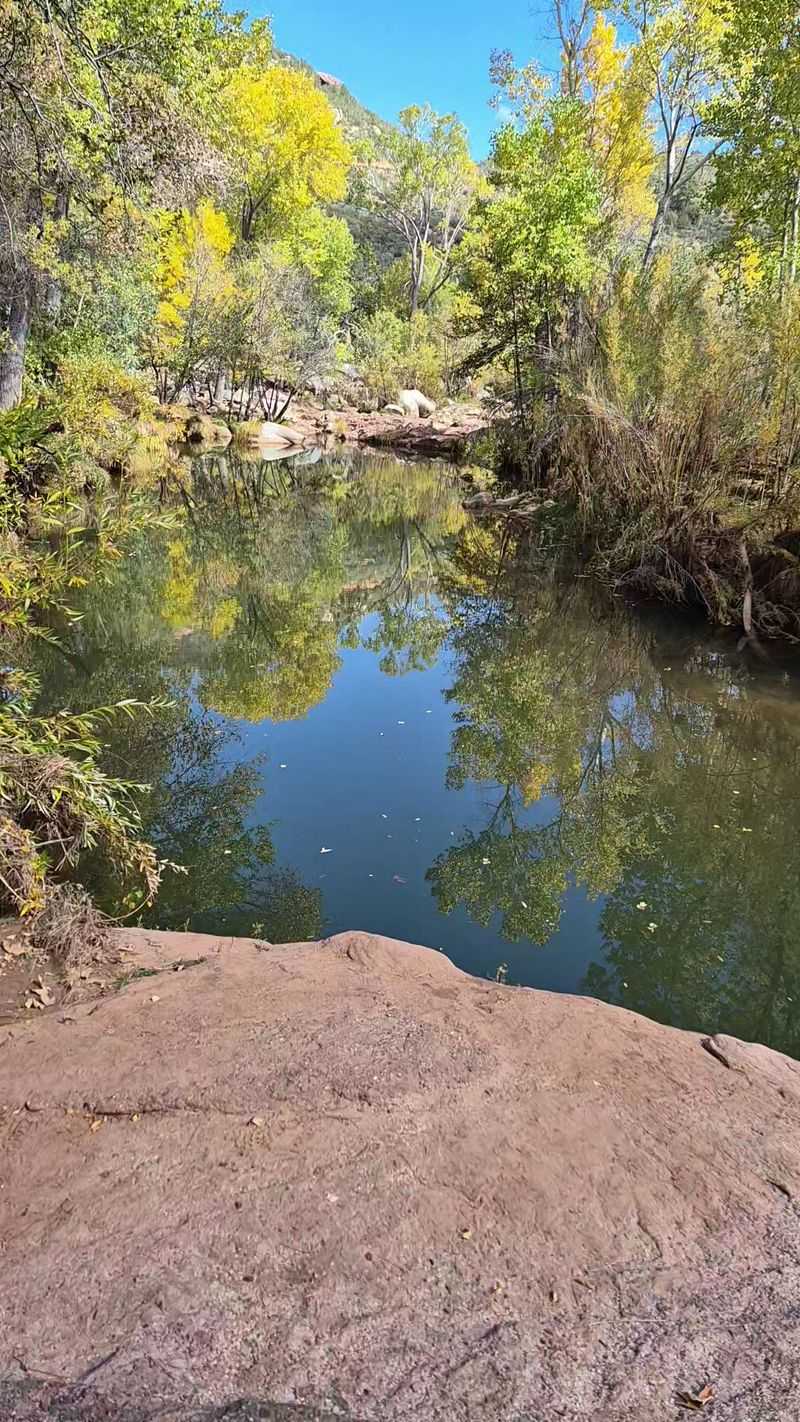
Grandparents, toddlers and reluctant teens all find something to love on this trail.
One family brought six kids under nine and still had a great outing, while another watched an eight-year-old and an eighty-one-year-old make the hike with little difficulty.
Even a self-declared hiking hater made it through the whole route without complaining, which says a lot about how rewarding the payoff feels.
The frequent clearings and shallow spots let little ones splash safely while adults keep an eye on the deeper pools.
That said, the creek crossings can be tricky with small children or pets, and the second half asks for careful footing.
Some families turn back around the halfway point when the rocks get slippery, and that is perfectly fine given how much fun happens along the way.
It lands as one of those outings that becomes a repeat tradition, with plenty of people naming it among their favorite Arizona adventures.
Pack patience, snacks and a sense of fun, and the whole crew tends to leave happy.
Wildlife, Free-Roaming Cows And A Few Snakes
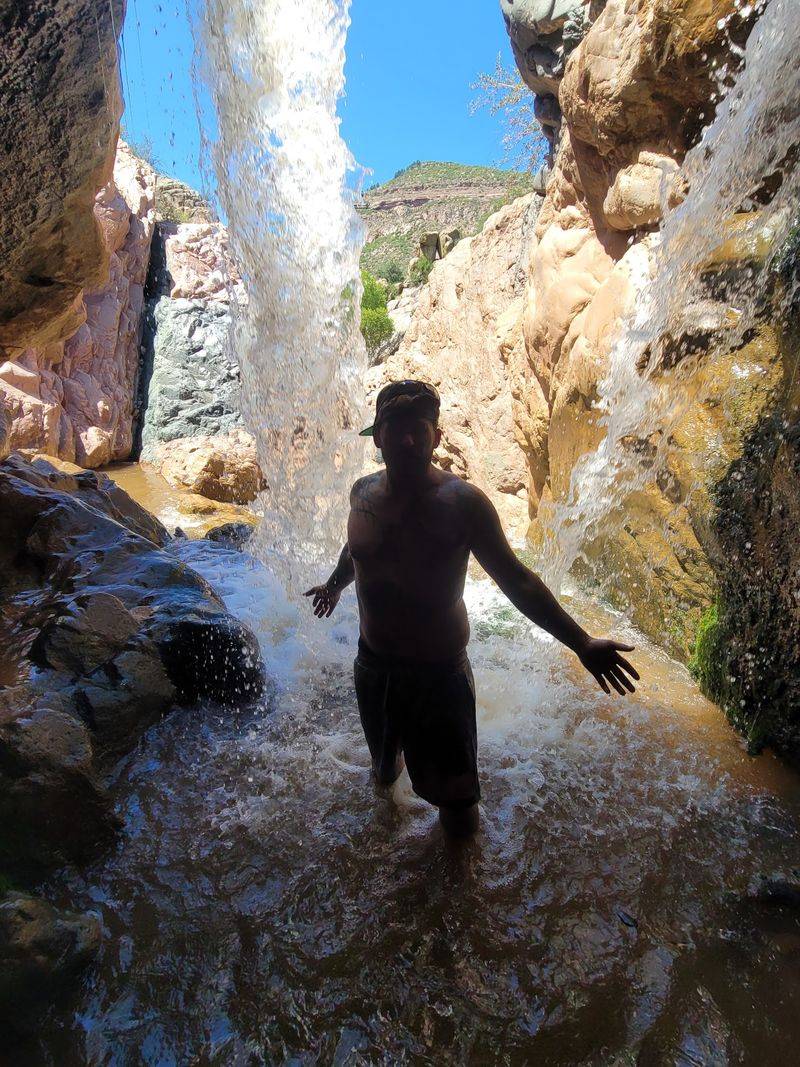
Nature does its own thing in this canyon, and part of the charm is sharing the space.
Cows roam freely through the area, though people rarely report any trouble with them.
Wildlife shows up in good numbers, adding to the sense of a wild, living landscape rather than a manicured park.
Snakes do hang out under rocks, and at least one hiker got a warning rattle on the way through, so watching where you place your hands and feet is smart.
The combination of a cut canyon, flowing water and abundant critters is exactly what makes the place feel special to so many people.
Wildflowers pop up here and there, not in huge sweeps but enough to add a nice touch to the walk.
Respecting the animals and giving them room keeps the experience pleasant for everyone.
Staying alert on the boulders serves double duty, helping you avoid both slippery footing and any surprise reptile sunbathing nearby.
What To Wear And Pack Before You Go
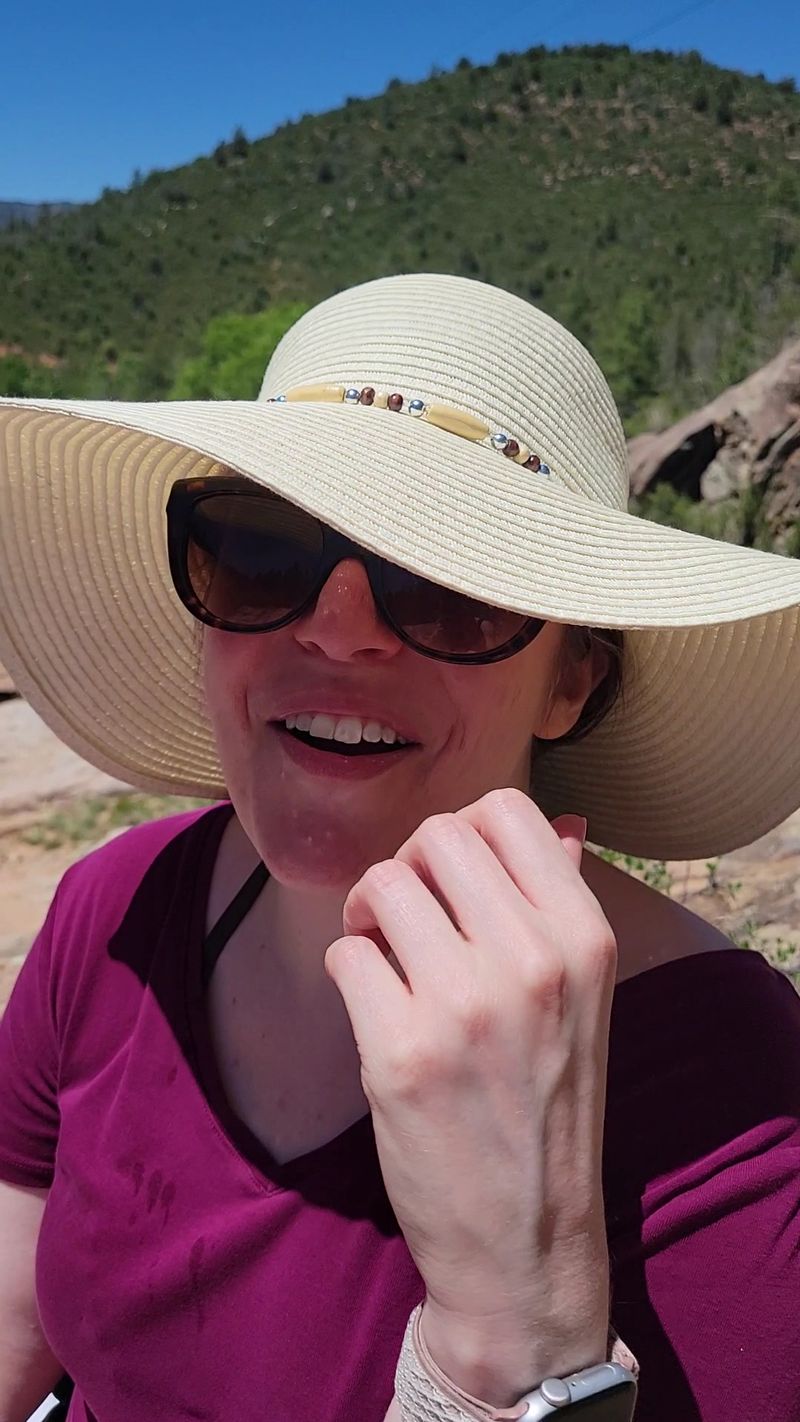
Footwear tops every list of advice here, and for good reason.
Sturdy sneakers or shoes with real grip are a must, since so much of the route involves smooth, slippery boulders. Flip-flops and slip-on foam shoes get a firm no from just about everyone.
Water shoes come in handy for the creek crossings, where the water can reach roughly two and a half feet deep over pointy rocks.
Bring plenty of water, along with hats, sunscreen and snacks to keep energy up through the scramble.
A backpack with towels makes the swimming stops far more comfortable, and packing a lunch lets you turn the visit into a full day.
Walking sticks help the older crowd handle the uneven terrain more safely.
There is no cell service in the canyon, so let someone know your plans and do not count on your phone for navigation.
Pack in and pack out too, since keeping the canyon clean protects the very thing that makes it worth the drive.
Passes, Fees And Where To Pay
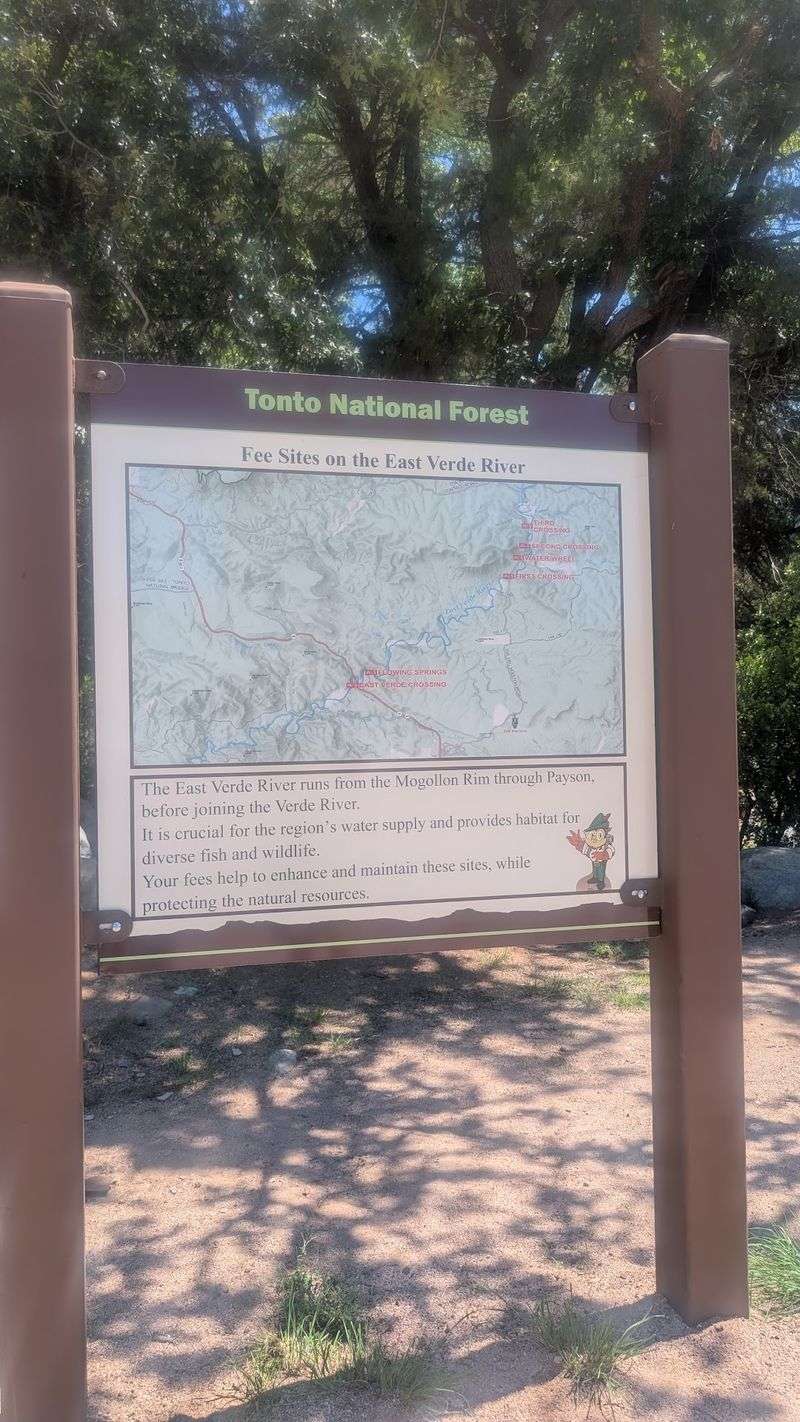
A parking pass keeps this spot open and maintained, and knowing the details ahead of time saves hassle.
A Tonto National Forest pass is required, running around 12 dollars per vehicle for an all-day pass.
Passes are purchased at the Shoefly entrance a couple of miles before the falls, where a ticket machine sits before the Shoefly Indian Site.
There is no fee from November through March, which makes the cooler months an appealing time to explore without paying.
Parking is genuinely tight, with only around fifteen to twenty spots total.
Getting there early is the golden rule, both to snag a space and to enjoy the pools before crowds arrive on weekends.
Weekend visitors especially should brace for a bit of a parking search during busy stretches.
Sorting out the pass and timing your arrival are the two practical steps that separate a smooth visit from a frustrating one.
Winter Snow And Year-Round Beauty
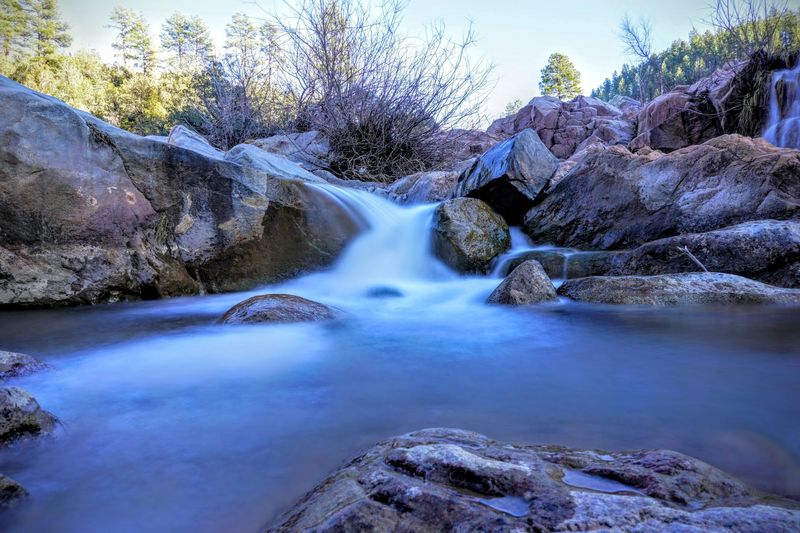
Summer may draw the swimming crowds, but the canyon has a quieter cold-weather side too.
Winter visits can reveal rocks dusted in snow, with strong water flow and plenty of falls running full during that season.
Photos taken in February show a gorgeous, wintry version of the same trail that swimmers know in July.
The absence of a fee from November through March sweetens the off-season appeal even more.
Because water levels shift throughout the year, no two visits look quite the same, which gives regulars a reason to return in different seasons.
The hike stays manageable in cooler months, with people describing a moderate fifteen-to-twenty-minute climb to the top.
Even toddlers and dogs handle it fine when you take your time and wear comfortable, grippy shoes.
Whenever you catch it, the canyon has a way of looking like a place that belongs somewhere far more remote than a short drive from town.
Why This Short Hike Keeps Calling People Back
Few short trails pack this much variety into so little distance.
A gentle start, a boulder scramble, a string of waterfalls and a cold pool at the end add up to an outing that feels bigger than its 1.6 miles.
People return two and three times in a couple of years, and many put it on an annual list of places to revisit.
The nearly perfect rating across a huge number of reviews backs up all that affection.
Close to Payson and reachable from Phoenix, it delivers a real escape without demanding a marathon drive.
Pair it with the Washington Park trail at the end of the same road if you want to extend the adventure, since fans of one tend to love the other.
Bring good shoes, get there early, and give yourself time to linger at the pools.
For Arizonans hunting a cool, scenic reward hiding in their own backyard, this canyon proves the state keeps a few remarkable secrets close to home.