
Affiliate disclosure: As an Amazon Associate I earn from qualifying purchases. Learn more
Back in 1849, while gold seekers poured into San Francisco by the boatload, three immigrants set up a humble coffee stand near the waterfront to feed them. That little operation never really stopped serving, and today it holds a claim that almost no other business in the state can match.
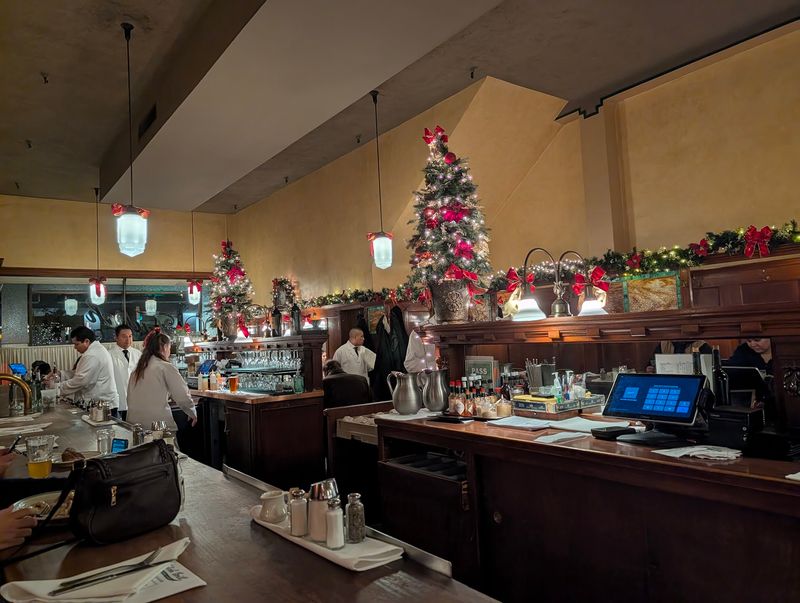
The waiters still wear white jackets, the counters are still made for elbow-to-elbow lunches, and nobody has bothered to swap the old-school charm for touchscreens or trendy decor. Stick around to learn how this Financial District landmark got here, what keeps locals coming back for generations, and how to plan a visit without getting turned away at the door.
A Financial District Address With Gold Rush Roots
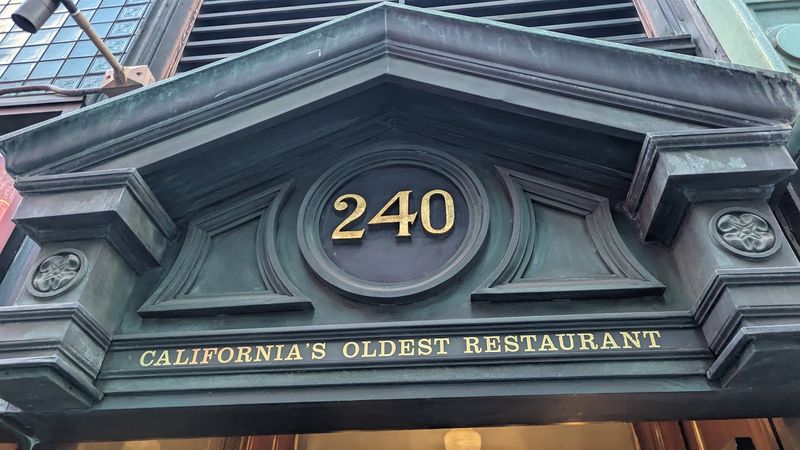
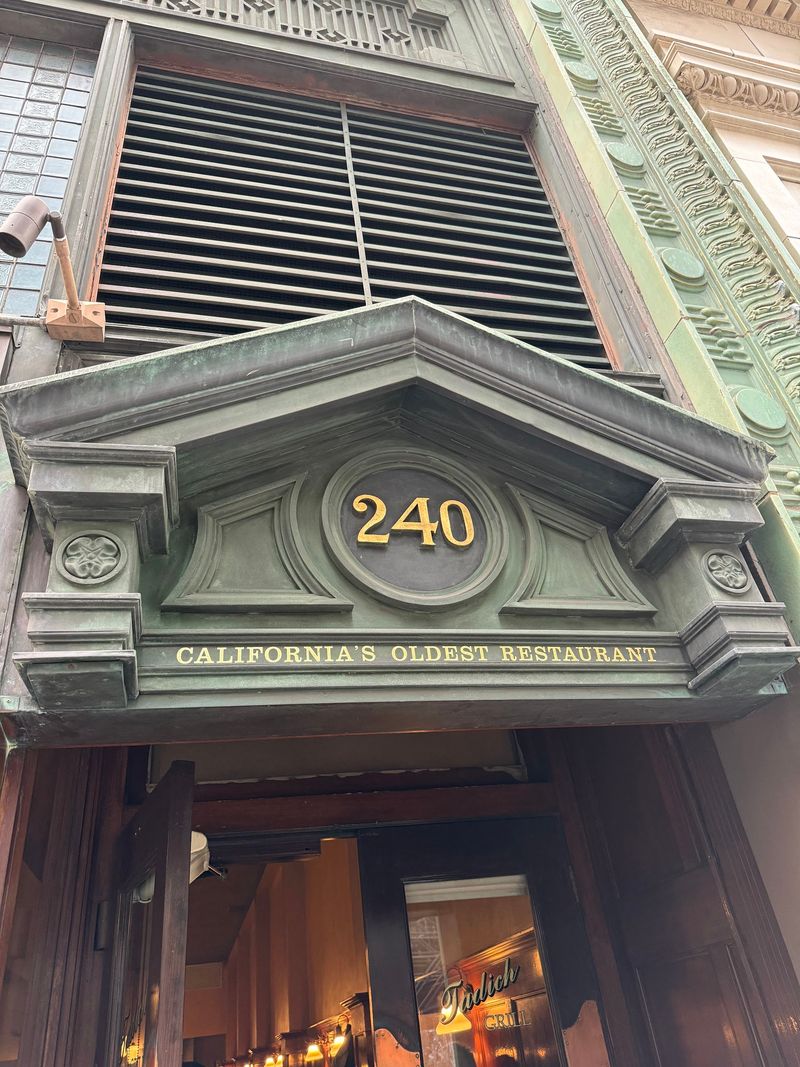
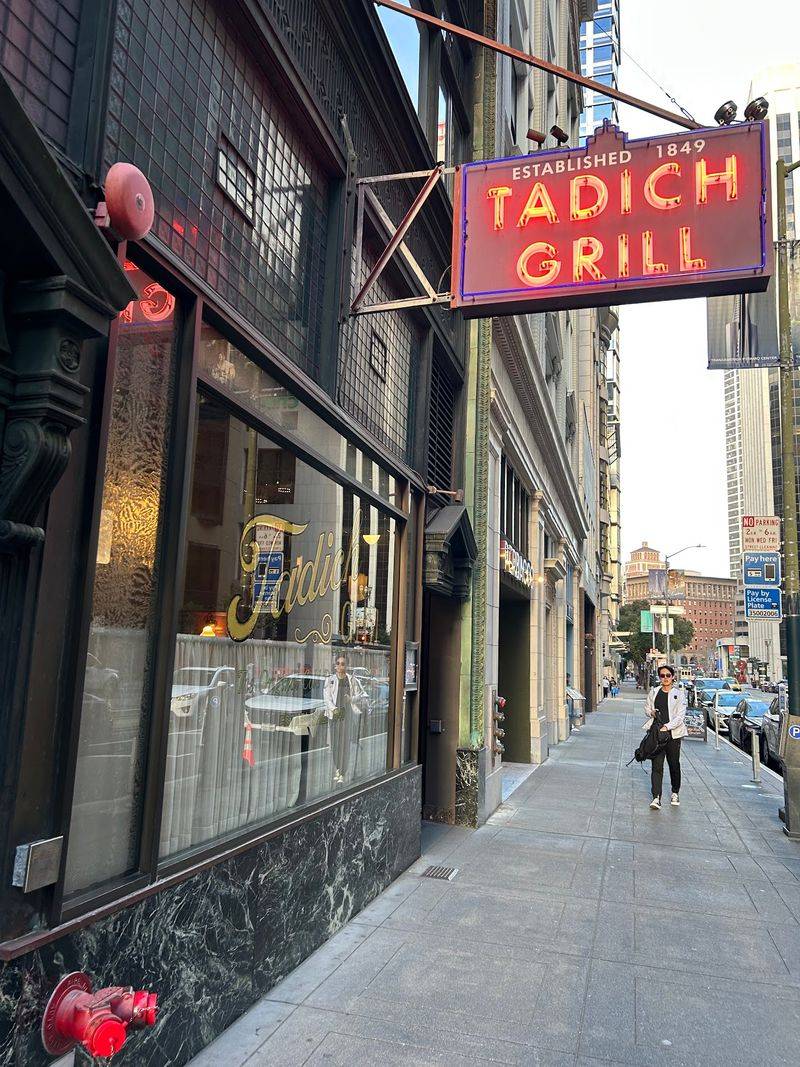
Tucked among the office towers of downtown, Tadich Grill sits at 240 California St, San Francisco, CA 94111, in the heart of the city’s Financial District. It is a seafood restaurant, and it is widely considered the oldest continuously operating restaurant in California.
That is a big title for a place that does not shout about itself. The storefront fits right into the busy block, and plenty of office workers walk past it every day on the way to meetings.
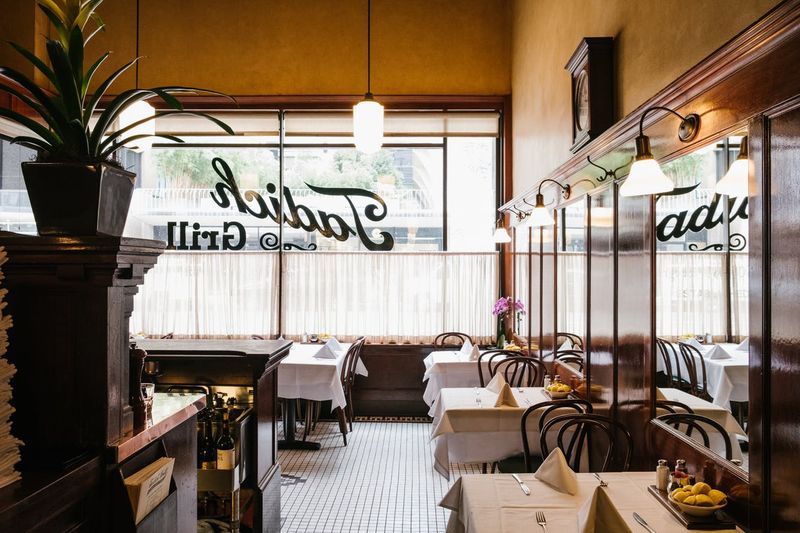
Inside, though, the story is very different. The dining room looks much like it has for generations, with long counters, wooden fixtures, and booths that seem to belong to another era.
The restaurant is run as a full-service grill, which means lunch and dinner on weekdays and dinner on Saturdays. Sundays are a day off, so plan around that.
Most people come for the seafood, but the menu also carries stews, casseroles, and classic meat dishes that have been part of the lineup for close to a century. Seafood remains the main event, and much of it is cooked over a mesquite charcoal broiler.
For Californians who remember when downtown was full of family-run lunch counters, this spot is one of the last standing links to that world. And the backstory behind it is even older than most people guess.
From Coffee Tent to California Legend
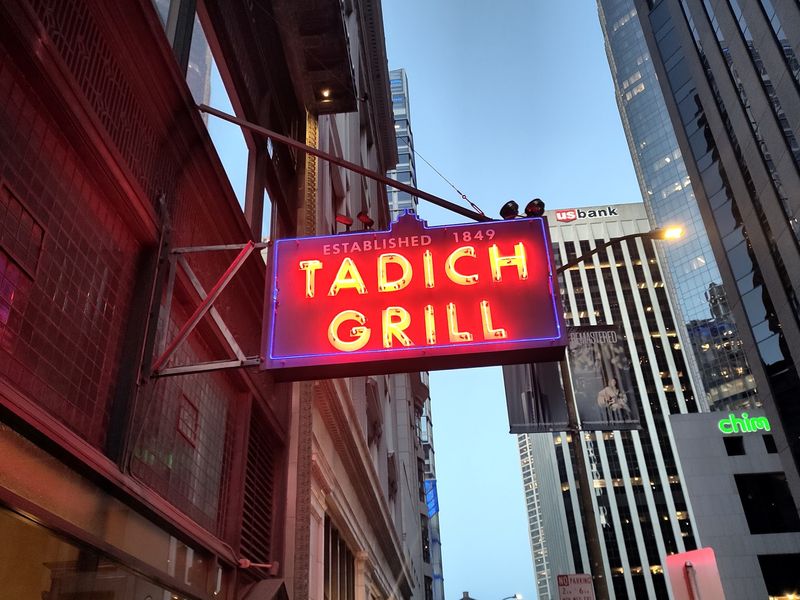
Some time in 1849, three Croatian immigrants put up a simple tent on Clay Street near the waterfront. They called it a coffee stand, and it served the flood of newcomers chasing Gold Rush dreams.
Eighteen years later, a man named John Tadich bought the small eatery. He put his name on it, and that name has stuck ever since.
San Francisco in those years was rough, crowded, and always changing. A business that lasted even a decade was doing well, so lasting through the 1800s was already a feat.
Then came the 1906 earthquake, which reshaped the entire city. The restaurant relocated afterward and moved a few more times before finally settling at its current California Street home.
In 1934, Tom Buich and his brothers bought the restaurant from Tadich. The Buich family still runs it today, which makes this a true family-held institution with roots stretching back nearly a hundred years under one family alone.
Counting from that first tent, the restaurant recently marked its 176th year in business. Few places anywhere in the country can say the same.
A short history is printed on the front page of the menu, so it is worth a read while deciding what to order. It turns the wait into a quick lesson in old San Francisco.
The Decor Time Forgot
Modern restaurants tend to redesign every few years. Here, the management seems to have looked at that idea and politely declined.
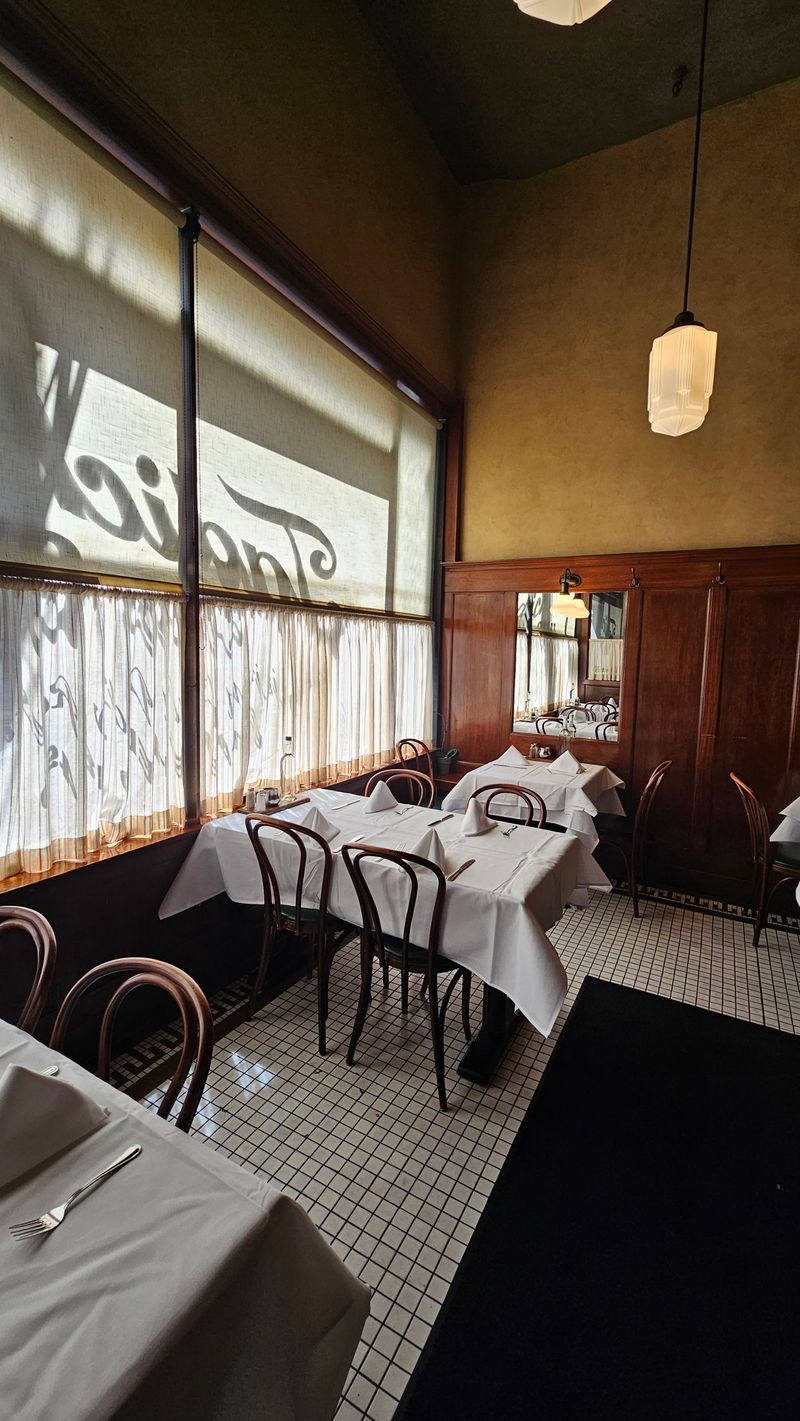
The dining room is built around old-school counters and dark wood decor. White tablecloths cover the tables, and the overall look feels closer to a mid-century downtown grill than anything built recently.
That choice is a big part of the appeal. People come partly to eat and partly to see a room that has not been chasing trends.
Some guests compare the style to a classic New England dining room, with a nod to the old Hollywood grill rooms of Southern California. Either way, the message is clear: this is a place that respects its own past.
The space is smaller than many expect. Tables sit close together, and the counter seating stretches along much of the room.
There are also booths for small groups, which tend to go to diners with reservations. They make a good choice for families or friends who want a little more room to talk.
For anyone tired of loud music and minimalist furniture, the setting is a welcome change. It feels like downtown San Francisco did before glass towers took over the skyline, and that is exactly the point.
White Jackets and Decades of Service
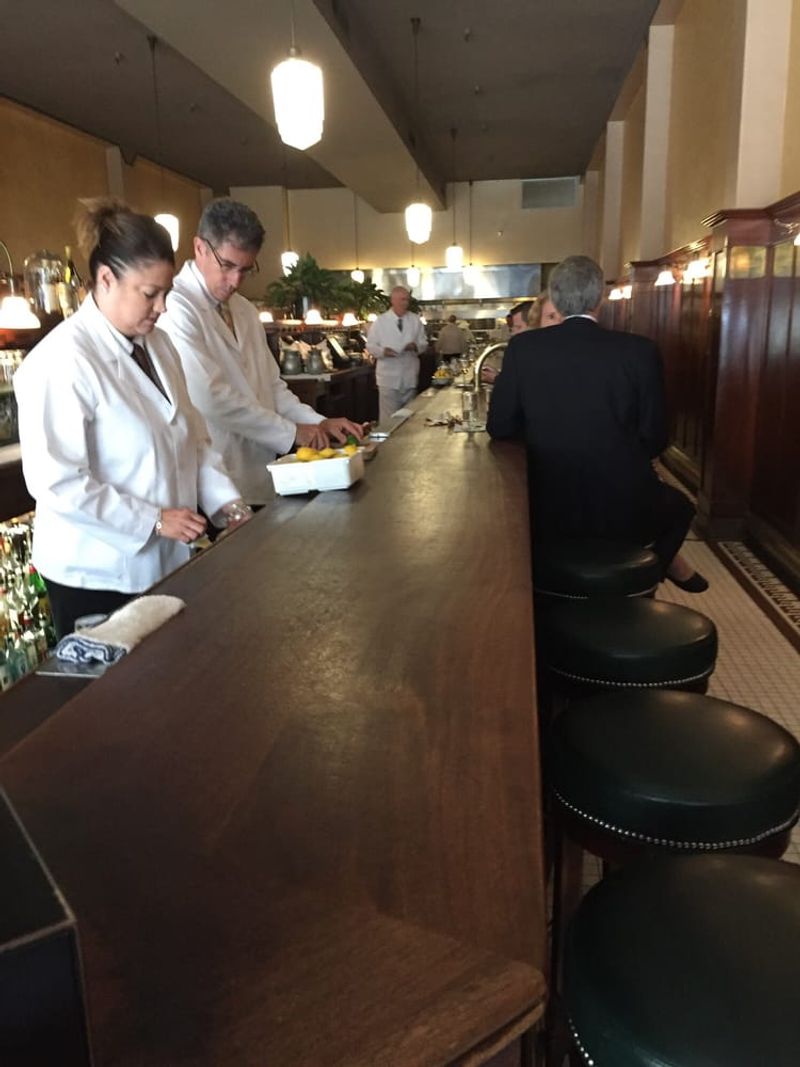
Crisp white jackets are still the uniform for the servers, and that detail alone says a lot about the place. It is formal in look, yet friendly in practice.
Many of the servers have worked at the restaurant for decades. They know the menu well, and they often know the history of the building and the city too.
Guests regularly describe the staff as attentive without hovering. Service tends to be well paced, neither slow nor rushed, which suits a long lunch or a relaxed dinner.
The menu is large, and first-timers sometimes find it a bit overwhelming. Servers are quick to walk diners through the options and suggest a few favorites.
There are also small touches that make people smile. One server brought a party a cup of each soup style when they could not decide, and another brought extra sauce once the first serving ran out.
That kind of care helps explain why families keep coming back. Some guests first hear about the place from parents who dined there forty years earlier.
In an age of tablet ordering and QR codes, a real conversation with a longtime server feels almost old-fashioned. Around here, that is considered a feature, not a flaw.
Mesquite Fire and a Menu Built on Tradition
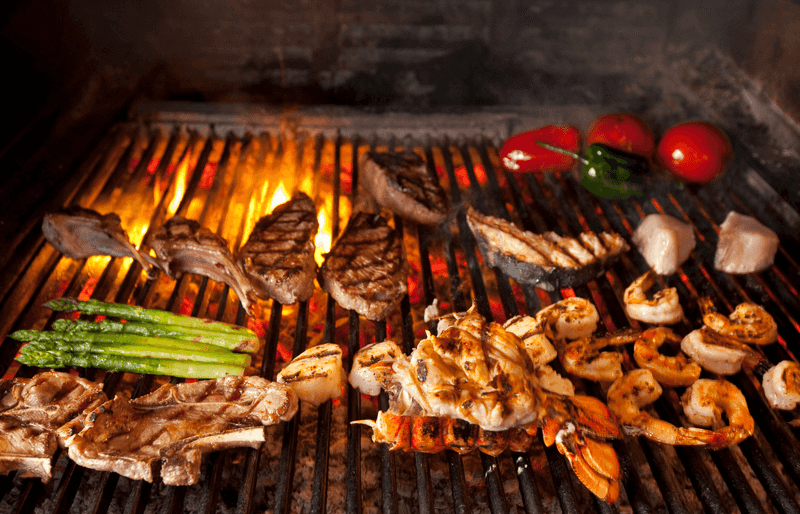
Some kitchens get rebuilt around the latest gadgets. This one still relies on a mesquite charcoal broiler for much of its fresh local seafood.
That cooking method has been part of the restaurant’s identity for a long time. It is one of the clearest examples of the kitchen choosing tradition over convenience.
The menu is long and leans heavily on the ocean. Fresh fish, shellfish, and seafood platters make up a big share of what guests order.
Still, the kitchen does not ignore land-lovers. Stews, casseroles, roasts, and steaks appear alongside the seafood, so mixed groups can all find something.
Guests often say it is a good place to try seafood they may not know well. The wide menu encourages a little adventure, especially when servers help guide the choices.
Portions tend to run generous. Many people leave with leftovers, and some groups order several plates to share so everyone can sample more.
Complimentary bread arrives at the table, a habit that has become rare at newer restaurants. Long-standing places like this one tend to keep it, and regulars appreciate the gesture.
Nothing about the menu feels designed for social media. It feels designed to feed people well, which is how it has worked since the Gold Rush.
Counter Seats With a Side of Stories
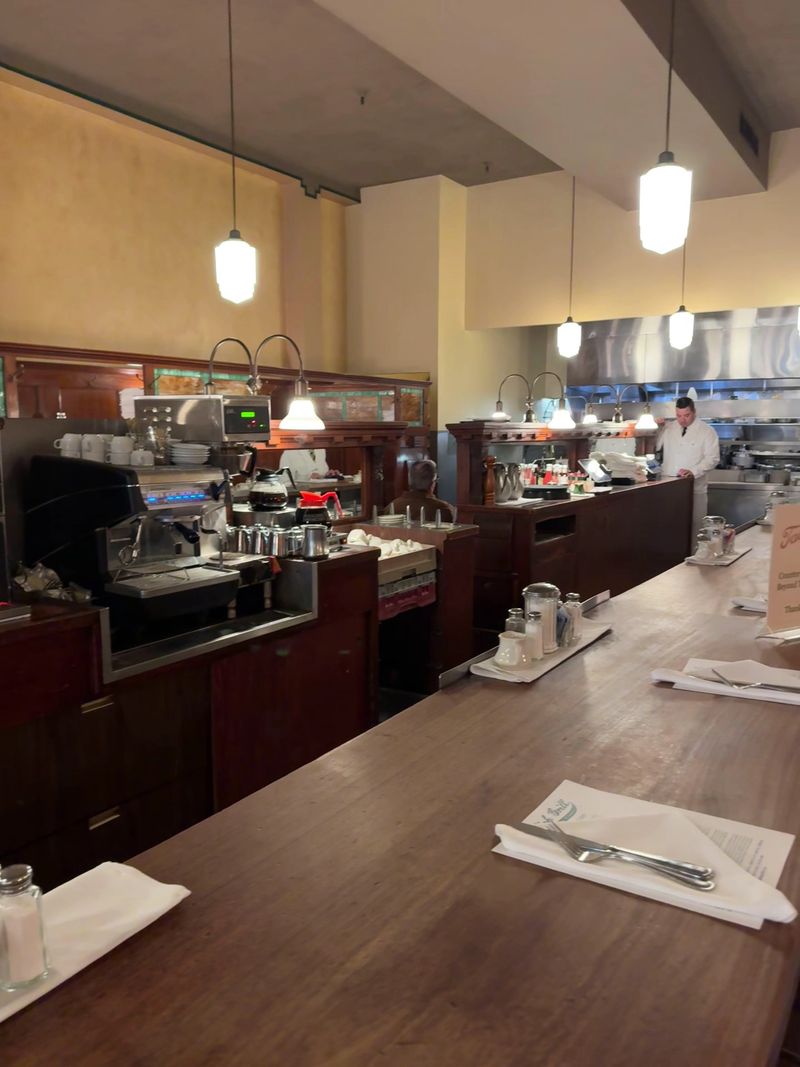
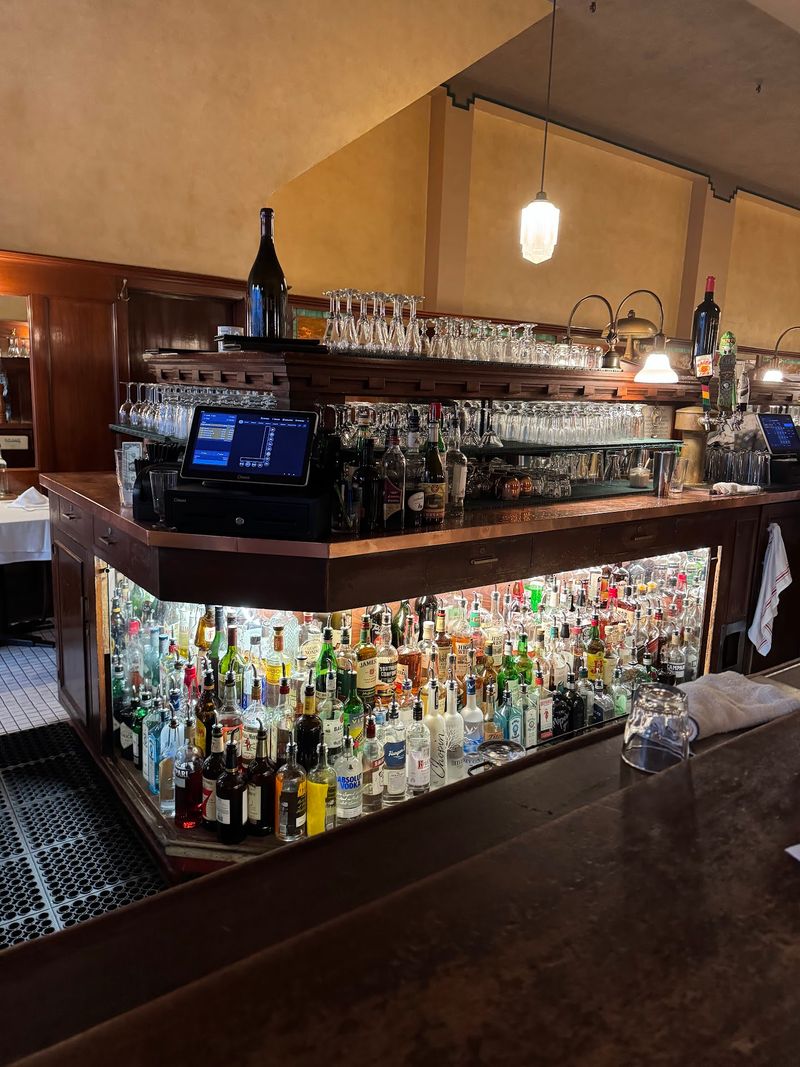
Here is an insider tip that longtime fans swear by: grab a seat at the counter. It may be the best seat in the house, especially for solo diners and pairs.
The counter puts guests face to face with servers. Many of those servers are happy to chat about the restaurant’s past, the city, or the menu.
Those conversations add an extra layer to the meal. It becomes less of a quick bite and more of a visit with people who know the place inside and out.
Counter seating is also the most practical option without a reservation. Tables generally require booking ahead, while bar and counter seats are first come, first served.
There is a catch, though. Seating is limited, and a short wait for a spot at the bar is common during busy hours.
Diners who arrive early for a table reservation are sometimes offered the counter instead. Most come away pleased with that swap, since counter service tends to be quick and friendly.
Food usually comes out fast after ordering, which suits a weekday lunch break. Office workers have relied on that speed for generations.
Sitting there, it is easy to see why this setup never changed. It works, and it gives every meal a bit of company.
Suits Then, Quarter-Zips Now
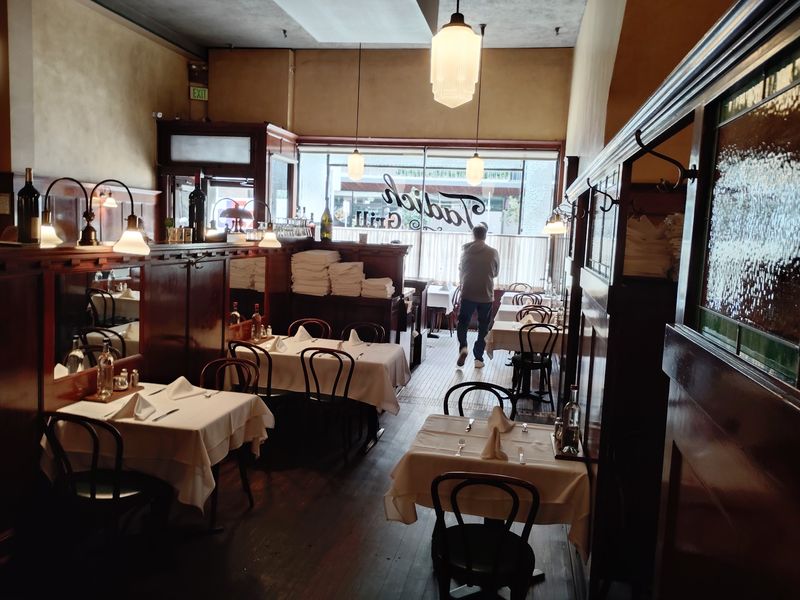
Decades ago, the booths here were full of suits closing deals over lunch. The deals still happen, but the dress code has relaxed into quarter-zips and slacks.
That shift sums up the crowd nicely. It is part business lunch spot, part family celebration venue, and part bucket-list stop for travelers.
Smart attire is a good call, yet the restaurant itself runs as a casual bar and grill. Nobody needs a tie to get through the door.
The room tends to be lively, especially at lunch and on weekend evenings. Conversations bounce between tables, and the counter usually hums with activity.
Families with deep California roots often treat a visit as a tradition. Parents bring grown children to the same room where they once ate decades earlier.
Small groups may get the most out of it. Sharing several dishes lets everyone sample more of the large menu without overdoing it.
Couples looking for a classic date night also fit right in. The white tablecloths and wood decor give the evening a sense of occasion without any fuss.
In short, the place welcomes anyone who values history and a good meal. Trend chasers may find it too plain, and longtime fans would not have it any other way.
The Reservation Rule Worth Following
Plenty of hopeful diners have learned this lesson the hard way. Showing up on a busy evening without a booking can mean a long wait or no table at all.
Reservations are strongly recommended and are generally needed for table seating. Online booking is available, which makes planning fairly simple.
Weekend spots fill up early. Some guests have found Saturday fully booked and switched to a weekday instead, which often works out better anyway.
Weekday lunches can be a smart alternative. A noon Monday reservation is easier to land than a prime Saturday slot, though lunch is busy too.
Arriving a little early is a good habit. Guests who show up ahead of time are sometimes seated at the counter right away, which keeps the evening moving.
Groups of three or more benefit most from booking. Booths and tables are the best fit for small parties, and they are the seats that go fastest.
Without a reservation, the bar and counter remain the backup plan. Patience helps, since seats there turn over steadily but not instantly.
A little planning goes a long way here. A few clicks a week or two in advance can turn a maybe into a sure thing.
Hours, Costs, and the Parking Puzzle
Sunday is the one day the doors stay shut. From Monday through Friday, the restaurant serves from 11 AM to 9 PM, and on Saturday it opens for dinner only, from 4 PM to 9 PM.
Those hours make weekday lunch an easy option for anyone working or sightseeing downtown. Saturday guests should plan around the later start.
On cost, it is fair to call the place pricey. Seafood dishes in particular sit on the higher end, and prices may have changed since this was written, so check the current menu before going.
There are ways to keep the bill reasonable. The menu includes smaller portions and lower-priced options beyond seafood, and generous servings often mean leftovers for the next day.
Sharing plates is another smart move. Groups that split several dishes tend to get more variety for their money.
Parking in the Financial District is famously tricky. Valet parking is available, and guests who use it often say it takes a lot of stress out of the visit.
Public transit is another option for those who prefer to leave the car at home. The restaurant sits in a central part of downtown with plenty of nearby connections.
A little homework on hours and budget keeps surprises off the table. The only surprise worth having is how full everyone feels on the way out.
Why Nothing Ever Needed Fixing
Most businesses that last 176 years do it by reinventing themselves again and again. This one did it mostly by staying put in spirit.
The restaurant has moved buildings several times, but its core approach has barely shifted. Fresh seafood, a long traditional menu, white-jacketed servers, and counter seating have remained the formula.
That steadiness has carried it through fires, recessions, and the many changes that reshaped San Francisco. Through all of it, the doors kept reopening.
Family ownership plays a big role. The Buich family has guided the place since 1934, and that continuity helps explain why so little has been changed for the sake of change.
For many Californians, this matters. Rising costs and constant redevelopment have erased plenty of beloved local spots, and each one that remains feels more precious.
Here, a grandparent can point to the same counter they sat at years ago. That sense of continuity is hard to find, and it cannot be built from scratch.
None of this means the restaurant is stuck. It accepts online reservations and serves a modern city crowd, but it does so without losing its identity.
Sometimes the best upgrade is no upgrade at all. The owners seem to have figured that out long ago.
A Table Worth Saving for Your Next Trip
Every city has places that tourists check off a list and forget. This is not one of them, because people keep coming back for decades.
The appeal is simple to explain. A long history, a dining room that respects its past, a large menu, and staff who treat guests like regulars all add up to something special.
It is not the cheapest meal in San Francisco, and it does not pretend to be. Still, many guests leave feeling the experience was worth the splurge.
For a first visit, a weekday lunch at the counter is an easy introduction. Book a table for a bigger group or a special night out, and avoid Sundays entirely.
Take a moment to read the history on the menu. It turns a meal into a small walk through California’s past, all the way back to that coffee tent near the waterfront.
Families with old San Francisco memories will likely find plenty to talk about. Newcomers may find a fresh appreciation for how the city once dined.
Since 1849, the restaurant has fed miners, merchants, office workers, and travelers. Its owners never saw a reason to modernize, and after a visit, most guests will not see one either.
Some traditions are worth protecting, and this one is still serving.


