
Affiliate disclosure: As an Amazon Associate I earn from qualifying purchases. Learn more
Some people book flights not for a vacation, but for a doctor’s appointment. Across Arizona’s largest desert city, a cluster of hospitals, research labs, and specialty clinics has quietly turned into one of the country’s most respected places to get well.
Patients from distant states and even other countries land here hoping for answers that were hard to find back home. What started as a sun-drenched capital famous for golf and warm winters has grown into a serious center for care, teaching, and medical discovery.
Keep reading to learn how this Valley of the Sun destination earned its reputation, what makes its medical community stand out, and why so many travelers pack a suitcase for treatment rather than sightseeing.
The Capital City At The Heart Of The Valley Of The Sun
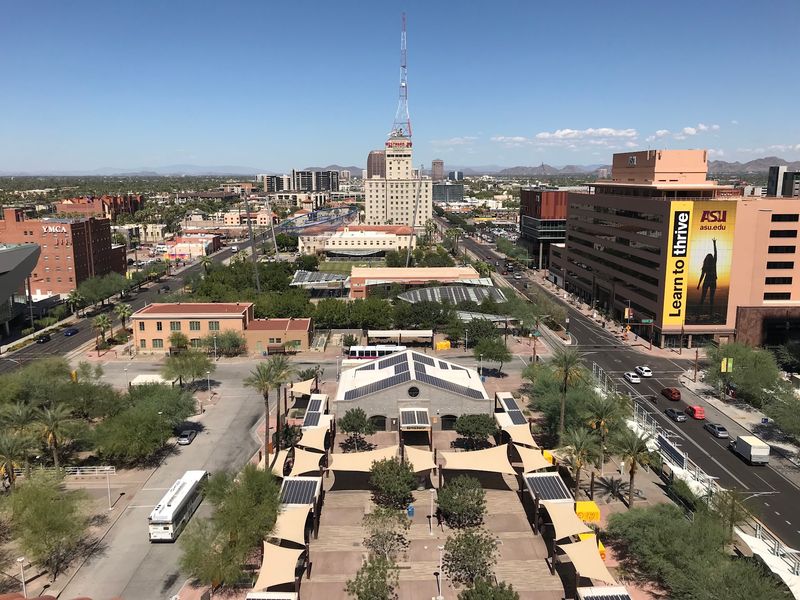
Right in the middle of Arizona sits Phoenix, the state capital and the anchor of a sprawling group of communities known as the Valley of the Sun. The metro area stretches across many connected cities, giving it the kind of scale that supports big institutions and steady growth.
Year-round sun and warm temperatures shape daily life here, and that reliable climate has long drawn people looking for comfort and recovery. The same weather that fills golf courses and resort pools also makes travel and long stays easier on those who arrive feeling unwell.
Phoenix is widely known for high-end spa resorts, Jack Nicklaus-designed golf courses, and lively nightlife, yet its reputation now reaches well beyond leisure. The Desert Botanical Garden and its collection of cacti and native plants remind newcomers that this is very much a desert town at its core.
That mix of easygoing lifestyle and serious infrastructure helps explain why the city keeps expanding. A place built for sunshine turned out to be well suited for something far more meaningful, and the story of how that happened is worth following closely.
From Sun-Chasing Retreat To Serious Care Center
Long before the city carried any medical reputation, people were drawn to the desert air in hopes of feeling better. Warm, dry conditions attracted those seeking relief, and that early wave of health-minded newcomers planted a quiet seed.
Over the decades, small clinics and community hospitals grew alongside a booming population. As more residents arrived, the demand for skilled care rose, and local institutions expanded to keep pace with a metro area that kept spreading across the valley floor.
What began as a place for rest slowly matured into a place for treatment, teaching, and research. National medical organizations recognized the potential of a large, growing city with room to build and a climate that welcomed year-round visitors.
That transformation did not happen overnight. Steady investment, new facilities, and a widening web of specialists gradually shifted the city’s identity.
The desert that once offered simple comfort now offers advanced options, and the change reflects generations of growth rather than a single moment. Understanding that history makes the modern medical scene feel less like an accident and more like the natural result of a city that never stopped growing.
Why Patients Board Planes Just To Get Treated Here

Traveling for medical care is a bigger decision than booking a weekend getaway, yet plenty of people do exactly that to reach this desert capital. Word spreads when a place delivers answers that felt out of reach elsewhere, and that reputation pulls in travelers from far beyond state lines.
Some arrive chasing a specialist known for a specific condition. Others come because a trusted doctor back home recommended a program that handles complex or unusual cases with real depth.
The city’s size works in patients’ favor. A large metro area can support niche expertise that smaller towns simply cannot sustain, so people with rare or complicated needs may find options here that are hard to locate anywhere close to home.
Convenience plays a role too. A major airport, abundant lodging, and a climate suited to long recoveries make extended stays more manageable for out-of-town families.
Add it all together and the pattern makes sense. When care, comfort, and access line up in one place, patients are willing to fly for it, and that willingness is a big part of how the city earned its growing name in medicine.
A Sprawling Metro Built To Support Big Institutions
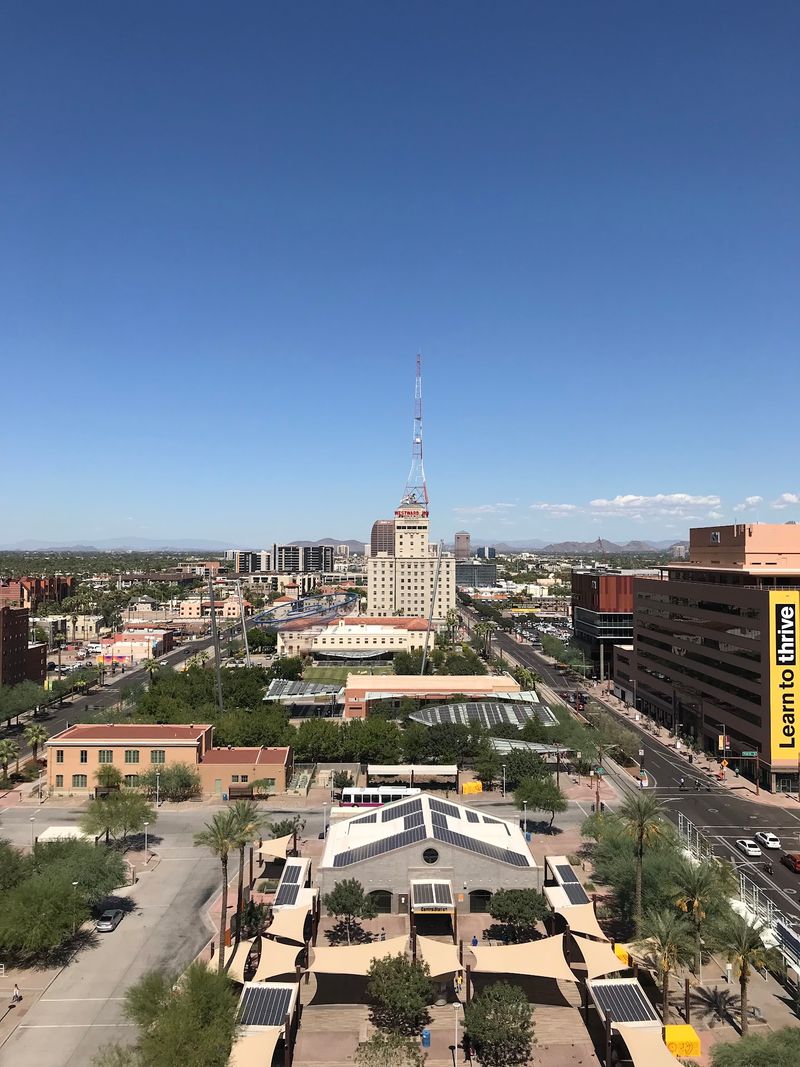
Scale matters when it comes to healthcare, and few cities in the region can match the footprint of the Valley of the Sun. The metro area links many communities together, creating the population base that major hospitals and research centers need to thrive.
Wide roads, ongoing construction, and steady expansion define much of the landscape. That growth-friendly environment has given medical campuses room to build, add wings, and develop entire districts focused on care and study.
Because the area covers so much ground, patients can often find services spread across different neighborhoods rather than crammed into one crowded corner. That spread can ease congestion and give families more choices about where to stay and how to get around.
The connected nature of the valley also supports collaboration. Institutions across separate cities can work within the same broad region, sharing talent and resources in ways that smaller, isolated towns cannot easily manage.
All of that infrastructure quietly powers the medical reputation. A city built to keep expanding turned out to be an ideal home for facilities that need space, staff, and a steady flow of people, which helps the whole system grow stronger over time.
Year-Round Sunshine That Doubles As A Recovery Ally
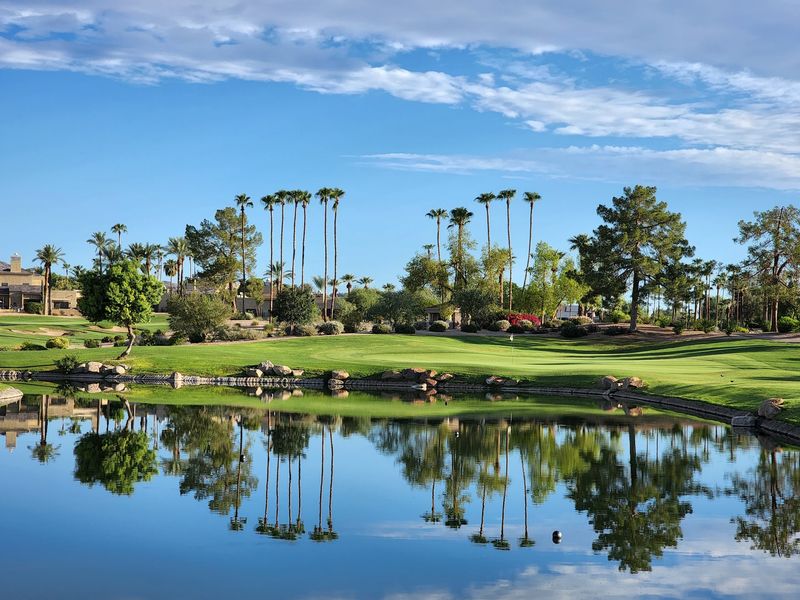
Weather rarely gets mentioned in medical brochures, yet in this city it plays a genuine supporting role. Reliable sun and warm temperatures make it easier for out-of-town patients to plan visits without worrying about storms or long stretches of gloom.
For families settling in during an extended treatment, that predictability can bring real peace of mind. Appointments, travel, and daily errands all become simpler when the forecast stays steady for most of the year.
The dry desert climate has long been linked with comfort for certain conditions, which is part of what drew health-minded newcomers here in the first place. While no climate cures anything on its own, a mild environment can make the recovery process feel more manageable.
Warm days also encourage gentle movement outdoors, whether that means a slow walk or simply sitting in the fresh air between visits. Small comforts like that can matter a great deal during a hard stretch.
The sunshine that made the region a leisure favorite quietly benefits its medical travelers too. A climate built for relaxation happens to pair nicely with rest and healing, adding one more reason people choose this desert capital.
Where Comfort Meets Care During Long Stays
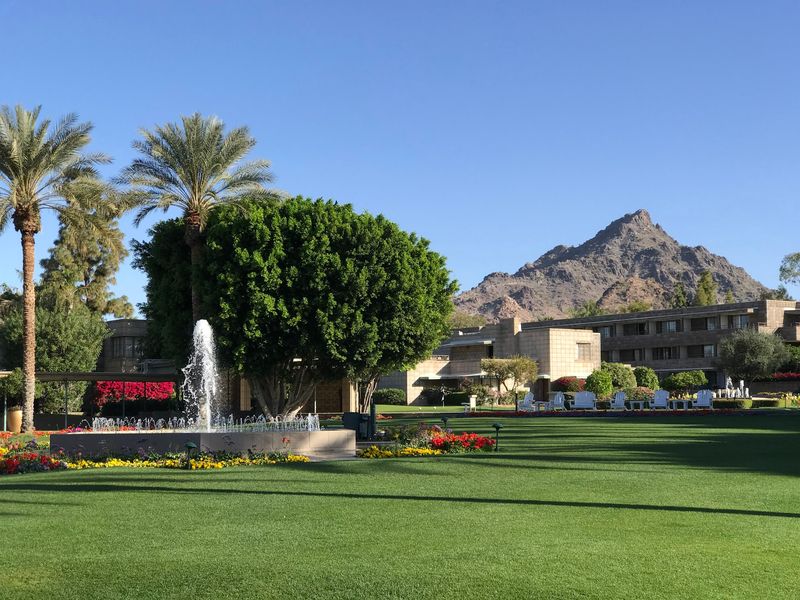
Medical travel often means weeks away from home, so the surrounding city becomes part of the experience. Fortunately, this is a place already known for hospitality, with high-end spa resorts and a deep bench of lodging options for every budget.
Families supporting a patient can find rooms close to major campuses or settle a little farther out where prices ease and quiet returns. That range gives people flexibility during stressful stretches.
Between appointments, the city offers plenty of gentle distraction. The Desert Botanical Garden showcases cacti and native plants for those who want a calm outing, while golf courses designed by Jack Nicklaus draw visitors who feel up to a round.
Nightlife and dining round out the picture for caregivers who need a break, though the pace can be as mellow or as lively as anyone wants. The point is choice, and there is plenty of it here.
A city that knows how to host guests turns out to be a comforting backdrop for something far more serious. When treatment stretches on, having real comfort nearby can make the whole journey feel a little lighter.
The Kind Of Traveler This City Suits Best

Not everyone who comes here is chasing sunshine for fun. A growing share of arrivals are patients and their loved ones, and the city has quietly shaped itself to welcome that group with open arms.
People managing complex conditions often benefit most, since a large metro can support the specialists and programs that rarer cases demand. Those who need extended care also fit well, thanks to abundant lodging and an easygoing climate.
Caregivers deserve a mention too. Traveling alongside a patient is exhausting, and a destination stocked with resorts, gardens, and dining gives supporters places to recharge without straying far.
Even snowbirds and part-time residents find the setup appealing, blending seasonal living with access to strong healthcare in one location. That overlap of lifestyle and medicine is unusual and genuinely useful.
Of course, plenty of visitors still come purely for golf and relaxation, and they fit right in as well. The beauty of the place is how comfortably these worlds coexist, letting healing and leisure share the same sunny streets.
Whoever you are, the valley tends to make room, and that welcoming quality is part of its steady appeal.
Getting There And Finding Your Way Around
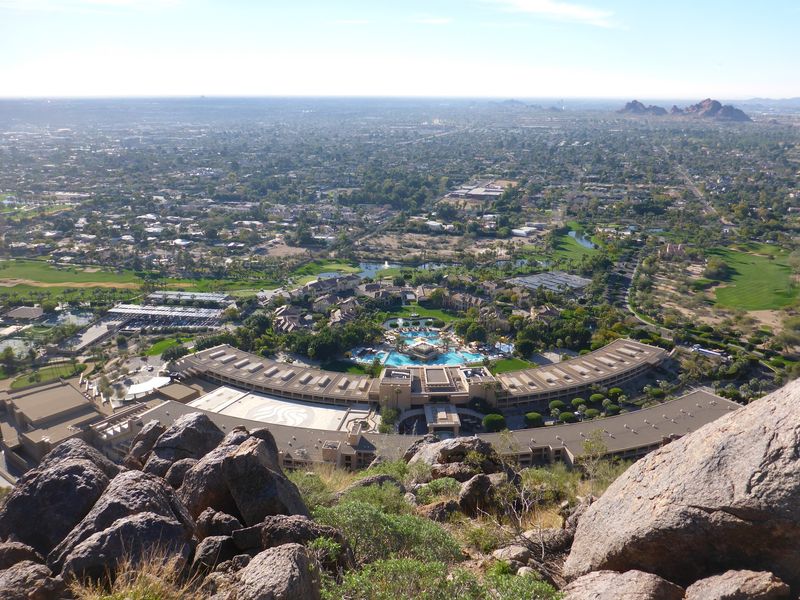
Reaching this desert capital is refreshingly straightforward, which matters enormously for anyone traveling on a tight medical schedule. A major airport connects the city to destinations across the country, so flying in for care rarely means a complicated route.
Once on the ground, the wide, well-planned road network makes driving the primary way to get around. Rental cars, ride services, and shuttles all operate throughout the valley, giving newcomers several ways to reach appointments.
Because the metro area is so spread out, planning your home base near your destination can save real time. Staying close to the neighborhood you need cuts down on long crosstown trips during already busy days.
The city also runs public resources through its official channels, and general information about the area can be found through the city website at phoenix.gov. Checking ahead helps travelers understand local layout before they arrive.
Warm, stable weather keeps travel predictable for most of the year, another quiet perk for out-of-town families. When getting there is simple and getting around is manageable, the whole trip feels less daunting, letting people focus on what actually brought them to town.
A Desert Capital Worth The Trip
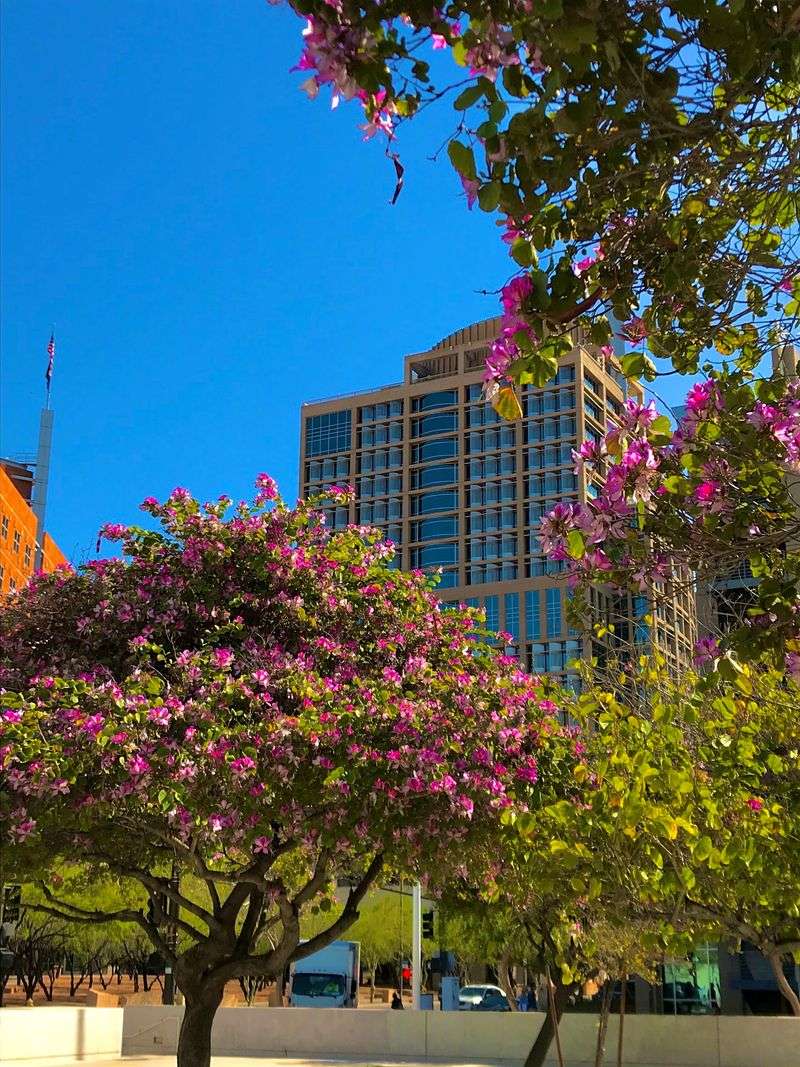
Few cities manage to be both a relaxing escape and a destination for serious healthcare, yet the Valley of the Sun pulls off that rare balance with ease. Phoenix, Arizona, has grown from a sunny retreat into a place where people travel with real hope in their carry-on bags.
The combination that makes it work is simple to see. Steady climate, a sprawling and connected metro, easy access through a major airport, and a long history of hosting guests all support the growing medical reputation.
For patients and families, that mix can turn a stressful journey into something a little more bearable. Care, comfort, and convenience rarely gather in one spot, but here they do.
Whether someone arrives for treatment, tags along to support a loved one, or simply comes to enjoy the desert scenery, the city tends to leave a lasting impression. There is a reason so many travelers keep choosing this corner of Arizona.
A place once known mostly for golf and warm winters has become something more, and that quiet evolution is exactly what makes it worth knowing about today.