
Affiliate disclosure: As an Amazon Associate I earn from qualifying purchases. Learn more
Most Tucson locals drive right past a 5,500-acre stretch of desert without knowing it holds a seasonal waterfall you can stand under after a good rain. Tucked against a mountain range with saguaros older than anyone’s grandparents, this park keeps its water secret until the wash starts flowing.
There are trails for every fitness level, campgrounds with real showers, and a music series that hands out free popcorn. The catch is timing, because that water does not run all year.
Longtime residents forget it is even here, and that is a shame worth fixing. What follows is a full look at the trails, the wildlife, the camping, and the practical details that make a day trip worth the short drive north.
The Desert Address Worth Circling On Your Map
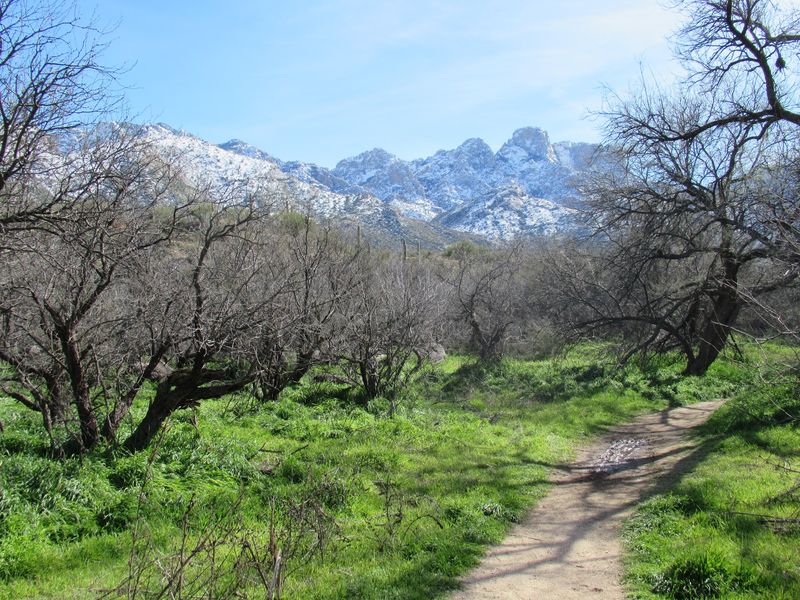
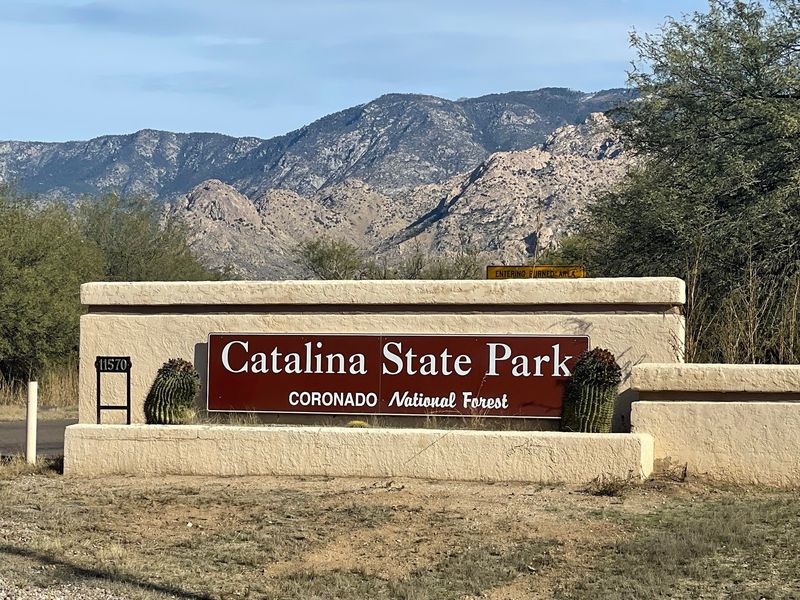
At 11570 N Oracle Rd in Tucson, Arizona, this park sits at the foot of the Santa Catalina Mountains and covers roughly 5,500 acres of high Sonoran Desert. The location surprises people because it feels remote, yet shopping and restaurants sit just across Oracle Road.
The address matters because the park is easy to reach from the north side of the city. That short drive is the whole appeal, wild country on one side and everyday errands on the other.
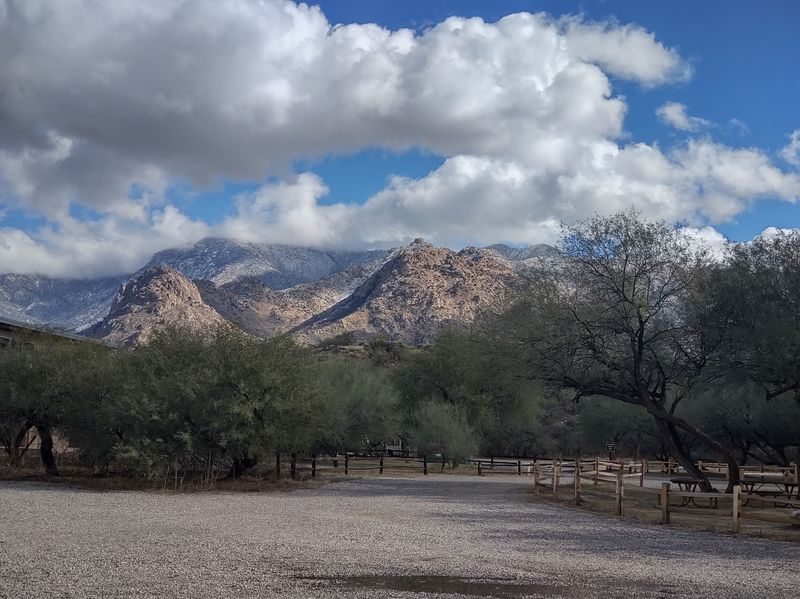
The mountains give the place its shape and its name, rising sharply behind the desert floor. Views start right in the parking lot, which is a rare thing to say about any trailhead.
Locals who have lived nearby for years sometimes admit they never made the turn into the entrance. That is the quiet tragedy of a backyard landmark.
Once you know where it is, the reasons to keep skipping it start falling apart fast.
When The Wash Turns Into A Waterfall
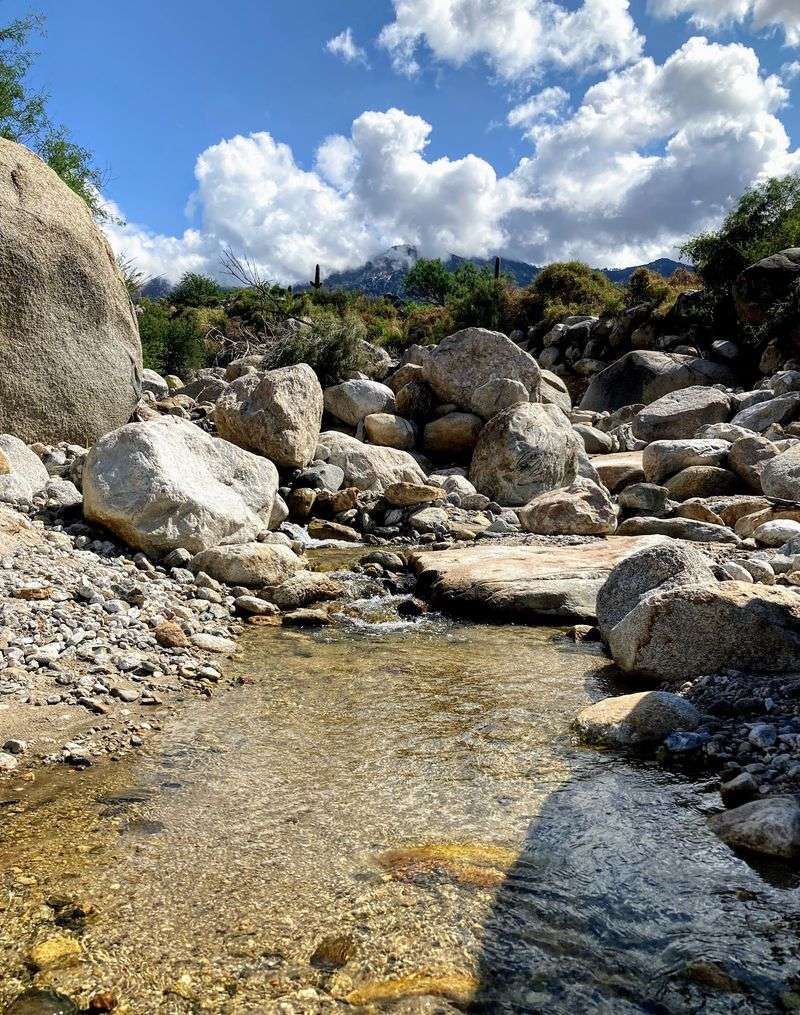
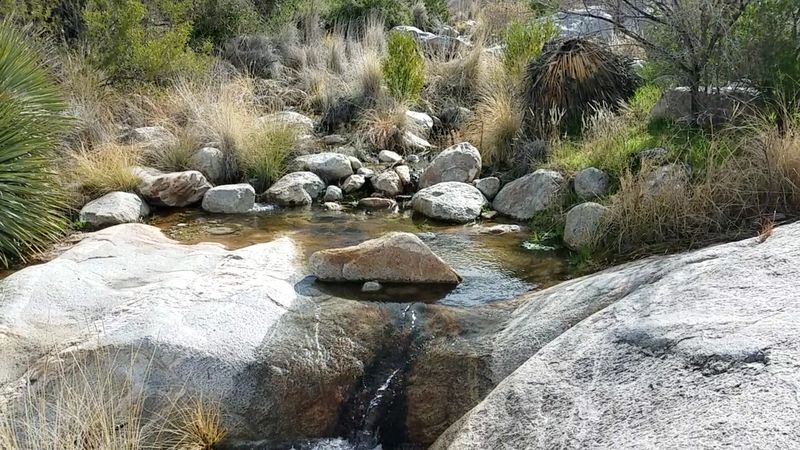
The headline promise is real but conditional. After a solid rain or during certain times of year, water fills the wash and trails may show falls where the rest of the year sits dry.
Hikers who visit in dry stretches often see the streambed with no flow at all, so timing is everything. The park’s canyon routes reveal possible falls and water in the wash when the season cooperates.
That is what makes the swimming-beneath-a-waterfall idea a treasure hunt rather than a guarantee. When the creek runs, the desert transforms into something people from drier states can hardly believe exists here.
The best strategy is to watch the weather and go in the days following steady rain. Winter and spring runoff tend to be your friends.
Show up dry-season and you will still get a gorgeous hike, just without the splash. Chasing the water is half the reward, and the payoff when you time it right is the kind of thing you tell people about for years.
Trails For Every Set Of Legs
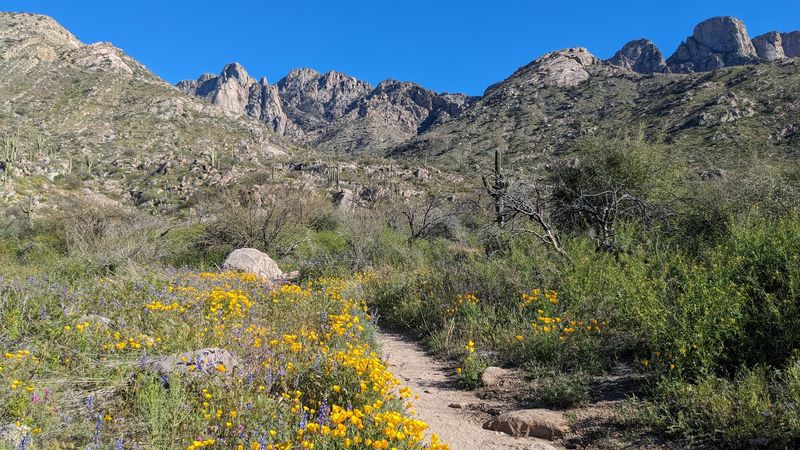
Nearly 500 mentions of hiking tell you what this place is really about. The trail menu runs from short nature loops to longer routes with real elevation gain, so beginners and seasoned hikers both find something.
The Canyon Loop is a popular easier option, though it starts with a climb out of the river bed before settling into a comfortable rhythm. Longer loops stretch to seven miles for people who want a workout that earns the mountain views.
What stands out is how well-kept the paths are, with variety in difficulty, length, and elevation packed into one park. You can pick a gentle stroll or something that leaves your legs talking the next day.
A common wish is for better signposting, since a few of the unofficial trails are not marked. Grabbing a pamphlet from the ranger at the entrance solves most of that guesswork.
With this many options, the hardest part is deciding which trail gets your morning.
The Alamo Canyon Loop And Its Old Saguaros
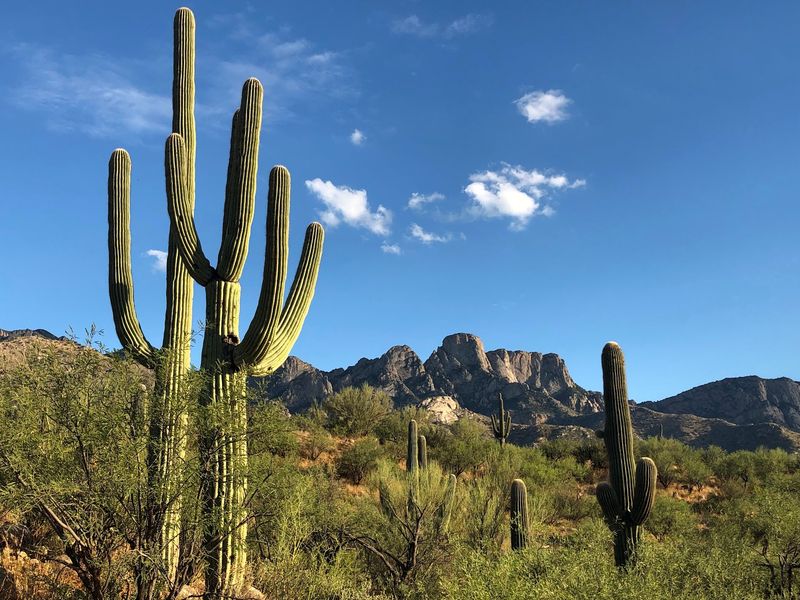
One trail keeps earning favorite-hike status even from people who hike constantly. The Alamo Canyon Loop starts across from a good-sized parking area and runs under four miles, but it delivers a genuine challenge.
Steep sections and loose rock mean walking sticks and proper boots are smart, especially for anyone unsure on uneven ground. Signs of an old fire show in burnt brush along the route, a reminder of how the desert recovers over time.
Shade is scarce for most of the loop, so early starts and plenty of water are non-negotiable. The reward is some of the oldest saguaro cacti in the park, standing tall like ancient residents.
The wash along this trail is one of the spots where water may appear after rain. Dry days still hand you stunning mountain views from the very first steps.
It is a compact loop that punches well above its mileage, and it tends to stick in people’s memories.
Wildlife That Shares The Sand
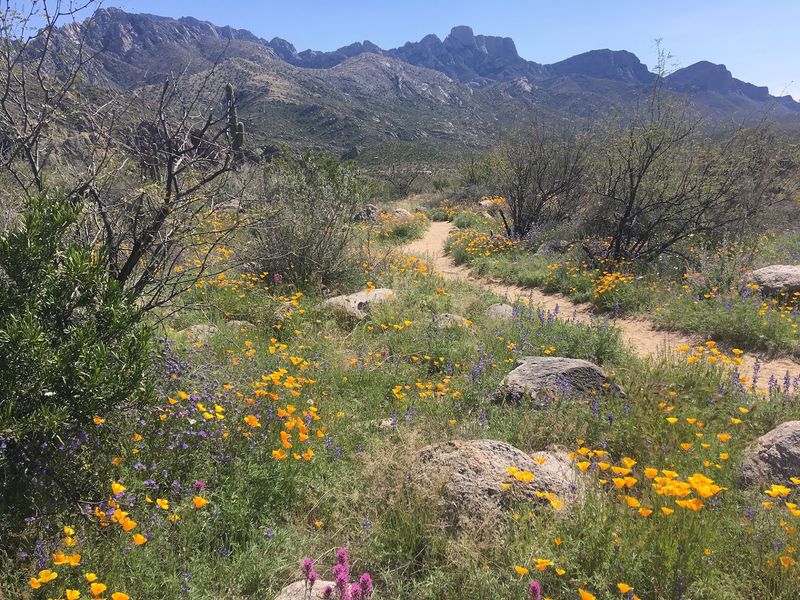
The desert here is far from empty. Lizards scamper across rocks, prairie dogs pop up around the campgrounds, and lucky walkers spot jack rabbits and the occasional coyote moving through.
Birders love the place too, with birding coming up often among the things people rave about. The park also has javelinas roaming, and yes, tarantulas make appearances that thrill some and startle others.
Being aware of your surroundings is the standard advice, and it keeps encounters positive rather than surprising. Wildlife here is a feature, not a footnote, part of what makes a walk feel genuinely wild.
Summer heat is intense enough that dog owners have bought paw boots to protect their pets on hot ground. As the park grows quiet in the evening, the nighttime desert comes alive with its own residents.
Keeping a respectful distance means everyone, two-legged and four-legged, gets to enjoy the space.
Camping With Showers You Actually Look Forward To
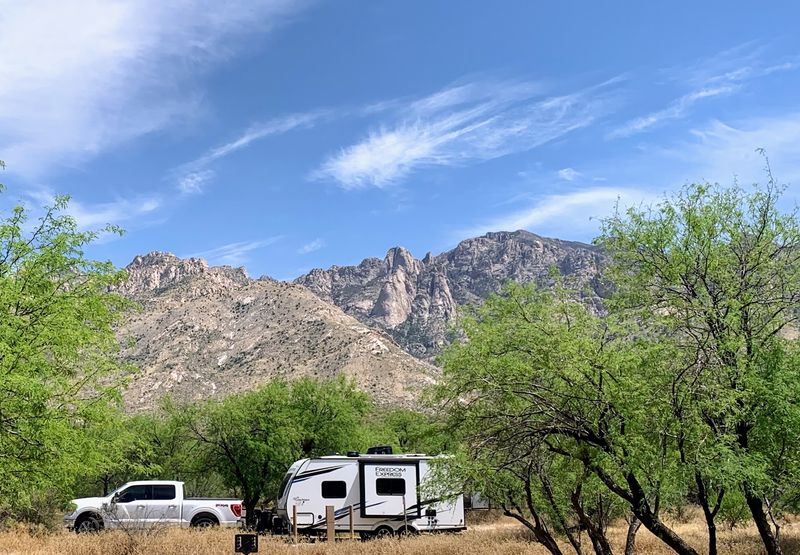
Two large campgrounds anchor the overnight experience, and the reputation of the bathrooms is genuinely notable. People who have crossed the country on long road trips call these the best shower and restroom facilities they have found at any state park.
Sites come with water and electric RV hookups, including 30 and 50 amp service, which matters in Arizona summer heat. There is no sewer at the sites, but a dump station on-site handles grey and black water.
Campground B has spacious back-in sites, some with a hill full of saguaro rising right behind them. Trees add cover, and the sites tend to feel roomy rather than cramped in the main loops.
Camp hosts stay busy keeping sites clean and ready, and they can update vehicle tags to save you a trip back to the entrance. For a park this close to a city, the camping feels surprisingly removed from the noise across the road.
The Ringtail Loop Reality Check
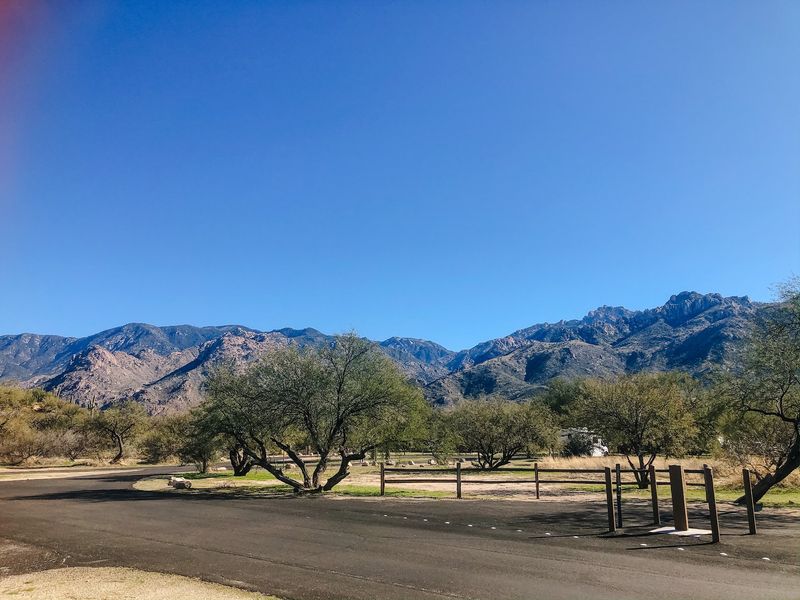
Not every corner of the park earns a standing ovation, and honesty helps here. The Ringtail Camping Loop is labeled rustic, but it functions more like a dirt overflow lot with sites packed close together.
Campers looking for spacious, quiet solitude sometimes leave disappointed with this particular loop. Generators are allowed from 8 a.m. to 8 p.m., and early starts can bring noise and exhaust that grate on nearby tents.
The advice that follows is simple, know what you are booking before you reserve. If quiet camping is your priority, aim for the main campgrounds rather than the overflow area.
Even the tougher feedback keeps praising the hiking and scenery, which stay excellent regardless of where you sleep. Ringtail’s saving grace is proximity to restaurants and stores across Oracle Road, handy for some, underwhelming for others.
Going in with clear expectations turns a possible letdown into a manageable trade-off.
Music By The Mountains And Weekend Programs
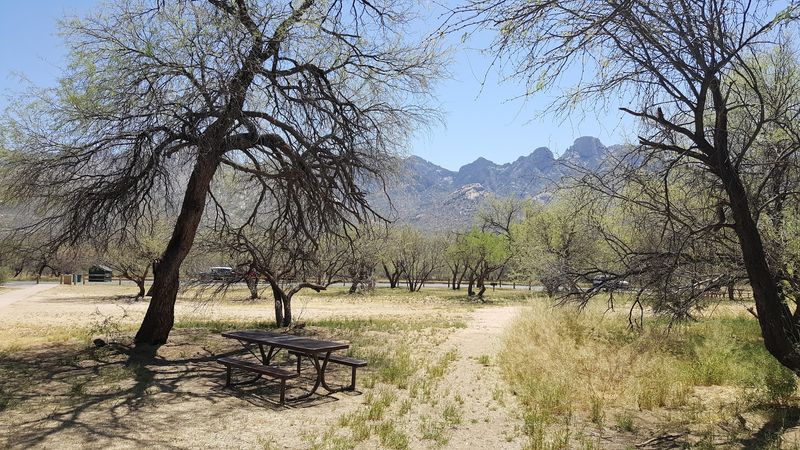
The park does more than trails and campfires. On the first Saturday of the month, a small outdoor venue hosts Music in the Mountains, with a stage, parking, picnic tables, and a restroom.
Sets run in the early evening, and a park ranger has been known to pop free popcorn for the crowd. Indie groups fill the little venue against a mountain backdrop, and the vibe leans welcoming rather than crowded.
Weekend nature programs add another layer, including a well-liked Saturday morning session. These events give the park a community feel that pure hiking spots often lack.
One heads-up worth knowing, popular programs can fill up and may require registration well in advance. Campers passing through sometimes find slots already booked, so plan ahead if a specific event is the goal.
Between the music, the popcorn, and the volunteers running the show, the park manages to feel like a neighborhood gathering with a mountain for a backdrop.
A Dog-Friendly Desert Escape
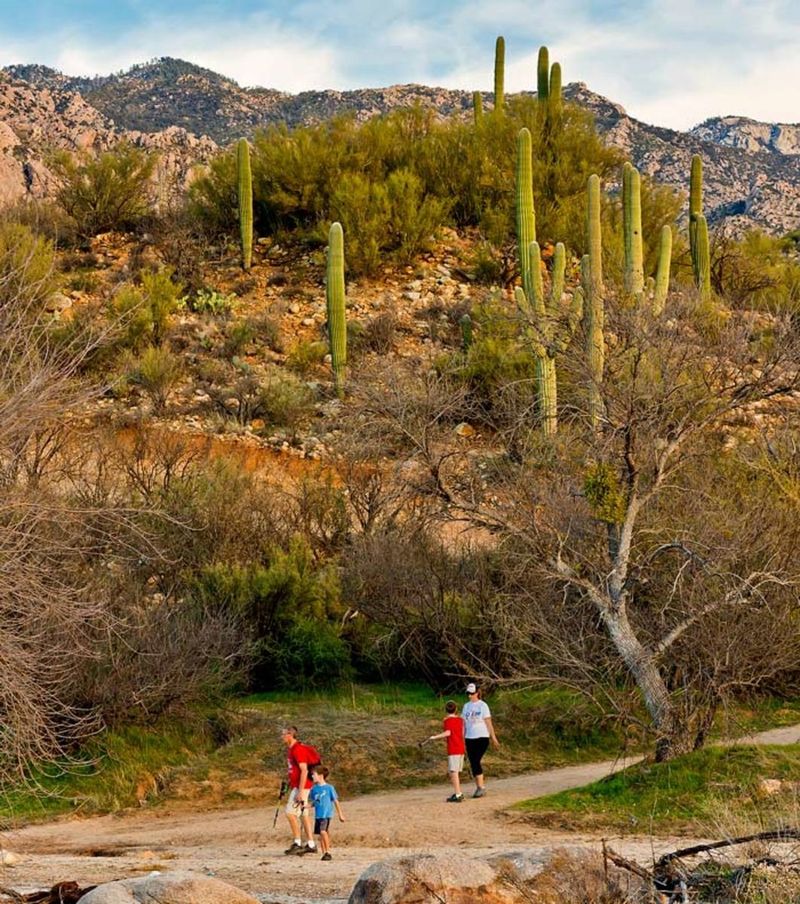
Four-legged family members are genuinely welcome here, which lifts the whole experience for pet owners. The dog-friendliness gets specific mention, and the well-maintained trails make for easy walking companions.
People routinely spend a few hours hiking with their dogs across the varied routes. The campground loops double as pleasant dog-walking paths, especially in the calmer hours.
Summer changes the math, though. In peak heat, the ground gets hot enough that dog boots become a smart purchase to protect paws during midday.
Early mornings and evenings are the kind choice for both you and your pup. Leashes and awareness matter with wildlife around, since lizards, rabbits, and larger animals share the space.
For anyone who hates leaving the dog behind on adventures, this park removes the excuse. It is a rare desert outing where the whole household, tail included, gets to come along and enjoy the mountain views together.
Rangers And Volunteers Who Set The Tone
The welcome starts at the ranger station, where staff meet arrivals and walk them through trail options and difficulty levels. Helpful rangers come up again and again as a reason the visit feels smooth.
Volunteers get consistent praise for being amazing, whether they are running events or keeping the grounds in shape. That human touch turns a big park into something approachable, especially for first-timers unsure where to start.
Guidance at the entrance helps you pick a route that matches your energy, from the short Canyon Loop to steeper climbs. A pamphlet handed over at check-in points out picnic areas, trailheads, and even ruins tucked off one of the paths.
The one recurring gripe is bathroom cleanliness in certain spots, with a wish for more frequent attention. Even so, the friendliness of the people running the place carries a lot of goodwill.
Good staff can make an average park great, and here they are clearly part of the draw.
Hours, Fees, And The Day-Pass Trick
Planning is easy once you know the numbers. The park opens at 5 a.m. and closes at 10 p.m. every day of the week, giving early hikers plenty of pre-heat time.
Entry runs around 20 dollars per vehicle, and here is the useful part, that pass covers the whole day. You can come and go as many times as you like on the date marked, which suits split trips of hiking then errands.
Regulars who visit often may find the yearly pass worthwhile, though it sits on the pricier side. A gift shop at the entrance sells water and drinks, handy since there is no water refill station inside.
Weekends and mid-morning arrivals fill the lots quickly, so early starts help with parking too. The official website at azstateparks.com/catalina is the place to confirm current fees and reservations.
A little planning turns the fee from a surprise into a bargain for a full day out.
Close Enough To The City To Feel Sneaky
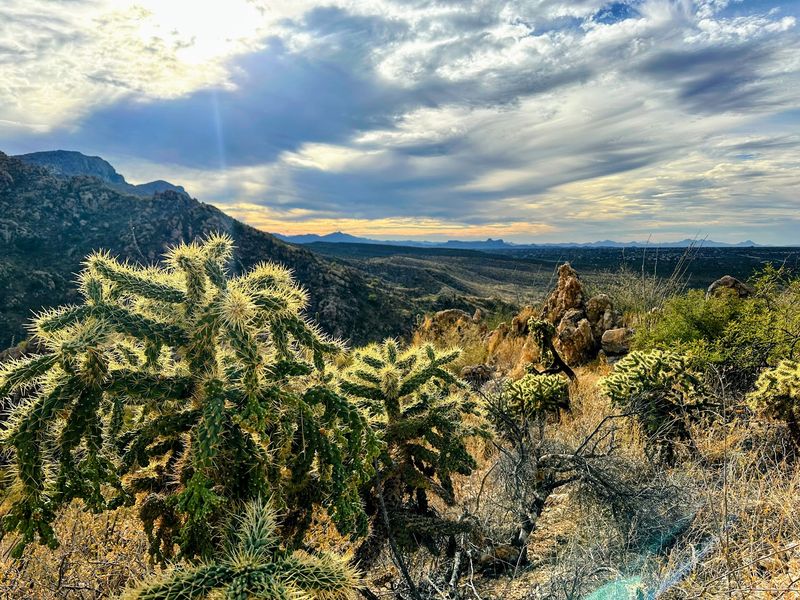
Part of the charm is how the wild and the everyday sit side by side. The park is not in the heart of Tucson, yet shopping, restaurants, and big-box stores line up just across Oracle Road.
People drive up from Phoenix specifically to see the mountains Tucson offers, and the trip tends to deliver. A bike path connects to the area, and cyclists regularly make their way to the park.
The proximity means you can hike a canyon in the morning and handle errands by afternoon without a long haul. That balance is exactly the backyard-adventure feeling locals appreciate.
Nearby draws round out a full day, including a drive up Mount Lemmon Highway and a visit to Biosphere 2. Those add-ons make the park a launching point rather than a single-stop destination.
For a place that feels tucked against wilderness, the convenience of the city next door is almost cheeky.
Why This One Belongs Near The Top Of Your List
Adding it all up, this is a park that quietly does almost everything well. A 4.7-star reputation across nearly 1,900 pieces of feedback backs up the enthusiasm, and the praise is spread across hiking, camping, wildlife, and programs.
The seasonal water is the headline lure, a real chance to stand beneath a desert waterfall when the wash runs after rain. But even bone-dry, the trails, the ancient saguaros, and the mountain views hold their own.
Families find gentle loops, serious hikers find steep miles, and campers find showers worth bragging about. The music nights and nature programs turn a hike into a whole outing.
Go early, bring water, watch the weather for that waterfall window, and grab a day pass that lets you wander in and out. For Tucson locals who keep driving past the turn on Oracle Road, this is the nudge to finally make it.
The mountains have been waiting in your backyard the whole time.