
Affiliate disclosure: As an Amazon Associate I earn from qualifying purchases. Learn more
Most gemstones end up behind glass, with a price tag and a clerk watching your hands. Out in far eastern Arizona, near the small town of Duncan, there is a stretch of public land where the rules flip.
Here, you are the one doing the finding, and the prize is fire agate, a stone that flashes rainbow colors from deep inside. Locals who make the trip say you barely need skill.
Park, look down, and the ground starts handing out treasure. The catch is the road, a long and bumpy dirt track that keeps casual crowds away.
This guide covers where the spot is, why the stones are there, the best places to search, what to drive, what to pack, and how to camp overnight. Keep reading before you gas up the truck.
A Rock Lover’s Corner of Greenlee County
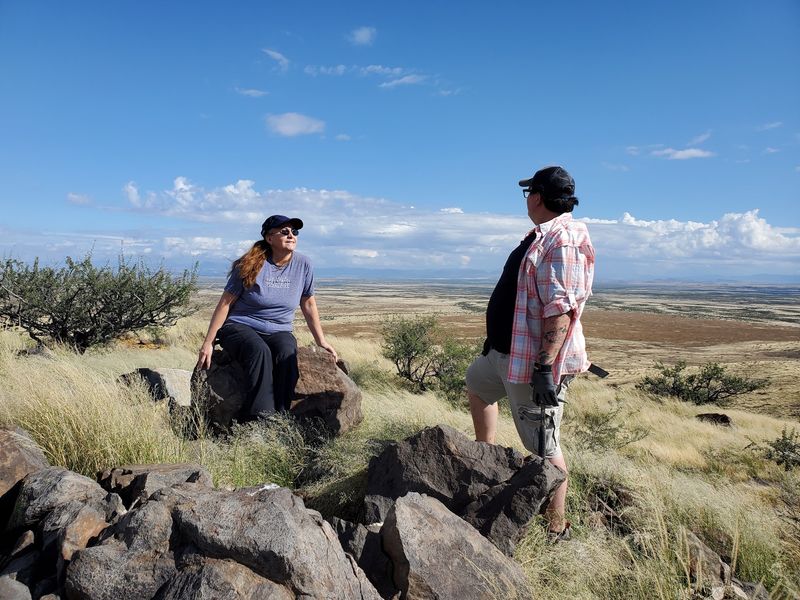
Arizona has plenty of famous landmarks, but few let you leave with a pocketful of souvenirs legally. The Round Mountain Rockhound Area, found in Duncan, AZ 85534, is one of them.
The site sits on public land managed by the Bureau of Land Management. That means rockhounds can collect stones for personal use without buying a ticket or booking a tour.
Duncan itself is a quiet town close to the New Mexico line, far from the Phoenix and Tucson crowds. The rockhound area lies out past it, down a long dirt road into open ranch country.
Google Maps lists the location correctly, which is a pleasant surprise for such a remote place. Signs along the way also point toward the collecting grounds.
The site is listed as open 24 hours, every day of the week. There is no gate attendant, no gift shop, and no admission booth waiting at the end of the road.
What waits instead is a mountain and its surrounding slopes scattered with agate, chalcedony, and the star of the show, fire agate. For Arizona locals, it is a backyard treasure hunt that many have never heard about.
Why Lava Left a Rainbow Behind
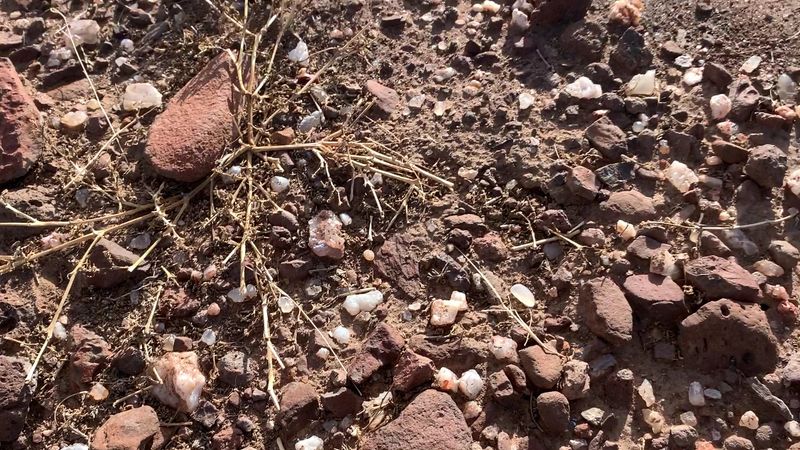
Every good treasure has an origin story, and this one starts with volcanic rock. Longtime collectors point to the lava outcroppings on the mountain as the source of the fire agate here.
Over time, those outcrops break down. Pieces of agate get loosened and carried downhill, which is why stones end up scattered across the slopes and washes below.
The best specimens are said to be found at the hill itself, closer to where they formed. Stones found farther out have usually traveled a bit before landing where you spot them.
Fire agate gets its name from the colorful flashes that show up inside certain pieces. Not every agate on the ground has that fire, which makes finding one feel like a small win.
Collectors who have spent years at the site describe the supply as plentiful. Some even suggest it may never be fully picked over, since the host rock keeps releasing new material.
That steady supply is part of the charm. The mountain is basically a slow-motion gem dispenser, and it has been working since long before anyone thought to put up a sign.
The Six-Mile Test of Patience
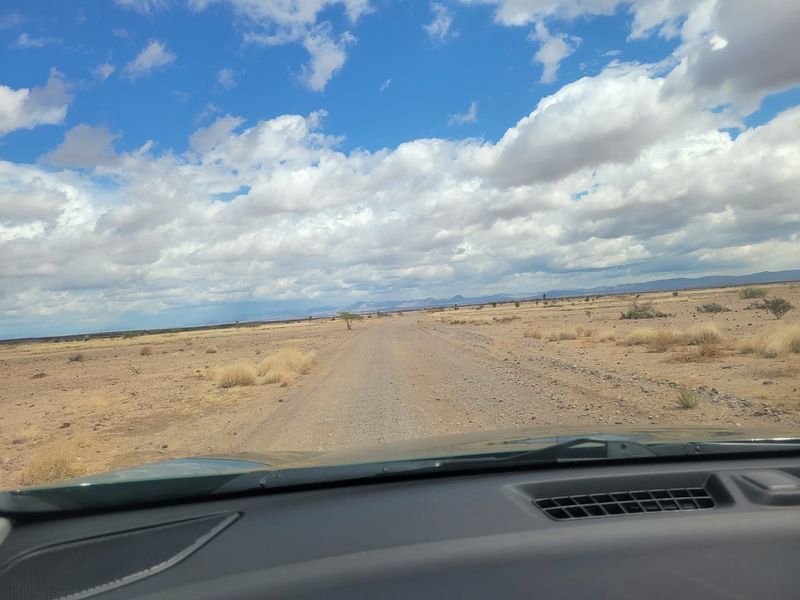
Getting there is half the adventure, and some folks would argue it is more than half. The final stretch is roughly six miles of narrow dirt road with plenty of ruts and holes.
Directions start with a dirt road marked by a big ranch archway. Follow that road and signs for the rockhound area begin to appear.
The surface changes as you go. Smooth sections can suddenly turn into deep ruts, so this is not a place to set cruise control and daydream.
Many who have made the trip describe it as a long, slow drive from the main road. The consistent verdict is that the payoff at the end makes the crawl worth it.
There is also a railroad crossing along the route. Experienced drivers advise stopping and listening for a train, since a warning sign may not always be in place.
Once you reach the collecting grounds, you can park and start hunting. Just budget extra time for the drive both ways, because this road rewards the unhurried.
Trucks, Jeeps, and the Sedan Debate
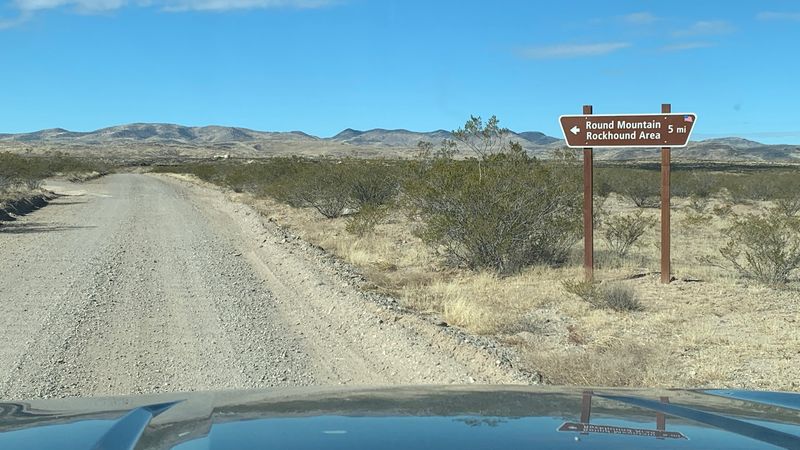
Ask ten rockhounds what to drive, and nine will say something with high clearance. A truck, Jeep, or SUV is the most common suggestion for this trip.
Some go further and recommend a true 4×4 or AWD vehicle. Low spots on the road can wash out after rain, and conditions may shift without warning.
That said, the picture is not all doom for smaller cars. One family made it in a Subaru Crosstrek on a dry day and found the drive manageable.
Front wheel drive cars have been seen making the trip too. Still, seasoned regulars do not recommend it, mainly because the area is so remote that getting stuck would be a real headache.
Low-profile sedans are the one type almost everyone warns against. Deep ruts and uneven ground are hard on vehicles that sit close to the dirt.
The smart move is to check recent weather before leaving. Dry ground makes a world of difference, and a rainy week can turn an easy outing into a muddy puzzle.
Treasure at Your Feet
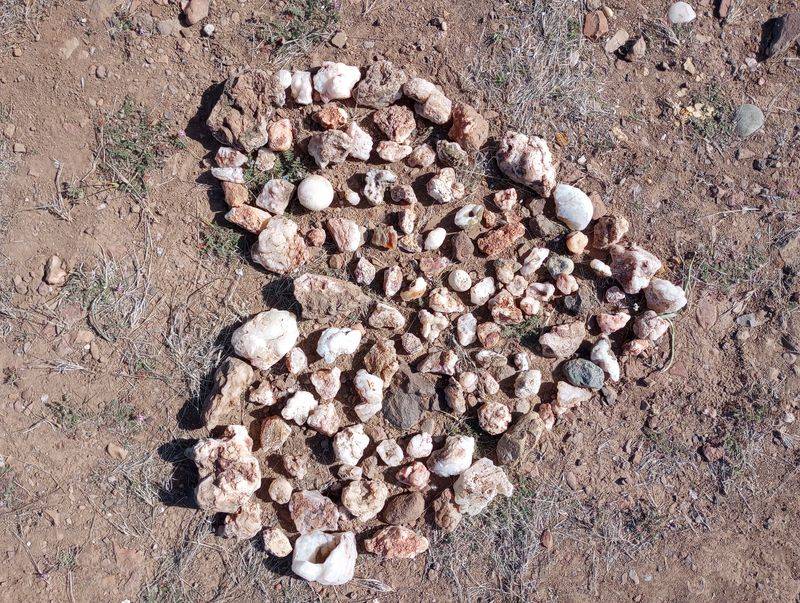
Here is the good news for beginners: expertise is optional. Plenty of first-timers report that you can park anywhere within the boundary and simply look down.
Agates are described as practically everywhere on the site. Chalcedony shows up often too, sometimes in large and very pretty pieces.
Some stones come out almost perfectly almond or egg shaped. Those smooth forms make them popular choices for rock tumblers back home.
Small bits of fire agate turn up regularly, and some agates show that signature flash of color. Rosettes are another find that collectors mention bringing home.
Expectations should stay realistic, though. Most finds are small keepers, and nobody is funding early retirement with a weekend haul.
That is exactly why the place appeals to families and casual hobbyists. The thrill comes from the steady stream of little discoveries, not one jackpot.
Bring a bag or bucket, because it fills up faster than you might expect.
Around the Loop and Beyond It
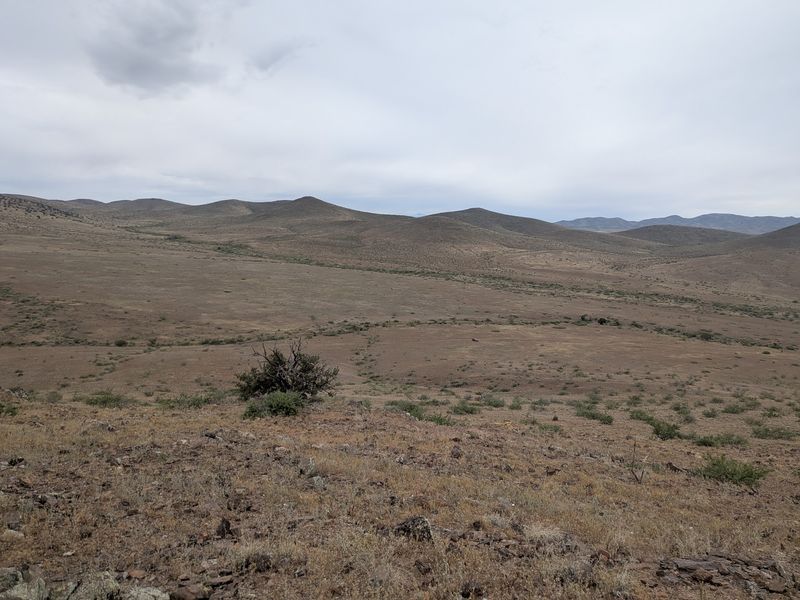
Strategy matters more than luck once you arrive. A large water tank serves as a landmark, and past it is a loop road that winds around the area.
Fire agate appears as you work your way up the mountain along that loop. The road is rough, but it gets you close to the productive ground.
There is a twist, though. Some collectors say the area inside the loop has been fairly well worked over by earlier hunters.
Heading outside the loop roads has paid off for those willing to wander. Good hauls of rosettes and fire agates have come from that outer ground.
A simple rule seems to hold true here. The farther you get from the road, the better your odds tend to be.
Agates have also been spotted along the road starting from the first sign where you turn left. So keep your eyes open even before you reach the main collecting zone.
Secrets of the Arroyos and the Back Slope
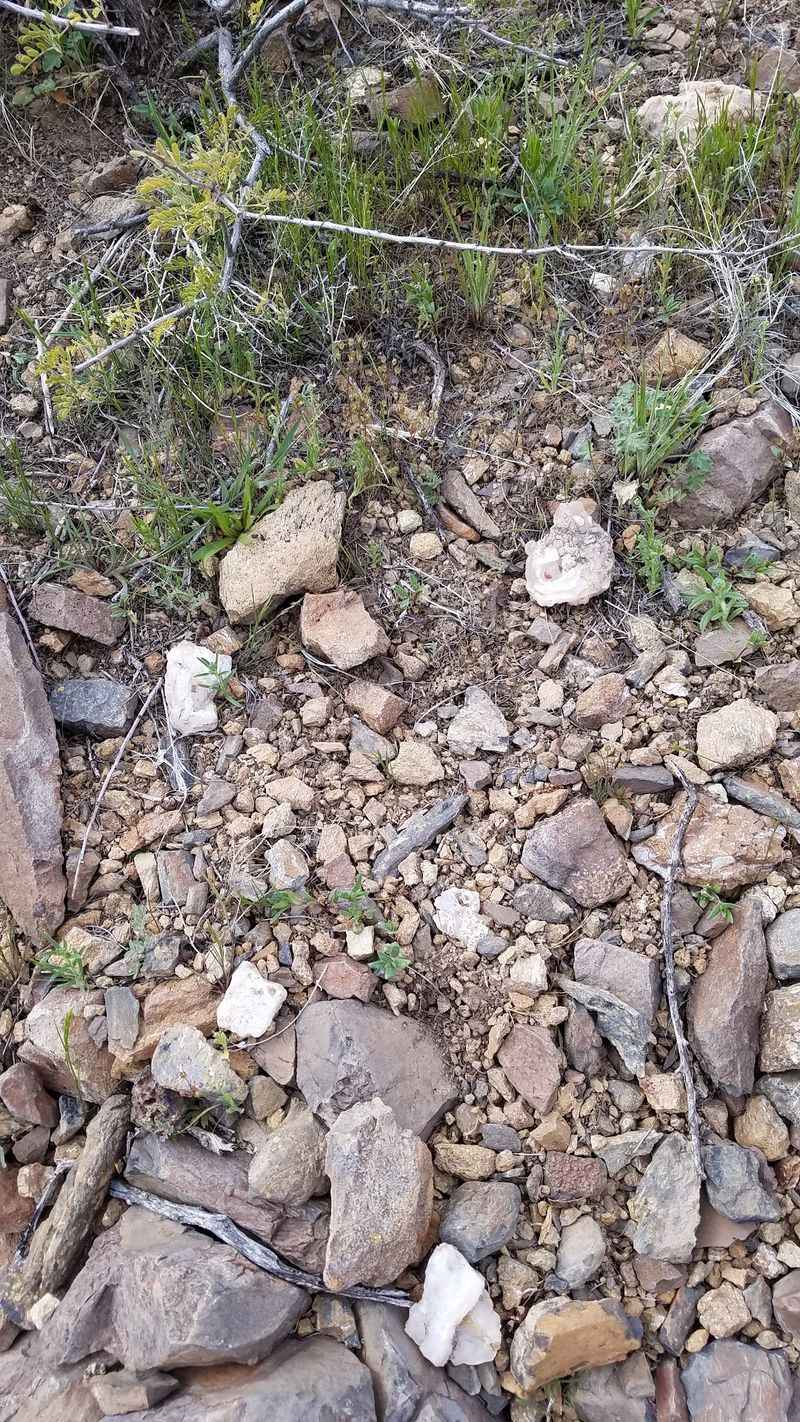
Some of the best finds hide where the water once ran. Families who have hunted here recommend spending time in the arroyos, the dry washes that cut across the land.
Rain carries loose stones downhill, and the washes collect them. That makes these channels natural gathering spots for agate.
The backside of the mountain also earns praise. Collectors mention finding plenty of interesting rocks on that far slope, away from the busier side.
Another tip points toward the cattle area on the left, reached by following the directional signs. Hunters there suggest scanning until you notice color on the ground.
From there, follow the trail of color uphill toward its source. It is a bit like reading the land in reverse, tracing stones back to where they broke free.
These spots take more walking than the roadside, but that is part of their appeal. Fewer boots have covered them, and your patience may finally get its reward.
Hammers, Chisels, and Serious Ambition
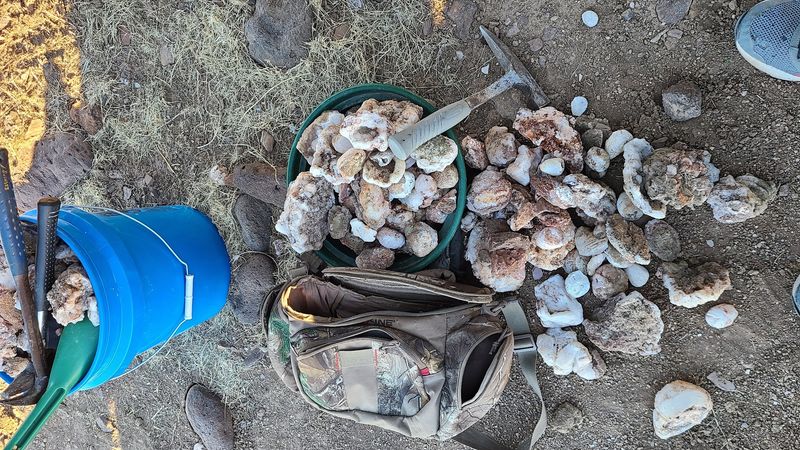
Surface collecting keeps most people happy, but some rockhounds want more. For them, the host rock itself holds tempting material.
Breaking into that rock is no small job. Experienced collectors say you will want a sledgehammer, chisels, and possibly power tools to open a starting hole for the chisels.
That level of effort is not required for a fun day. Loose stones on the ground offer more than enough for casual hunters and kids.
Still, the option is there for anyone chasing bigger or better specimens. The finest pieces are said to come from the hill, closer to the original volcanic source.
Basic gear helps everyone, regardless of ambition. A sturdy bag, gloves, and a small rock hammer can make a regular visit go smoother.
Remember that collecting on BLM land is for personal use. The official BLM page for the site is the best place to check current collecting rules before you swing a single hammer.
Quiet Country Where Cell Bars Vanish
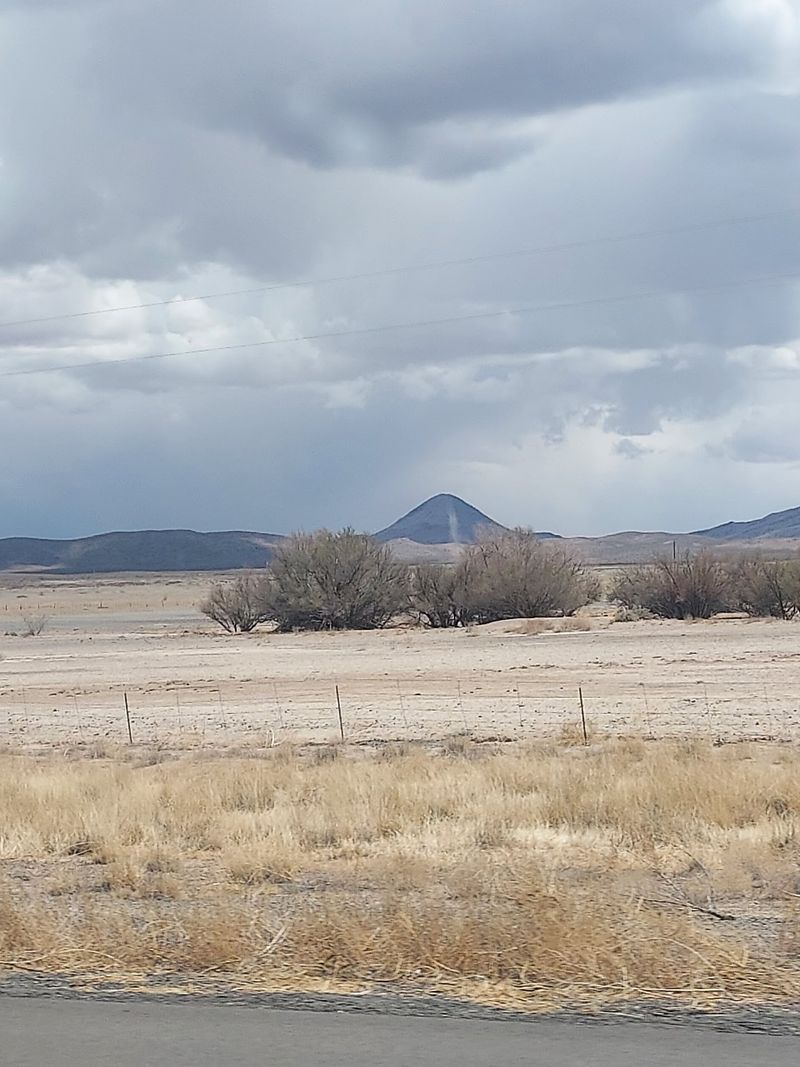
Solitude is part of the deal out here. The area is extremely remote, and the drive in often feels lonely in the best possible way.
Many describe the site as peaceful and quiet. On busy days you might run into a few other people, but crowds are rare.
One family visited on New Year’s Day and had the place nearly to themselves. That kind of empty landscape is hard to find closer to Arizona’s big cities.
Cell signal is another thing you should not count on. Collectors say you usually need to climb one of the hills to get any service at all.
Wind is a regular companion too, so plan layers and secure your hat. Sunny and breezy days are common, and many people still call them great rockhounding weather.
For some, the lack of noise and screens is the real prize. The agates are a bonus, and the quiet is what brings them back.
Wildflowers, Wide Views, and Wandering Cows
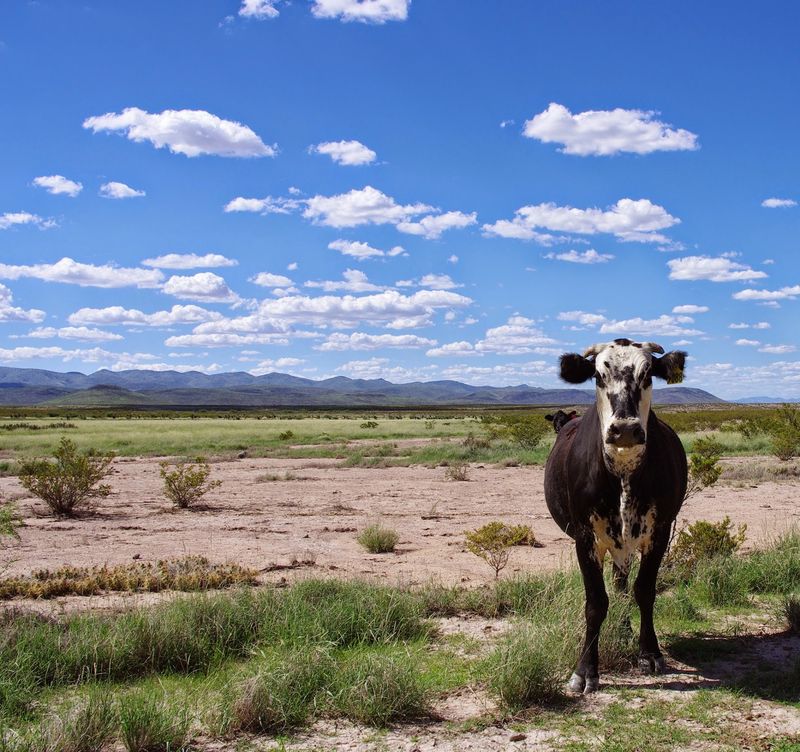
Rocks steal the headlines, but the scenery has fans of its own. Wide views across the surrounding country come up often among those who make the trip.
In the right season, the land can turn green with flowers and butterflies. That lush look surprises people who expect only bare desert.
This is working ranch country, so cattle share the space. Local ranchers drive through and seem to keep an eye on things.
Respecting the livestock and wildlife is part of good manners here. Give cows room and leave gates the way you found them.
The area also appeals to outdoor folks who enjoy a little hiking between finds. Walking the slopes and washes is exercise disguised as treasure hunting.
Some visitors mention rabbit hunting nearby as well. Anyone considering that should follow Arizona hunting regulations and check BLM guidelines first.
Between the views and the stones, the day tends to fly by.
Nights Under an Empty Sky
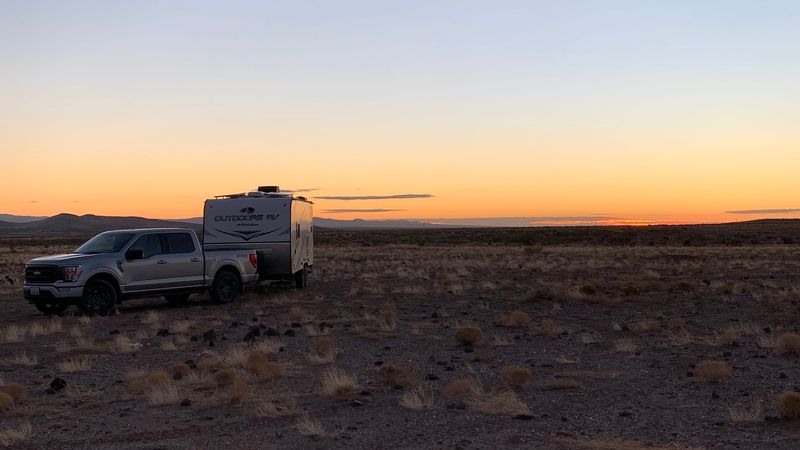
One day rarely feels like enough, which is why many people plan to stay overnight. Camping is a popular choice at the rockhound area.
Some who came for just a few hours left wishing they had stayed longer. Families often mention planning a return trip with tents so they can hunt more.
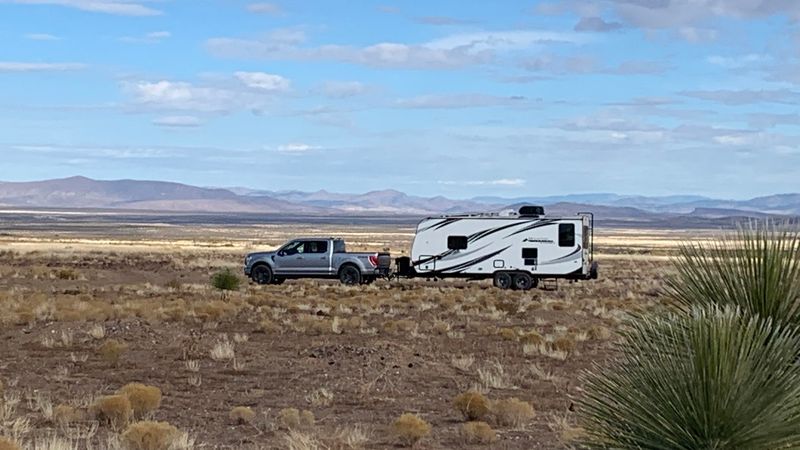
Camping here means true self-reliance. There are zero amenities of any kind, so no restrooms, no water taps, and no trash service.
Pack everything you need, then pack a little extra. Water, food, shade, first aid supplies, and a spare tire are all smart additions.
Weather should shape your plans too. A multi-state storm cut one family’s camping trip short, and the rainy season can make the road harder to drive.
Overnight stays also mean early starts. Morning hunting lets you cover more ground before the wind or heat picks up, and the stones will still be waiting.
The Smart Packing List
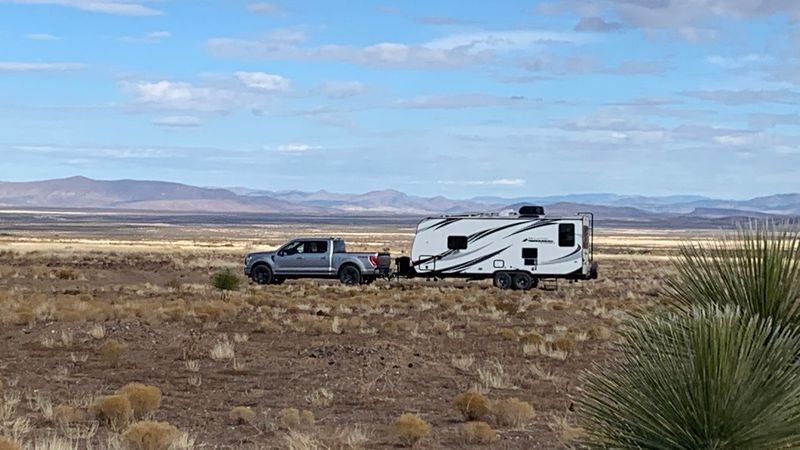
Preparation separates a great trip from a stressful one. Since the site has no services, your vehicle becomes your supply station.
Start with plenty of water for everyone in the group. Add snacks or meals, sun protection, and layers for the wind.
A full tank of gas is a must before leaving the paved road. The drive in and out is long, and there are no stations along the dirt stretch.
Download maps ahead of time, since signal disappears in most of the area. Google Maps does lead to the right spot, but offline backups are wise.
For collecting, bring buckets or bags, gloves, and a rock hammer. Serious diggers can add chisels and a sledgehammer.
Follow Leave No Trace practices and pack out every scrap you bring in. Respect posted signs, livestock, and wildlife so the land stays open to everyone.
For current conditions, the BLM office line listed for the site is 928-348-4400, and the official BLM website has details too.
Worth Every Bumpy Mile
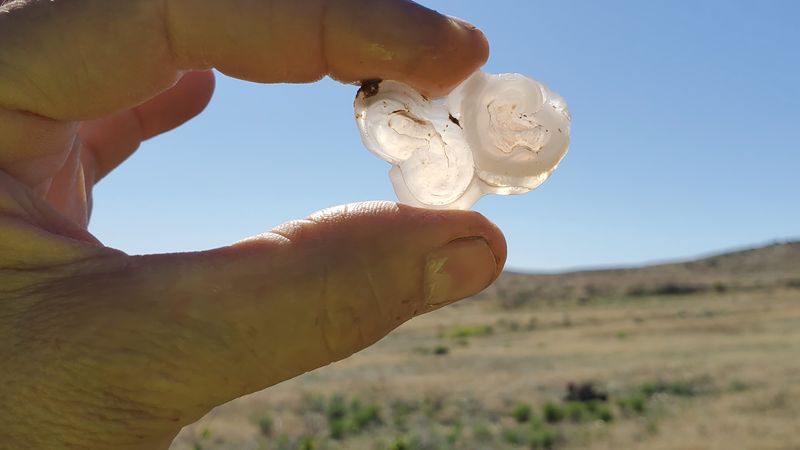
Some places make you work for the reward, and that is exactly what keeps them special. The rough road, the lack of services, and the long drive all help protect this corner of Arizona.
What you get in return is rare freedom. You can wander public land, scan the ground, and take home fire agate you found with your own eyes.
The appeal stretches across ages. Kids love the easy finds, hobbyists love the tumbling material, and serious collectors love the host rock challenge.
It sits among the highest-loved outdoor spots in the region, with near-universal praise from those who make the trek. Most leave talking about coming back.
Plan for dry weather, bring the right vehicle, and pack like nobody will rescue your lunch. Do that, and the mountain tends to treat you kindly.
Arizona locals often travel far for famous sights. This one is quieter, harder to reach, and far more likely to fill your pockets.