Affiliate disclosure: As an Amazon Associate I earn from qualifying purchases. Learn more
Somewhere along a quiet stretch of Arizona highway, sea creatures that swam here long before the desert existed are still tucked into the rocks, waiting for sharp eyes to spot them. No admission booth, no crowds, no fancy signs pointing the way, just a paved pull-off and a slope full of ancient shells.
Families come here with buckets and a little patience, and most walk away with a tiny fossil or two in their pockets. The best part is that longtime locals often drive right past without realizing what sits a few steps from the pavement.
Consider this your invitation to slow down, park the car, and go hunting for treasures that predate almost everything in the state. What follows is a full look at why this humble roadside stop keeps surprising people who give it a chance.
A Roadside Stop Hiding Ancient Sea Life
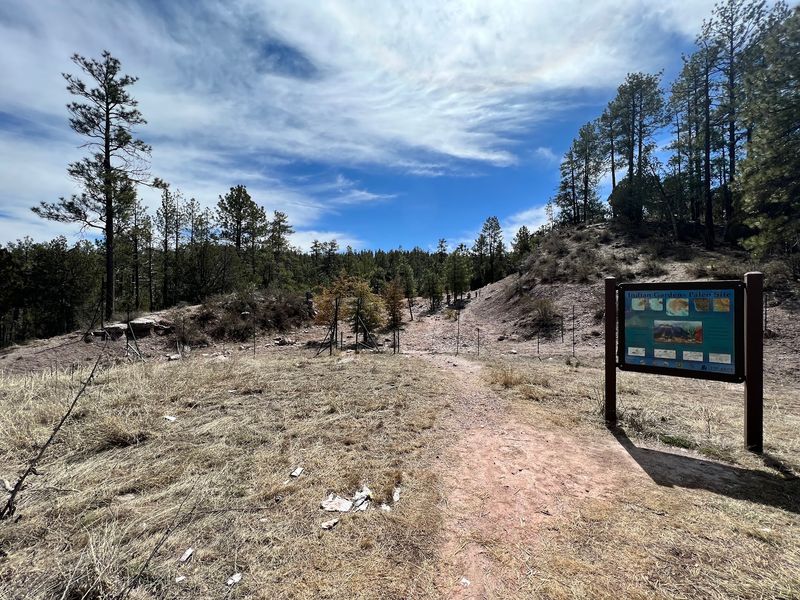
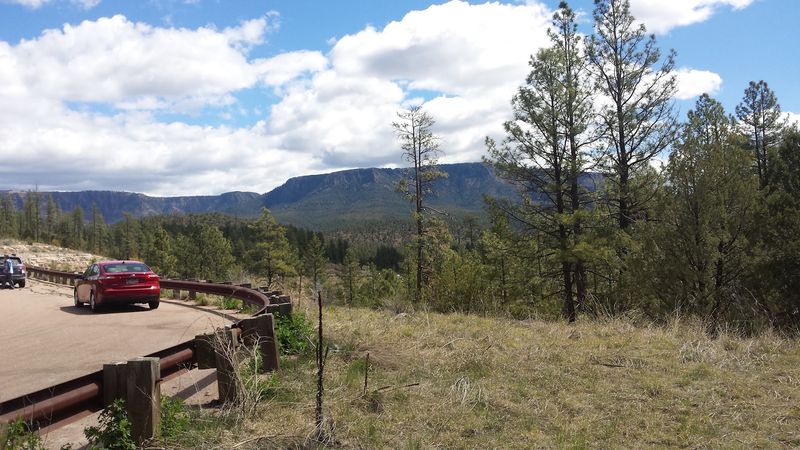
Right along AZ-260 in Payson, Arizona, sits a small pull-off that most drivers zip past without a second glance. The Paleo Site Monument carries the mailing marker of AZ-260, Payson, AZ 85541, and it rewards anyone willing to tap the brakes.
The setup is refreshingly simple. A paved lot connects to a short walk that leads toward rocky slopes packed with sedimentary stone.
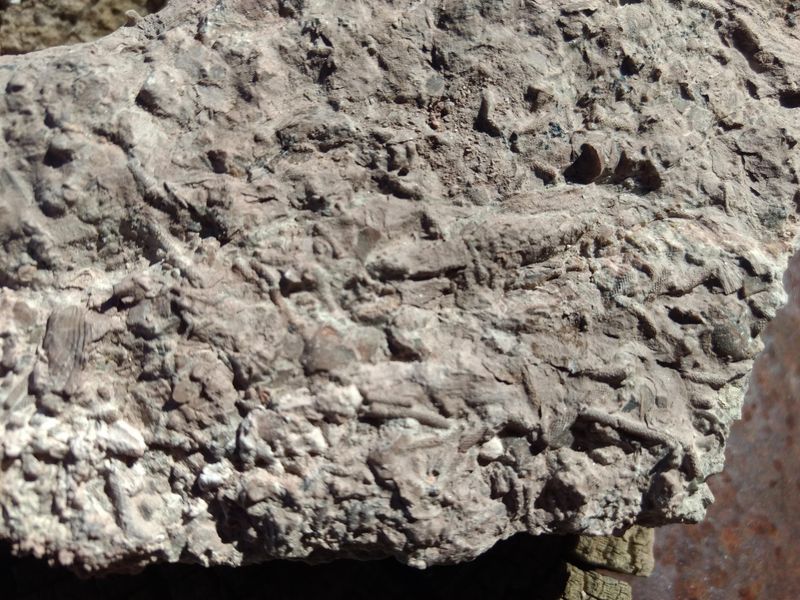
Those layers hold fossils of tiny sea creatures, the kind of finds that make you realize this dry country was once covered by water. Small bivalves, worm traces, and other mollusks turn up in the rock, sometimes right at ground level.
Locals who have lived in the high country for years sometimes admit they never knew it existed. That mix of everyday accessibility and genuine prehistory is what gives the spot its quiet charm.
When The Desert Was An Ocean
Hard to believe, but the ground here was once submerged beneath a shallow sea. That single fact reframes the whole visit and turns a plain slope into a window on deep time.
The sedimentary stone that fills this land point formed from layers that settled underwater ages ago. Those layers trapped the remains of small marine animals, which is why shells and mollusk shapes keep surfacing in the rock today.
Guests often describe the strange thrill of standing in dry Arizona while holding proof that ocean creatures lived right here. It is the kind of realization that sticks with kids long after the drive home.
Some finds resemble little ridges pressed into the stone, which people happily call trilobites or something close. Whatever the exact name, the takeaway is the same.
A patch of desert that now bakes under the sun once belonged to the sea, and the evidence is scattered across the ground for anyone curious enough to look.
The Slope Where The Shells Show Up
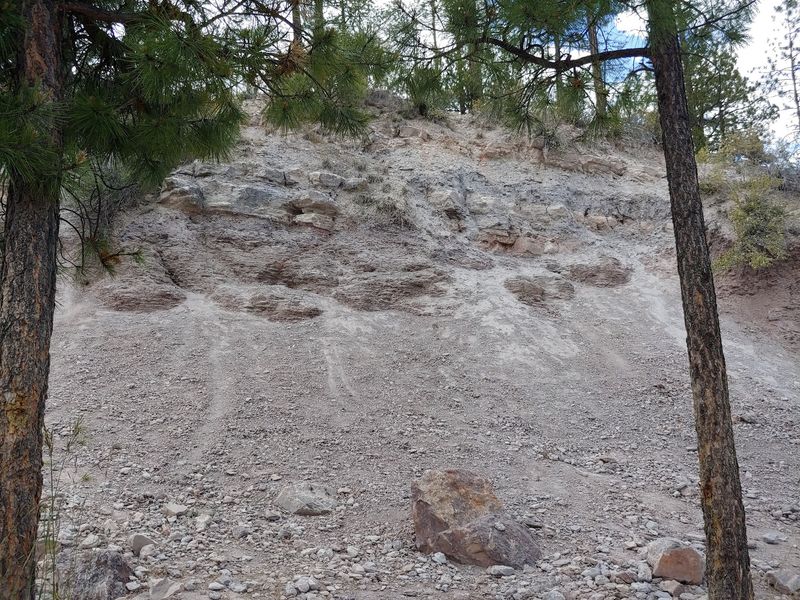
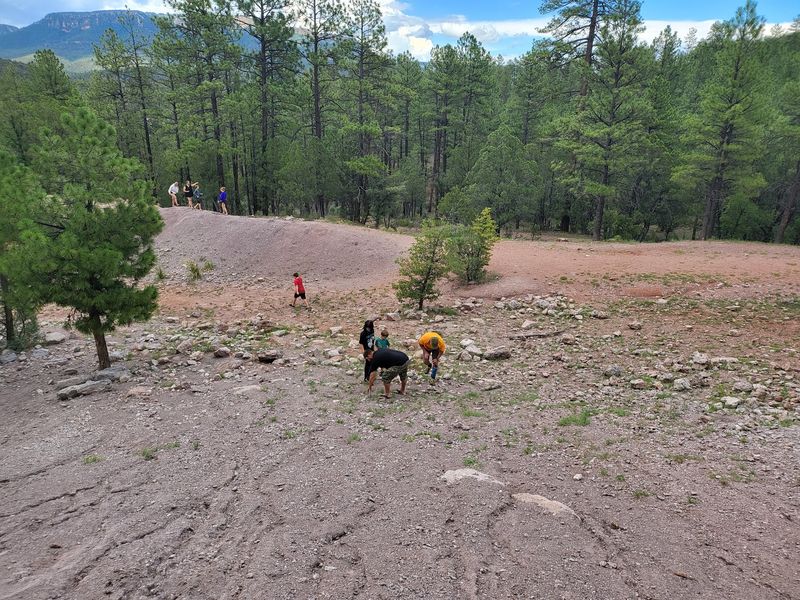
Up the slope is where the action tends to happen, with fossils tucked into the layers of lighter colored rock. Guests scan the bluff and the cliff face, then work their way through the exposed stone hunting for shell shapes.
You do not always have to climb, though. Plenty of finds turn up on the flatter ground near the identification sign and right around the base.
Some shells are tiny, so it takes a patient eye to pick them out of the loose gravel. That challenge is part of the fun, and it keeps searchers bent over the ground far longer than they planned.
Following a wash down from the higher rock outcropping is another trick that pays off. Water carries material downhill, and cool rocks and shells often collect along that path.
For those willing to walk beyond the picked-over front area, the odds improve. The farther you roam, the fresher the ground tends to be.
An Easy Hike The Whole Family Can Handle
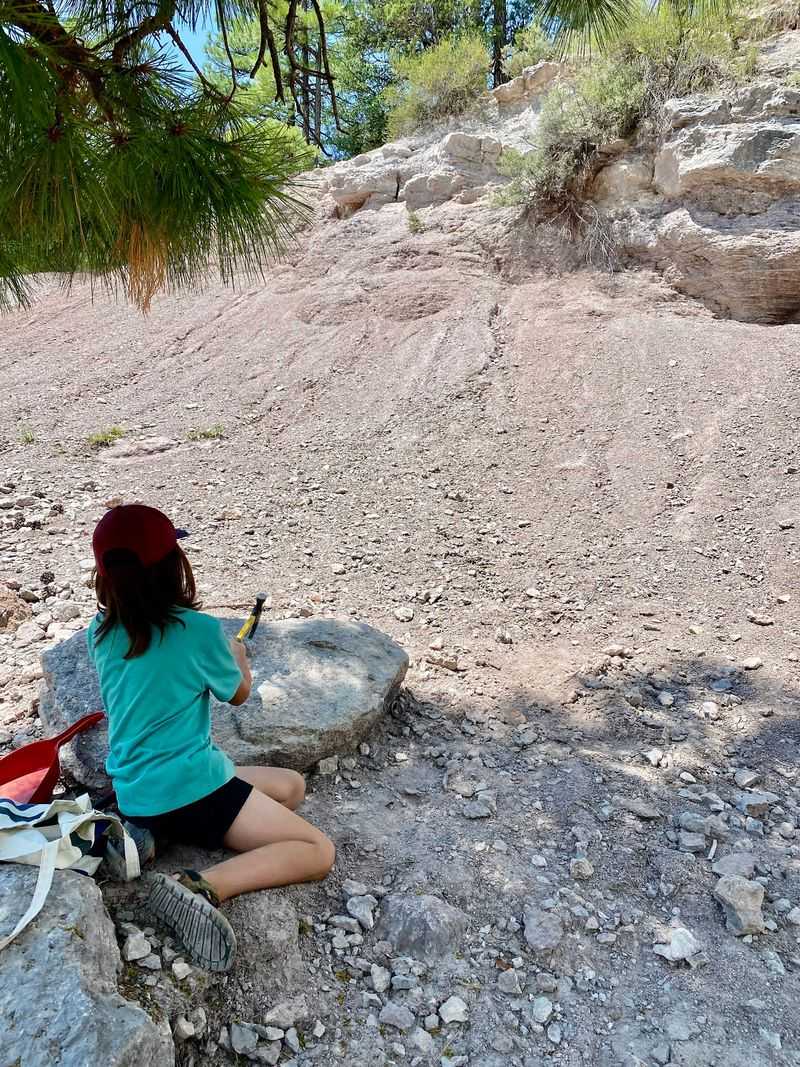
Short and manageable describes the walk perfectly, which is a big reason families keep showing up. The trail from the lot to the fossil beds is quick, making it friendly for little legs and grandparents alike.
Kids take to the treasure hunt right away, and the low-effort access means nobody gets worn out before the fun starts. Parents can let the small ones explore nature while everyone learns a bit about fossils along the way.
There is little to no digging required, since many fossils sit right on top of the ground. That said, most people bring simple tools anyway, just in case they want to poke around in the grey material.
The scenic surroundings add to the appeal, and the pace stays relaxed the entire time. Regulars mention it beats a stuffy museum because the discoveries here are real and undiscovered.
A short outing can easily stretch into a couple of hours once the shells start turning up.
The Eagle Scout Sign That Guides Your Search
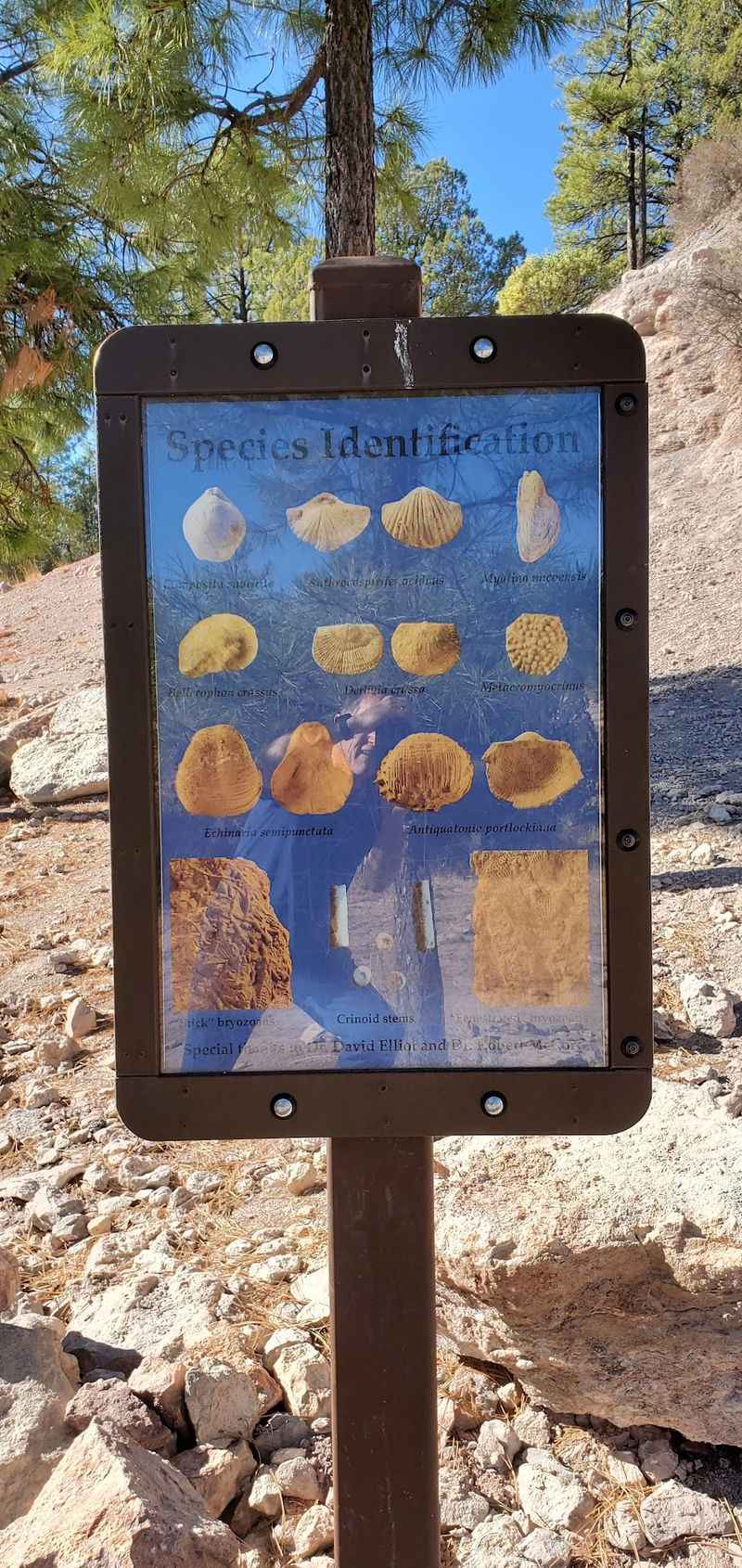
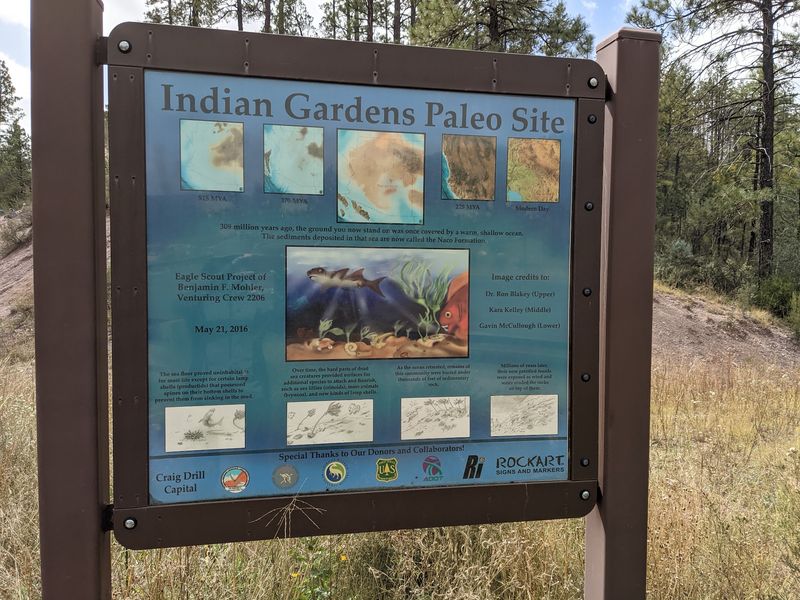
A thoughtful touch greets guests near the entrance in the form of informational signs. One of them was put together by a young Eagle Scout, and people genuinely appreciate the effort that went into it.
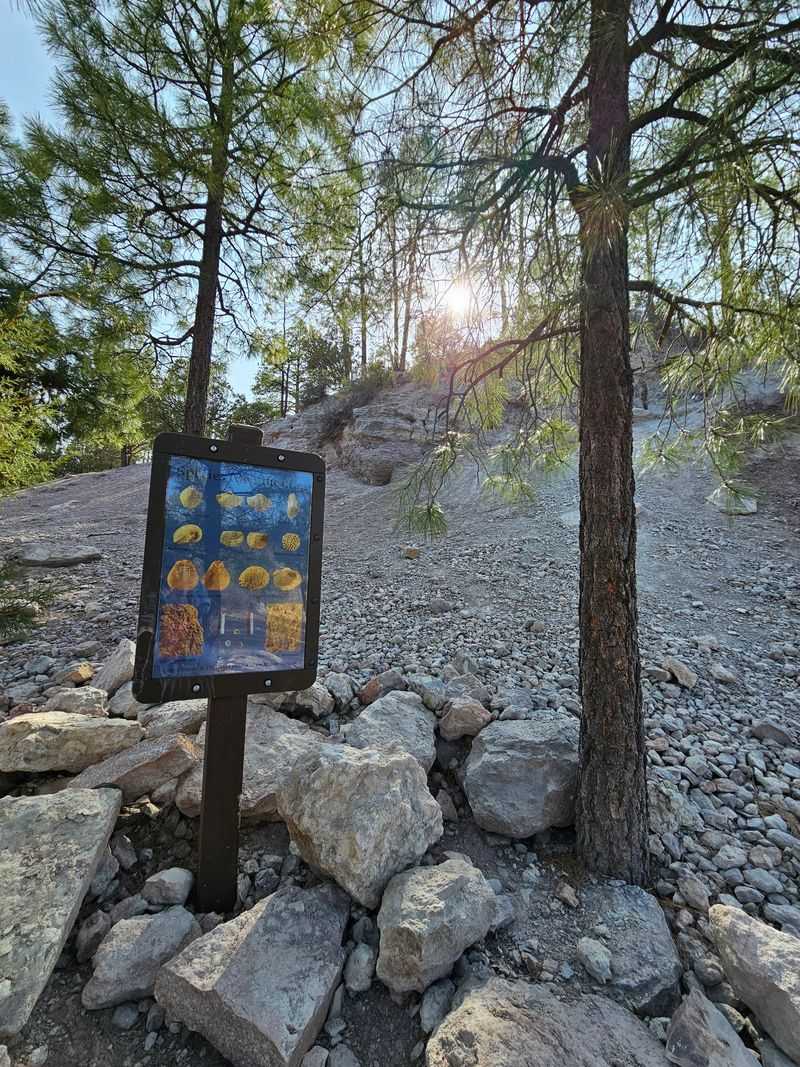
The signs do real work, showing visitors what to look for before they start scanning the rock. Once you know the shapes of the shells and shells fragments, spotting them across the site gets a whole lot easier.
Newcomers especially benefit from that head start. Instead of wandering aimlessly, they can match what they see on the ground to the pictures and descriptions on the panels.
Two signs sit up front, giving a quick lesson in fossil identification for both curious kids and adults. It turns a simple stop into a small outdoor classroom.
That combination of community effort and practical guidance gives the place extra heart. A local teenager helped make sure everyone who parks here leaves knowing a little more than they arrived with.
Real Fossils You Get To Find Yourself
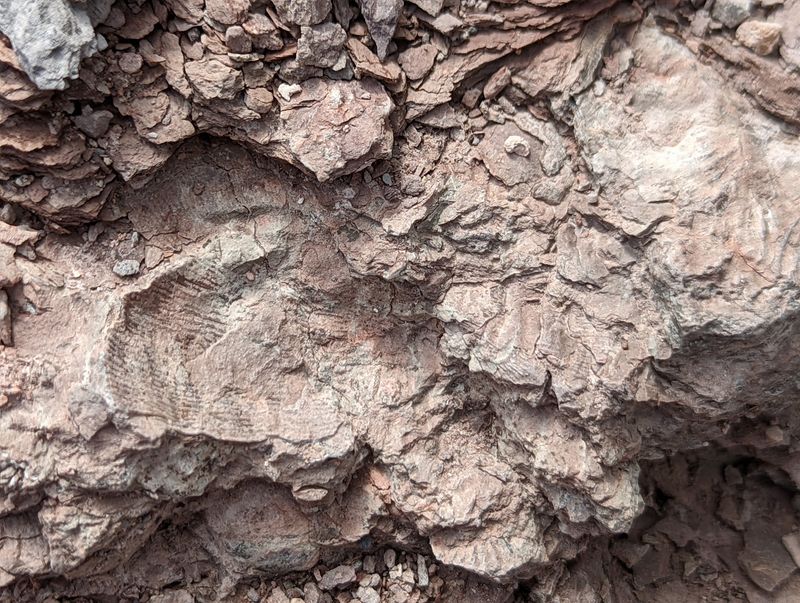
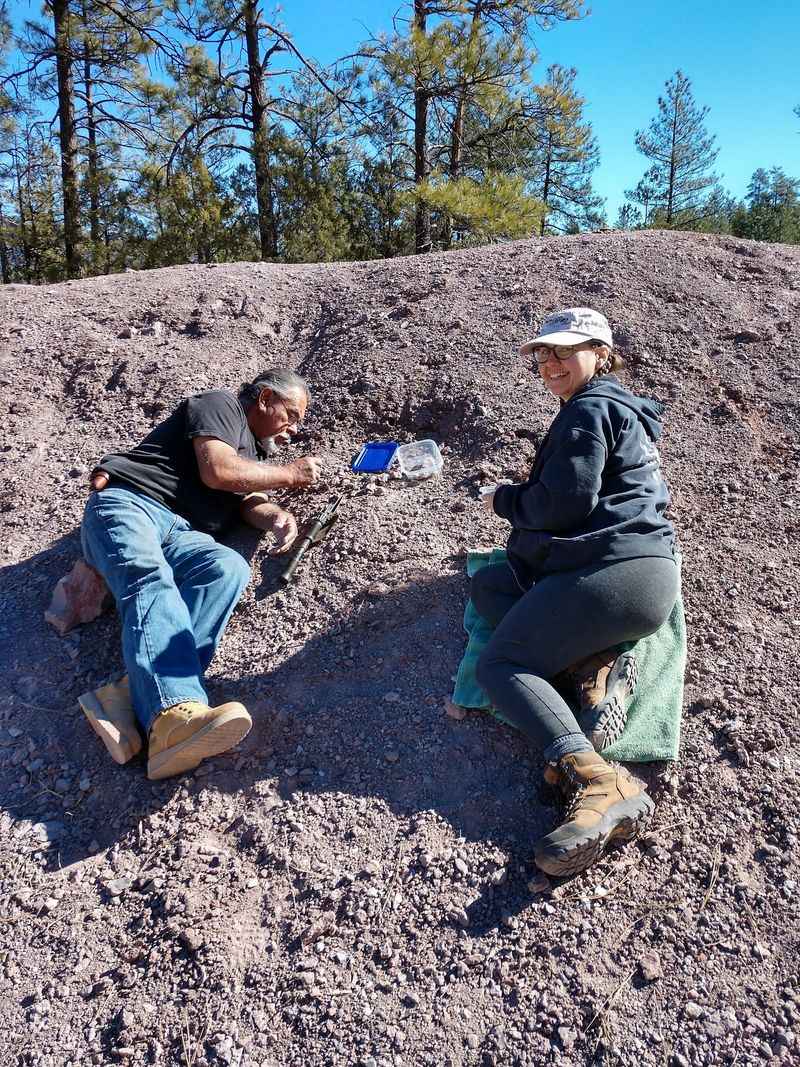
Nothing quite matches the payoff of pulling a genuine fossil out of the gravel with your own hands. Guests report searching in the loose material on the lower slope and coming away with several little treasures.
It is not always instant, and that keeps it interesting. Some people find a couple of small ones after about forty-five minutes, while others spot six shells in twenty minutes on the right patch of ground.
The variety keeps searchers engaged, from little bivalves to worm traces and ridge-like shapes pressed into the stone. Each find feels like a small win earned through patience.
Because the site sits so close to the road, the easy areas get picked over. A little extra work, or a visit after a good rain when new fossils surface, tends to improve your luck.
Whether you leave with a pocketful or just a single shell, the hunt itself delivers. That sense of unearthing real prehistory is the main draw.
Parking And Getting In Off The Highway
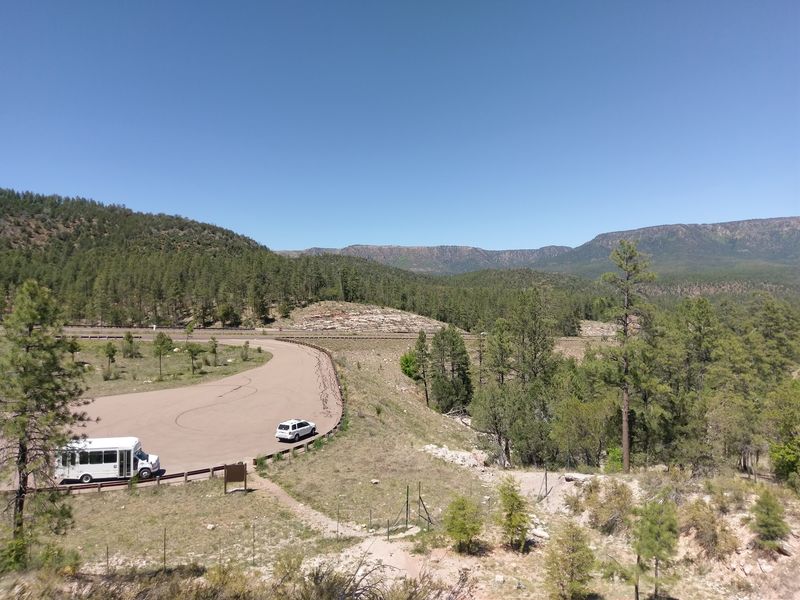
Access could hardly be simpler, with a big paved lot located right off the highway. Parking is easy and plentiful, so there is no stress about squeezing in even on a busier day.
The exit comes up fast, though, so drivers should keep an eye out as they approach. The ramp is fairly short, which means anyone traveling at speed in a large vehicle or towing a trailer will want to slow down early and be careful.
Once parked, a pedestrian-only gate marks the entrance and keeps vehicles out of the fossil area. From there it is a short walk to the rocky deposits.
The lot works well as a spot to stretch your legs, repack the car, or take a quick break on a long drive. It feels safe, clean, and quiet, which adds to the easygoing vibe.
Grab your bucket and bag at the car, then follow the short path toward the shells.
What To Pack Before You Go
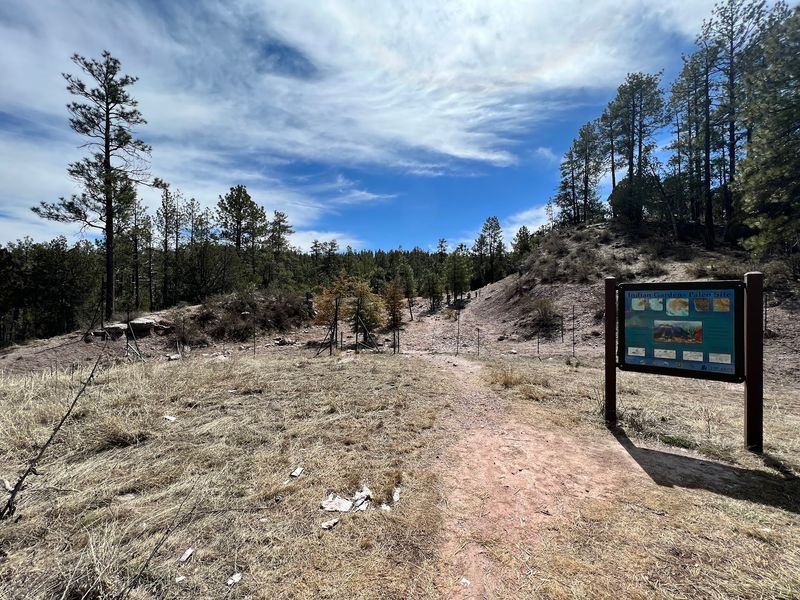
A little planning makes the visit go smoothly, and water tops the list. There are no stores close by, which keeps the place private but means you should carry your own supply, especially if you want to linger.
Tools help too. Many guests bring something to break apart the sandstone or dig gently in the grey material, even though plenty of fossils sit right on the surface.
A bucket or bag is smart for holding whatever you gather along the way. Small hands fill up quickly, so give the kids their own container to carry their finds.
Weather matters as well. Warm days can cut a trip short, so cooler seasons or an early start tend to make the searching more comfortable.
Timing after a good rain is a bonus, since fresh fossils often wash to the surface. Come prepared, and a quick stop can turn into a rewarding afternoon of hunting.
A Quiet Spot Away From The Crowds
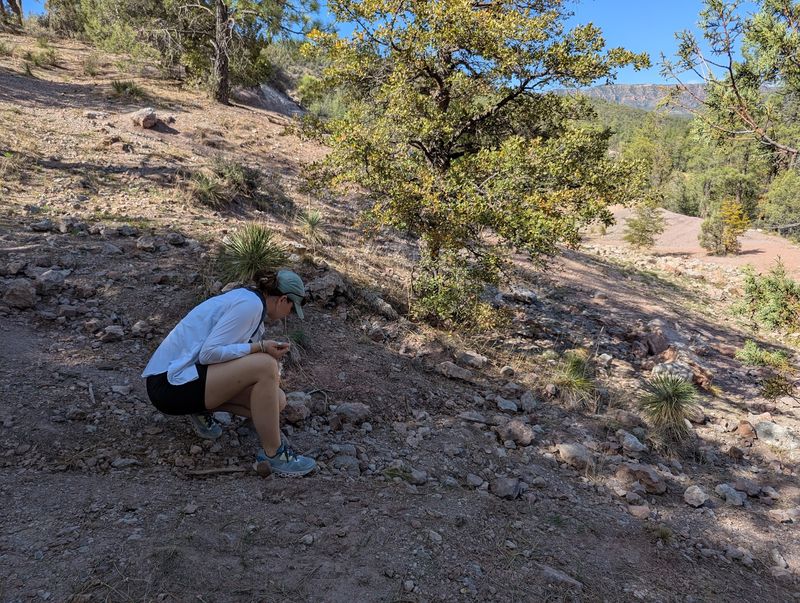
Solitude comes easy at this little site, and that is part of its appeal. Guests frequently find themselves completely alone, free to walk around and explore at their own pace.
The circle lot does not offer sweeping views, but it feels safe, clean, and calm. Some describe it as a fine place for a picnic or even a quiet nap between stretches of highway.
Because no stores sit nearby, the atmosphere stays private and unhurried. There is rarely any rush, which suits both restless kids and adults looking to slow down.
Early risers have even caught a memorable sunrise from the parking area. The peace and quiet make it an easy place to lose track of time.
For anyone craving a break from the city, a stretch of open ground and ancient rock offers a simple reset. Fewer people around means more room to poke through the gravel without feeling crowded.
A Learning Adventure For Kids
Curious kids find plenty to love here, and parents notice the difference from a typical indoor outing. Turning children loose to dig for real fossils beats a museum trip in the eyes of many families.
The activity teaches without feeling like a lesson. Little ones learn about ancient sea creatures, rock layers, and how fossils form, all while playing in the dirt and gravel.
Even short visits pack a punch. Half an hour of searching the loose slope often produces several small treasures, which keeps young explorers motivated.
The identification signs give kids a goal, turning the hunt into a matching game between the panels and the ground. Small victories add up fast.
Families with several little ones can stay near the front and still find shells without wandering far. It is a hands-on way to spark an interest in nature and prehistory, and the souvenirs come free.
Few outings manage to be both educational and genuinely fun for every age.
A Perfect Break On A Road Trip
Long drives call for a good excuse to stop, and this site delivers one with a twist. Travelers passing through use it to stretch their legs and repack the car, then stumble into an unexpected fossil hunt.
Campers heading toward the high country often make it a quick detour. A short exploration of the loose gravel can uncover a few finds before the trip continues.
The convenience is a big selling point. Parking sits right off the road, so nobody loses much time dropping in for a look.
Even folks who came only for a break end up staying longer once the shells start appearing. What began as a leg-stretch turns into a scavenger hunt.
The spot works whether you have twenty minutes or a couple of hours to spare. That flexibility makes it an ideal midpoint on the way to camping, hiking, or wherever the road leads.
Add it to a route through the region and it becomes the surprise highlight of the drive.
Hours, Days, And The Price Tag
Free is the magic word here, since this stop along the 260 costs nothing to enjoy. There is no admission and no booth, just open access to the fossil-bearing rock during operating days.
The gates open at 9 AM, so early birds should plan around that. Doors close for the day at 4 PM.
The site welcomes guests Wednesday through Sunday, running 9 AM to 4 PM on each of those days. Monday and Tuesday are the closed days, so save your trip for the middle or end of the week.
Planning around that schedule is worth the effort, especially if you are routing a longer drive. Rolling up on a closed day would be a letdown after all the anticipation.
With a solid standing among those who have stopped by, the place has earned a loyal following over the years. Free admission plus real fossils is a hard combination to beat.
Why This Little Stop Is Worth The Detour
Small in size but big on payoff, this roadside monument earns its reputation the honest way. People walk in curious and leave with pockets full of ancient shells and a fresh appreciation for Arizona ground.
The winning formula is easy to see. Free access, simple parking, a short walk, and real fossils that anyone can find add up to a stop that punches above its weight.
It suits nearly everyone, from restless toddlers to grandparents to solo travelers wanting a quiet break. The learning comes built in, and the treasure hunt keeps every age busy.
Sure, the front areas get picked over, but a little patience or a walk to fresher ground keeps the finds coming. A visit after rain stacks the odds even further in your favor.
Next time the road carries you along AZ-260 near Payson, give this humble spot a chance. A patch of desert holding old sea life is the sort of backyard surprise worth slowing down for.