
Affiliate disclosure: As an Amazon Associate I earn from qualifying purchases. Learn more
If you have been watching home prices climb everywhere and wondering where regular budgets still work, Indiana might have an answer worth a look. Some small towns in the state still list houses starting around $60,000, which sounds almost hard to believe in today’s market.
In this article, I want to walk you through what makes affordable Indiana towns like these so interesting, from the price tags to the neighborhoods and everyday life. Whether you are a first-time buyer, an investor, or just curious, here are the things that keep drawing attention to these budget-friendly spots.
1. Low Starting Home Prices Around $60,000
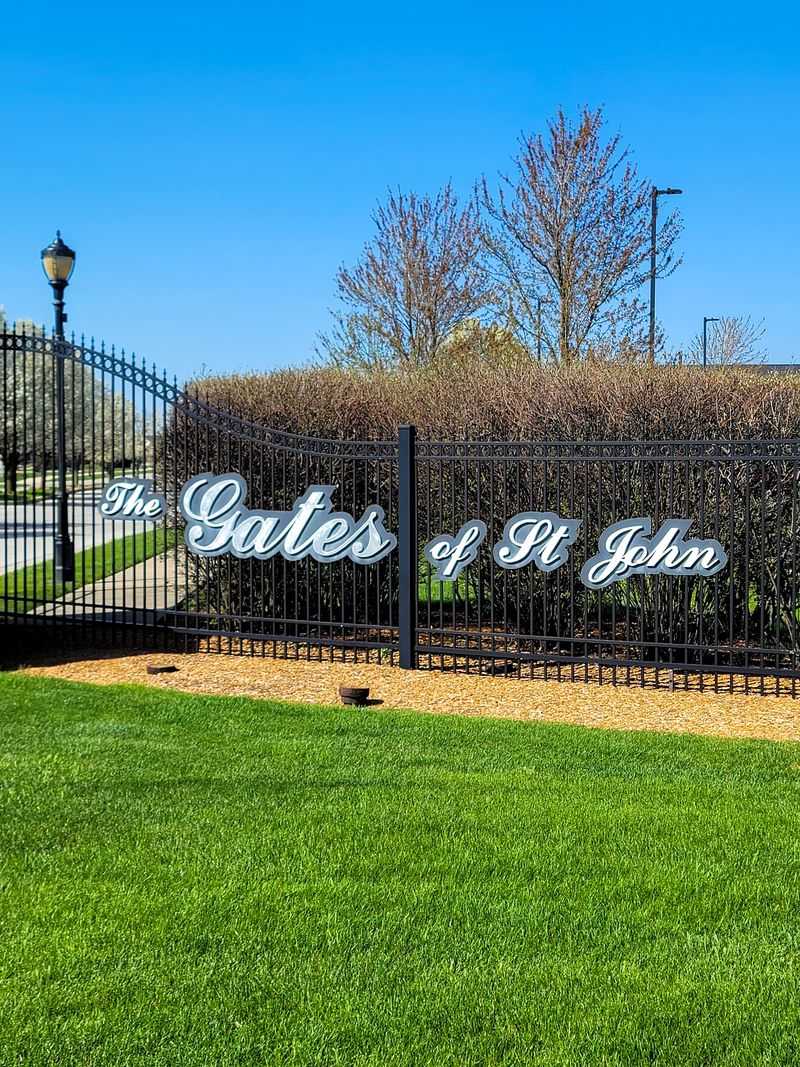
The number that gets everyone talking is the price. In several small Indiana towns, older single-family homes and starter properties still appear on listings starting near $60,000.
That figure often covers modest two-bedroom and three-bedroom houses that need some updating. Move-in ready homes tend to cost more, but the entry point remains far below the national average.
For buyers priced out of bigger cities, a starting number like this changes the whole math. A monthly payment on a $60,000 home can be smaller than rent in many metro areas.
Investors notice this too, since low purchase prices can make rentals or fix-and-flip projects easier to pencil out. The key is checking each property carefully, because low prices sometimes reflect needed repairs.
2. A Genuinely Low Cost of Living
Housing is only part of the story, and the rest of the budget matters just as much. Small Indiana towns generally carry a cost of living below the national average.
Groceries, utilities, and everyday services often cost less than what you would pay in a large city. Property taxes in Indiana are also relatively moderate compared with many other states.
Lower monthly bills stretch a paycheck further, which is a big reason people take a second look at these towns. When your house payment is small and your regular expenses stay reasonable, saving money becomes realistic again.
I like this angle because it speaks to real life, not just the sticker price on a listing. Affordability that lasts month after month is what actually helps families feel settled.
3. Small-Town Community Feel
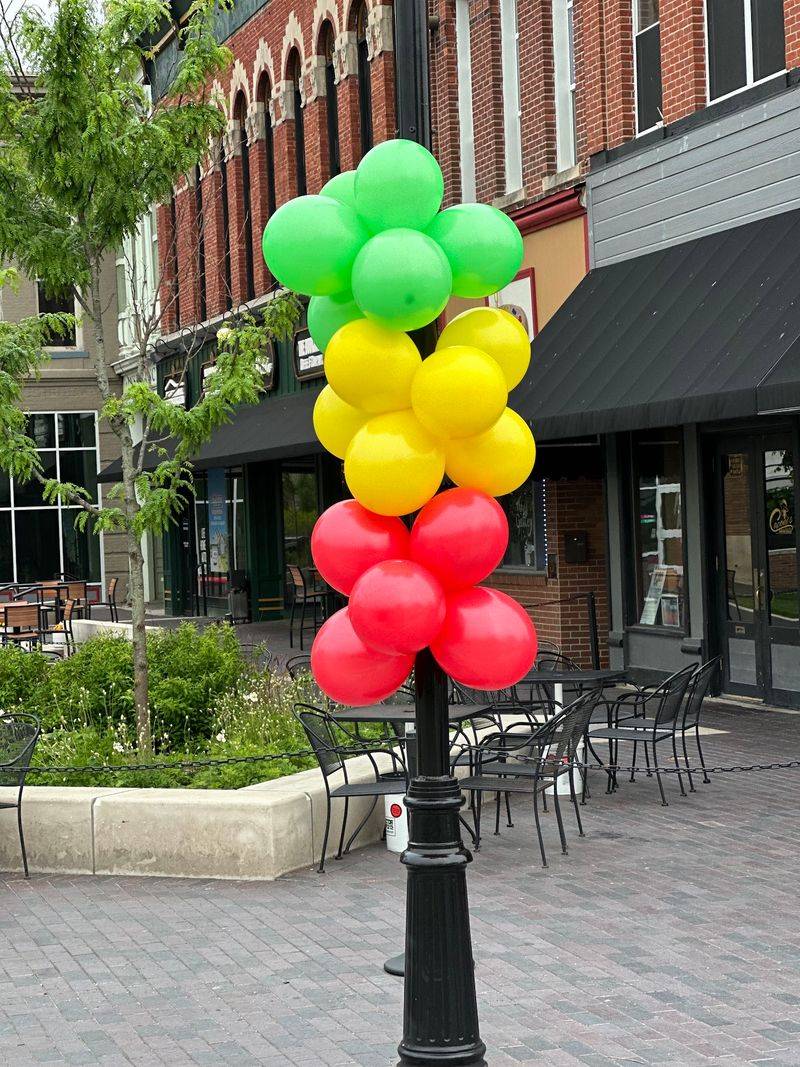
Ask people why they stay in a small Indiana town and the answers usually circle back to the people. Neighbors tend to know one another, and local events pull the community together.
Main streets often host farmers markets, seasonal festivals, and school sports that everyone shows up for. That kind of familiarity can feel refreshing if you are coming from a busier place.
Local businesses play a big role here, from family-run diners to hardware stores and bakeries. Shopping close to home keeps money in the community and helps those shops stay open.
For families, this environment can mean smaller class sizes and a slower daily pace. I would save a town like this for anyone who wants to actually feel part of where they live.
4. Easy Access to Larger Cities
Living somewhere affordable does not mean cutting yourself off from bigger opportunities. Many low-cost Indiana towns sit within driving distance of larger hubs like Indianapolis, Fort Wayne, or nearby regional cities.
Indiana’s central location and highway network make road trips fairly straightforward. That means residents can commute for work or head out for shopping, medical care, and entertainment when needed.
The road trip angle appeals to remote workers too, since a quiet home base can still connect to city amenities on the weekend. You get the calm of a small town without feeling stranded.
Before buying, it helps to map out your regular drives to jobs and services. A reasonable commute can make an affordable town feel even more practical.
5. Historic Homes and Classic Architecture

Older Indiana towns often come with houses that carry real character. Many neighborhoods still feature homes built in the early to mid 1900s, with front porches, tall windows, and detailed woodwork.
Buyers who love vintage details can sometimes find those features at prices that would seem impossible elsewhere. Original hardwood floors and classic layouts are common in these older properties.
Of course, older homes may need updates to plumbing, wiring, or roofing. A solid inspection is a smart step before you fall for the charm.
For anyone who enjoys restoration projects, the low entry price leaves room in the budget for improvements. Fixing up a historic home can be rewarding when the starting cost is manageable.
6. Strong Appeal for First-Time Buyers
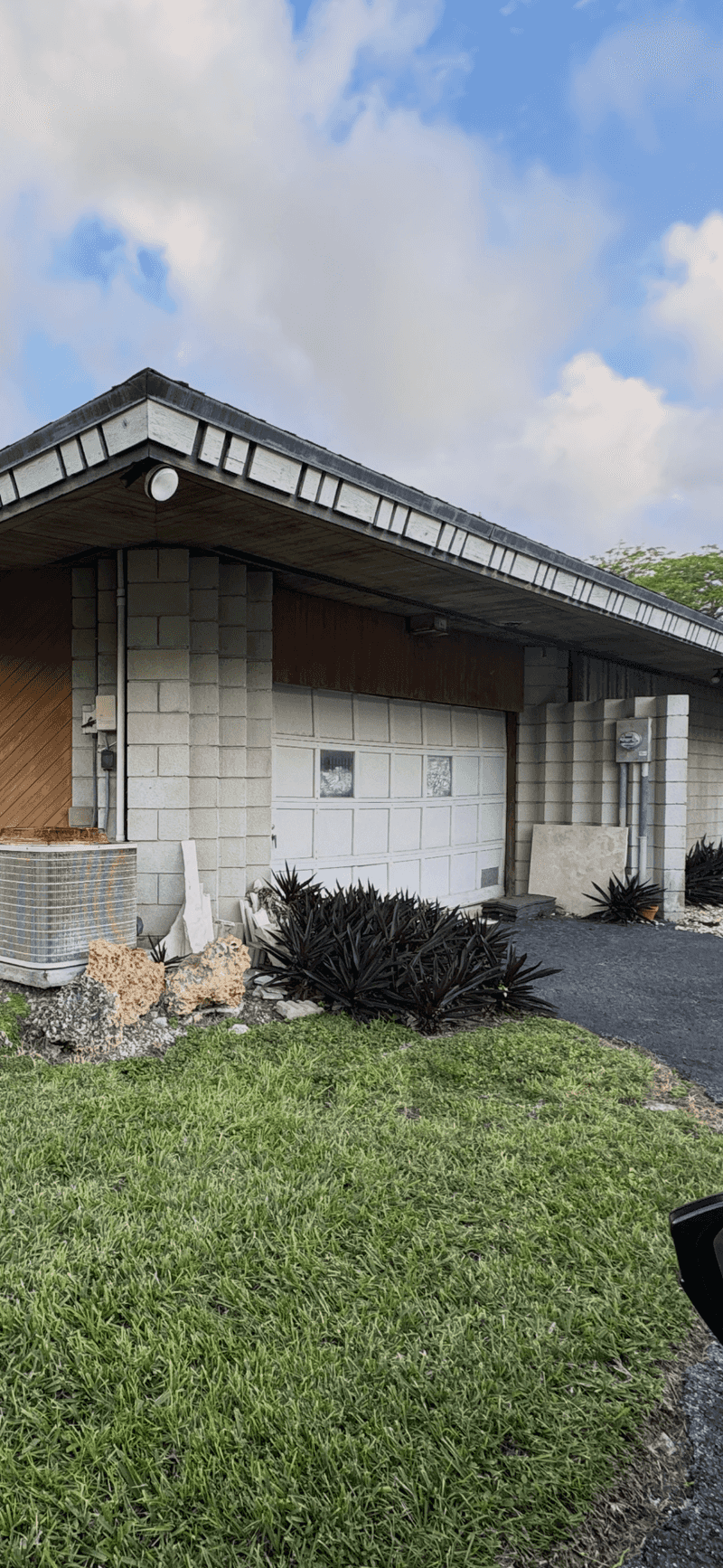
Breaking into homeownership has felt out of reach for a lot of younger buyers lately. Towns with homes starting around $60,000 flip that story and put ownership back on the table.
A lower purchase price usually means a smaller down payment and more forgiving monthly costs. That combination can turn renters into owners much sooner than they expected.
Indiana also offers programs and resources aimed at first-time buyers, so it is worth checking what assistance may be available. Local lenders and housing agencies can point people toward options.
I would recommend this route for someone who wants to build equity instead of paying rent. Starting small in an affordable town can be a smart first step toward long-term stability.
7. Investment and Rental Potential
Numbers-focused buyers see something else in these low prices: opportunity. When homes start near $60,000, the math for rentals and resale can look appealing.
Lower purchase costs mean investors can enter the market without huge capital, and steady local demand for housing helps keep properties occupied. Some buyers renovate and resell, while others hold long-term rentals.
Indiana’s affordability and central location have kept it on the radar for people looking beyond the coasts. Reasonable property taxes add to the appeal for landlords.
Any investment still carries risk, so researching the local rental market and vacancy rates matters. Done carefully, an affordable town can offer a practical entry point for building a real estate portfolio.