
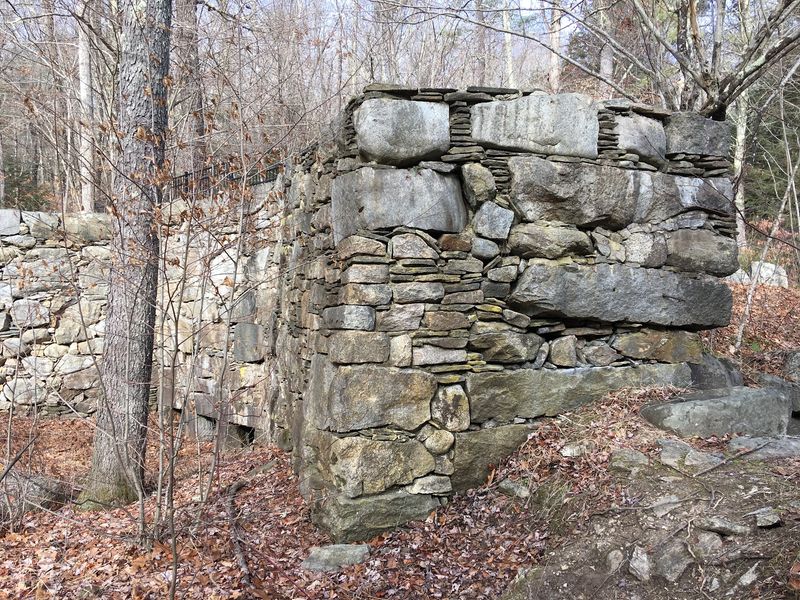
Affiliate disclosure: As an Amazon Associate I earn from qualifying purchases. Learn more
Massachusetts is full of old mill towns, but few feel as quietly preserved as the ruins scattered across the state’s forgotten industrial corners. These are places where stone foundations, empty canals, and crumbling brick walls still stand, long after the machines went silent.
Most visitors drive right past them without realizing what is hidden just off the road or beyond a quiet trail. If you like history that you can actually walk through, this list is worth a slow read.
Here are eight spots tied to abandoned mill life in Massachusetts that reward the curious and the patient.
1. Bancroft Castle Ruins, Groton
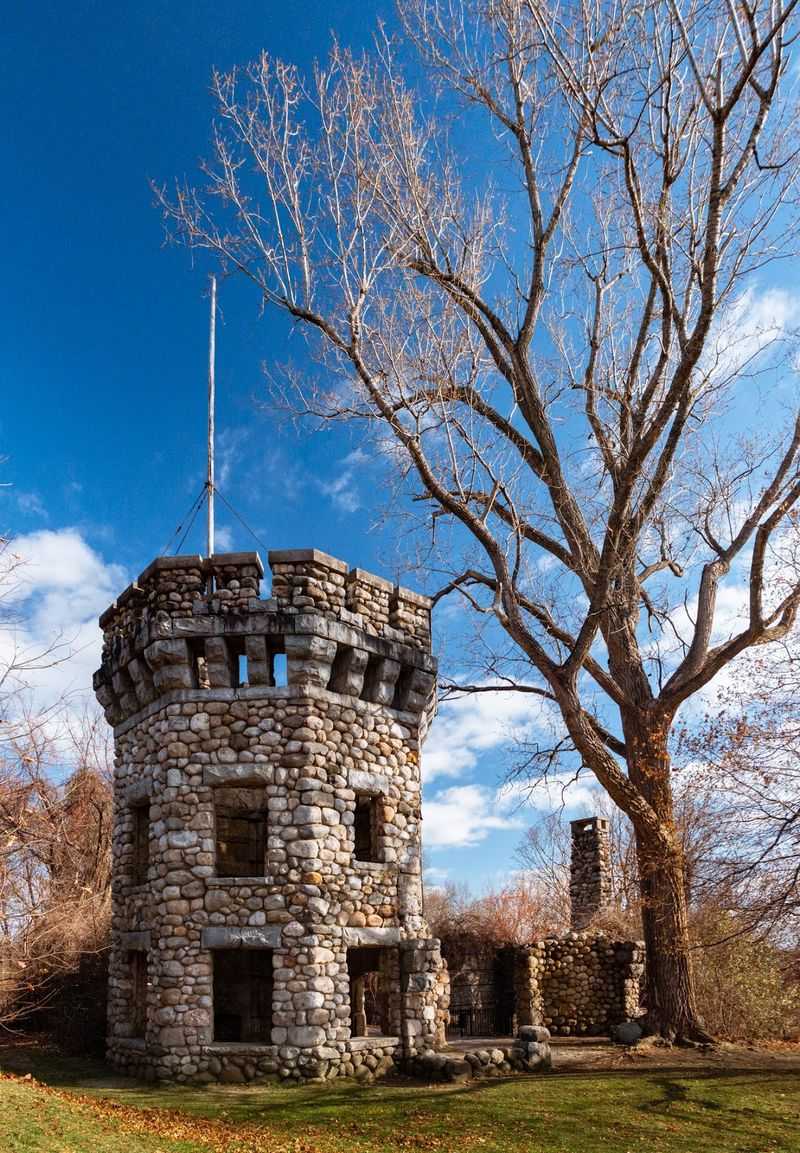
High on Gibbet Hill in Groton, a stone shell that looks like a small European castle waits at the end of a short walk. Bancroft Castle was started in the early 1900s and never fully finished as a home.
Today the walls, arches, and tower remains still stand, and the site is open to the public for free. The hill also offers wide views of the surrounding countryside, which makes the climb feel earned.
The trail up is short but steady, so comfortable shoes help. Parking is available near the base, and the walk is popular with families and hikers.
What sets this spot apart is how much structure is still intact. You can wander among the stone rooms and picture what might have been.
2. Bird Sanctuary Mill Ruins, Walpole
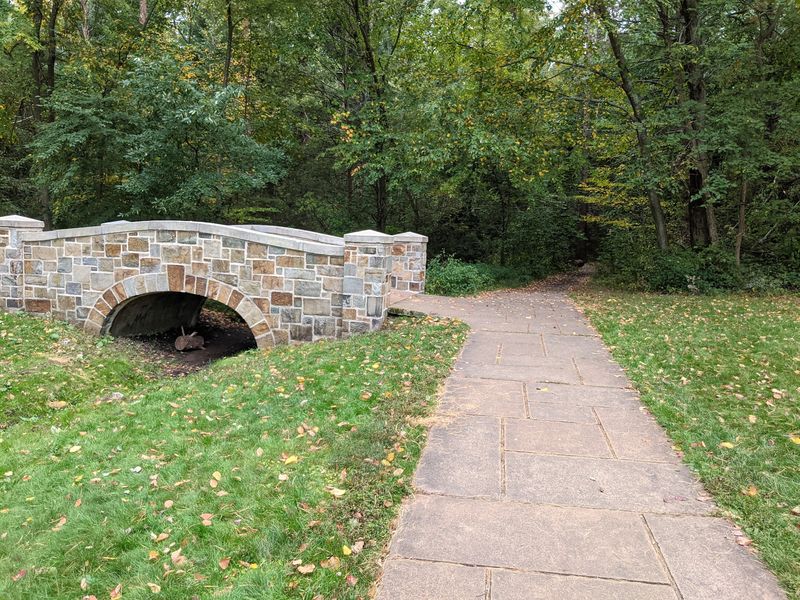
Tucked into conservation land in Walpole, the remains of old mill structures sit quietly beside flowing water. Stone walls and foundations mark where small industry once ran along the stream.
The area is now protected as open space, with walking trails threading past the ruins. Water access points make it a calm place to pause and look.
Because the site blends history with nature, you get two experiences in one visit. The foundations remind you of the working past while the woods take over the rest.
Trails here are generally short and family friendly. Bring bug spray in warmer months, since the streamside setting draws insects.
3. Purgatory Chasm Mill Area, Sutton
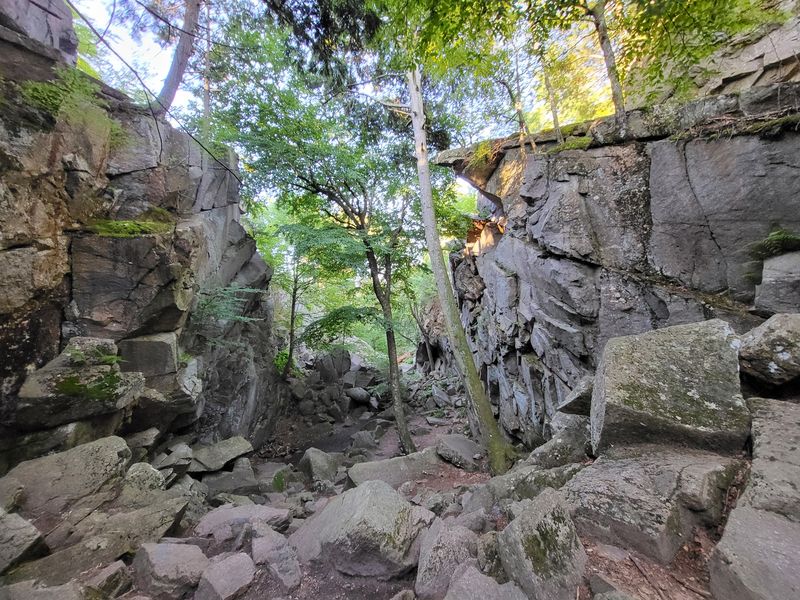
Granite walls rising dozens of feet make Purgatory Chasm in Sutton one of the most dramatic natural sites in central Massachusetts. Beyond the famous rock formations, the surrounding region carries a long mill and industrial history.
The state reservation offers a main chasm trail plus several loops for different skill levels. The rocky path can be uneven, so sturdy shoes are a must.
Admission to the reservation is free, though parking fills quickly on weekends. Picnic areas and restrooms make it easy for families to spend a few hours.
I like this stop because it pairs raw scenery with the quieter story of the working landscape nearby. The chasm alone is worth the trip, and the history is a bonus.
4. Old Stone Church Ruins, West Boylston
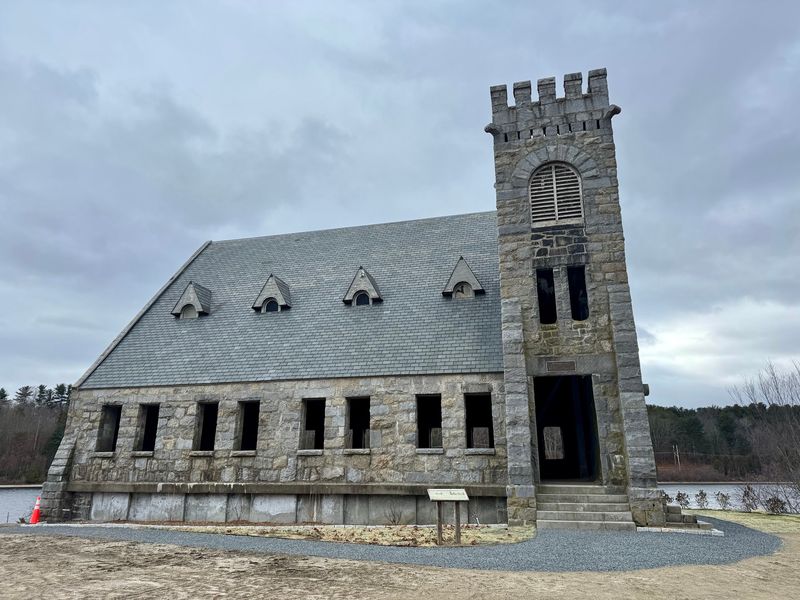
Standing alone at the edge of the Wachusett Reservoir, the Old Stone Church is a roofless stone building that has become one of the region’s most photographed landmarks. It dates to the 1890s and survived when much of the town around it was cleared for the reservoir.
The setting is what makes it special. Water stretches out behind the empty windows, and the stone walls frame the view.
Parking is available nearby, and the site is free to visit. It works well as a quick photo stop or a longer pause by the water.
Few places capture the feeling of a vanished community as clearly as this lonely church. The town that surrounded it is gone, but the building remains.
5. Ames Shovel Works District, Easton
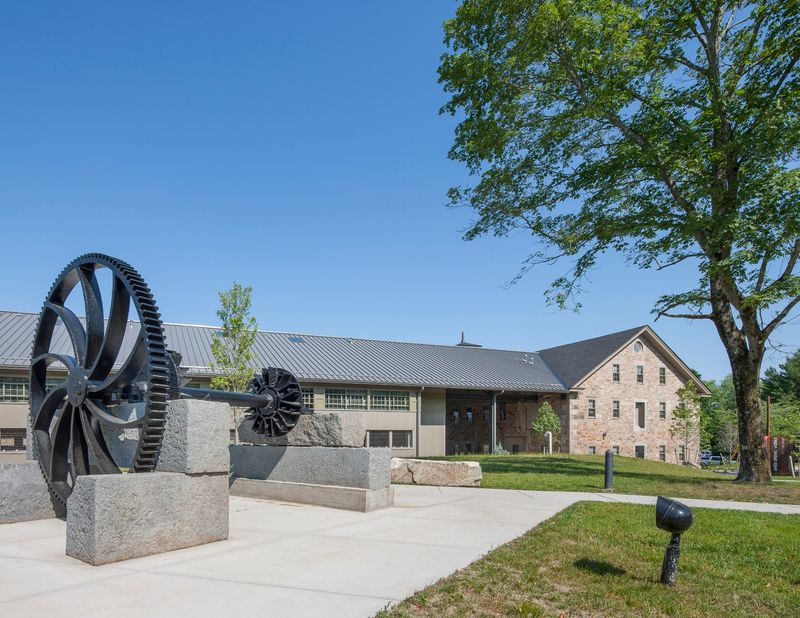
North Easton grew up around the Ames family shovel business, which supplied tools used across the country in the 1800s. The old stone factory buildings still line the area and reflect that industrial heyday.
Much of the district has been carefully preserved, so you can walk past authentic mill era architecture. Granite and brick construction gives the buildings a solid, lasting look.
The neighborhood also holds several structures designed by well known nineteenth century architects and landscape designers. That makes a walk here feel like a lesson in American design history.
Parking is available in the village, and much of the exterior viewing is free. Come for the shovel history and stay for the architecture.
6. Slater Mill Area, Webster Region
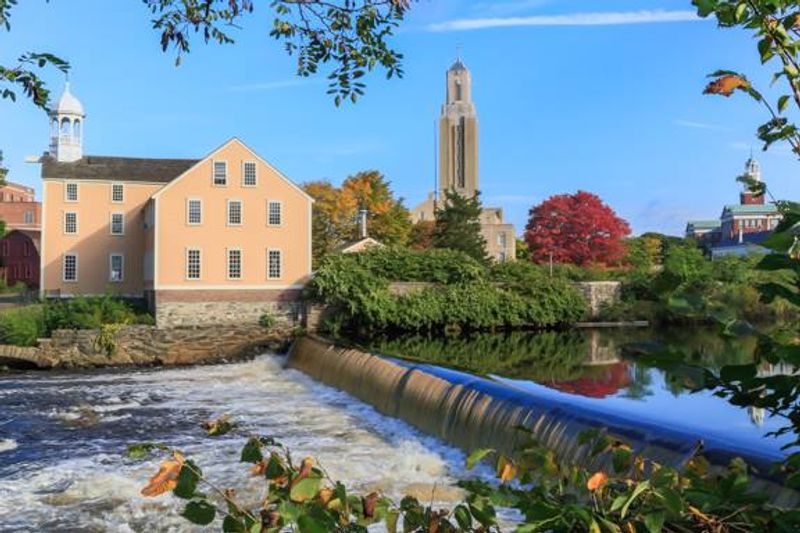
The rivers of south central Massachusetts powered dozens of textile operations, and the Webster and Dudley area sits at the heart of that story. Old mill buildings, dams, and canals still trace where cotton and wool were once processed.
Some structures have been repurposed, while others sit quiet and weathered. Walking the riverbanks lets you spot the bones of the old industry.
The region connects to a larger network of mill history that once stretched across the Blackstone River valley. That valley is recognized for its role in launching American manufacturing.
Bring a map, since the sites are spread out and not always marked. The reward is seeing how water and stone built a whole way of life.
7. Blackstone River Valley Mill Ruins, Uxbridge
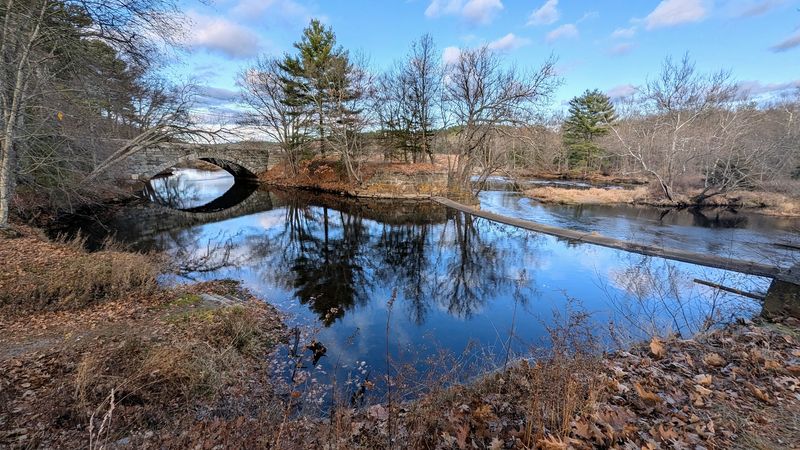
Often called the birthplace of the American Industrial Revolution, the Blackstone River valley runs through Uxbridge and holds layers of mill history. Stone canal locks, towpaths, and foundations survive along the water.
The area is part of a national historical park, so trails and interpretive spots make it easy to explore. The flat towpath paths are good for walking and biking.
You can trace the old canal system that once moved goods between mill towns. Seeing the stonework up close makes the scale of the effort clear.
Admission to the park lands is free, and parking areas are marked at several access points. For anyone curious about how mills shaped New England, this is a rich stretch to wander.
8. Bare Cove and Old Powder House Area, Hingham
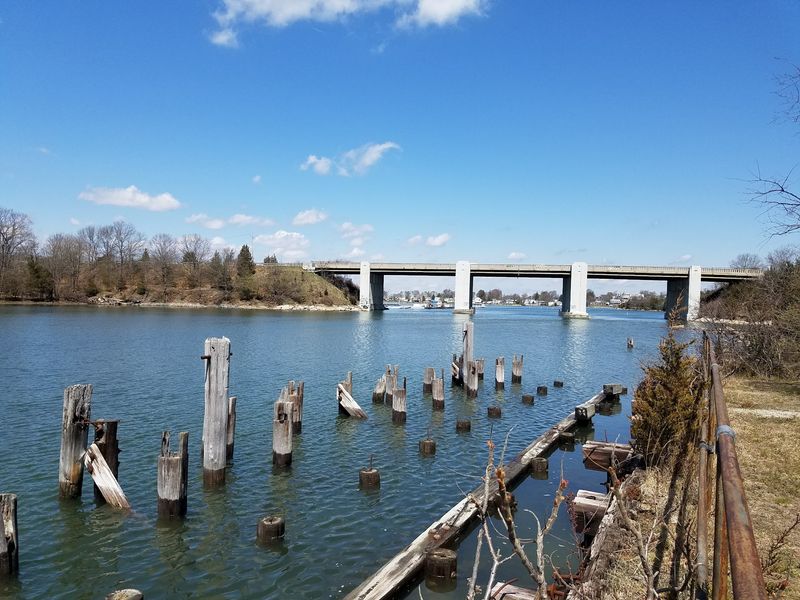
Along the coast in Hingham, a park now covers land that once served industrial and storage uses tied to the region’s working past. Old brick buildings and concrete structures still dot the wooded grounds.
Bare Cove Park offers paved paths perfect for walking, biking, and quiet exploring. The mix of nature and leftover structures gives it a distinct character.
Water views along the cove add to the appeal, and wildlife is common in the marshy edges. Parking is available at the entrance, and the trails are free to use.
To close out the list, this is the kind of place where you can walk for an hour and still find something you missed. The past and the present sit side by side, waiting for whoever slows down enough to notice.