
Affiliate disclosure: As an Amazon Associate I earn from qualifying purchases. Learn more
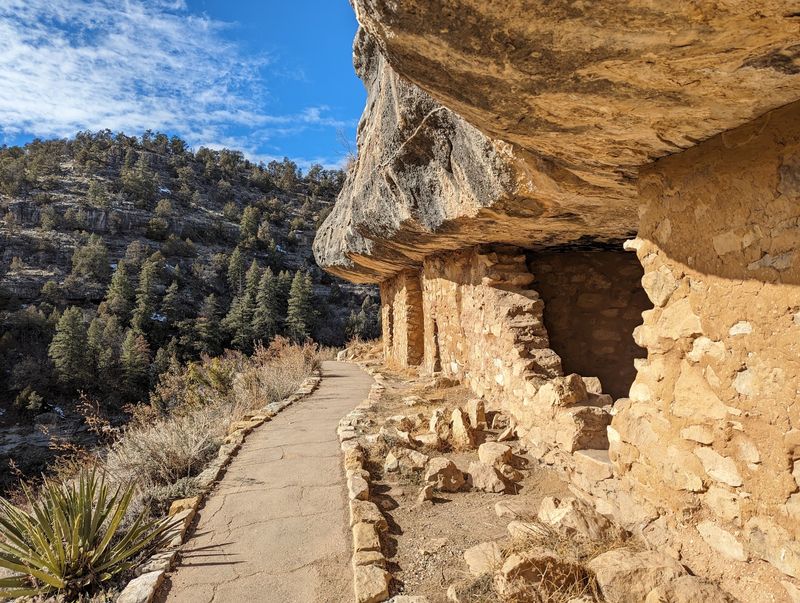
Just a short drive east of Flagstaff sits a curved canyon where families carved their homes straight into the limestone walls more than 800 years ago. A single loop trail drops you right past those stone rooms, close enough to peer inside the very spaces where meals were cooked and children grew up.
Plenty of longtime Arizona residents have zipped past the exit on the highway for years without knowing what waits below the rim. The catch is a staircase that tests your legs on the climb back out, though almost everyone agrees the payoff is worth every step.
Keep reading to learn where this place hides, how to walk it, what it costs, and why it feels like slipping through a door into a much older world.
A Canyon Hideaway Just Outside Flagstaff
Tucked into the pines about ten miles east of Flagstaff, Walnut Canyon National Monument sits at 3 Walnut Canyon Road in Arizona. Getting here from downtown Flagstaff is genuinely easy, which is part of the charm for anyone who assumed a place this remarkable would require a long expedition.
The monument protects a deep, curved canyon carved over ages, with cliff dwellings built by the Sinagua people directly into the rock. From the parking area alone you would never guess what is waiting below the rim.
The lot is small and the view from the top only hints at the scale of the place. You really have to step onto a trail to understand why so many people call it one of their favorite stops in northern Arizona.
What makes it stand out is the combination of geology and history in one compact site. The National Park Service manages it, and the whole experience runs at an unhurried pace that longtime residents tend to appreciate.
For Arizonans who have driven past the freeway exit dozens of times, this is the kind of discovery that rewrites what you thought you knew about your own backyard.
The Sinagua Who Called These Cliffs Home
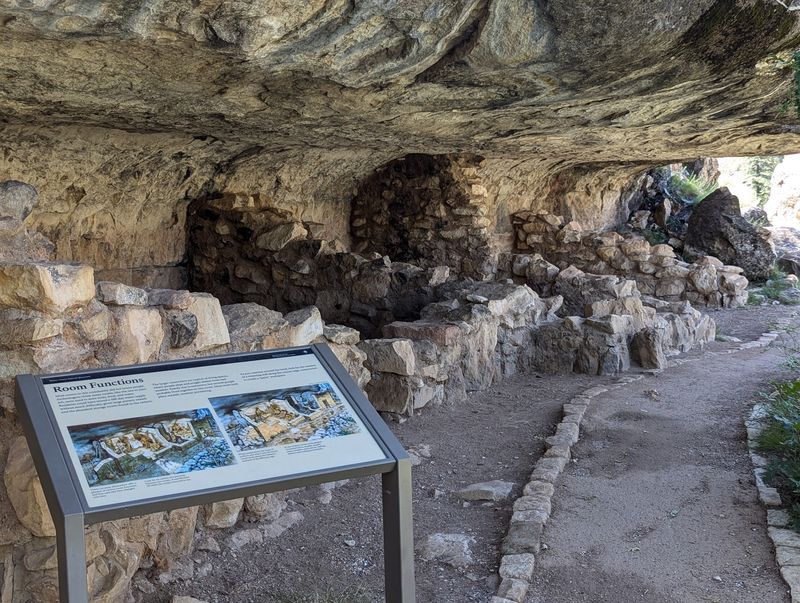
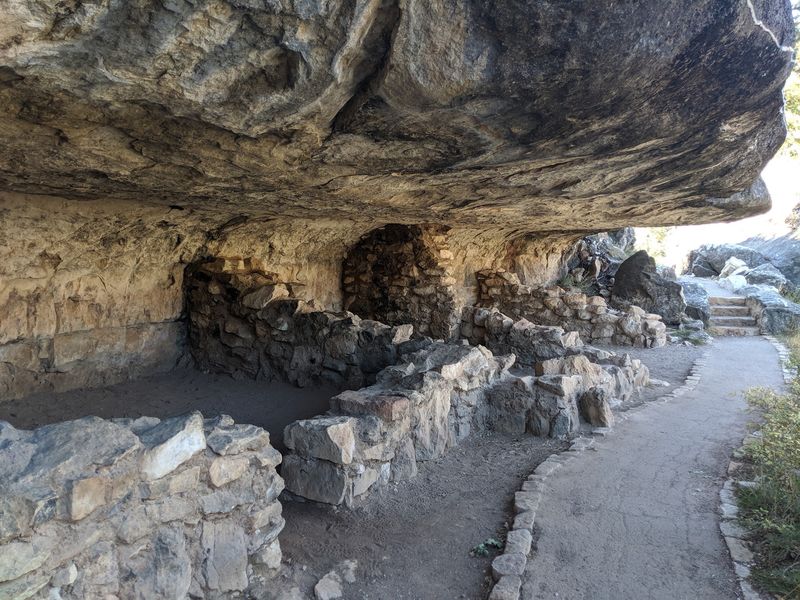
Long before highways and visitor centers, the Sinagua people built their homes into the sheltered ledges of this canyon, tucking rooms beneath overhangs of stone. Interpretive signs along the trails explain how they constructed their dwellings and shaped daily life against the canyon walls.
Walking the route, you pass not just one or two rooms but many, strung along the curve of the cliff. That repetition drives home the idea that this was a genuine village, not a lone shelter.
Signs also name the plants and trees growing in the area, tying the human story to the living landscape that once supported it. It turns a walk into a lesson without ever feeling like homework.
People who enjoy Native American history and archaeology often rank this among their favorite sites in the region. The connection to the Hopi, descendants of these early canyon dwellers, adds another layer worth pausing over.
There is something quietly moving about standing where families gathered centuries ago, close enough to imagine the ordinary rhythms of their days.
Walking The Famous Island Trail
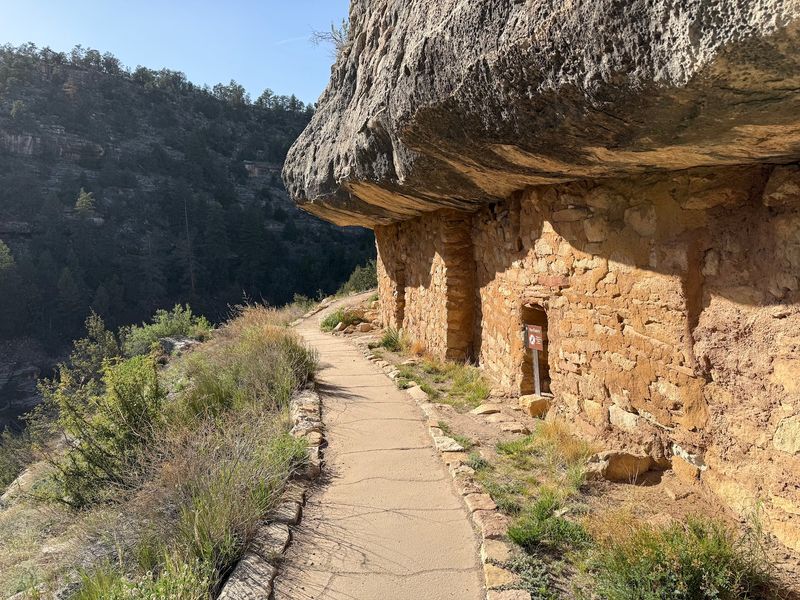
Most of the excitement centers on the Island Trail, a roughly one-mile loop that carries you right down into the canyon and past the dwellings. This is the path where you can actually walk beside the ancient homes rather than admire them from a distance.
Access starts through the visitor center, and once you reach the bottom the route flattens into a one-way loop around a rock outcrop. Along the way you get up close to around 25 cliff dwellings, some near enough to peer inside.
Most people finish the loop in about 40 to 60 minutes, though it is smart to leave extra time to read signs and take it all in. The trail is well paved and maintained, which makes the effort feel manageable.
It is worth noting the Island Trail is not pet-friendly and not wheelchair accessible, so plan accordingly. The descent is the easy part, as many will happily warn you.
For the reward of standing shoulder to shoulder with history, this short loop delivers far more than its modest distance suggests.
Those 736 Steps You Cannot Skip
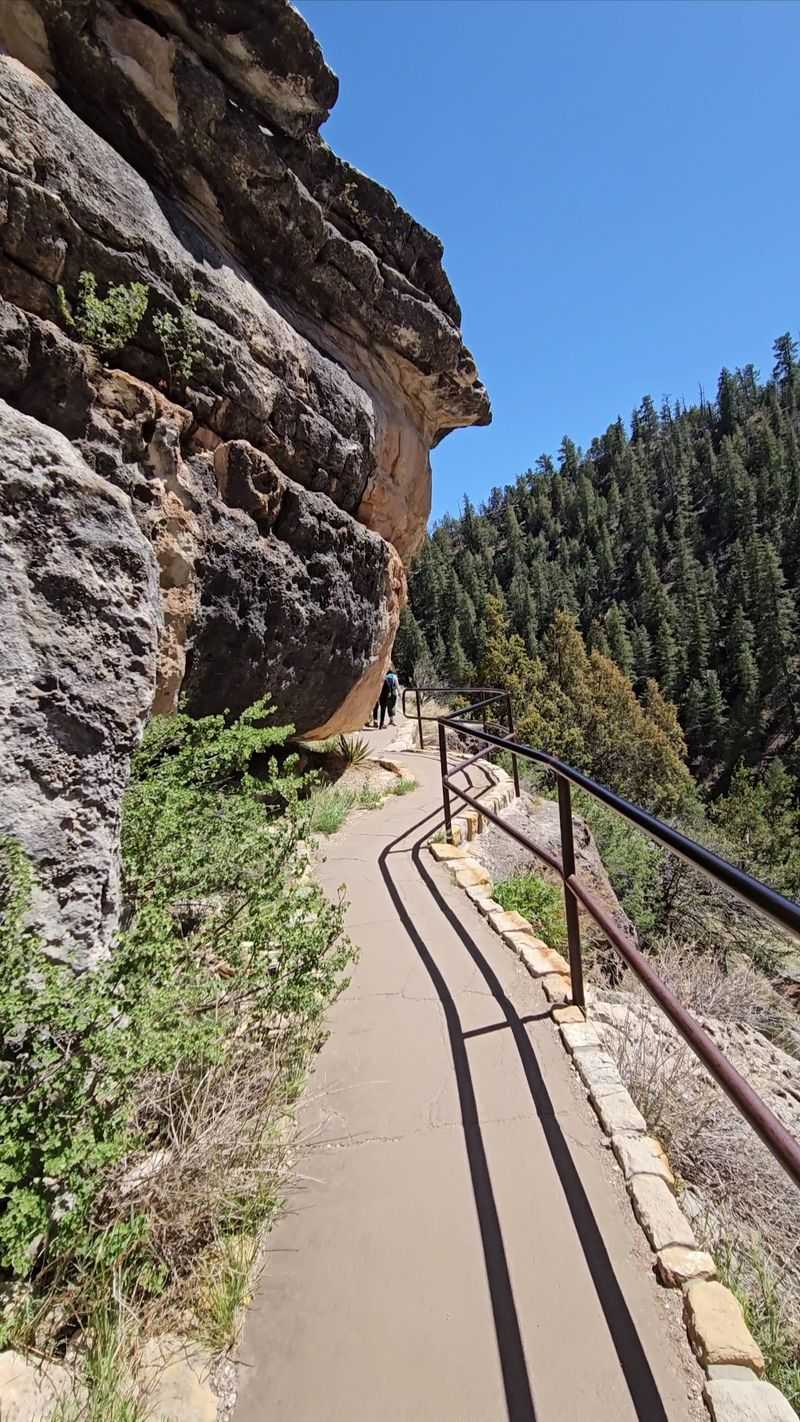
Let’s talk about the staircase, because it is the part everyone remembers. To complete the full Island Trail loop and climb back to the visitor center, you cover a total of 736 steps, descending roughly 200 feet into the canyon and back up again.
The way down is gentle enough. The climb out is where you will be huffing and puffing, and that is true even for people who consider themselves in decent shape.
Thankfully the park has planned for tired legs. Benches are placed along the route so you can rest between staircases, and most of the stairs have handrails for extra security.
People with a bad knee have made it down and back up by simply taking their time, so the challenge is real but not out of reach for many. The elevation here sits near 6,690 feet, which can make the effort feel bigger than the numbers alone.
Anyone uneasy with heights or lots of stairs should weigh this honestly. For everyone else, the summit reunion with the visitor center feels like a small victory earned one step at a time.
An Easier Stroll Along The Rim Trail
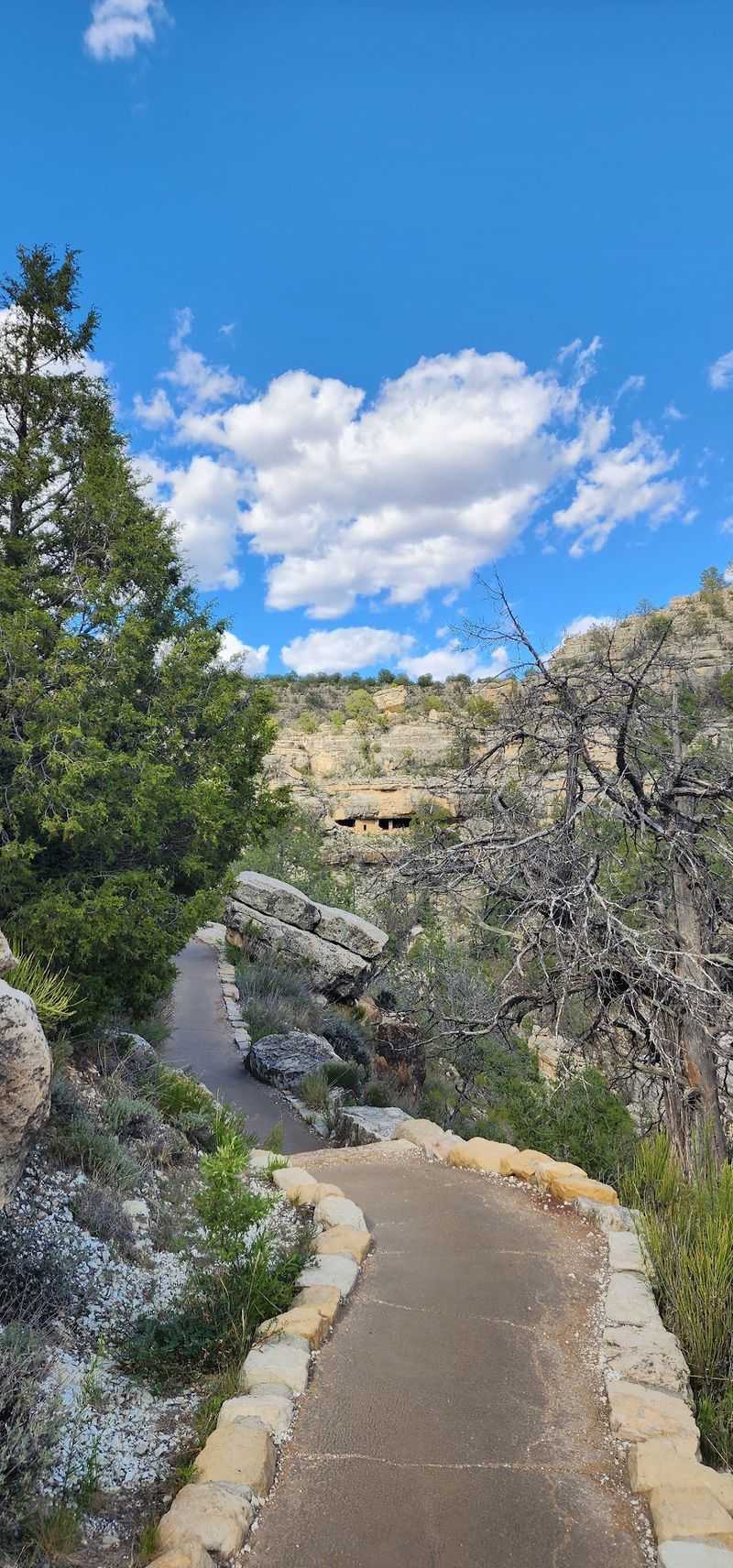
Not everyone wants to tackle hundreds of stairs, and the park has an answer for that. The Rim Trail stays up along the top of the canyon, offering a flat, well-maintained walk that most people finish in about 20 to 30 minutes.
From this path you can still spot cliff dwellings built into the far canyon walls, so you are not missing the main attraction entirely. The scenic overlooks are generous, and the pace stays relaxed.
Best of all, the Rim Trail is free and pet-friendly, making it a comfortable choice for families with strollers or anyone saving their energy. It is the kind of easy outing that suits a quick visit or a gentler day.
People who skip the strenuous descent often still leave impressed by the views from up top. The visitor center itself has a lovely vantage point worth lingering at.
Whether you pair it with the harder hike or treat it as your whole trip, the Rim Trail proves this monument welcomes a wide range of abilities.
The Visitor Center Worth A Stop On Its Own
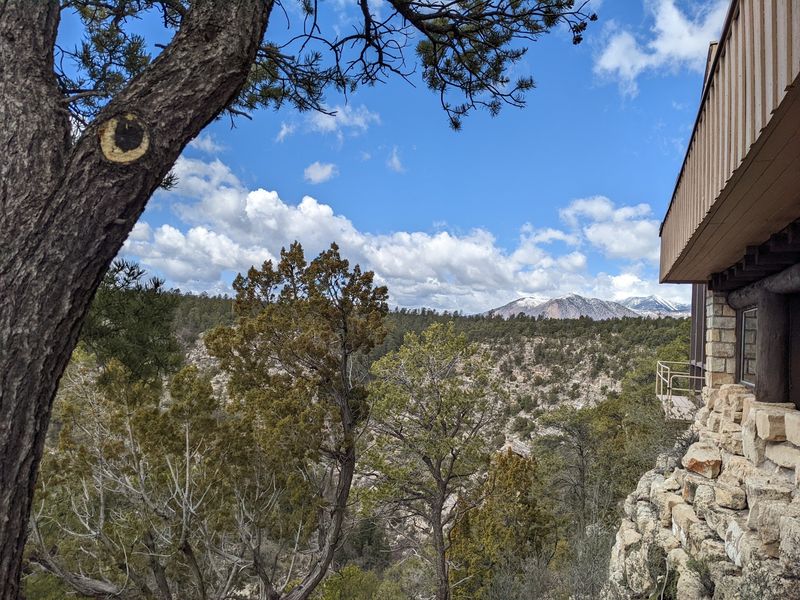
Before or after your hike, the visitor center earns a visit in its own right. Inside you will find a small exhibit area where artifacts and displays explain the people who once lived here, giving valuable context before you head down the trail.
A short film plays on repeat, and it makes a fine way to cool off and rest after the climb back up. People genuinely enjoy watching it while catching their breath.
Practical comforts are covered too, with clean restrooms and water fountains on site. There is also a gift shop stocked with snacks, souvenirs, and art pieces that draws steady praise.
The staff and volunteers here tend to leave a strong impression. Rangers and knowledgeable volunteers patiently explain the rock formations and history, and some even walk the trails to answer questions along the way.
The view from the center building itself is worth a pause. It sets the stage nicely for whichever trail you choose next.
A Quiet Atmosphere That Suits Nearly Everyone
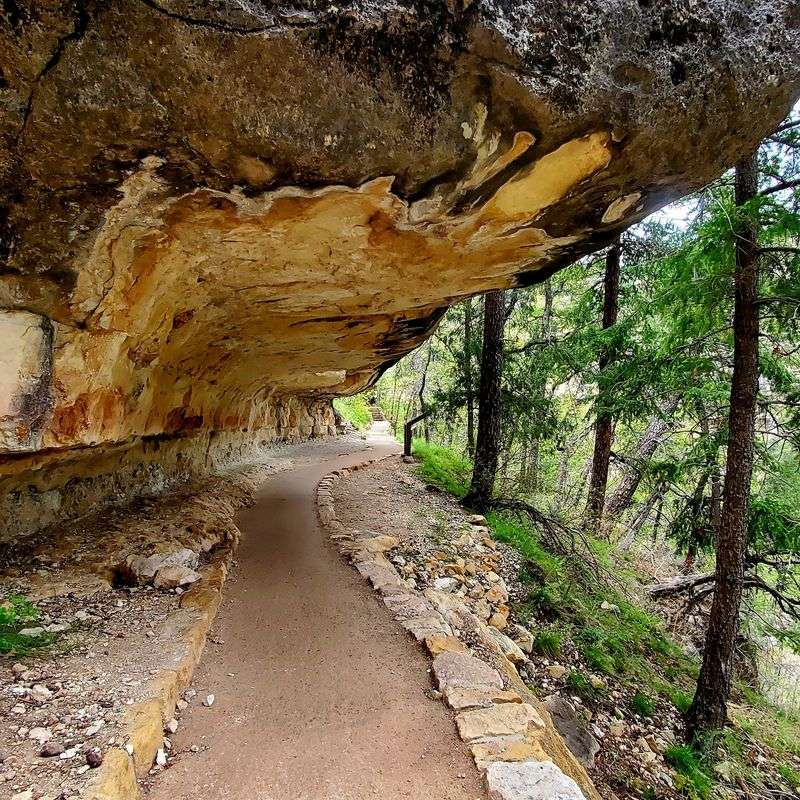
Part of what keeps people coming back is the calm that settles over the place. Away from crowds and traffic, the canyon offers a relaxing hike where the loudest thing you notice is the wind moving through the pines.
Families do especially well here thanks to the stroller-friendly Rim Trail and the up-close history that keeps kids curious. There is even a sense that children pick up real lessons, with some spotted studying the trail and getting quizzed back at the center.
History buffs, photographers, and anyone drawn to archaeology tend to feel right at home. The interpretive signs reward slow, thoughtful exploration rather than a rushed march.
Even people who have toured larger sites like Mesa Verde in Colorado find this compact monument holds its own charm. It trades scale for intimacy, and that trade wins a lot of admirers.
The overall mood leans peaceful and unhurried, the sort of outing that clears your head as much as it fills your camera roll.
Planning Your Visit: Hours, Fees, And Getting There
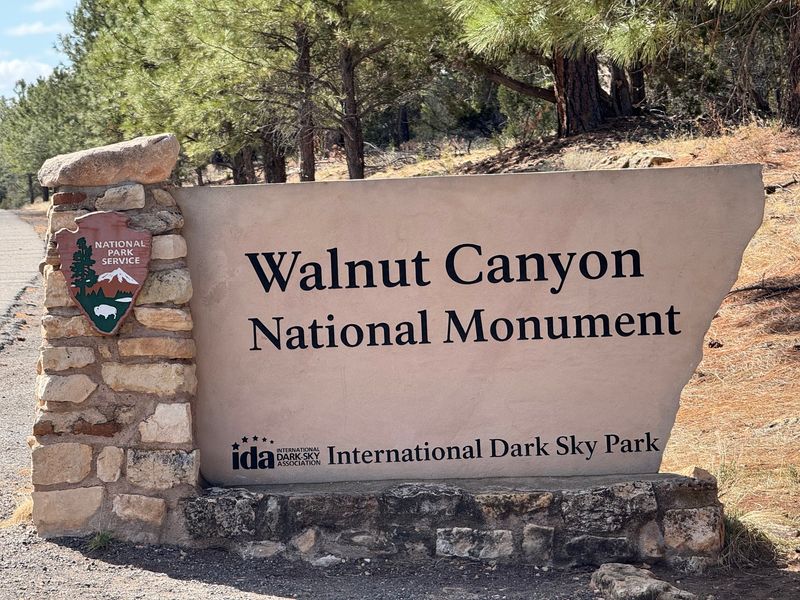
A little planning goes a long way at this monument. The gates open at 9 AM and close at 5 PM every day of the week, so give yourself enough time to explore without rushing the trail back up.
Entrance runs about 25 dollars for a whole car, and it is free if you carry an America the Beautiful pass. Certain fee-free days also pop up during the year for those who time it well.
Getting here from Flagstaff is straightforward, making it an easy add-on to a northern Arizona trip. The website at nps.gov/waca and the park phone line at 928-526-3367 are handy for confirming conditions before you go.
Water is the one thing you should never forget, especially in summer when the Island Trail climb can be a real challenge in the heat. Rest in any shade you find and use the benches on the way up.
Calling ahead is smart in rough weather, since the Island Trail can be affected by conditions like snow. A quick check spares you any surprises at the gate.
Why This Little Monument Stays With You
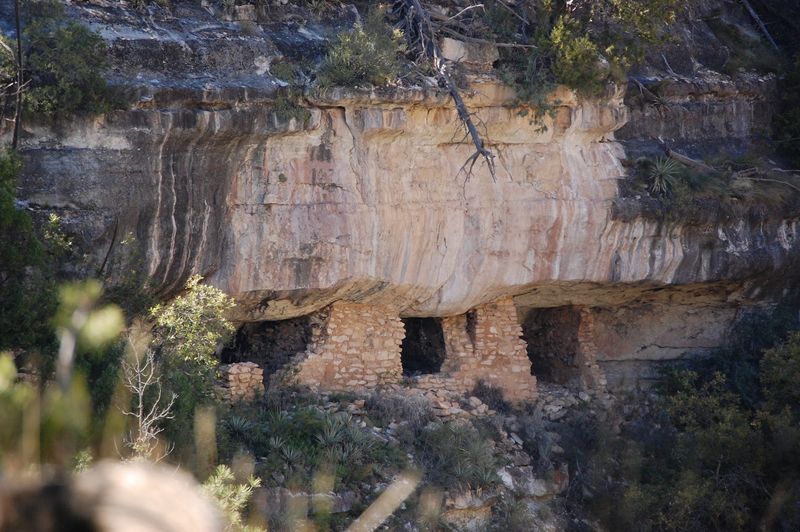
Some places punch far above their size, and this canyon is one of them. It may be a smaller national park site, yet the experience of walking a mile into an ancient village lingers long after the stairs are behind you.
Longtime Arizona residents who have lived in the state for decades often admit they never knew it was here, then walk away calling it a favorite. That kind of surprise is part of the reward.
The mix of geology, history, and an easy drive from Flagstaff makes it an easy recommendation for a half-day outing. Pick the Rim Trail for a gentle look or the Island Trail for the up-close encounter, and both leave you satisfied.
Seeing rows of cliff dwellings dusted with fresh snow in winter or glowing under summer light, the place feels timeless either way. People consistently describe it as special, and it is easy to understand why.
If you have driven past the exit one too many times, consider this your gentle nudge to finally pull off and step through the doorway waiting below the rim.