
Affiliate disclosure: As an Amazon Associate I earn from qualifying purchases. Learn more
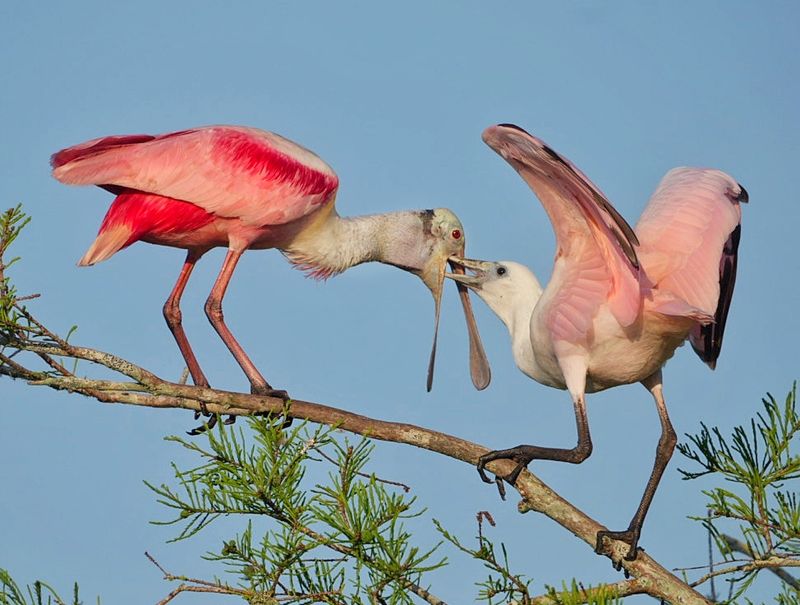
About an hour east of the theme park crowds, a quiet marsh draws people who carry cameras with lenses longer than their forearms. They come for pink spoonbills, great blue herons, and wood storks raising their chicks close to a public boardwalk.
Gators lounge along the trails, turtles stack up on logs, and a free guided cart ride rolls past it all. The best part is that the gate costs nothing to walk through.
Keep reading to learn where this place is, when the baby birds show up, how close the alligators get, and the simple tips that make a visit go smoothly.
A Free Marsh in the Town of Christmas
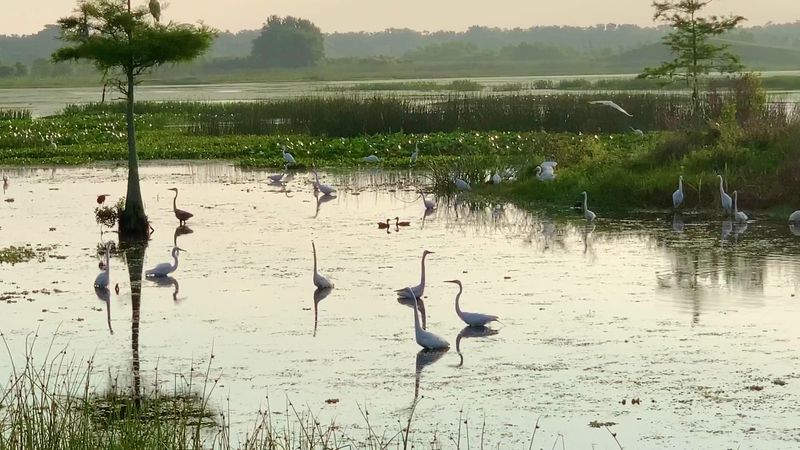
Head east from Orlando and the strip malls slowly give way to open country. Tucked into that landscape sits Orlando Wetlands, a park at 25155 Wheeler Rd, Christmas, FL 32709.
The spot lies roughly four miles north of State Road 50. It is a large natural area made up of marshes and lakes, with hiking trails, wildlife viewing, and picnic areas spread across the property.
Entry to the trails and the visitor center is free. Parking is free too, which makes it a rare find for anyone trying to stretch a day-trip budget.
The park is run through the City of Orlando’s Water Reclamation Division. That connection explains why the land looks the way it does, with managed marshes that wildlife has happily claimed as home.
People who make the drive call it a break from the busier side of Central Florida. The crowds here tend to carry binoculars instead of shopping bags.
And the wildlife lineup is impressive enough to keep birders coming back season after season.
Spring Nurseries Full of Spoonbill Chicks
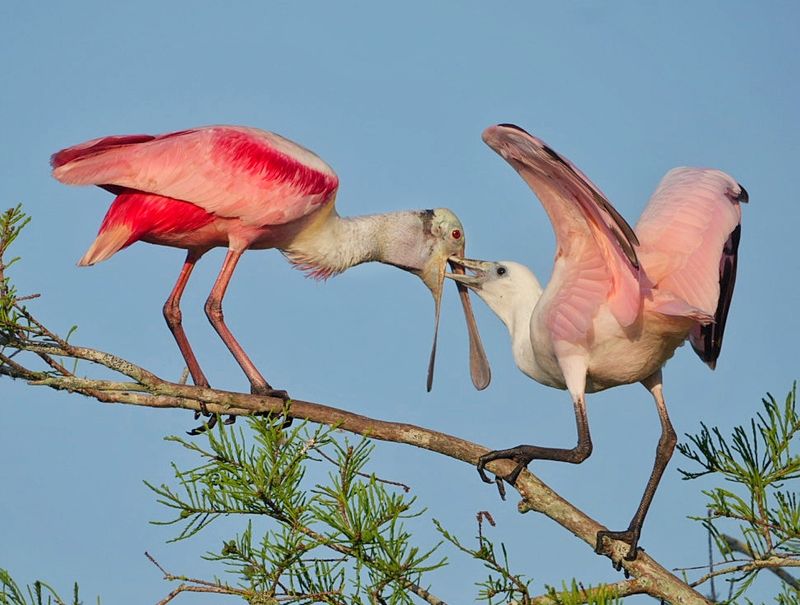
Spring is when the marsh turns into a giant bird nursery. Juvenile roseate spoonbills, great blue herons, wood storks, tricolored herons, and great egrets all show up in the nesting areas.
The boardwalk puts people within comfortable viewing distance of these nests. That closeness is exactly why photographers plan whole trips around the season.
Watching young birds in their nests is often described as the highlight of a visit. Some guests even pencil in a return trip for February to catch the action again.
Spoonbills get special attention, and for good reason. Their pink feathers stand out against the green marsh, and few places offer such an up-close look.
Herons and storks share the same neighborhood. The result is a busy colony where something is always happening.
A tip for timing: earlier in the year tends to deliver the nesting show. Arrive with charged batteries, because the camera will get a workout.
The Boardwalk Everyone Talks About
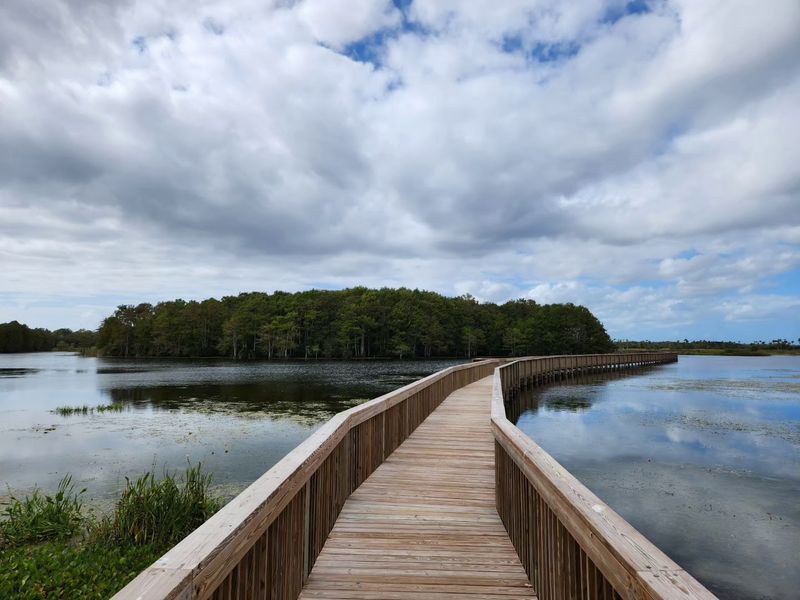
Ask regulars for one must-do, and most will point straight to the boardwalk. It is the most mentioned feature of the park after the alligators.
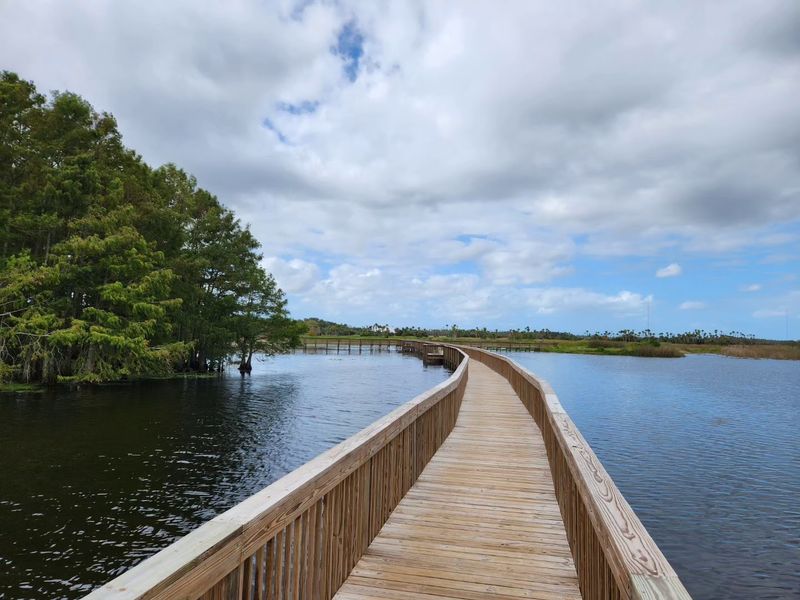
The wooden walkway runs across the marsh and gives clear viewing points for birds and gators. Much of the walk happens right over the wetland.
Getting there is easy. The boardwalk sits about 1,100 feet from the visitor center, so the stroll is short.
This is where the nesting colonies are best viewed. Spoonbills, wood storks, and great blue herons raise their young within sight of the rail.
Fish and turtles often appear in the water below. Frogs make appearances as well.
Because the route is open to the sky, early arrival makes a lot of sense. Mornings tend to be cooler and the light favors photos.
Consider it the front-row seat of the whole park.
Alligators, Sometimes Right on the Trail
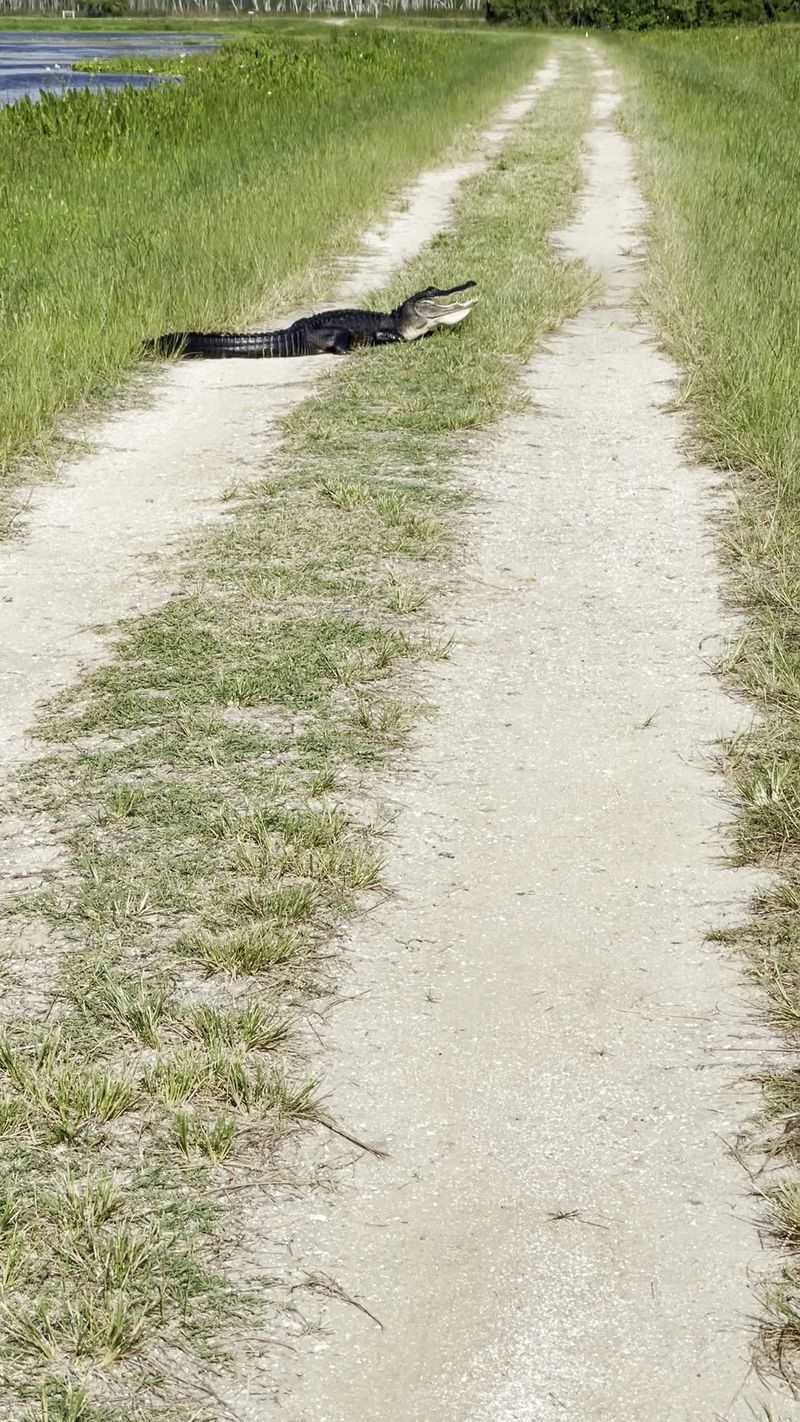
Gators are the park’s unofficial mascots, and they are not shy. Alligators come up more than any other topic among people who visit.
Counts of 10 to 20 in a single walk are common. Along the Lake Searcy Loop alone, one winter outing passed at least 20.
Cooler months bring many of them out to bask in the sun. That makes them easy to spot, and a little nerve-racking to walk past.
Some rest almost directly on the trails. One family even watched a gator cross the path a few hundred feet ahead of them.
The rule is simple: do not approach them. Take photos from the road or trail and keep moving.
A section called Alligator Alley is a popular stretch, though sightings vary by day. Respect the space, and the encounter stays a great story instead of a close call.
A Guest List Beyond Birds and Gators
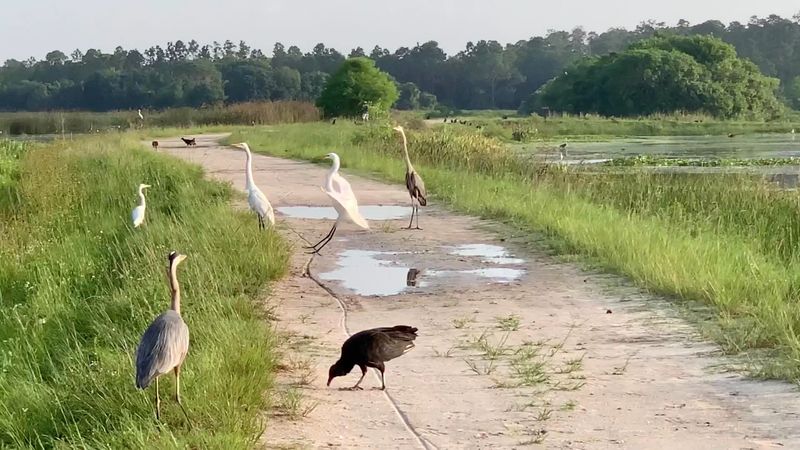
Spoonbills grab the headlines, but the supporting cast deserves credit. The purple gallinule is a favorite find for birders.
Turtles appear on nearly every outing. Fish, frogs, and snakes round out the water crowd.
Overhead, turkey vultures and black vultures are a frequent sight. They add to the wild, untamed feel of the place.
Raccoons also wander through, sometimes poking around trash bins near the parking area. A green lizard might greet you on arrival.
Wood storks and egrets mingle with the herons. The variety is what makes many call it one of the best wildlife spots in Florida.
Winding paths help spread people out. It is possible to share the park with a large crowd and barely notice anyone else.
Bring a field guide, because the checklist fills fast.
Free Tram Rides With Chatty Volunteers
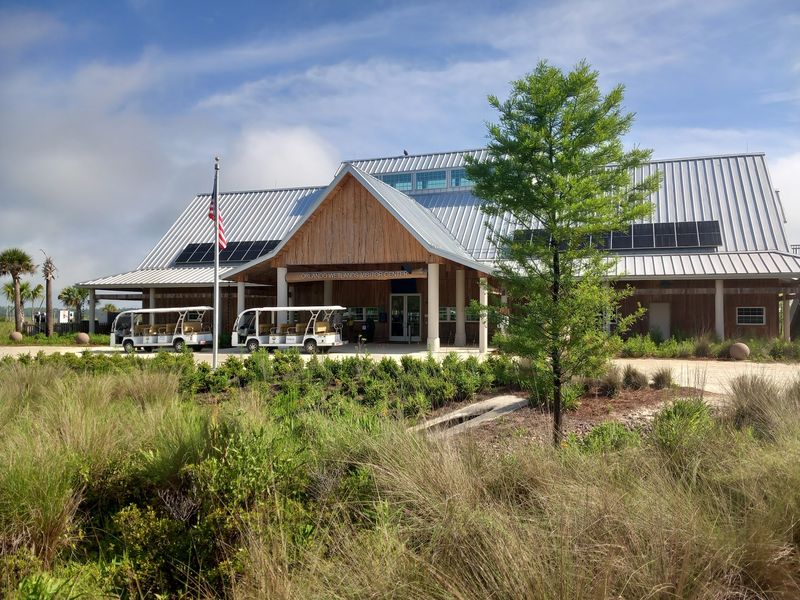
Not everyone wants to cover miles on foot, and the park has a solution. A free guided cart ride carries guests around the property.
Volunteers narrate the trip and share facts about the wetlands and the wildlife. Their knowledge is one of the most praised parts of a visit.
Tram tours run on Friday and Saturday mornings. They are not available every day, so check before counting on one.
The staff, rangers, and volunteers are known for being passionate about conservation. They also hand out tips on navigating the trails and spotting birds.
Guests who love learning from guides find the ride especially worthwhile. It works well for anyone with limited stamina too.
Since seats are free, it is a budget win that covers ground fast. Grab a spot early and let someone else handle the route.
Visitor Center With a Marsh View
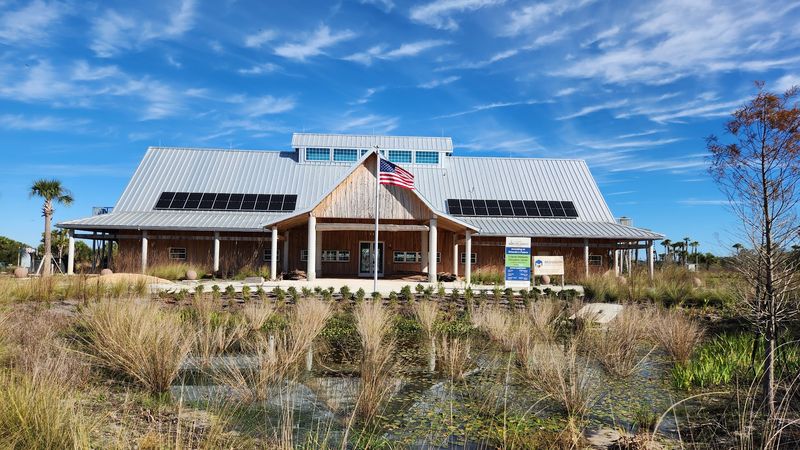
Smart visitors make the visitor center their first stop. The building is newly opened and looks out over part of the wetlands from the back.
Inside are educational displays and tanks with content for both adults and kids. They explain the park and the creatures that live there.
Staff members are on hand to answer questions. Informative handouts are also available near the entrance.
It is also where the shuttle tours begin. Restrooms and a pavilion sit steps away by the parking lot.
One scheduling note matters here. The visitor center is closed on Saturday and Monday, even though the grounds can still be explored.
A quick orientation inside sets up the rest of the day nicely.
Six Miles of Perimeter and Plenty of Shortcuts
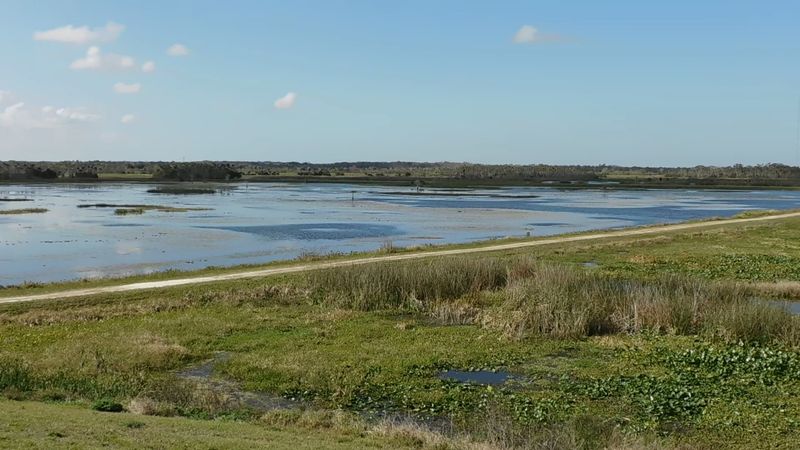
Hikers have options here. The full perimeter trail covers about six miles.
Shorter loops branch off for anyone wanting a lighter walk. The trails are well marked and well maintained.
Shade is scarce. Most paths are exposed, so hats, sunscreen, and plenty of water are essentials.
Benches exist but sit far apart. Anyone with mobility challenges should plan around that or lean on the tram.
Mosquitoes may be less of a problem than expected, though repellent is still a wise packing choice. Cooler days arrive in winter.
Sunrise is a favorite time for photographers. The early light over the water creates strong photo chances.
Pace yourself and the miles go by easily.
Who Feels Right at Home Here
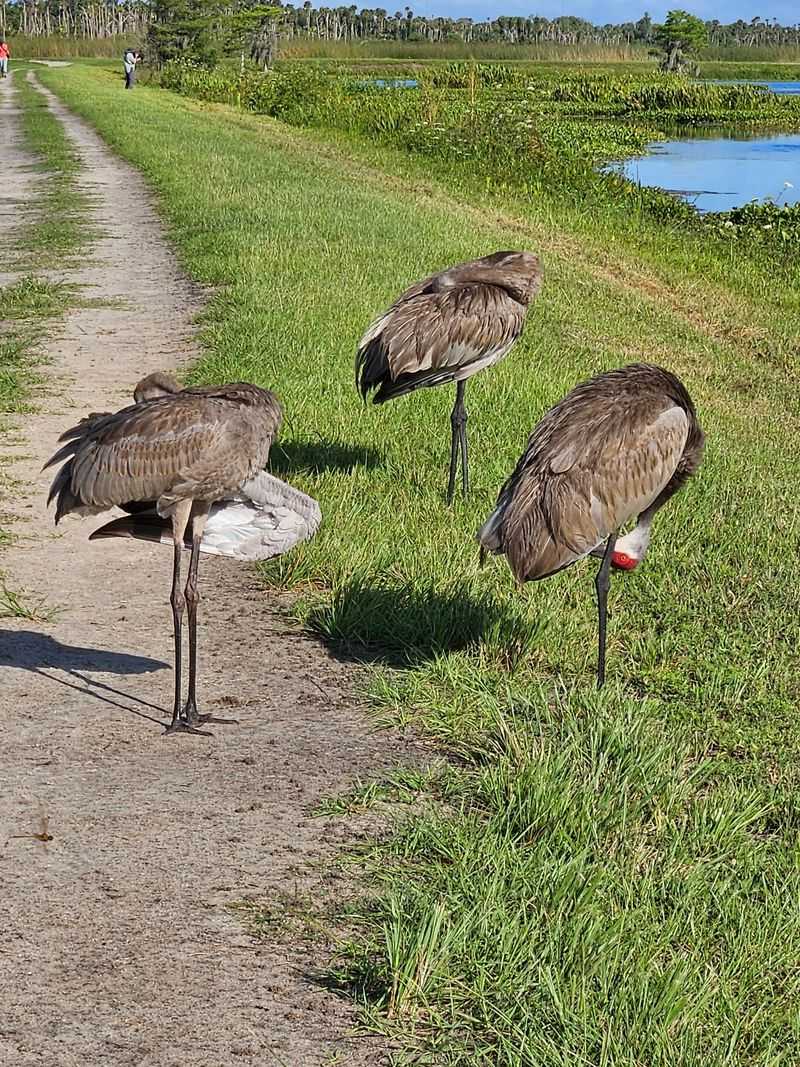
Show up in khaki with a giant lens and nobody will look twice. Bird photographers are a big part of the crowd.
Families enjoy it as well. Kids get a kick out of raccoons, lizards, and gators, while adults soak up the displays.
Couples looking for a calm outing find the trails peaceful. Many describe it as a relaxing nature walk.
Pets are not allowed, so plan to leave furry friends at home. Picnic space is plentiful for a lunch break.
Parking can fill near the visitor center. An overflow lot across the paved road handles busy days.
Bring binoculars, a phone, and spare batteries. Hours can disappear out here without anyone noticing.
A Soft Verdict for Day Trippers
Few outings in Central Florida offer this much for zero dollars. Free entry, free parking, and a free guided ride make the math easy.
The park holds a 4.9-star standing across more than 1,400 opinions. That kind of consistency is rare.
Fort Christmas sits just down the street. Pairing the two makes for a full, affordable day.
Spring is the season for baby spoonbills and herons. Winter brings sunbathing gators and cooler walking weather.
Arrive early, pack water, and respect the wildlife. Stop at the visitor center first, unless it is a Saturday or Monday.
The marsh will be waiting, and so will the spoonbills.


