

Affiliate disclosure: As an Amazon Associate I earn from qualifying purchases. Learn more
Every year a fresh study tries to figure out where people in America actually feel good about their lives, and the results are always fun to argue about. Happiness rankings usually look at things like income, community connection, physical health, and how much green space a place has.
This time around, one Maryland town landed a spot on the list, which caught a lot of local attention. Below is a friendly walk through what these rankings measure, why they matter, and where Maryland fits into the picture.
Whether you already live nearby or you are just nosy about how your area stacks up, there is something here worth saving and sharing.
1. How the Happiest Cities Get Ranked
Rankings like these do not come from a single opinion or a random poll. Groups such as WalletHub and other research organizations pull together dozens of measurable factors and score cities against each other.
The categories usually break down into three big buckets. One covers emotional and physical well-being, another looks at income and employment, and the third measures community and environment.
Inside those buckets you find specific numbers. Think depression rates, income growth, average work hours, sports participation, and even how many people volunteer.
Because everything is tied to data, a city cannot just feel happy. It has to show it through health stats, safety records, and access to parks and recreation.
That is why a smaller town can sometimes beat a giant metro area. Strong community ties and shorter commutes often carry more weight than sheer size or fame.
2. Columbia, Maryland Makes the List

The Maryland name that keeps showing up on national happiness lists is Columbia, a planned community in Howard County. It has repeatedly ranked near the top in WalletHub happiest cities studies.
Columbia was designed in the 1960s by developer James Rouse, who wanted a place built around neighborhoods, shared green space, and easy access to daily needs. That vision still shapes the town today.
The community is organized into villages, each with its own center, walking paths, and gathering spots. Lake Kittamaqundi and Lake Elkhorn give residents open water and trails right in town.
Strong schools, steady employment, and low commute stress all help Columbia score well on the data side of these rankings.
It sits conveniently between Baltimore and Washington, so residents get big city access without living in the middle of the noise. That balance is a big part of why it keeps landing on happy city lists.
3. Why Green Space Matters So Much
One thing nearly every happy city has in common is easy access to the outdoors. Parks, trails, and open water show up again and again in the scoring.
Columbia leans hard into this. The town includes a large network of paved pathways that connect villages, lakes, and shopping areas without forcing people onto busy roads.
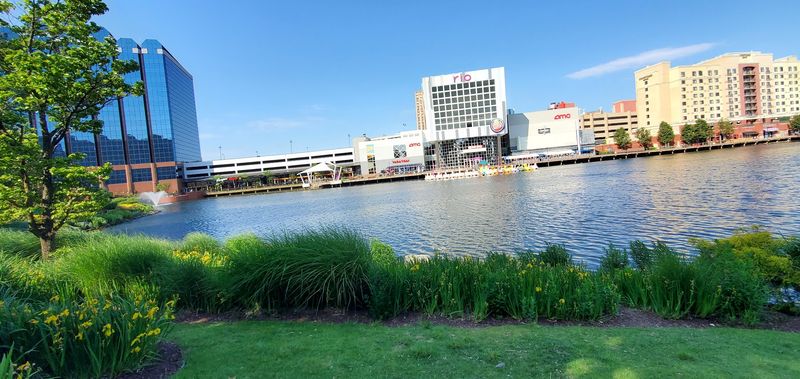
Lake Kittamaqundi anchors the downtown area with a waterfront promenade, while Lake Elkhorn offers a loop trail popular with walkers and cyclists.
Green space does more than look nice. Studies tie regular access to nature with lower stress and stronger community connection, both of which feed directly into happiness scores.
For families, this means kids grow up with room to move and play close to home. For everyone else, it means a walk by the water is often just minutes away.
4. Community Design That Encourages Connection
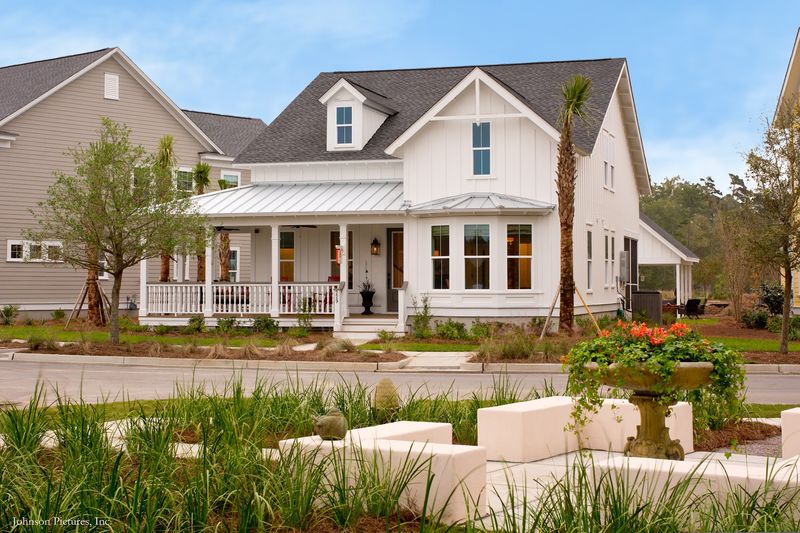
Loneliness quietly drags down happiness scores, so cities that help people connect tend to rank higher. Columbia was practically built for this purpose.
Rouse laid out the town so that each village has a center where people naturally cross paths. Community pools, meeting halls, and local shops give neighbors reasons to be in the same place.
The Columbia Association manages many of these shared amenities, including pools, fitness clubs, and recreation programs open to residents.
Regular events, farmers markets, and outdoor concerts at the lakefront keep the calendar full during warmer months.
The result is a place where meeting people does not require much effort. That built in sense of belonging is exactly the kind of thing happiness researchers reward.
5. Location Between Two Major Cities
Geography gives Columbia a real advantage that many happy towns cannot match. It sits almost exactly between Baltimore and Washington, D.C.
Both cities are reachable in roughly a half hour drive under normal conditions, which opens up a huge range of jobs, museums, sports, and dining.
Access to strong employment shows up directly in the income and job categories of happiness rankings. Living near two major economies helps residents find and keep good work.
At the same time, Columbia is not crammed into either downtown. People can chase big city opportunities while coming home to quieter, greener neighborhoods.
For anyone weighing a move, that middle ground is a genuine selling point. You get options without giving up calm.
6. Health and Well-Being Scores

Physical and emotional health carry serious weight in these studies, and this is an area where Columbia holds up well.
Access to recreation is a big reason. The Columbia Association operates fitness centers, tennis facilities, and multiple pools that make staying active convenient.
Howard County, where Columbia sits, consistently ranks among the healthier counties in Maryland based on public health data.
Good access to healthcare, low commute stress, and plenty of places to exercise all support better day to day well-being.
When people can walk, swim, and get medical care without much hassle, the health portion of a happiness score naturally climbs. Columbia checks those boxes without much drama.
7. What Maryland’s Ranking Really Tells Us
A single town making a national happiness list does not mean the rest of the state is unhappy. It does highlight what raises quality of life anywhere.
Columbia earns its spot through a combination of green space, community design, healthy living, and smart location. None of those things are accidents.
Other Maryland communities share pieces of this formula, from waterfront access along the Chesapeake to strong local schools and active town centers.
The takeaway for residents is simple. Walkable neighborhoods, shared public spaces, and easy access to nature genuinely shape how content people feel.
So the next time one of these lists drops, it is worth looking past the headline. The real value is spotting what makes a place work, then finding a bit of that closer to home.