
Affiliate disclosure: As an Amazon Associate I earn from qualifying purchases. Learn more
You do not need a passport to find half-timbered buildings, German bakeries, and towns named after cities in Europe. Back in the 1800s, waves of German immigrants settled across Central Texas and beyond, and many of their towns still wear that heritage proudly.
Some are busy weekend spots, while others are quiet farm towns where the history sits right on Main Street. Here are nine Texas towns where a simple walk downtown can make you forget you are a short drive from Austin, San Antonio, Houston, or Dallas.
1. Fredericksburg
Picture a town founded in 1846 by a group called the Society for the Protection of German Immigrants. That group, known as the Adelsverein, gave Fredericksburg its start, and the German roots never really left.
The heart of town is East and West Main Street, the walkable core of a National Register Historic District. Shops, German bakeries, and restaurants line both sides, so a slow stroll is the main event here.
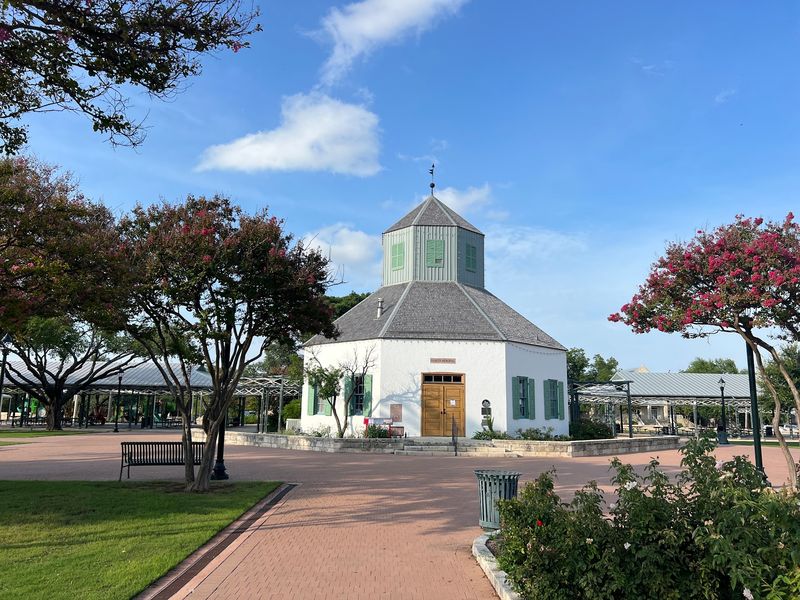
Keep an eye out for the Vereins Kirche, an eight-sided building that ranks among the most recognizable landmarks in town. Bavarian-influenced architecture shows up block after block, which makes it easy to see why this Hill Country town of roughly 11,000 people tops so many road trip lists.
From Austin or San Antonio, the drive typically takes around an hour and a half. I would save this one for a full day, since Main Street is long and packed with places to pop into.
2. New Braunfels
Sausage lovers, take note. New Braunfels is home to Wurstfest, the famous German festival that celebrates sausage and heritage every fall.
Prince Carl of Solms-Braunfels founded the town in 1845, and that history still shapes downtown. Main Plaza anchors a walkable district of older storefronts, while traditional fachwerk, or half-timbered, buildings add an Old World touch.
Bakery fans should know about Naegelin’s, a heritage bakery that ties the town to its German baking traditions. It makes a sweet first stop before exploring the plaza.
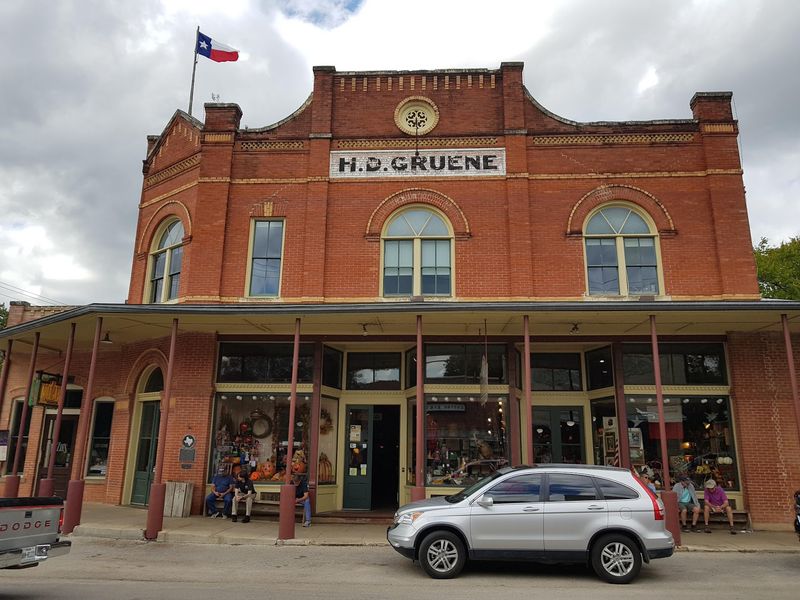
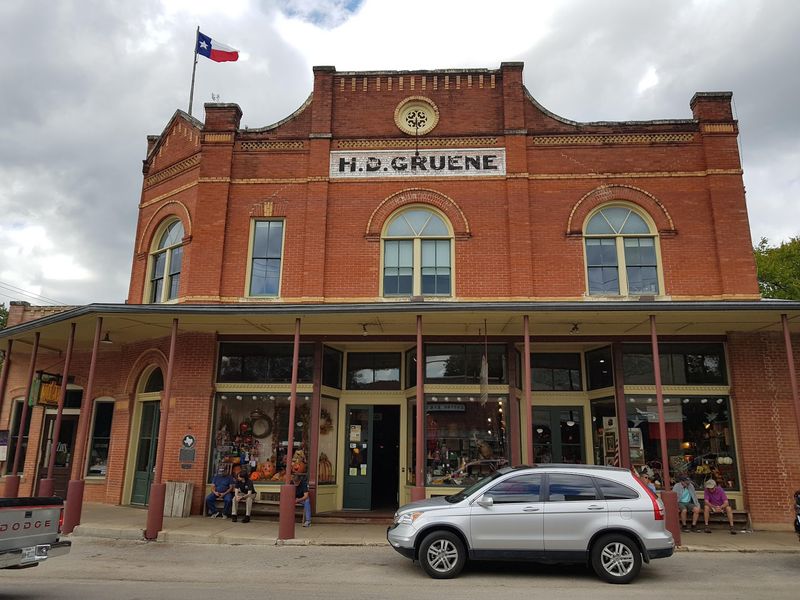
Nearby, Gruene Main Street offers another stroll past limestone storefronts, antique shops, and traditional eateries. Sitting between Austin and San Antonio along I-35, New Braunfels is an easy detour for travelers coming from either city.
3. Boerne
Here is a fun name fact. Boerne was named after Ludwig Börne, a German author, by the German Free Thinkers who founded the town in 1849.
Locals pronounce it like “Bernie,” which is worth knowing before you ask for directions. The town of about 20,000 sits in Kendall County, roughly 30 minutes northwest of San Antonio.
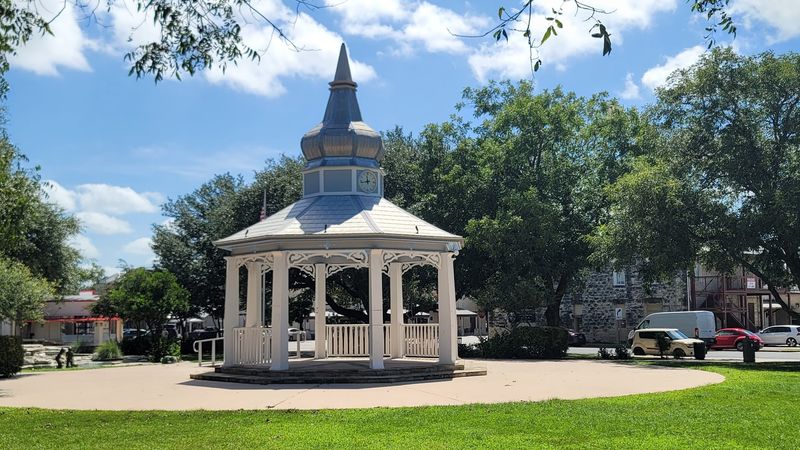
Main Street holds the stretch known as the Hill Country Mile. It is built for walking, with restored 19th-century buildings, cafes, and local shops along the way.
German heritage runs deeper than the buildings. Boerne has a longstanding Gesangverein, a German singing society, and much of the old stone masonry reflects the craftsmanship of early settlers.
I like Boerne as a half-day trip that can easily turn into a full afternoon of browsing.
4. Muenster
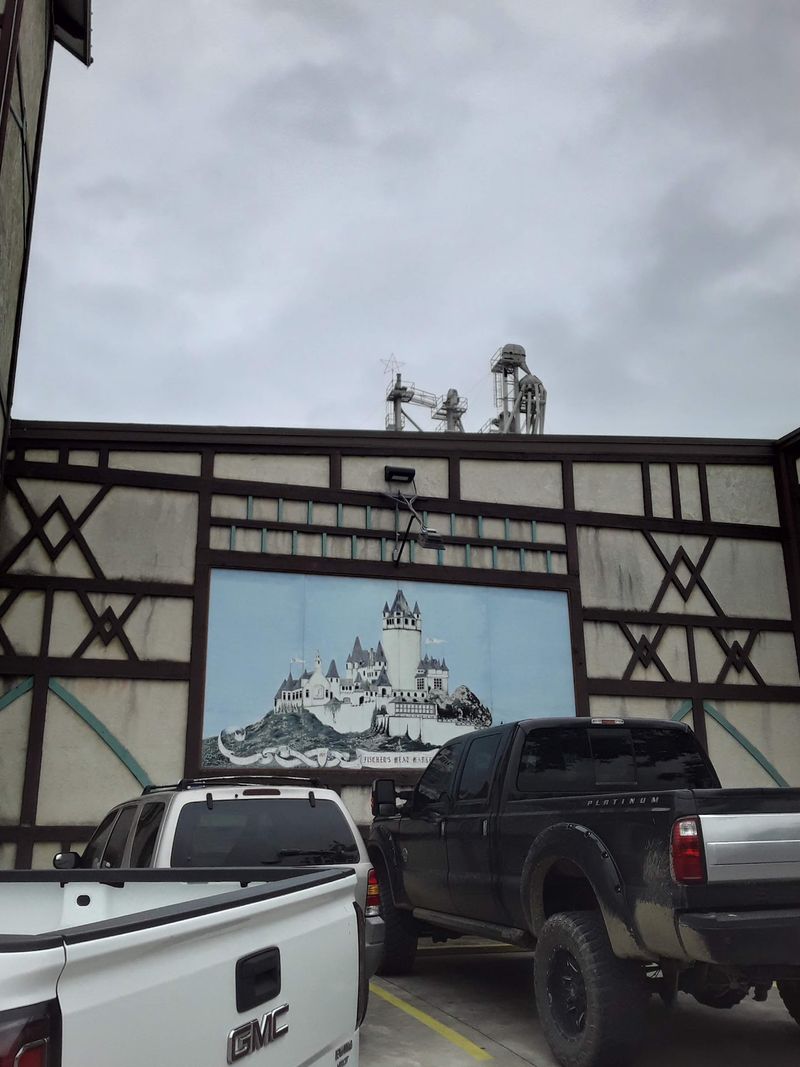
North Texas gets its own slice of Germany, too. Muenster, a farming town of around 1,500 people in Cooke County, was settled in 1889 by German Catholic colonists.
They named it after Münster, Germany, and the connection is easy to spot. Along Main Street, which is also US 82, you will find Bavarian-trimmed facades, German delis, and small shops.
The town is best known for its annual Germanfest, a Bavarian-style celebration of food, music, and heritage. German-style bakeries and sausage markets keep that spirit going the rest of the year.
From Dallas-Fort Worth, Muenster is typically about a 90-minute drive. That makes it a solid day trip for anyone who wants German flavor without heading to the Hill Country.
5. Schulenburg

Road trippers on I-10 between Houston and San Antonio often fly right past Schulenburg. That is a shame, because this small town of about 2,600 has a strong German story.
Founded in 1873, it was named for German immigrant Louis von Schulenburg. The town grew up as a railroad crossroads surrounded by Fayette County farmland.
Schulenburg is also known as a gateway to the Painted Churches, historic churches built by 19th-century German and Czech settlers in the surrounding countryside. Plenty of visitors use the town as a starting point for touring them.
Downtown, North and South Main Street form a walkable strip of heritage storefronts, German-style meat markets, and local businesses. It is roughly halfway between Houston and San Antonio, which makes it an easy stop to stretch your legs.
6. Comfort
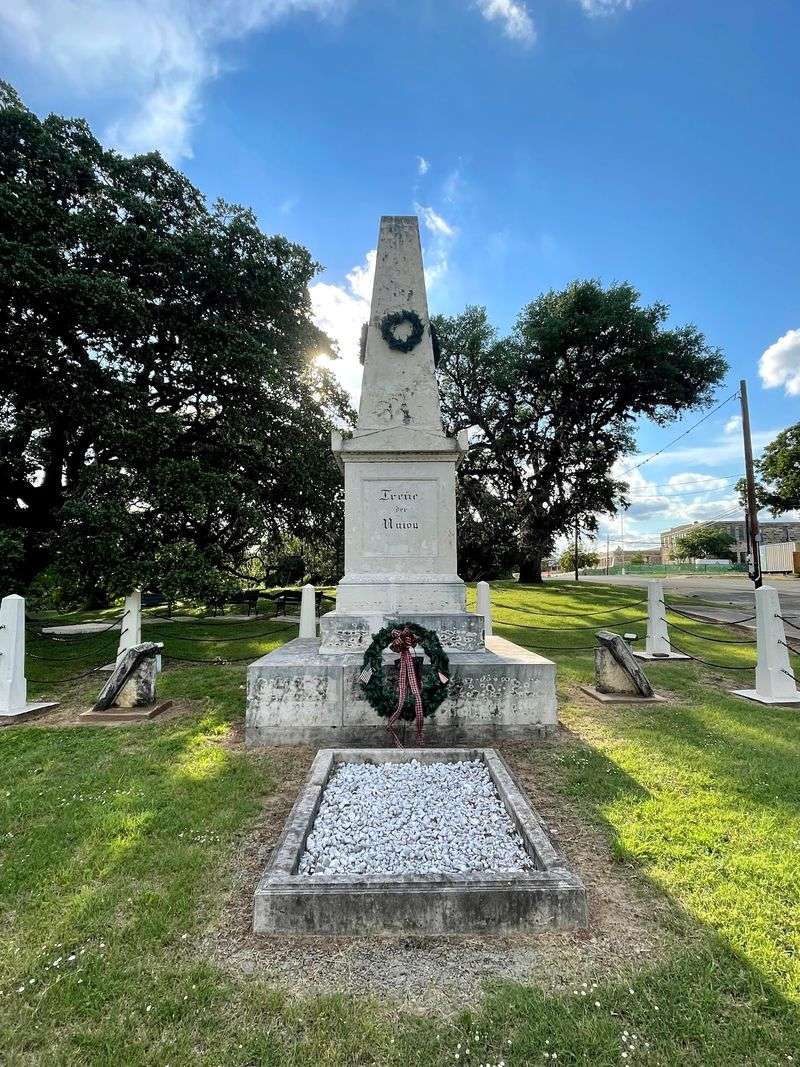
Architecture fans, this is your town. Comfort holds one of the most complete collections of German fachwerk and native limestone buildings in Texas.
German freethinkers established the community in 1854. It remains unincorporated, with an estimated 2,500 residents and a 19th-century layout that has stayed largely intact.
Most of the strolling happens on High Street and around historic 7th and Main Street. Historic hotels, limestone facades from the pioneer era, and antique shops fill the blocks.
Comfort is quieter than its Hill Country neighbors, which is part of the appeal. It sits along I-10 about 45 minutes from San Antonio and pairs nicely with a stop in Boerne or Fredericksburg.
7. Weimar
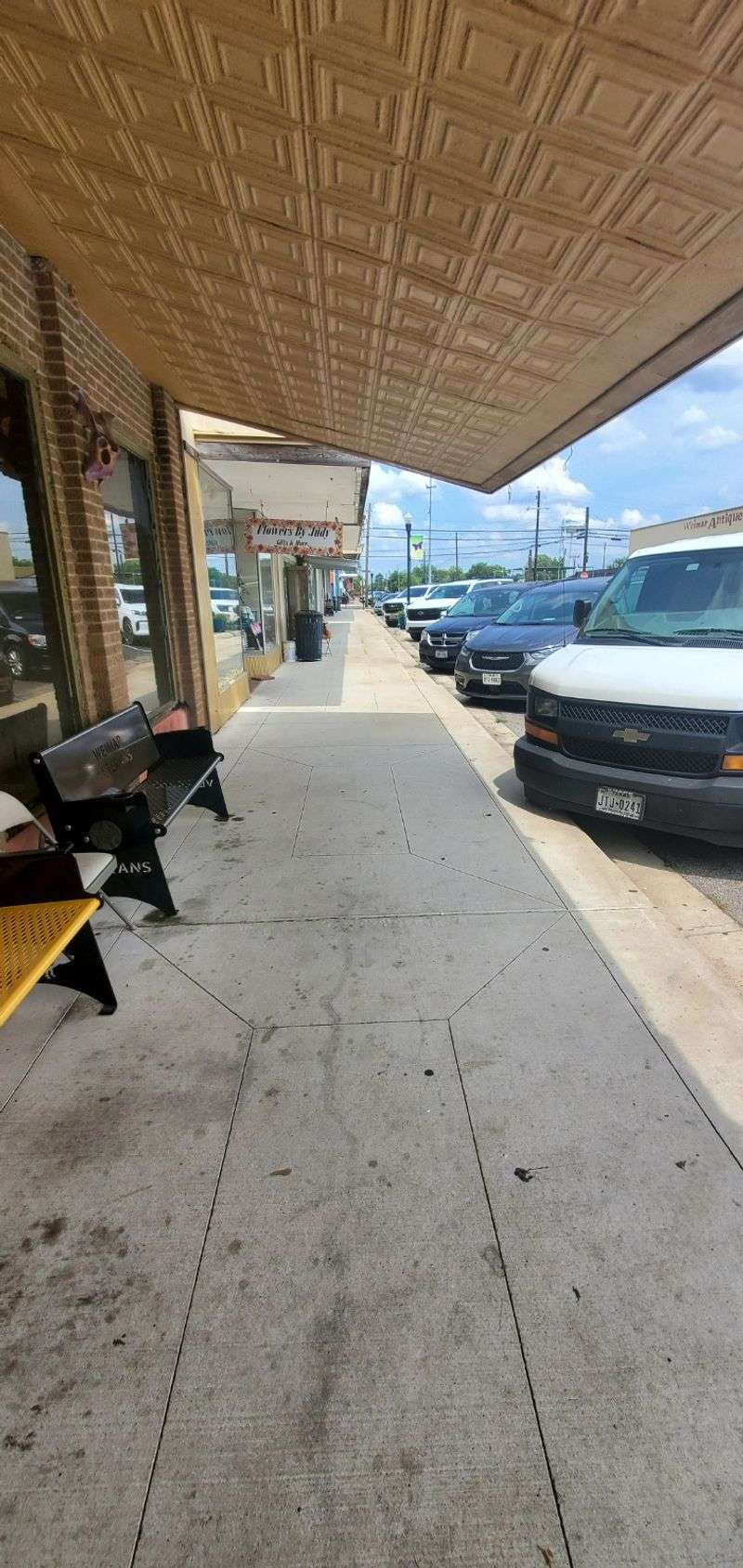
Some towns hint at their German past. Weimar just spells it out, since it was named directly after Weimar, Germany, when it was founded in 1873.
German immigrant families settled the area heavily, and their traditions and architecture still hold on today. The town of about 2,100 sits in Colorado County farm country.
East and West Main Street form a pedestrian-scale corridor lined with turn-of-the-century brick storefronts. Community gathering spots and a traditional town square keep the small-town character strong.
Weimar is just off I-10, roughly 90 minutes west of Houston. I would pair it with nearby Schulenburg for a relaxed day of German heritage towns.
8. Castroville
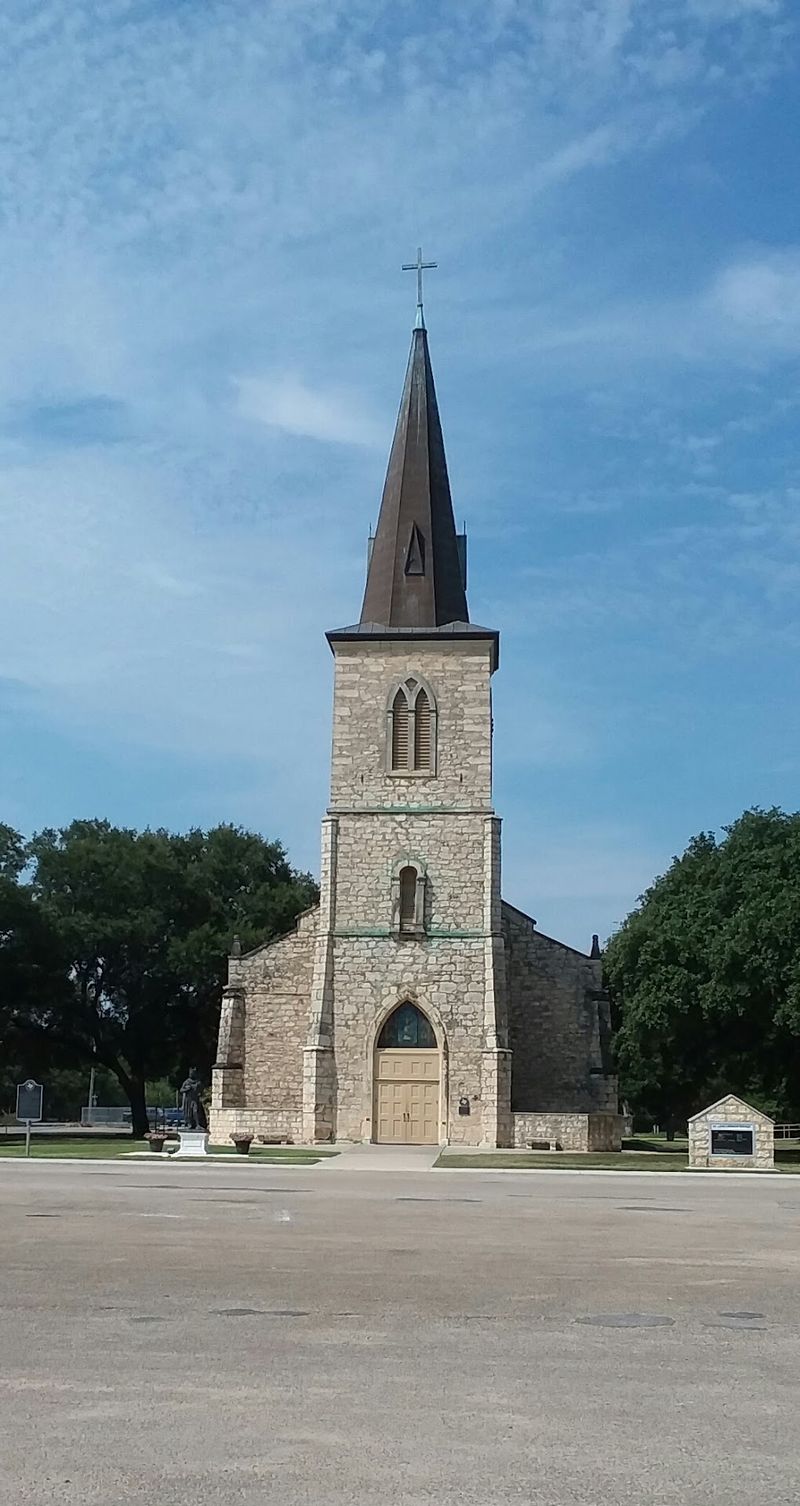
Here is a twist on the theme. Castroville calls itself “The Little Alsace of Texas,” a nod to the Alsatian and German-speaking colonists who settled it in 1844.
Alsace sits on the border of France and Germany, and the town shows that blend. Look for steep, high-pitched roofs and historic stucco-and-timber cottages that look different from anywhere else in Texas.
Paris Street and Main Street make good walking routes past 19th-century German-Alsatian landmarks. European bakeries add a tasty reason to slow down.
The town of about 3,000 is in Medina County, around 30 minutes west of San Antonio. It is one of the easiest culture-packed day trips from the city.
9. Brenham
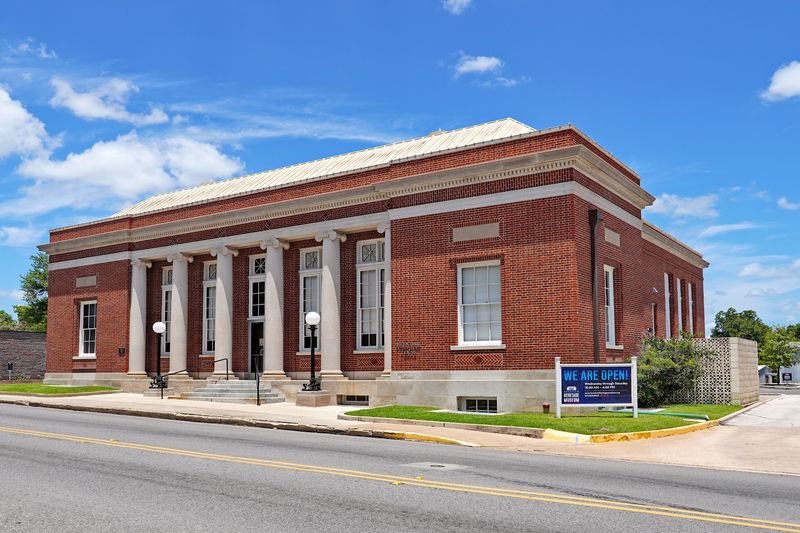
Spring is a great time to visit Brenham. The town hosts the historic annual Maifest, a celebration rooted in its German heritage.
Brenham was one of early Texas’s most prominent German settlement hubs. German-American historic societies help keep that story alive today.
The Downtown Brenham Historic District centers on East and West Main Street. Walkable sidewalks, historic architecture, and traditional storefronts make it easy to spend a couple of hours exploring.
This county seat of about 17,000 sits in rural Washington County, roughly 75 minutes from Houston and under two hours from Austin. It caps off this list nicely for anyone mapping out a German heritage road trip across Texas.


