
Affiliate disclosure: As an Amazon Associate I earn from qualifying purchases. Learn more
Winter photography can be tricky when the light fades early and snow creates challenging exposure situations. The right camera makes all the difference between grainy, blurry disappointments and stunning images that capture the magic of the season. Whether you’re shooting snowy landscapes at twilight, holiday gatherings indoors, or chasing the Northern Lights, these eight cameras deliver exceptional performance when the light gets low.
1. Canon EOS R6 Mark II – The low-light all-rounder for snowy adventures
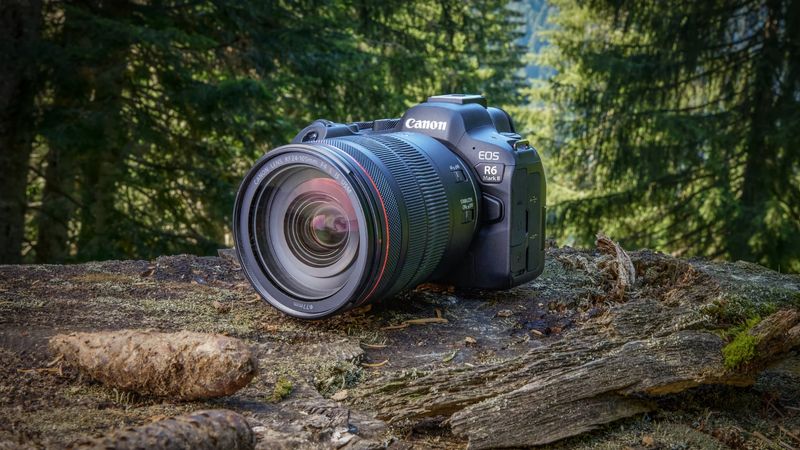
Independent testing ranks this camera as the best low-light performer currently available, thanks to its 24.2-megapixel full-frame sensor and excellent noise control at high ISO settings. Clean RAW files mean your winter shots stay detailed even when you push the sensitivity up.
The 5-axis in-body stabilization offers up to 8 stops of shake reduction with compatible lenses, letting you shoot handheld at slow shutter speeds during dusk without blur. The magnesium alloy body comes fully weather-sealed against dust and moisture, built specifically for outdoor adventures in variable conditions.
2. Nikon Z6 III – Cold-proof hybrid that just works
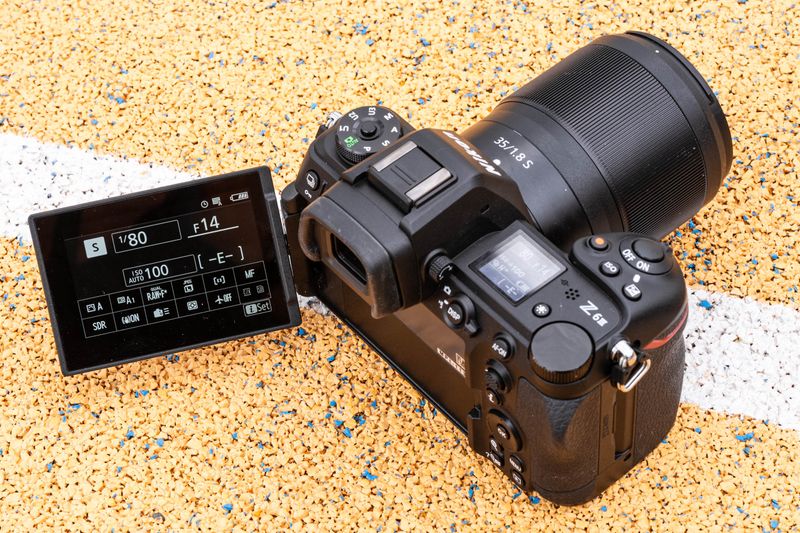
This full-frame workhorse uses a 24.5-megapixel partially stacked sensor with advanced noise reduction that keeps images clean and detailed even in dim indoor or twilight conditions. The wide ISO range handles challenging lighting without sacrificing quality.
Rated to work down to negative 10 degrees Celsius, the fully weather-sealed body is explicitly designed for cold, wet environments. Its 5-axis stabilization system delivers up to 8 stops of compensation, while fast burst rates and oversampled 4K/6K video make it perfect for capturing action in low-contrast winter scenes.
3. Sony A7 V – High-resolution winter storyteller
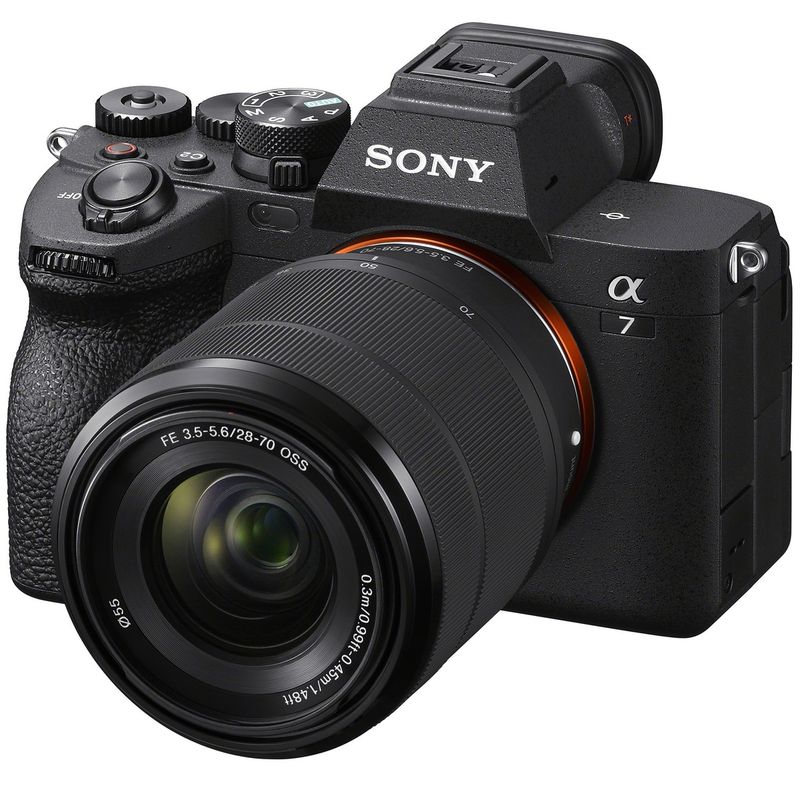
Sony’s newest A7 model takes the popular A7 IV and elevates it with a 33-megapixel semi-stacked sensor and upgraded BIONZ XR 2 processor. The ISO range extends from 50 to 204,800, with reviews noting clearly improved low-light performance over previous generations.
In-body stabilization has been upgraded to 7.5 stops, making handheld night shots easier and letting you keep ISO lower for cleaner results. Improved handling and weather resistance maintain Sony’s solid sealing against dust and moisture, keeping your gear protected during winter outings.
4. Sony A7S III – The night-vision specialist
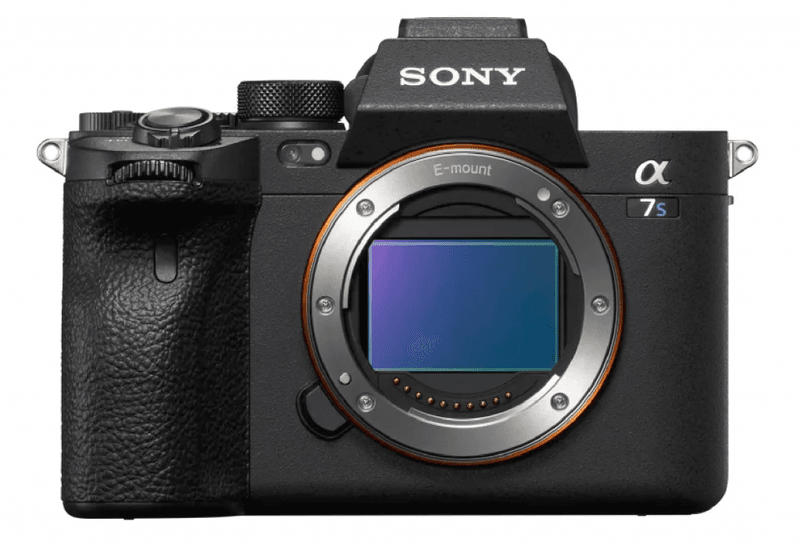
When winter means shooting Northern Lights, night street scenes, or very dark events, this 12-megapixel powerhouse delivers. The full-frame BSI sensor is optimized purely for sensitivity, with native ISO reaching 102,400 and expansion to 409,600.
Lab and field reviews consistently describe it as a true low-light specialist, capable of surprisingly clean images at ISO levels that would cripple other cameras. The 5-axis stabilization offers around 5.5 stops of compensation for handheld shooting in darkness, while weather sealing protects against dust and moisture during outdoor work.
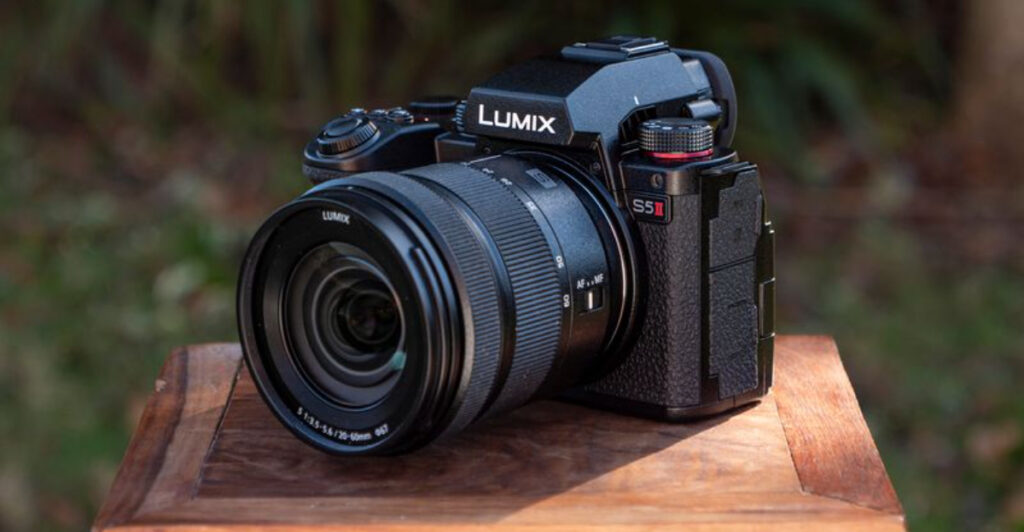
5. Panasonic Lumix S5 II – Budget-friendly full-frame low-light beast
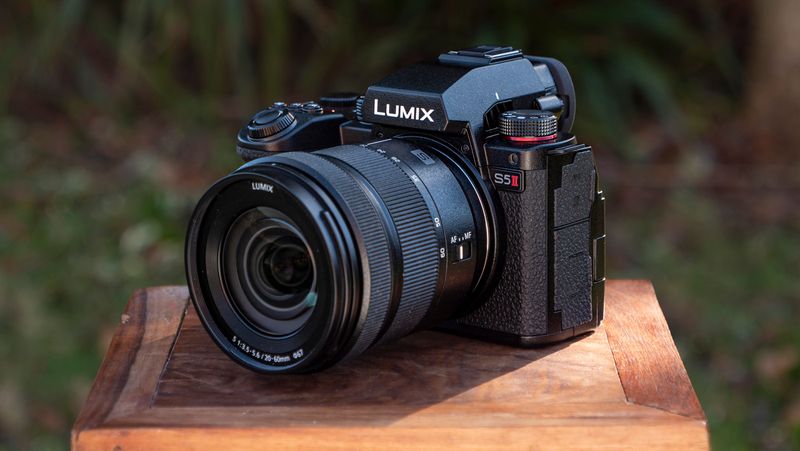
Full-frame low-light performance doesn’t have to break the bank. The S5 II’s 24.2-megapixel sensor, dual native ISO technology, and strong noise handling make it one of the best upper mid-range low-light cameras according to independent testing.
Five-axis stabilization combined with high-quality 4K video performance makes it especially appealing for creators shooting video during winter evenings or indoors. The magnesium alloy body comes splash and dust resistant, designed to withstand outdoor conditions when paired with appropriate lenses, giving you serious capability without pro-level prices.
6. OM System OM-1 Mark II – Blizzard-proof speed demon
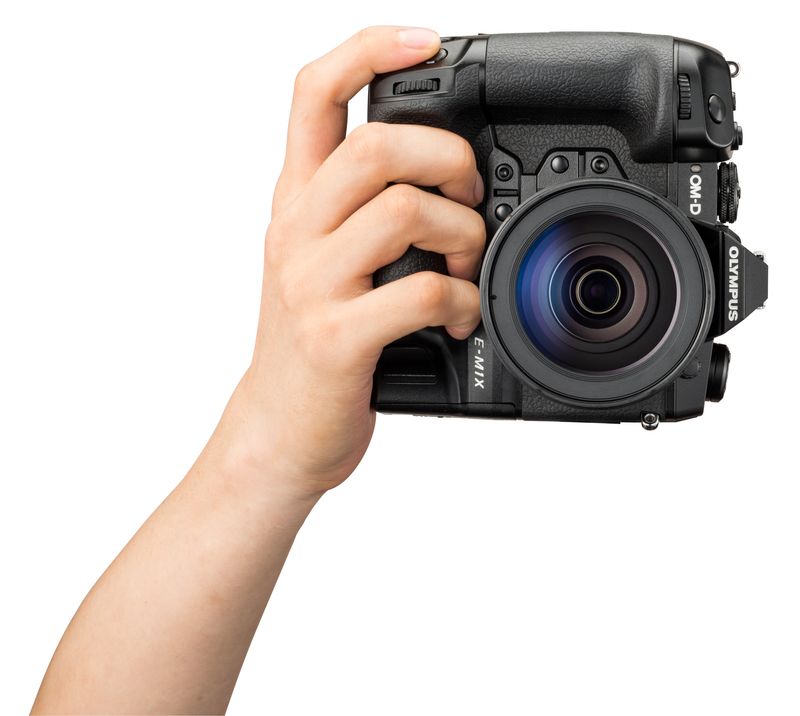
Chasing wildlife through snowstorms or shooting fast action in horrible weather? This flagship Micro Four Thirds body is built exactly for that challenge. Rated IP53 for dust and water resistance and officially freeze-proof down to negative 10 degrees Celsius, it’s among the most rugged mainstream cameras available.
Combined stabilization reaches 8.5 stops with supported lenses, absolutely huge for hand-held winter shooting at slow speeds. The stacked 20-megapixel sensor delivers fast readout and improved autofocus, giving very usable ISO performance and excellent tracking for snowboarding, wildlife, and other fast subjects.
7. OM System Tough TG-7 – Pocket-sized tank for slopes and storms
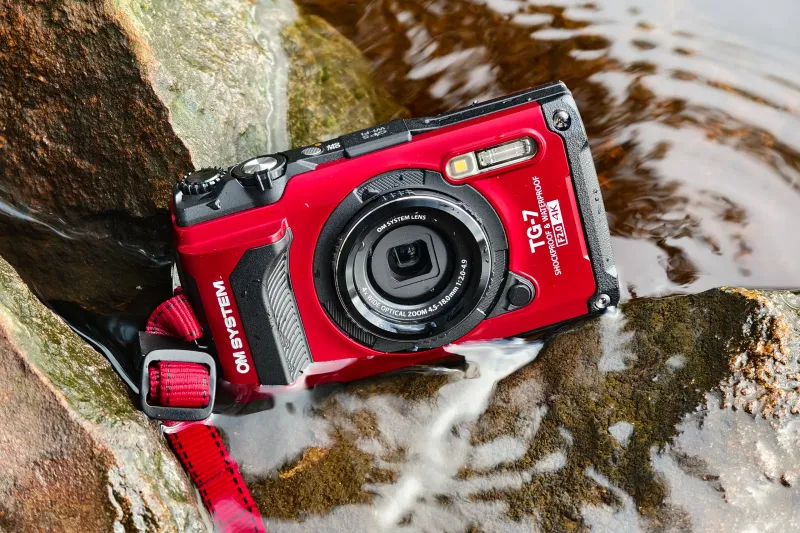
This isn’t a low-light monster like full-frame bodies, but it’s the camera you’re not afraid to dunk, drop, or freeze. Waterproof to 15 meters, shockproof from 2.1 meters, crushproof up to 100 kilograms, dustproof, and freezeproof to negative 10 degrees Celsius.
The fast f/2 to 4.9 zoom lens covers 25 to 100mm equivalent range, paired with a 12-megapixel BSI sensor and built-in stabilization. Waterproof camera roundups consistently pick it as the best rugged option, noting special shooting modes for underwater and low-light scenes when skiing, sledding, or playing with kids.
8. Pentax KF – Affordable DSLR that loves the cold
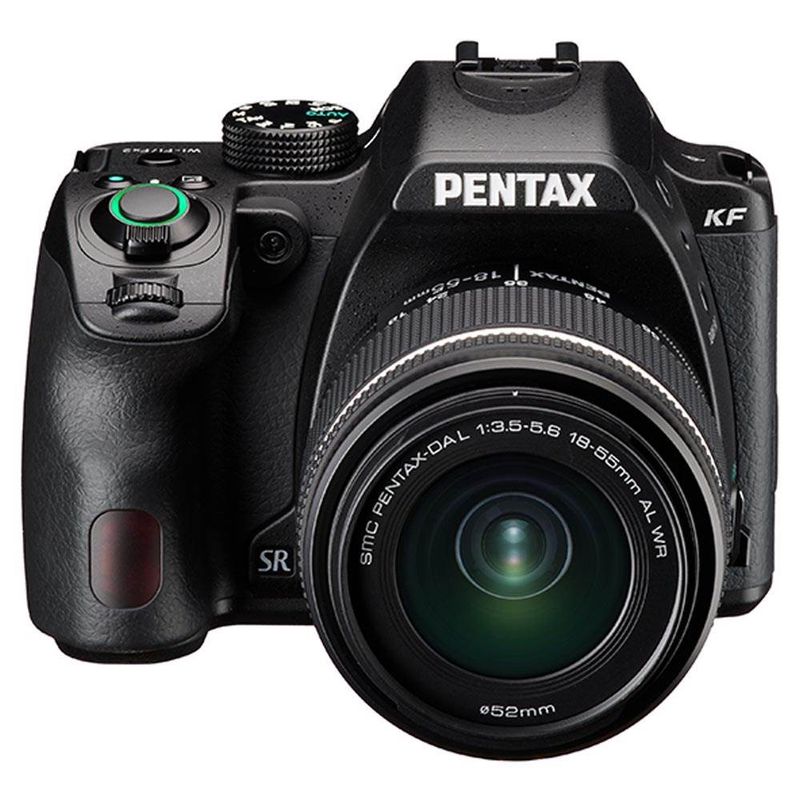
If you prefer optical viewfinders and want something specifically rated for cold and snow on a tighter budget, the Pentax KF stands alone. Dustproof, weather-resistant, and tested for cold-proof operation down to negative 10 degrees Celsius, it features about 100 seals across the body.
The 24.24-megapixel APS-C sensor includes in-body shake reduction rated to 4.5 stops, with ISO reaching 102,400 for solid low-light capability at this price point. Long-term reviews praise its ruggedness and image quality, though autofocus isn’t as advanced as modern mirrorless systems and can lag in very low light.