Affiliate disclosure: As an Amazon Associate I earn from qualifying purchases. Learn more
When the weather turns unpredictable, your jacket becomes your first line of defense. It needs to block rain and wind, manage heat, and stay comfortable through long days of use.
To find the shells that actually deliver, we tested eight jackets across months of storms, slushy commutes, and demanding trail days.
This roundup highlights what matters most when choosing a shell: fit, ventilation, durability, and real-world waterproof performance. We also break down key data points like waterproof ratings and breathability numbers, translating them into practical takeaways you can use.
If you want a jacket that keeps you dry, confident, and moving when conditions refuse to cooperate, this guide points you to the right choice.
1. Patagonia Torrentshell 3L Jacket
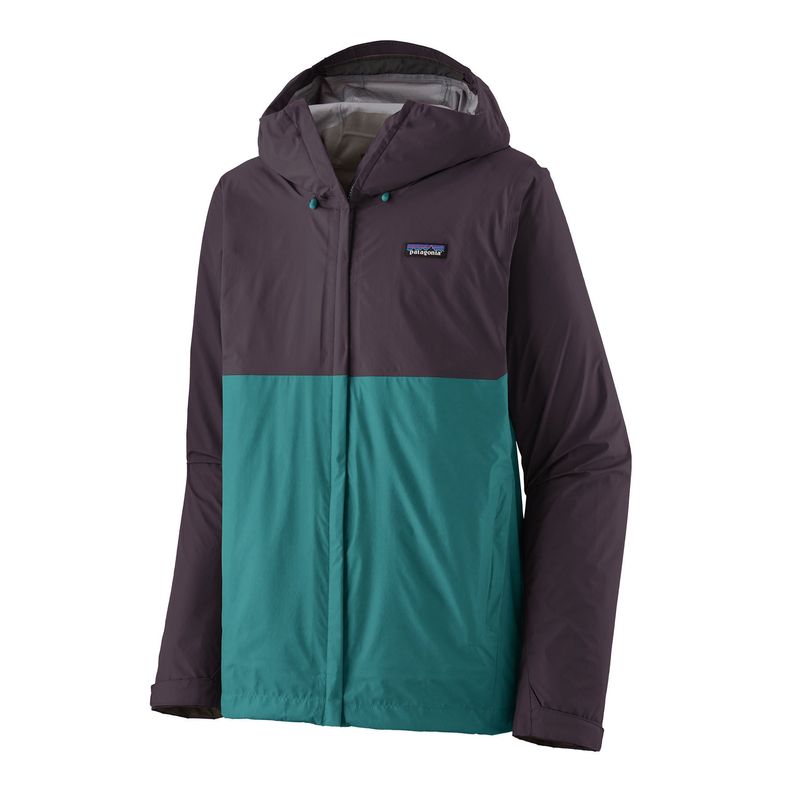
The Torrentshell 3L punches above its class with a sturdy 3-layer H2No build. It kept me dry through sustained showers while bushwhacking along soaked trails.
Pit zips dump heat fast on climbs, and the microfleece neck is a small luxury when winds whip.
It packs into its own pocket and disappears in a daypack. Patagonia reports the fabric is PFC-free DWR, which helps if you care about safer chemistry.
At around 12 ounces, it is not ultralight, but durability feels right for travel and weekend hiking. A dependable rain shell without drama.
2. Helly Hansen Foil X Jacket
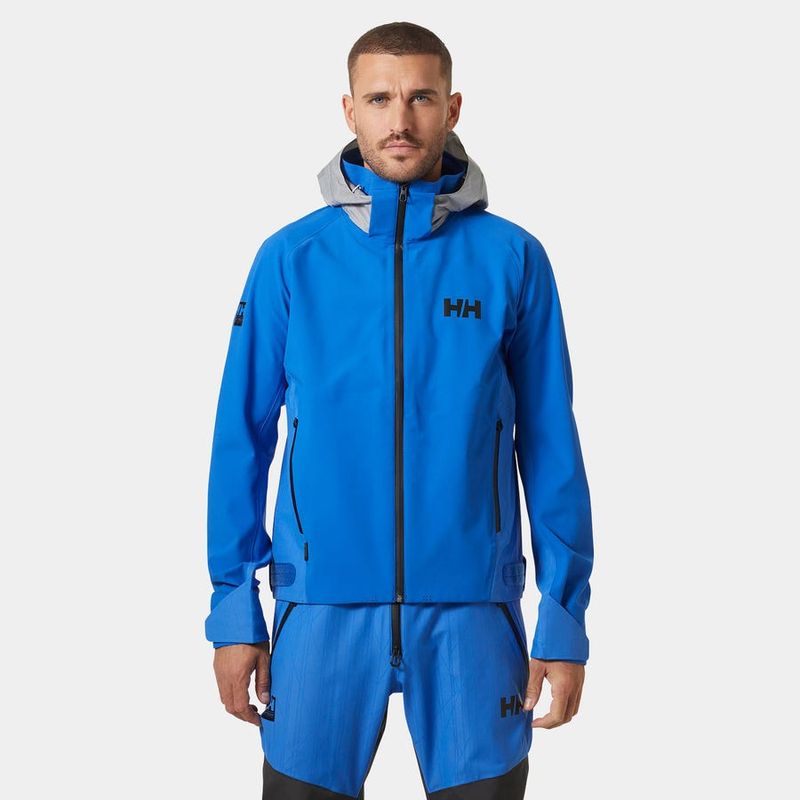
The Foil X feels built for squalls and speed. Helly Tech Professional level waterproofing keeps deckspray out while the stretch fabric moves effortlessly trimming lines or scrambling to rail.
In 30 knot gusts, the high collar and laminated hood sealed snugly without flapping.
Underarm vents and a mesh lining regulate heat when the sun breaks through. Seams and zippers are impressively sealed, surviving repeated soakings.
Onshore, it crosses into storm commuting with confidence. If your weather swings from sheets of rain to high-output effort, this jacket stays composed and protective without turning into a sauna.
3. Mountain Equipment Makalu Jacket
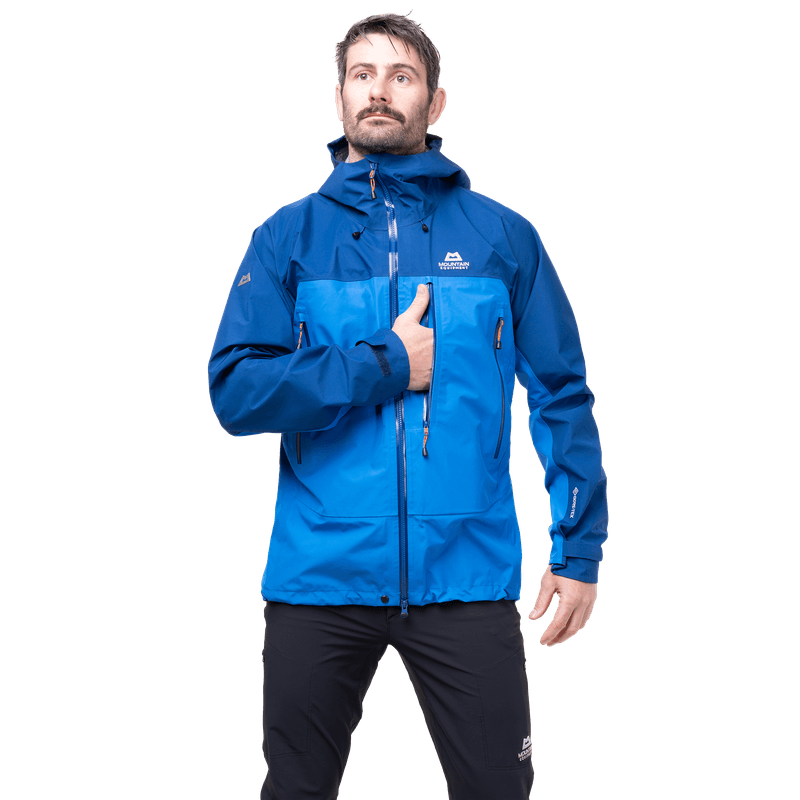
The Makalu nails the hillwalking brief with robust fabrics and excellent patterning. Its Gore-Tex 75D face stands up to abrasive packs and rough granite, while the Mountain Hood locks down without tunnel vision.
In driving rain, it stayed watertight all day with no wet-through.
Ventilation via pit zips and a two-way front zip helps manage steep ascents. Pockets sit high above a hipbelt and remain usable with gloves.
The fit is generous for layering without ballooning. For multi-day treks where conditions change hourly, it brings trustworthy weatherproofing and thoughtful mountaineering features at a fair weight.
4. Outdoor Research Foray 3L Jacket
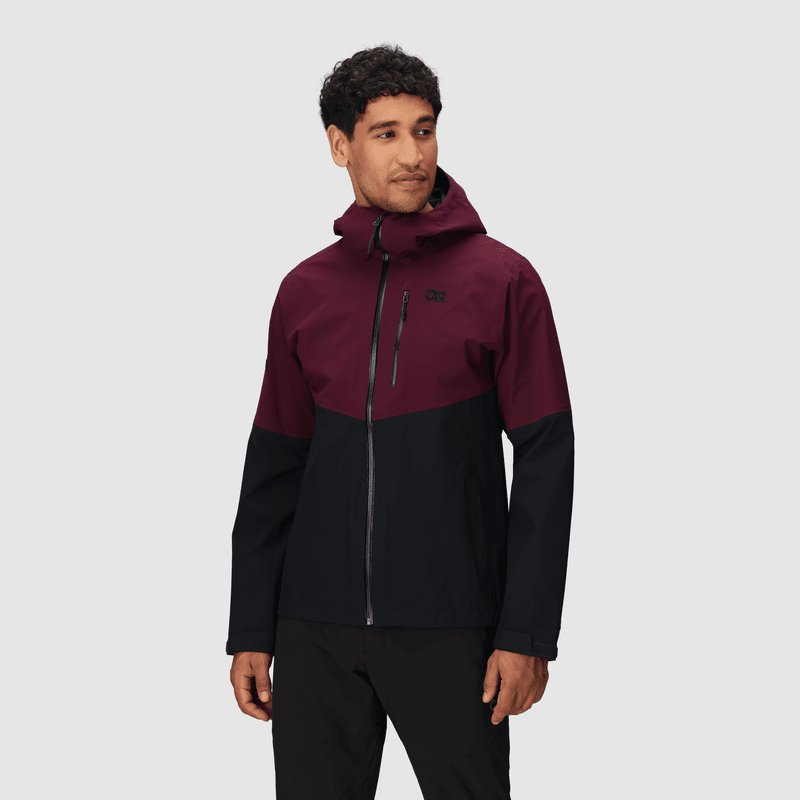
The Foray 3L updates a classic with full-length TorsoFlo vents that unzip from hem to bicep. Open them and you basically wear a poncho that still sheds rain, which is brilliant for humid trails.
The 3-layer laminate offers durable waterproofing and better next-to-skin feel.
In warm storms, those vents kept me moving without swampy build-up. The fit runs true with room for a midlayer.
OR’s fabric held up against pack straps over a weeklong trip. If you want one jacket that handles rain hiking, shoulder-season travel, and bike commutes, the Foray’s versatility stands out.
5. Montbell Versalite Jacket
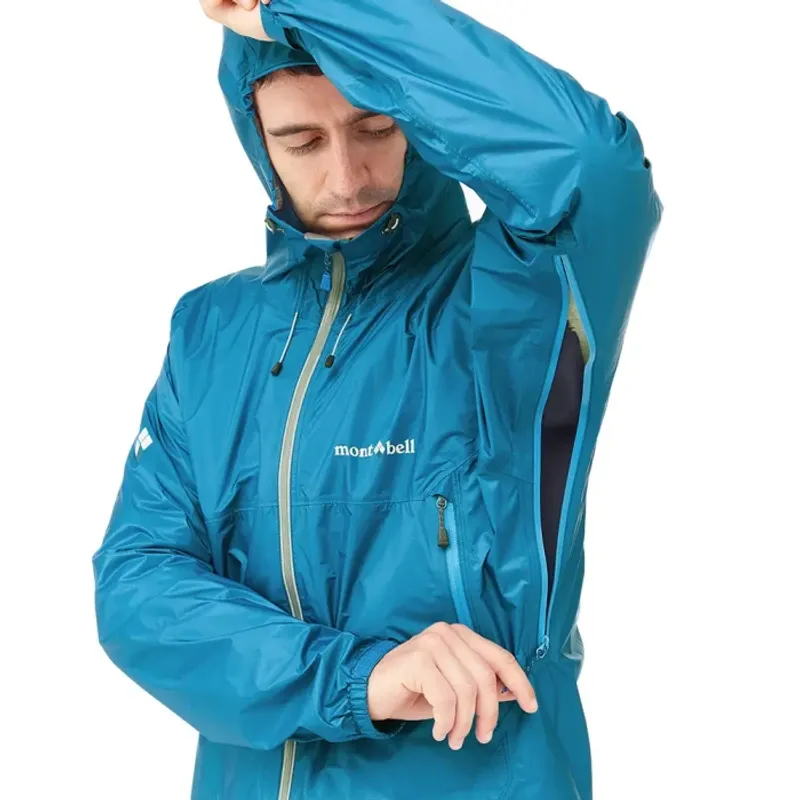
The Versalite is the pack-and-forget shell for ounce counters. At around 6 to 7 ounces, it disappears until the sky darkens.
Despite the weight, the 2-layer plus technology and quality seam taping kept me dry through fast-moving storms. The hood fits cleanly and the cuffs seal without fuss.
Breathability is solid for such a light piece, and the fabric handles careful use well. It packs to a grapefruit, perfect as a just-in-case layer for alpine starts and summer thru-hikes.
Respect its limits around abrasive rock. When every gram counts, this one brings serious weather insurance.
6. Arc’teryx Beta AR Jacket
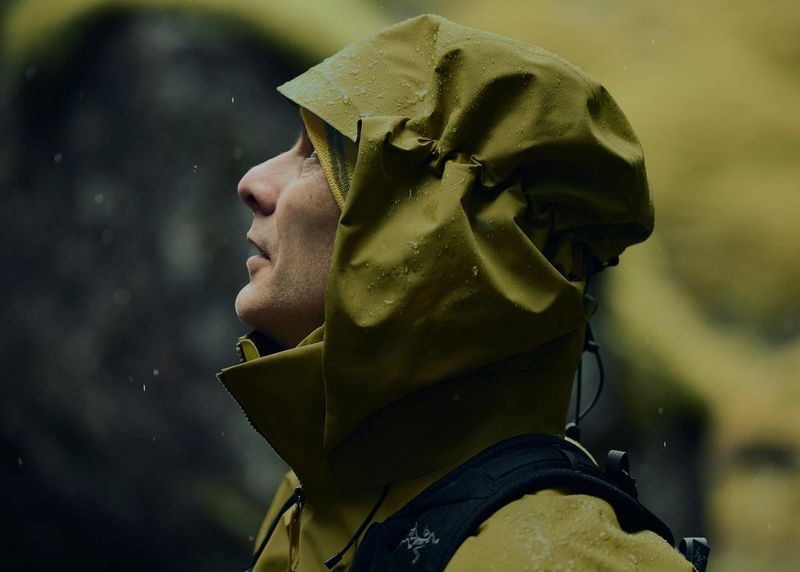
The Beta AR is the jacket you grab when the forecast says everything. Gore-Tex Pro delivers a proven 28,000 mm plus waterproof rating while remaining surprisingly breathable under effort.
The trim, articulated fit moves cleanly with a pack and harness without riding up.
In freezing sleet, the laminated hood brim kept vision clear, and the Cohaesive adjusters were glove friendly. After months of mixed rock and brush, the 80D face held strong.
It is expensive, yet the long-term durability offsets cost. For serious weather exposure, reliability and repairability matter most.